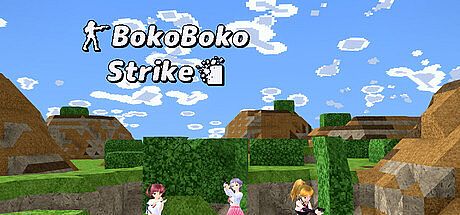


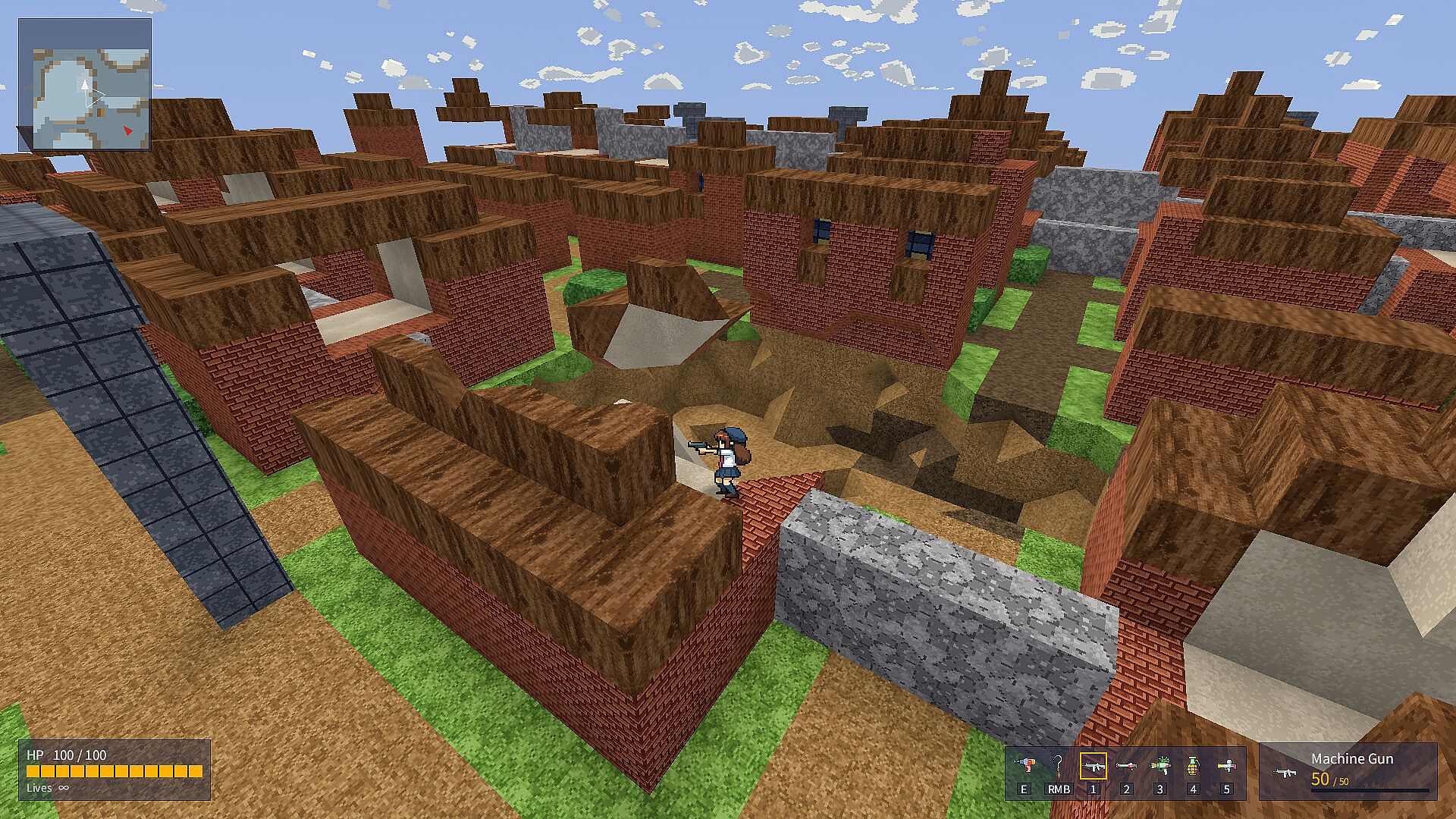
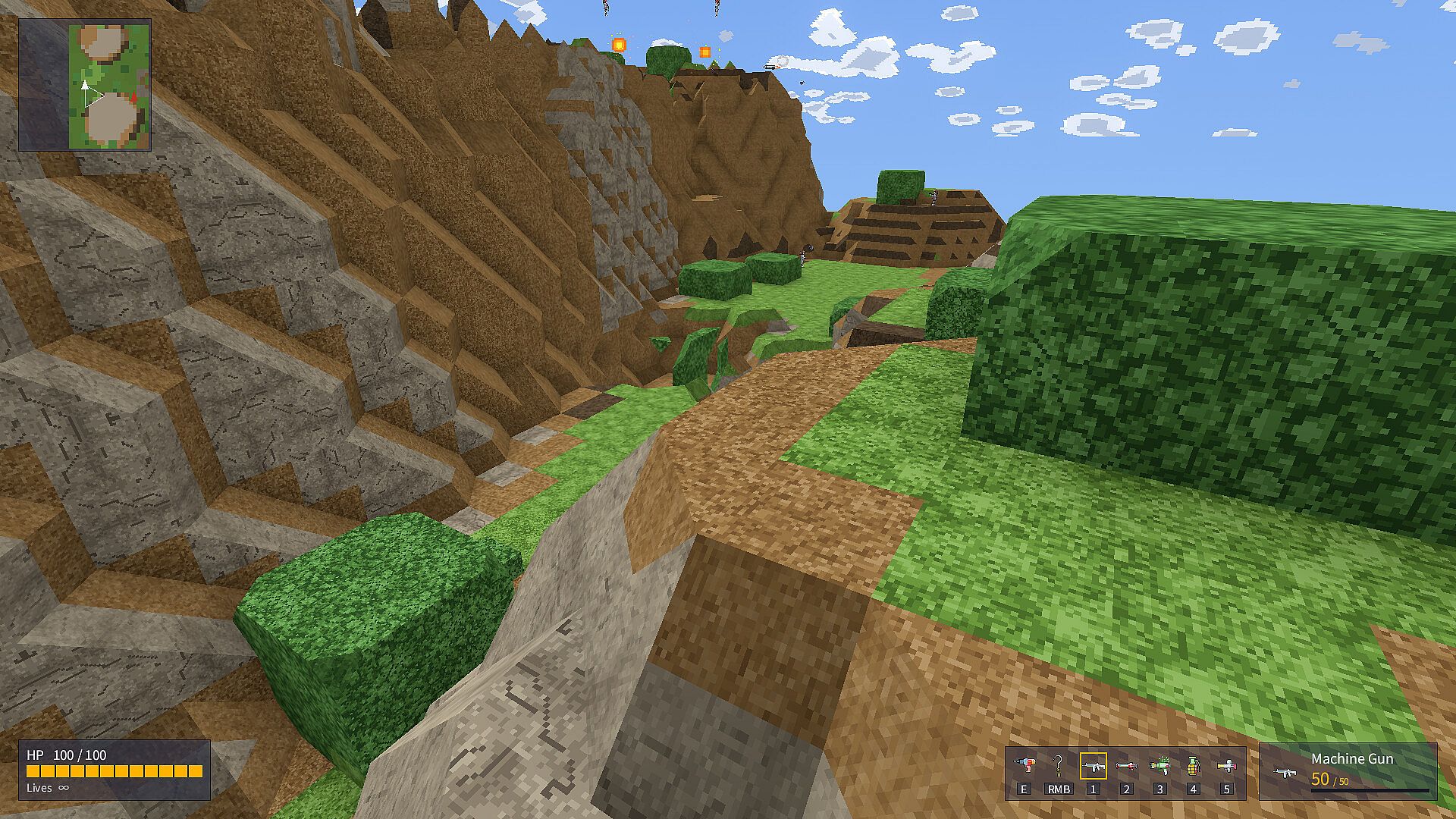
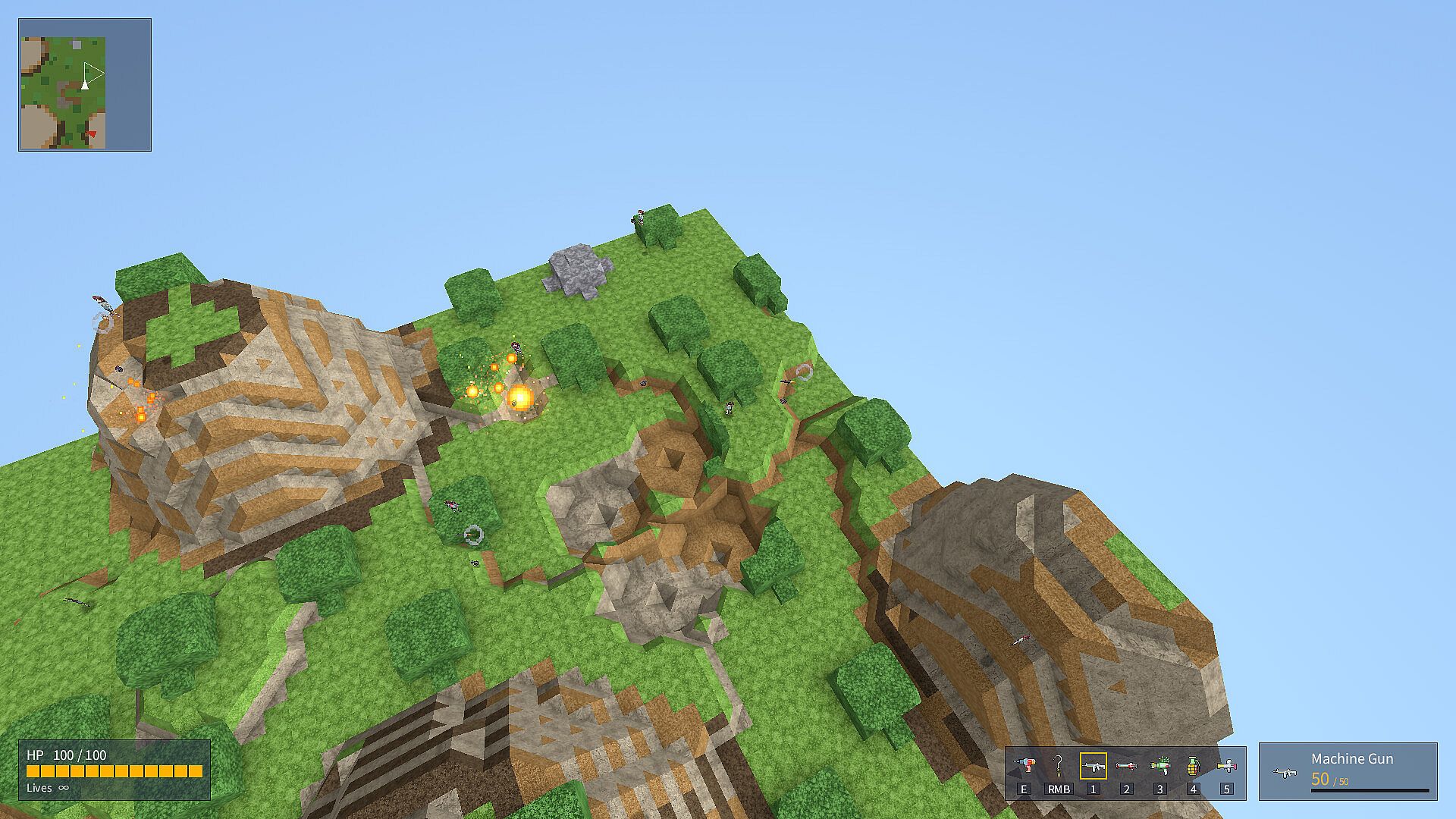
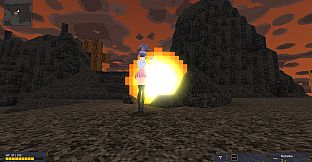
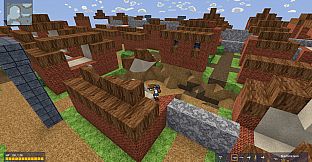
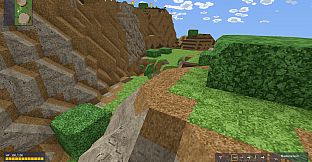
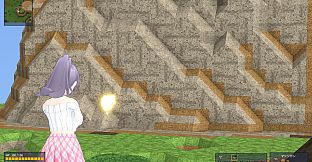
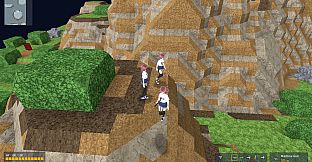
BokoBoko Strike is a 3D arena shooter built around fully destructible and constructible terrain. Players control small fighters in matches where every block of the environment can be removed, tunneled through, or added back in, turning walls into paths and high ground into temporary advantages that can collapse at any moment.
Gameplay
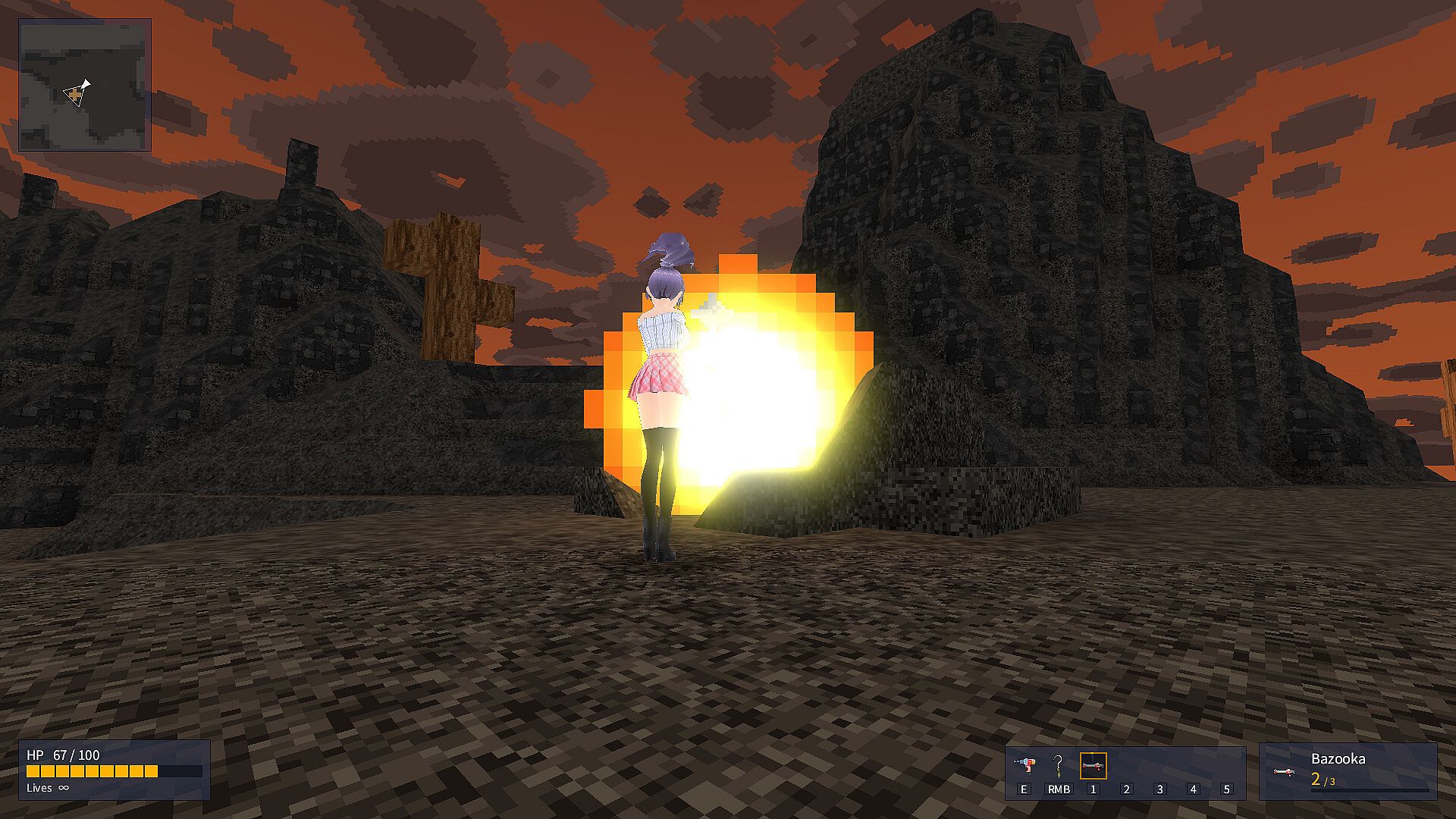
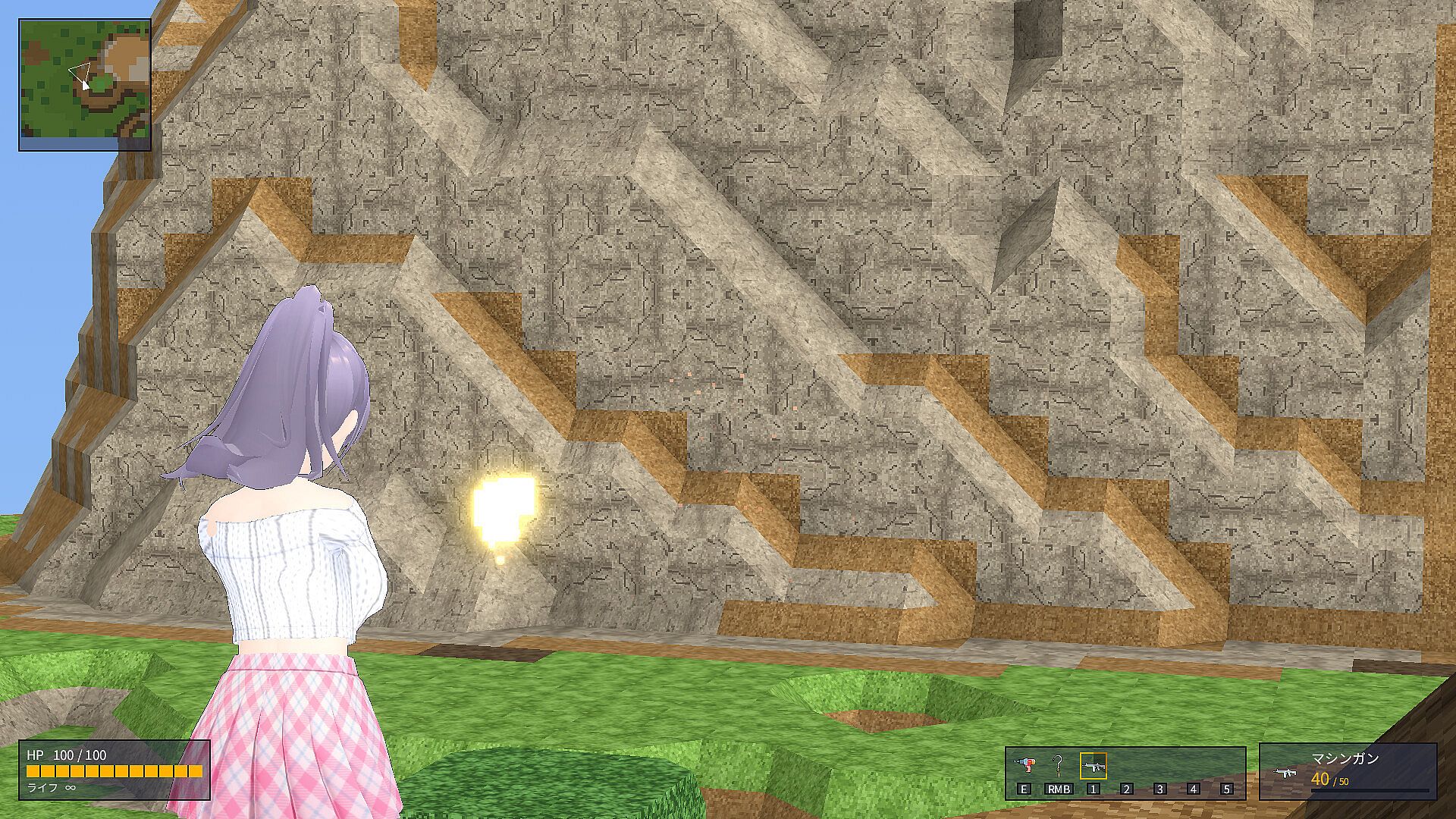
The core loop centers on using weapons and tools to reshape the battlefield while engaging opponents. Bullet guns, rockets, grenades, mines, a laser, a flamethrower, and a wind-firing cannon each affect bodies and ground differently, so choosing a loadout involves deciding how much of the map to sacrifice or preserve. Some thrown items add terrain instead, allowing players to seal openings, create cover, or bridge gaps, though a misplaced one can benefit the enemy.
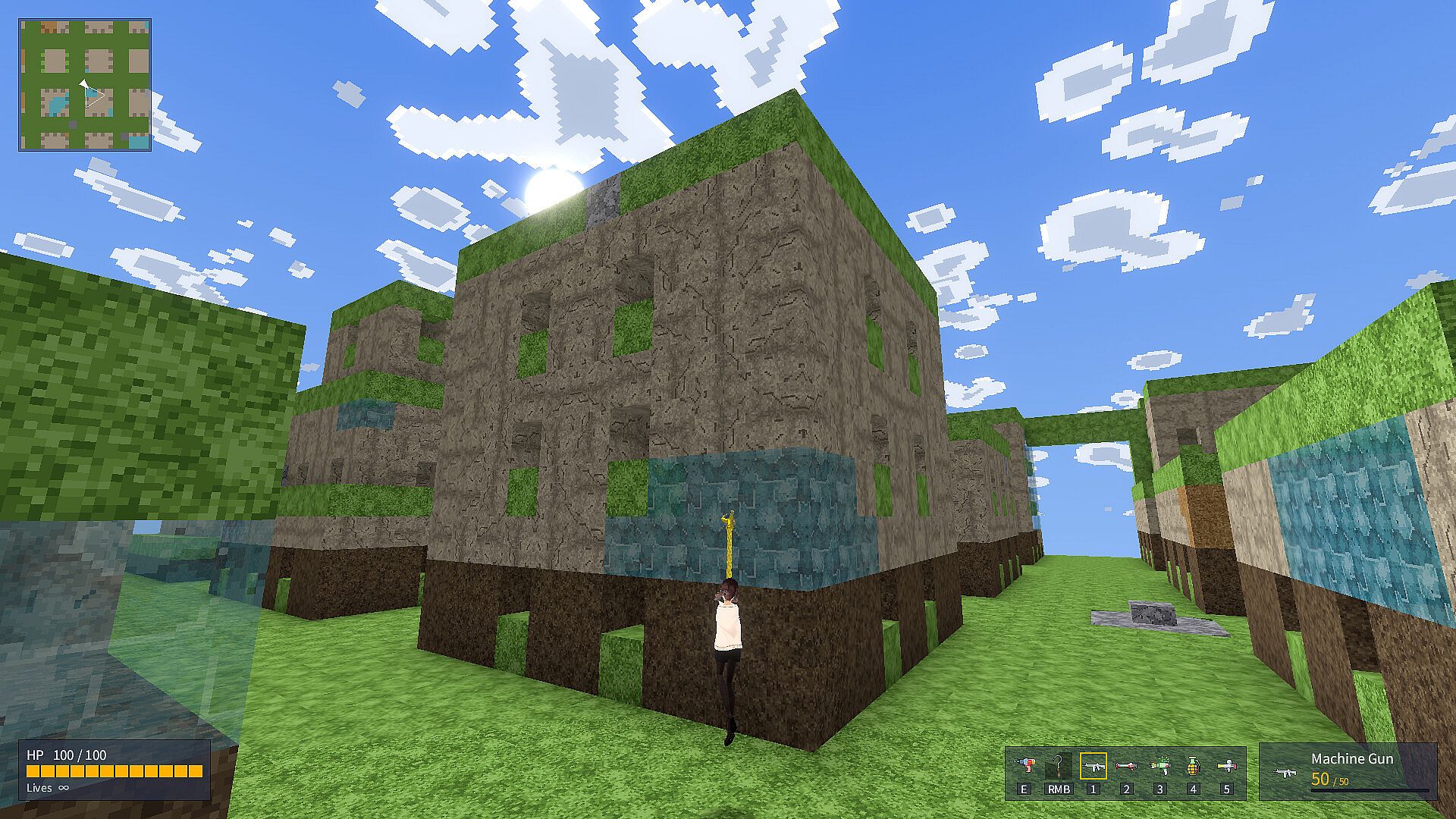
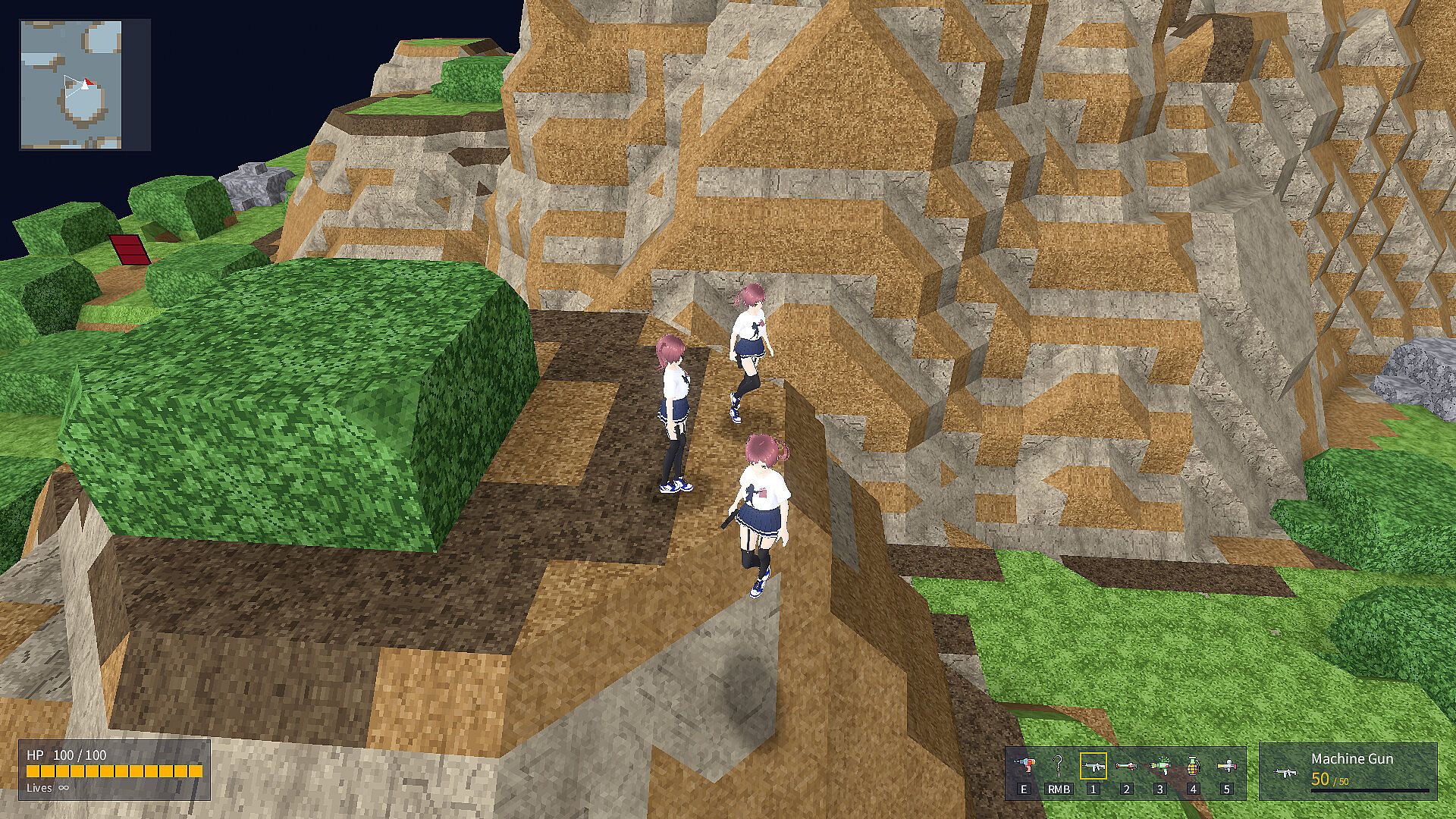
Movement relies heavily on the grappling hook, which fires as a projectile that can miss and anchors where it lands. Players swing like a pendulum, reel in, and release to carry momentum into shots. The anchor point can break like any other surface, adding risk to swings. The hand drill remains available at all times without using a loadout slot and lets players bore sniper slits, hollow hills, or quick escape routes through floors and walls.
CPU opponents navigate broken terrain, create their own paths, and employ the same rope and drill mechanics as human players. Matches support free-for-all or team formats with empty slots fillable by AI in multiple difficulty levels.
Game Modes
Three modes define the rulesets. Survival assigns each team a shared pool of lives; the team that depletes its pool is eliminated, leaving the last team standing as the winner. Deathmatch removes lives for unlimited respawns, with victory going to the first player or team to reach a set kill count. Practice serves as a solo range for testing the grappling hook, experimenting with weapon effects on terrain, and learning movement without opponents.
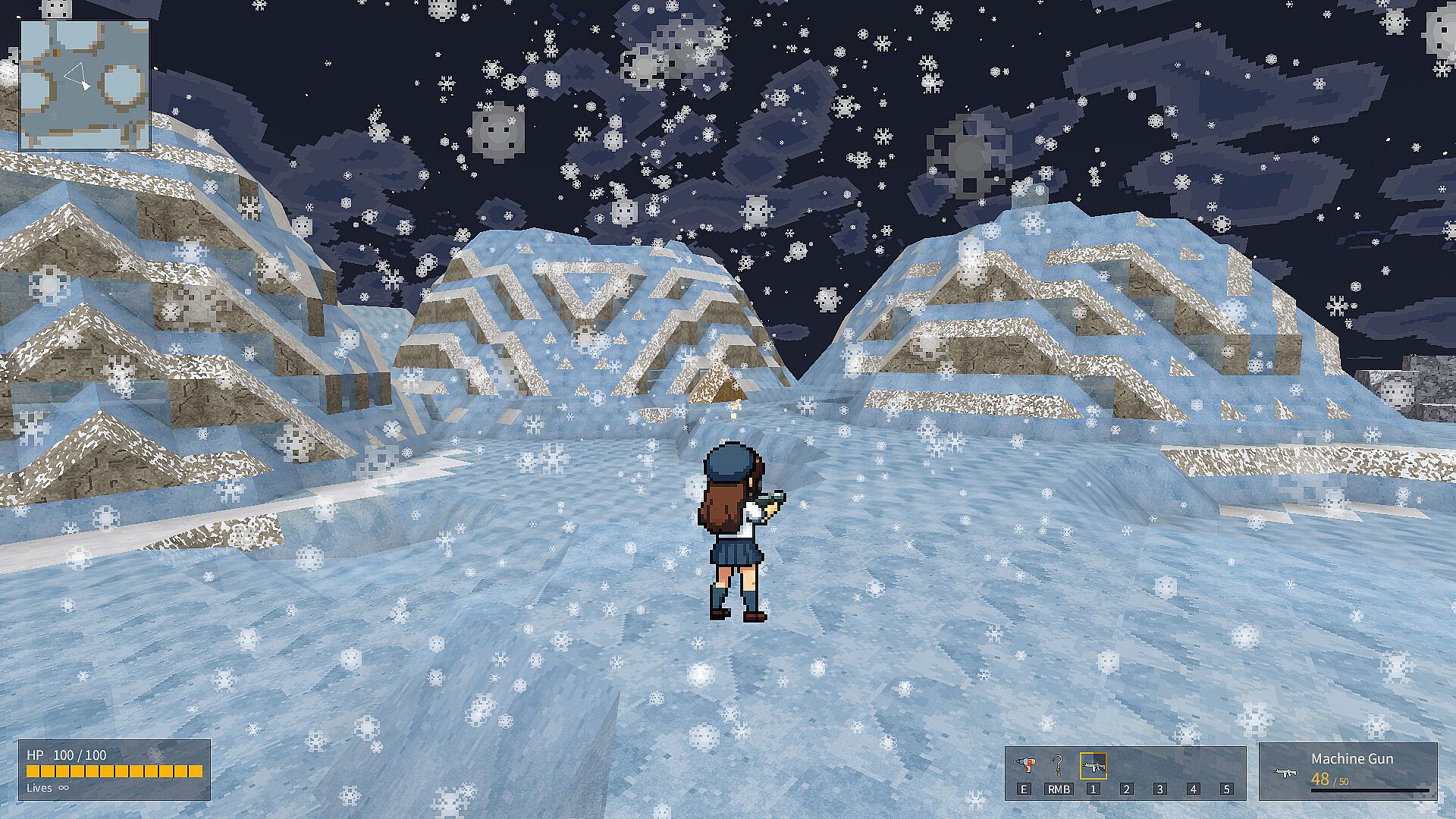
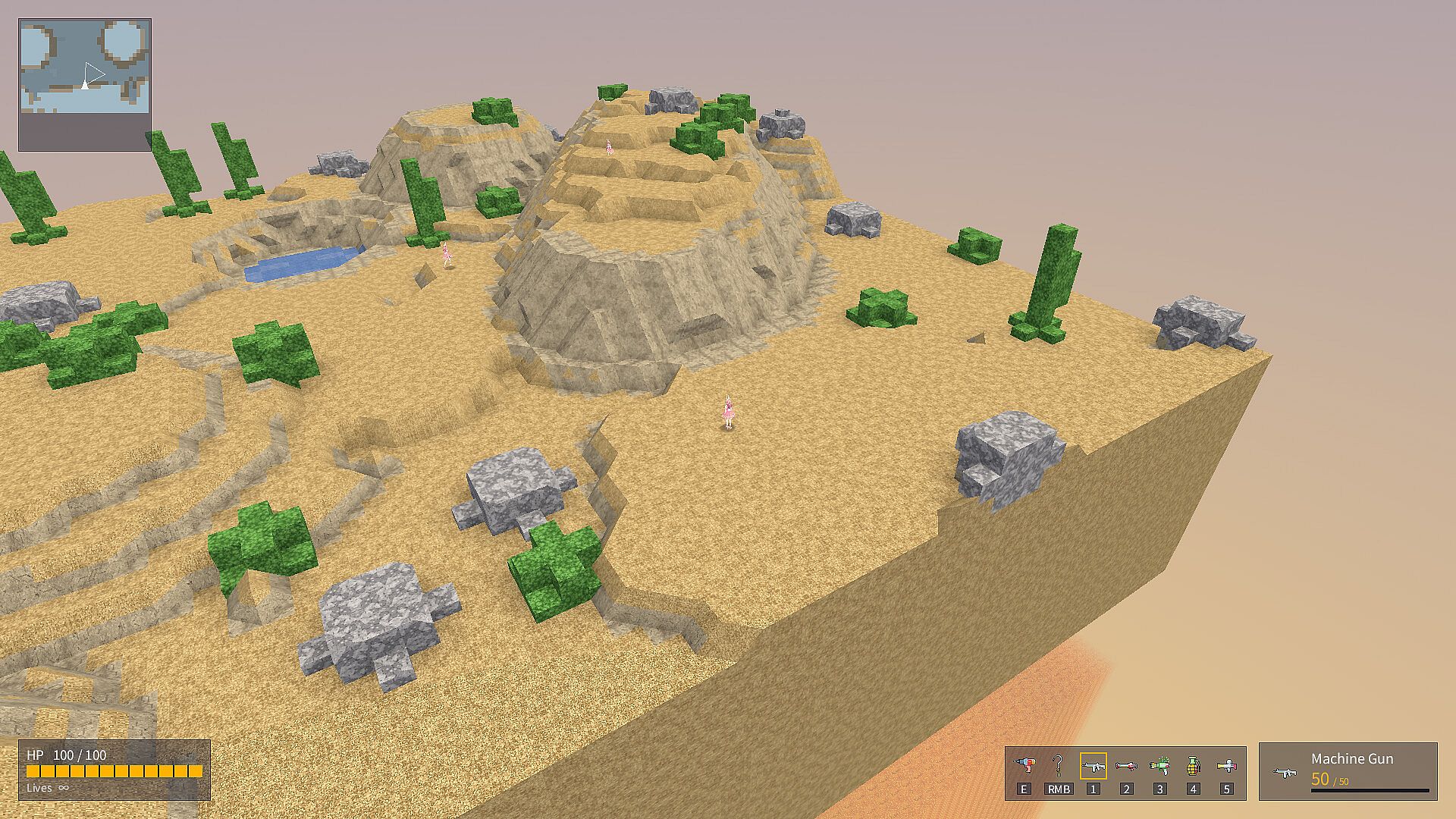
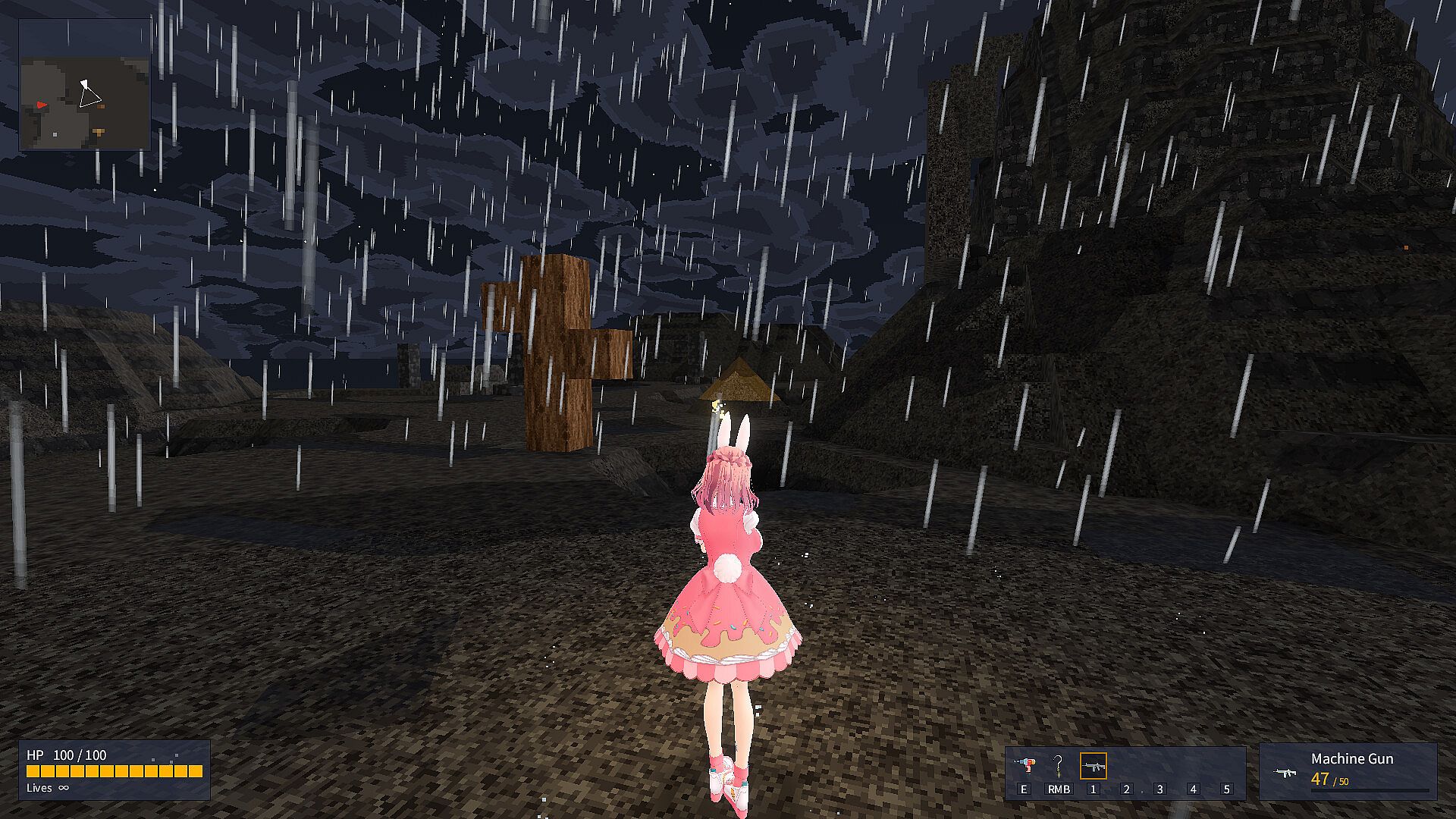
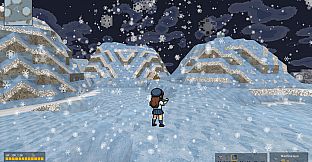
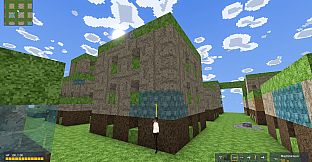
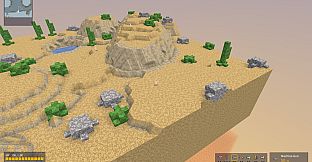
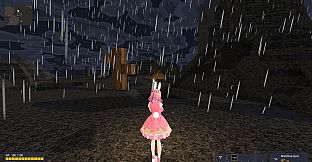
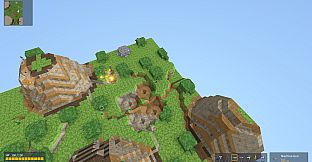
Any mode can run as free-for-all or team-based. Procedural maps generate fresh each match across themes such as grassland, desert, frozen tundra, volcanic ash, crystal caverns, and city blocks, each featuring its own day-night cycle and weather including rain, snow, and drifting clouds. Hand-built maps follow the same generation process when selected.
Maps and Editor
Every arena begins as either a seed-generated layout or a hand-crafted one. The in-game map editor sits on the main menu and uses the same tools that created all included maps. Players sculpt with hard-edged or smooth brushes, paint materials, place spawn points, and stamp structures before testing directly inside the editor. Completed maps save as single files that transfer directly to other players for loading.
Procedural generation ensures variety across sessions while hand-built options provide familiar layouts. Weather and lighting shift dynamically during matches, altering visibility and atmosphere without changing core mechanics.
Multiplayer and Progression
Online multiplayer supports direct play against friends, with remaining slots filled by CPU fighters. The game runs entirely on keyboard and mouse with rebindable controls, a minimap, kill feed, scoreboard, and spectator camera after elimination. No controller support exists in the current build.
The title launches into Early Access with the full core loop already functional, including terrain interaction, weapons, rope, drill, modes, AI, and editor. Additional maps, weapons, community sharing options, and refined match rules are planned for later updates based on player feedback.
Is It Worth Playing?
BokoBoko Strike suits players who enjoy arena shooters where environment manipulation forms a central part of strategy rather than a side feature. The combination of real projectile grappling, always-available drilling, and separate body-versus-terrain weapon effects creates a distinct loop focused on verticality, improvisation, and map awareness that evolves round by round.
Those interested in building and sharing custom arenas will find the integrated editor immediately useful, as maps export as portable files without external tools. Early Access means the experience includes active development, with the developer noting that online play and balance tuning will improve through community input. The absence of music and controller support at launch represents current limitations rather than final design choices.
Players seeking fast, chaotic matches with high replayability from changing arenas and creative movement will find the systems rewarding once the rope and terrain interactions click. Those preferring polished single-player campaigns or extensive progression systems may prefer to wait for further updates. The game remains accessible through its straightforward controls and solo practice option while scaling to group play.