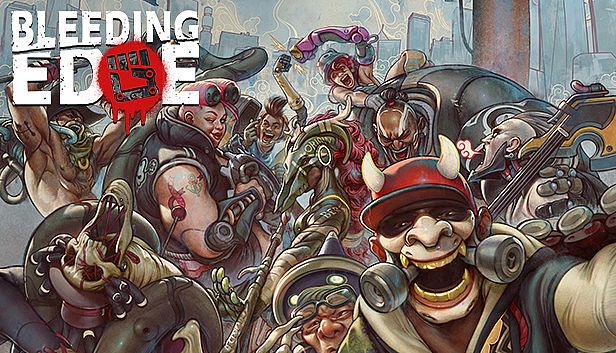













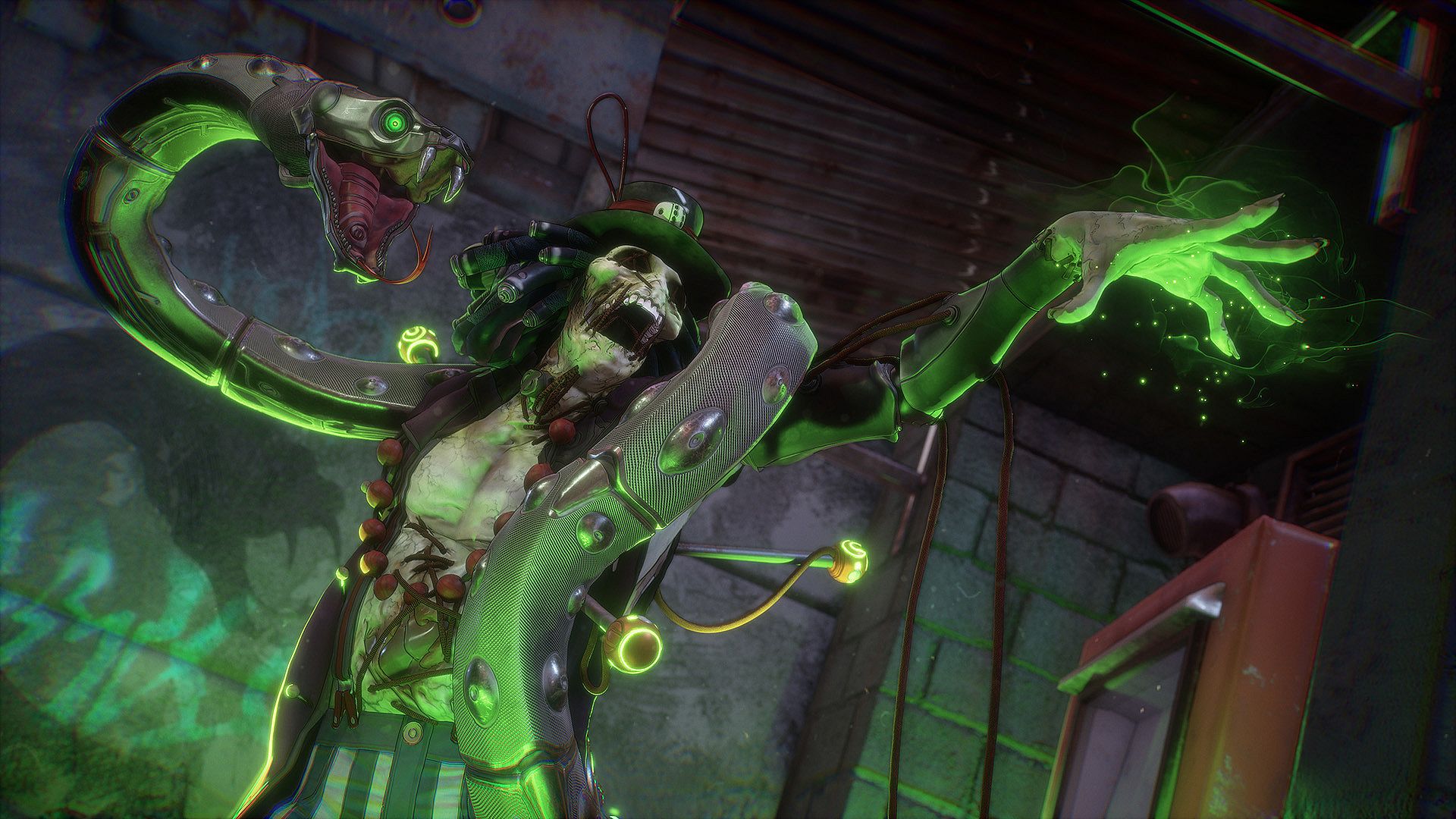
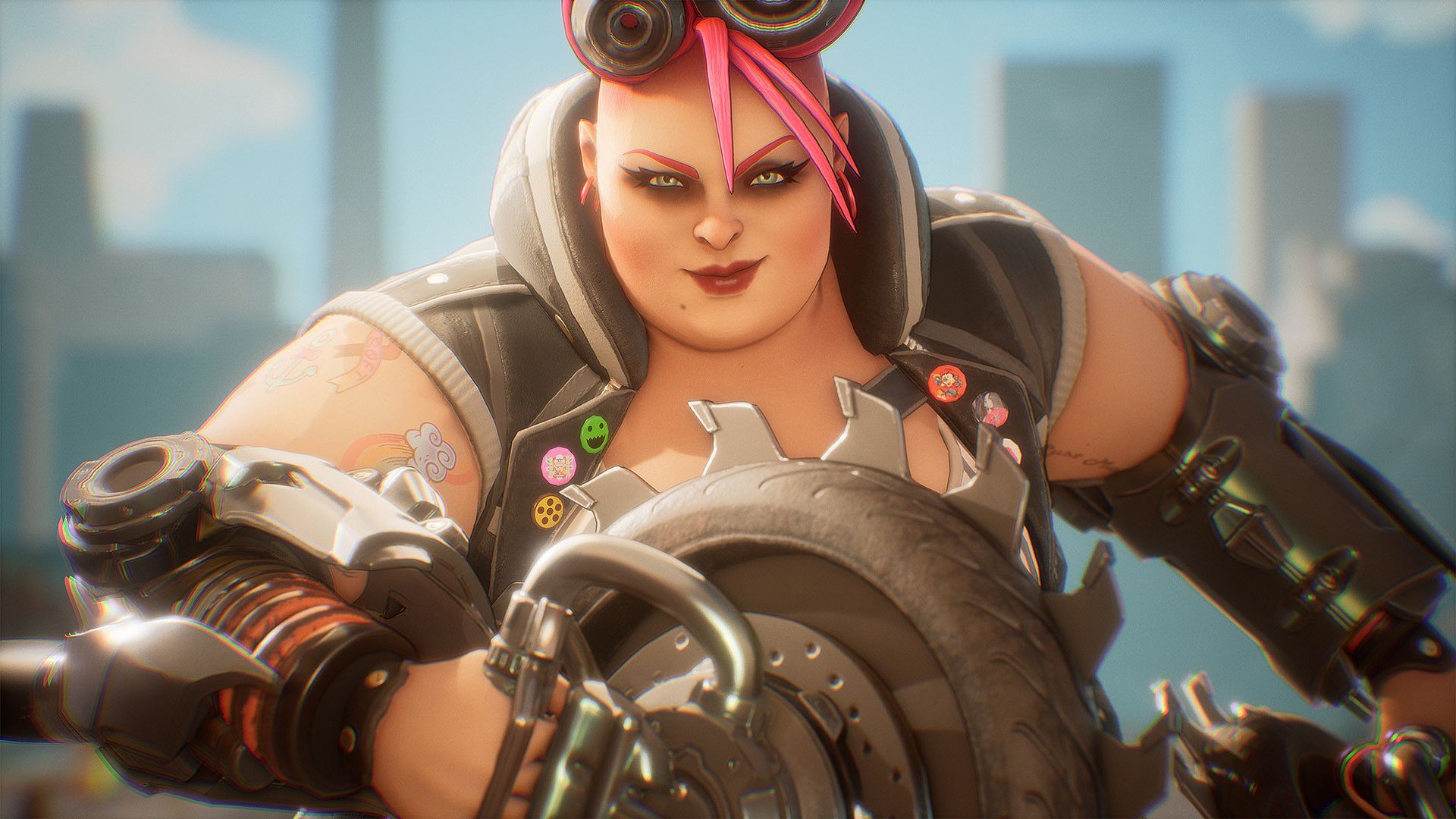
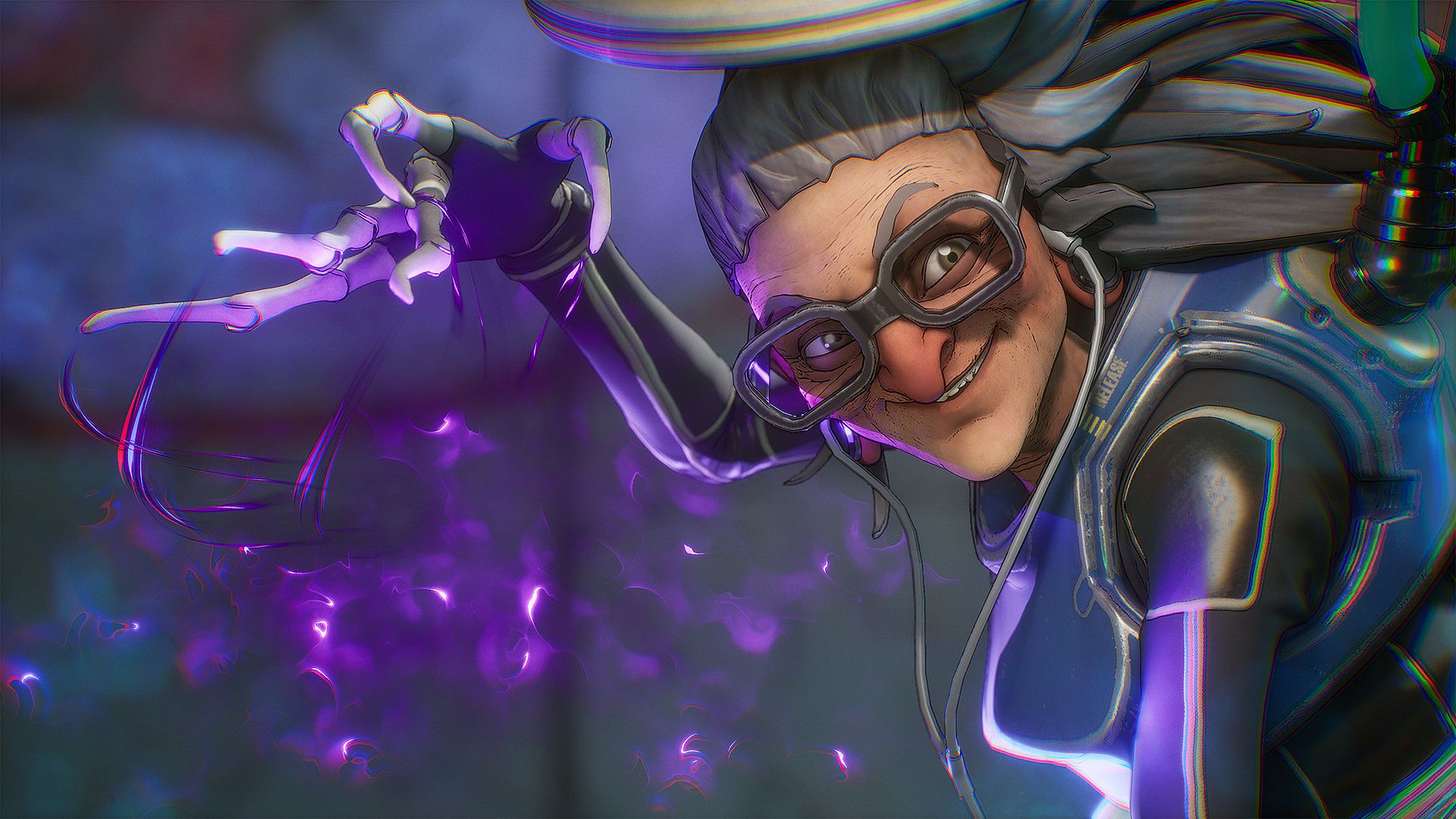
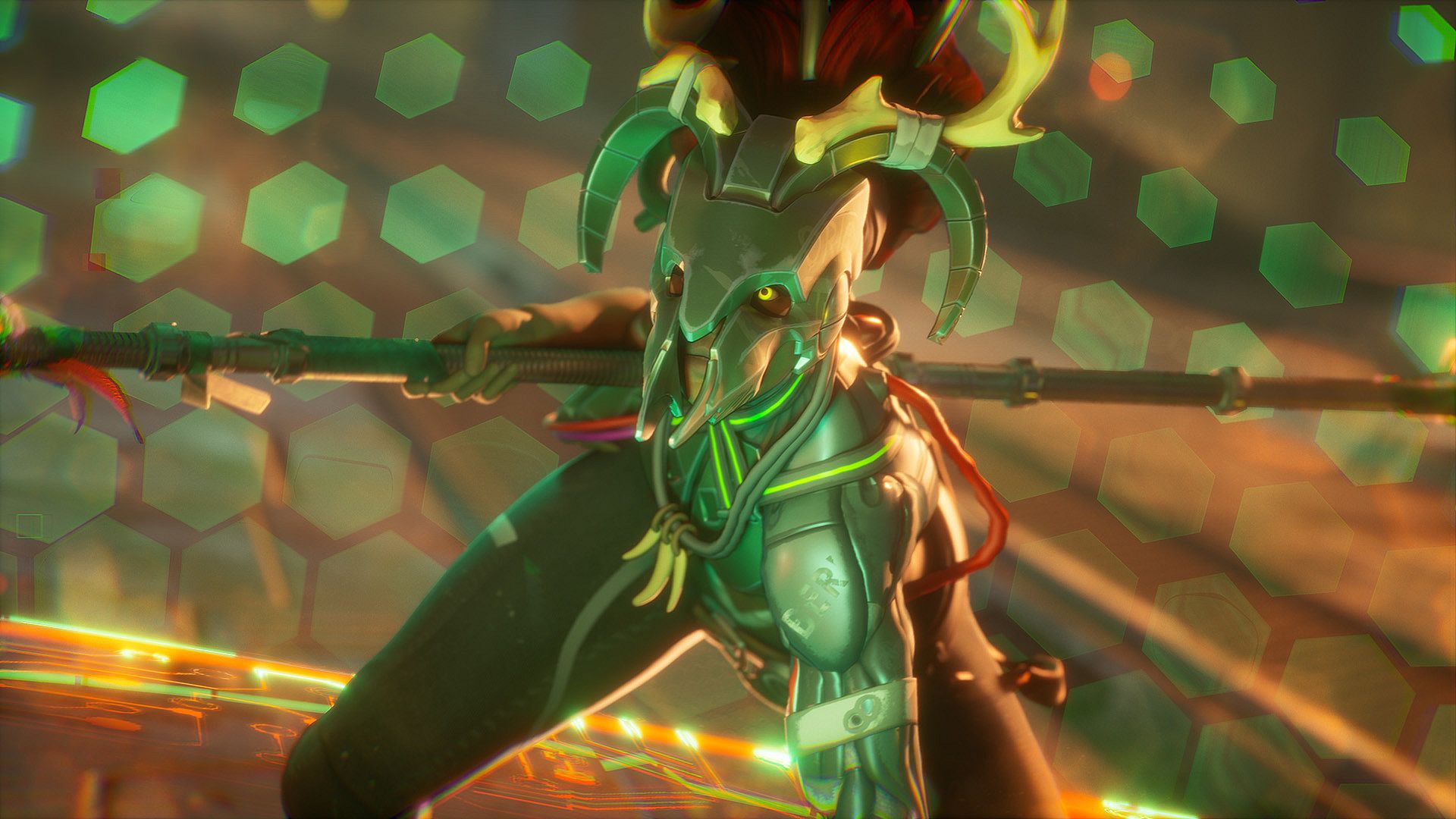
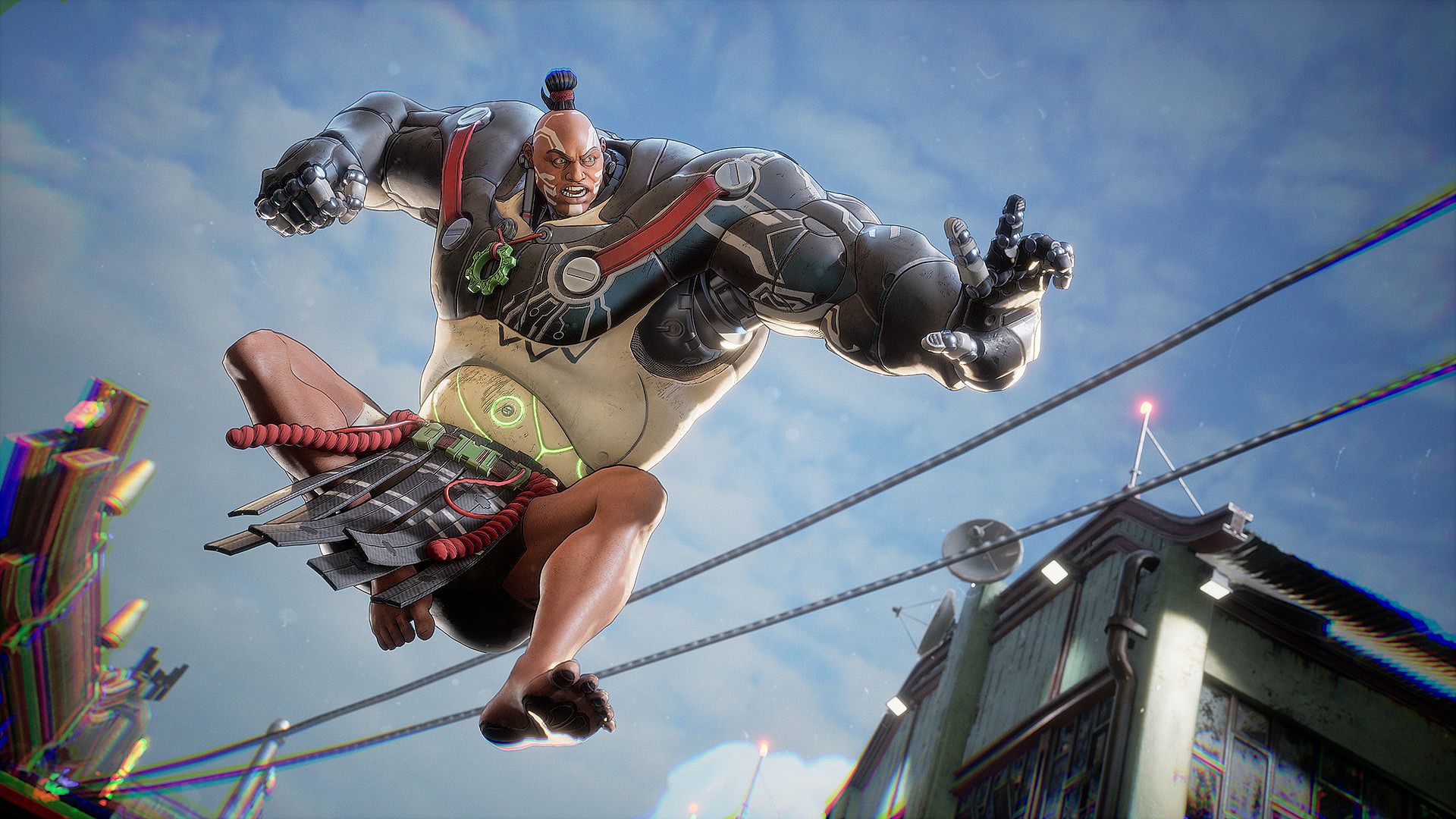
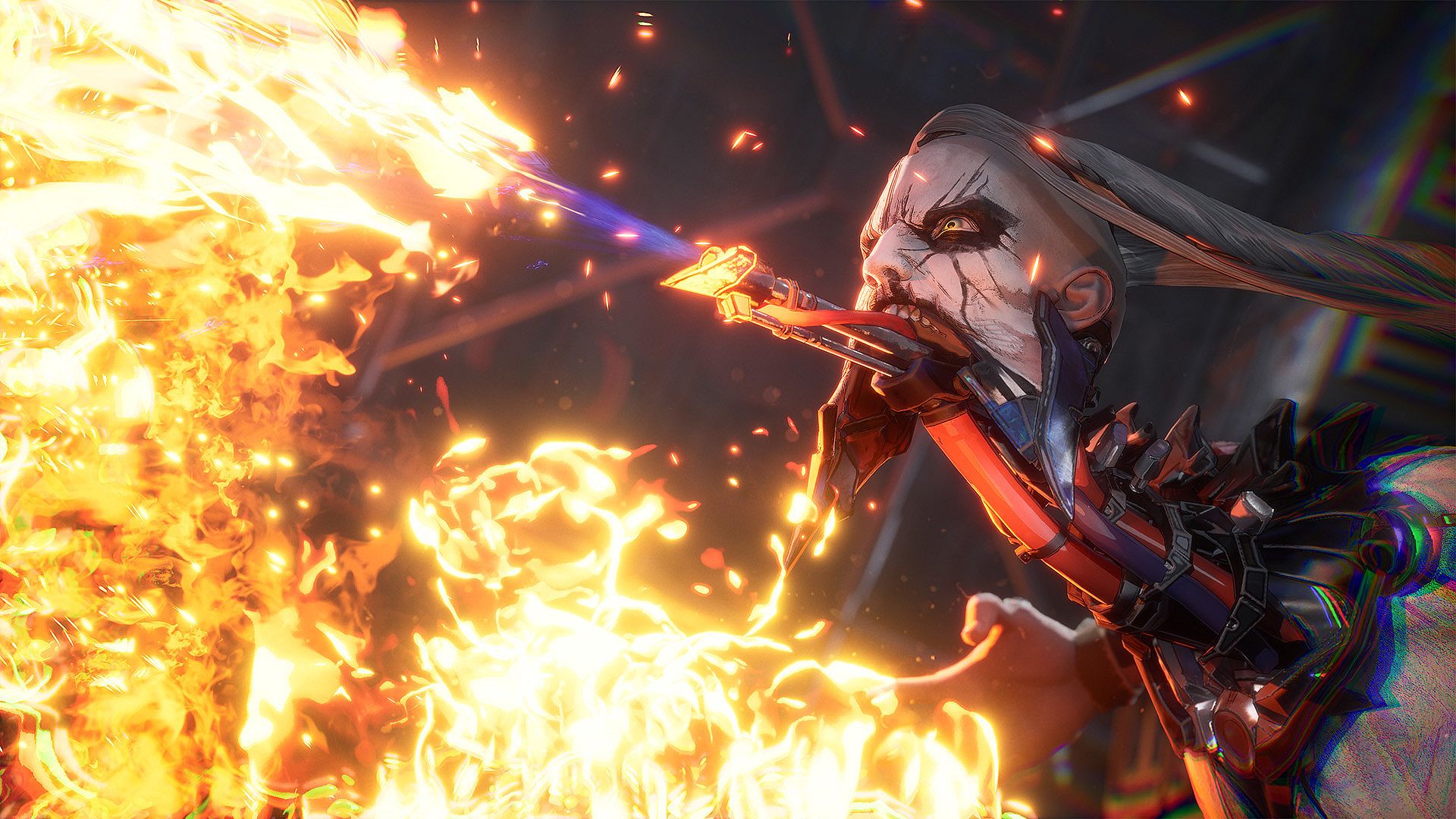
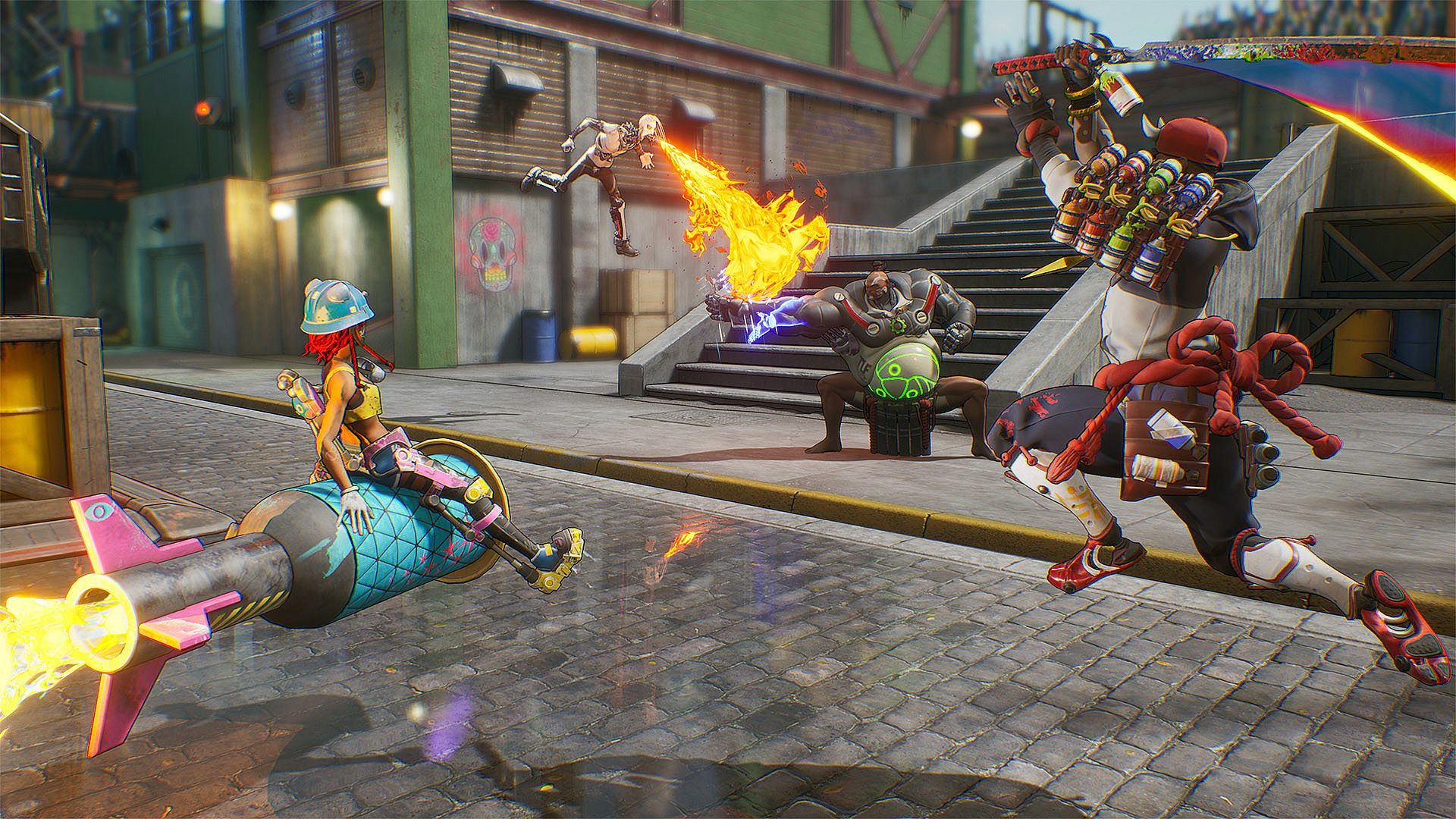


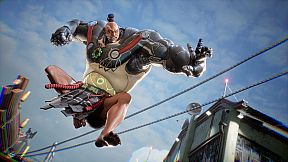

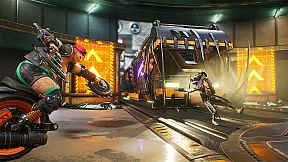
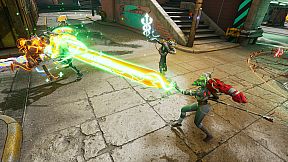
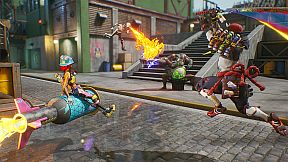
Bleeding Edge is a 4v4 team-based action brawler set in a cyberpunk world where players control mechanically enhanced fighters in fast-paced objective matches. The game emphasizes close-quarters combat mixed with ranged abilities, environmental interaction, and coordination between teammates to secure victory points.
Gameplay
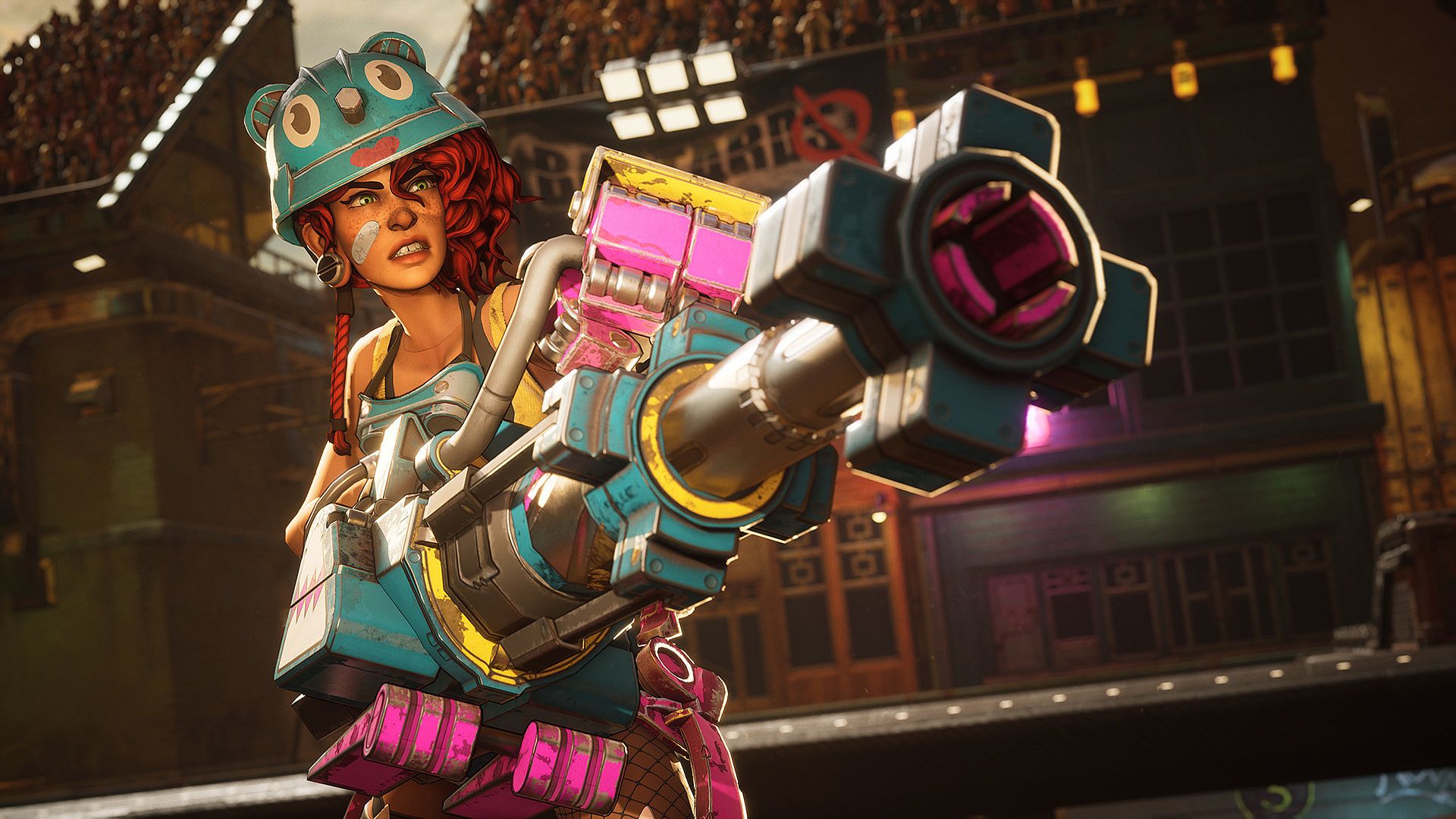
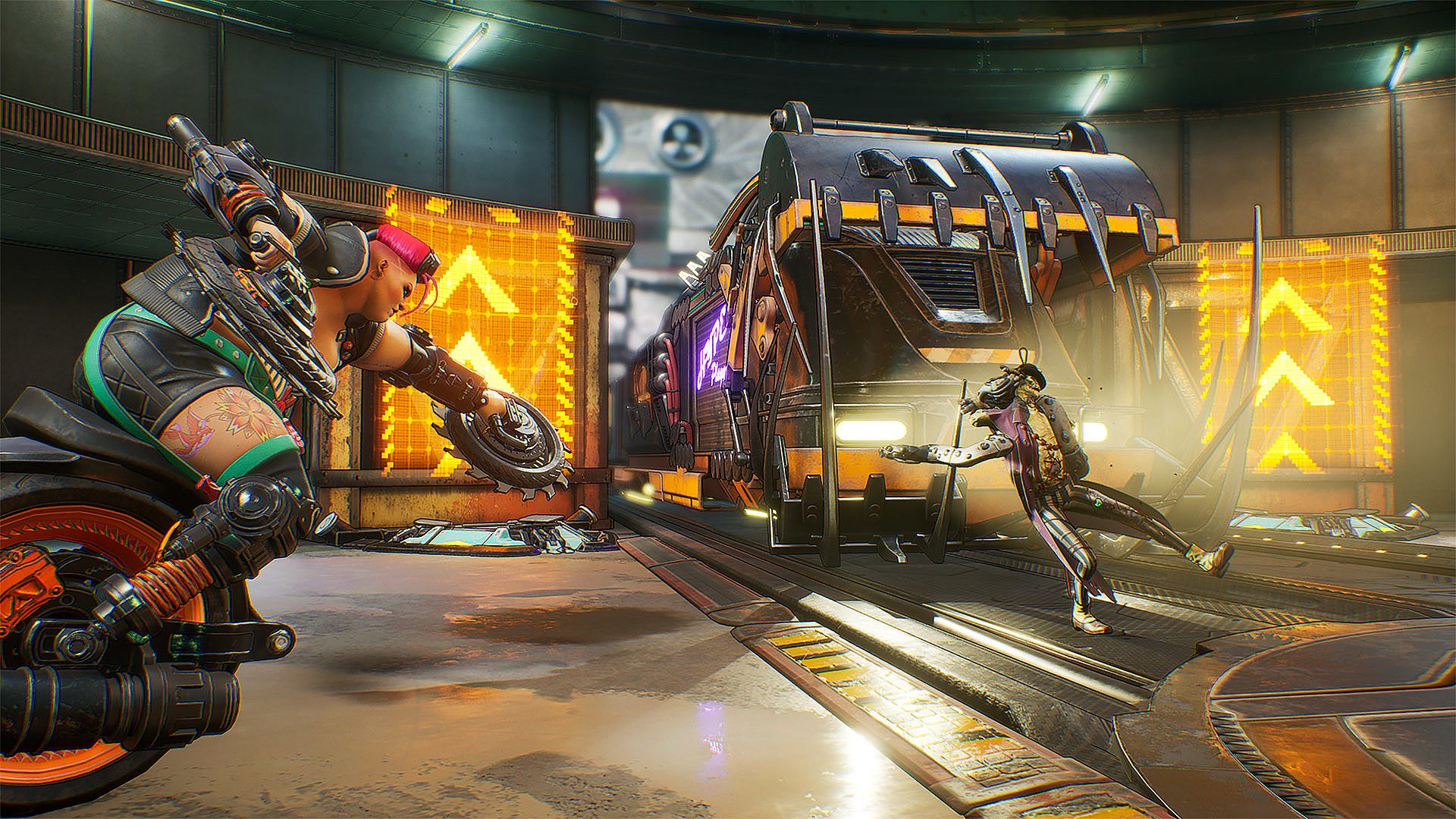
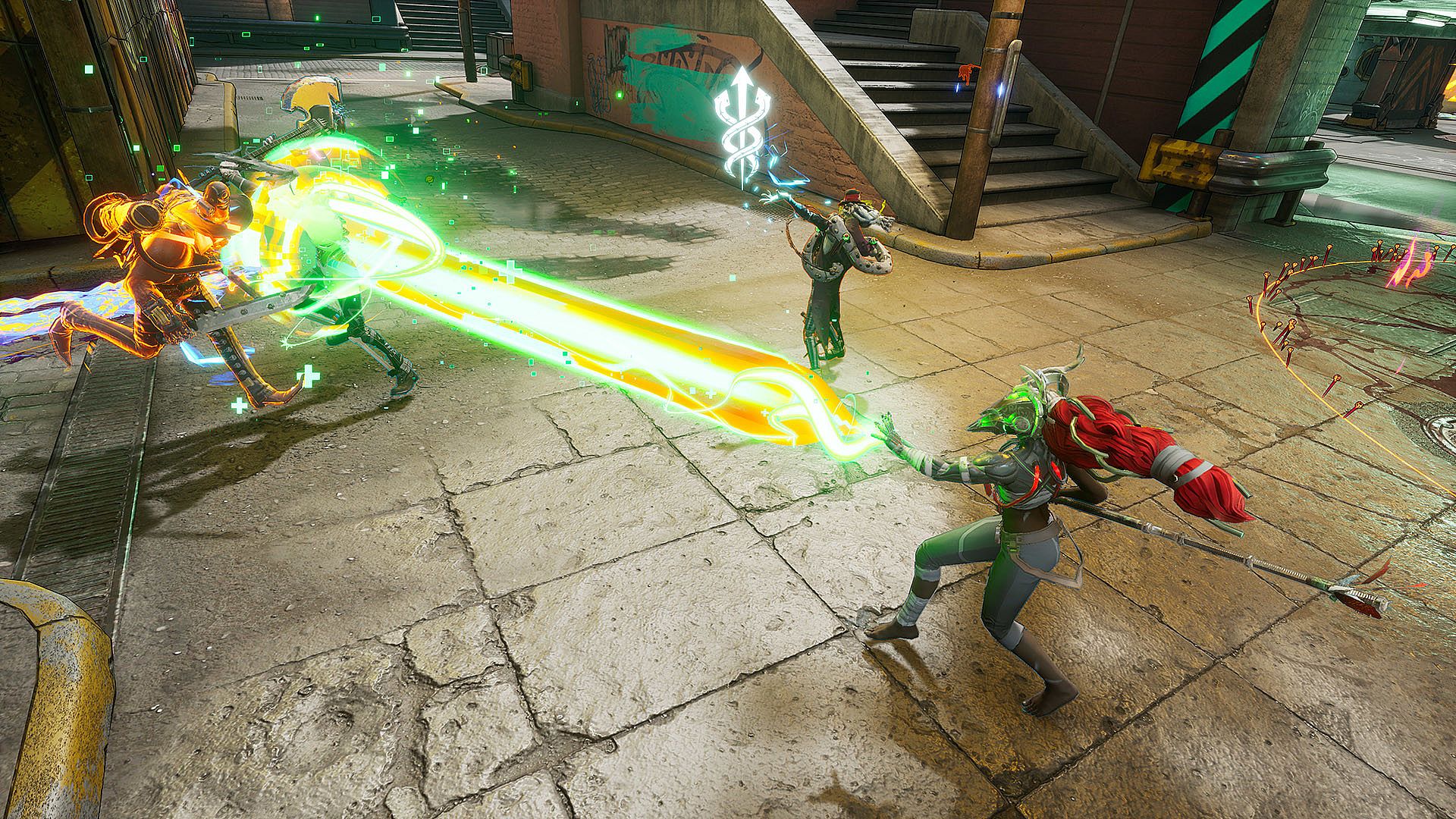
Matches unfold in third-person perspective across vibrant arenas filled with hazards such as electric fences and moving trains. Fighters belong to one of three classes: damage, support, or tank. Each character features unique abilities split into basic attacks, specials, and supers, each tied to separate resource bars that deplete on use and recover over time with individual cooldowns.
Combat rewards precise timing and positioning. Players can chain attacks, interrupt opponents, and leverage arena elements to gain advantages. For instance, certain fighters can pull enemies into dangerous zones or shove them into oncoming threats. Customization comes through cybernetic upgrades earned in matches that enhance weapons and abilities, along with hoverboard options for traversal and style.
The core loop centers on selecting a fighter, coordinating with a team of four, and adapting to enemy compositions in short sessions that typically last around fifteen minutes. No single-player campaign exists, keeping the focus entirely on online team play.
Game Modes
Bleeding Edge offers two primary team objective modes. Objective Control requires teams to capture and hold points on the map to accumulate score. Power Collection involves gathering resources scattered across the arena while denying them to the opposing side.
Both modes support quick matchmaking and emphasize teamwork over individual performance. Environmental hazards play a larger role in these formats, turning the map itself into an active participant in fights. No additional modes beyond these two have been added since launch.
Characters and Progression
The roster includes thirteen distinct fighters drawn from varied backgrounds, each with mechanical enhancements that define their playstyle. Examples range from characters wielding detachable weapons to those using musical instruments for area effects. Progression allows players to unlock and equip parts that modify abilities without altering core identities.
Teams benefit from class balance, with tanks absorbing pressure, supports providing utility, and damage dealers securing eliminations. Synergies emerge when abilities complement one another, such as freezing targets for follow-up strikes or controlling minds to disrupt formations.
Is It Worth Playing?
Bleeding Edge launched in 2020 and received mixed critical reception, with scores hovering in the low-to-mid sixties on aggregate sites. Development ceased in early 2021, leaving the game without further seasons, balance patches, or new content. The player base has since declined, which can lead to longer queue times or smaller lobbies depending on region and time of day.
The title suits players who enjoy short, intense team brawlers with strong character variety and environmental strategy. Those seeking ongoing updates or a large active community may find the experience limited today. It remains available on PC through standard digital storefronts for those interested in its specific blend of melee-focused action and objective play.