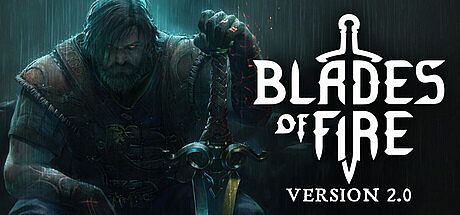




















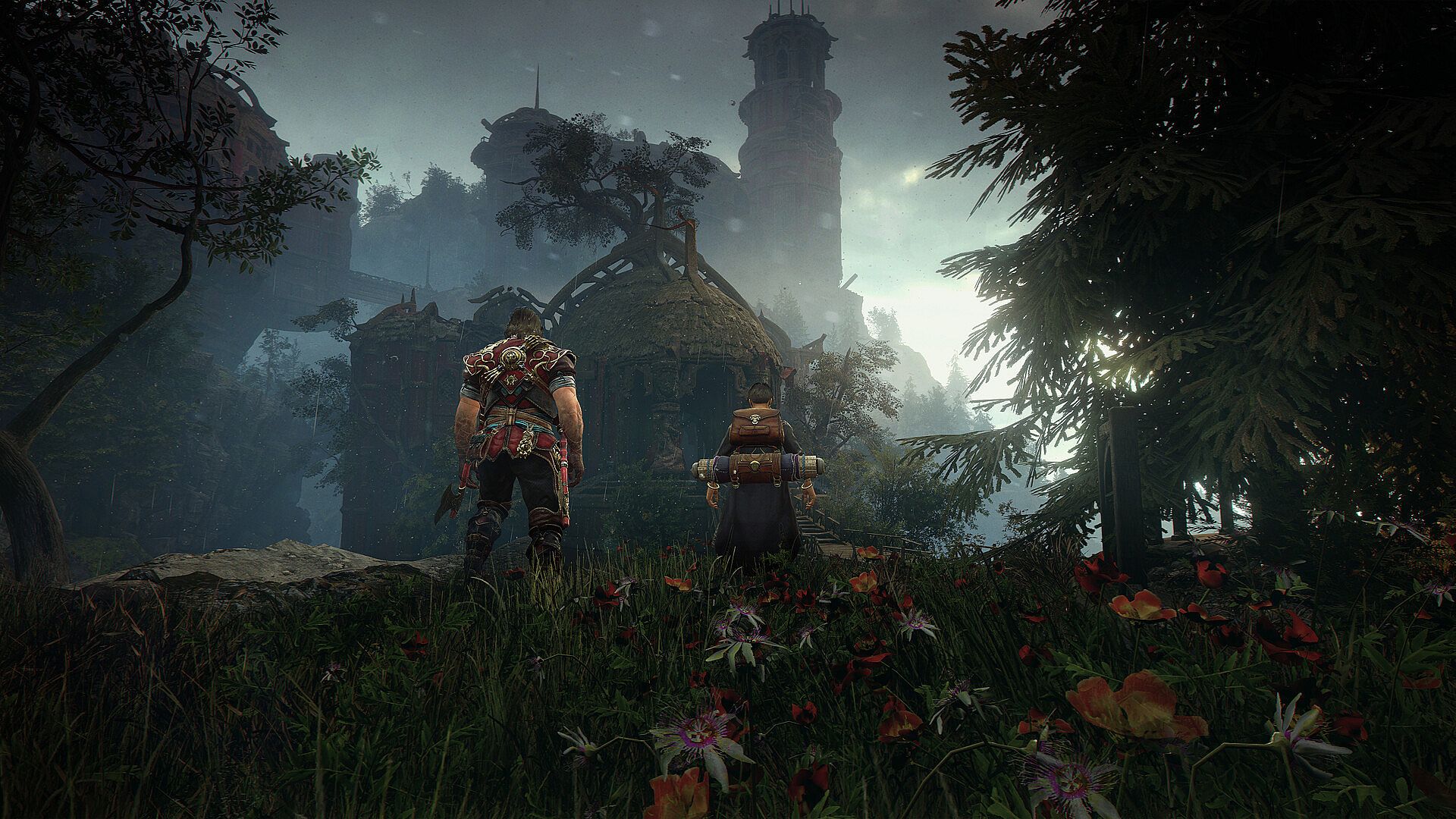
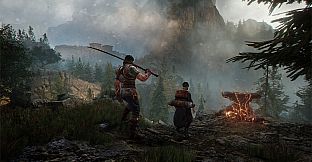
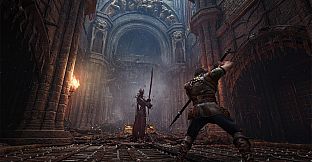
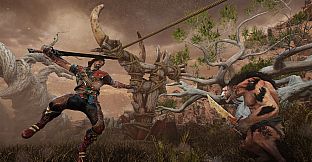
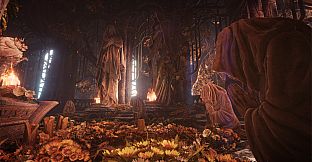
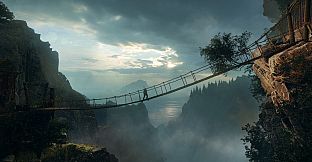
Blades of Fire is a single-player action-adventure game set in a dark fantasy world where steel holds the power to shape destiny. Players take on the role of Aran de Lira, the last warrior able to forge true metal in an age when most weapons turn to stone. The experience centers on deliberate choices during forging and measured decisions in combat rather than rapid button mashing or endless item collection.
Gameplay
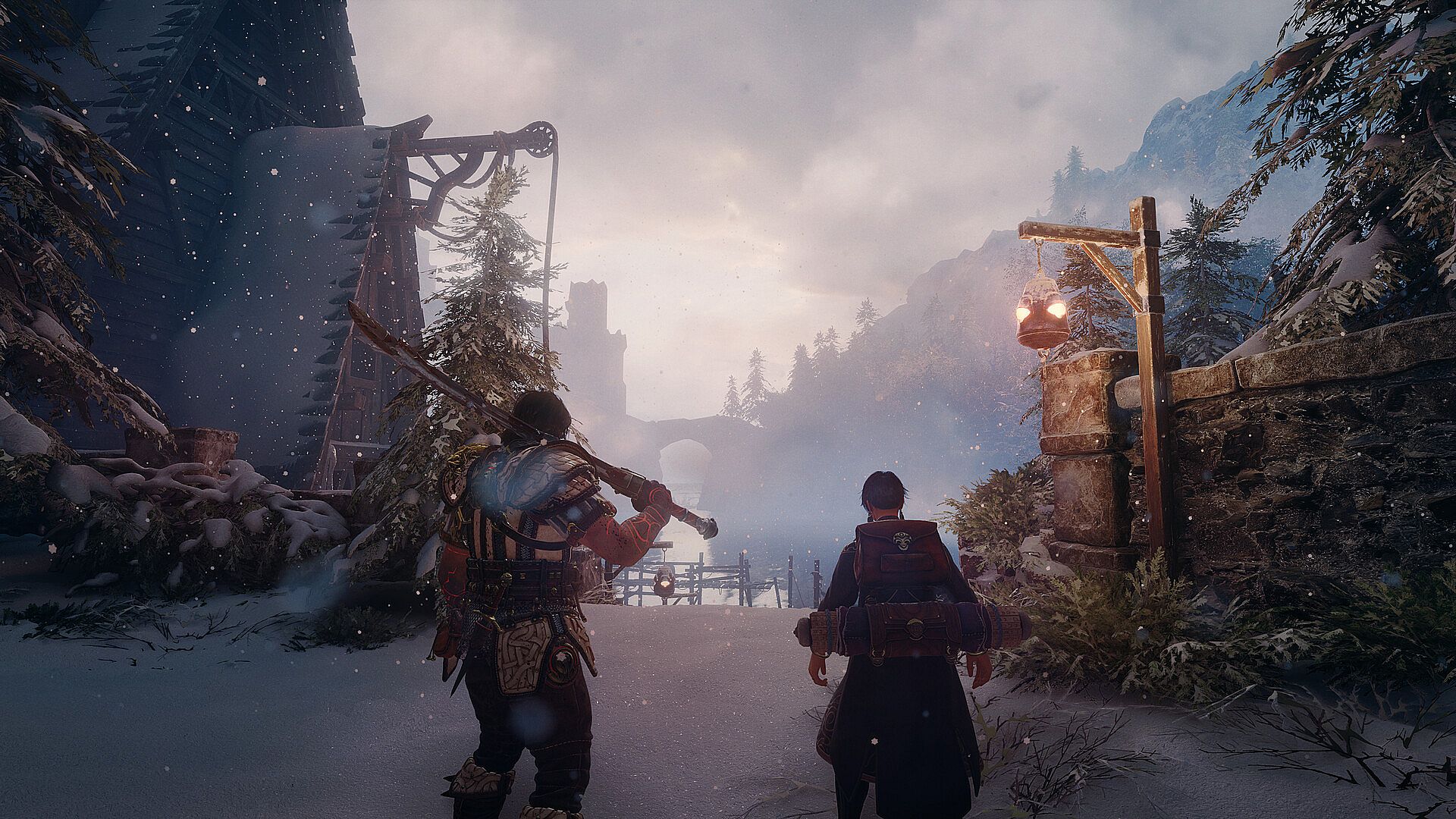
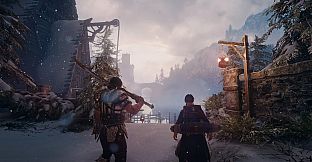
The core loop revolves around exploration, forging, and combat that demands observation and patience. Aran travels through environments that reveal their history and lore primarily through conversations with his companion Adso, a young scholar who records events and offers insights when asked. Knowledge builds gradually through dialogue and reading rather than mandatory cutscenes or constant narration.
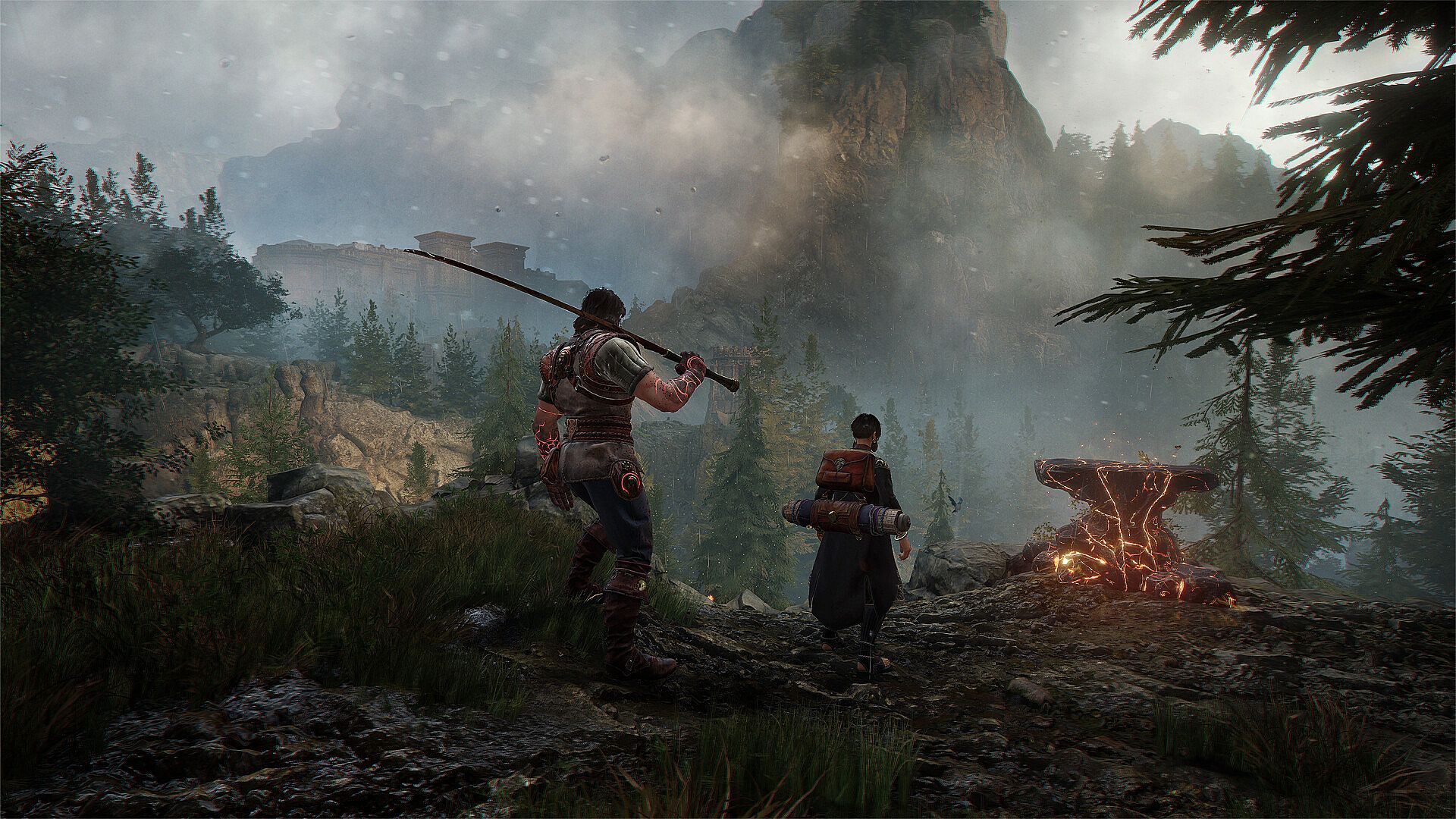
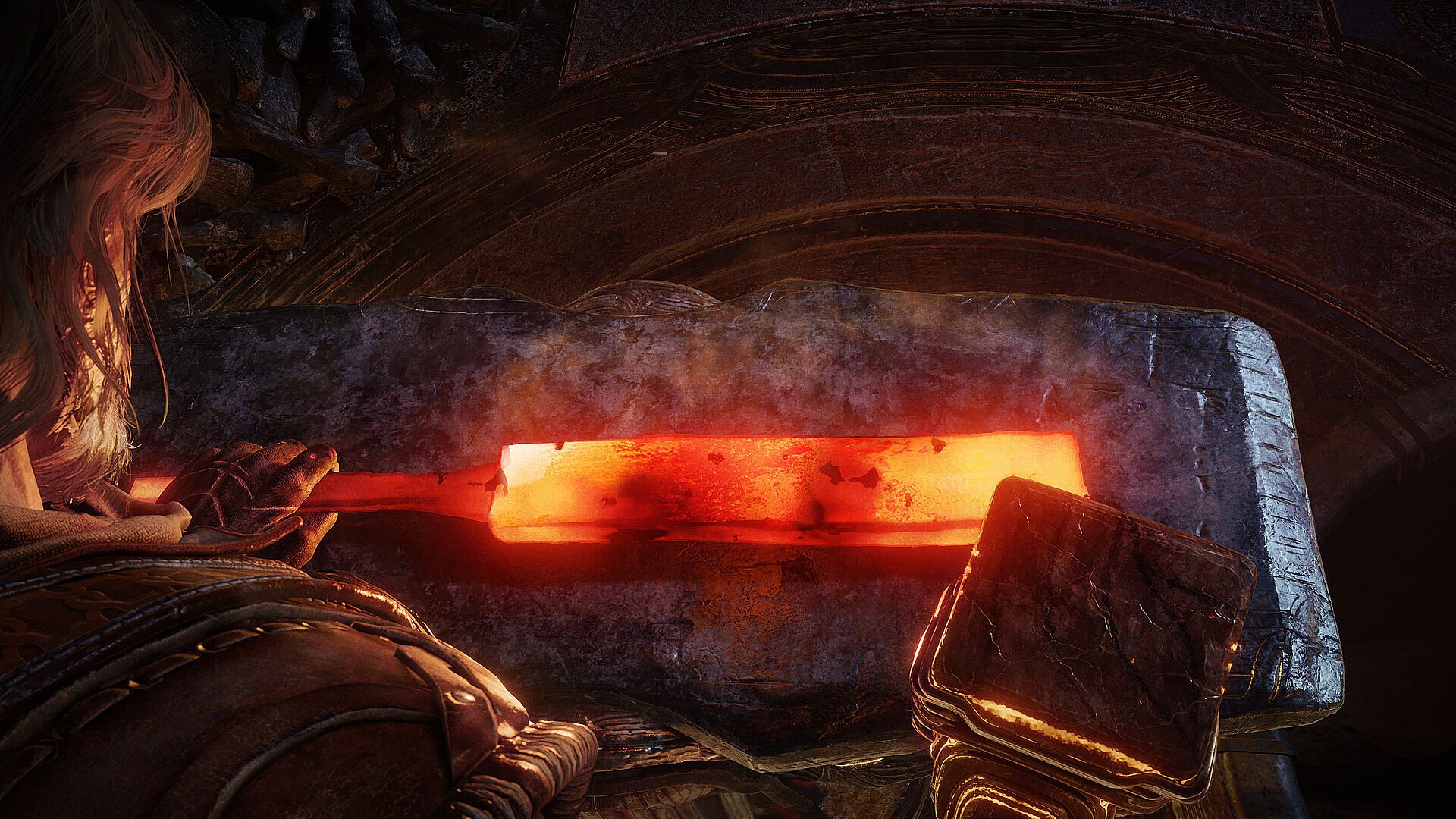
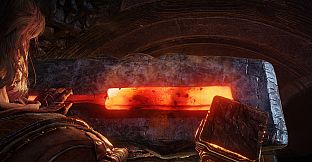
Forging takes place at anvils scattered across the world. These serve as rest points and gateways to a mystical forge where players select materials and components to create weapons. Each choice permanently influences the blade's balance, damage type, and effectiveness against specific enemies. There are no random drops or disposable gear; every weapon carries the consequences of its creation and requires maintenance through repair and refinement.
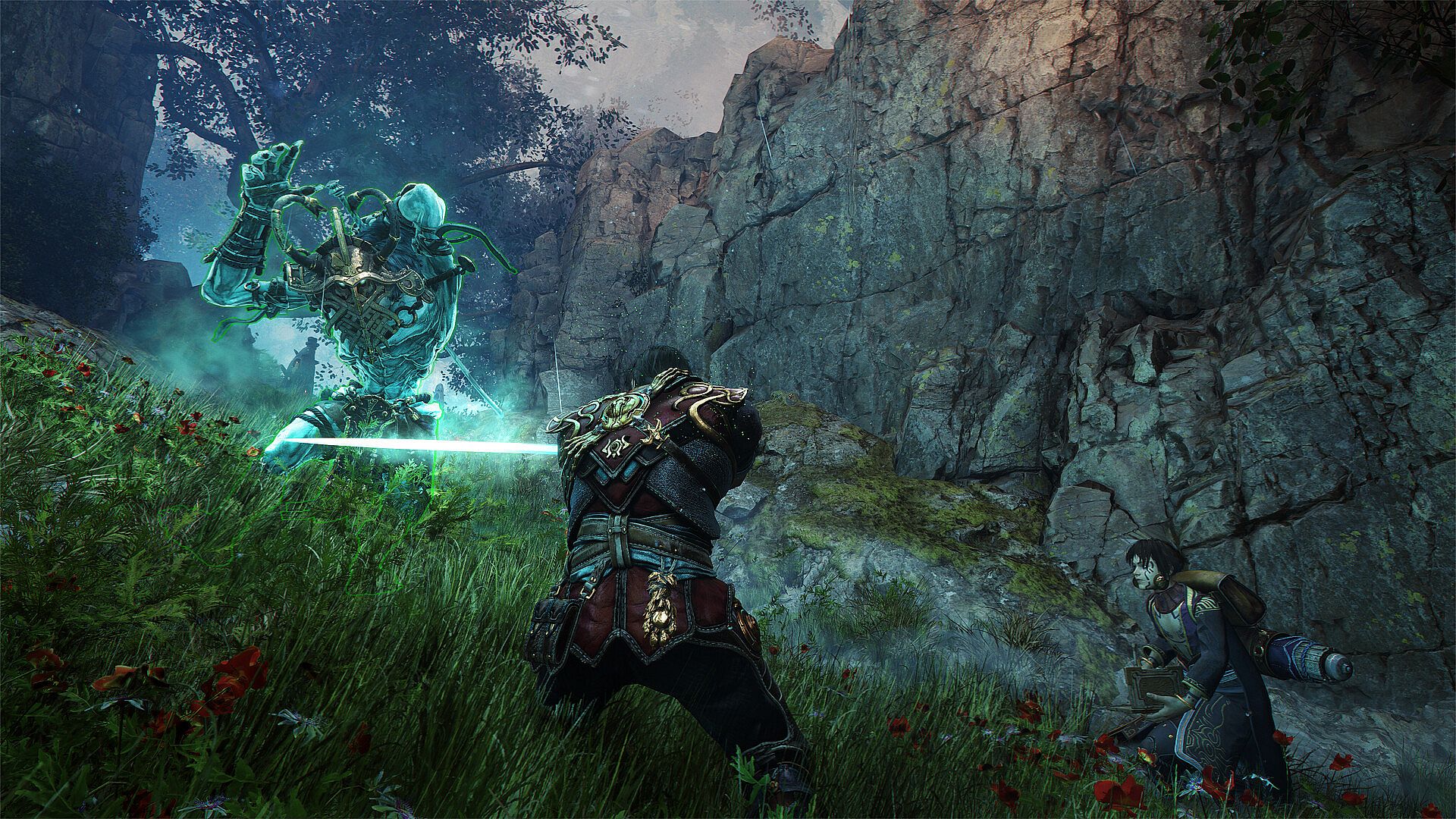
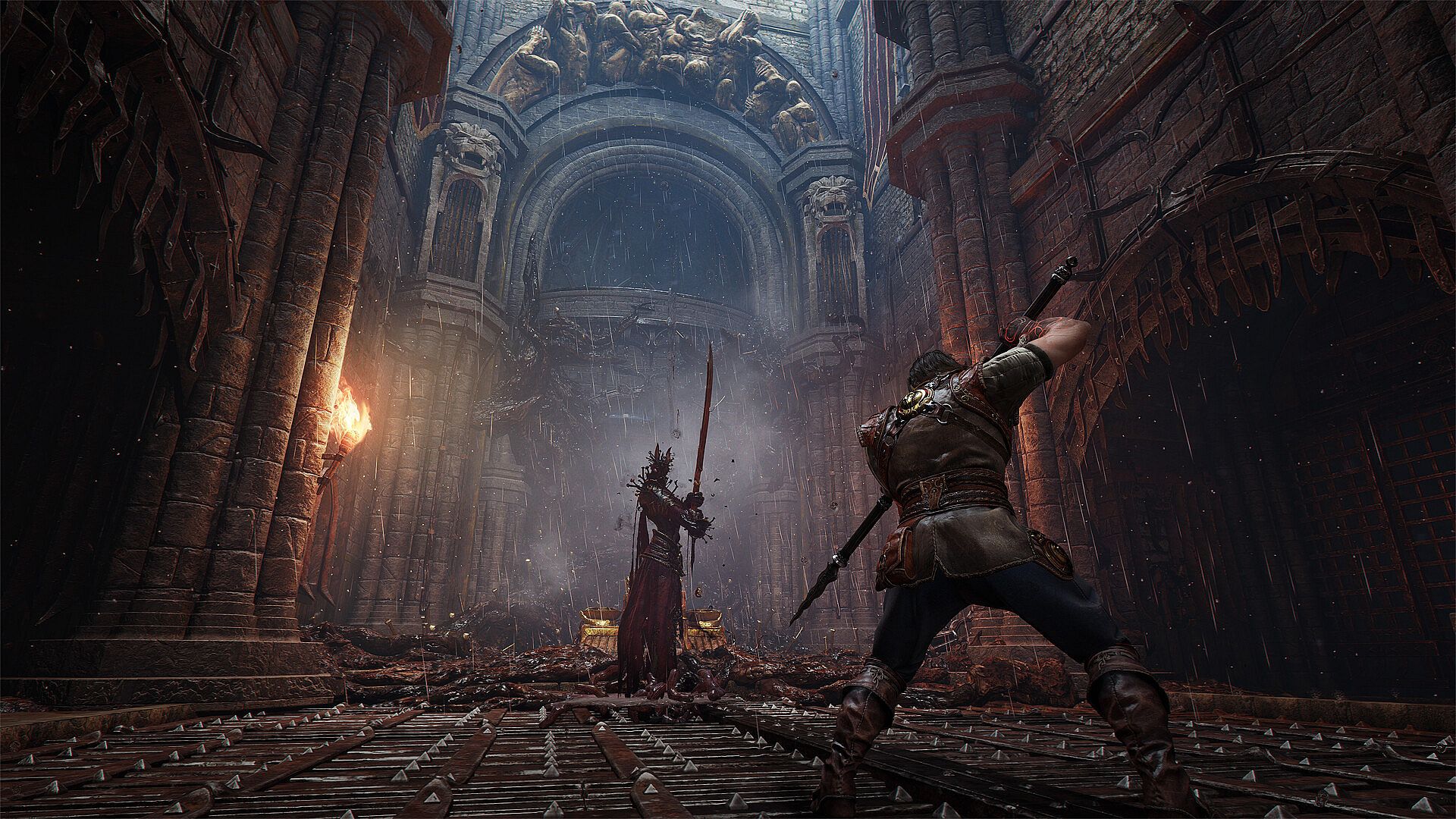
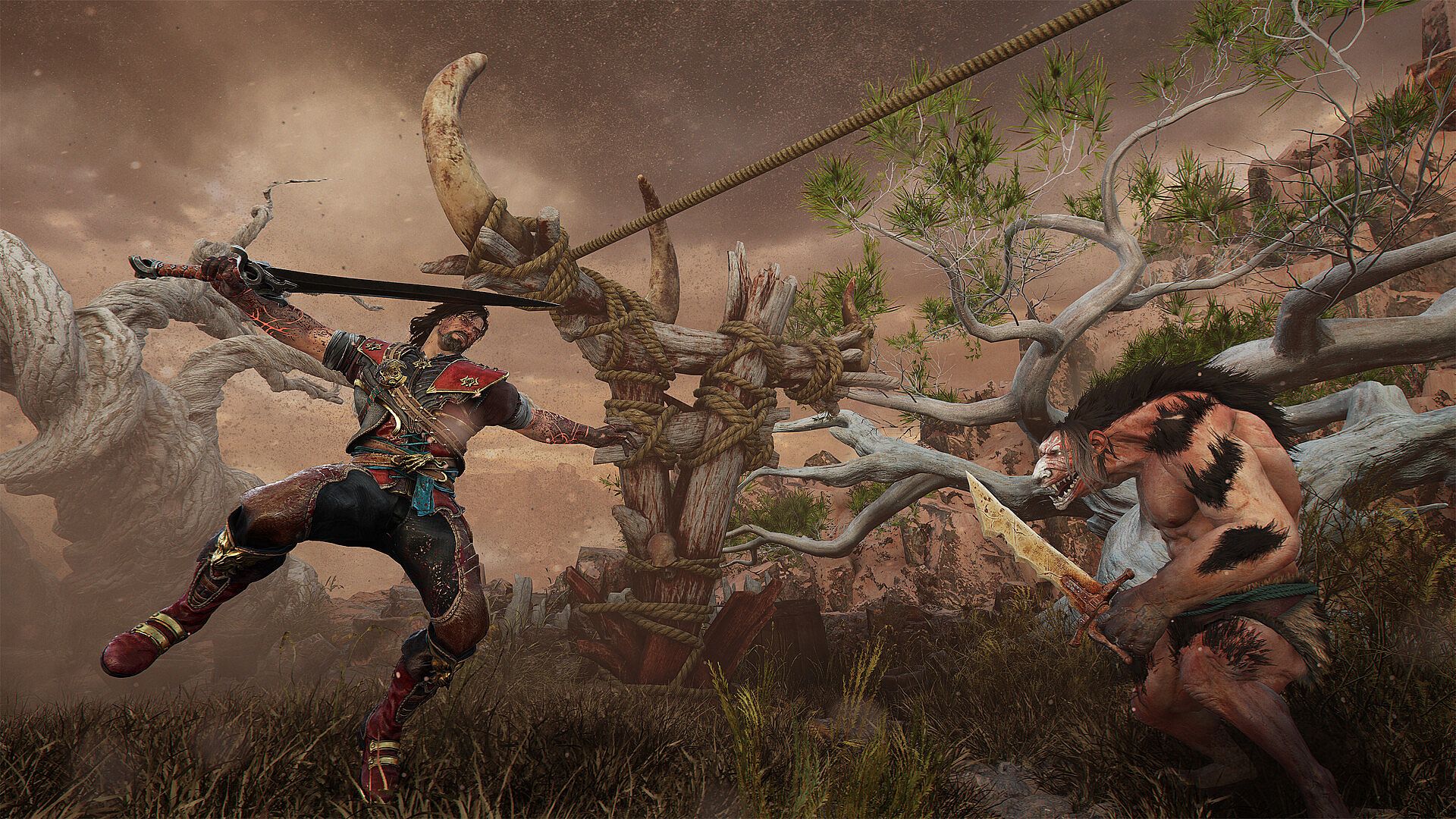
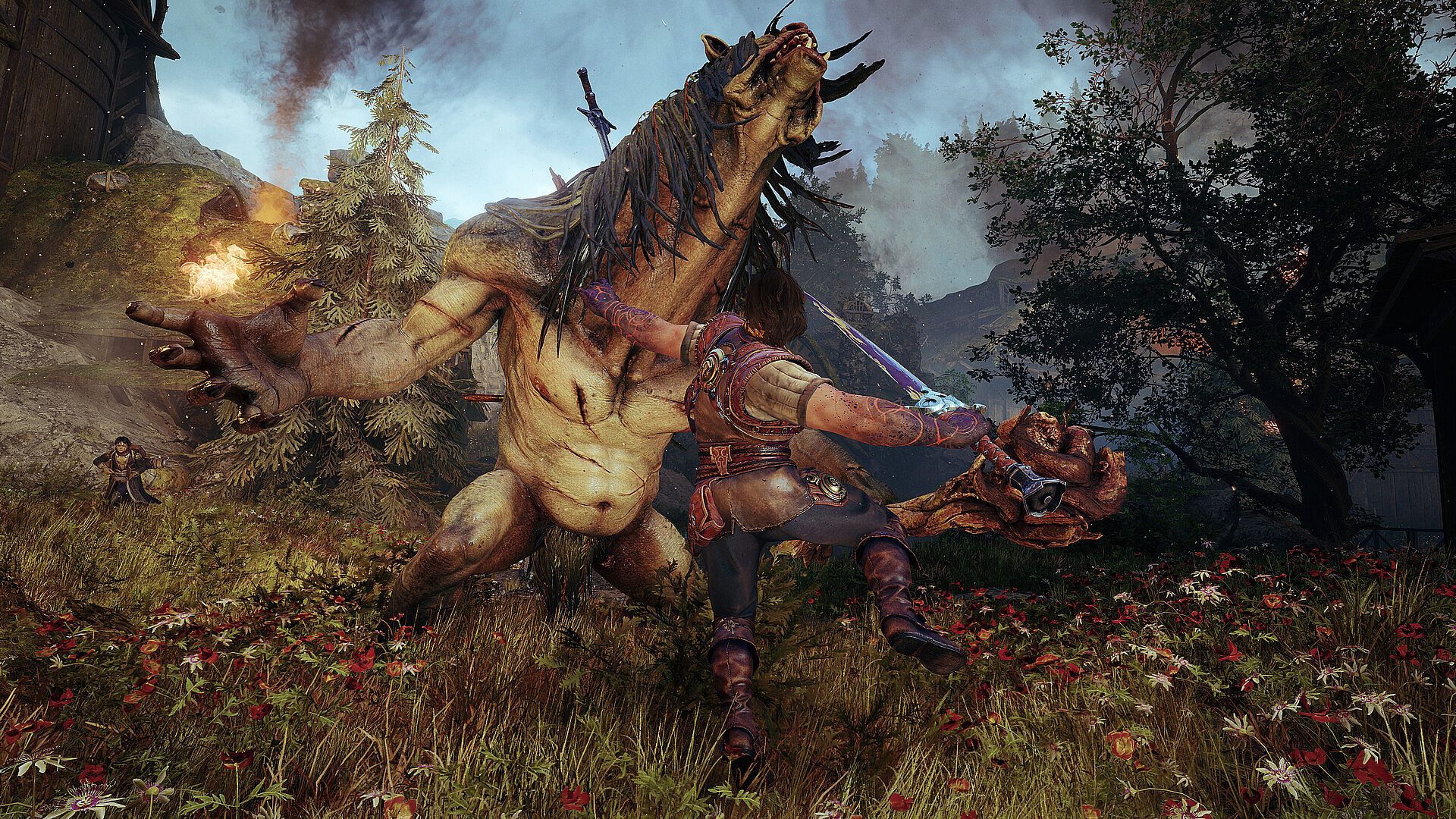
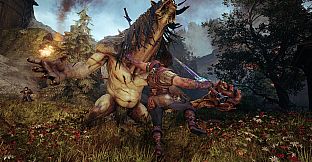
Combat emphasizes timing, positioning, stamina management, and targeting specific body parts. Attacks correspond to directional strikes that match enemy vulnerabilities, rewarding careful study of patterns over aggressive rushes. Enemies punish reckless play while allowing skilled players to outlast and dismantle foes through precise defense and counter opportunities. Weapon selection becomes a tactical decision based on the threats ahead rather than a cosmetic choice.
Game Modes
The base experience focuses on a single-player campaign that encourages repeated visits to the forge and careful progression through challenging encounters. Version 2.0 introduces New Game Plus, which unlocks additional weapon parts, skins, and further customization options for those who complete the initial journey.
Boss Revival Mode allows players to replay individual boss encounters and earn rewards that tie into expanded combat options. Titanium serves as a new high-difficulty challenge level that increases enemy damage output and demands greater mastery of positioning and weapon properties. Elements Transmutation provides a way to alter material types on existing weapons for new strategic possibilities.
Photo Mode offers creative tools for capturing scenes, while Adso's Spells, known as Arcana, add passive enhancements to weapons through rewards earned in Boss Revival Mode. These systems expand replay value without altering the fundamental single-player structure.
World and Progression
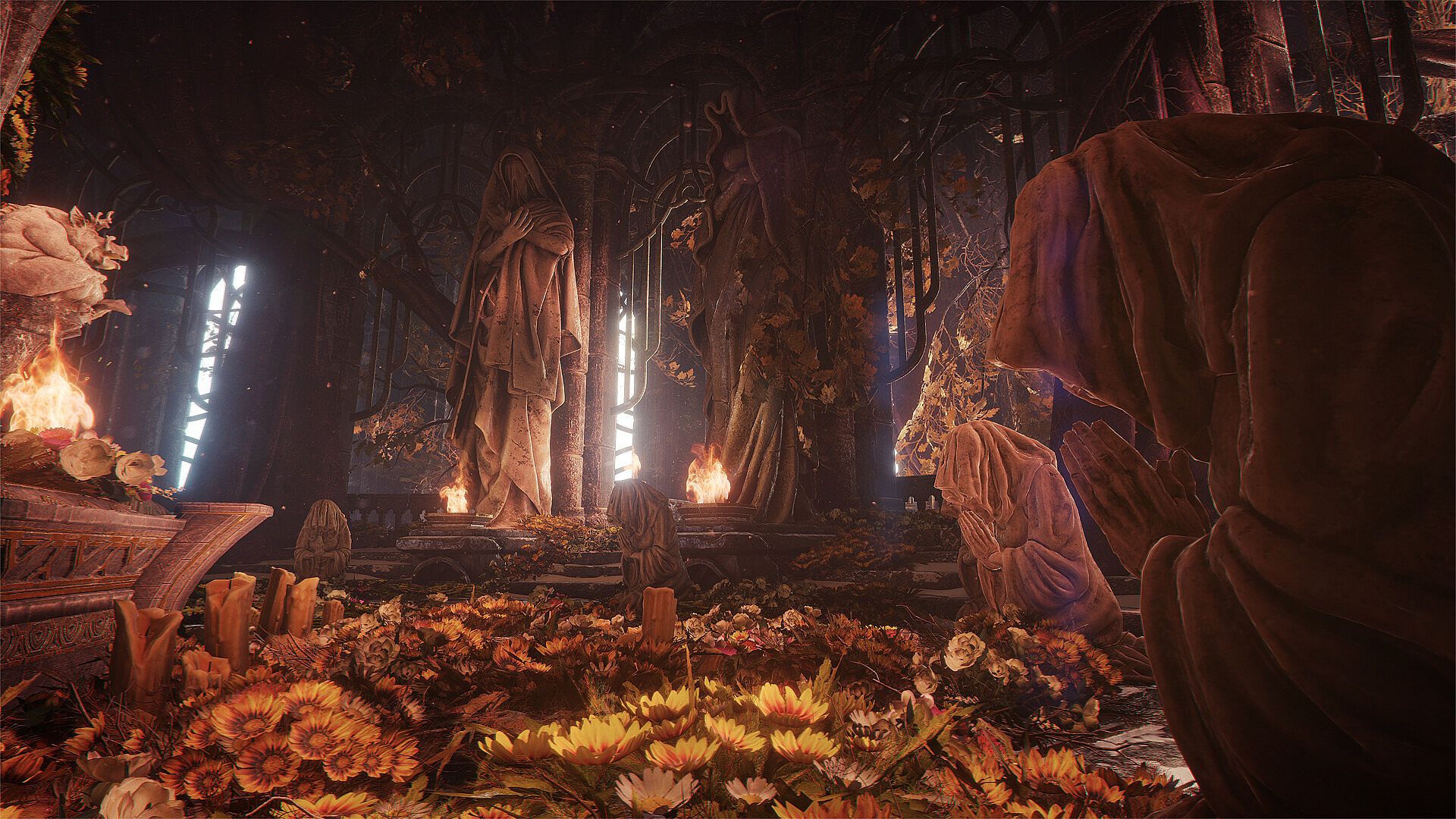
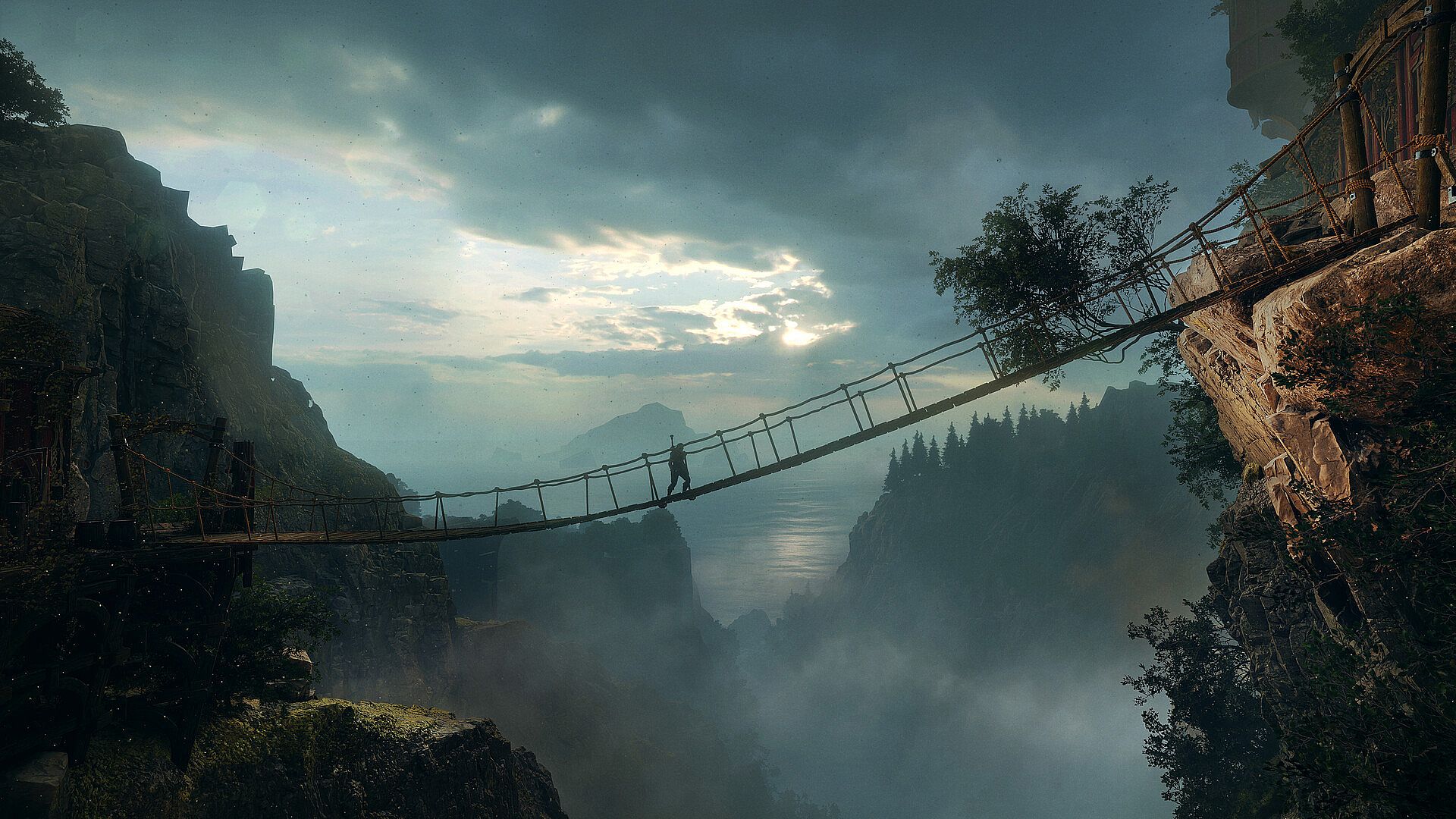
The setting unfolds through curiosity rather than linear exposition. Adso acts as both guide and chronicler, sharing details about myths, history, and enemy weaknesses only when engaged in conversation. This approach rewards players who take time to interact and explore rather than rushing toward objectives.
Progression stems from forging stronger, more specialized weapons and improving personal skill in combat. Materials and components unlock gradually as the story advances, encouraging experimentation at the anvil to prepare for tougher encounters. The world does not flood players with constant new gear; instead, it emphasizes refinement and adaptation of the blades already in hand.
Is It Worth Playing?
Blades of Fire suits players who appreciate methodical pacing, systems that reward understanding over reflexes, and progression earned through deliberate effort at the forge. The combat and crafting mechanics form the strongest elements, creating a loop where preparation and observation directly influence success.
Version 2.0 expands the experience with New Game Plus, Titanium difficulty, Boss Revival Mode, and additional customization tools while maintaining the original focus on meaningful weapon creation. Those drawn to single-player action-adventure titles with weighty combat and a central forging system will find the most satisfaction here. The game supports full key remapping and Steam Deck play, broadening accessibility for different control preferences.
Overall, the title delivers a focused experience centered on steel and consequence rather than spectacle or volume of content. Players seeking mastery through patience and tactical choices will likely find it rewarding, while those preferring faster action or extensive loot systems may find the deliberate pace less engaging.