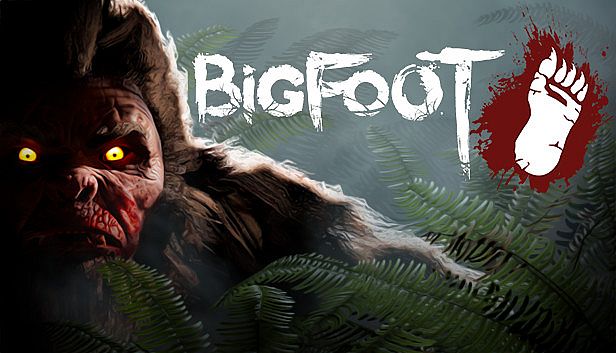















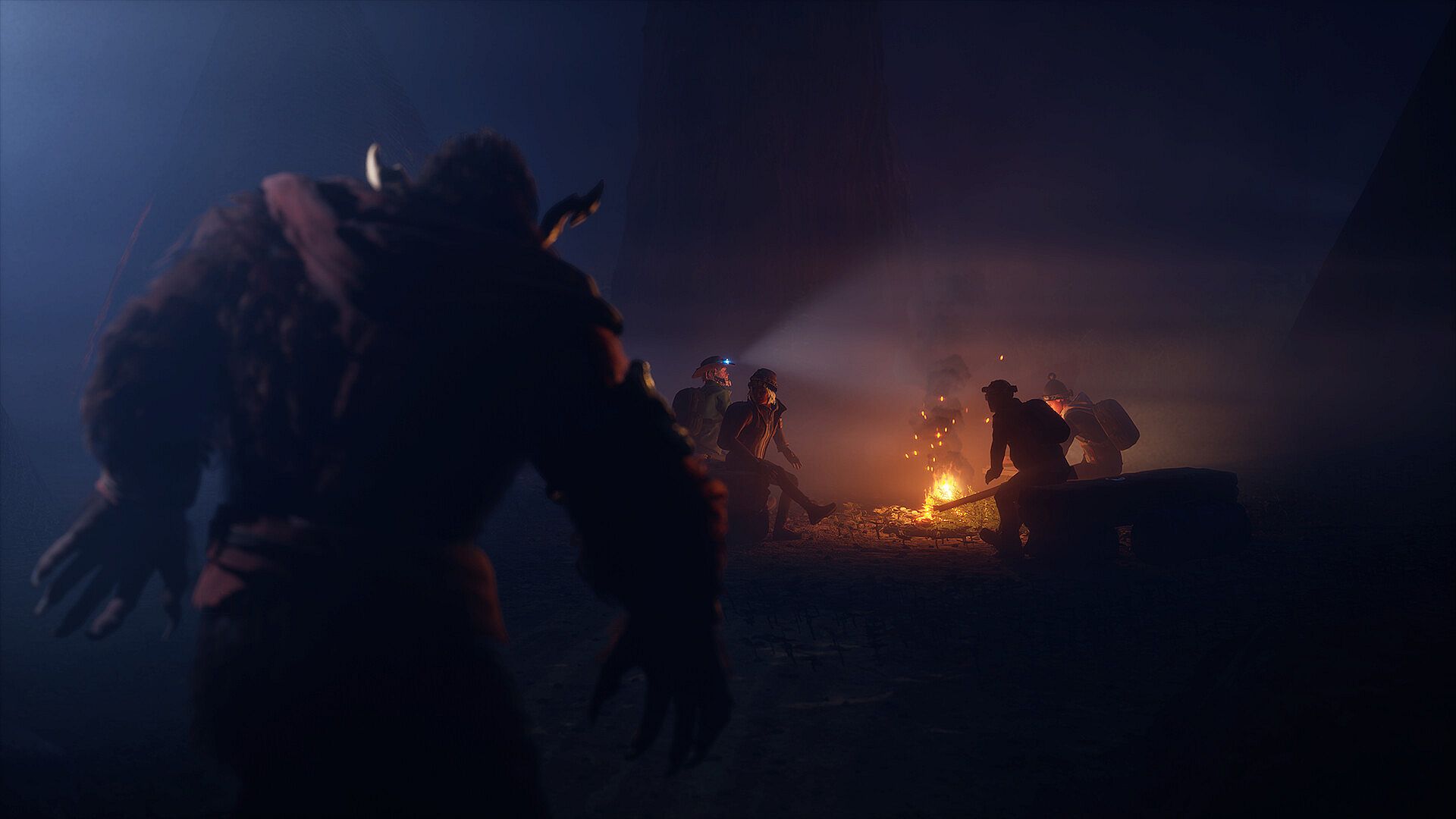
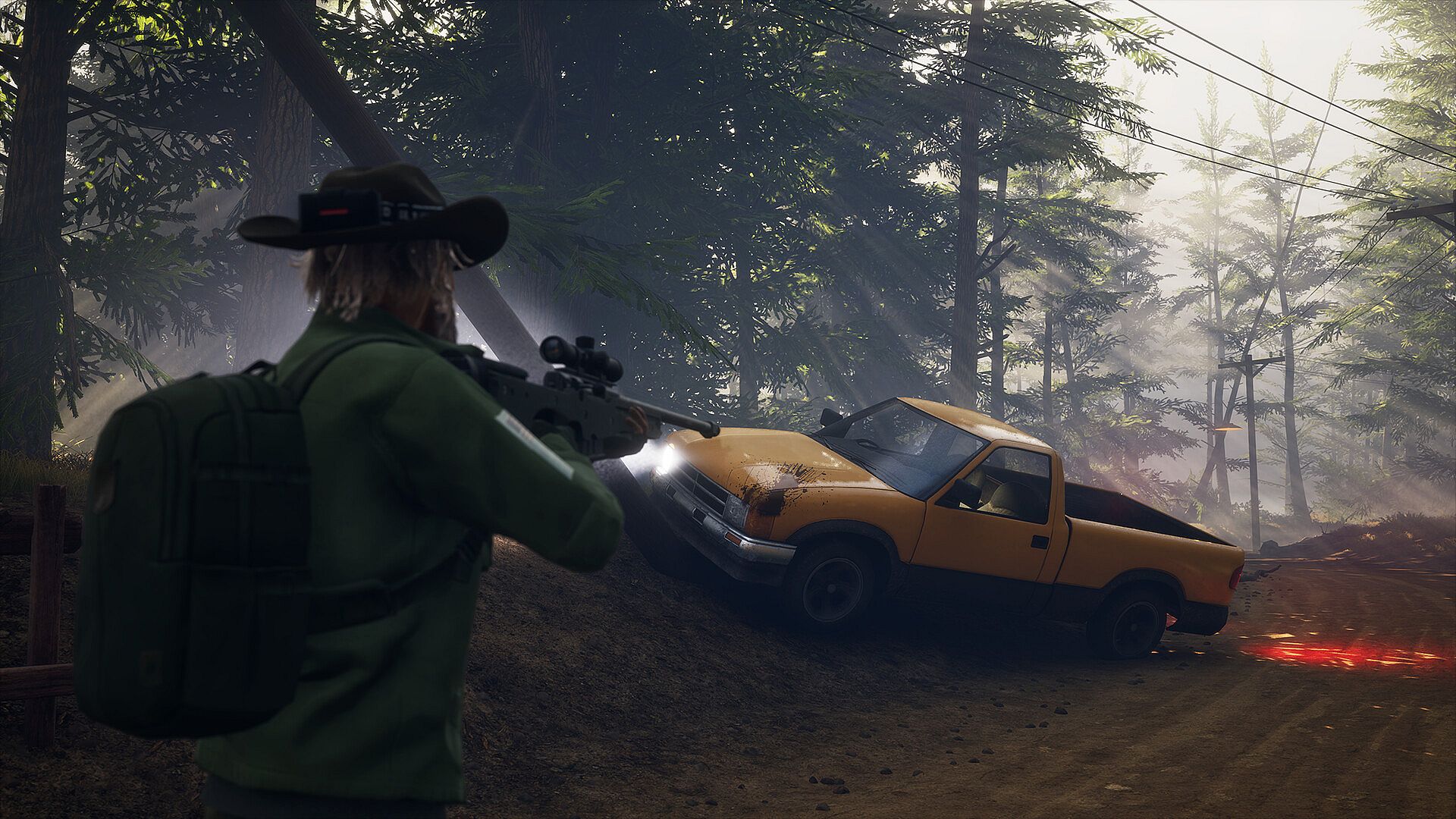
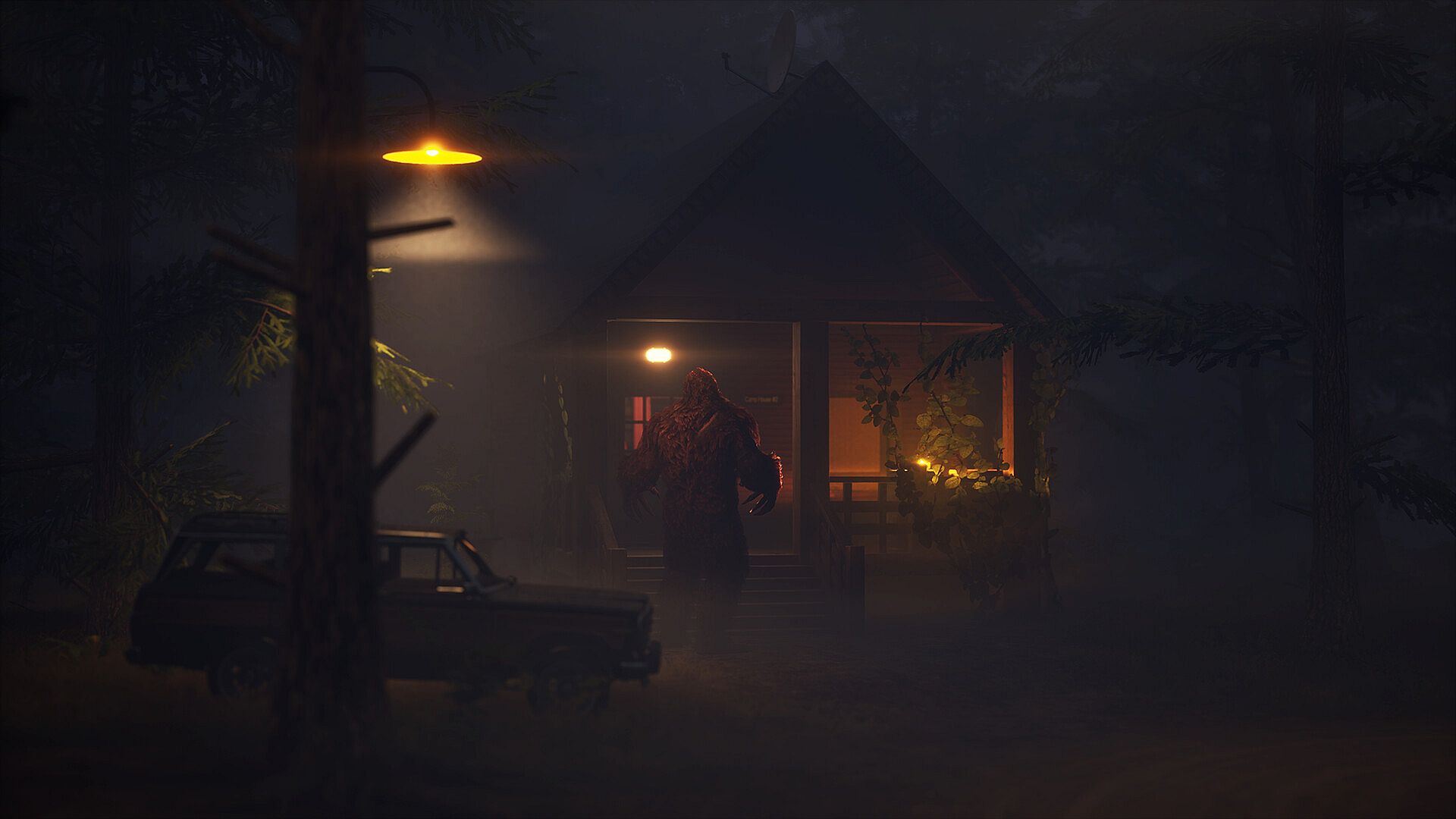
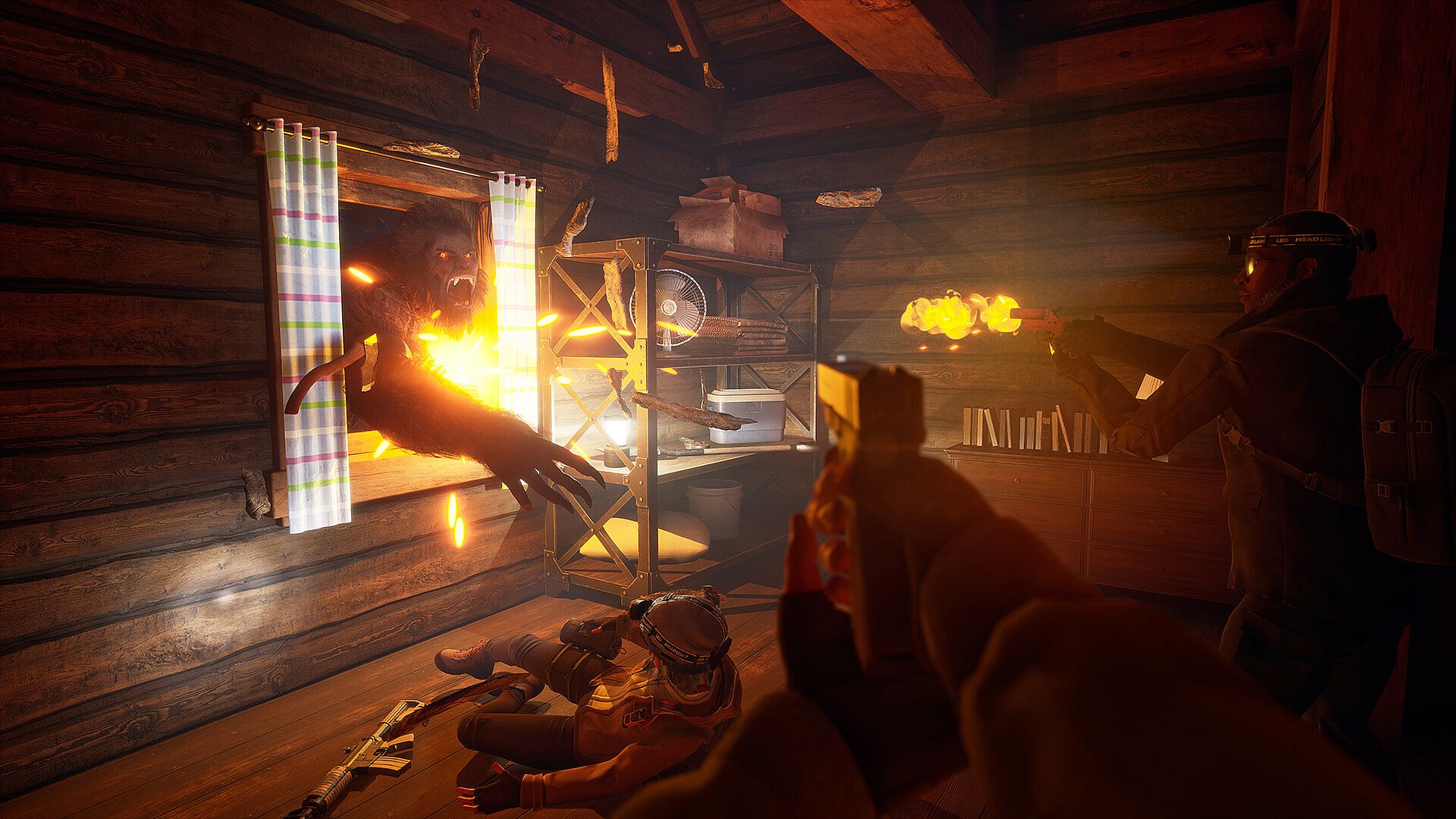
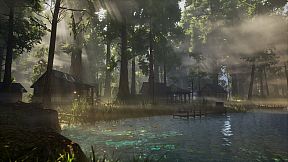
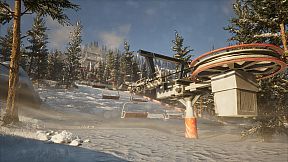
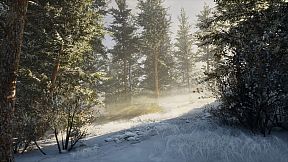
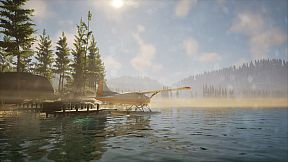
BIGFOOT is a survival horror game set in the wilderness of American national parks where players hunt or become the legendary creature. The core experience revolves around tension between human ingenuity and primal power in dense forests filled with other dangers.
Gameplay
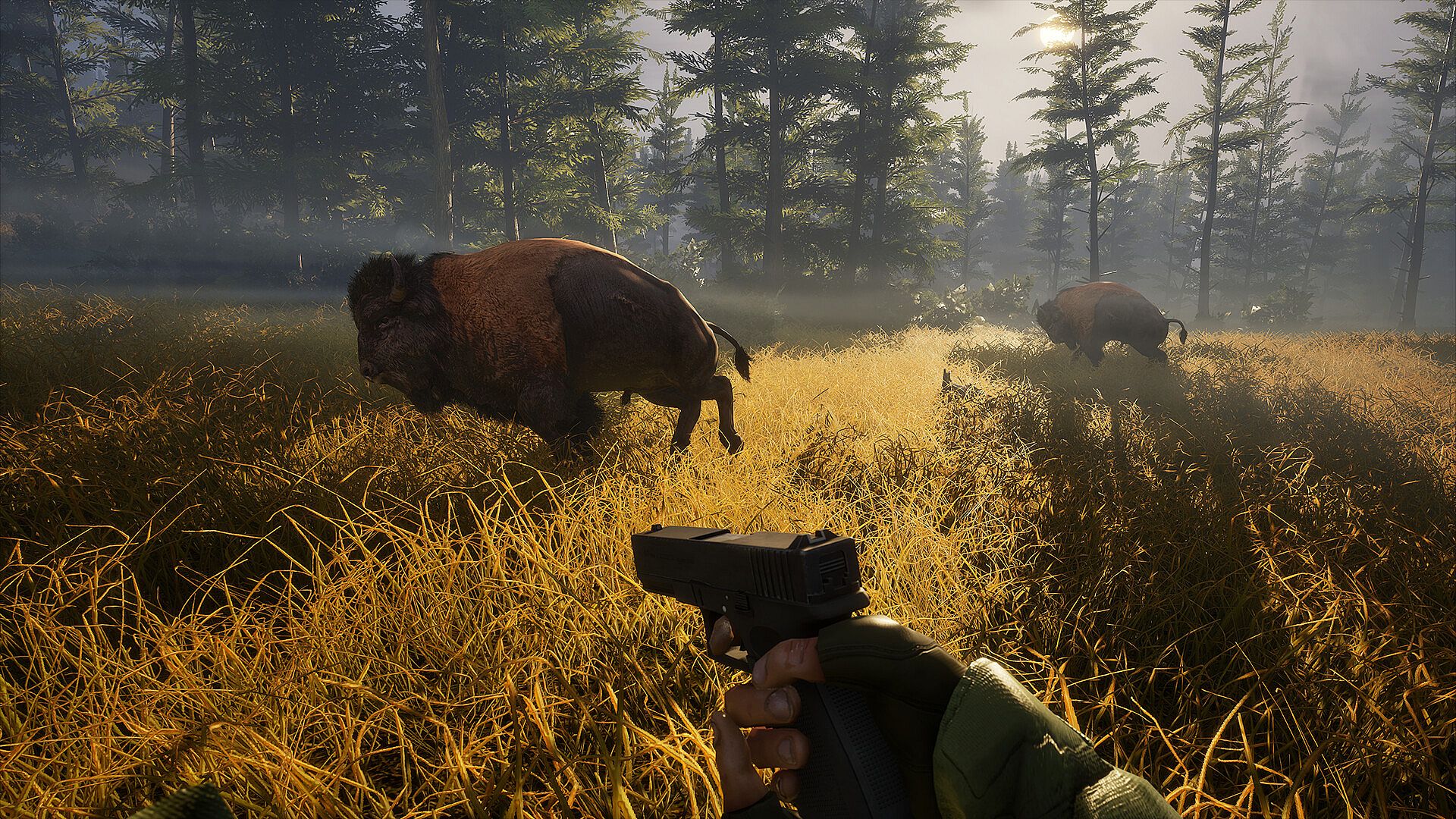
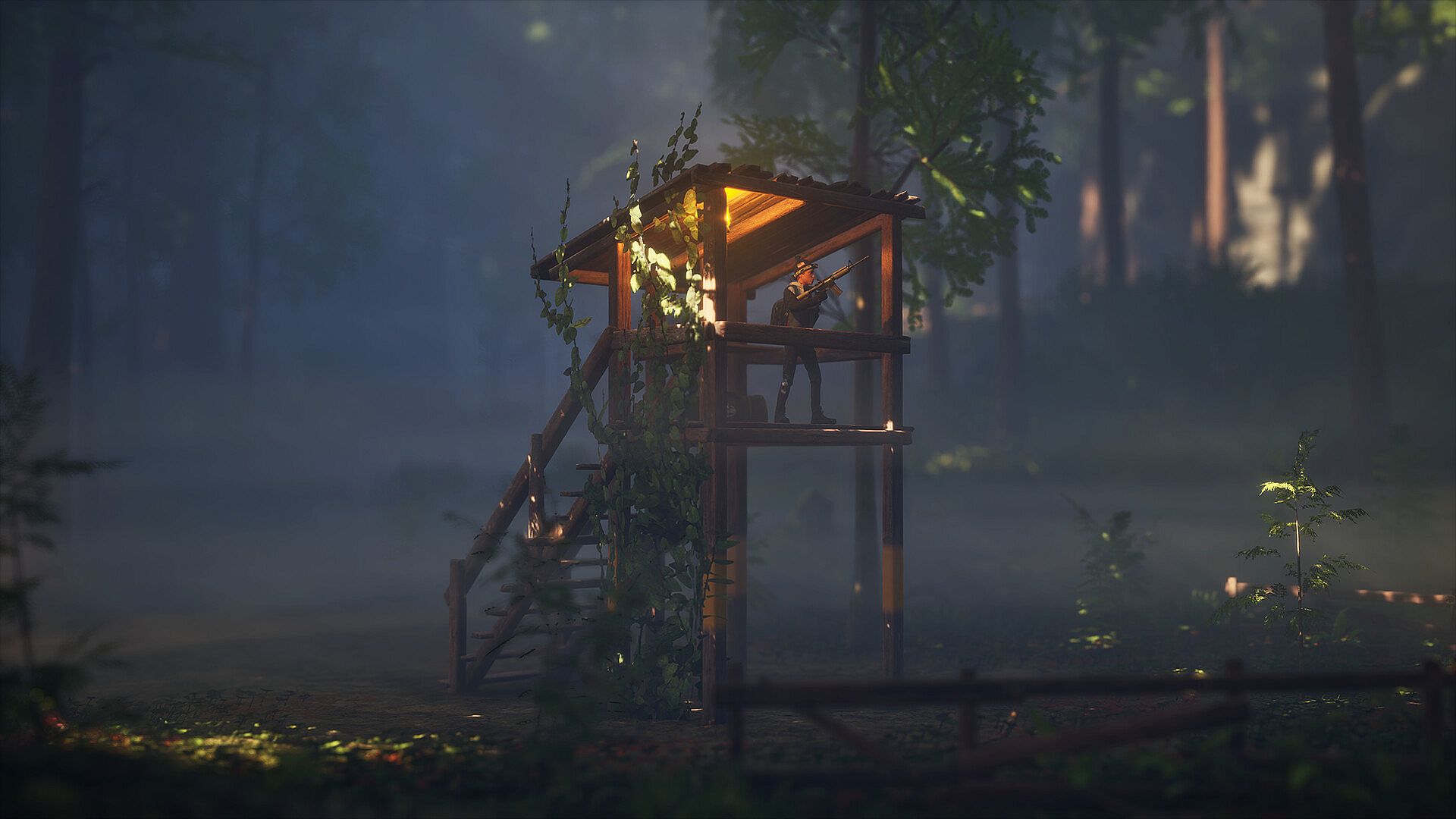
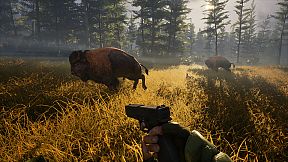
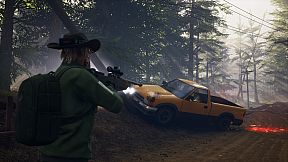
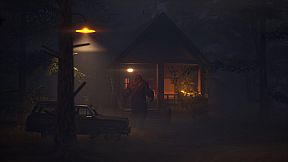
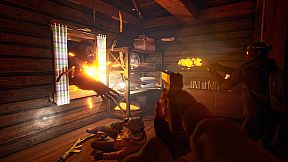
Hunters must gather equipment and supplies scattered across the map while navigating terrain that includes cabins, trails, and dense undergrowth. Ammunition, traps, and tools form the basis of defense, and players need to coordinate or work solo to set up positions that counter the monster's mobility. Nighttime increases the threat level as visibility drops and sounds carry farther through the trees. Other wildlife adds layers of risk, forcing constant awareness of surroundings beyond the main target.
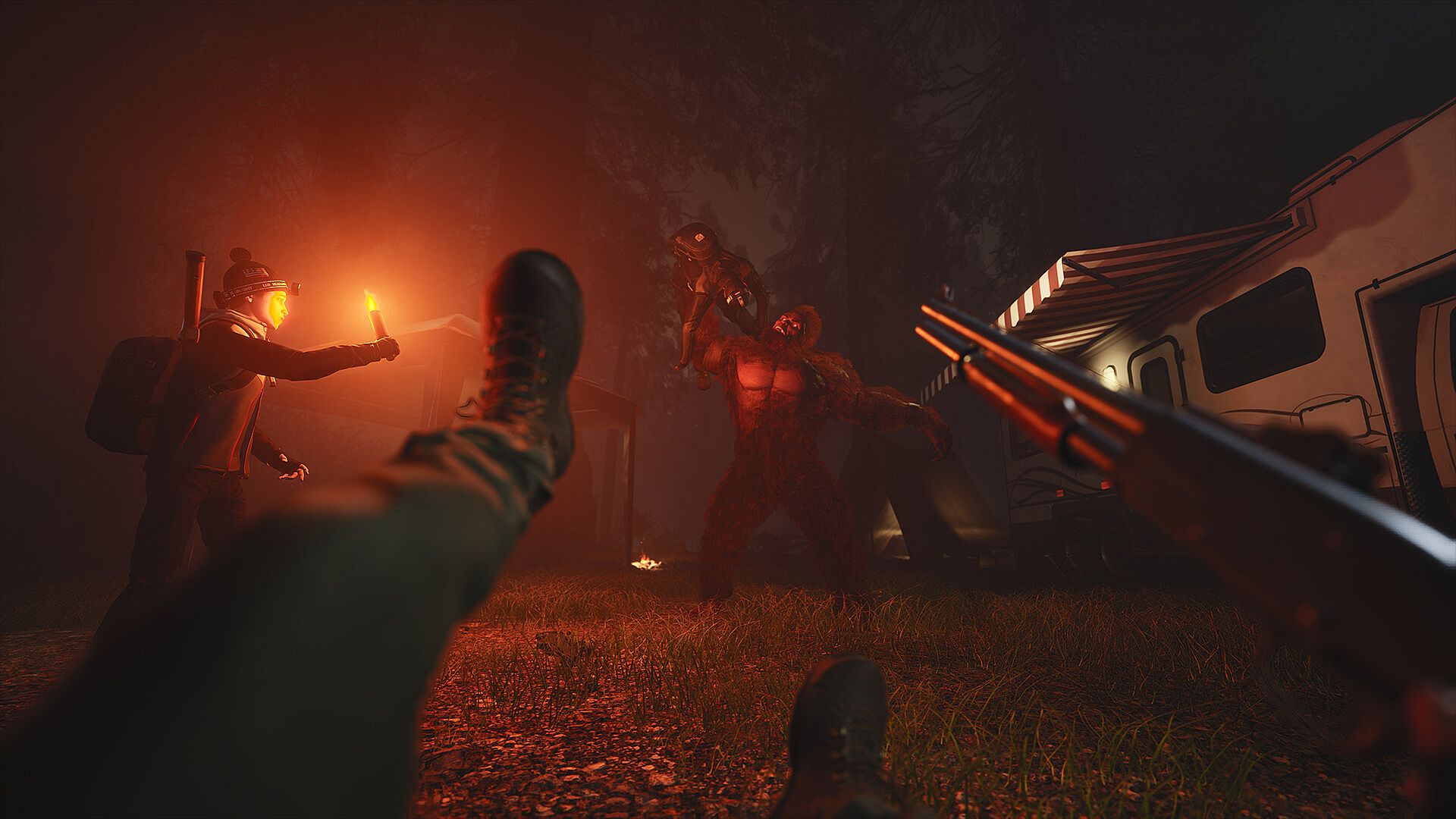
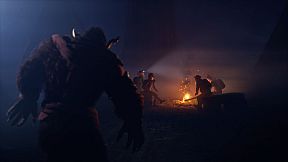
When controlling Bigfoot, the focus shifts to stealth and ambush tactics. The creature grows stronger by consuming food sources, which unlocks or enhances abilities for closing distances quickly or disrupting hunter plans. Darkness provides cover for setting traps or launching sudden attacks, and players can improvise by using environmental objects like signs or branches in direct confrontations. The role emphasizes patience followed by decisive strikes against isolated targets.
Game Modes
Two primary modes define the experience. In the first, Bigfoot operates under AI control while hunters work together or alone to locate and eliminate it. This setup supports single-player sessions or online co-op groups of up to four. The second mode introduces player control of Bigfoot against a team of up to five hunters in online co-op, creating direct opposition where the monster player must manage resources and timing to overwhelm the group.
Single-player options allow independent exploration and hunting without relying on others, while the multiplayer variants scale the challenge through shared responsibilities or direct competition. Both modes take place across multiple national park environments that feature distinct layouts and hazards.
Exploration and Environment
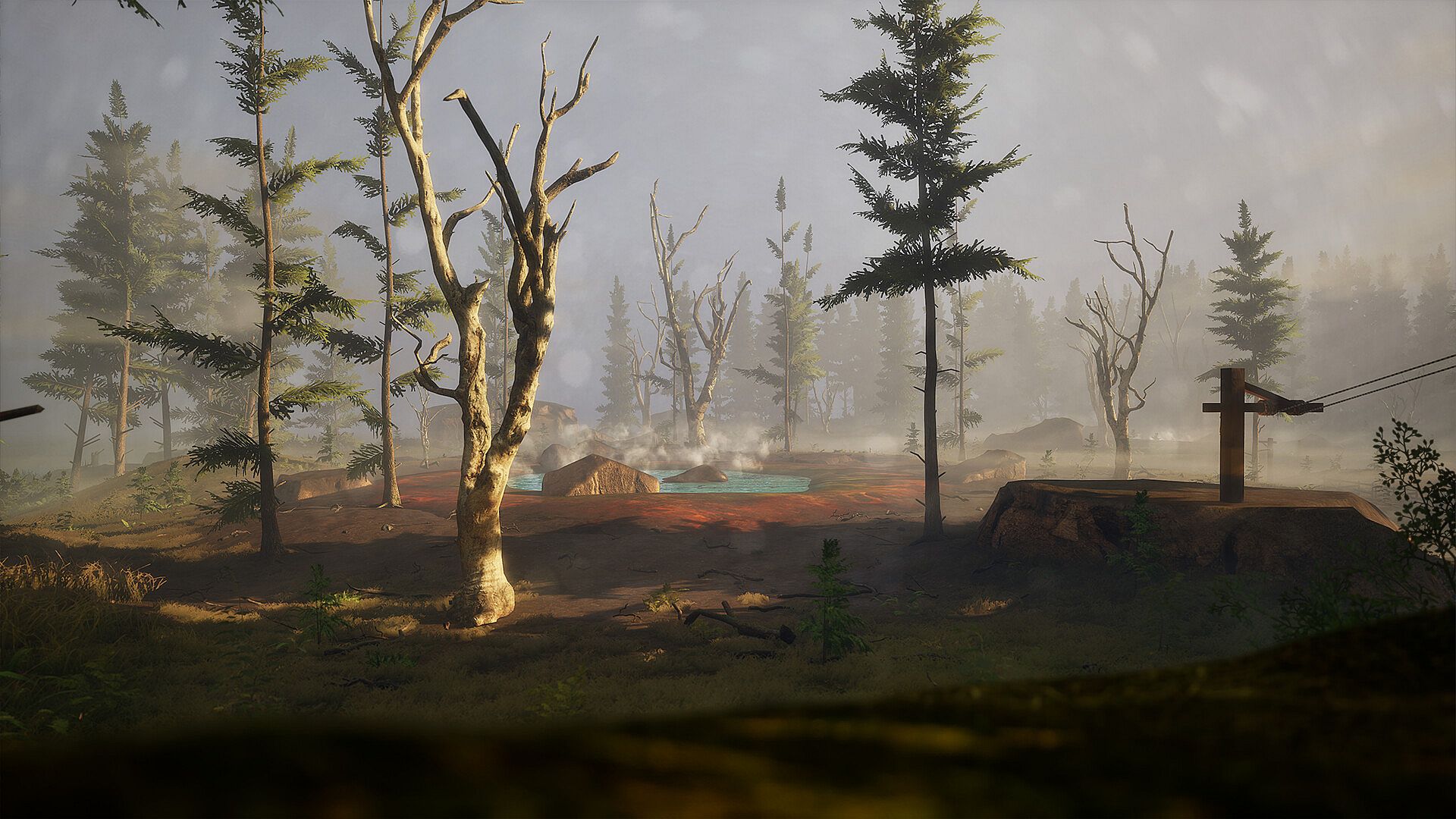
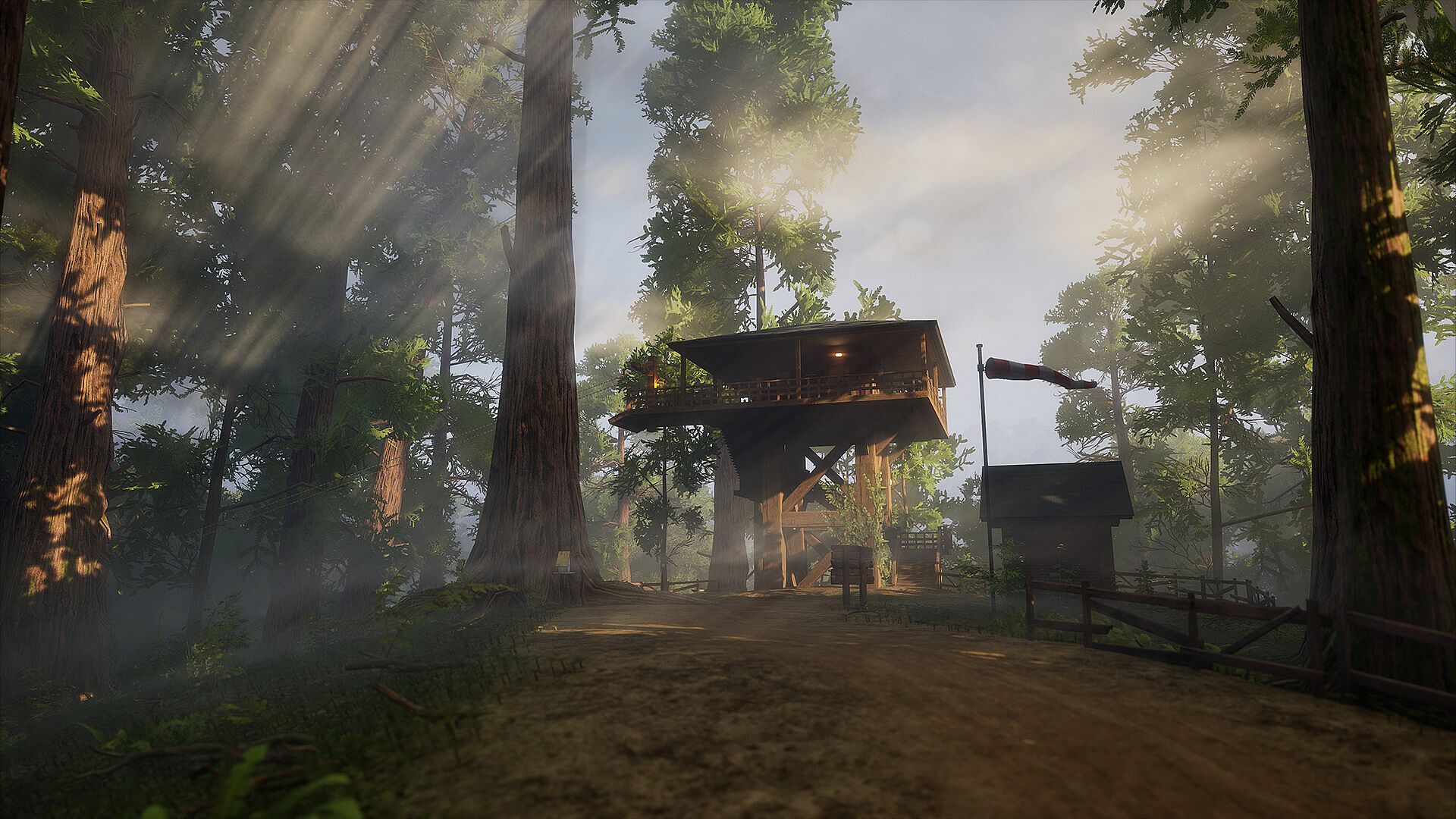
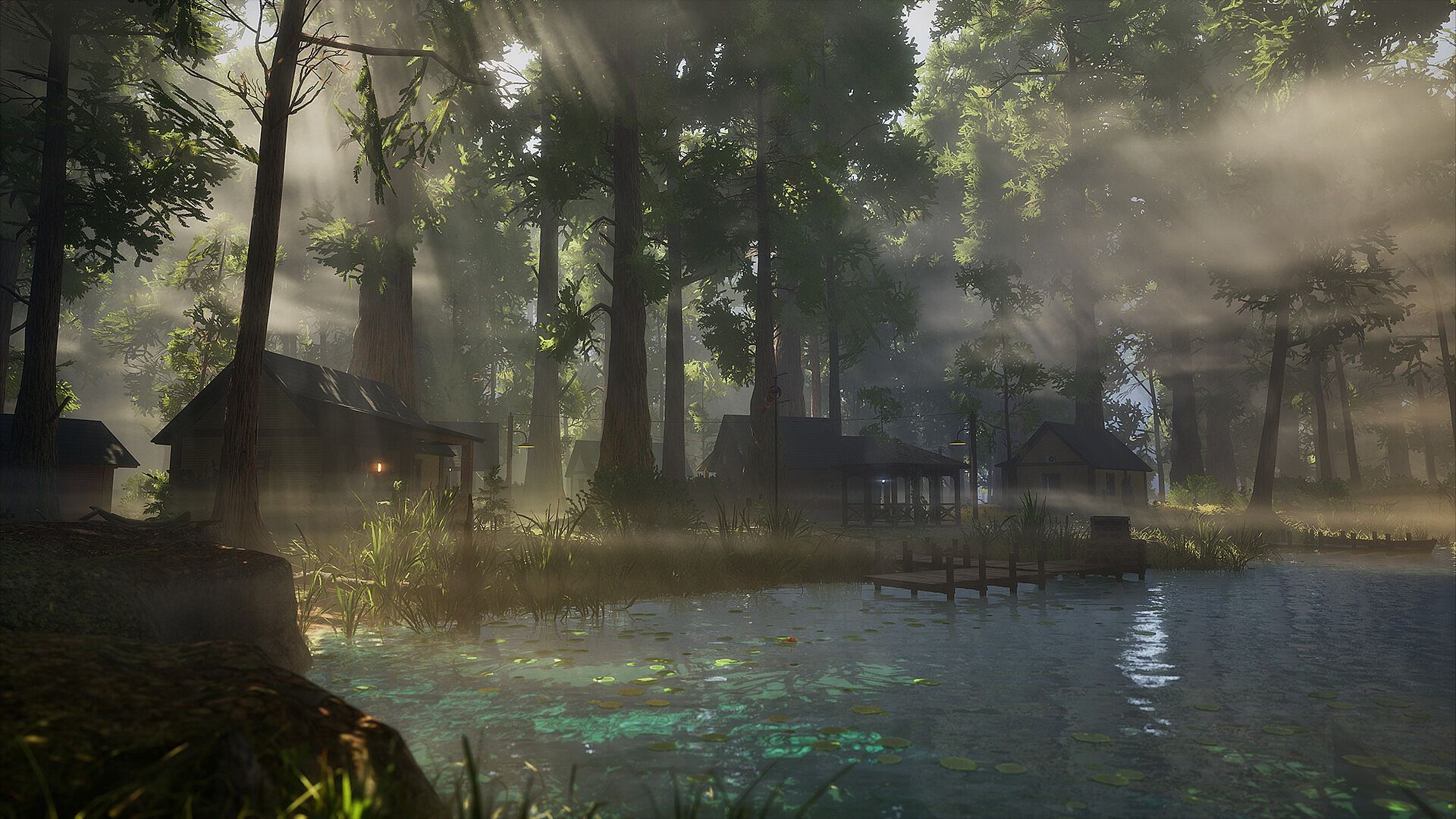
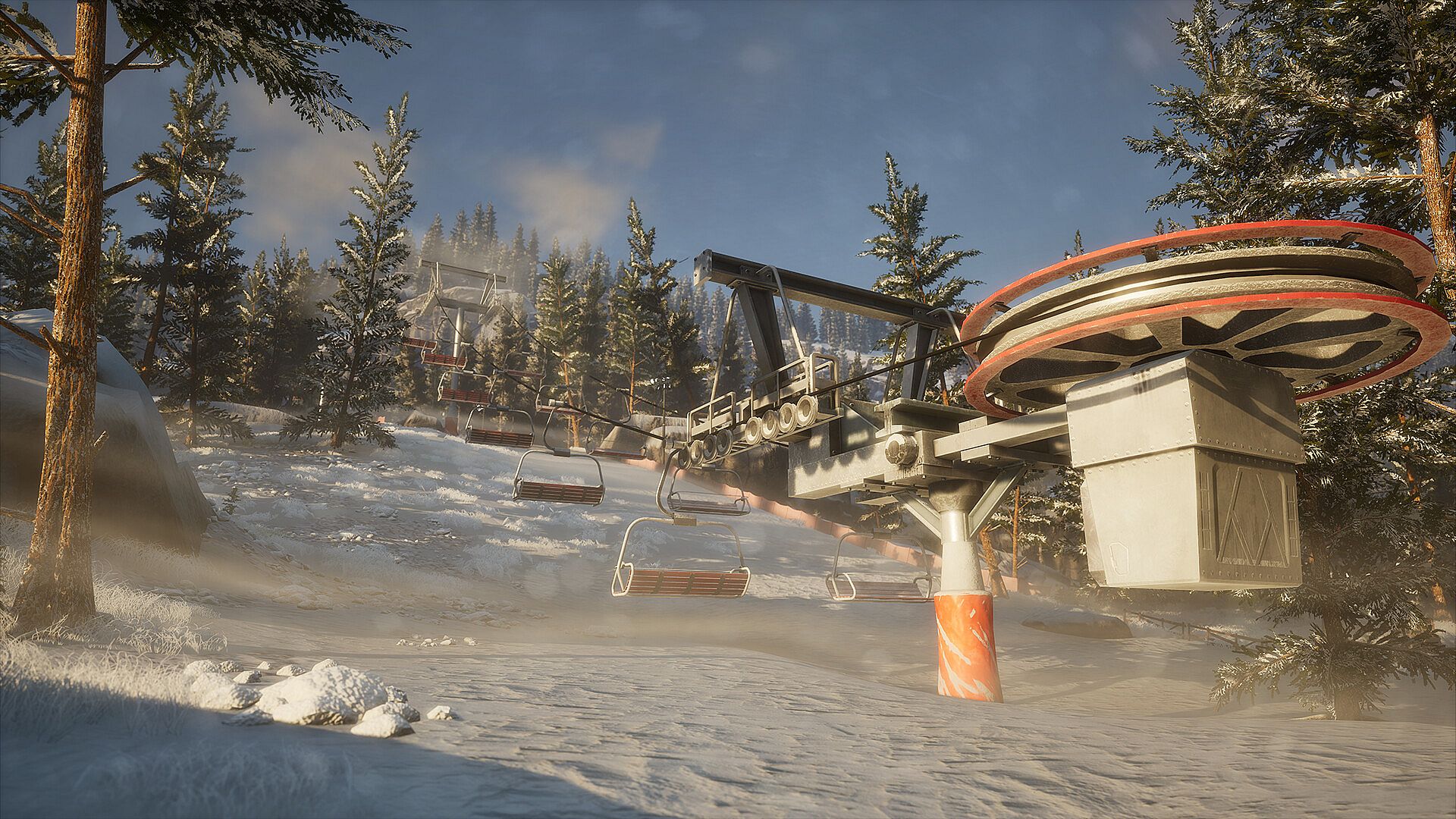
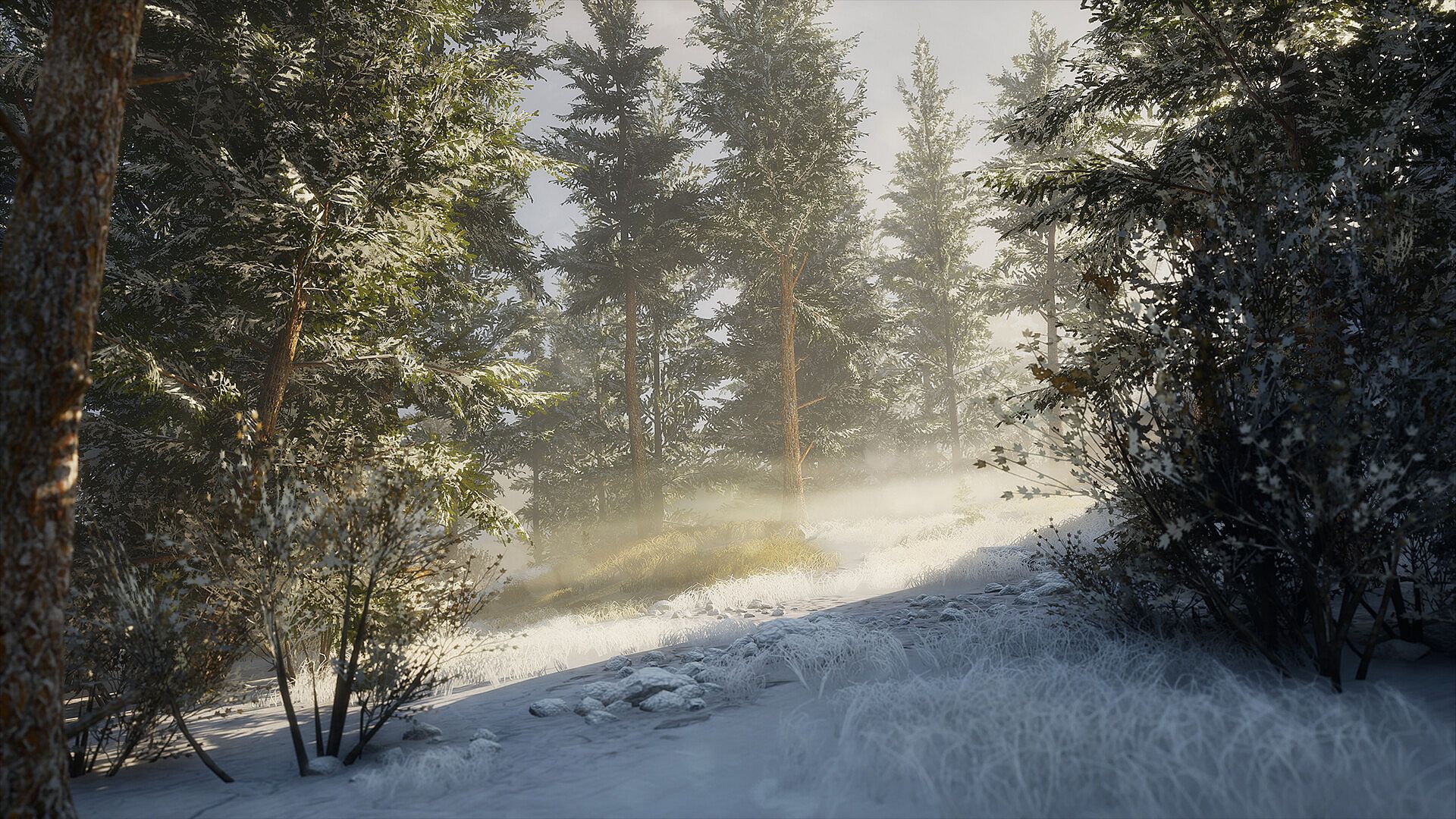
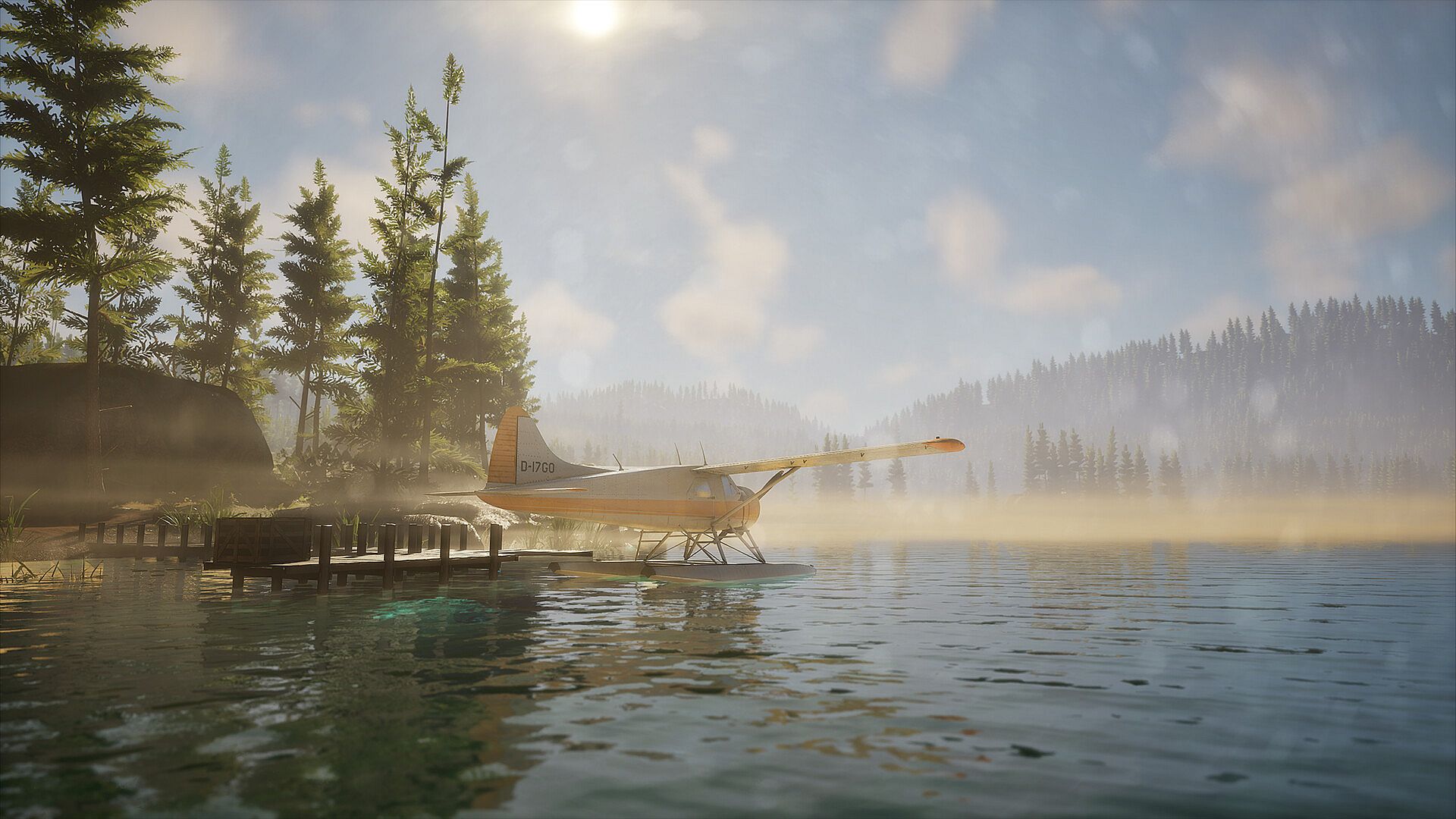
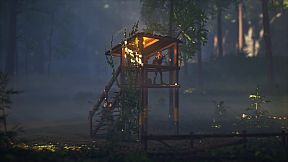
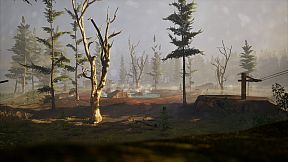
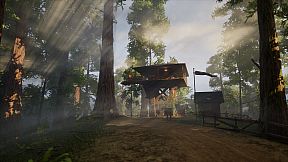
Several real-world inspired US national parks serve as playable areas, each offering varied terrain that influences strategy. Hunters study these maps to identify choke points and resource locations, while the creature learns patrol routes and hiding spots. Day and night cycles alter visibility and behavior patterns, particularly for AI-controlled threats. Interactive elements such as ziplines and cabins provide tactical options for movement or temporary shelter during encounters.
Is It Worth Playing?
The game maintains very positive recent reviews, with 86 percent of the latest user feedback rating it favorably after ongoing updates that refined visuals, mechanics, and overall balance. It suits players who enjoy asymmetric survival horror with co-op elements or the option to switch sides in player-versus-player scenarios. Those seeking single-player campaigns or small-group sessions against AI will find consistent support, while larger groups can engage in the competitive monster mode. Continued development keeps the title active years after its initial release, making it a solid choice for fans of deliberate pacing and environmental tension rather than fast-paced action.