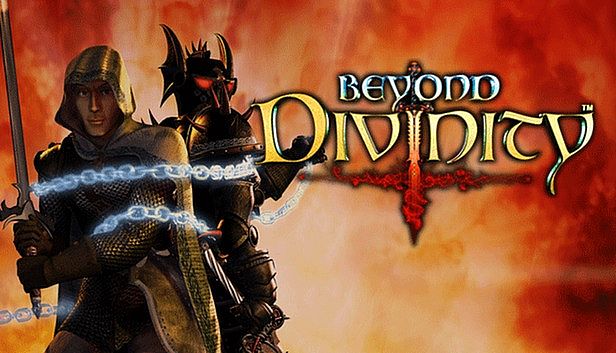












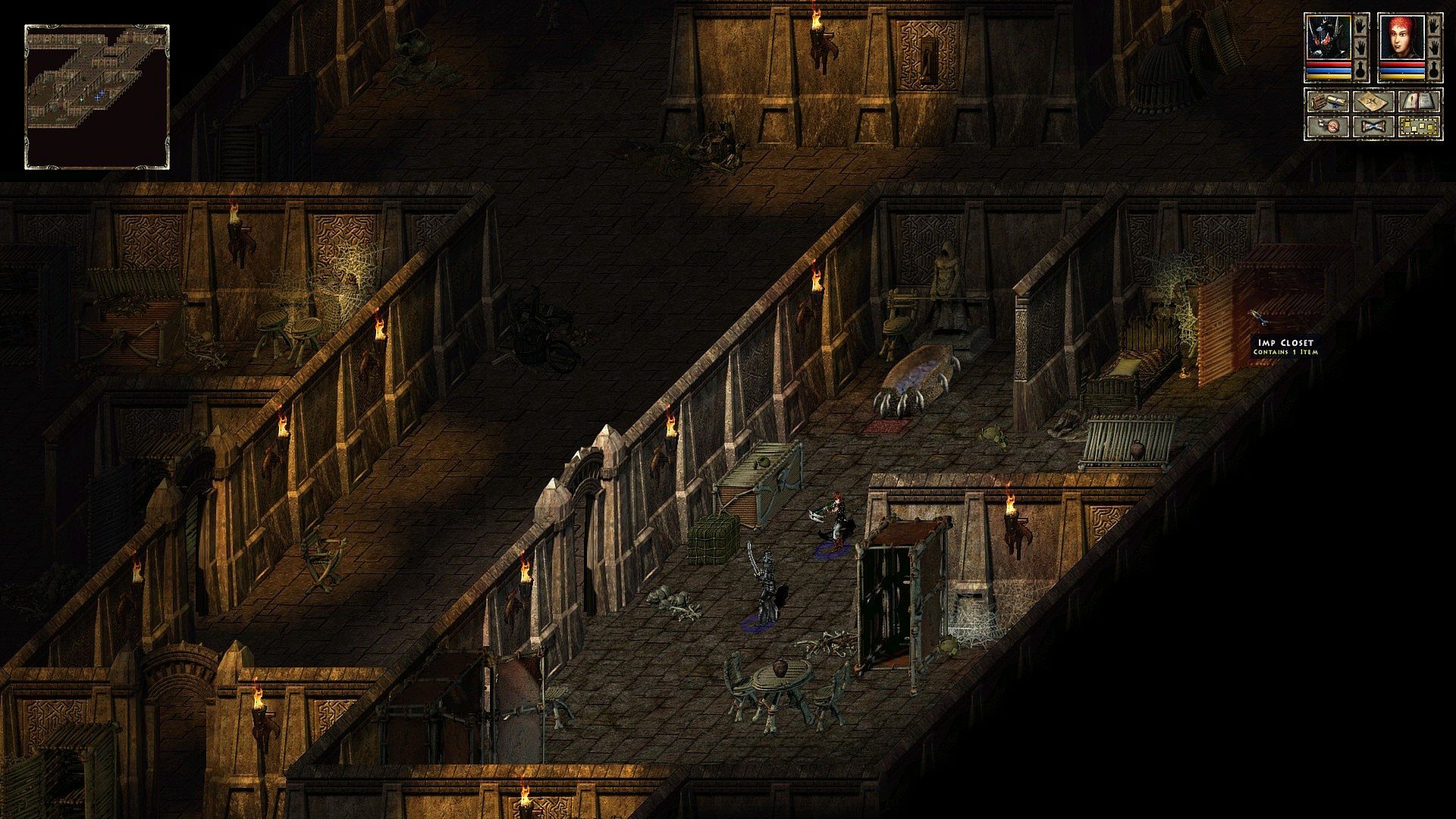
Beyond Divinity is a singleplayer RPG developed as a direct sequel to Divine Divinity. Players take on the role of a character bonded to a Death Knight through a curse, navigating a fantasy setting across multiple acts while seeking to break the connection. The game emphasizes deep customization and extensive world interaction on PC.
Gameplay
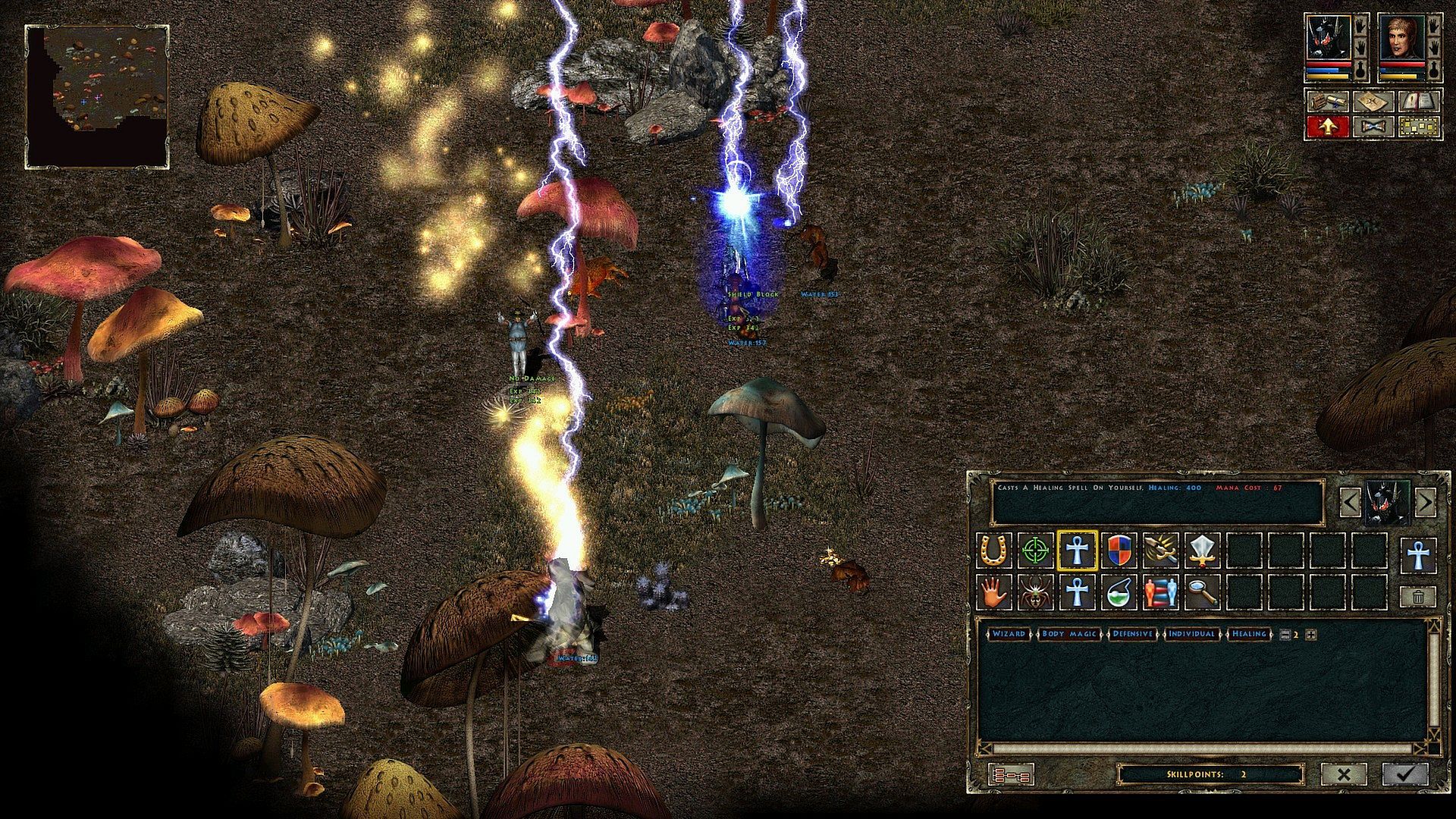
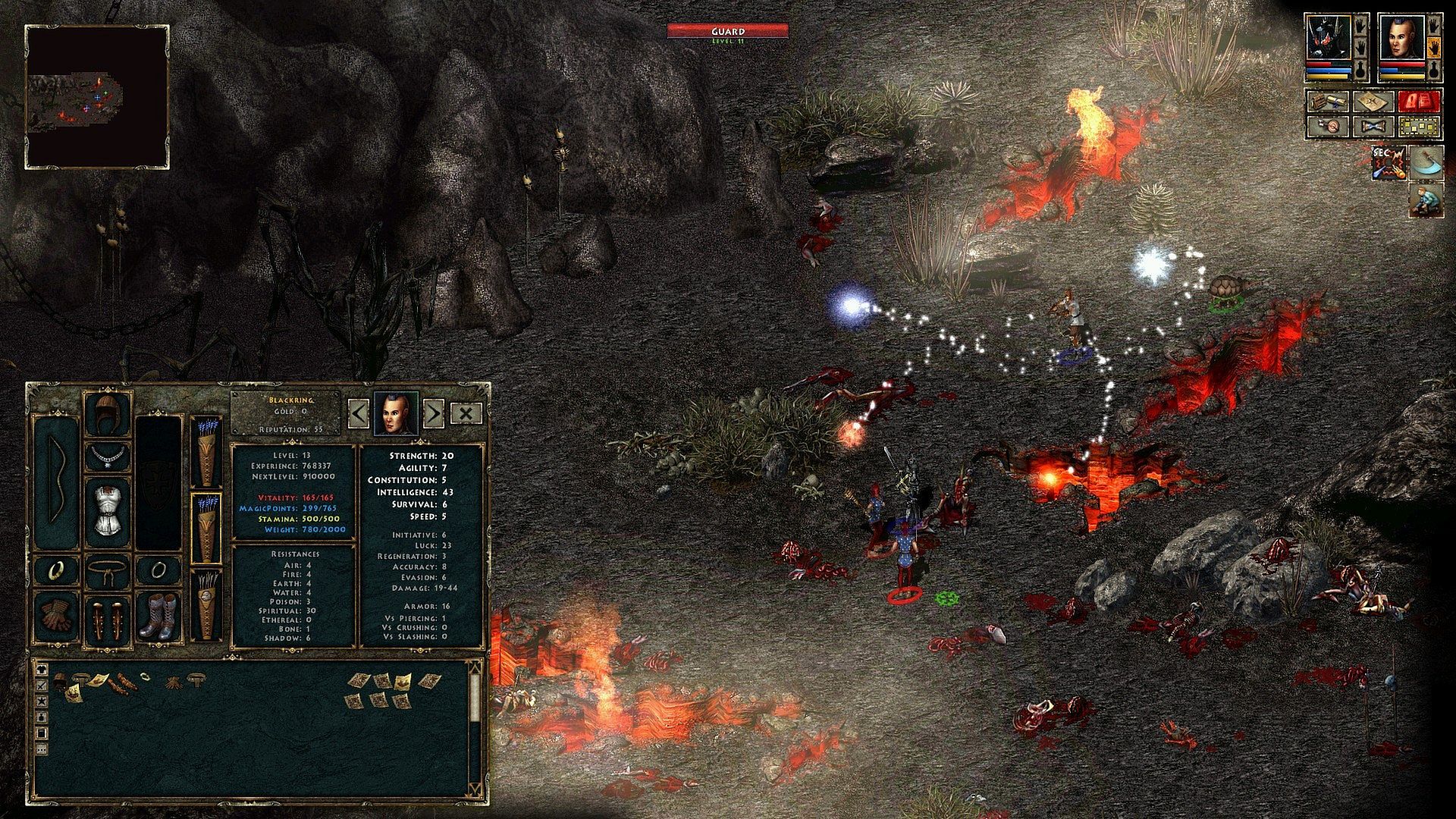
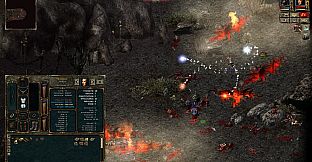
The core loop revolves around exploration, questing, and combat in an isometric view. Combat allows pausing at any time to issue orders to party members, with the ability to switch control seamlessly between the main character and the Death Knight. This setup supports tactical decision-making without real-time pressure. Summoning dolls expands the party further during fights.
Item interaction forms a major part of progression. Objects throughout the world can be examined, traded, used, or combined in various ways. Players collect ingredients like flasks and mushrooms to craft potions, or apply poisons to weapons for combat advantages. Systems for alchemy, craftsmanship, and trap creation integrate directly into this loop.
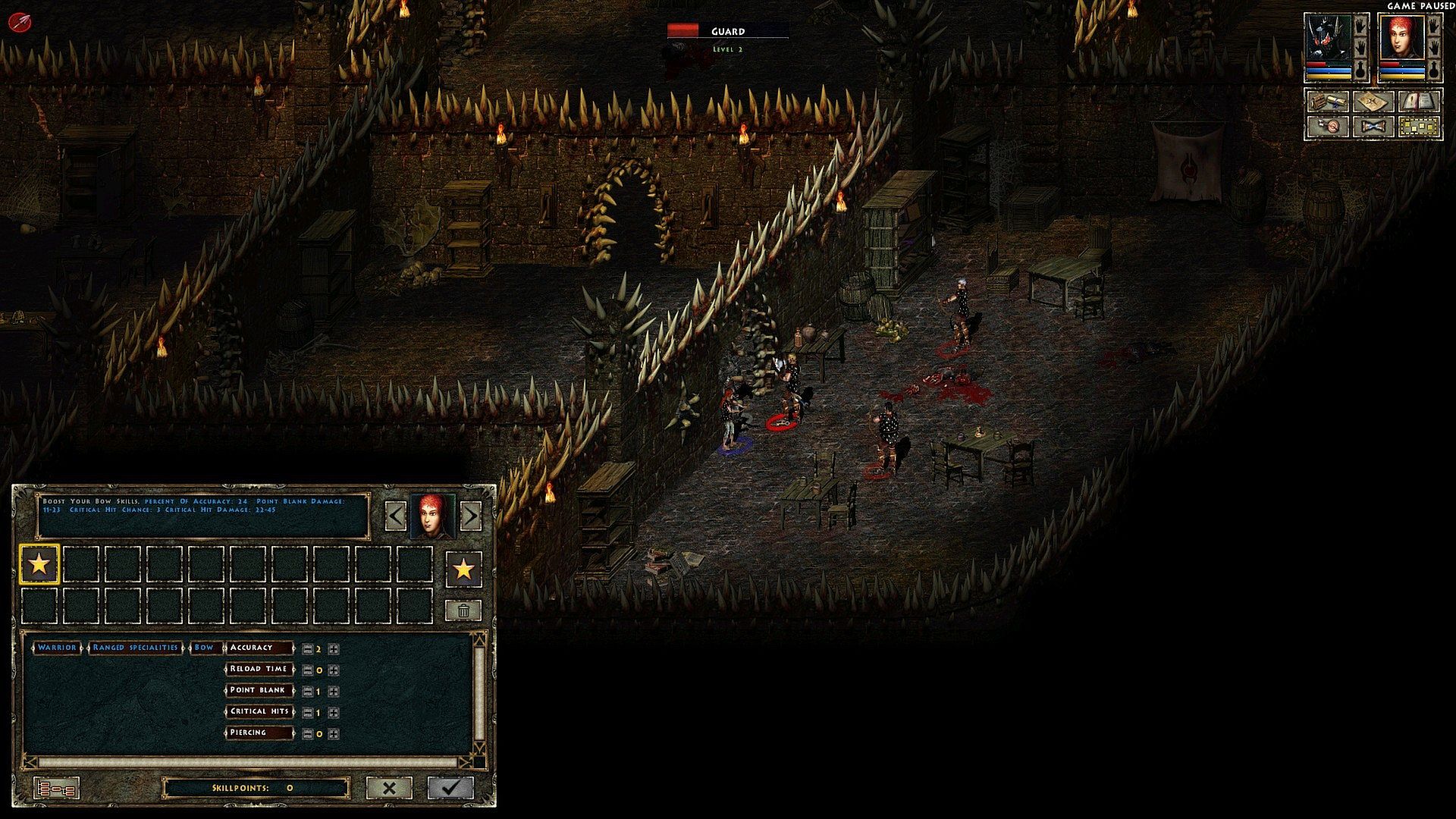
Character advancement remains entirely classless. Over 30 traits and 290 skills are available for allocation based on player preference, allowing builds focused on combat, crafting, or utility. The system supports experimentation across the campaign without restrictions from predefined roles.
Game Modes
The primary experience unfolds through a structured campaign divided into four story acts. These acts feature non-linear quests and an expansive world for players to traverse at their own pace. The narrative centers on the bond with the Death Knight and efforts to resolve the curse.
Battlefields serves as a distinct mode with procedurally generated content. This area provides randomized encounters, loot opportunities, enemies, and additional quests separate from the main story progression. It extends playtime beyond the core campaign for those seeking repeatable challenges.
World and Progression
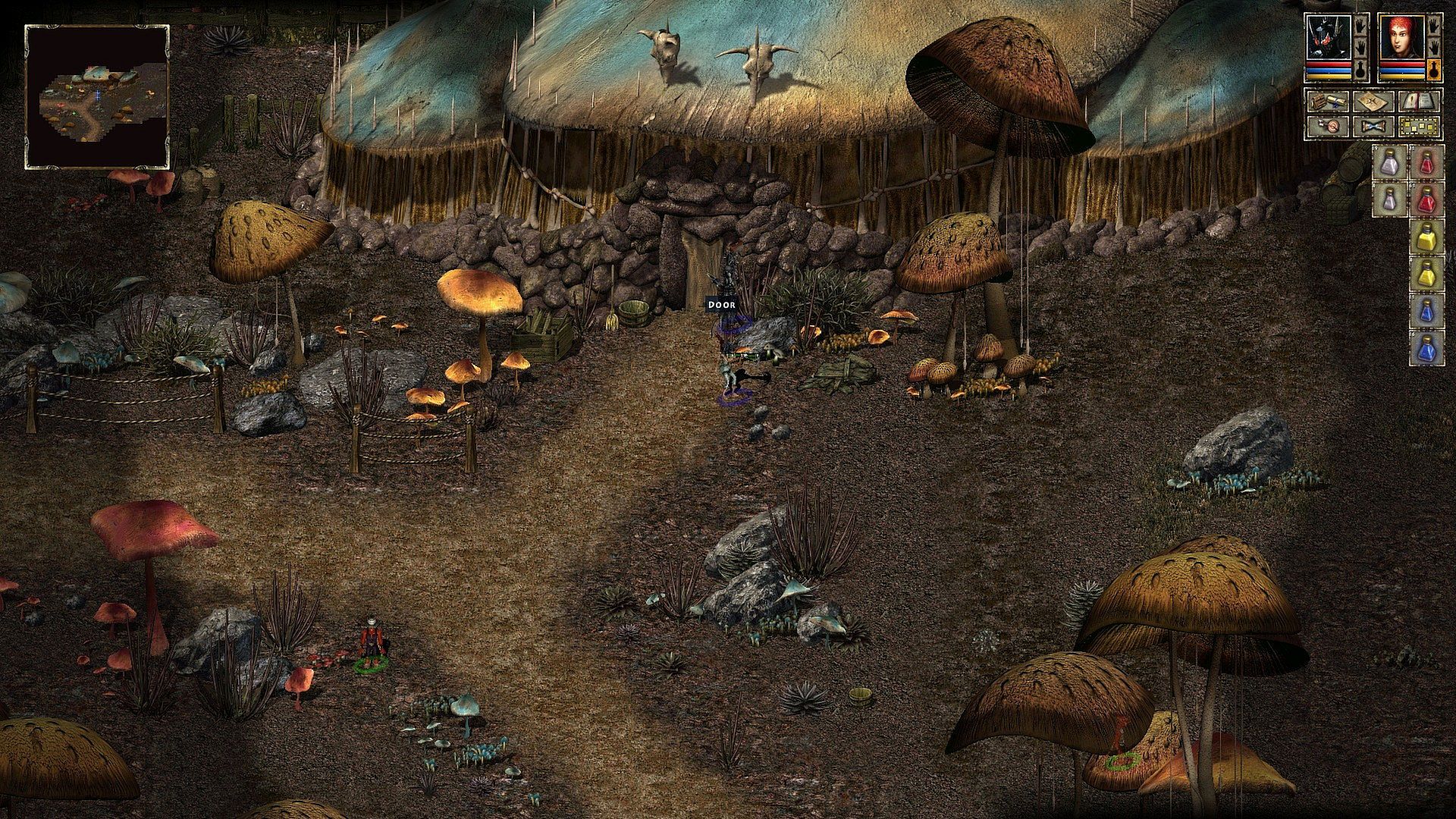
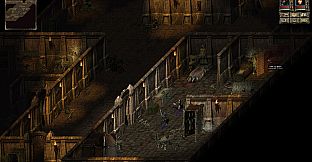
The game world spans a large area spread across the four acts, filled with opportunities for investigation and side activities. Quests often branch in multiple directions, encouraging thorough exploration rather than linear advancement. Item combinations and environmental interactions reward attention to detail in every location.
Progression ties closely to skill acquisition and party management. The Death Knight companion influences both story and combat dynamics, while doll summons add layers to encounters. This combination creates varied approaches to challenges without relying on fixed party compositions.
Soundtrack and Presentation
The audio features compositions by Kirill Pokrovsky, recognized for prior work in the series. The re-mastered version updates compatibility for Windows 7 and later systems along with support for higher screen resolutions, preserving the original mechanics while improving accessibility on modern hardware.
Is It Worth Playing?
This title suits players who enjoy classic RPG mechanics with heavy emphasis on customization, crafting, and tactical combat pauses. The classless skill system and dual-character control offer flexibility for those who prefer building unique characters over preset classes. The campaign and Battlefields mode together provide substantial content for extended play sessions.
Reception varies among fans of older isometric RPGs, with some appreciating the depth of systems and others noting dated elements like voice acting. The re-mastered release maintains the original design intact, making it a choice for those specifically seeking this style of gameplay rather than modern updates or ongoing content cycles. Availability on PC platforms supports singleplayer sessions focused on the verified features described.