























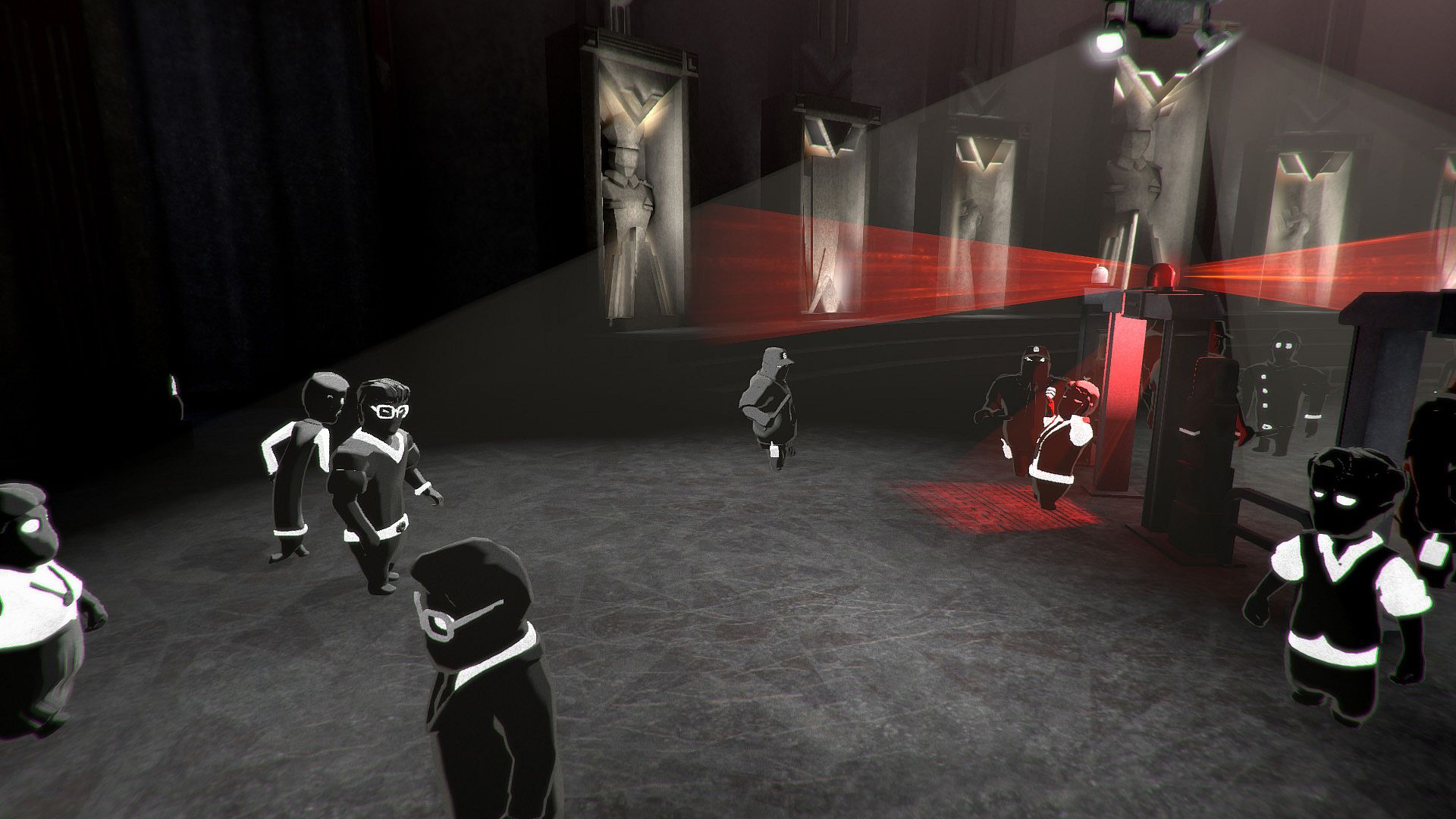
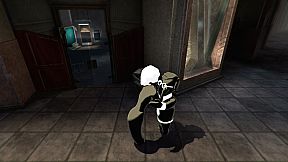
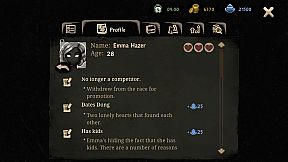
Beholder 2 is a strategy, indie, simulation, and adventure game set in a dystopian ministry where players navigate the rigid hierarchy of a totalitarian state as a low-level intern. The experience centers on daily decision-making that shapes career progression, personal finances, and moral standing within an oppressive bureaucracy. Players balance limited work hours against tasks that range from routine paperwork to surveillance and interpersonal maneuvering, all while pursuing one of several possible paths toward influence or exposure.
Gameplay
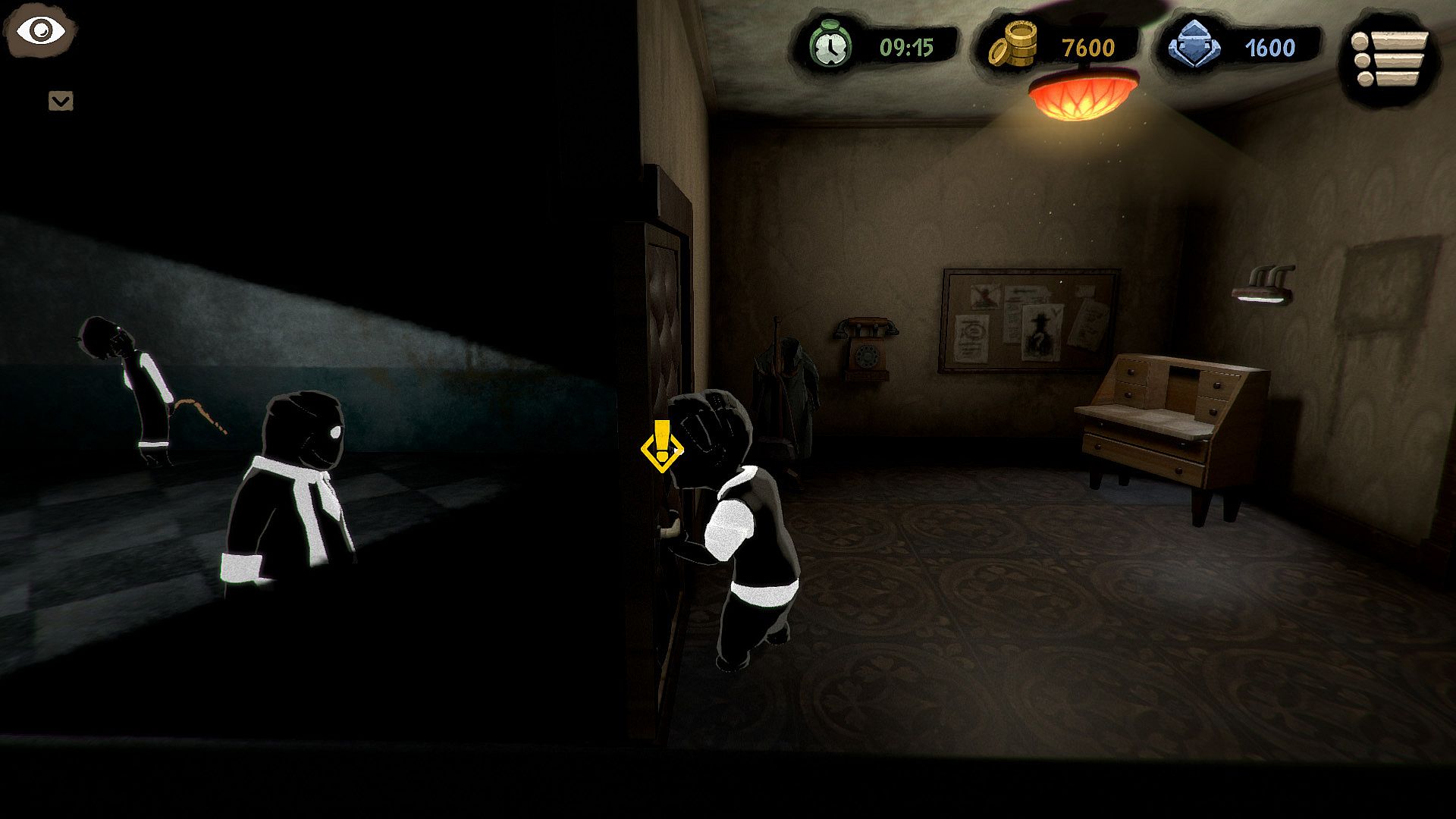
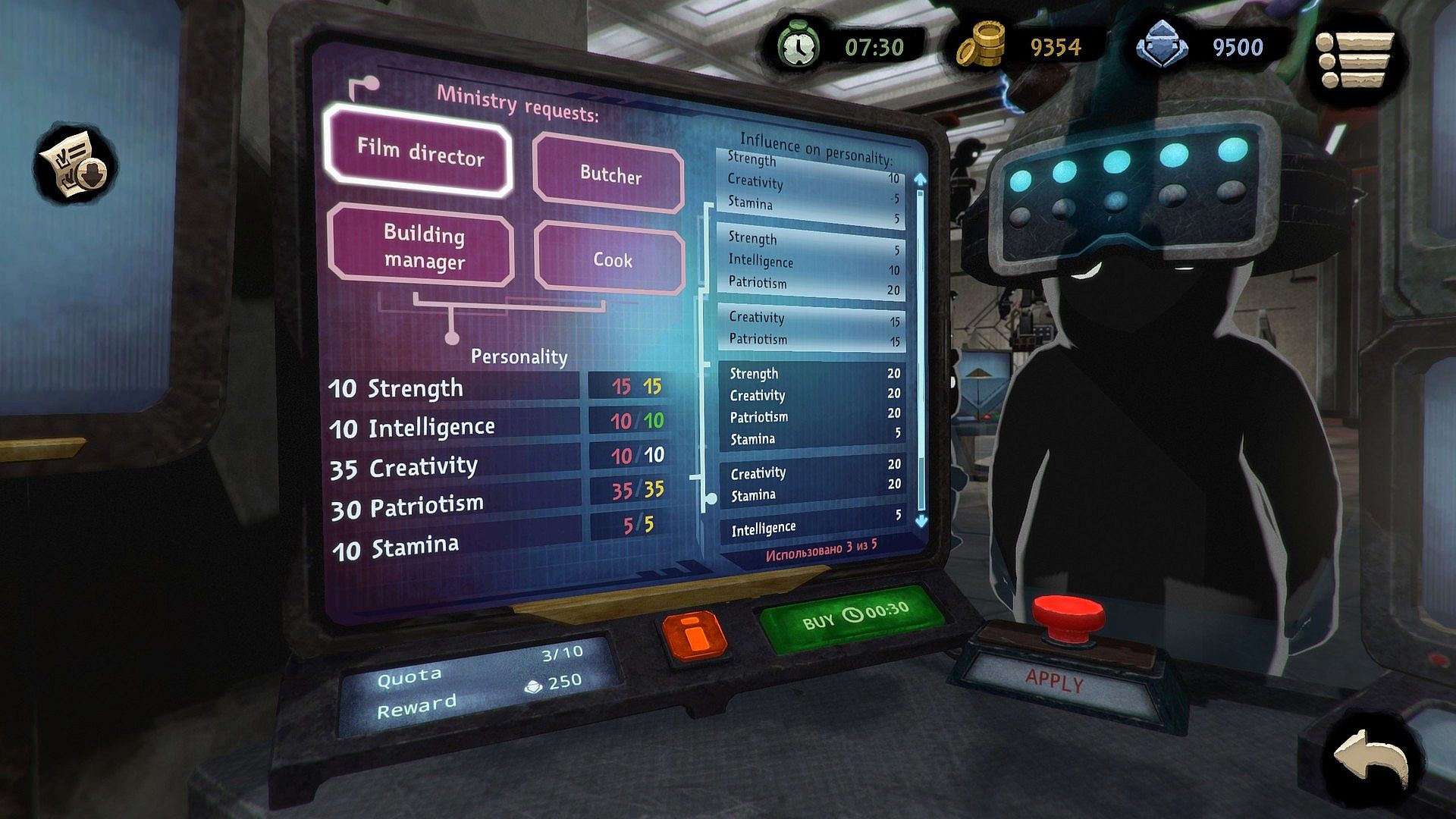
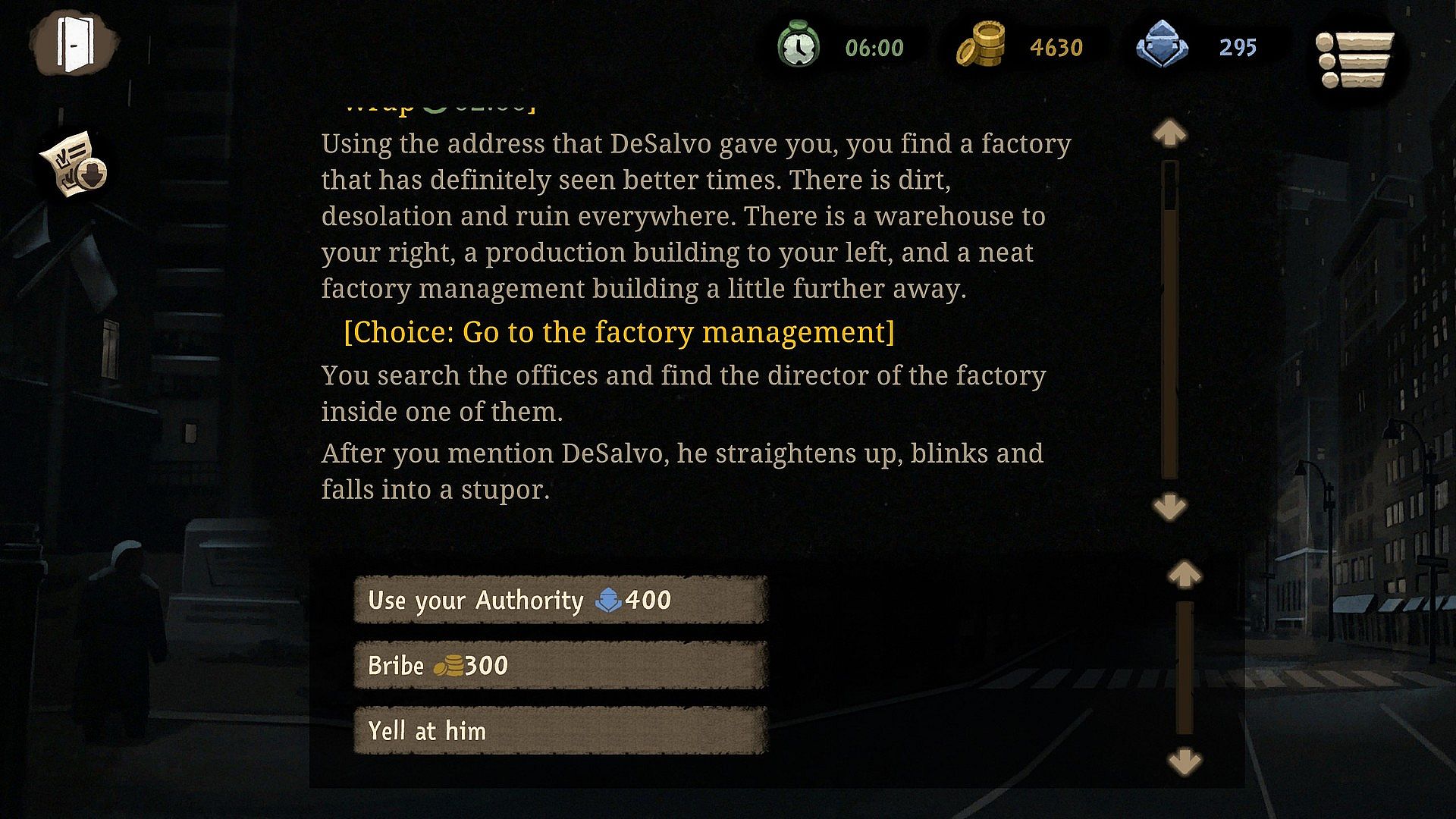
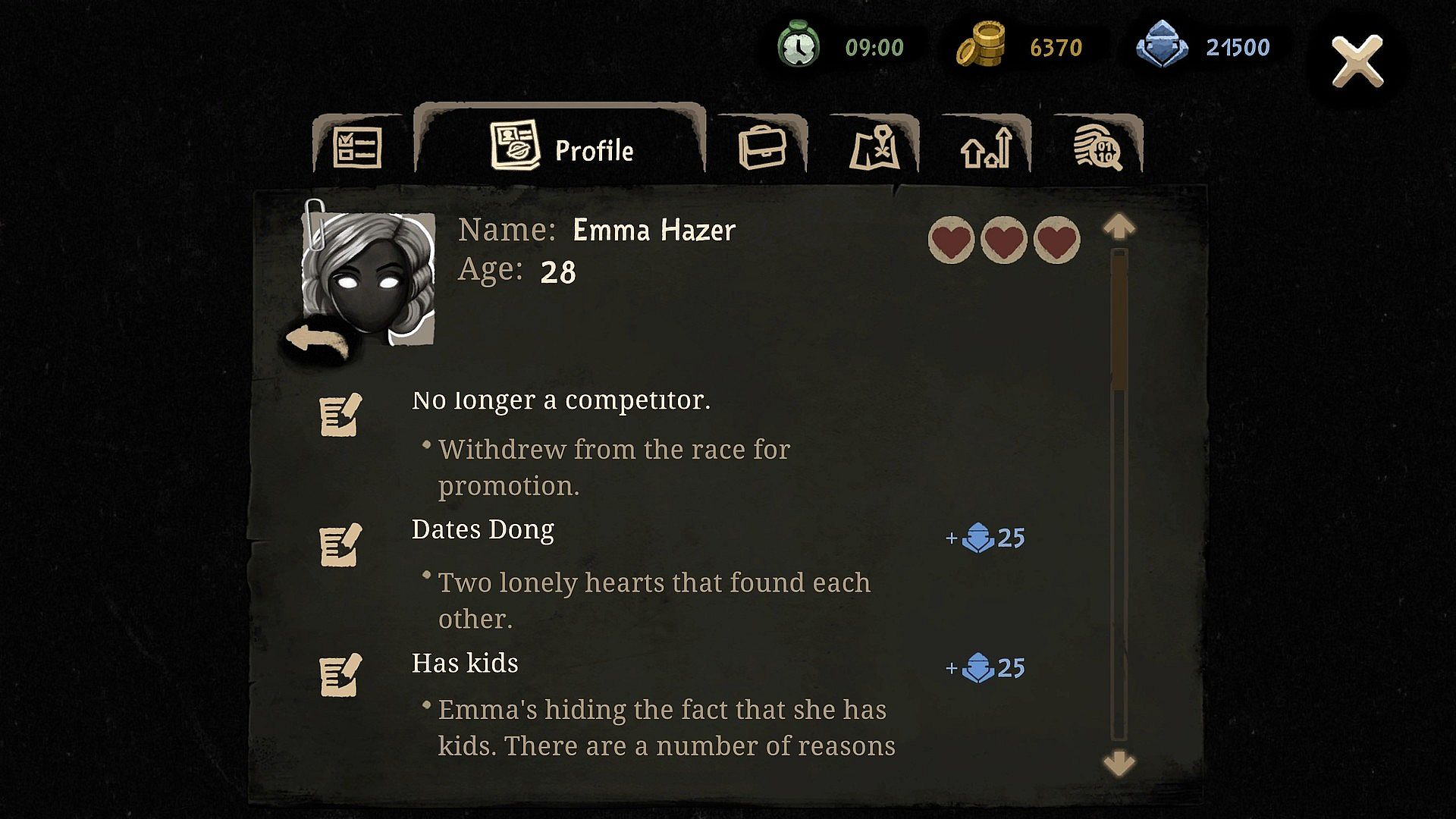
The core loop revolves around a fixed nine-hour workday that players allocate across various activities in the ministry building. Time spent on tasks such as processing citizen inquiries, completing bureaucratic forms, or interacting with colleagues directly reduces the available hours, forcing careful prioritization each day. Resources like money and prestige influence progress, with money covering personal expenses and prestige unlocking new opportunities or authority within the organization.
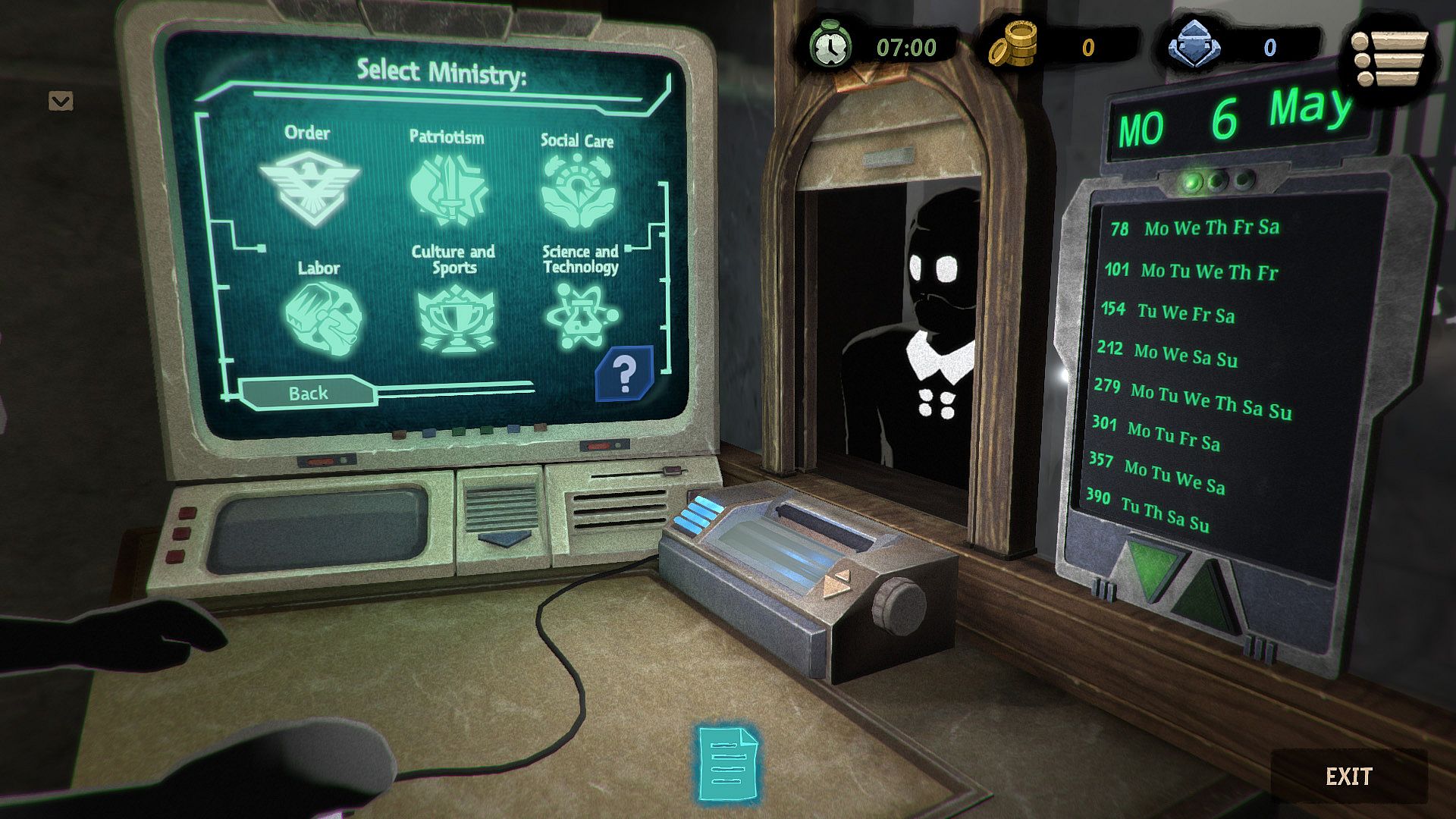
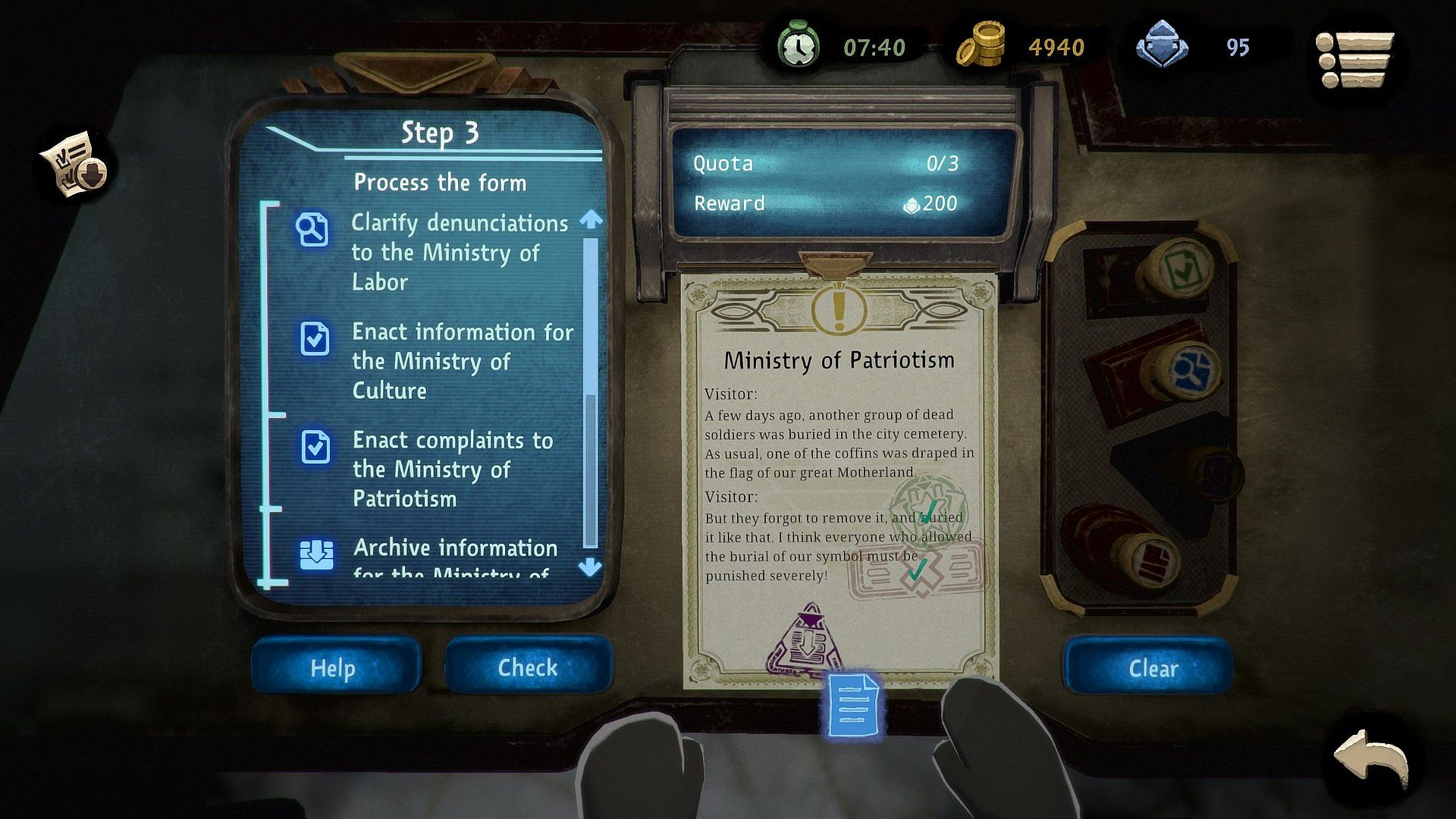
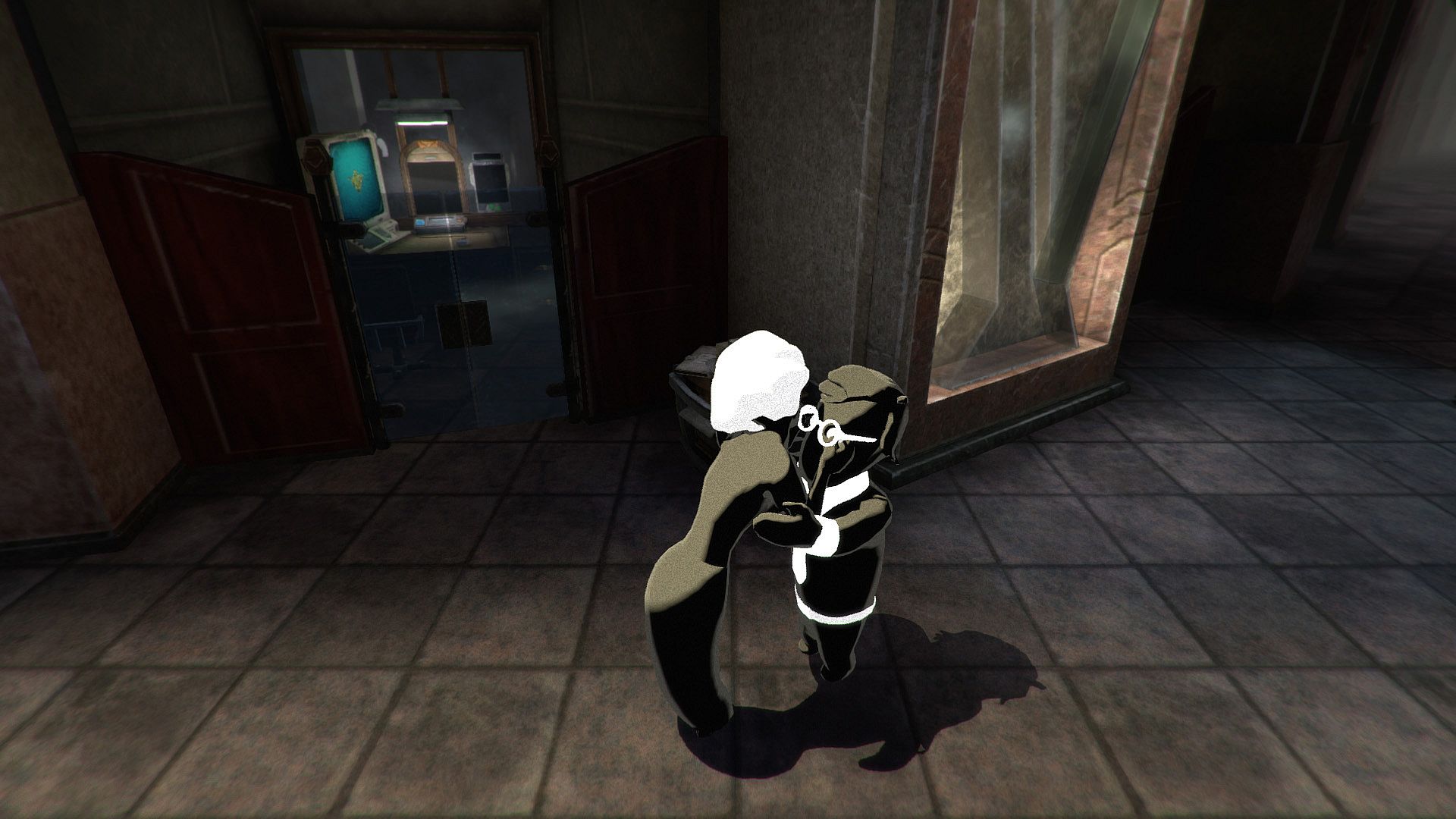
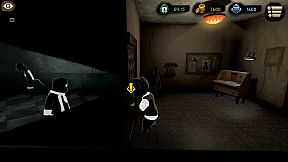
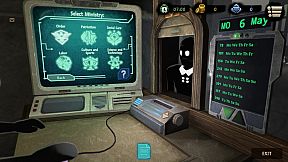
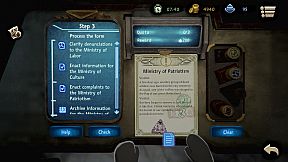
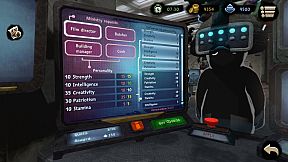
Many work assignments involve short puzzle-like sequences or reading comprehension challenges that simulate real administrative duties. These include sorting appeals into the correct departments, matching forms to the proper officials, and handling complaints or denunciations according to strict protocols. Outside of official duties, players can explore the ministry floors, build relationships with coworkers, and uncover hidden information that opens alternative routes through the story. Choices made during these interactions carry lasting consequences, altering available quests, character attitudes, and the overall narrative direction.
Progression feels deliberate because every action consumes time and carries risk. Players must weigh whether to complete mandatory job functions for steady income or invest hours in riskier schemes that could accelerate advancement or lead to complications. The simulation elements emphasize planning across multiple days, as bills at home and ministry expectations continue regardless of how the previous shift unfolded.
Game Modes
Beholder 2 operates entirely as a singleplayer experience with no separate multiplayer or competitive components. The primary structure follows a continuous campaign divided into workdays, where the player advances through the ministry ranks while managing personal survival and ambitions. Within this framework, different playstyles emerge naturally through the branching story paths available from the outset.
One approach focuses on diligent performance of assigned duties to earn official recognition and steady advancement. Another emphasizes opportunistic networking and selective rule-bending to climb faster at the expense of others. A third path involves gathering evidence and making covert contacts that could expose irregularities within the system. These paths are not rigid categories but arise from cumulative choices, and players can shift emphasis as new information surfaces during play.
The absence of distinct game modes keeps the focus on the integrated simulation and narrative. Every session contributes to the same overarching career arc, with the nine-hour daily limit serving as the central constraint that shapes all strategic decisions.
Story and Setting
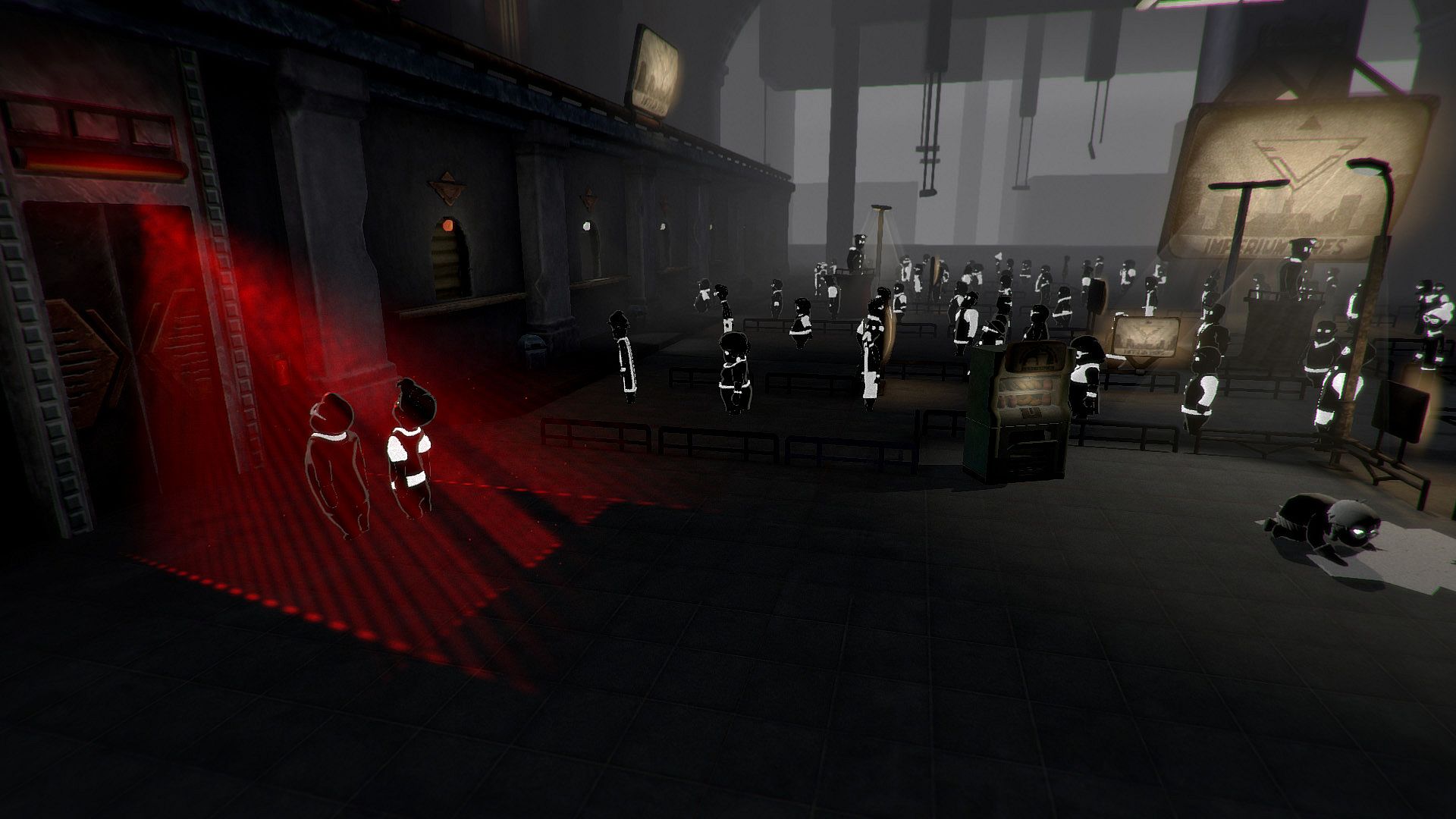
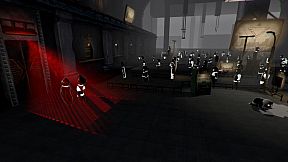
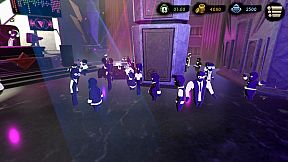
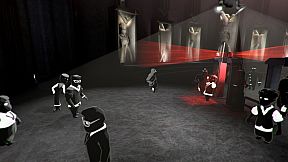
The narrative unfolds inside the Prime Ministry of a surveillance-heavy state where loyalty to the leadership is paramount. As an entry-level intern, the player starts with minimal authority and must navigate layers of bureaucracy, suspicious colleagues, and ambiguous directives. The setting draws on classic dystopian themes, presenting everyday administrative work as a vehicle for tension and moral ambiguity.
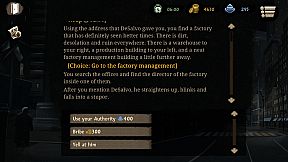
Story beats emerge through conversations, discovered documents, and the outcomes of completed tasks. Players encounter opportunities to support the system, exploit it for personal gain, or quietly undermine it, each route producing different sets of allies and obstacles. The writing maintains a consistent tone of grim practicality rather than overt satire, letting the mechanics reinforce the feeling of operating within an inflexible hierarchy.
Is It Worth Playing?
Beholder 2 suits players who enjoy choice-driven simulations that blend light puzzle elements with long-term planning and narrative consequences. The time-management system creates consistent tension without requiring fast reflexes, while the ministry setting provides a distinctive backdrop for career-focused decision making. Those who prefer open-ended management or pure action experiences may find the deliberate pacing and reading-heavy tasks less engaging.
Reception has been generally favorable among players who appreciate the emphasis on meaningful choices and atmospheric storytelling. The game remains a complete, self-contained title with no ongoing seasonal content or live-service elements, so anyone interested can experience the full scope without additional purchases or waiting for updates. Individuals drawn to strategy games that reward careful resource allocation and multiple playthroughs for different endings will likely find the experience satisfying.