


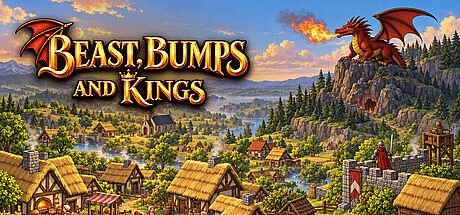


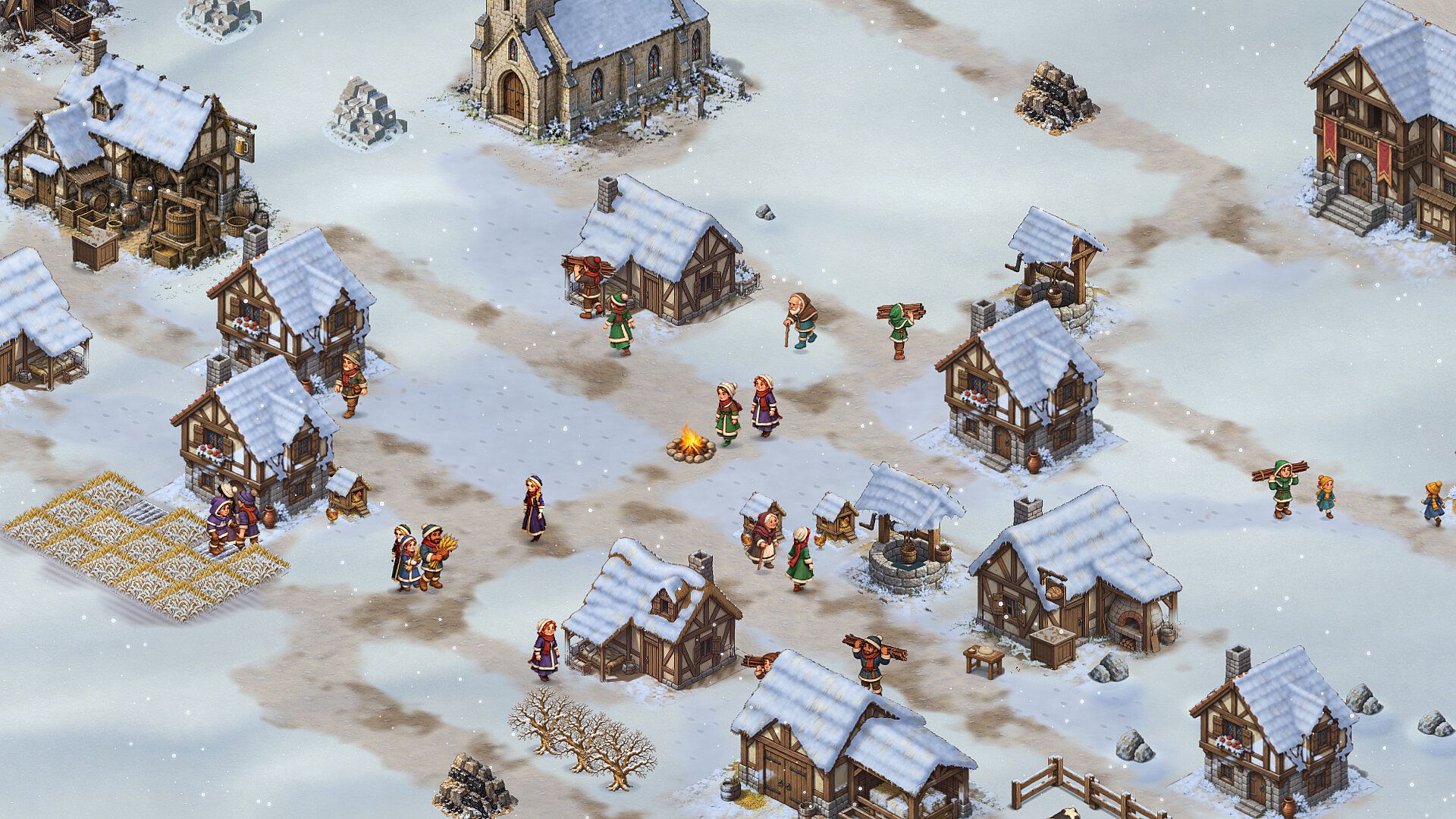
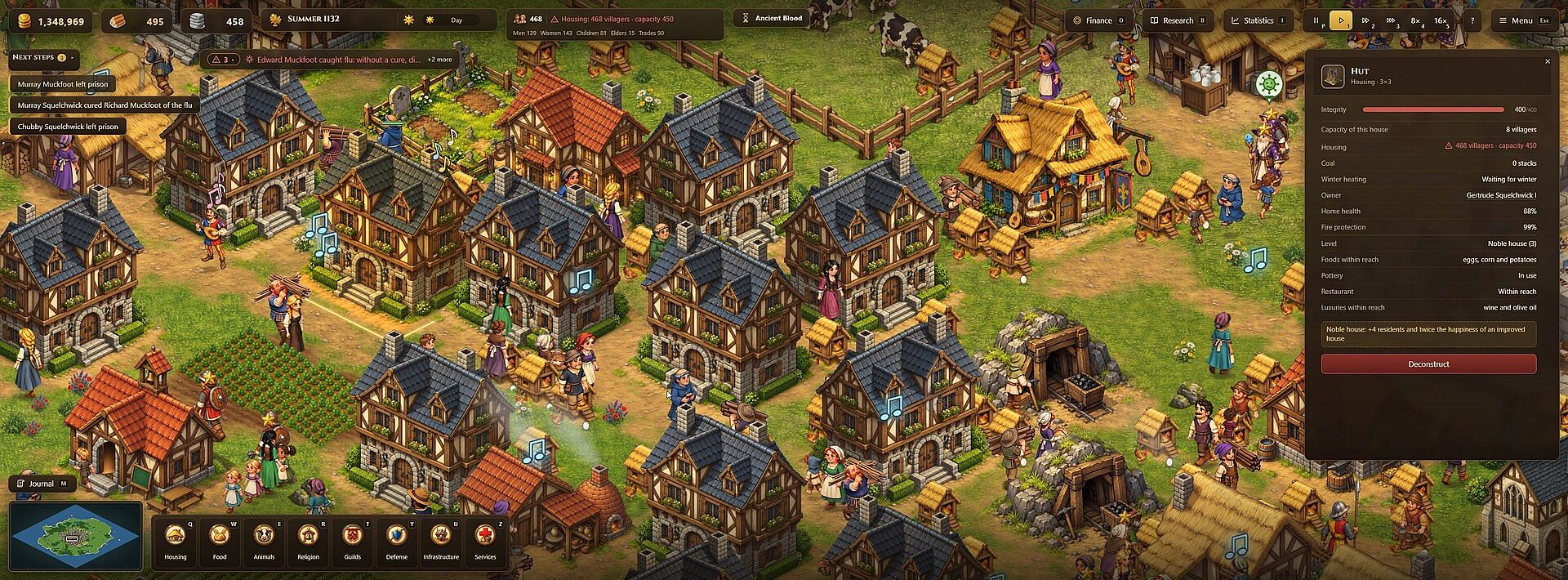
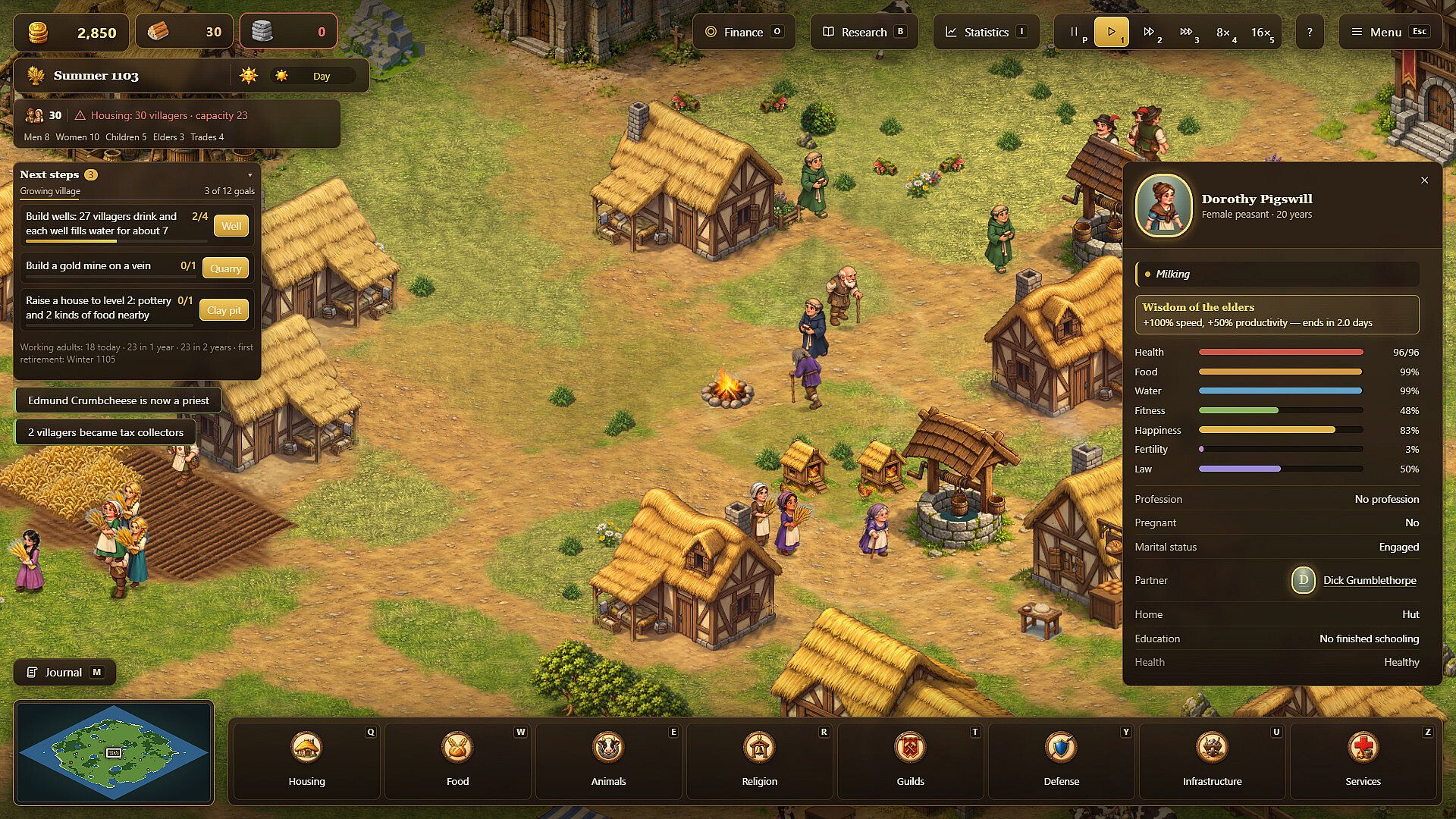
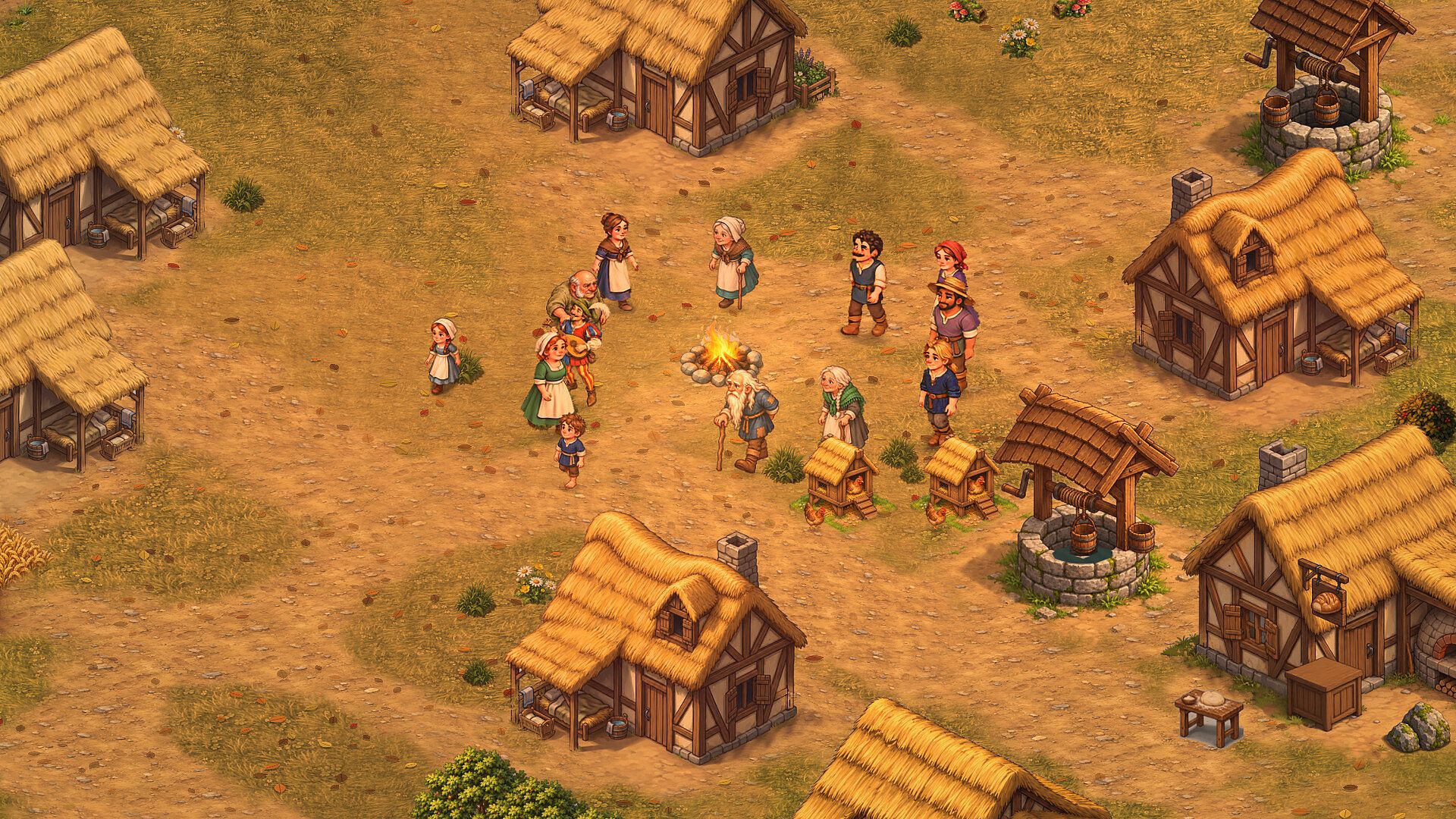
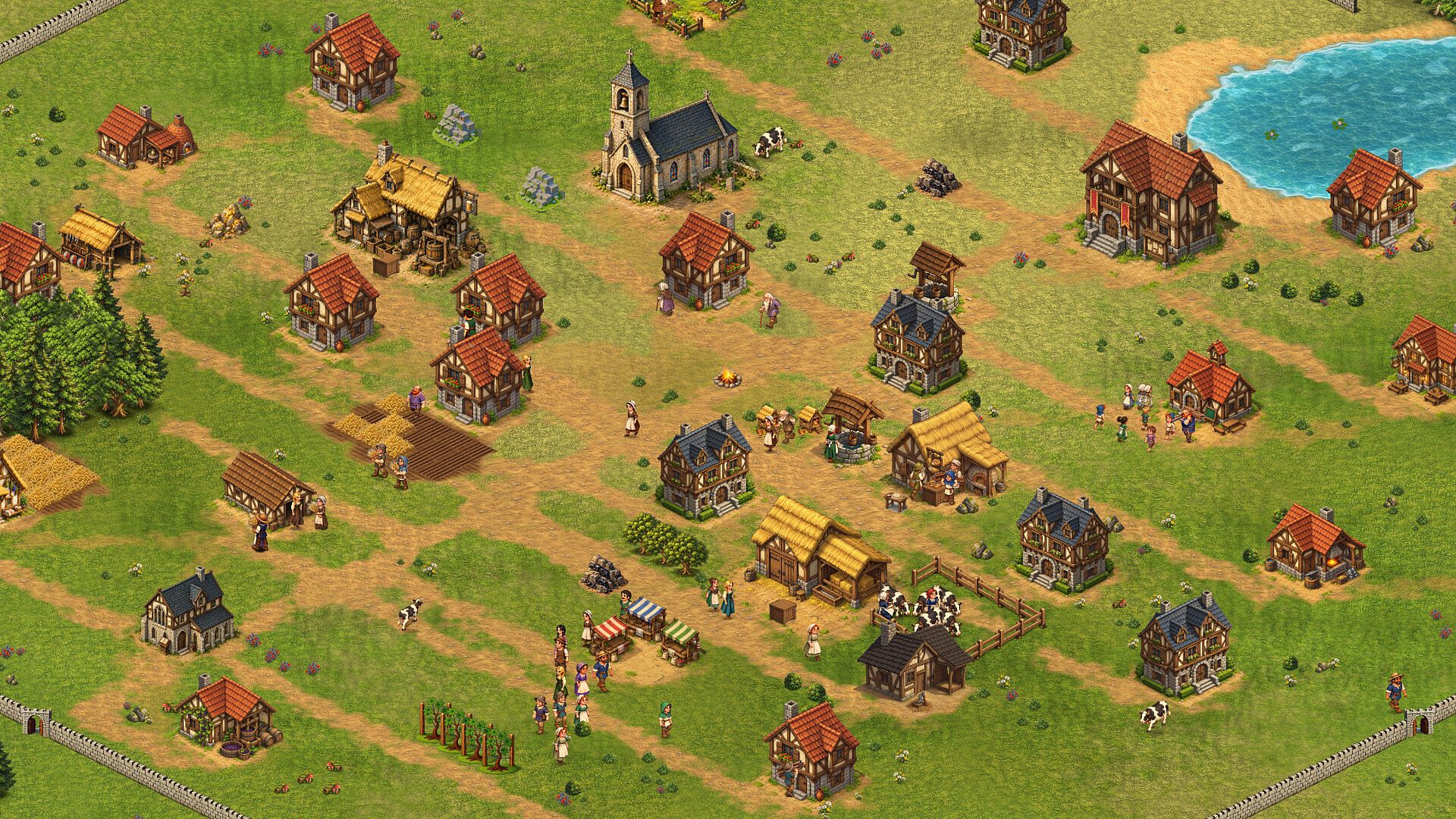
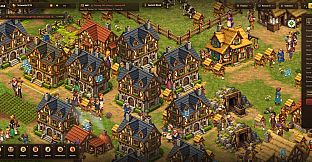
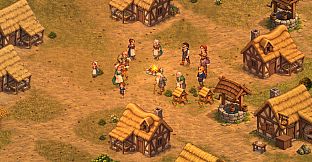
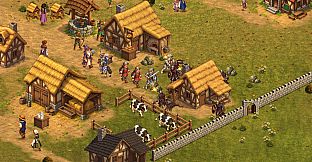
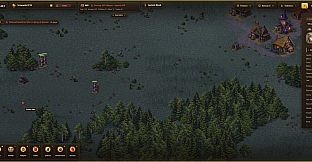
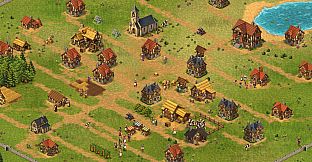
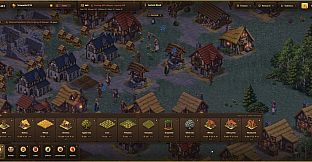
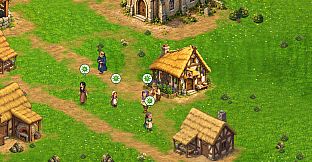
Beast, Bumps and Kings is a single-player medieval city builder that blends strategy, simulation and indie sensibilities into a detailed settlement experience on PC. Players begin with three couples, a campfire, a natural well and limited gold on procedural maps, then guide the community across generations as individuals live, work, marry and pass away.
Gameplay
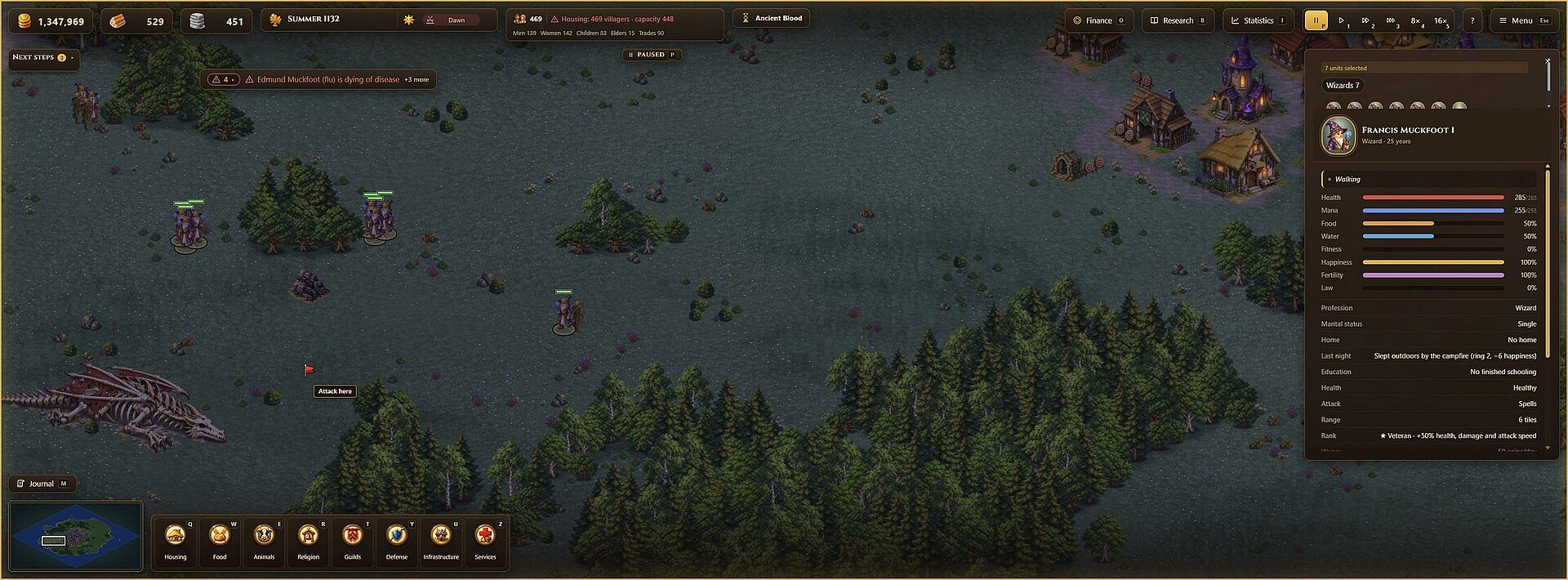
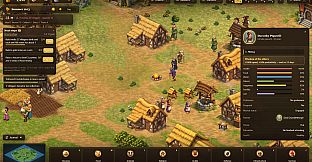
The core loop centers on managing a living population where every villager has a name, age, family and tracked needs for food, water, happiness, fitness, health and lawfulness. Babies are born in family huts, children attend school for lifelong production bonuses, adults perform tasks and elders retire with pensions while boosting nearby efficiency. Deaths from age, hunger, thirst, disease, fire or combat trigger grief among survivors, and a retirement forecast helps plan replacements.
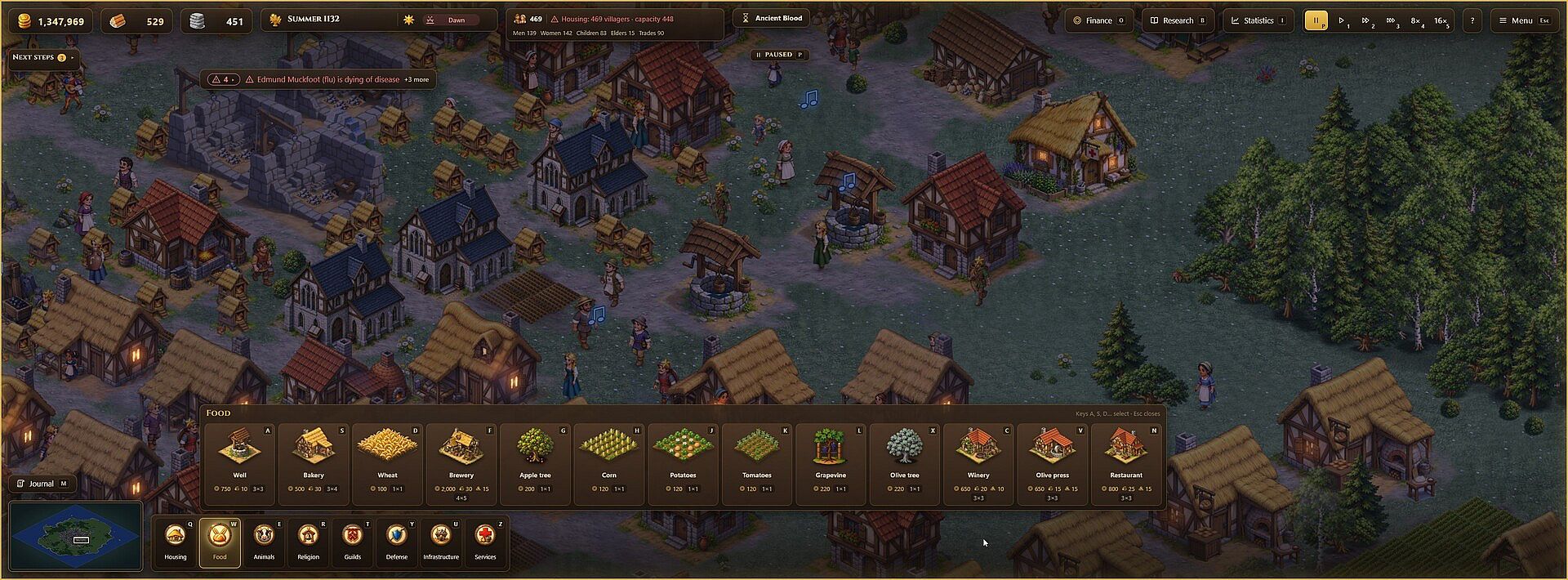
Economy and production feel tangible. Players set prices for goods like eggs, milk, bread, corn, potatoes, tomatoes, stew, feasts, water and cider, with overcharging harming village mood and law respect. Merchants visit markets twice daily to trade sixteen goods, while workshops process wood, stone, clay, coal and gold ore. Farms involve taming cows for milking, planting wheat in spring for autumn harvest and turning apples into cider, grapes into wine and olives into oil. Homes upgrade from basic huts to improved houses and noble residences based on nearby resources and amenities.
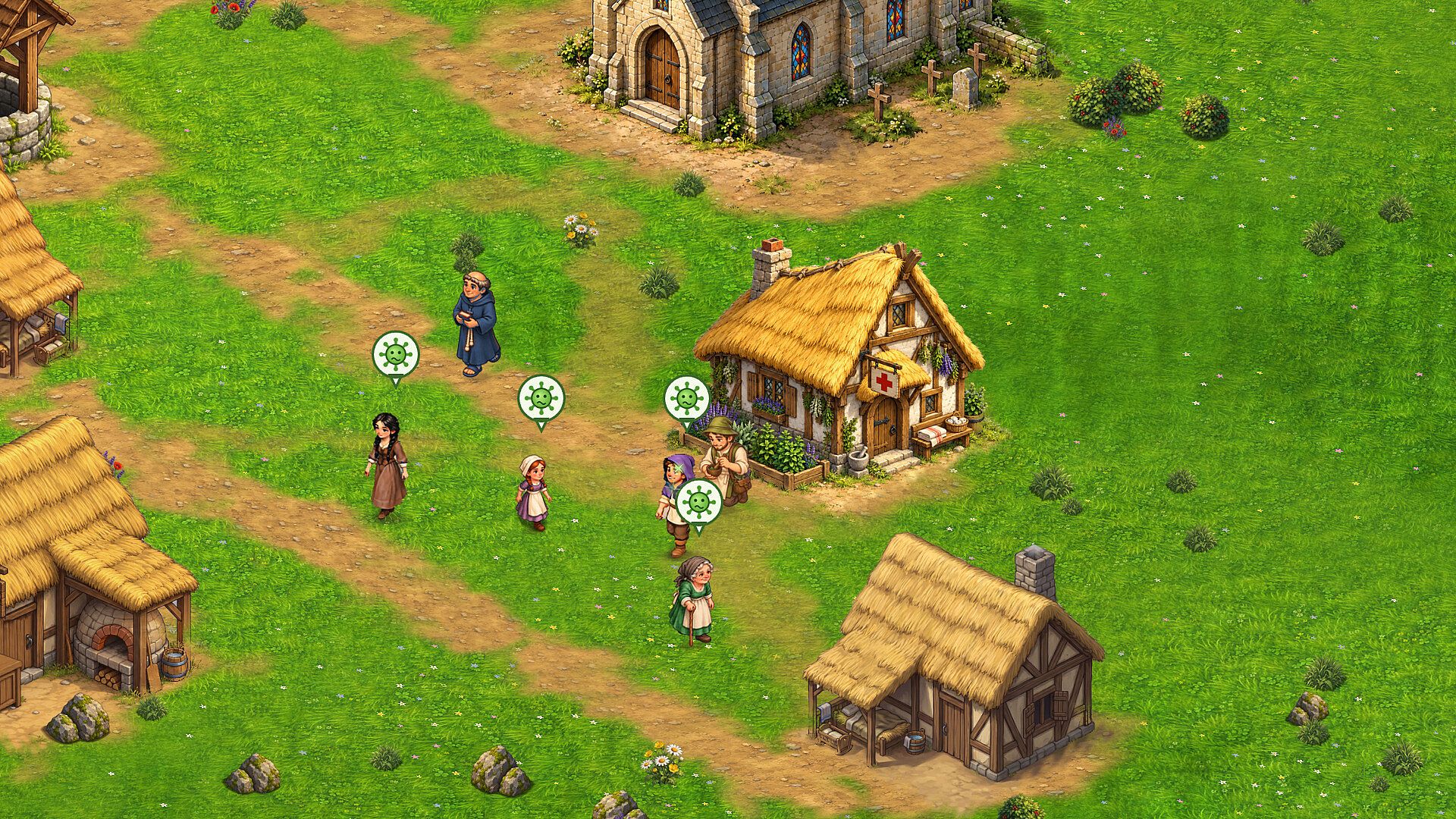
Seasons add rhythm and challenge. Spring, summer, autumn and winter cycle with day-night shifts, rain, storms, lightning and snow that slows movement and halts growth. Winter requires careful stockpiling, as the village guide indicates whether stores will last. Disease spreads person-to-person or from unburied dead, countered by hospitals, house calls from doctors, priest healing, cemetery burials and sending the sick home to rest and recover without spreading illness further.
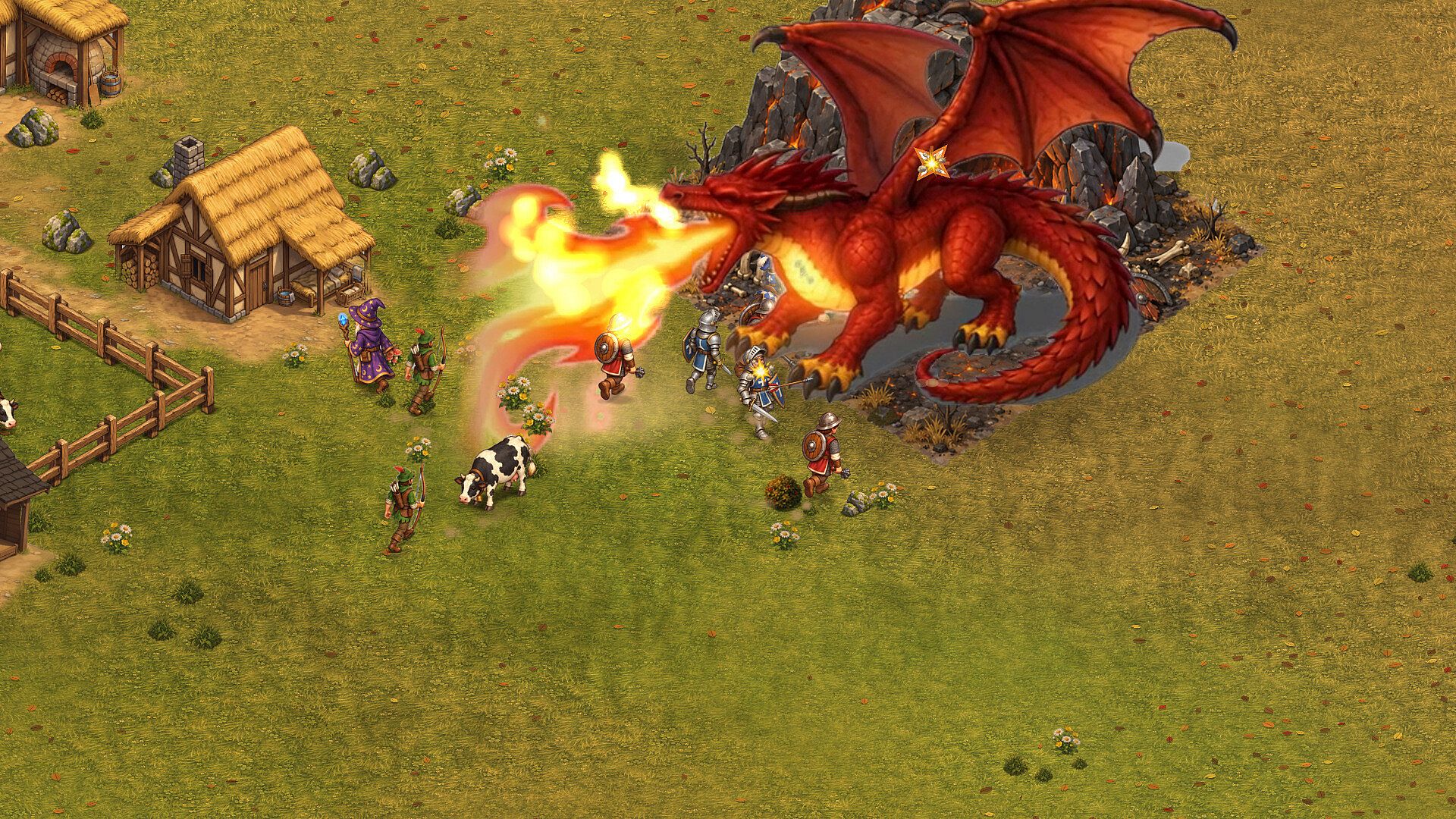
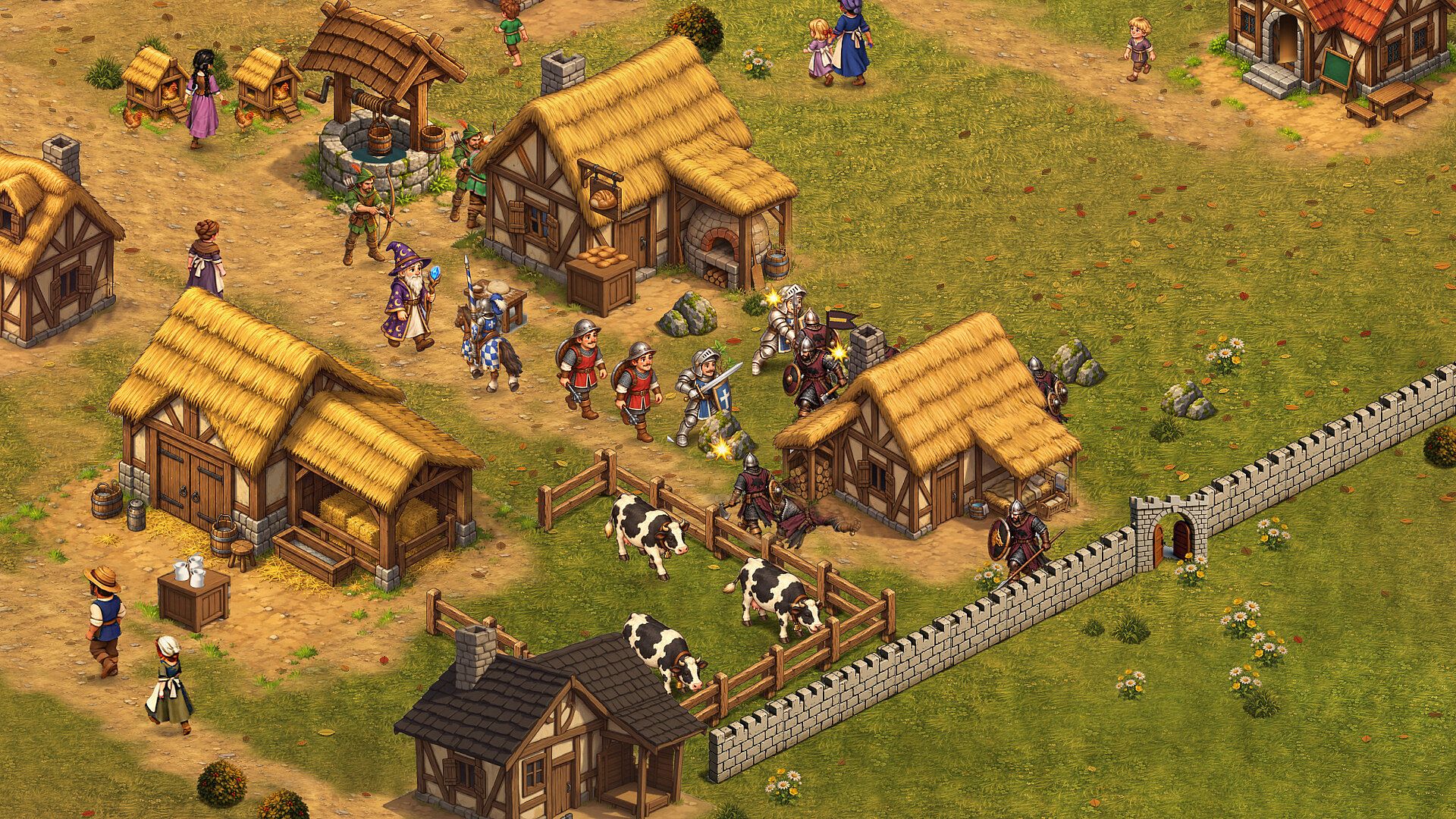
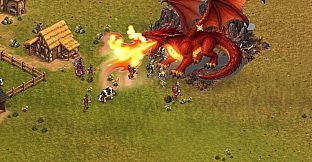
Defense and research round out the systems. Law enforcement involves soldiers, guards, prisons and punishments like fines, stocks or cells for crimes committed by unhappy villagers. Invaders demand tribute or battle, met with trained soldiers, archers, knights, mounted knights and wizards using formations, control groups and patrols. Lairs spawn wolves, wasps and giants with named bosses, while the dragon Ignarion the Devourer appears on every map, requiring attrition tactics before granting wishes upon defeat. Research in libraries unlocks upgrades like sharper tools and better scaffolding, and nearly fifty building types become available across eras tied to population, town hall level and progress.
Game Modes
The game operates as a continuous single-player simulation without separate named modes. Procedural maps generated from seeds offer five landscapes including island, continent, archipelago, river valley and lakeland, each in four sizes. Adjustable settings cover game speed from 1x to 16x, optional population caps and invasion frequency, allowing players to tailor the pace of village growth, seasonal survival and defensive encounters.
Core progression flows through founding, expansion, economic management, seasonal endurance, health and order maintenance, research and eventual confrontation with external threats like tribute demands or the dragon. Ten save slots and rotating autosaves, including pre-invasion backups, support extended play sessions focused on long-term generational planning rather than discrete challenges or competitive formats.
Building and Economy Systems
Construction and upgrades tie directly to resource proximity and village development. The town hall expands to accommodate larger families, while specialized structures like mines, quarries, clay pits, potteries, forges, breweries, wineries, olive presses, restaurants, markets, libraries, guilds, walls and watchtowers unlock progressively. A Next Steps panel and village warnings provide direct guidance on immediate needs such as hunger, thirst, homelessness or shortages, streamlining management of the interconnected systems.
Is It Worth Playing?
Beast, Bumps and Kings targets players who appreciate intricate, generational city-building simulations with living populations, seasonal cycles and layered mechanics for needs, economy, health and defense. Its focus on individual villager lives, from birth through education, work, retirement and death, combined with hands-on price setting, research and combat against invaders or the dragon, delivers a self-contained experience reminiscent of classic settlement games. As an upcoming Early Access title planned for December 2026 with an expected 12-to-24-month period, it offers a playable foundation from start to finish in its initial form, with planned additions for buildings, events, maps and polish based on community input. Those drawn to detailed single-player strategy simulations that reward careful planning across multiple systems will find the depth engaging, particularly if they enjoy managing real-time needs and long-term village sustainability without multiplayer elements.












