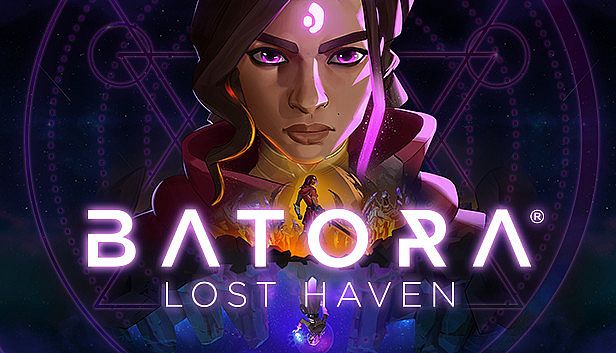
























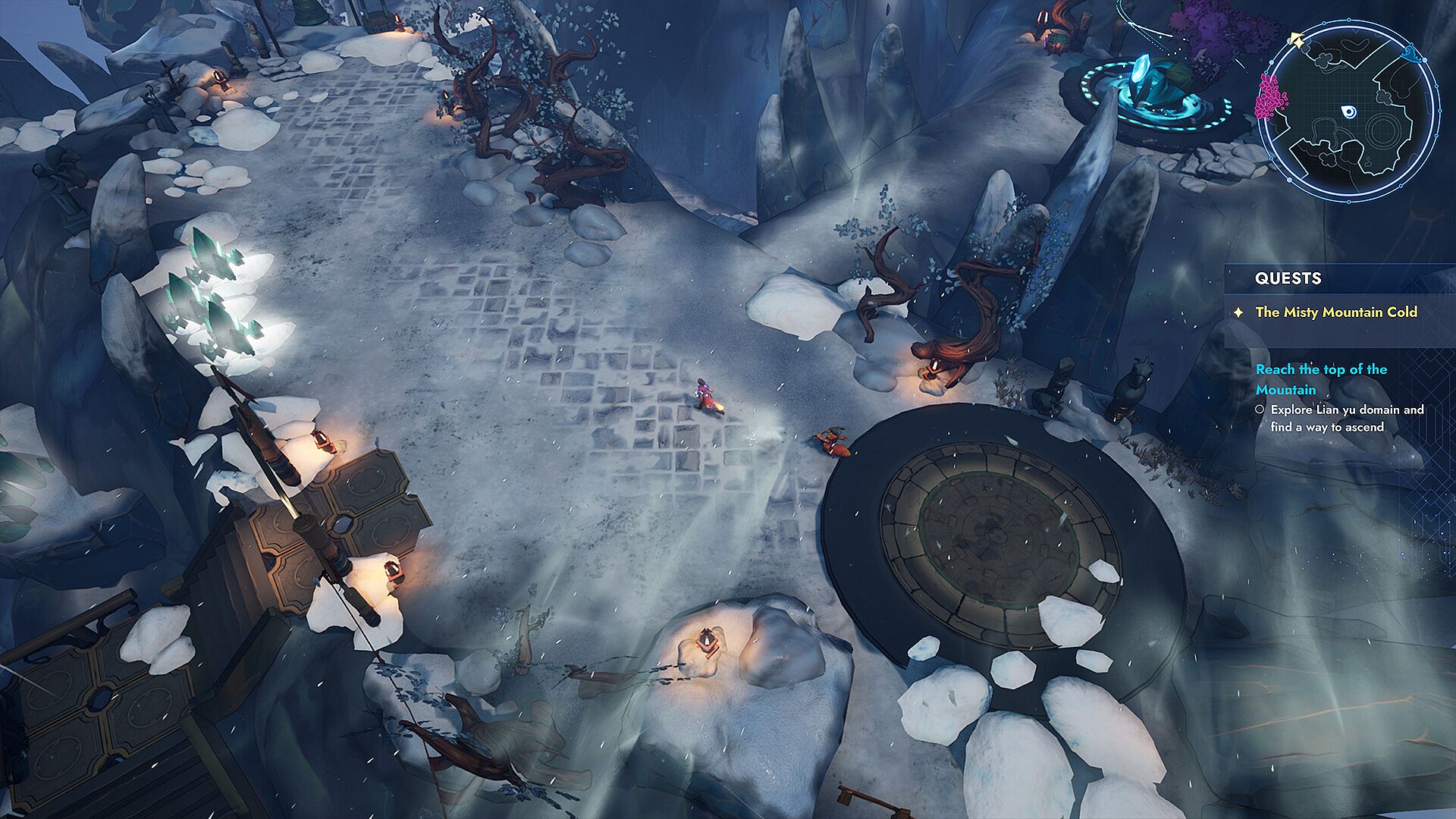
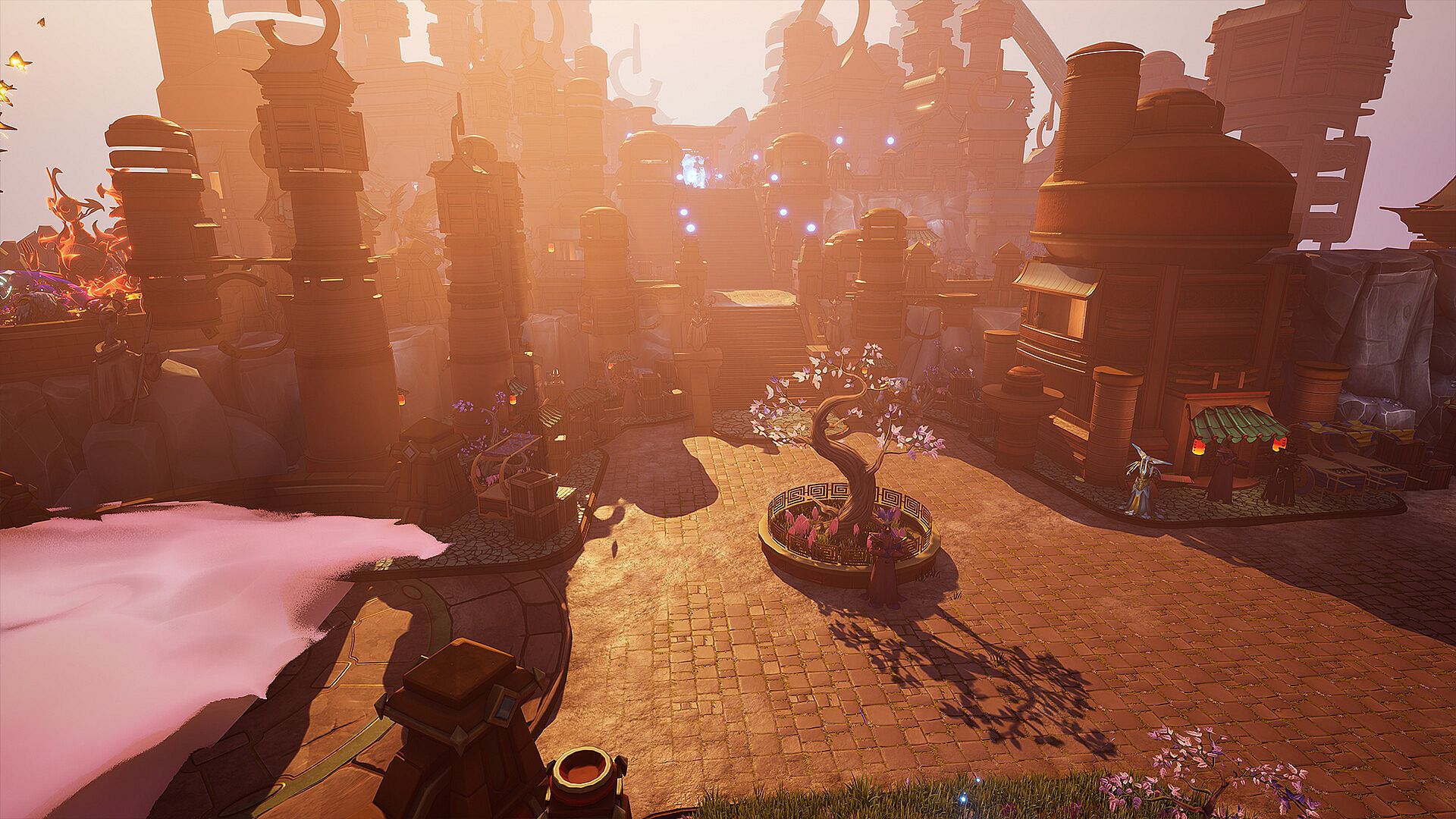

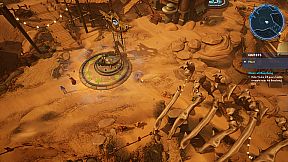
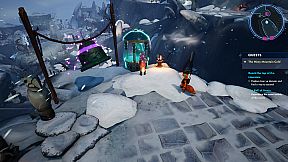
Batora: Lost Haven is an isometric action RPG centered on a choice-driven narrative and a distinctive duality mechanic. Players control Avril, a survivor who embarks on a journey across alien planets after losing her family, using powers tied to the Sun and Moon to shape combat, dialogue, puzzles, and multiple possible endings.
Gameplay
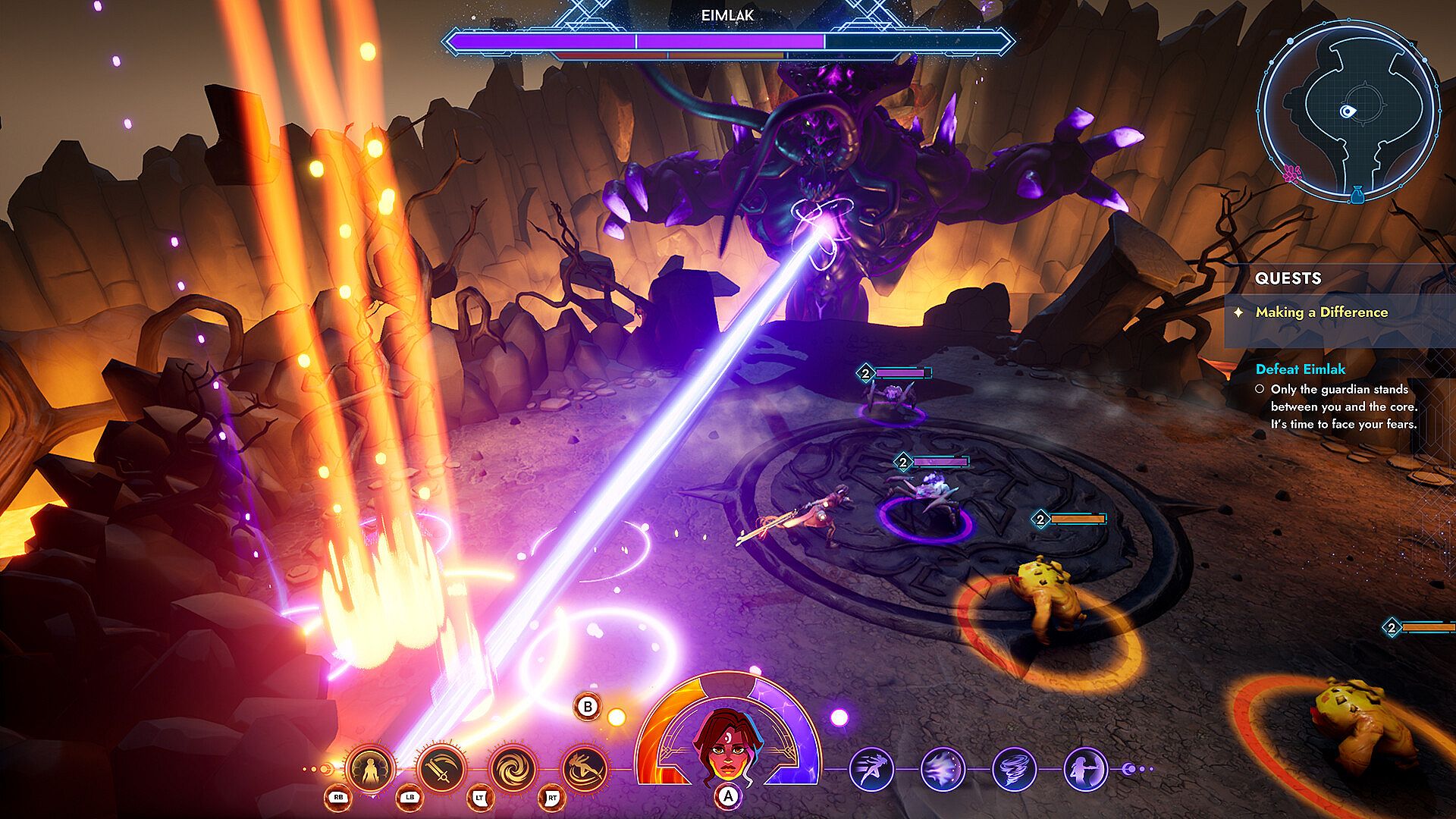
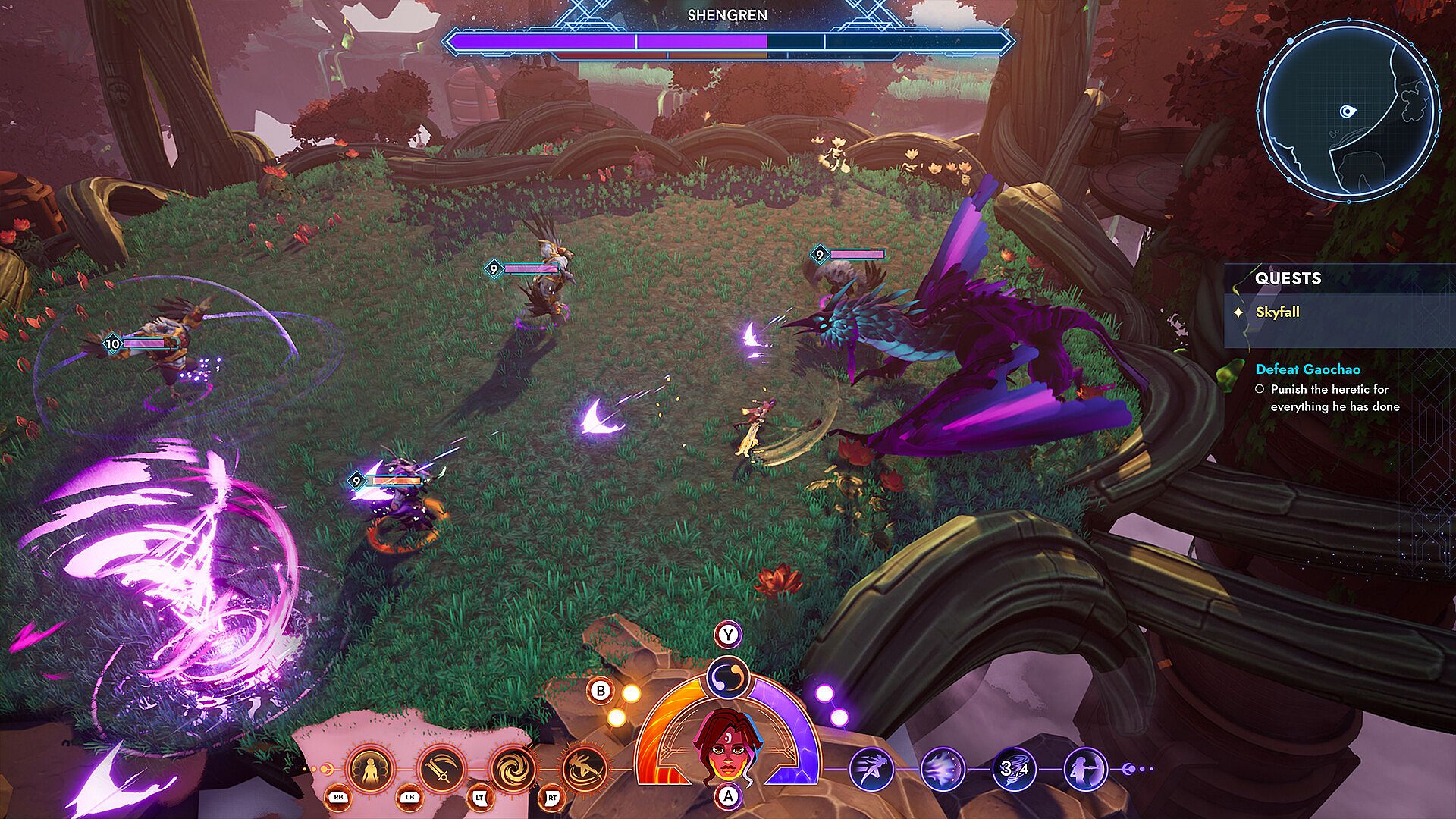
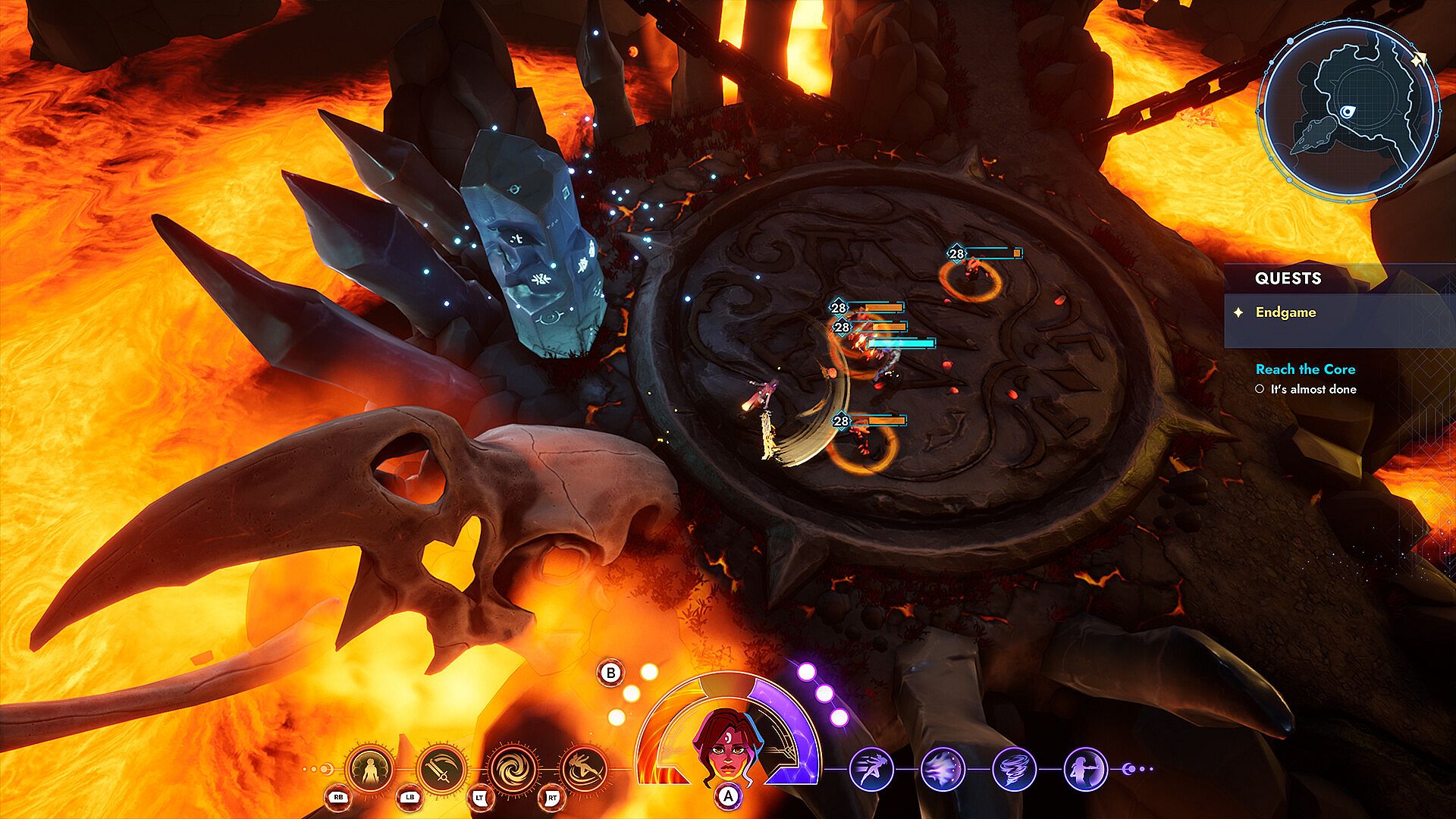
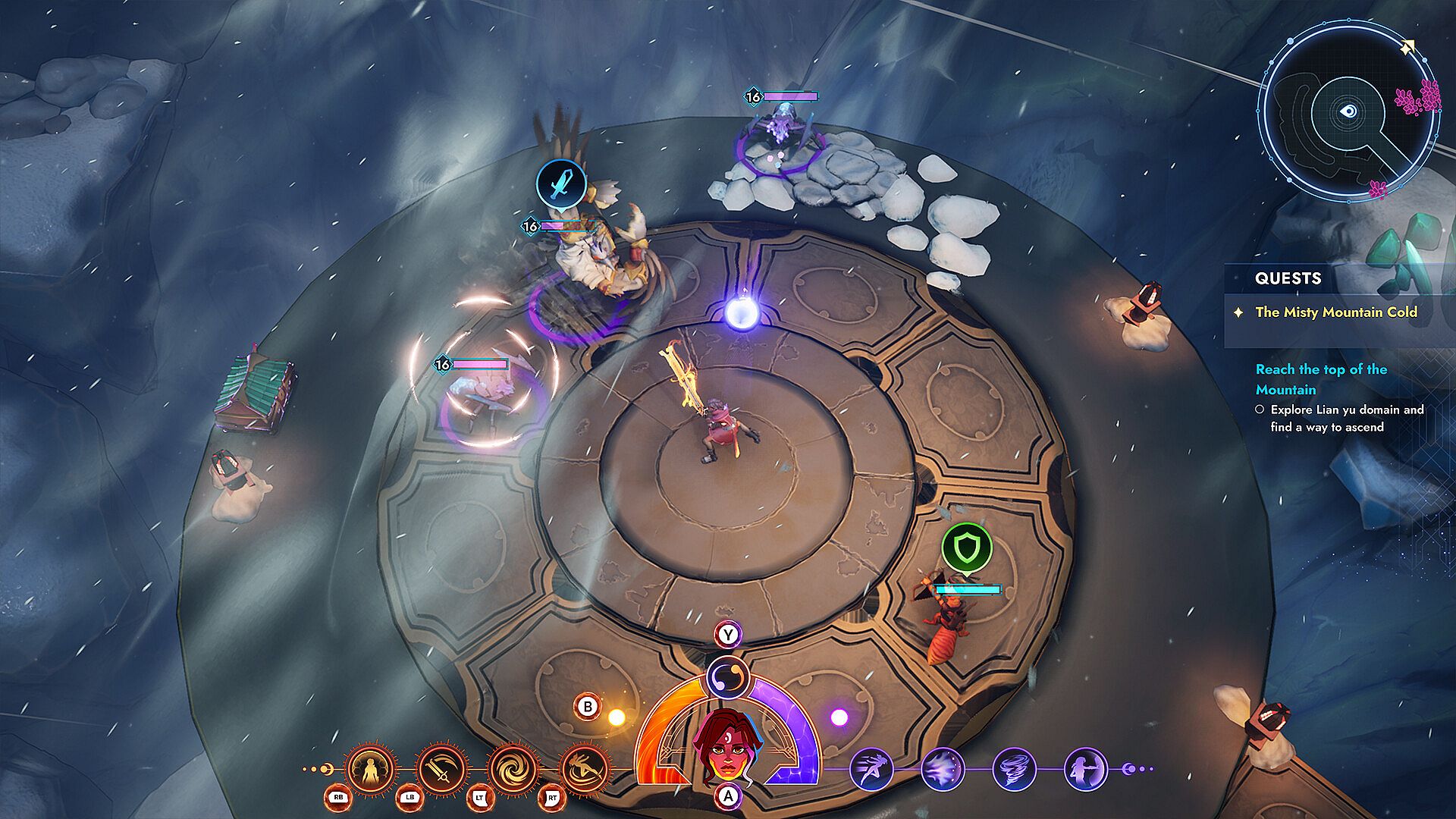
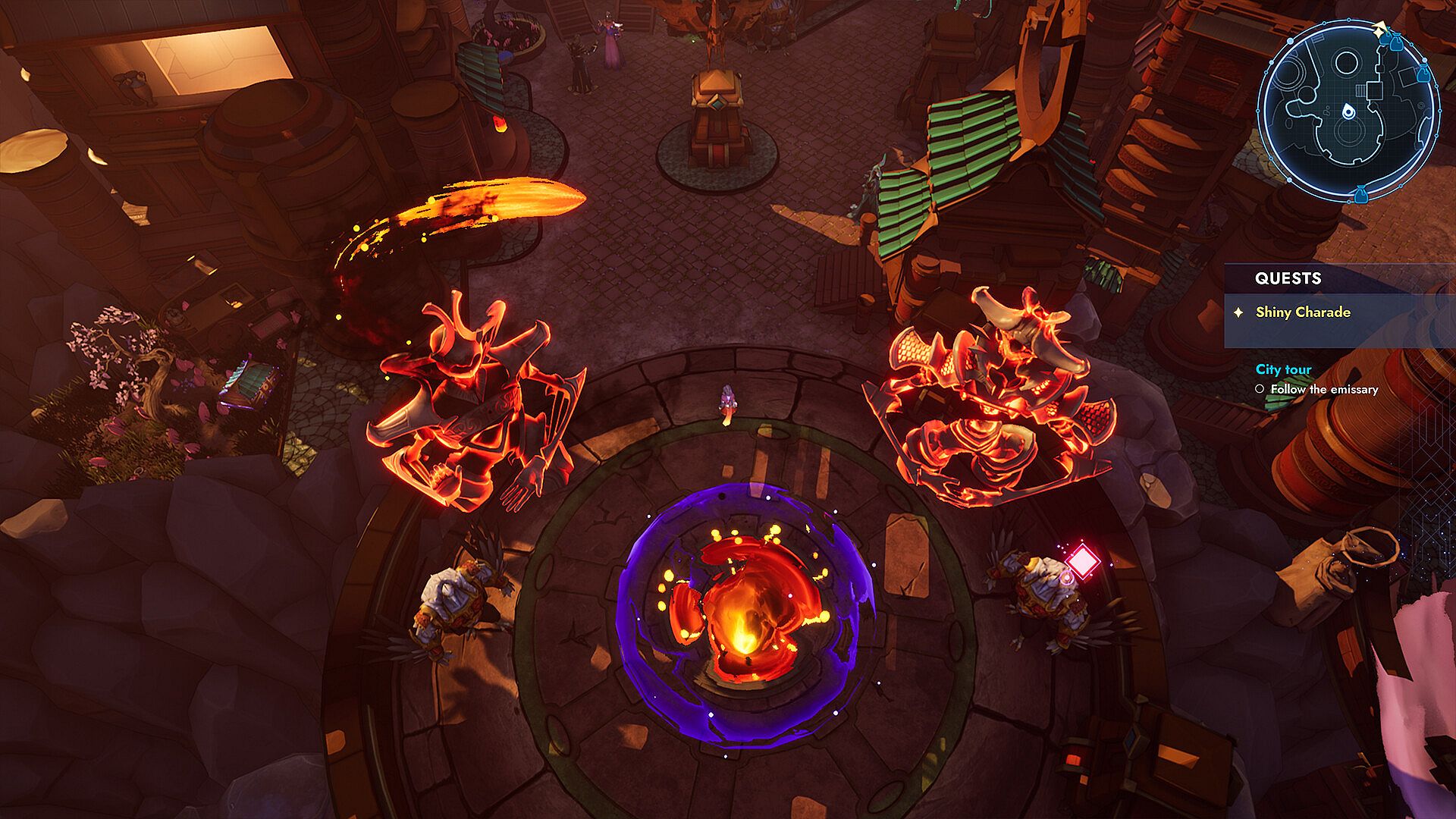
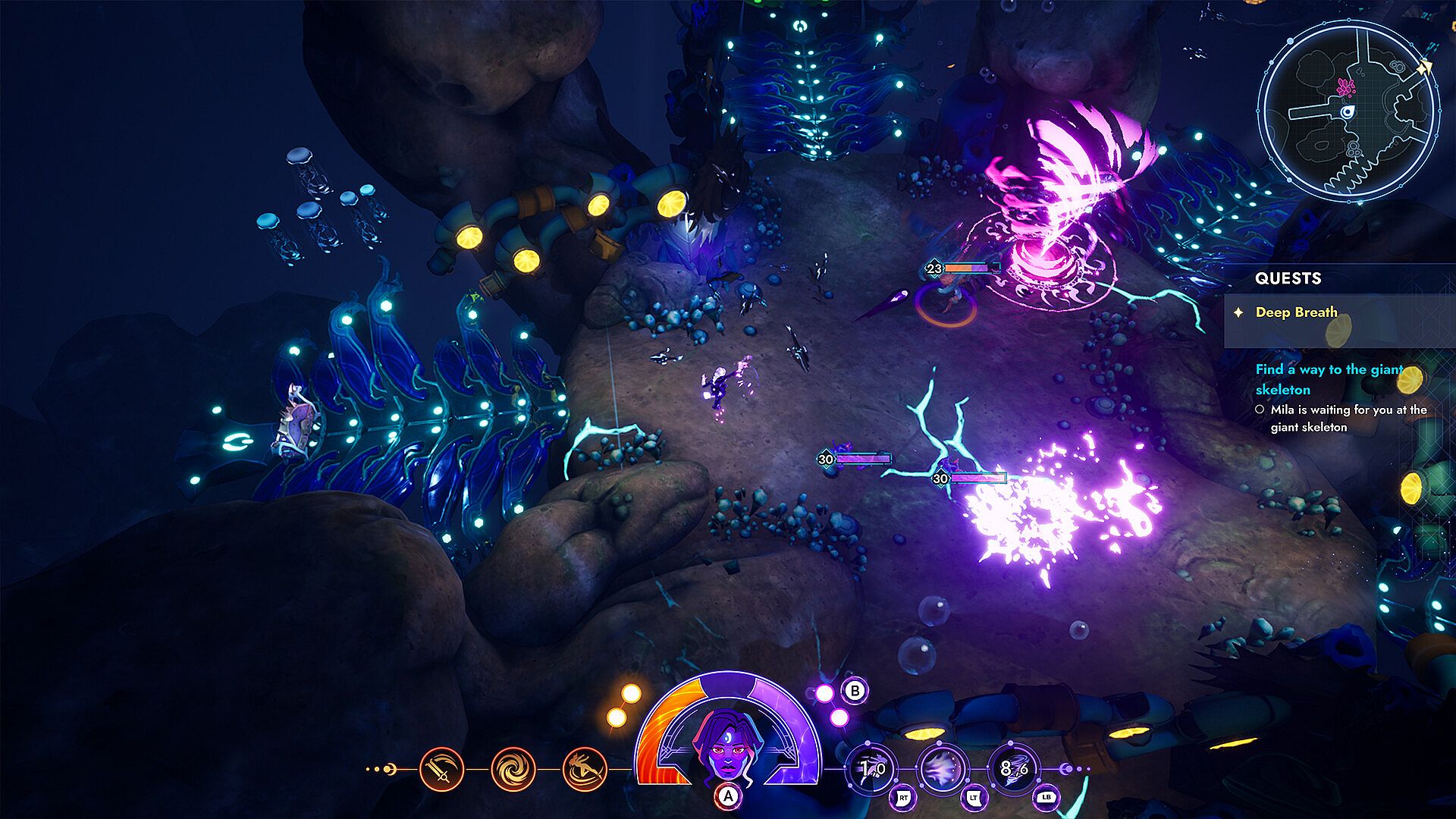
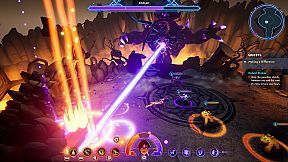
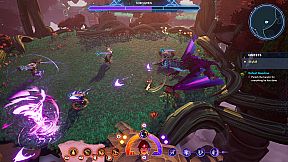
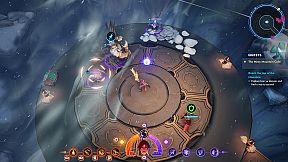
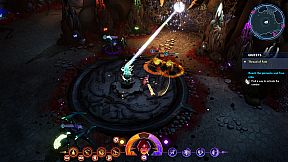
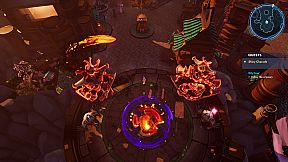
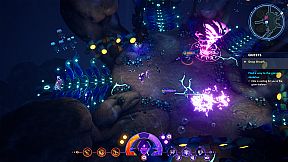
The core loop revolves around exploration of varied alien worlds, combat encounters, puzzle solving, and decision points that alter the story path. Combat blends hack-and-slash elements with ranged options through the duality system. Sun powers emphasize physical melee strikes with a sword and close-range specials, while Moon powers focus on ranged attacks and mental abilities. Enemies often display color indicators that signal which nature deals increased damage, encouraging players to switch between styles mid-fight for efficiency.
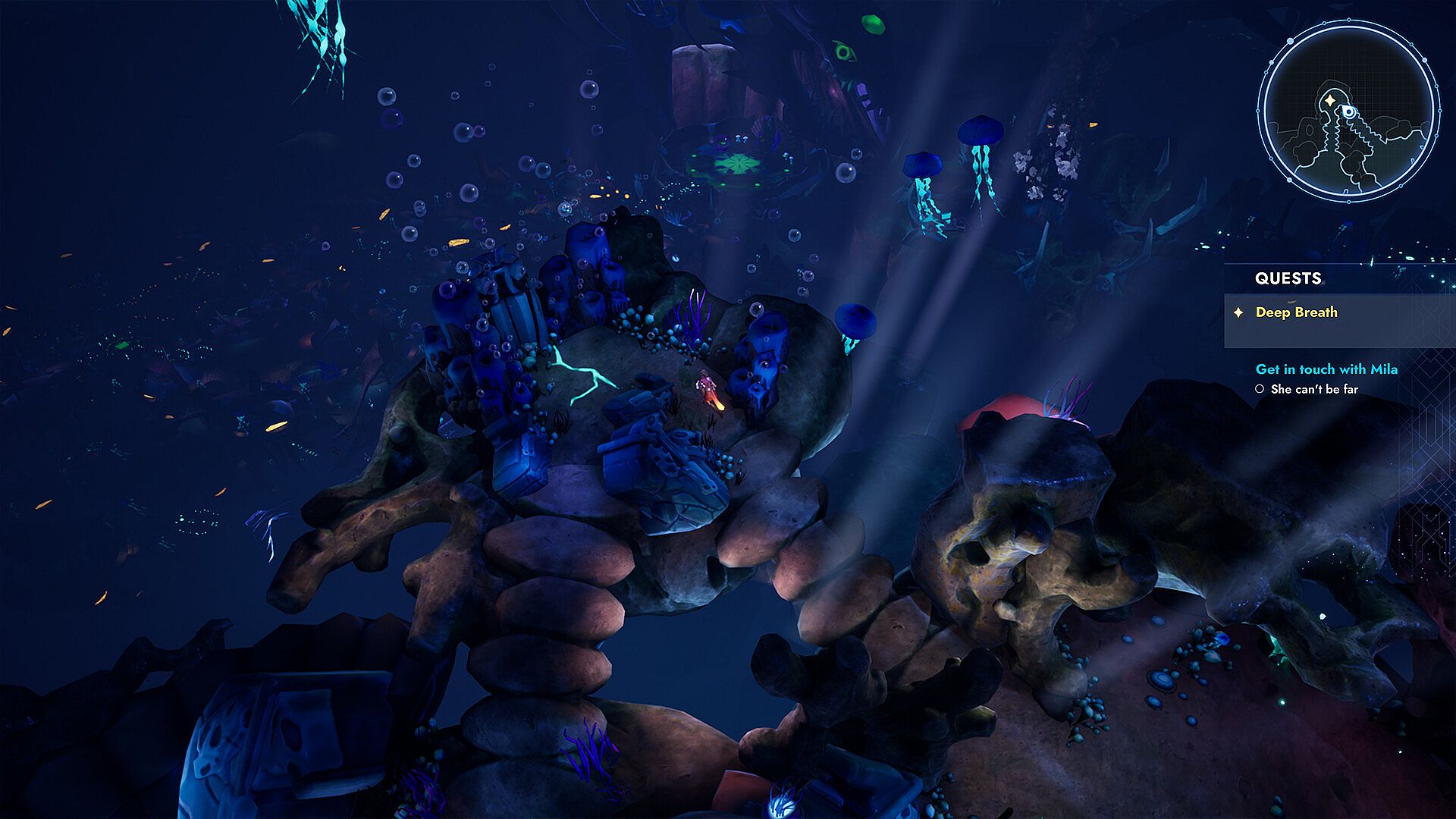
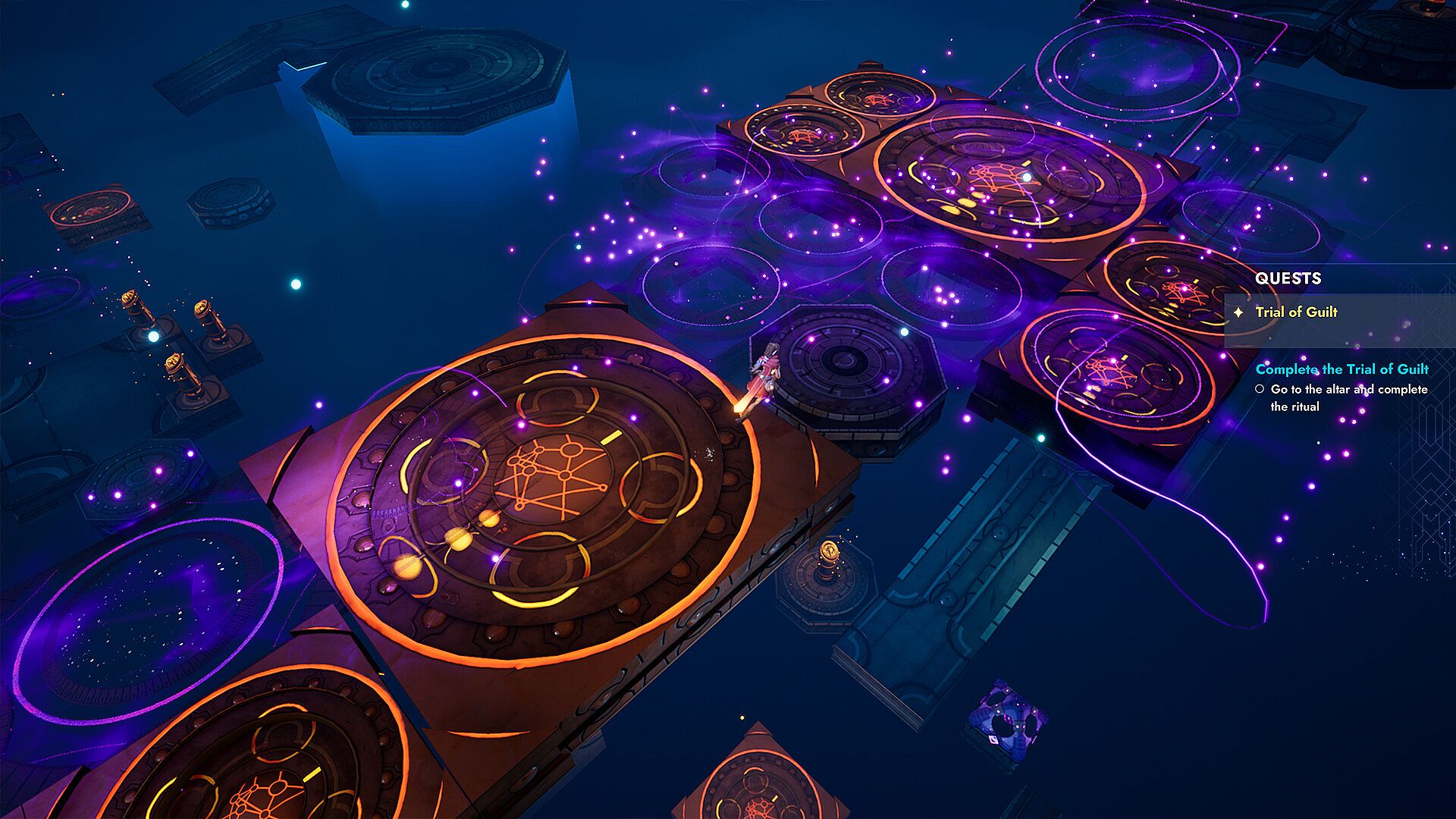
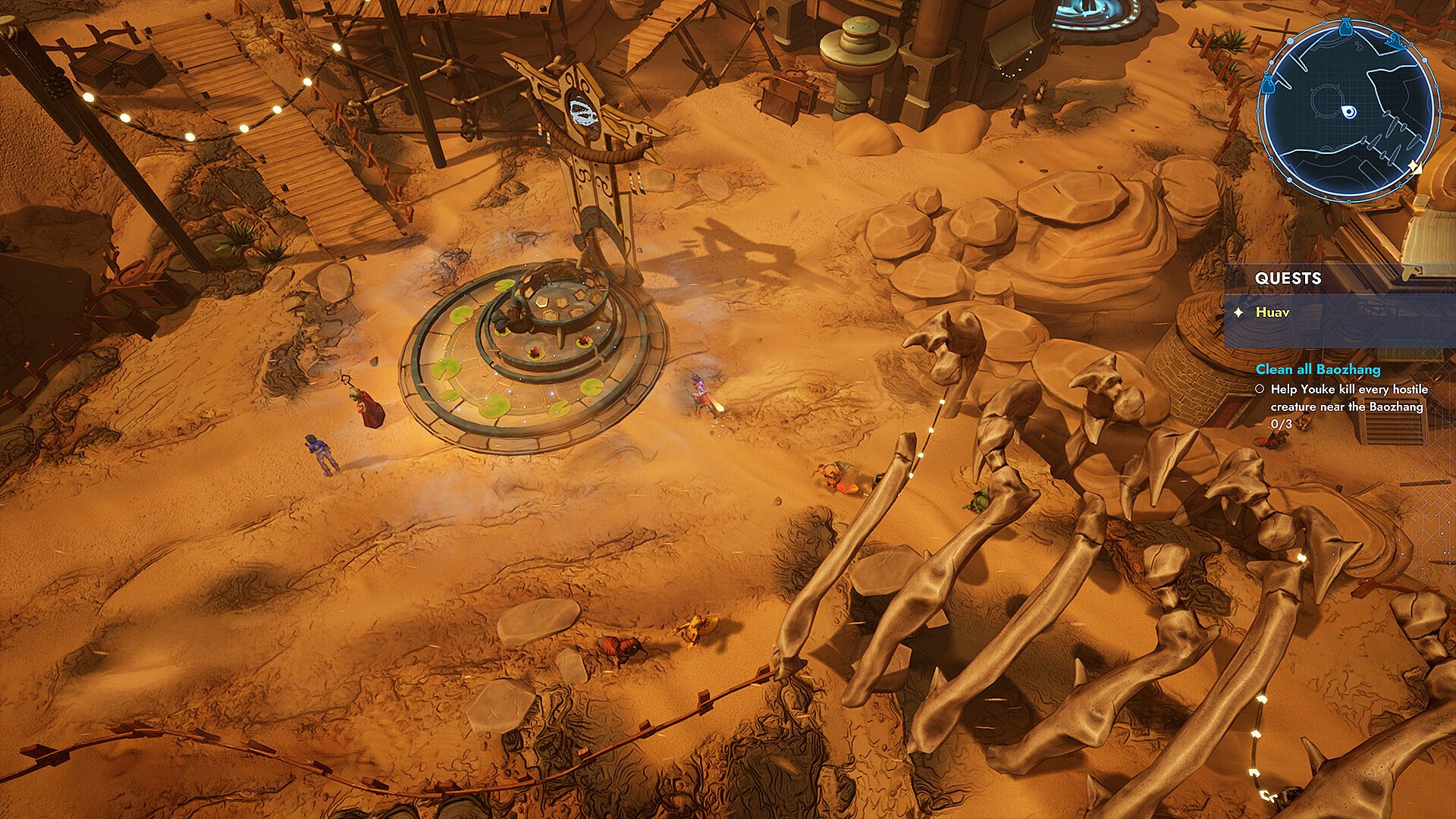
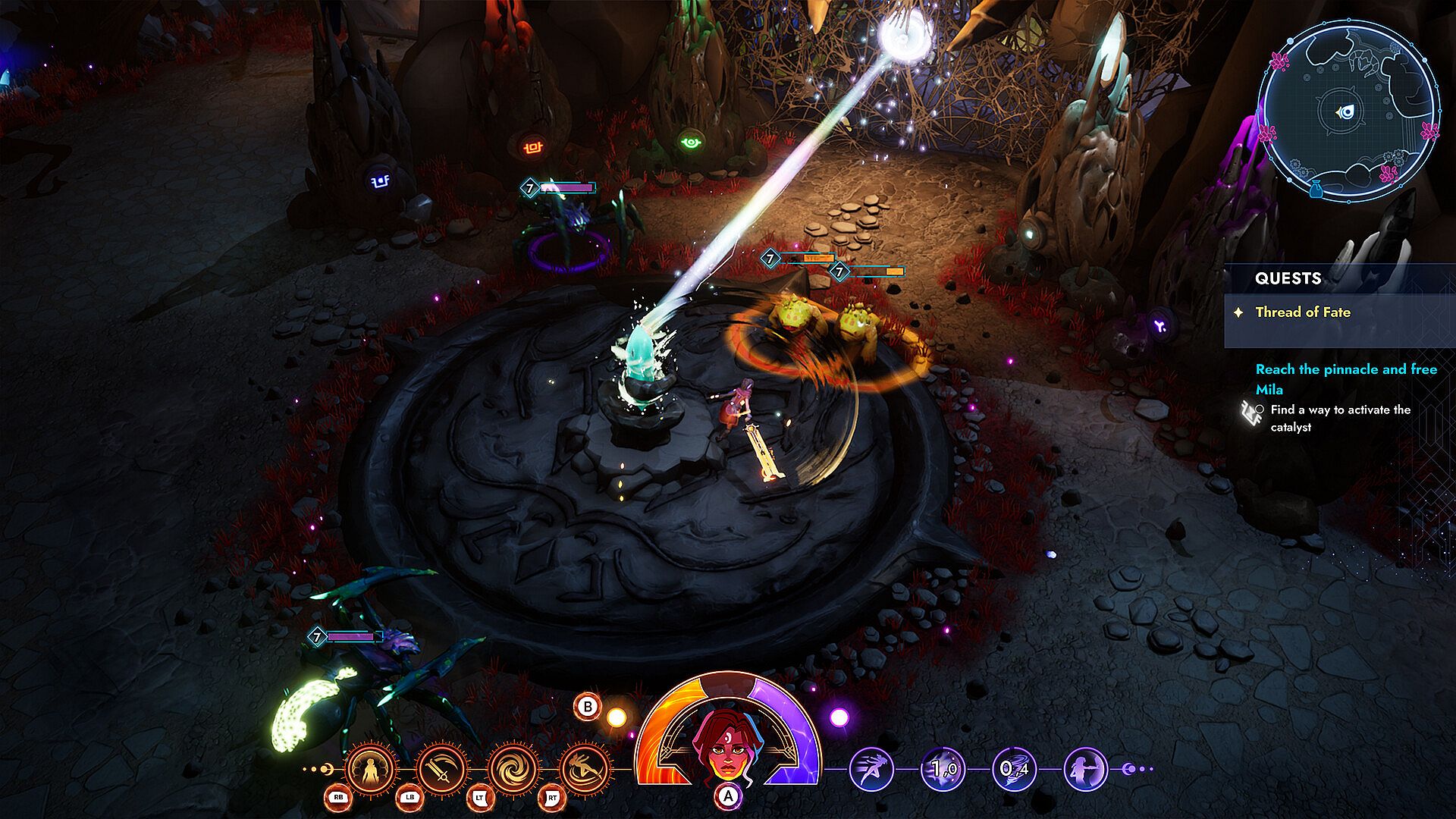
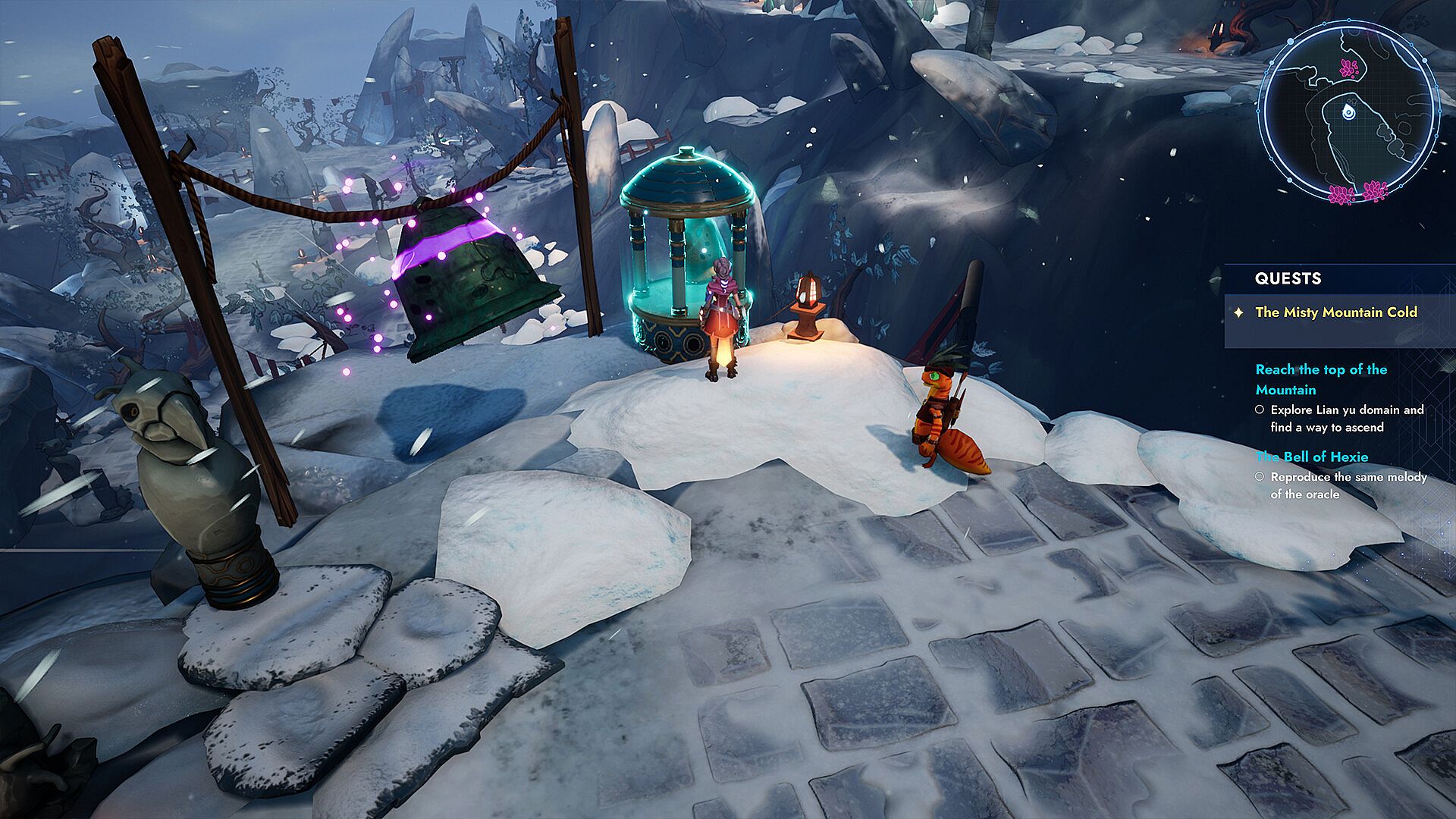
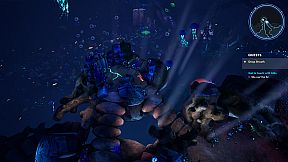
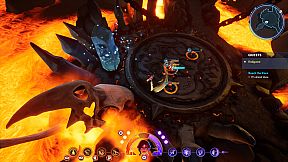
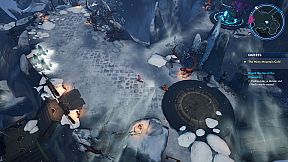
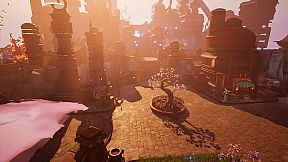
Puzzles appear in atmospheric environments and require observation of the surroundings combined with duality switches to progress. Side interactions with alien inhabitants provide optional quests that can influence later choices. The game emphasizes real-time action without pausing for menus during battles, rewarding quick adaptation between physical and ranged approaches.
Game Modes
Batora: Lost Haven offers only a singleplayer campaign. The experience unfolds as a continuous story that branches based on decisions made during dialogues and key events. These choices directly impact character relationships, puzzle solutions, combat approaches, and the final outcome, leading to several distinct endings.
There are no separate multiplayer modes, co-op features, or additional standalone experiences. Progression stays tied to the main journey of restoring the lost haven, with replay value coming from exploring alternate paths on subsequent playthroughs rather than from separate game types.
Narrative and Choices
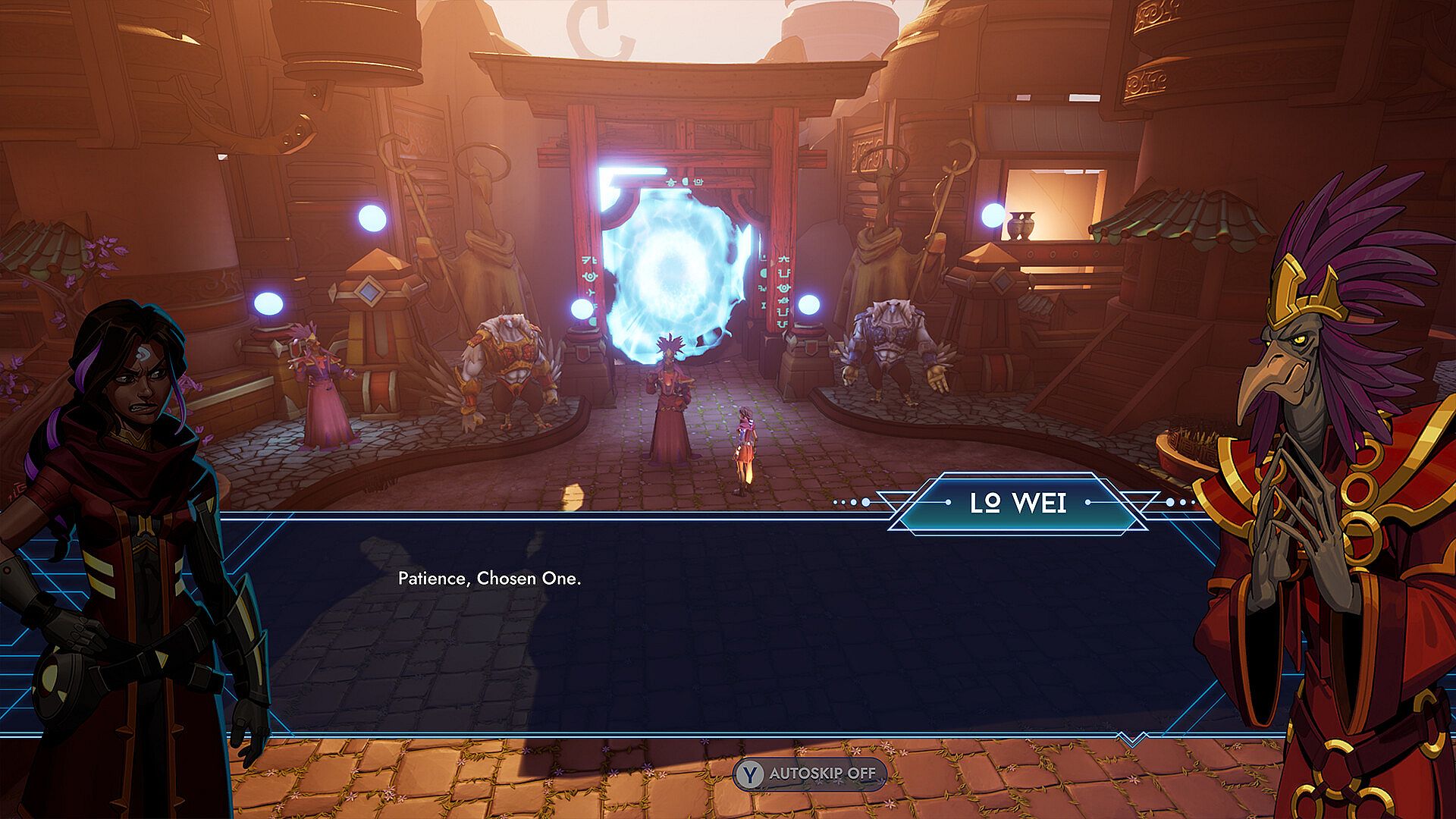
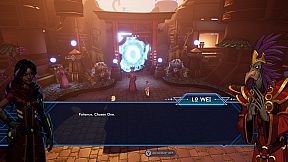
The story follows Avril as she uncovers ancient secrets across the galaxy. Morals remain ambiguous, and decisions force consideration of what to sacrifice for loved ones or larger goals. Dialogue trees and environmental interactions reflect the duality theme, with Sun and Moon influences appearing in how characters respond and how situations resolve.
Multiple endings emerge from cumulative choices rather than isolated moments, encouraging players to weigh short-term gains against long-term consequences. The narrative integrates with gameplay systems so that combat style preferences and puzzle solutions can also steer the plot in subtle ways.
Is It Worth Playing?
Player reception on Steam sits at mostly positive, with roughly 73 percent approval from verified reviews. Many highlight the satisfying combat loop when switching between Sun and Moon styles, the clever integration of puzzles, and the thought-provoking story branches. Others note that dialogue can feel drawn out and that level variety remains limited.
The game suits players who enjoy narrative-focused isometric action RPGs with meaningful choices and a mix of melee and ranged combat. Its relatively contained scope delivers a complete experience in a modest number of hours, making it accessible for those seeking a self-contained adventure rather than an expansive open world. Those prioritizing deep character customization or ongoing content updates may find it less compelling given its fixed singleplayer structure and lack of post-launch seasons.