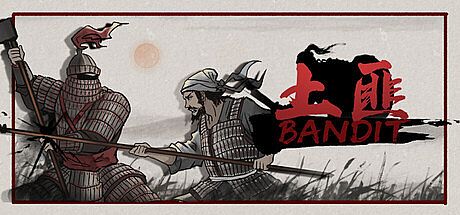


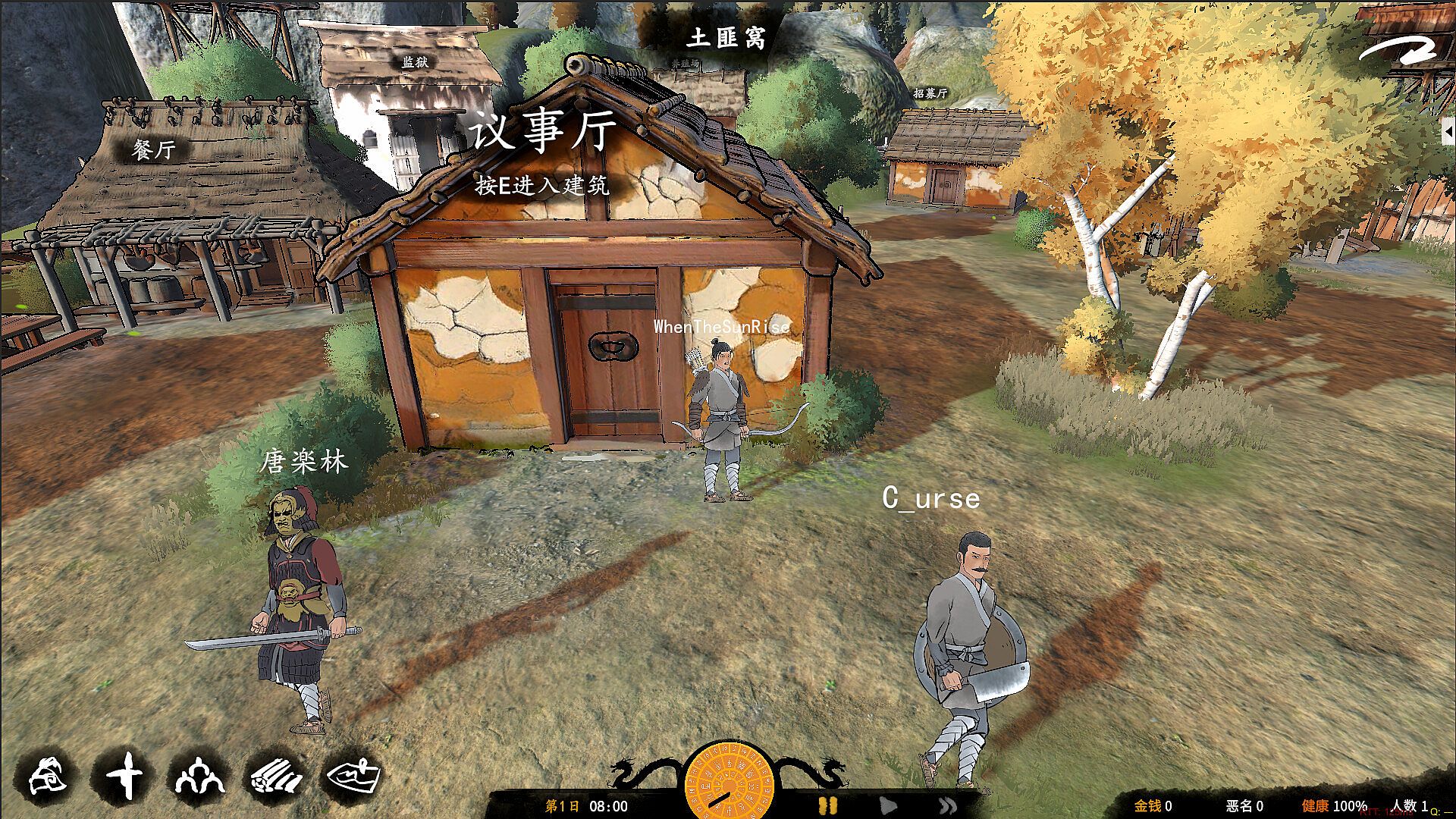
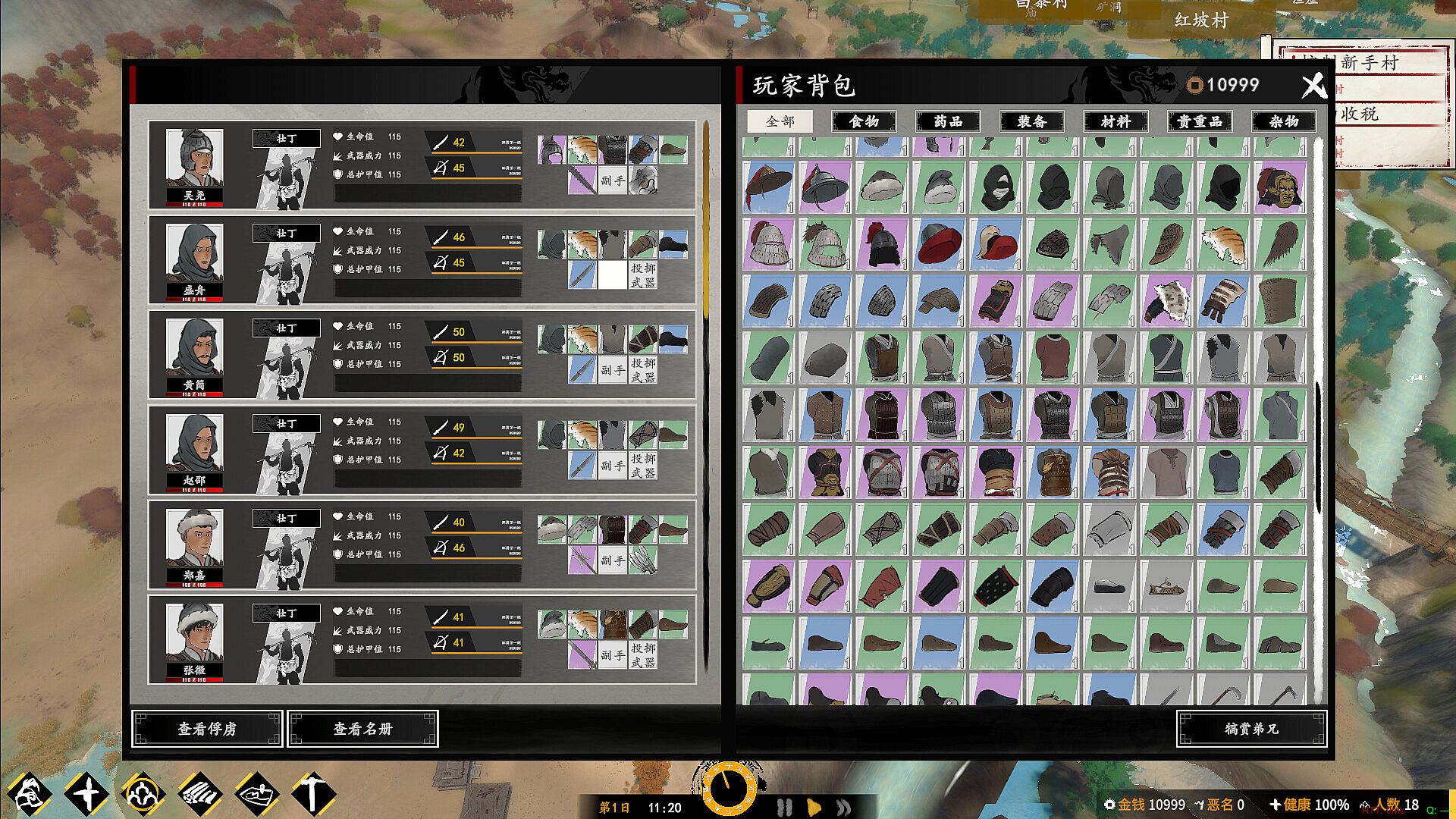
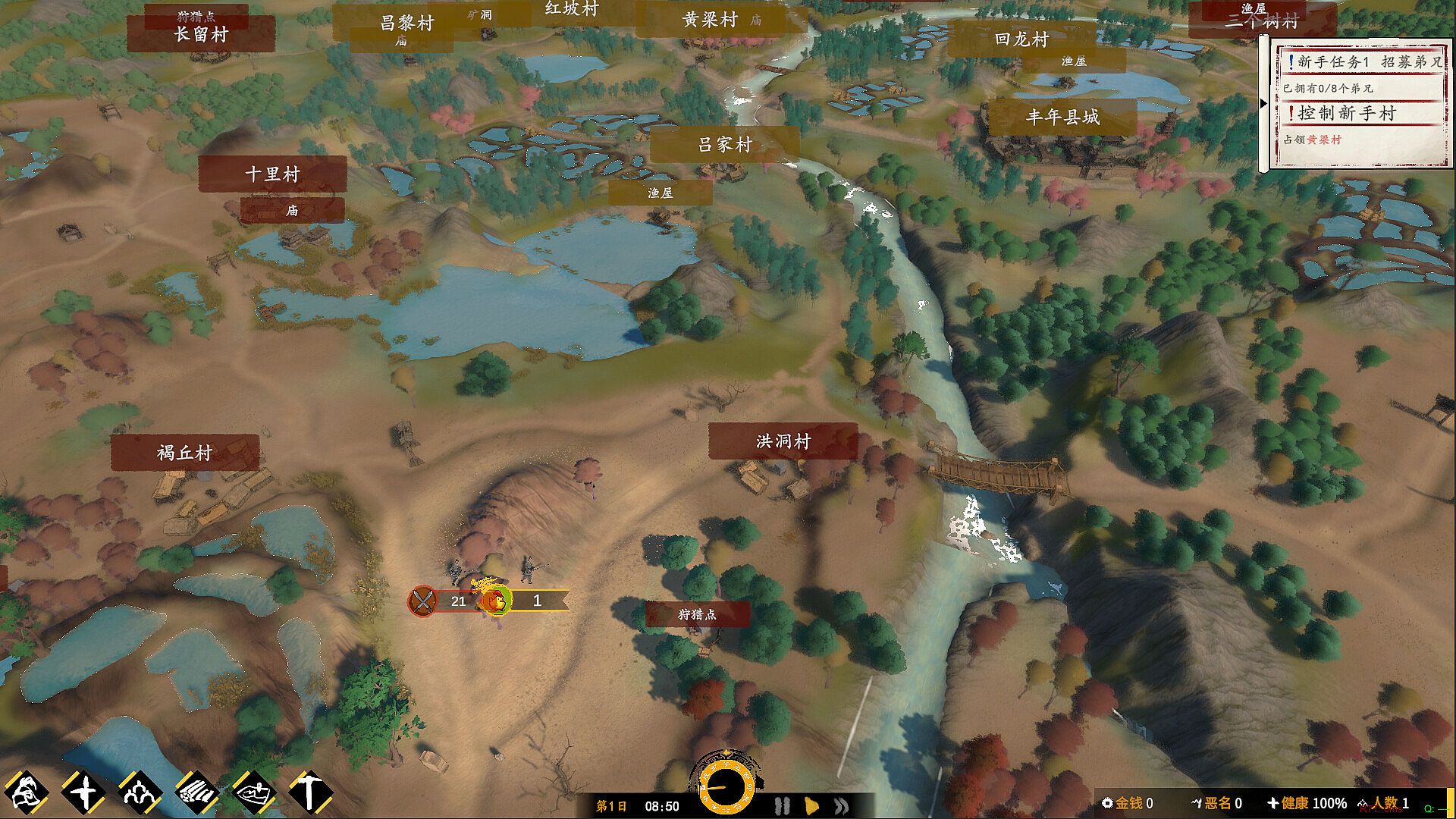

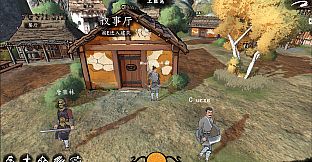
Bandit is a co-op RPG set in a world where players step into the role of an outlaw building and leading a bandit gang. The game emphasizes teamwork with up to three allies, time-sensitive missions, troop recruitment, and strategic choices that shape the gang's survival against larger imperial forces. Players manage resources, navigate rival factions, and decide between cautious or aggressive paths to grow their influence.
Gameplay
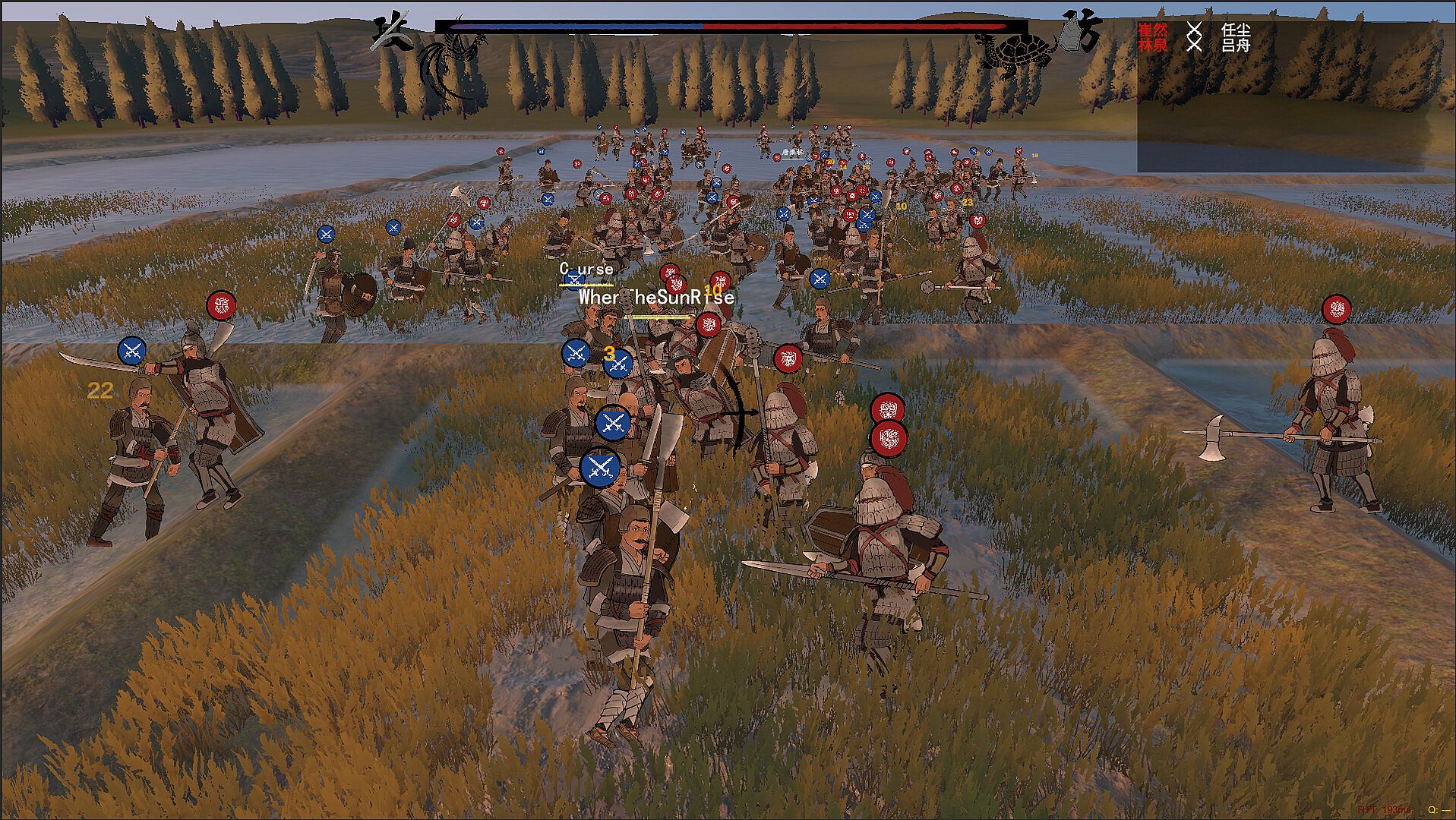
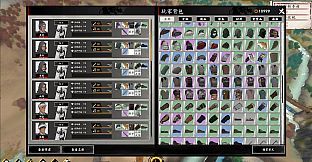
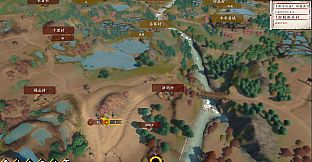
The core loop revolves around preparing a gang for challenges while completing objectives under pressure. Players recruit loyal members by paying wages or converting captives, then deploy them for various tasks. Income comes from steady activities such as trading caravans, sending out detachments, completing commissions, or capturing villages. Riskier options include ambushing merchants, raiding trade routes, or seizing settlements outright, each carrying distinct benefits and potential backlash.
Imperial oversight adds tension, as the gang must handle errands from local magistrates to avoid drawing attention. Success allows the group to operate more freely for a time, while delays can lead to direct confrontation with government troops. Resource management and timing play key roles, since expanding forces too slowly leaves the stronghold vulnerable to encirclement as days progress.
Every decision influences the gang's position among countless other bandit groups. Alliances with authorities provide temporary protection but demand reliability. The experience highlights the fragility of a small operation amid larger conflicts, where bold actions can briefly shift the balance before consequences arrive.
Game Modes
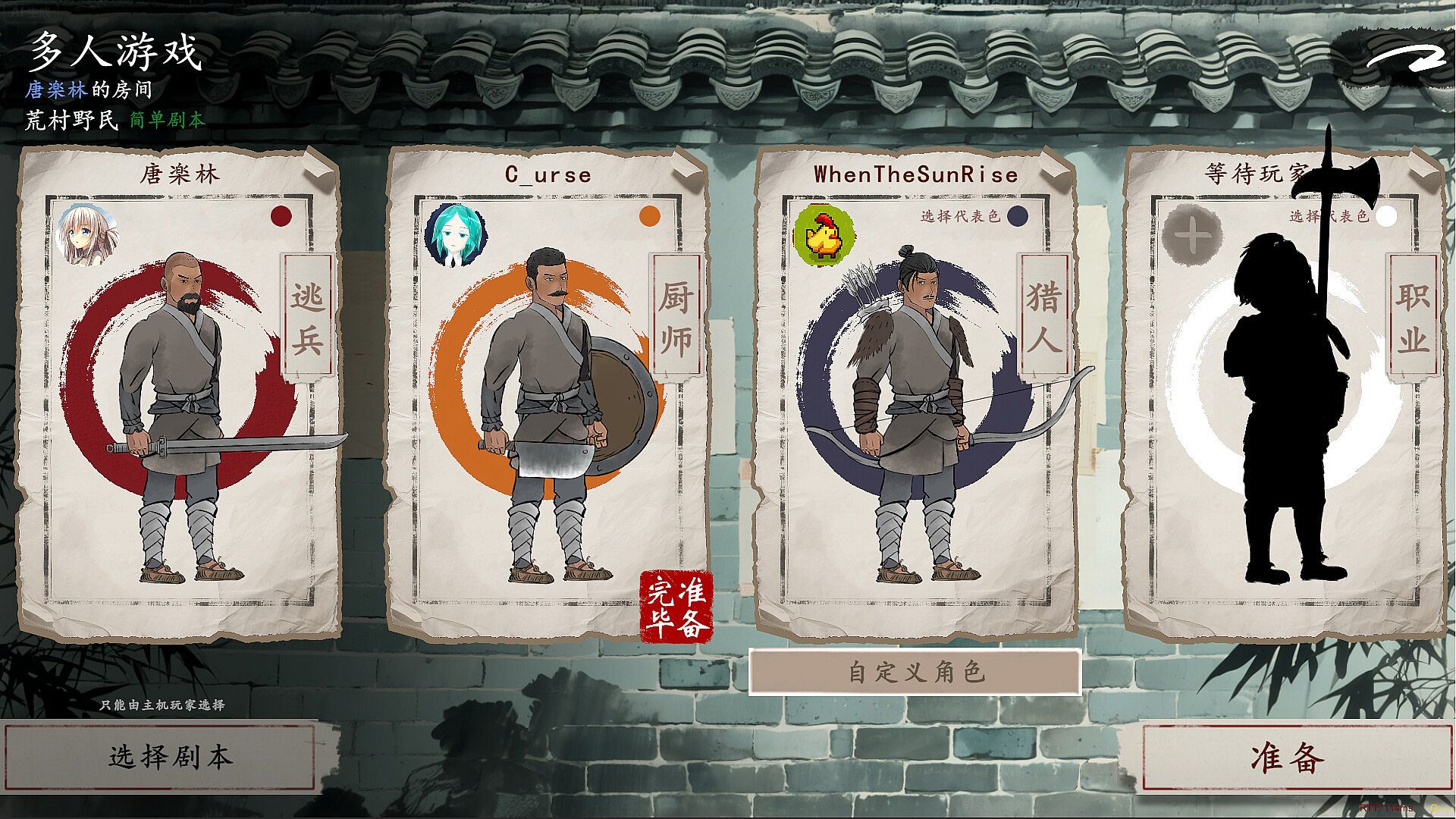
Bandit centers on cooperative sessions where a team of four works together on mission-based objectives. The structure supports shared progress toward building and sustaining the gang, with collective responsibility for time limits and resource decisions. Single-player elements appear through management of the group when allies are unavailable, though the design prioritizes coordinated efforts.
Progression ties directly to mission completion and army growth. Teams balance immediate goals with long-term expansion, as unchecked delays bring escalating threats from organized forces. The setup encourages repeated playthroughs to test different recruitment and income strategies within the same overarching campaign framework.
Strategic Choices and Consequences
Players face ongoing trade-offs between legitimate and illicit methods of expansion. Humble approaches build stability but yield slower gains, while direct confrontations deliver quicker rewards at higher risk of retaliation. These paths affect not only finances but also relations with surrounding powers and rival groups.
Time allocation becomes critical as the game advances. Focusing solely on missions can leave defenses thin, while overcommitting to recruitment may cause objectives to slip. The narrative arc follows the gang from its early, precarious state to a potential flashpoint of resistance, with outcomes determined by how well the group maintains its position.
Is It Worth Playing?
Bandit suits players who enjoy co-op RPG experiences centered on group management, resource decisions, and high-stakes timing. The emphasis on outlaw life, troop leadership, and navigating authority creates a focused loop for those interested in strategic survival rather than open exploration or combat alone.
Teams that appreciate balancing short-term missions with long-term army building will find the mechanics rewarding. The game rewards careful planning and adaptability, particularly when coordinating with allies to handle both economic and confrontational challenges. Those seeking a straightforward action title or solo-driven story may find the cooperative and management layers less aligned with their preferences.
Availability on PC supports direct access for groups ready to form a gang and test their approach against the pressures of imperial response and internal growth demands. The experience delivers a contained campaign where choices accumulate into a defined conclusion.