


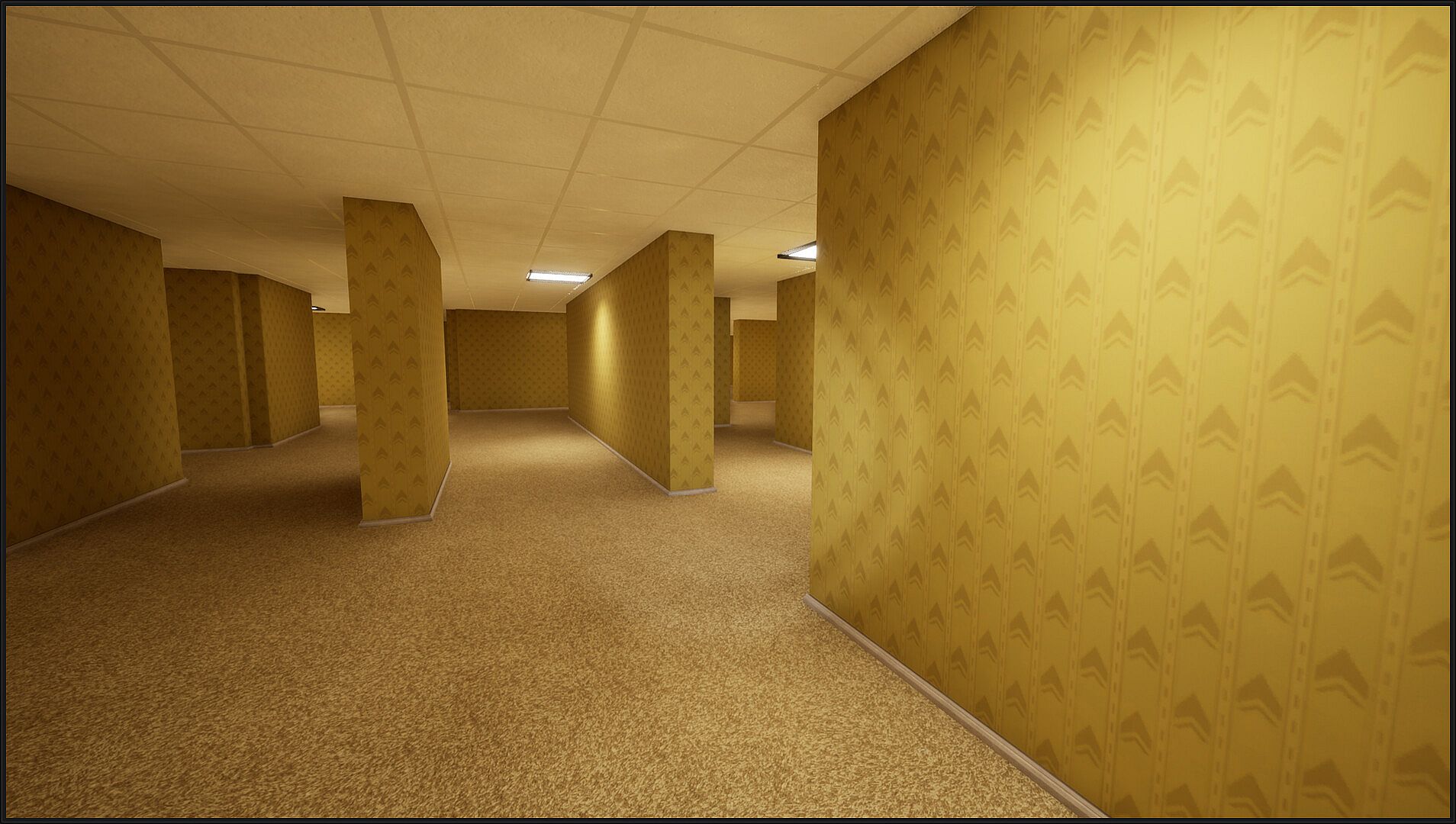

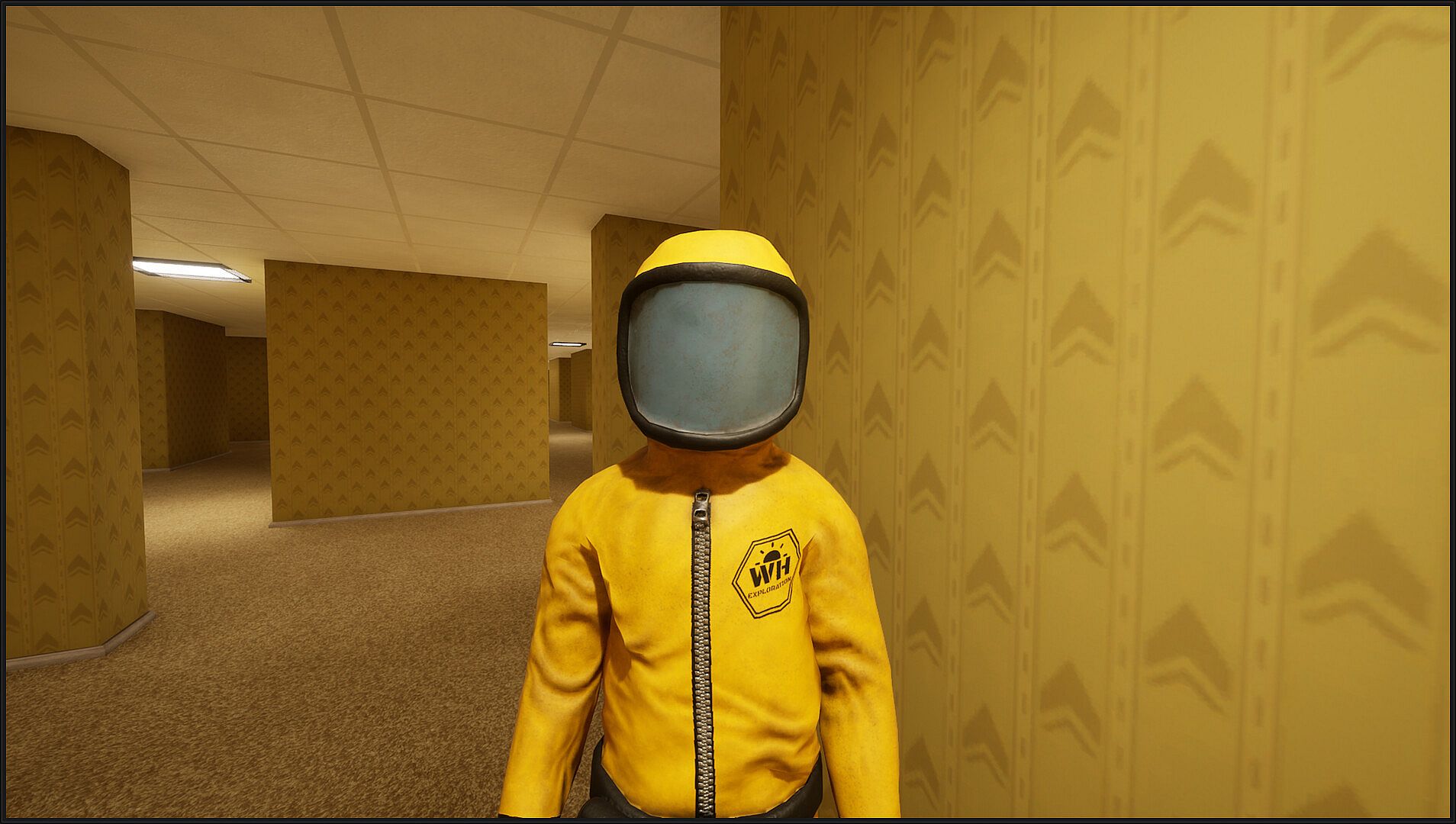

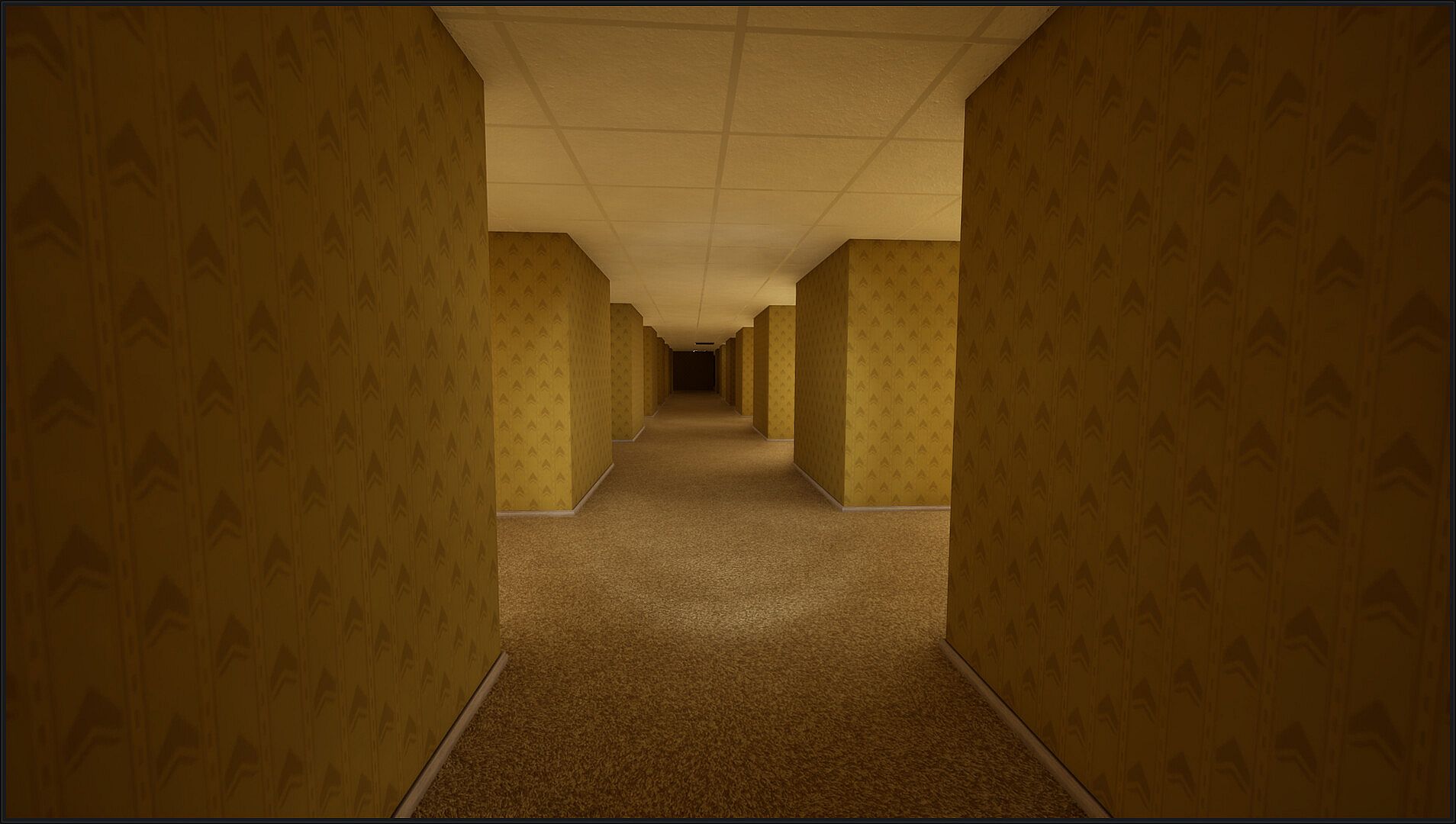
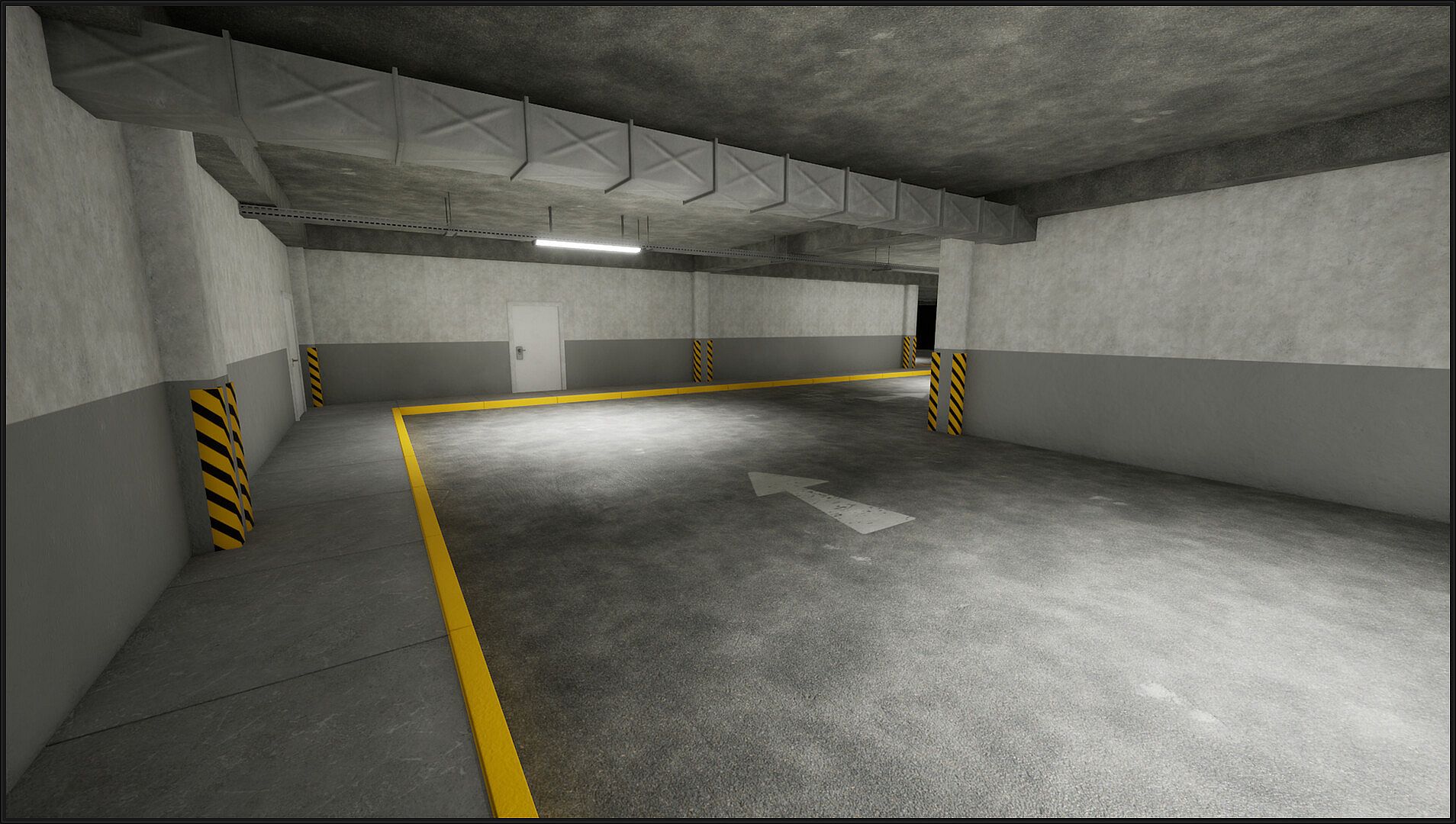
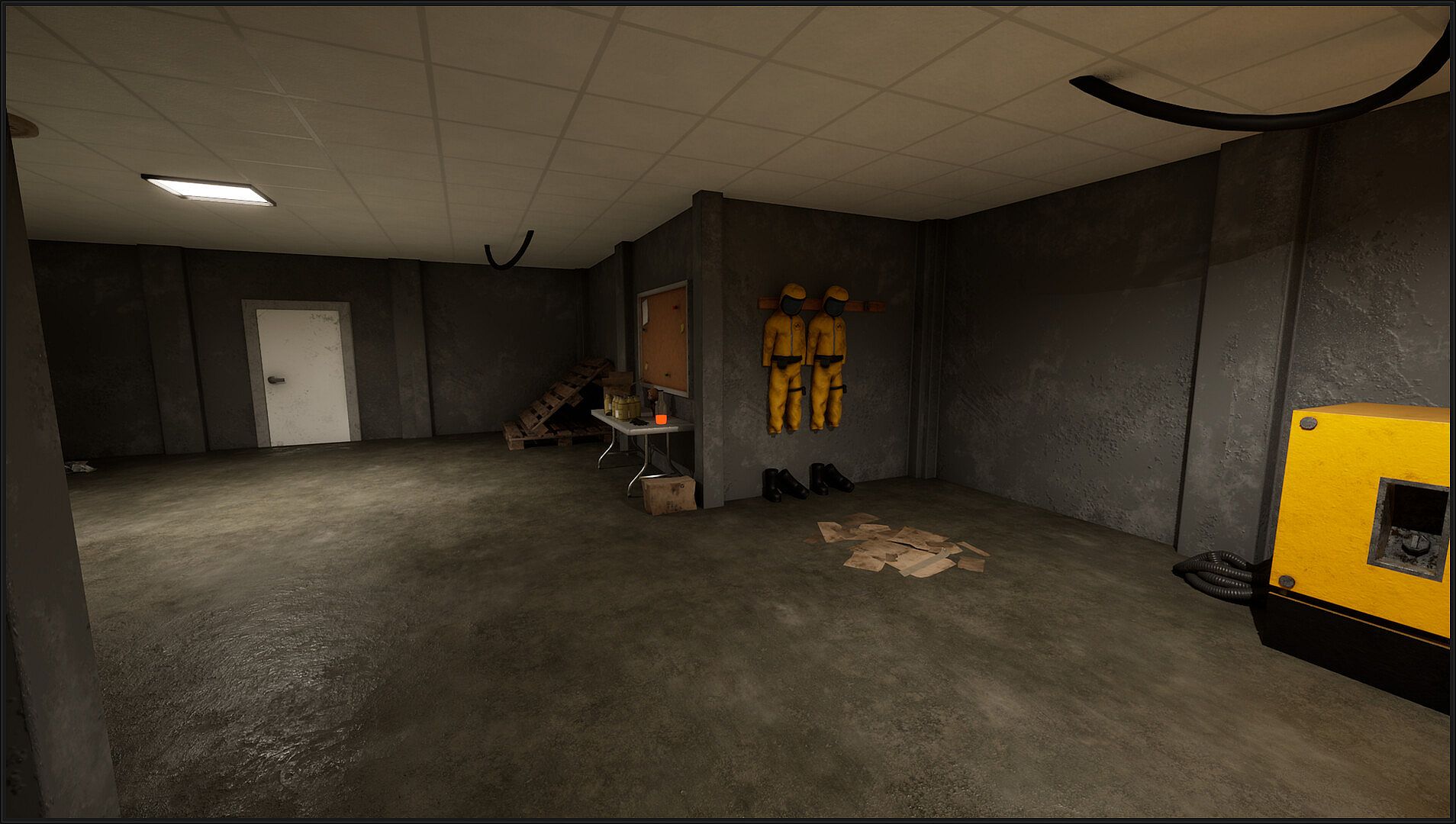
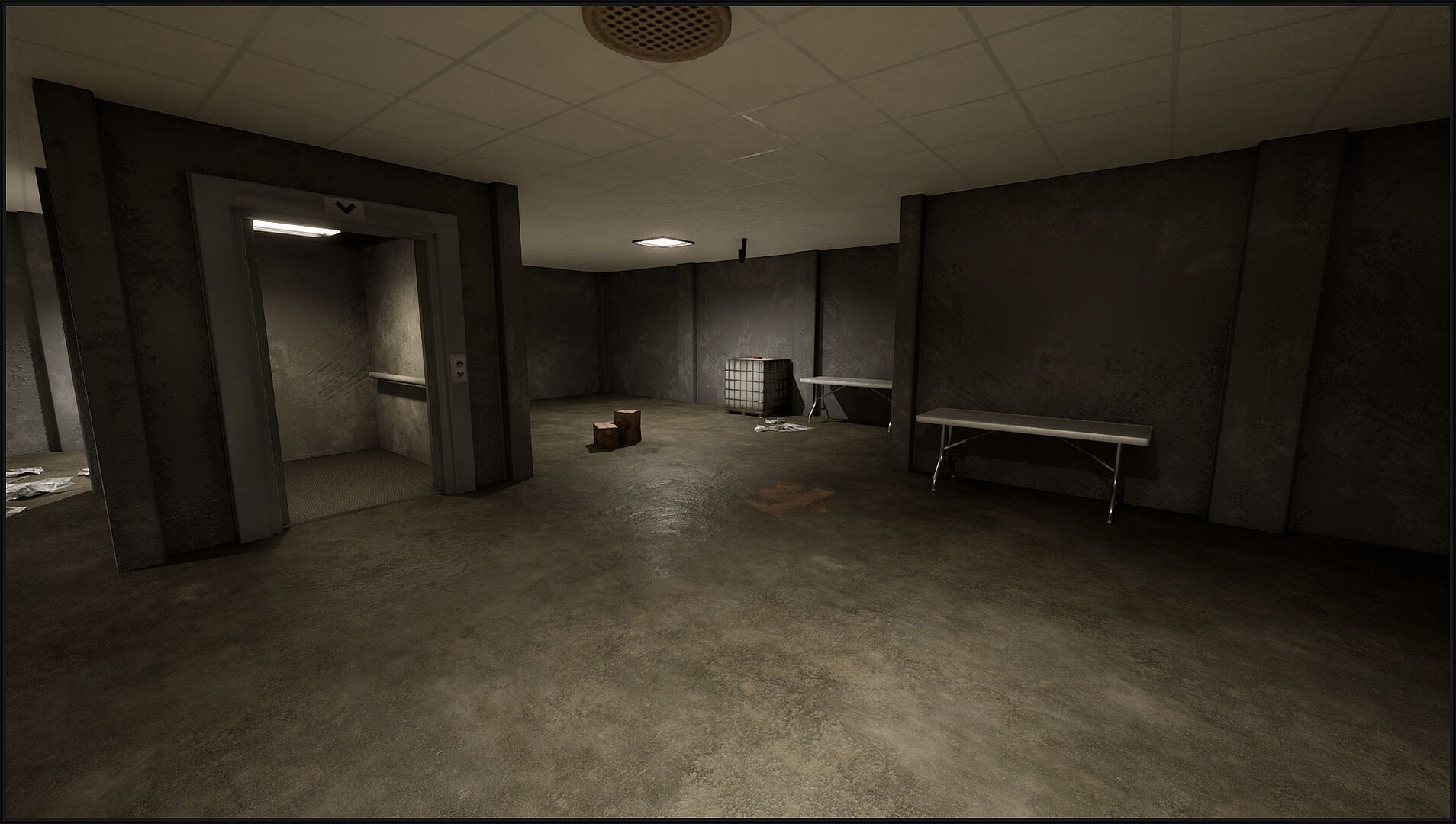






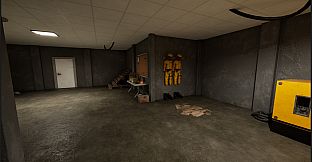
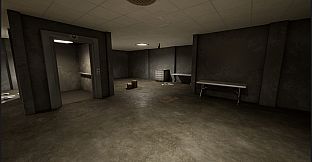
Backrooms: A Way Out is a co-op survival adventure game set in eerie, liminal spaces drawn from Backrooms lore. Players form teams of two to six and navigate hand-crafted levels while searching for an exit. The title falls under action, indie, casual, and adventure genres and remains in Early Access on PC, with ongoing development focused on new content after purchase.
Gameplay
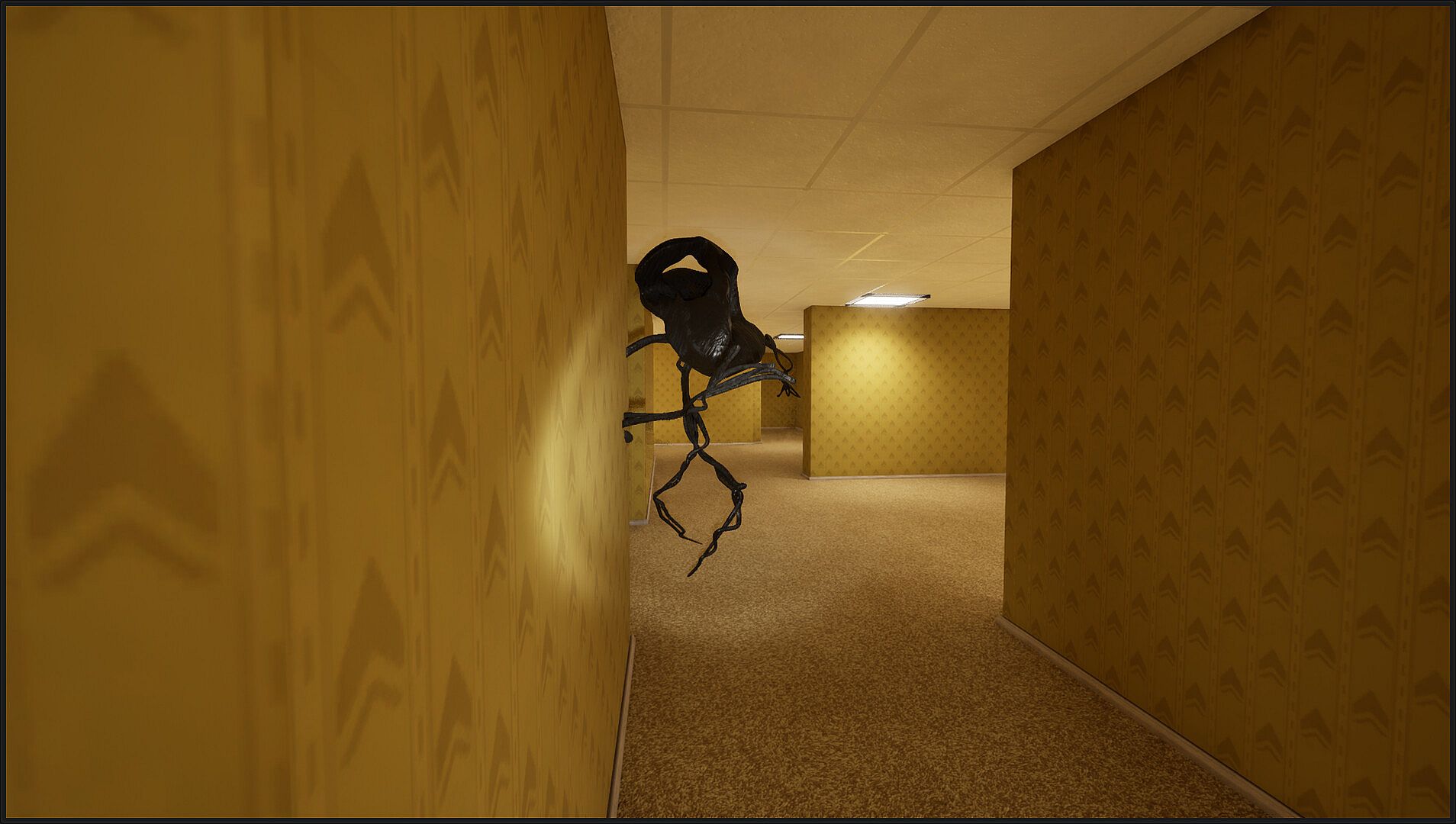
Teams explore unsettling environments that emphasize atmosphere and tension. Proximity voice chat supports communication between players, though some areas reward silence to avoid drawing attention. Each level features distinct entities that require different survival approaches. Cooperation drives progress, as players must watch the surroundings and adapt strategies together. The single-developer project receives regular free updates that add levels, fix issues, and introduce seasonal events without any paid expansions.
Game Modes
Two primary modes accommodate different preferences. The standard mode includes hostile entities and increased difficulty for a survival-oriented experience. The liminal mode removes entities and direct threats, shifting focus to exploration of the spaces themselves. Players can choose either approach depending on whether they seek challenge or a calmer, still unsettling atmosphere. Both modes support the same team sizes and voice features.
Levels and Entities
Multiple distinct levels appear in the game, each hand-crafted to evoke specific Backrooms-inspired settings. Every level contains its own set of entities, encouraging players to learn and adjust tactics per environment. The design prioritizes immersion through layout and detail rather than procedural generation.
Is It Worth Playing?
Backrooms: A Way Out suits players who enjoy co-op exploration in horror-tinged settings and value ongoing free content. The absence of paid DLC and the promise of seasonal updates make it accessible for those who purchase once. Teams that appreciate proximity chat and adaptive survival mechanics will find the core loop engaging, while the liminal option broadens appeal to those preferring atmosphere over direct confrontation. As an indie title developed by one person, it rewards supporters who enjoy watching a project grow through community feedback and regular additions.