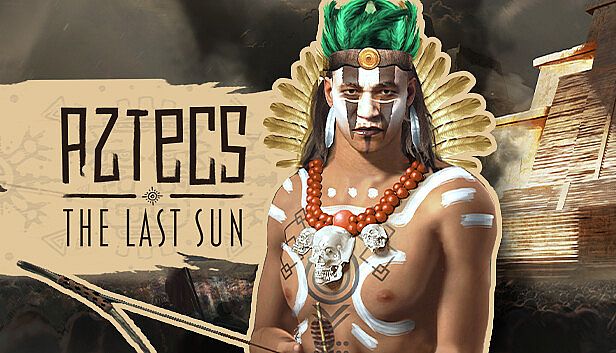




















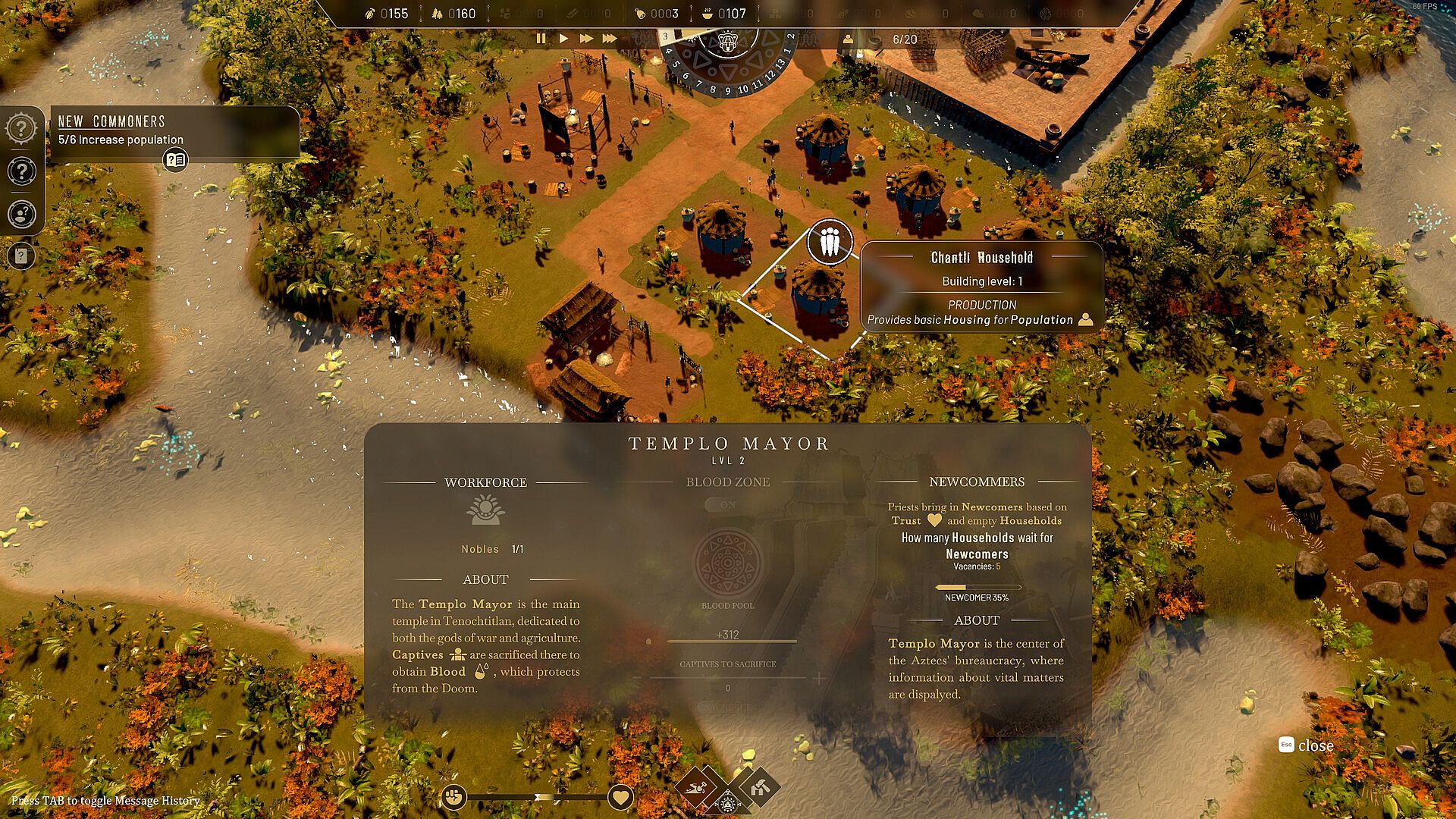
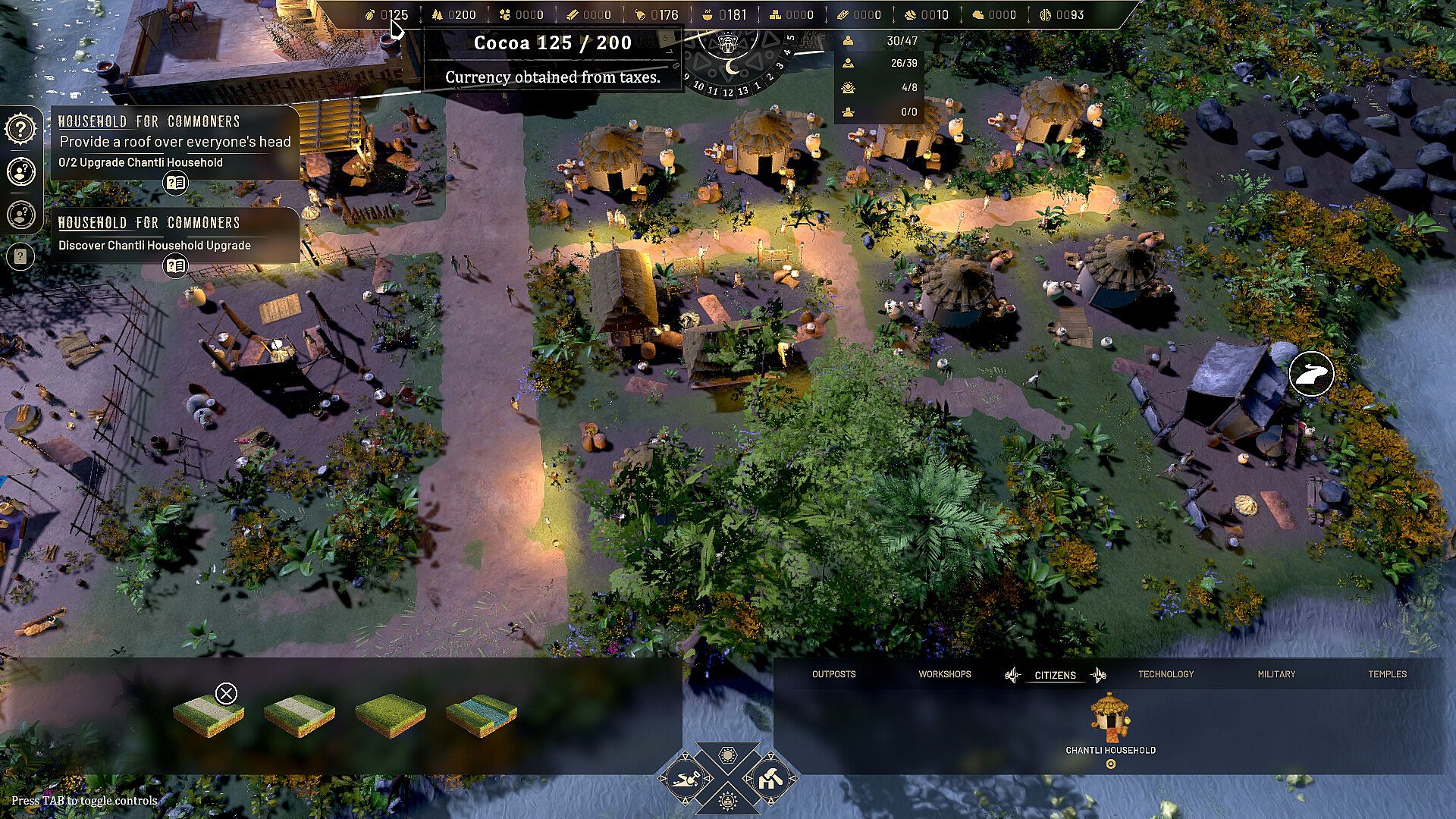
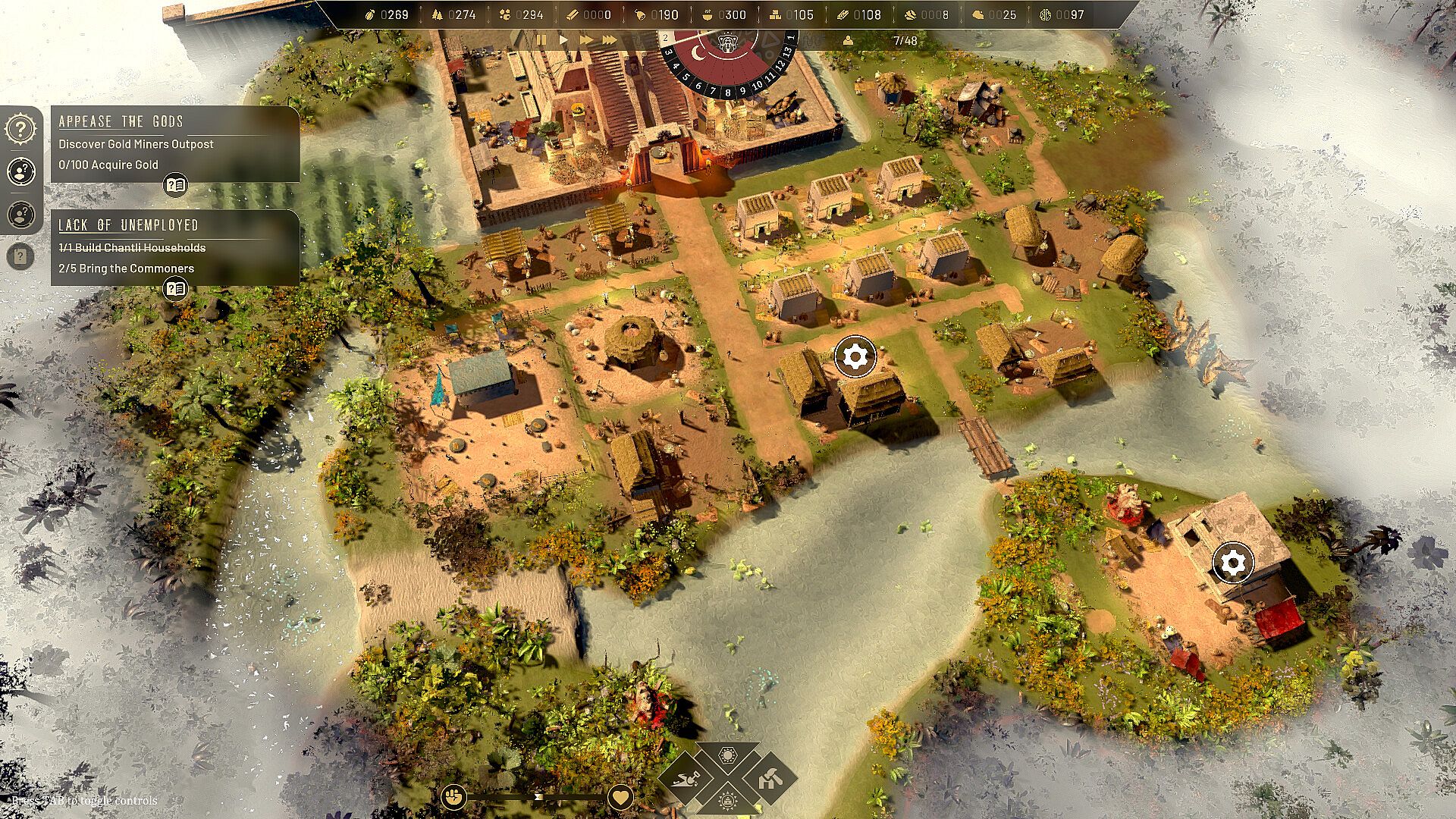
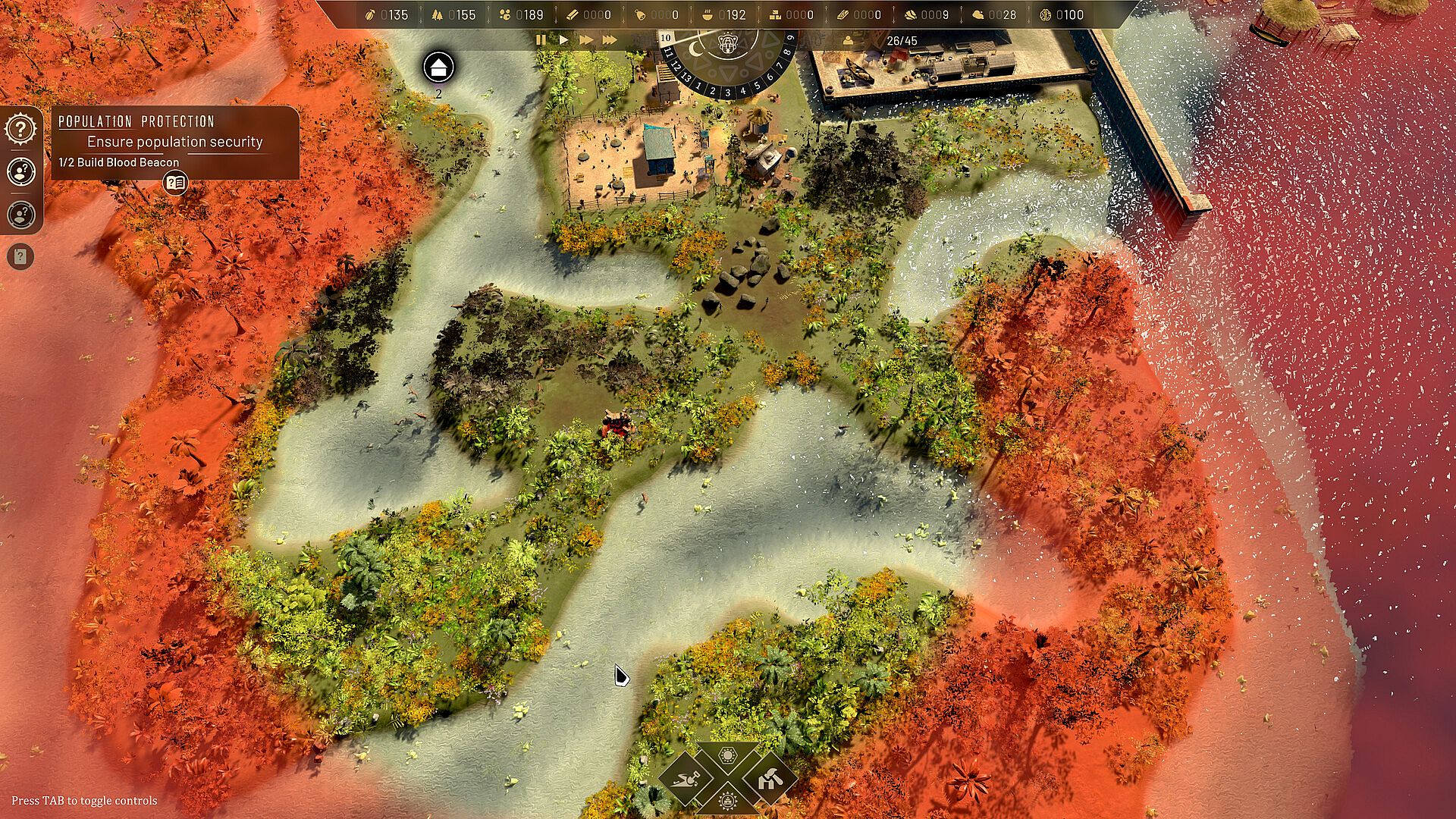
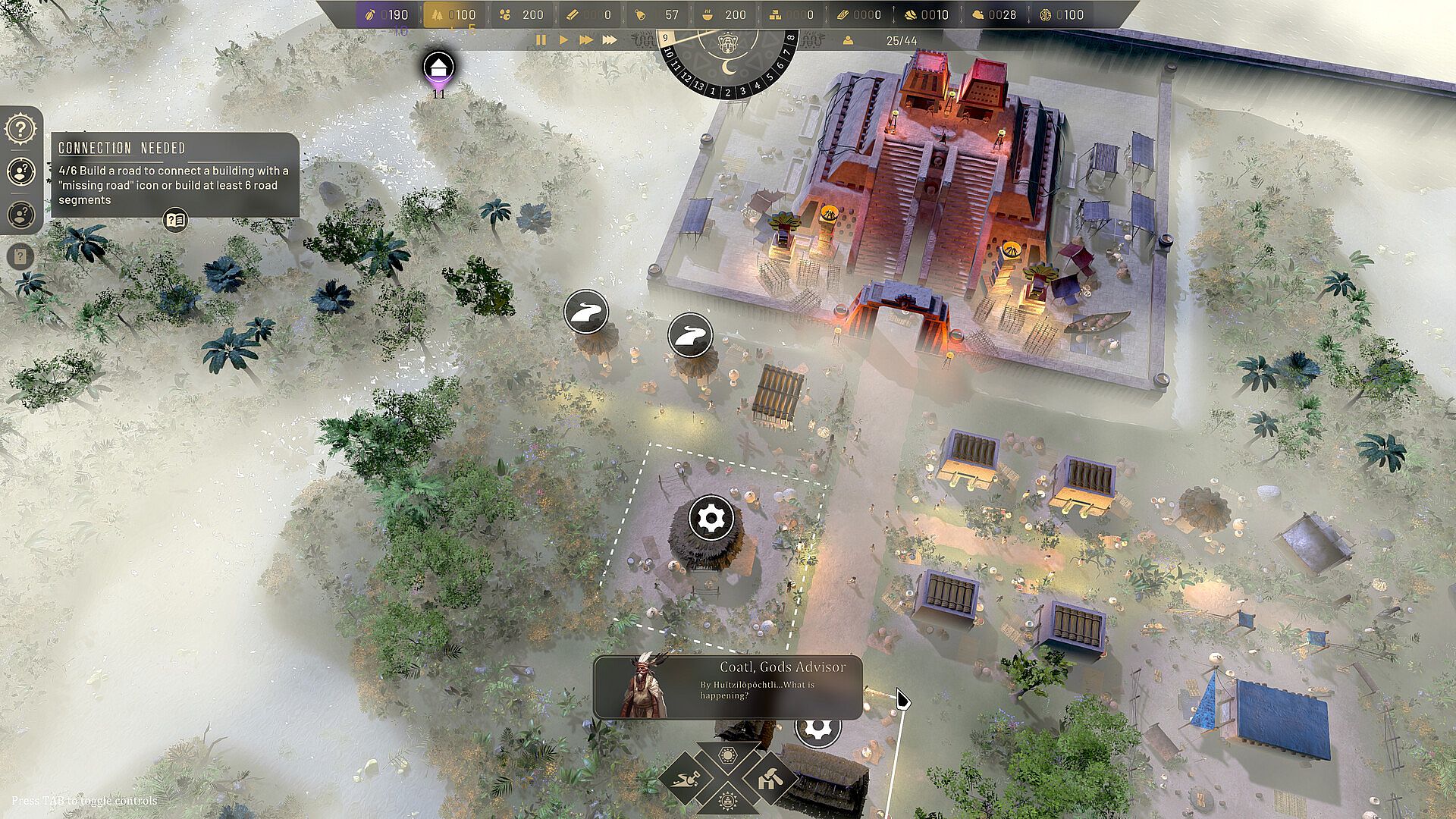
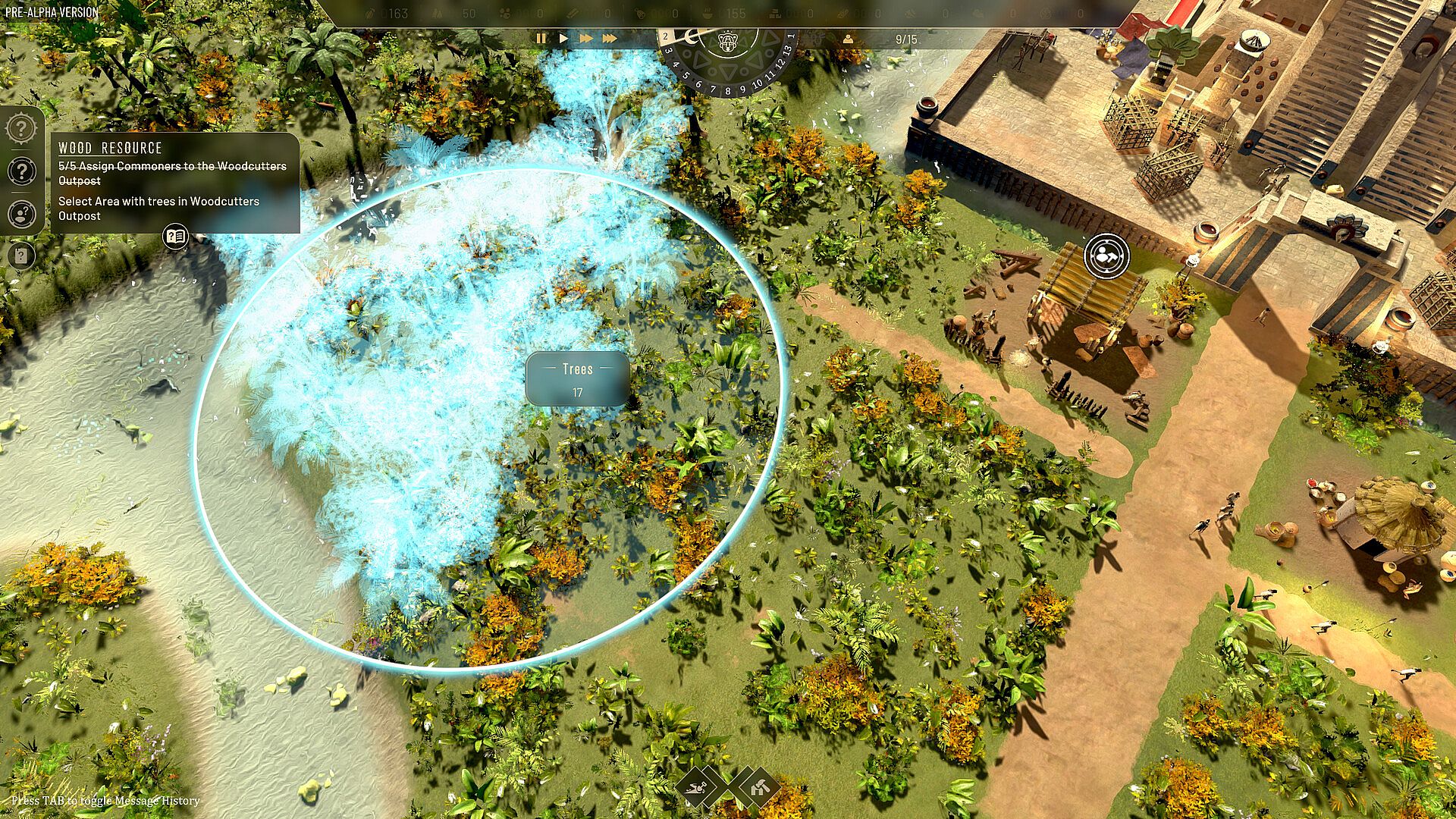
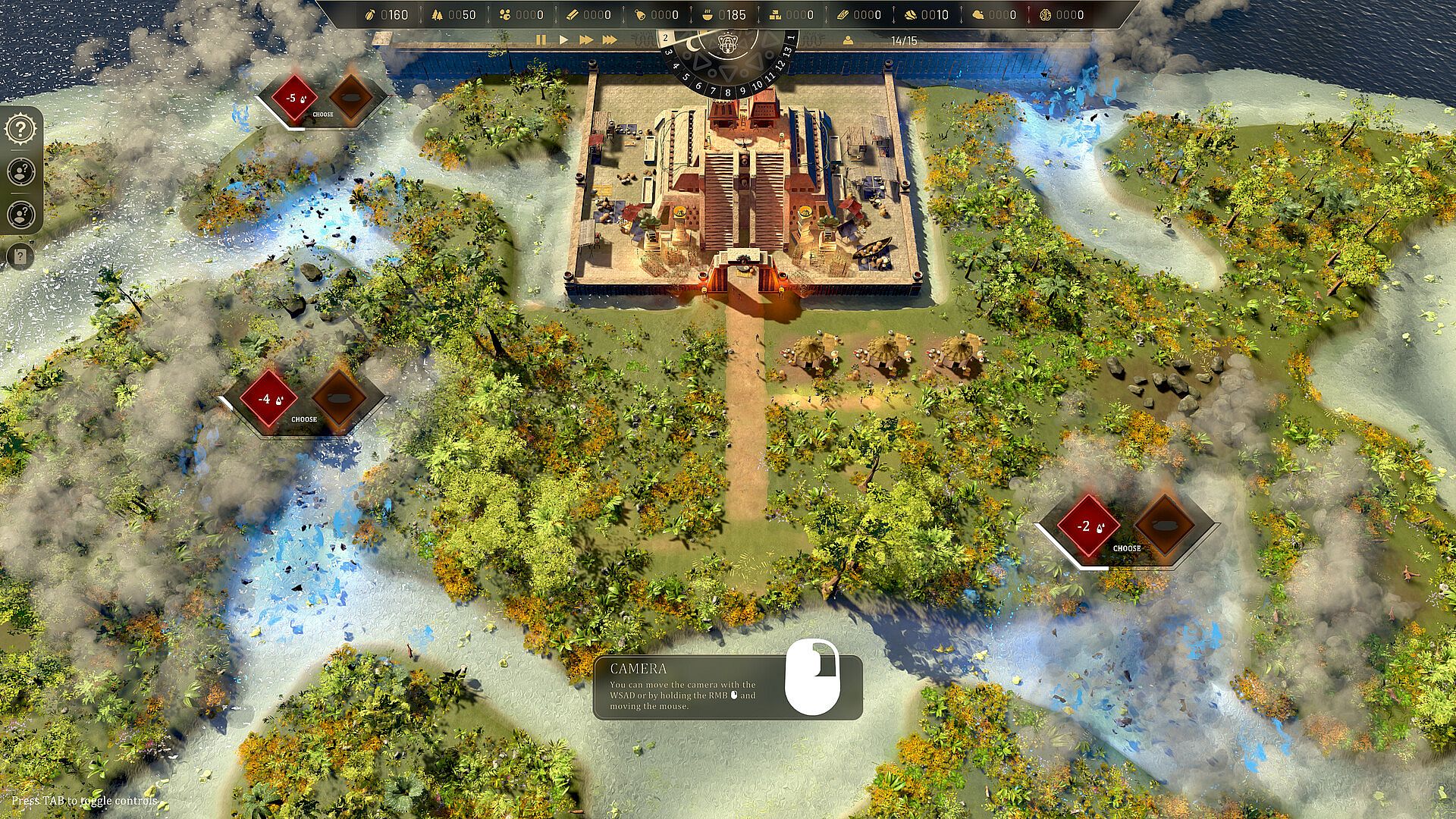
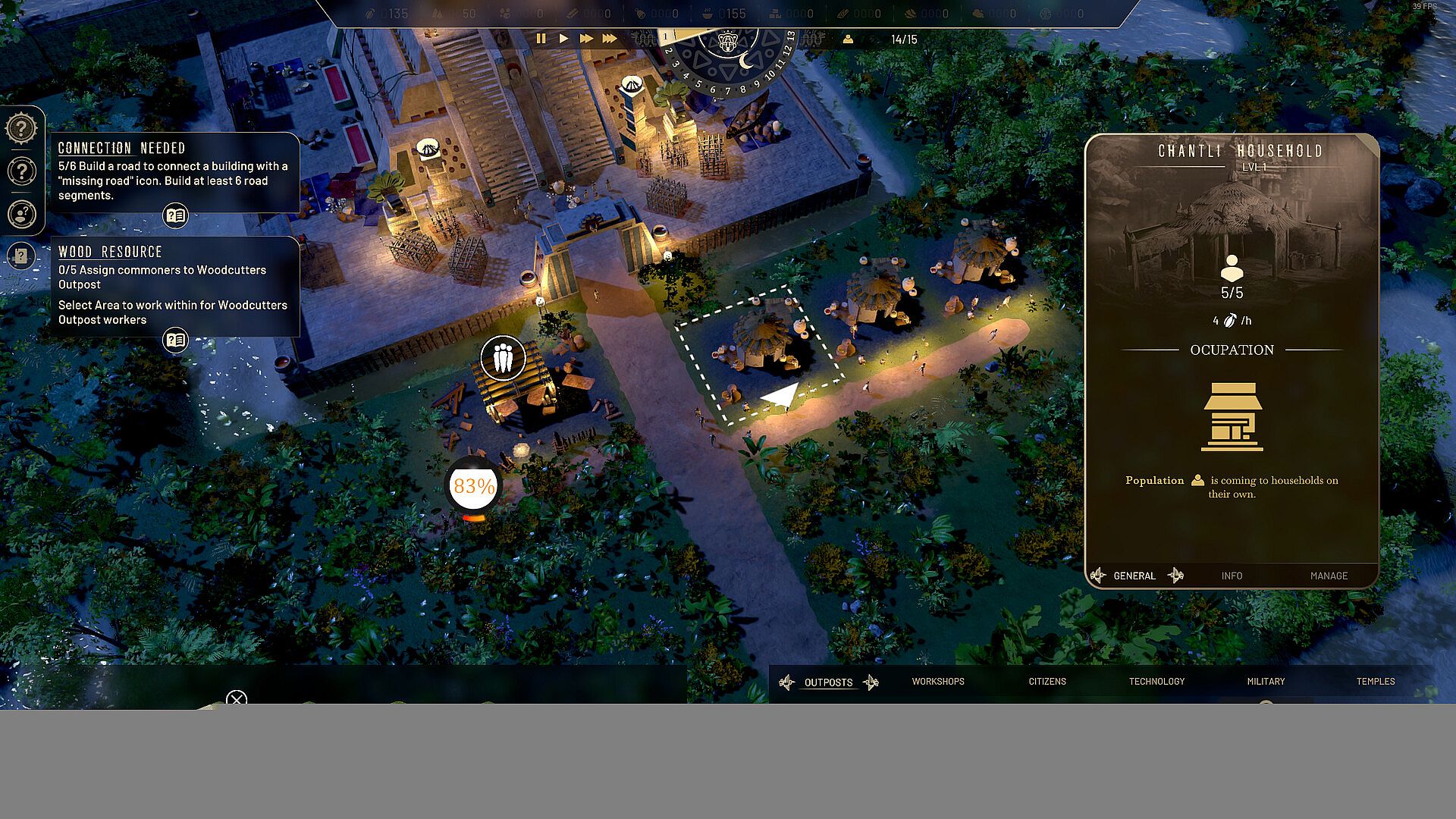
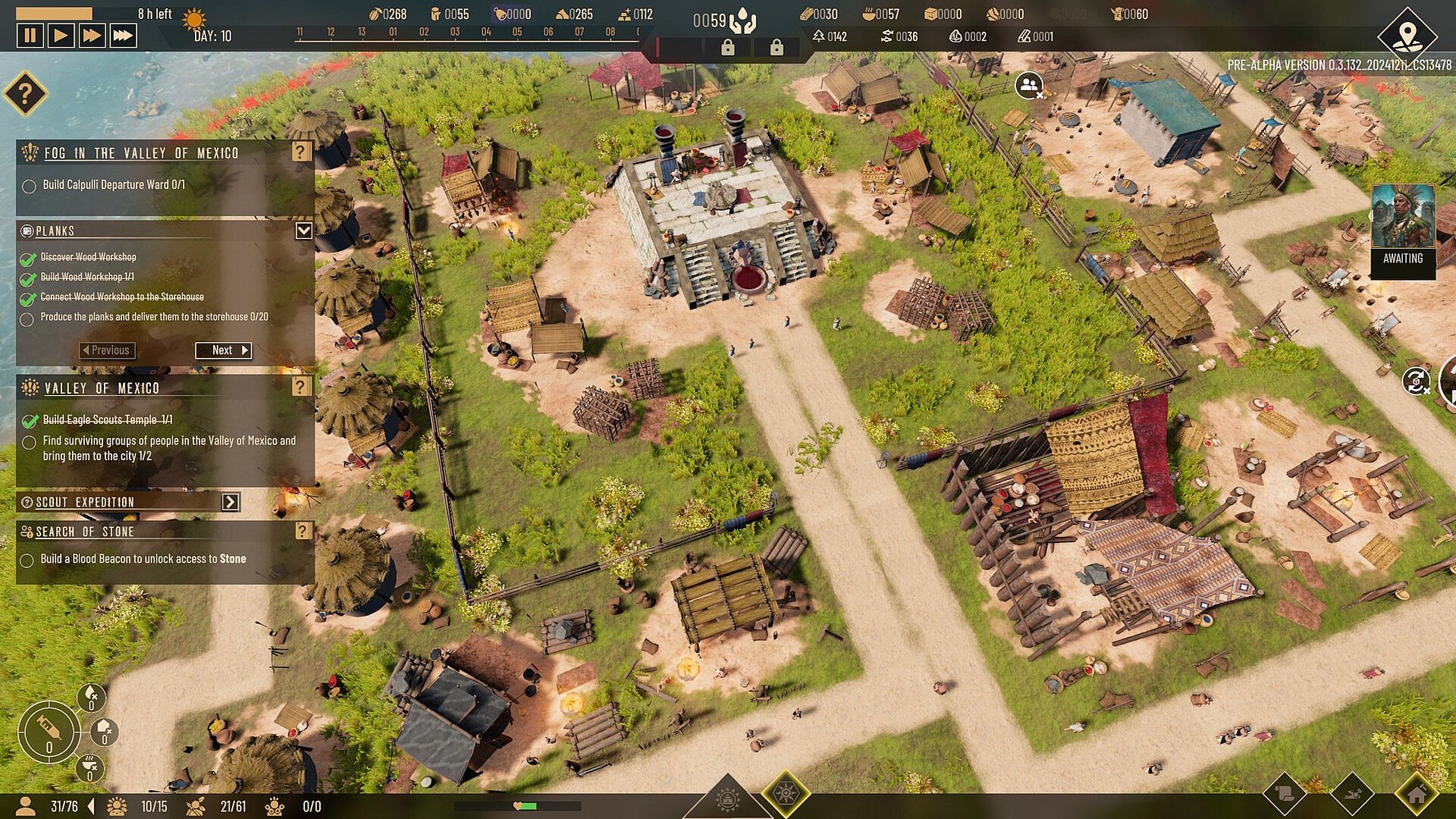
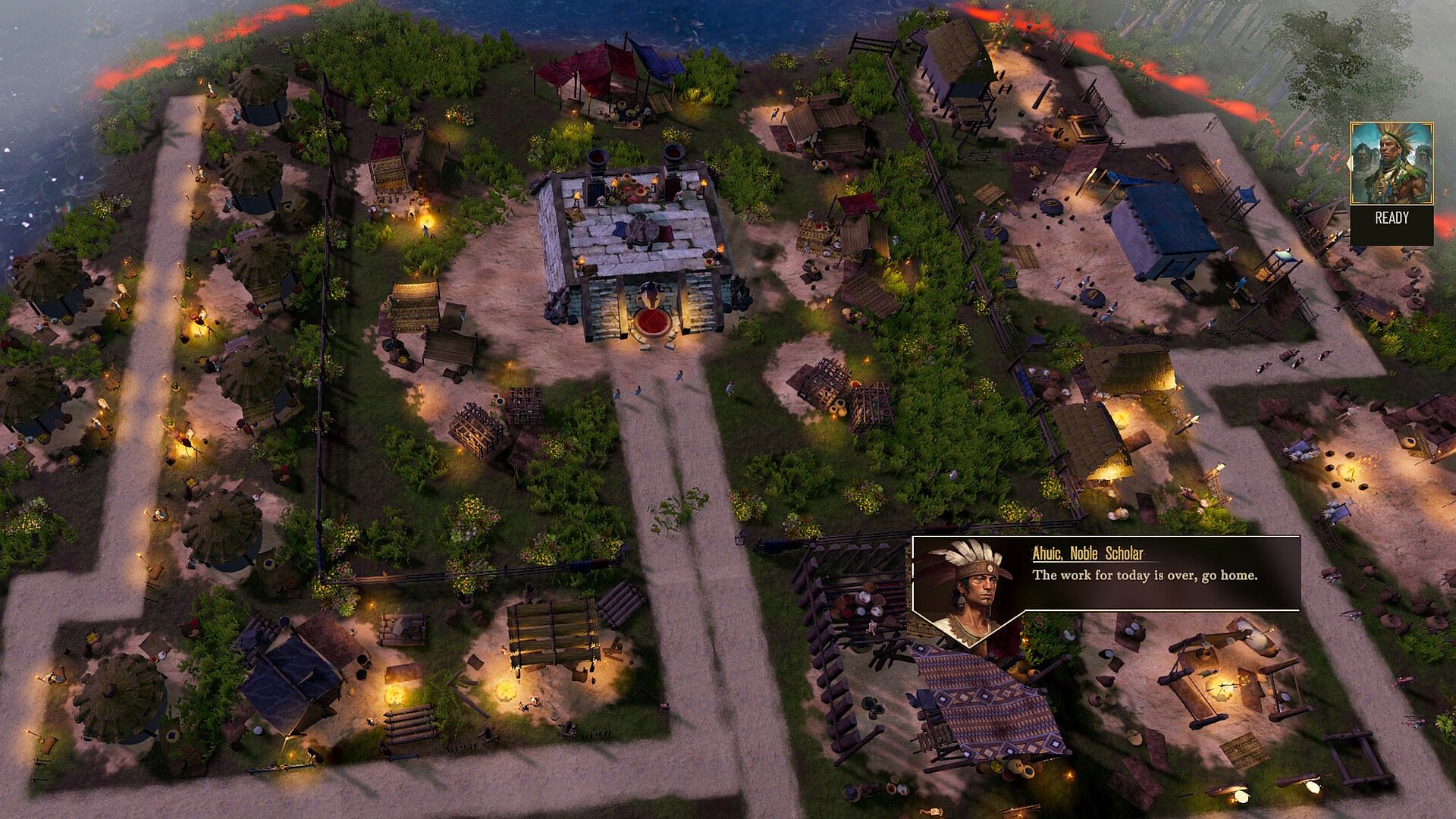
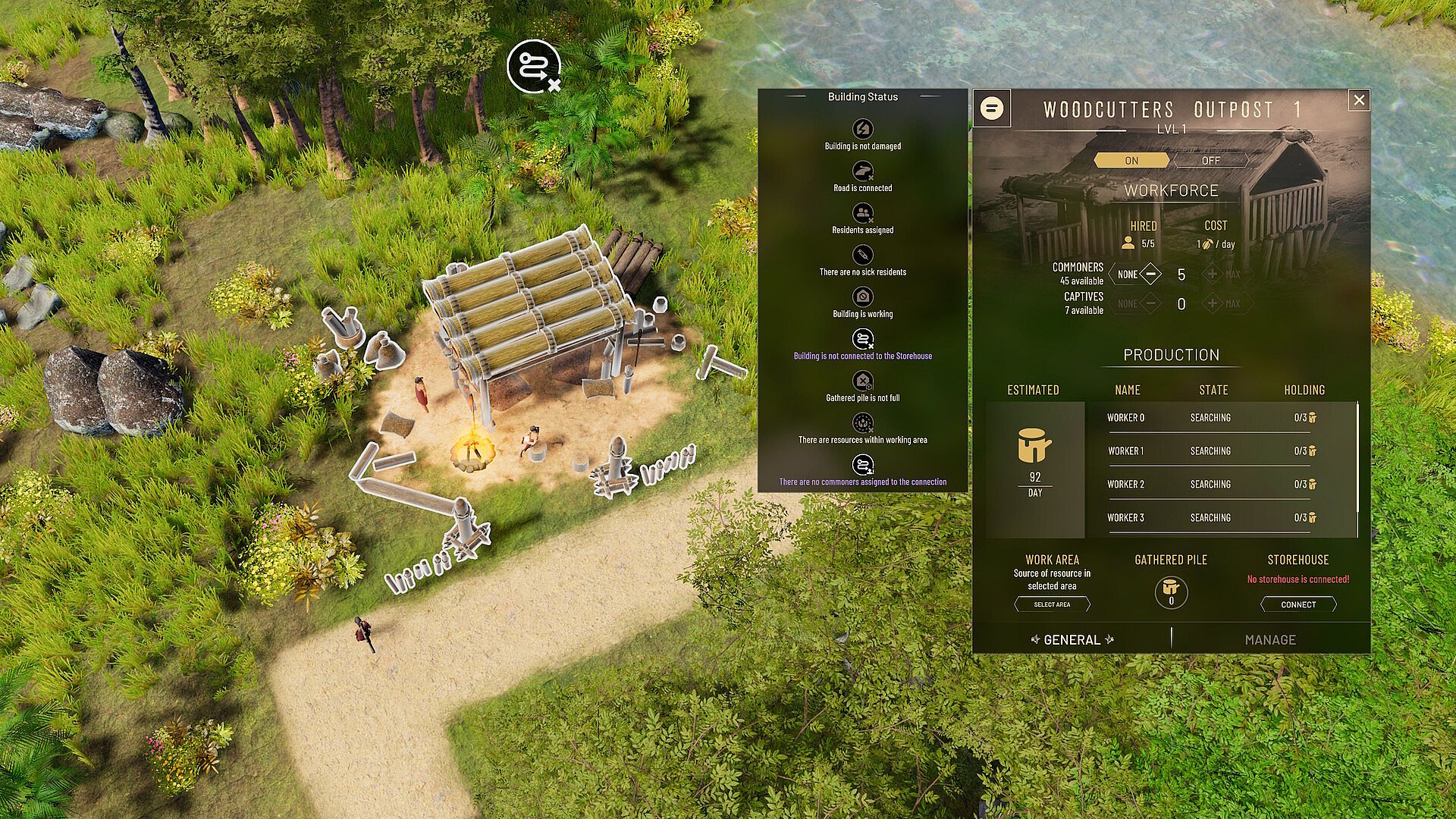
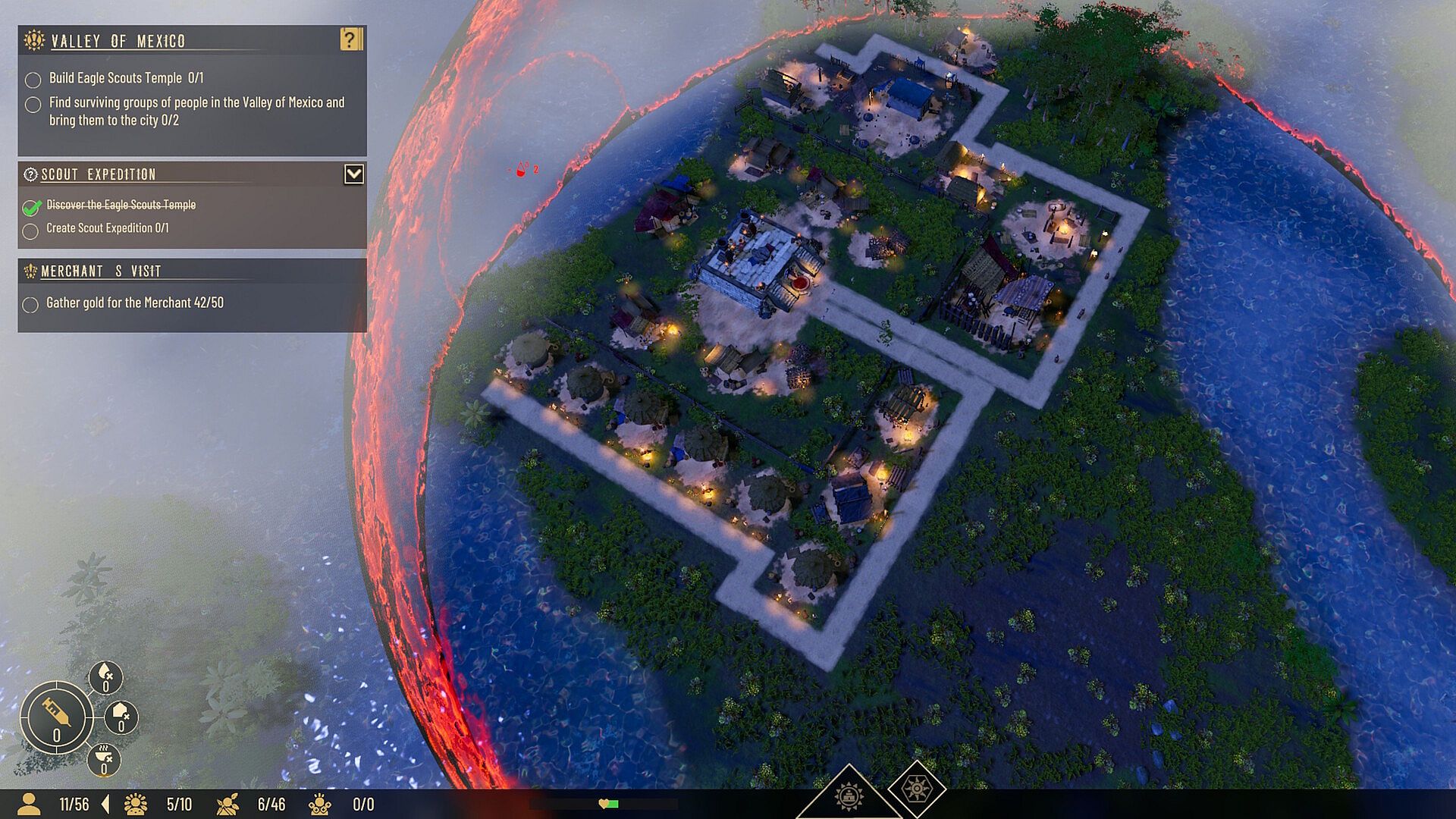
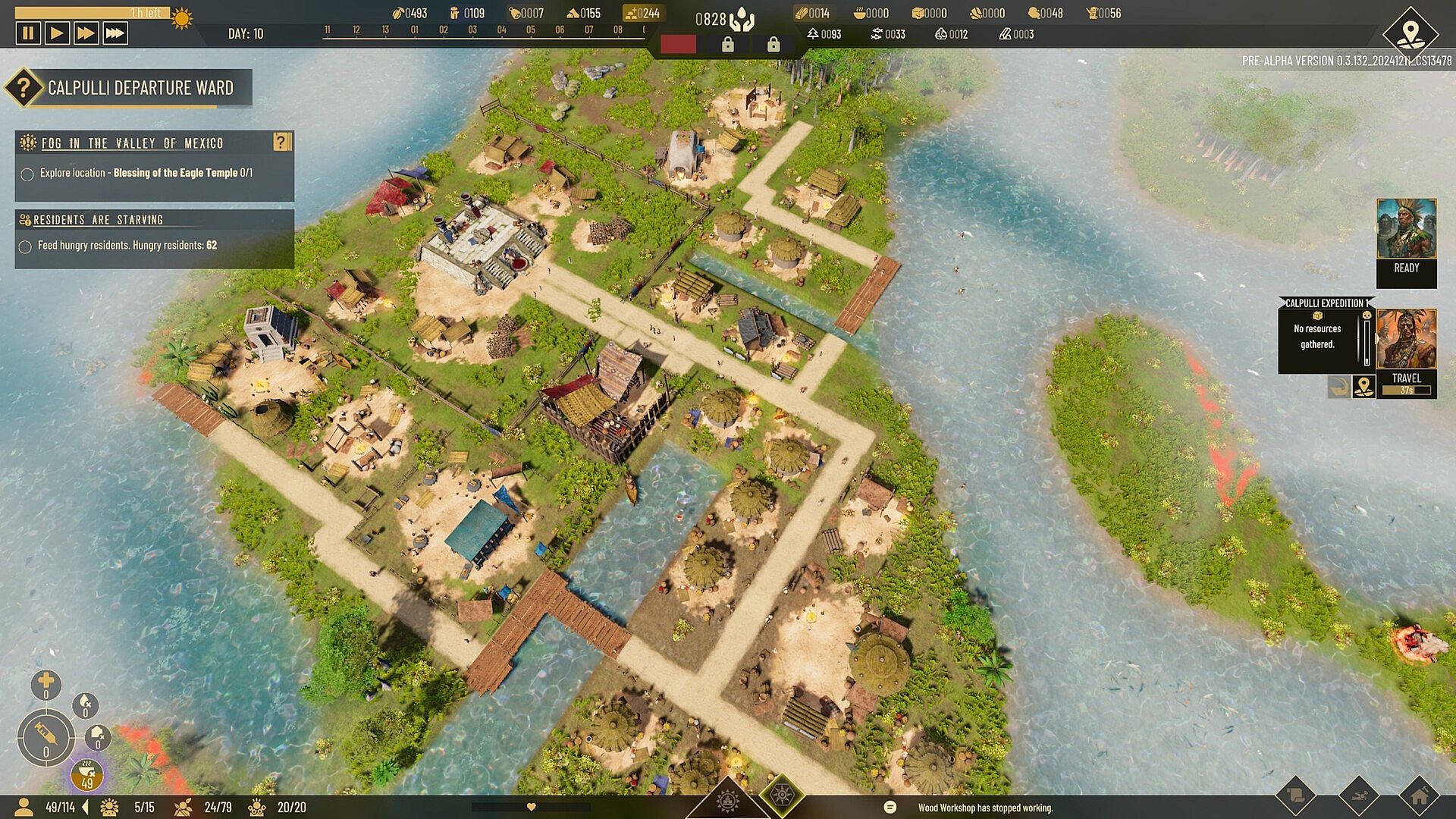

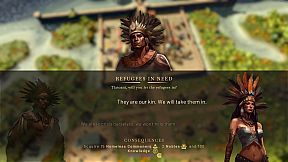
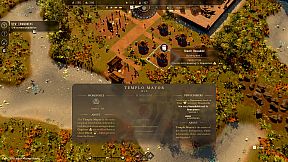
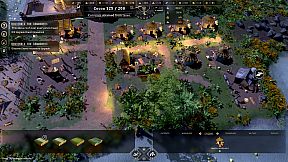
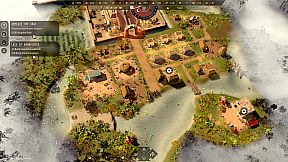
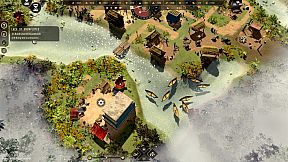
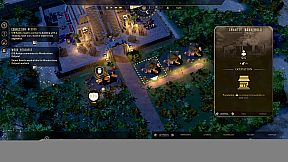
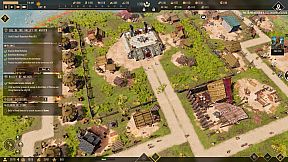
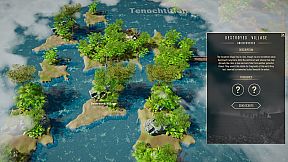
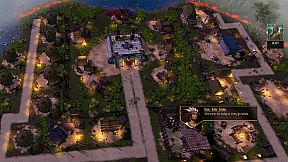
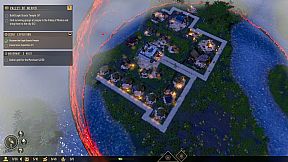
Aztecs: The Last Sun is a strategy and simulation city builder set in the Aztec capital of Tenochtitlán. Players assume the role of the Tlatoani and manage the growth of a city built on the waters of Lake Texcoco while facing threats from the Moon Goddess and her forces. The experience blends construction, resource management, and survival elements in a single player format focused on historical Aztec themes.
Gameplay
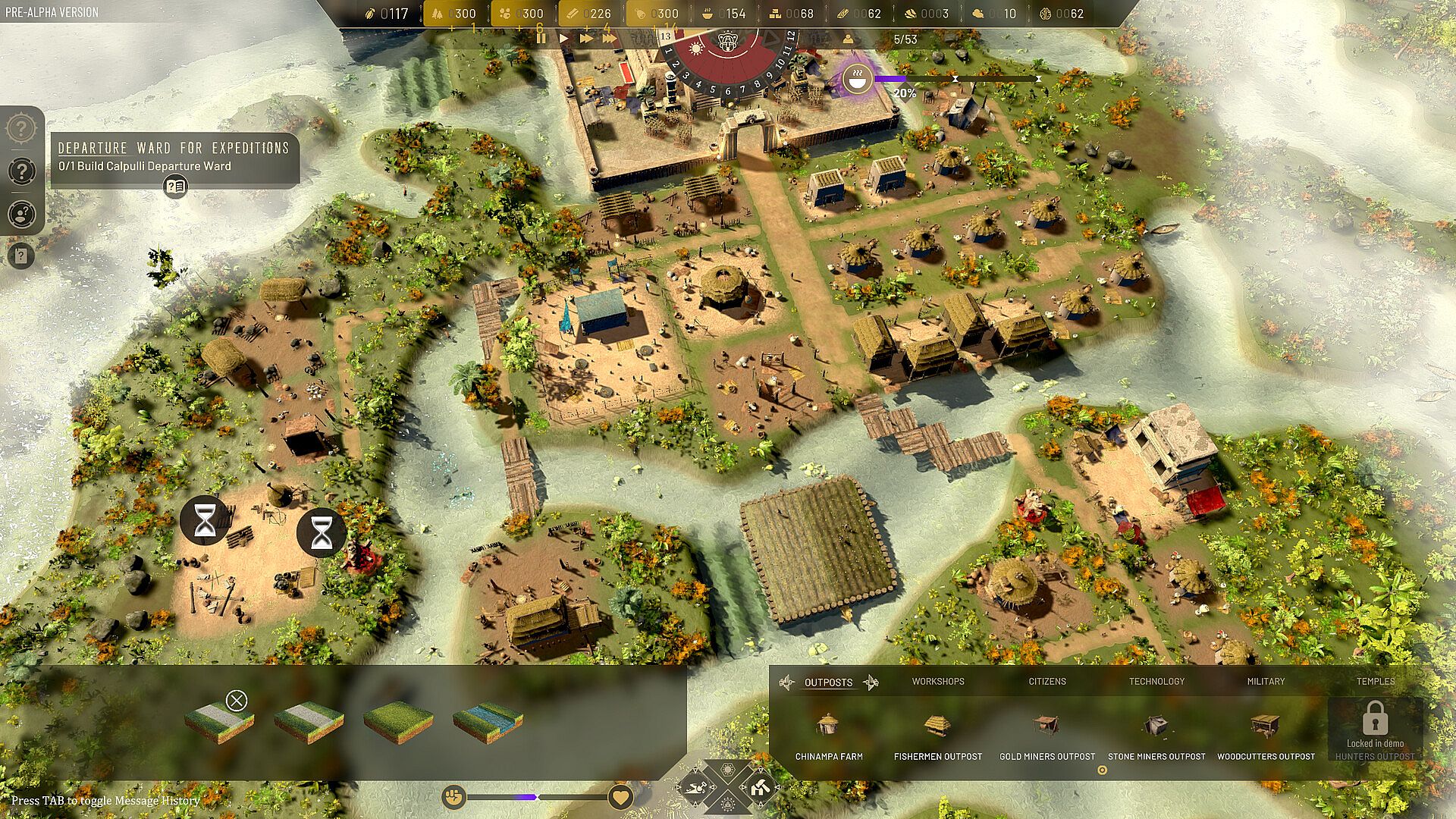
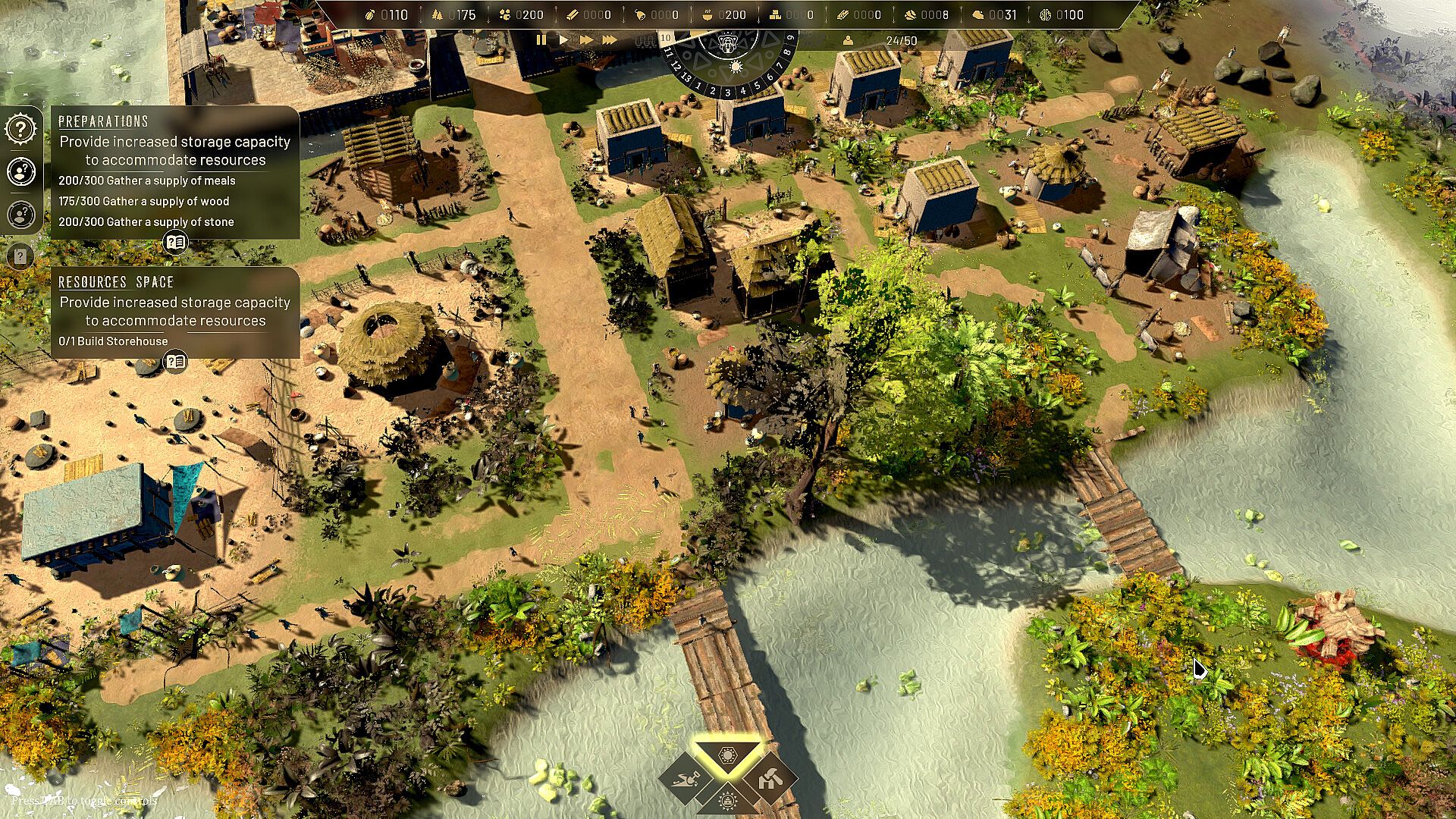
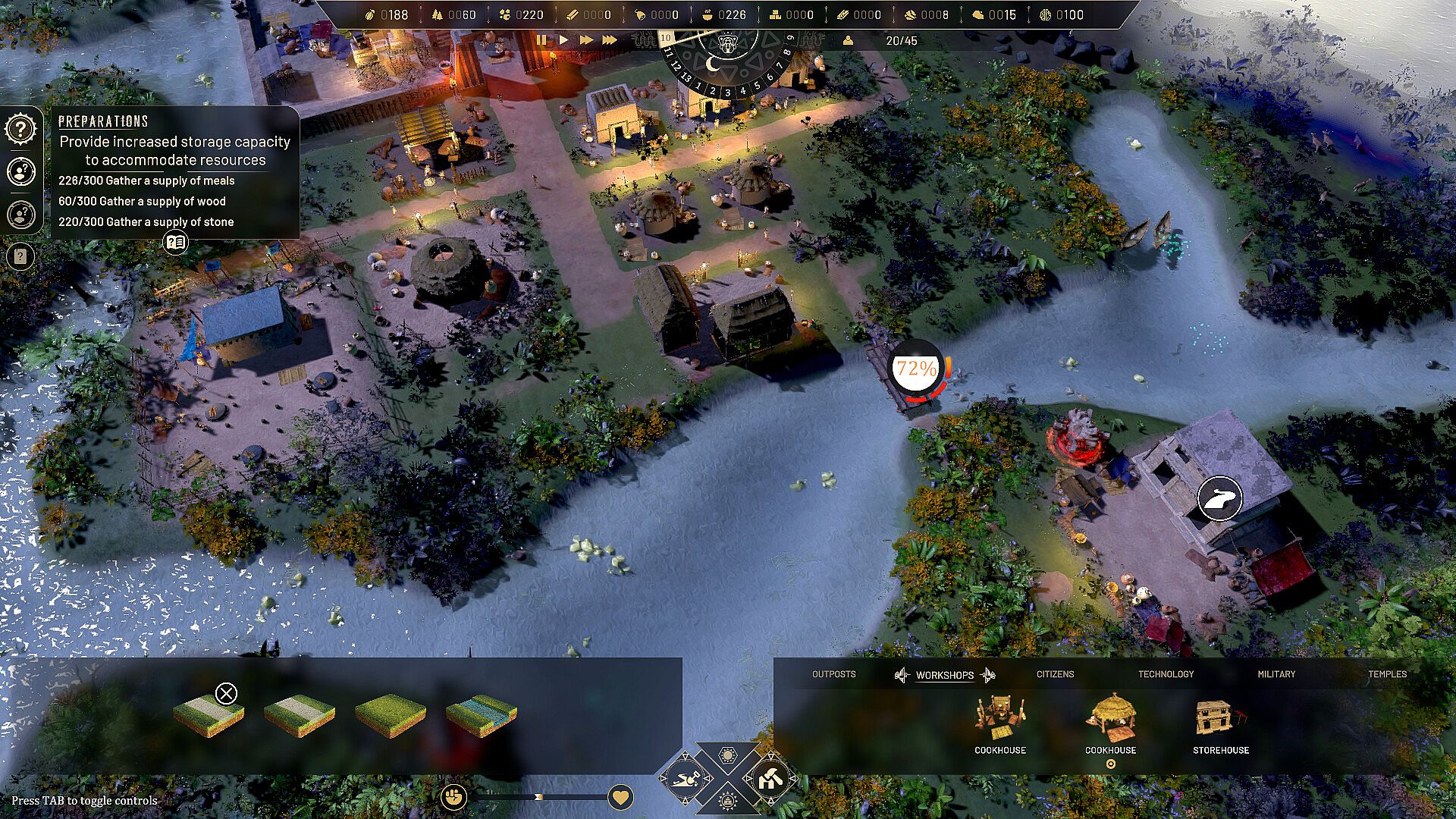
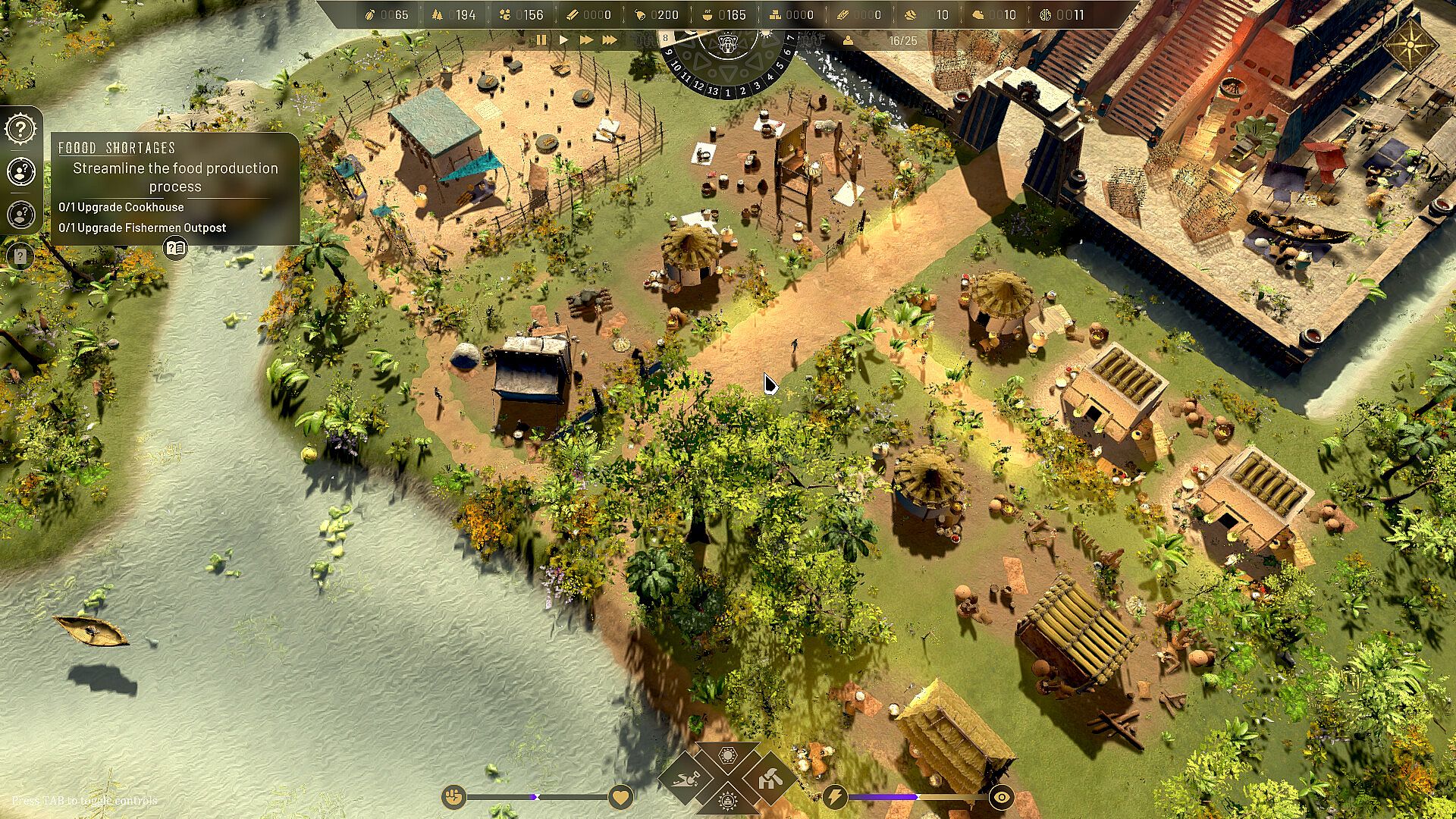
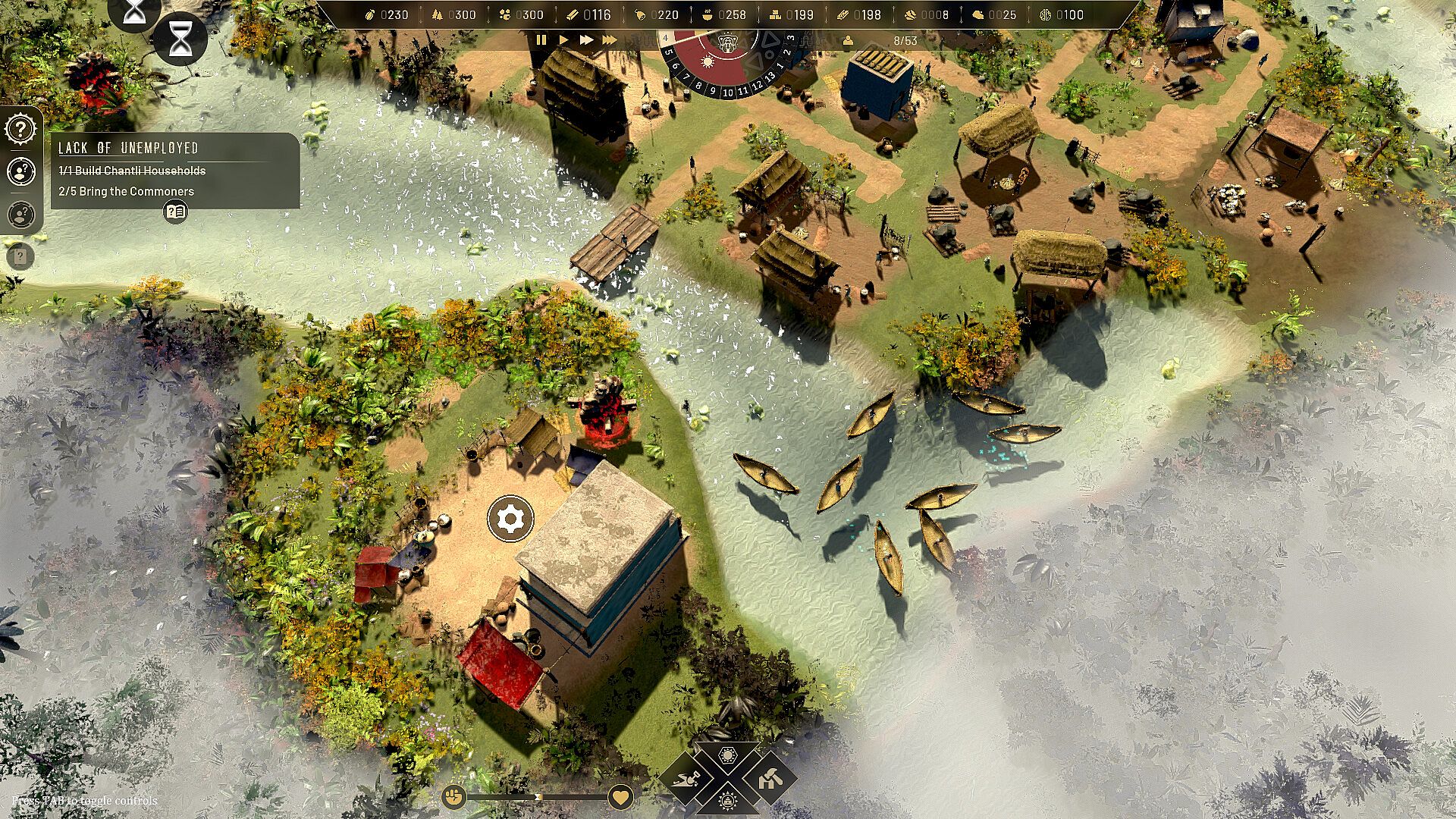
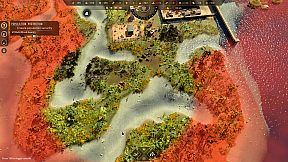
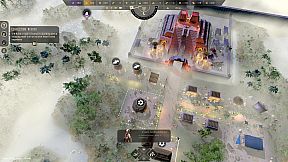
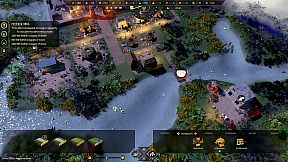
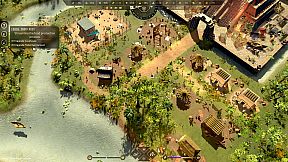
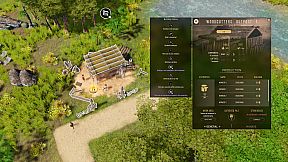
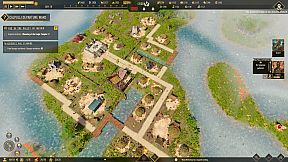
The core loop centers on constructing and upgrading structures while shaping the surrounding landscape. Over 25 distinct building types support four levels of upgrades for most structures, allowing progression from basic shelters to advanced facilities such as academies and gardens. Terraforming lets players drain marshes, dig canals, and expand usable land around the lake to support larger populations and production chains.
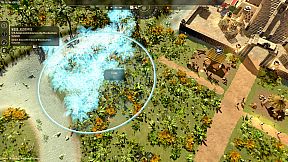
Divine mechanics add tension to daily decisions. Rituals and offerings influence godly favor, which in turn affects protection against external dangers. Neglecting these requirements can reduce grace and expose the city to harsher conditions. Economy and survival must be balanced alongside these spiritual demands, as shortages or unrest can quickly escalate during the long nights.
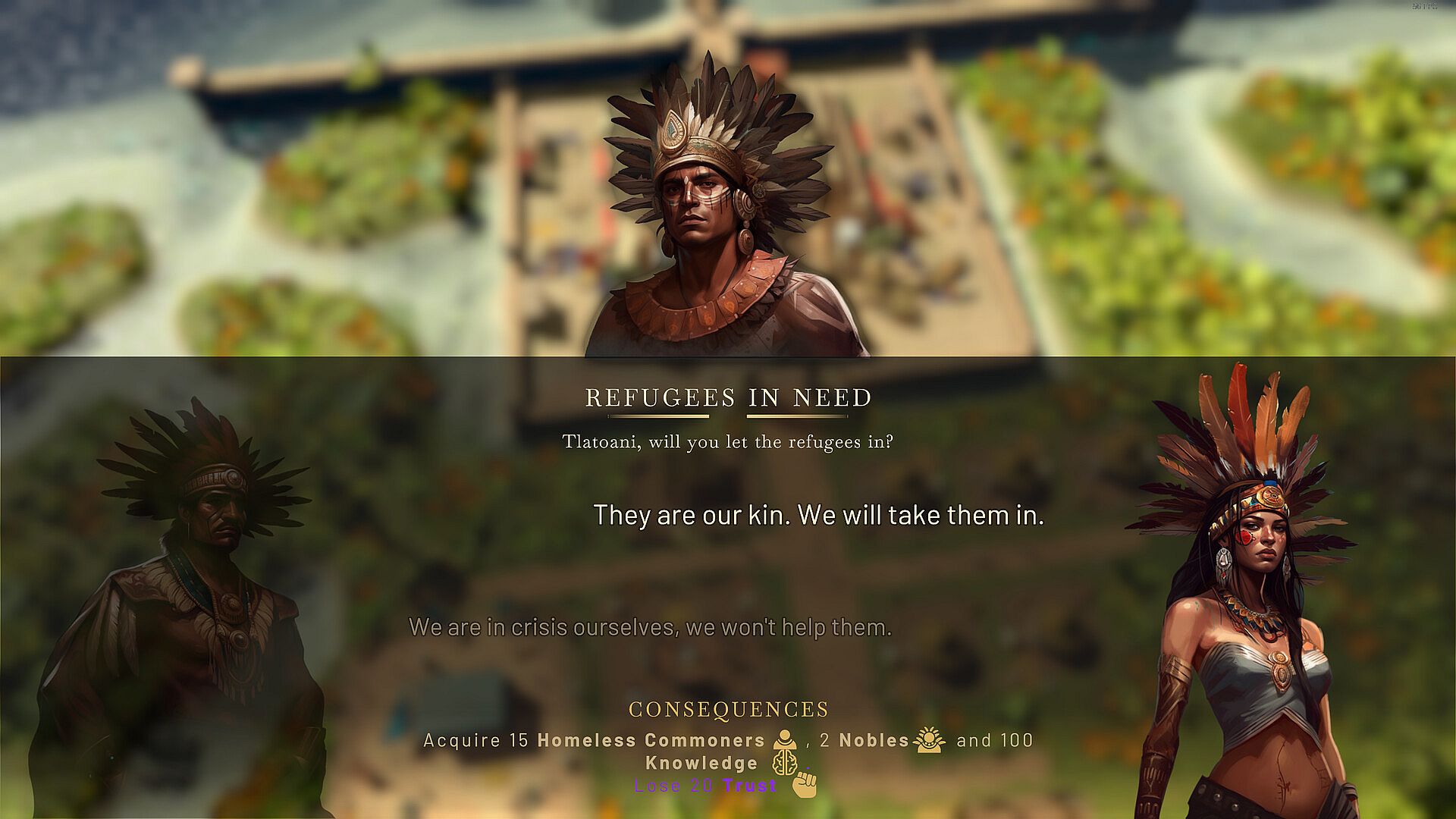
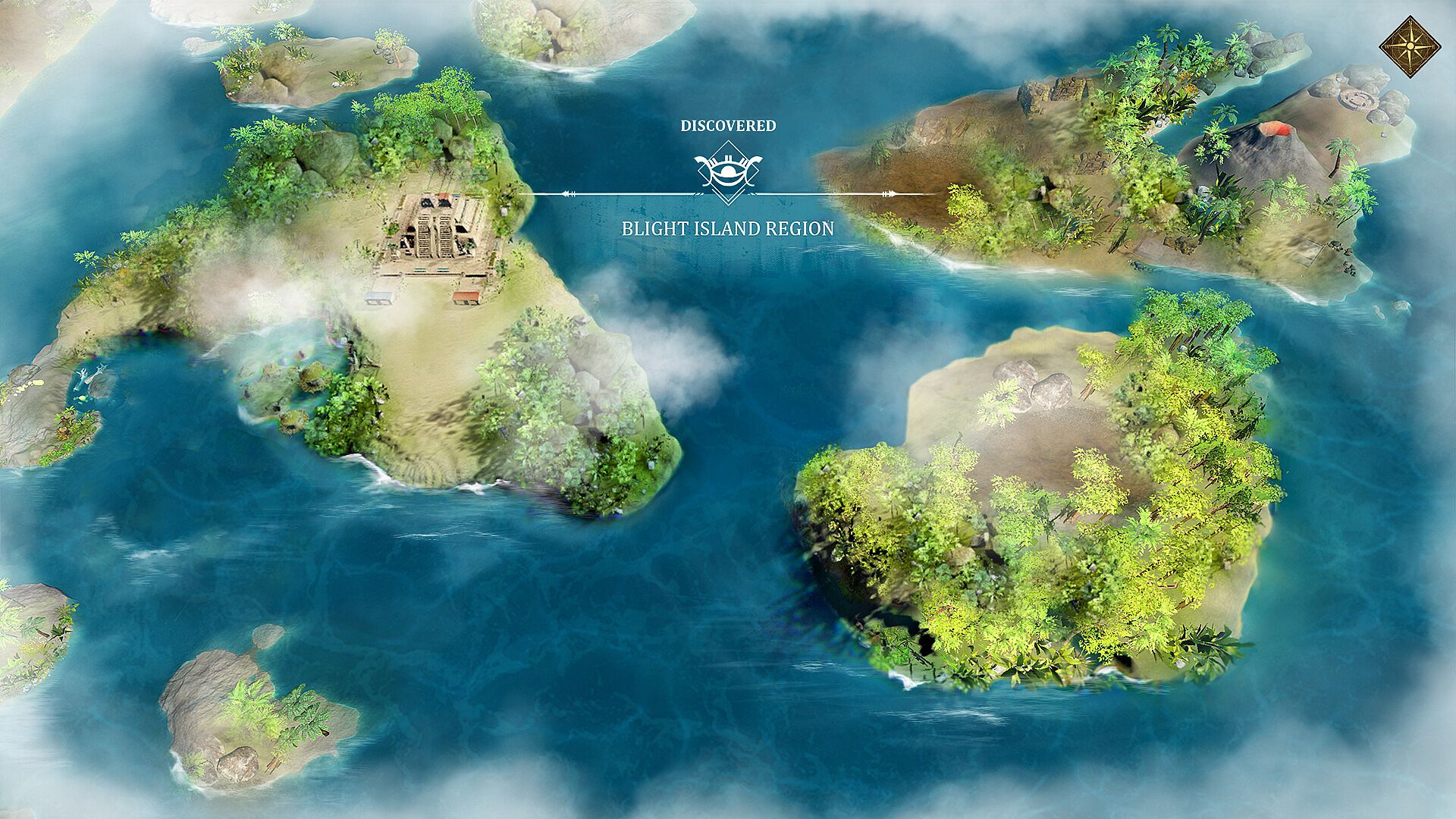
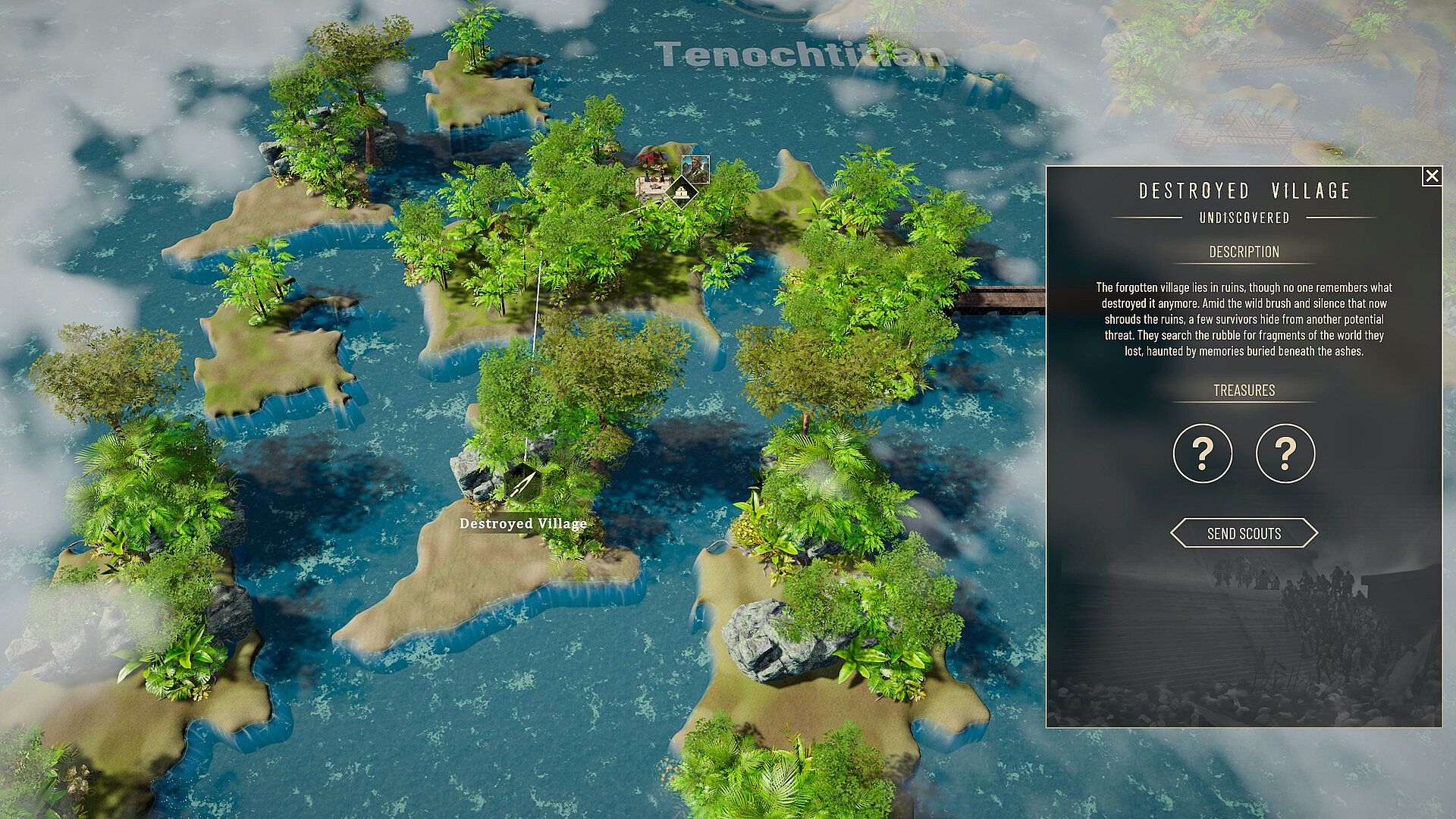
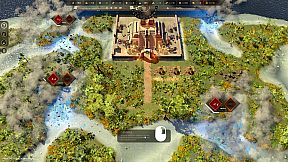
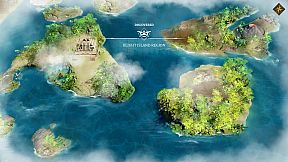
Strategic expansion occurs through expeditions across a map outside the main valley. These journeys secure additional resources, open trade routes, and recruit citizens from distant settlements or port areas. Military elements appear in the form of defenses against the Moon Goddess and her generals, tying construction choices directly to combat readiness.
Game Modes
Campaign mode delivers the complete narrative across four difficulty settings. Relaxed lowers pressure for story focus, Story balances challenge with plot progression, Adventure increases threats, and Doom presents the most punishing survival conditions. Players advance the story by locating the ancient Sun Pillar, assembling its modules to weaken the Moon Goddess, and ultimately confronting her in a decisive battle for the city.
Sandbox mode removes the story framework while retaining survival pressures. Players build, defend, and endure the nights with access to resources that support ongoing development without narrative constraints. Creative mode strips away economy and threats entirely, granting unrestricted access to the full building roster once unlocked through progress in other modes. A dedicated photo mode supports capturing completed cities without gameplay interruptions.
Core Systems and Progression
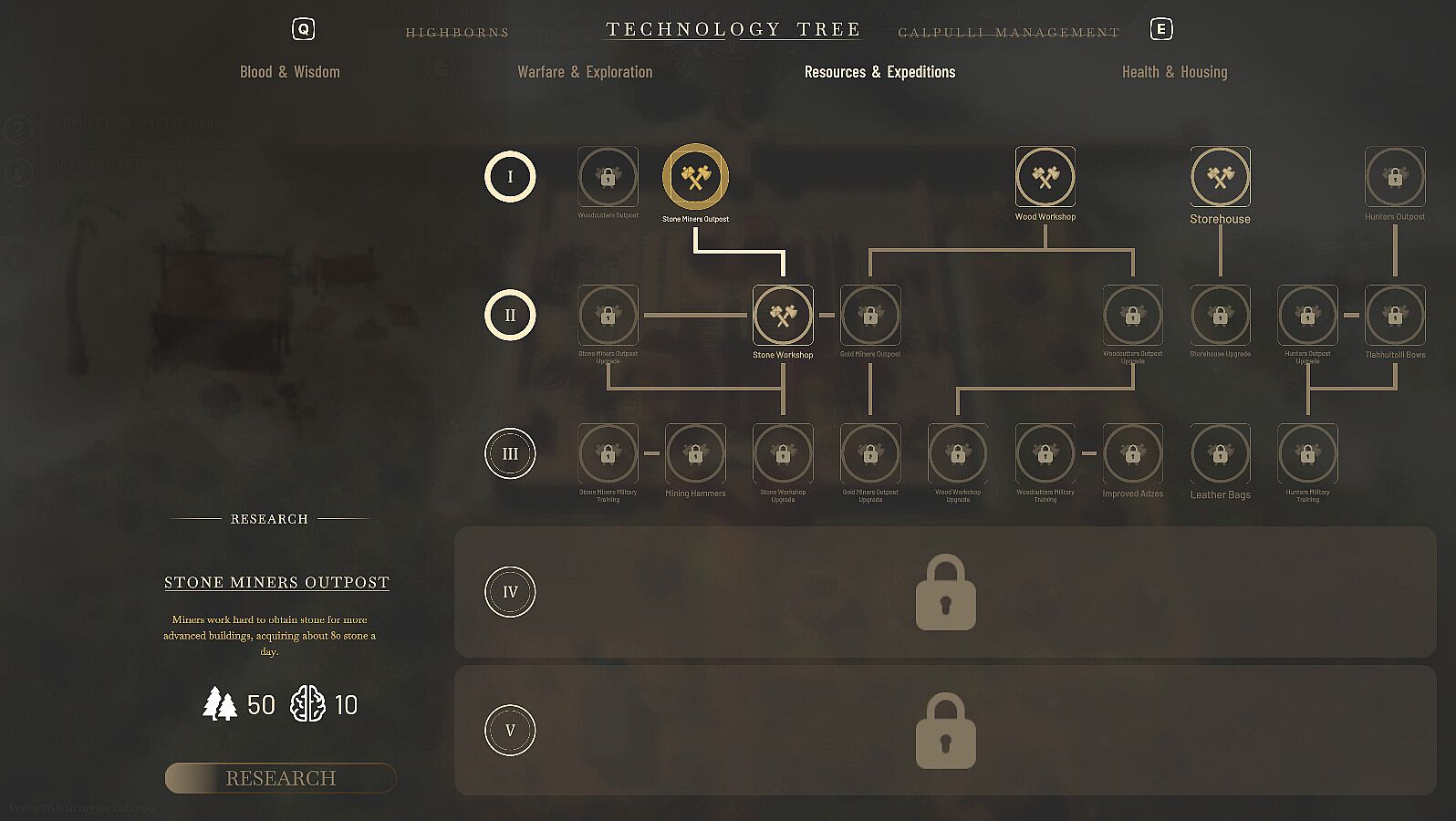
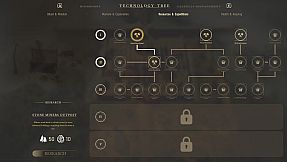
Building placement and upgrades form the foundation of long term growth. Each structure contributes to housing, production, or cultural needs, and upgrades unlock improved output or new functions. Land reclamation through canals and terraforming directly expands building space and improves logistics between districts.
God interactions create recurring decision points. Offerings must be prepared when requested, and successful rituals provide benefits that offset the costs of maintaining divine relationships. Failure risks penalties that compound existing survival challenges, forcing players to weigh short term gains against long term stability.
Expedition and trade systems extend influence beyond the immediate city. Resources gathered from outside areas support larger scale projects, while new citizens bolster the workforce. These mechanics encourage careful planning of routes and defenses to protect expanding operations.
Is It Worth Playing?
Aztecs: The Last Sun suits players who enjoy deliberate city building paired with survival and light narrative elements. The campaign provides a structured path through the story and escalating challenges, while sandbox and creative options accommodate different preferences for pressure levels. Those who appreciate managing interconnected systems of construction, resources, and divine favor will find consistent depth across sessions.
The game remains actively supported following its full release, with the verified modes and mechanics available on PC. Players seeking a focused single player experience without multiplayer components or frequent seasonal changes will find the current version aligns with the described features. Those drawn to historical city builders with survival tension and god management systems are the primary audience for this title.