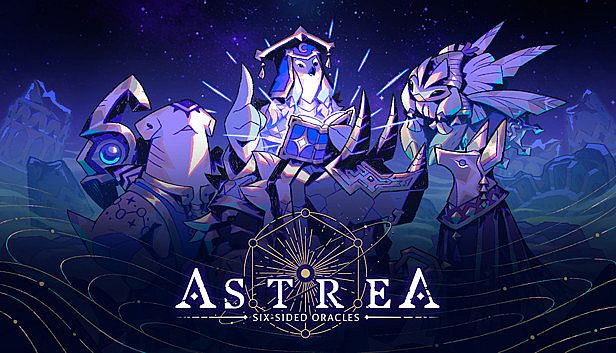



































Astrea: Six-Sided Oracles stands as a strategy indie game that replaces traditional cards with dice in a roguelike deck-building format. Players control one of six oracles to navigate corrupted star systems, building and customizing dice pools to purify threats while managing a dual damage system of purification and corruption. The experience remains single-player throughout, emphasizing careful planning over multiple runs on PC.
Gameplay
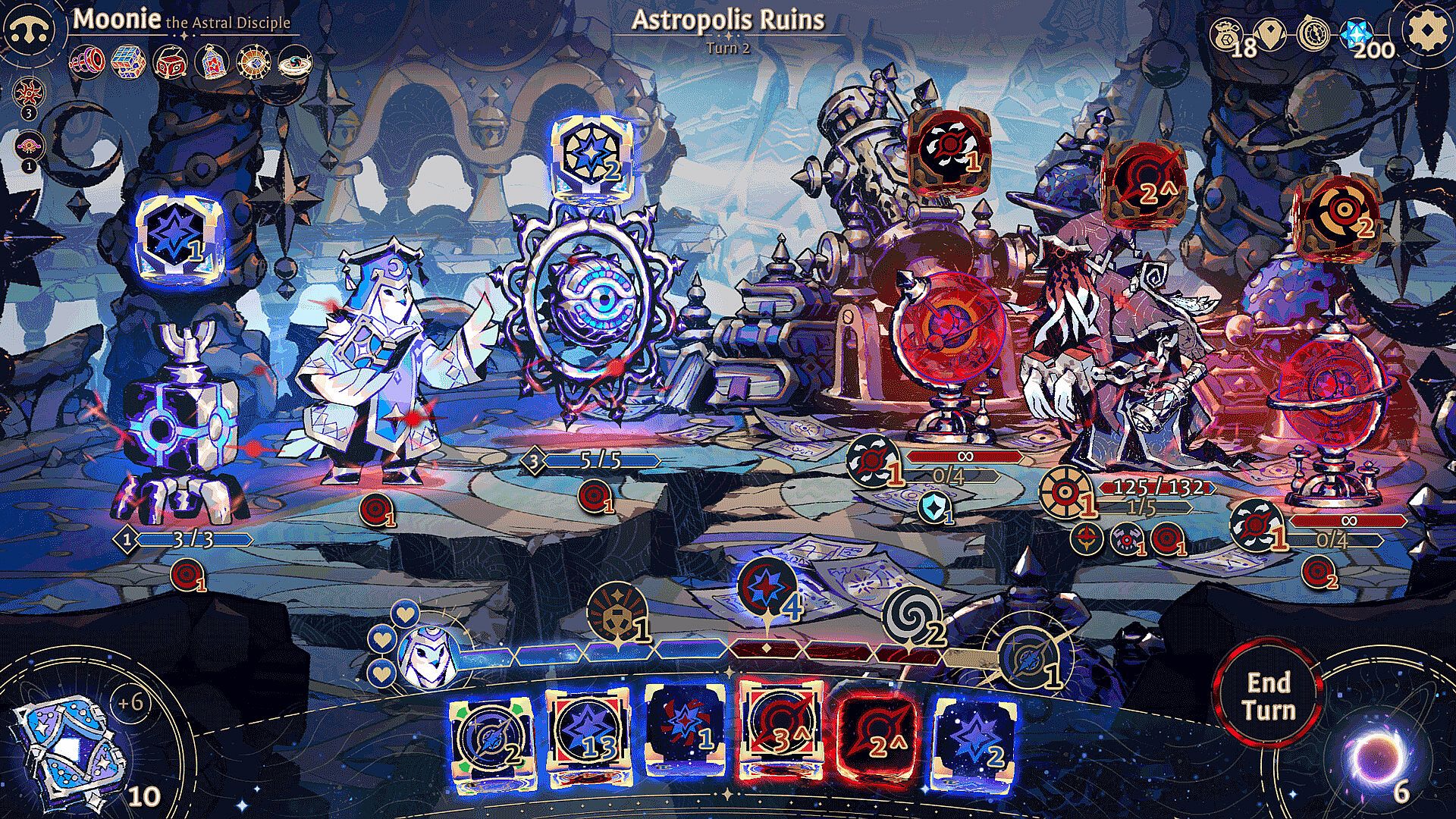
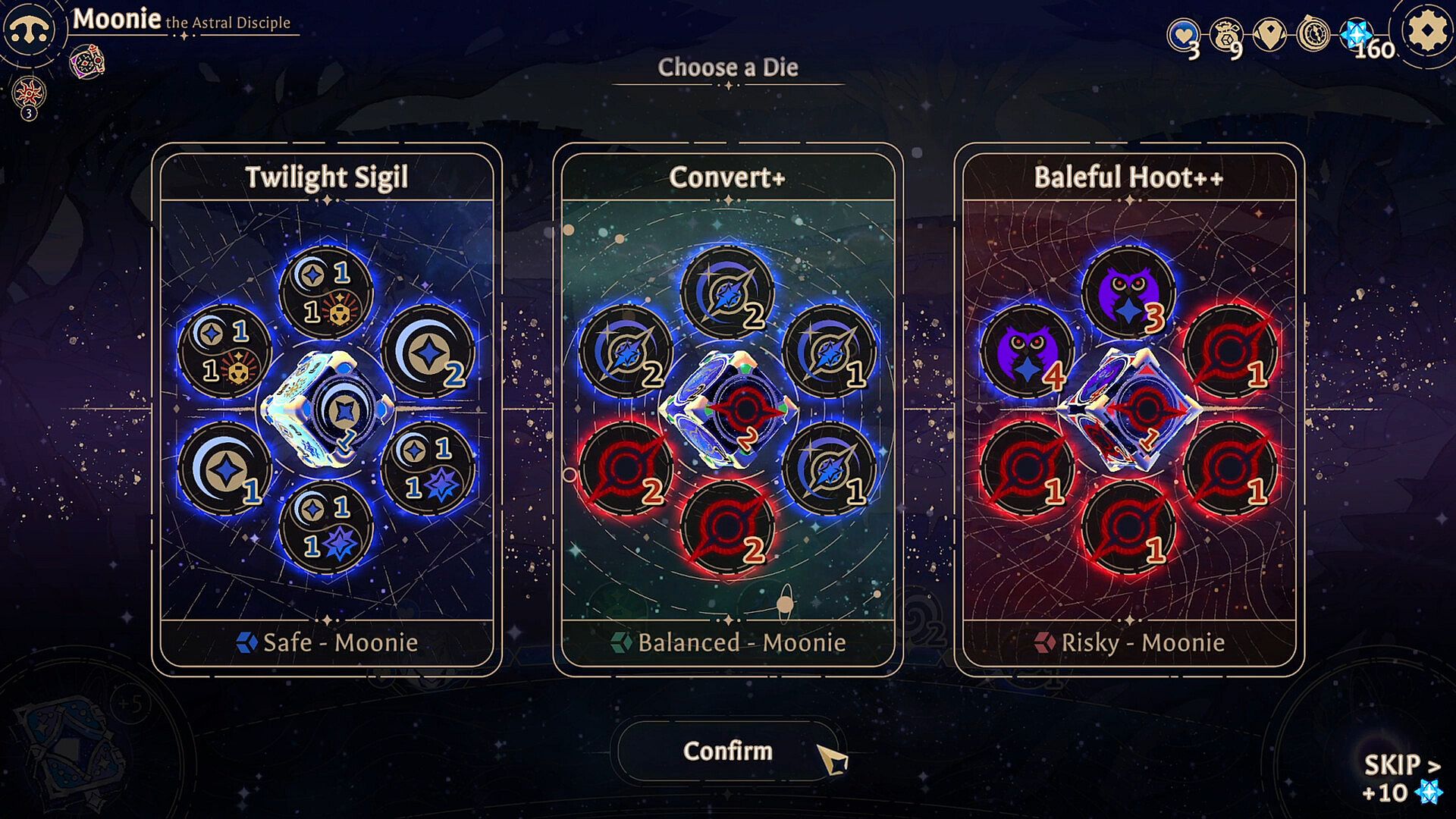
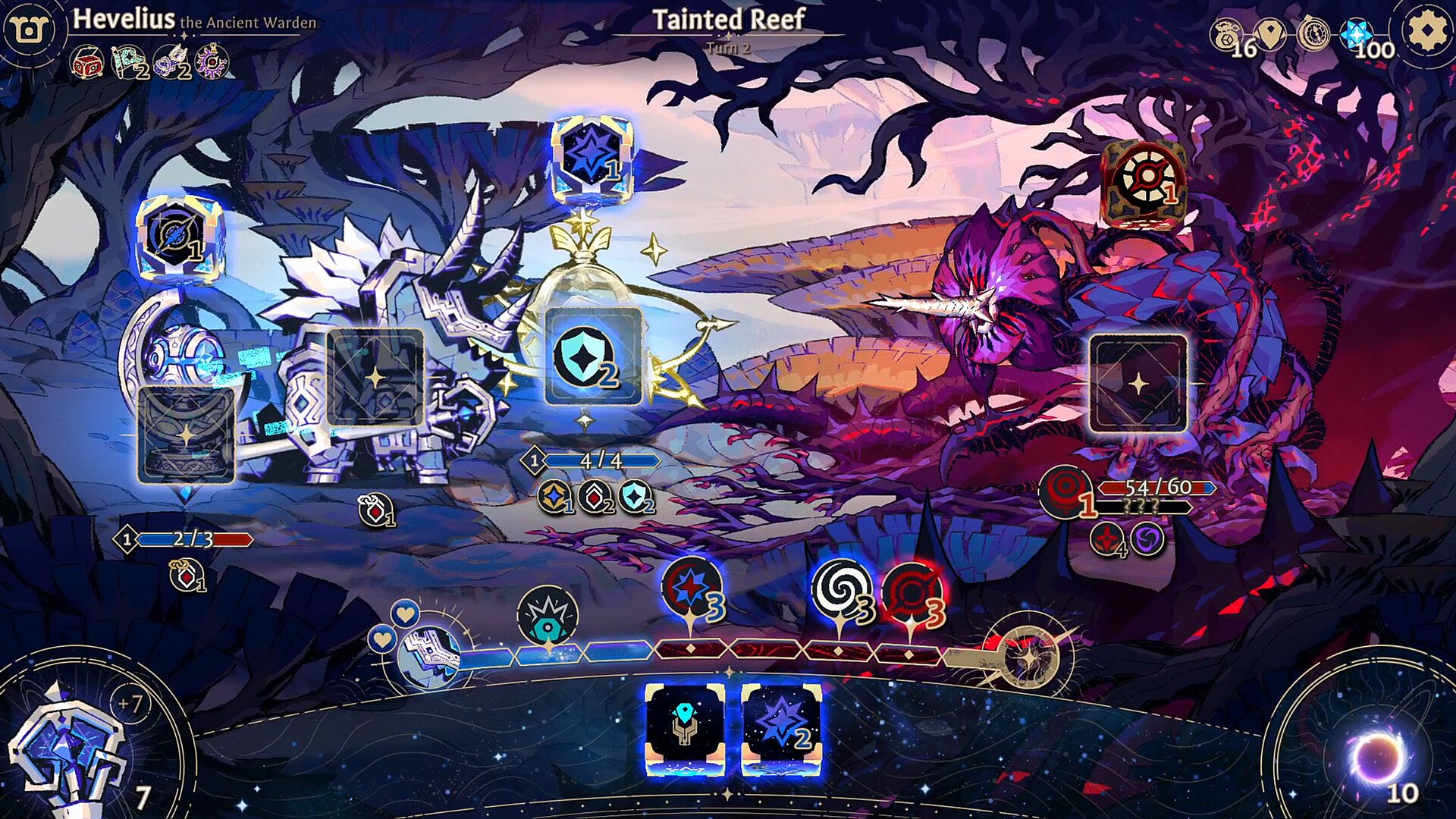
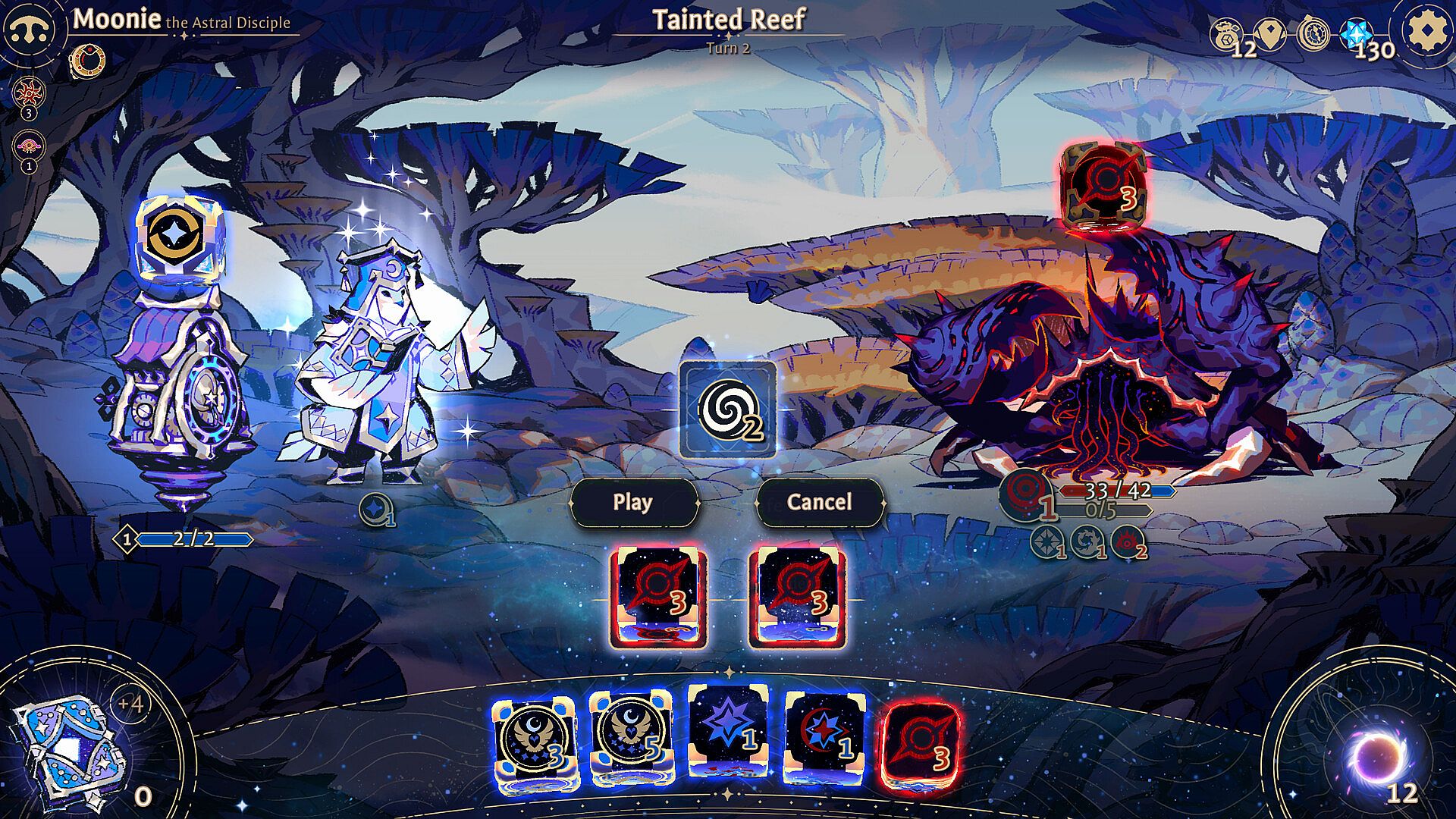
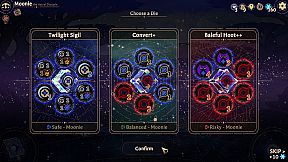
Combat revolves around rolling dice from a growing pool rather than drawing cards. Each die falls into one of three categories: safe options that deliver consistent minor effects, balanced dice that mix reliable results with occasional risks, and risky dice that offer high rewards at the chance of negative outcomes. Players select from more than 350 dice across these types to match their preferred approach.
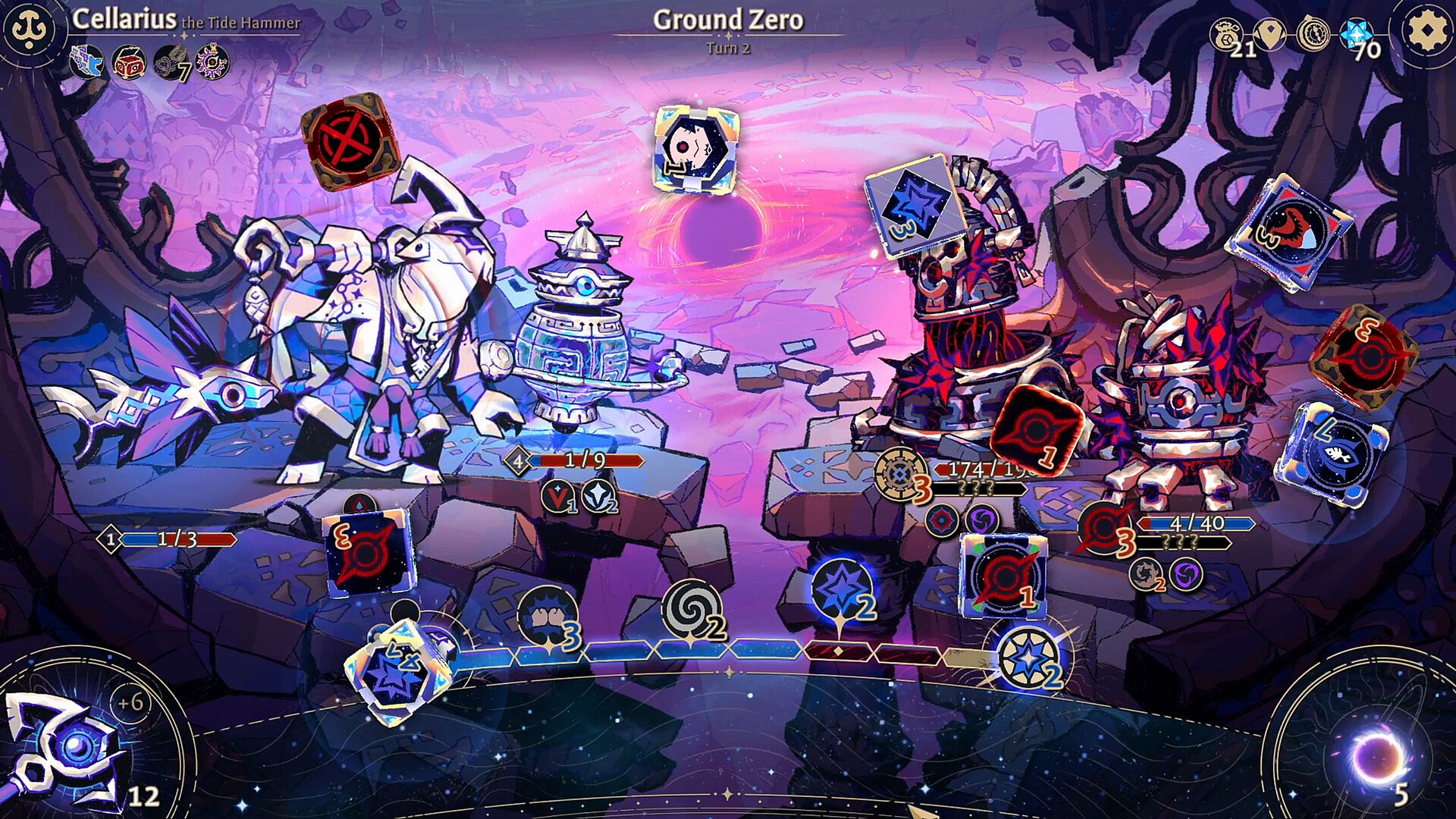
The dual damage system adds layers to every decision. Purification damages enemies or restores the player's health, while corruption can harm the player or heal foes. Taking corruption activates skills tied to the health bar and unlocks virtues, which serve as reusable special moves once a corruption threshold is met. Overextending on corruption risks total consumption, forcing players to balance aggression with survival.
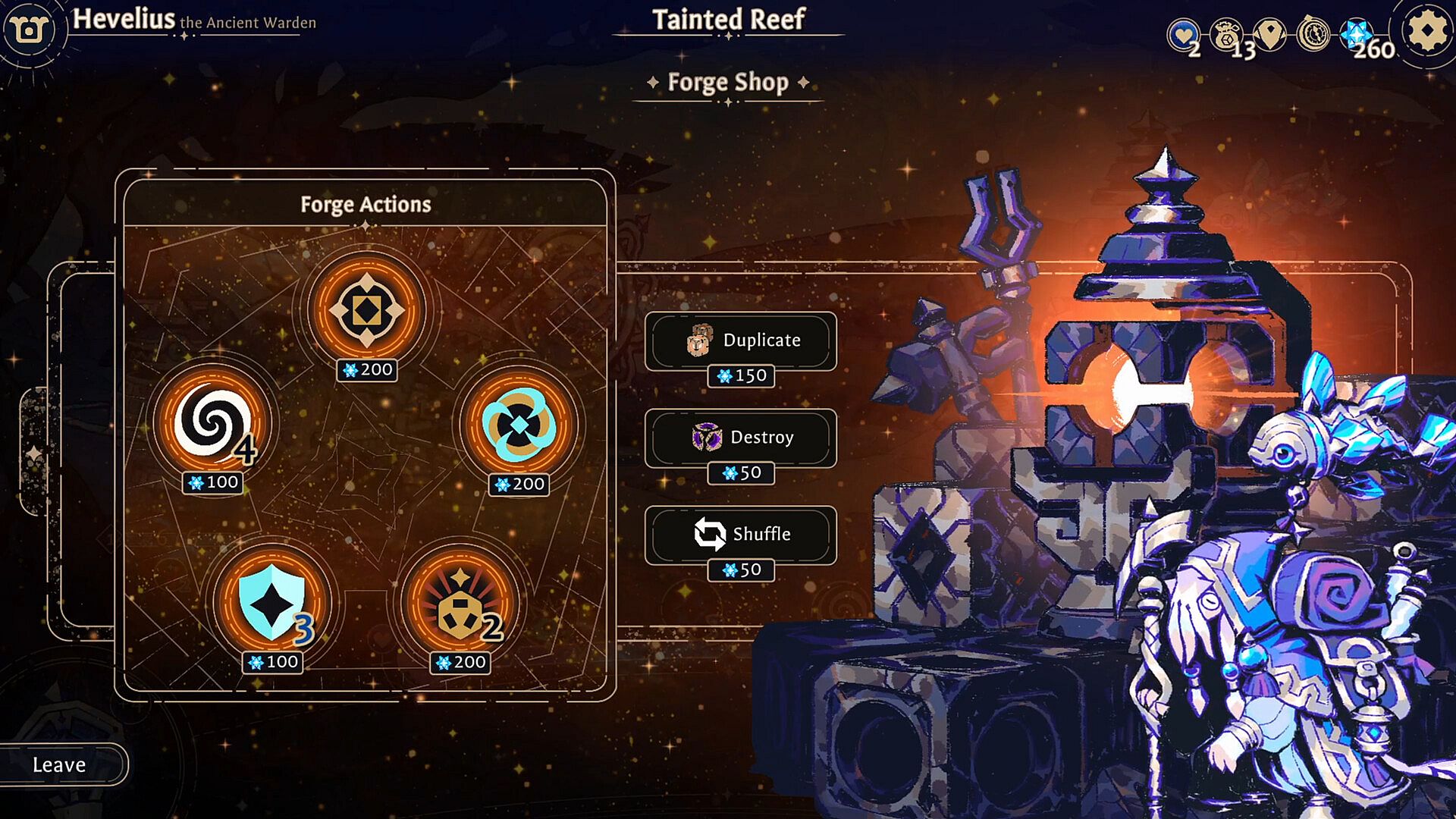
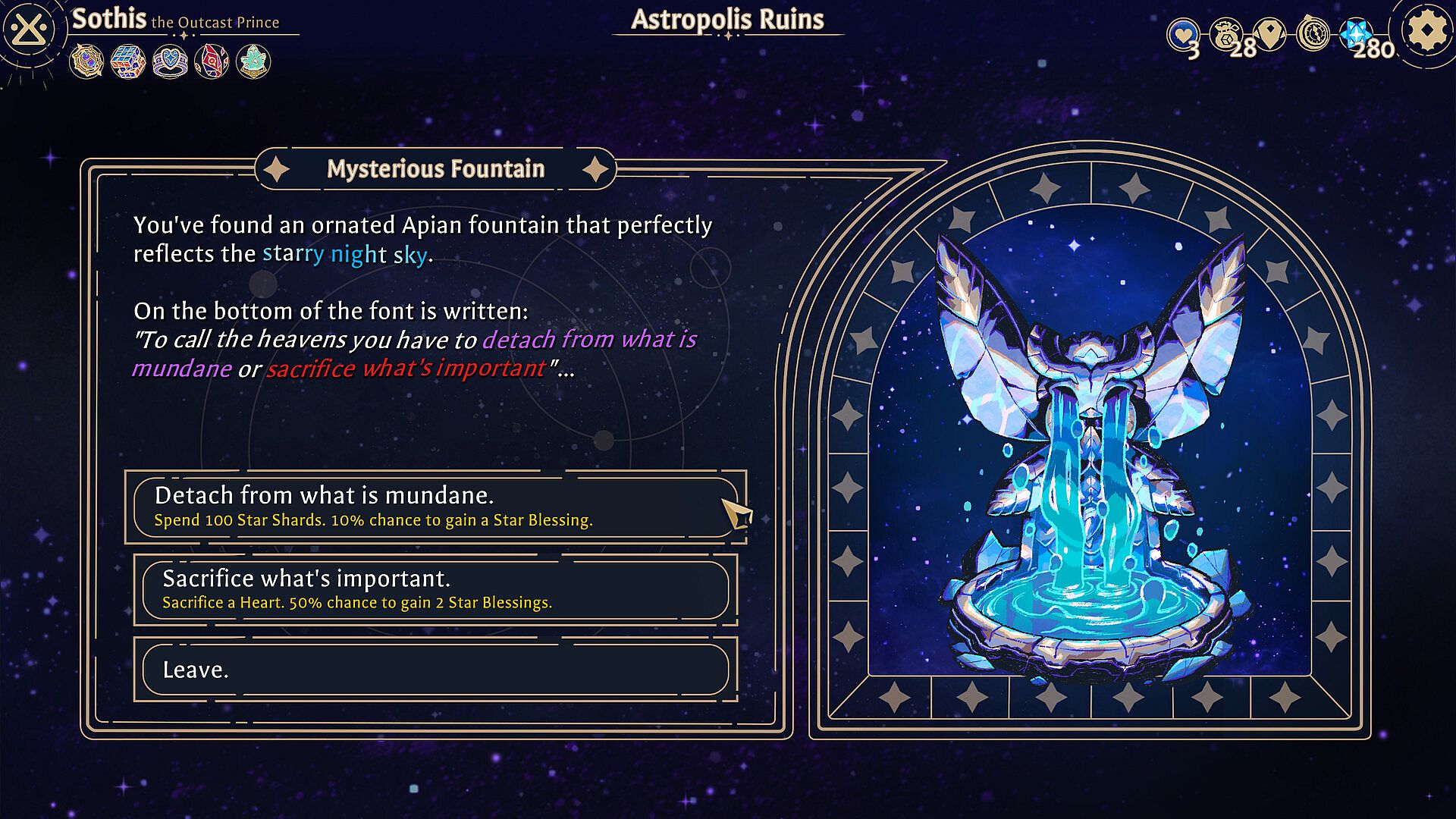
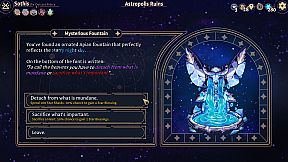
Customization extends beyond selection. Dice faces can be forged with new actions to shift probabilities toward desired results. Support comes from up to 20 upgradeable sentinels that provide additional rolls during battles. Over 170 blessings further alter play, split between lower-power star blessings and stronger black hole blessings that carry drawbacks. Random events at more than 20 locations can alter a run's direction, and enemies roll their own dice, allowing manipulation of their actions to disrupt plans.
Game Modes
The core experience follows a roguelike structure of successive runs across branching maps. Each attempt builds a fresh dice pool and set of blessings while progressing toward purification goals. Sixteen difficulty levels let players adjust challenge, scaling enemy strength and altering risk-reward balance to suit different skill levels or experimentation.
Runs emphasize adaptation rather than repetition. Branching paths lead to varied encounters, events, and rewards, with each oracle bringing distinct dice sets and abilities that reshape viable strategies. The system supports repeated playthroughs through procedural elements and the wide range of customization options available in every attempt.
Oracles and Progression
Six oracles provide the main variety in approach. Each features unique dice, abilities, and playstyles ranging from spellcasting to direct confrontation. Progress unlocks further options, including sentinel upgrades and blessing selections that modify fundamental tactics across runs.
Long-term advancement comes from mastering the interplay between dice rolls, corruption management, and enemy manipulation. The single-player focus keeps attention on individual decision-making without external competition or co-op elements.
Is It Worth Playing?
Player reception has been strongly positive, with praise centered on the polished presentation, tense decision-making, and fresh take on deck-building conventions. The game launched in September 2023 and has received balance updates since, including refinements to core actions. It suits those who enjoy roguelike runs, strategic resource management, and experimenting with risk-reward systems in a single-player setting.
Those seeking a departure from card-based deckbuilders will find the dice mechanics and corruption system create distinct gameplay loops. The combination of six distinct oracles, extensive customization, and adjustable difficulty supports varied playstyles without requiring prior experience in the genre. Availability remains straightforward on PC with no additional modes or requirements beyond the base experience.