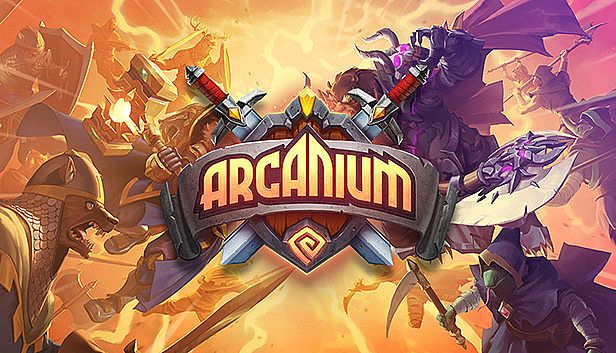














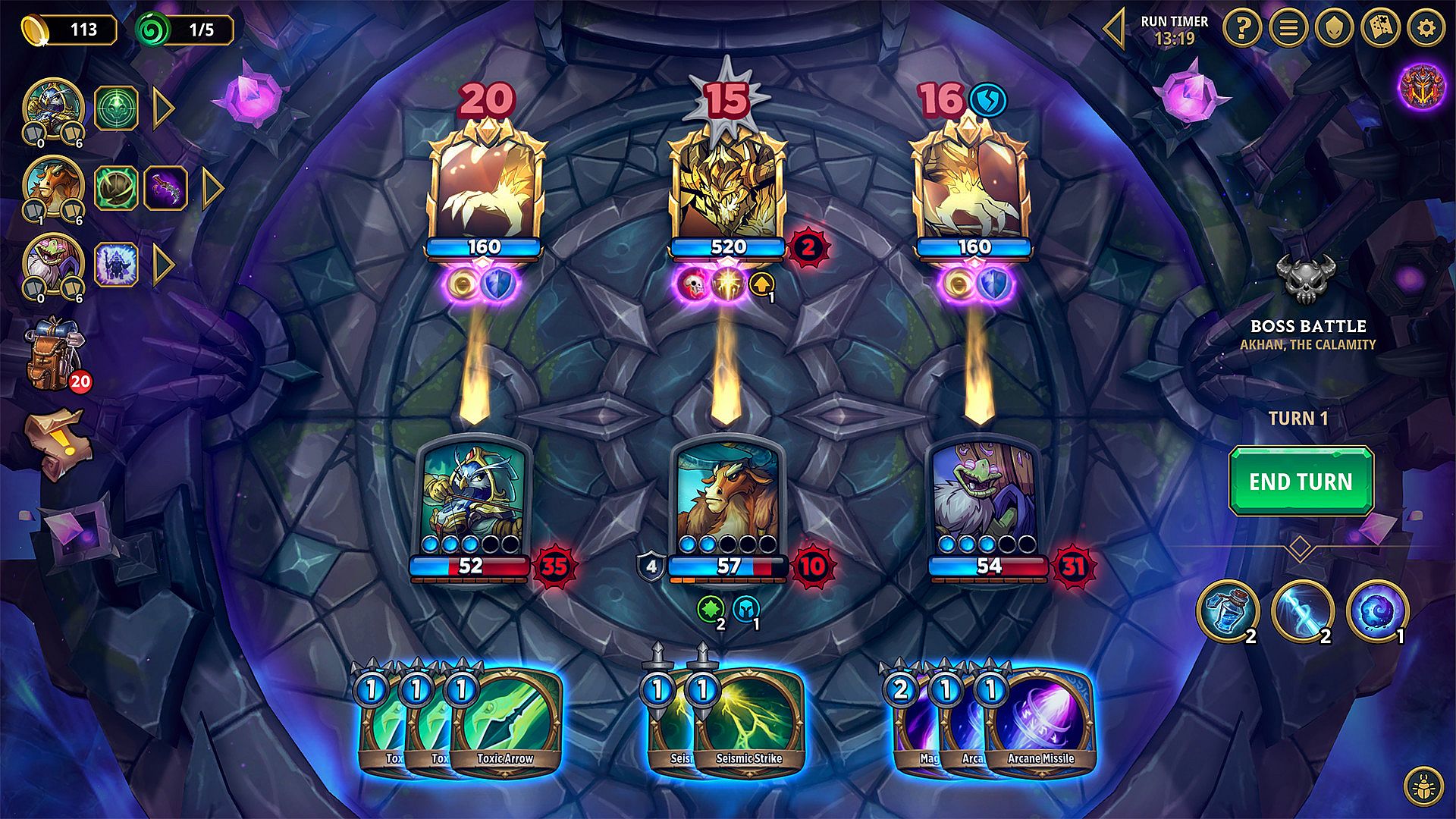
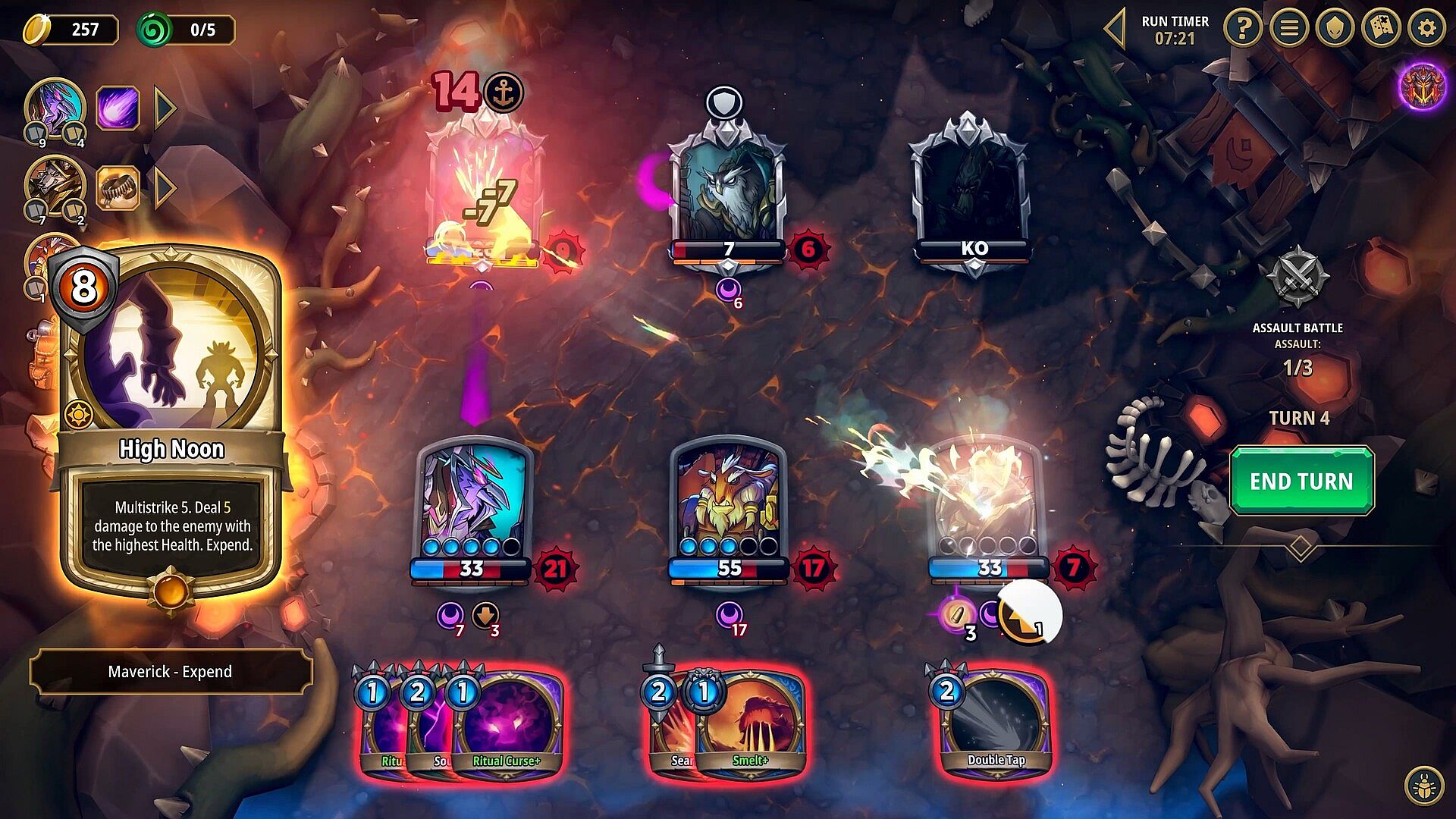
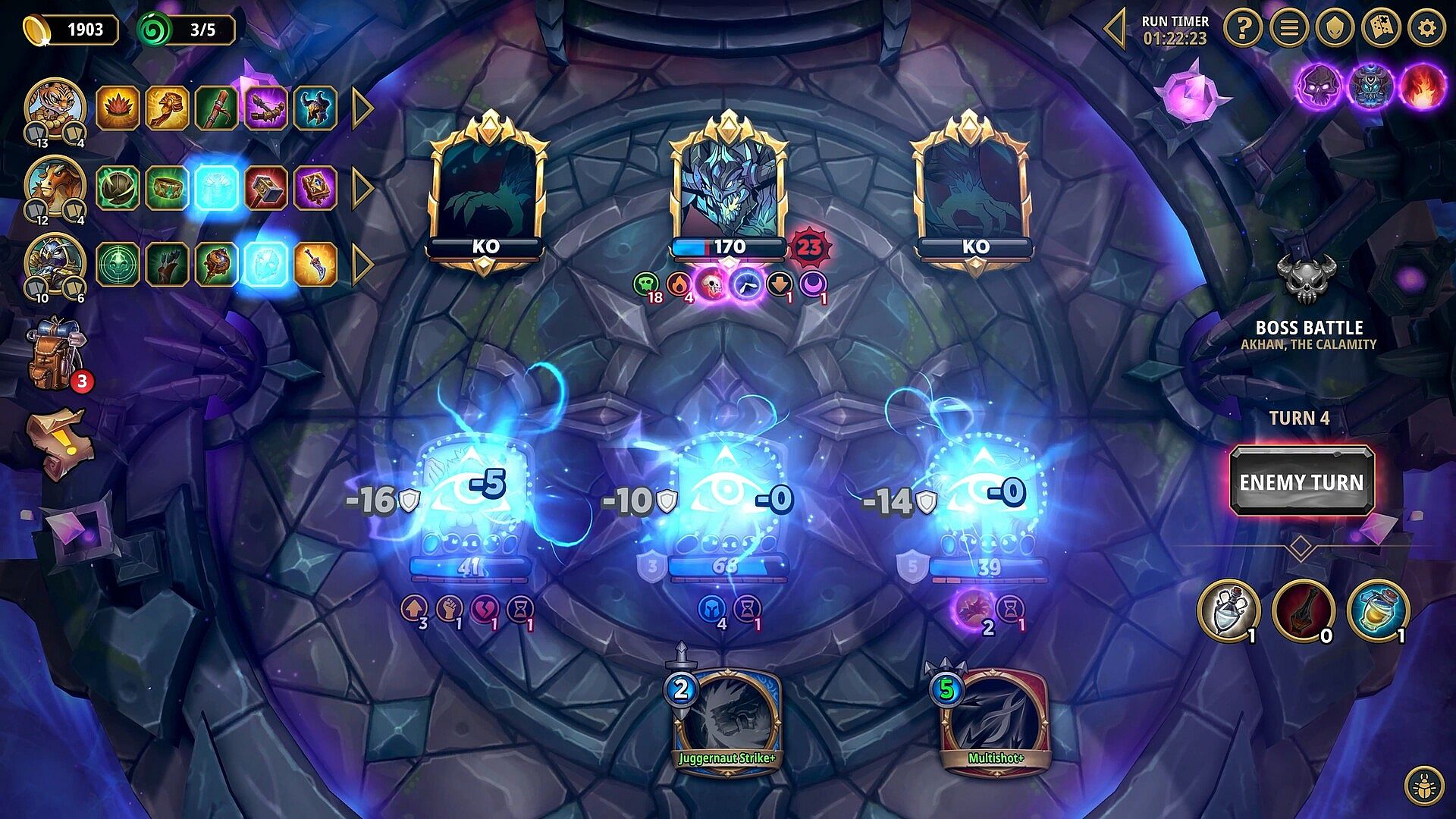
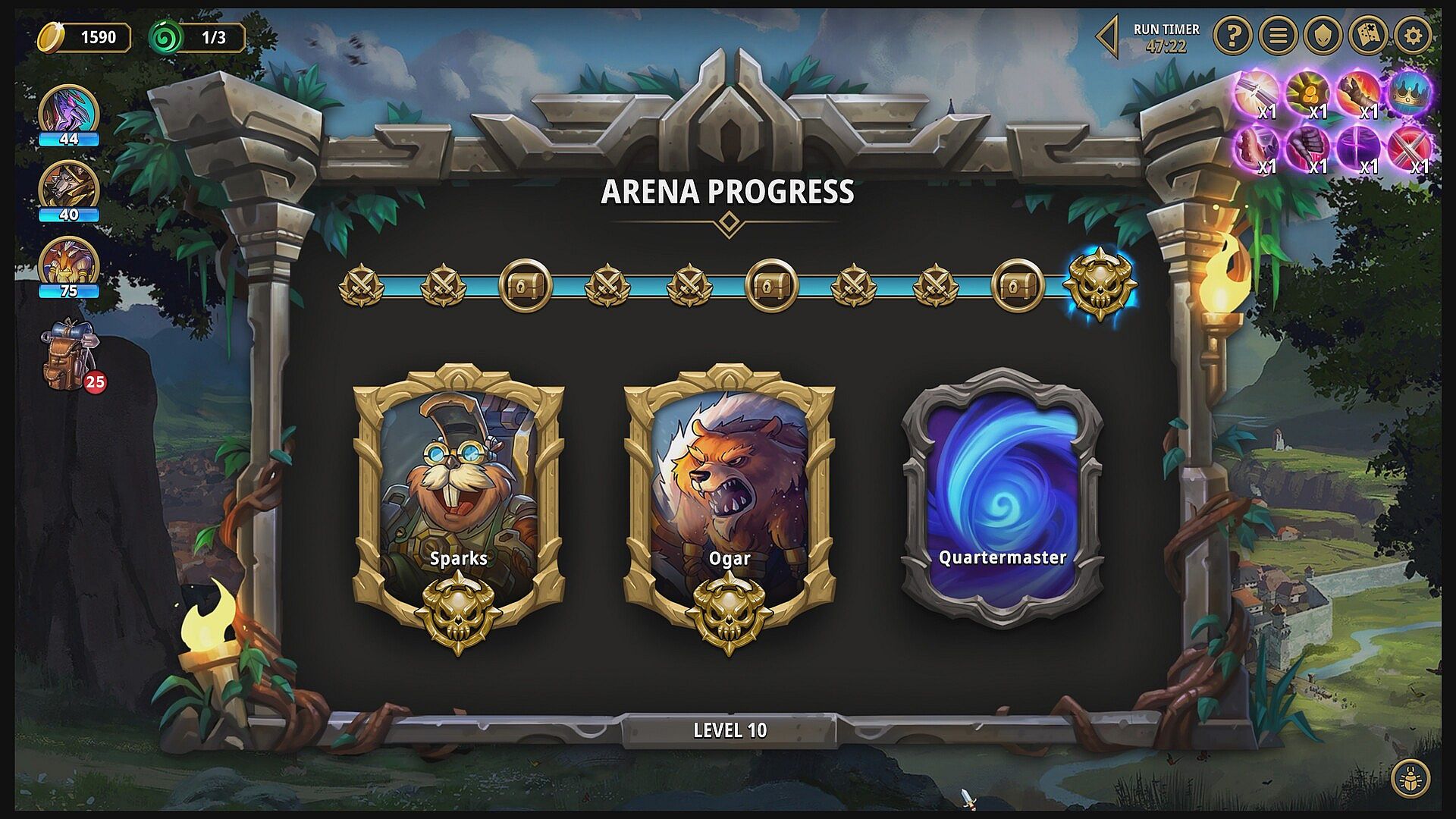
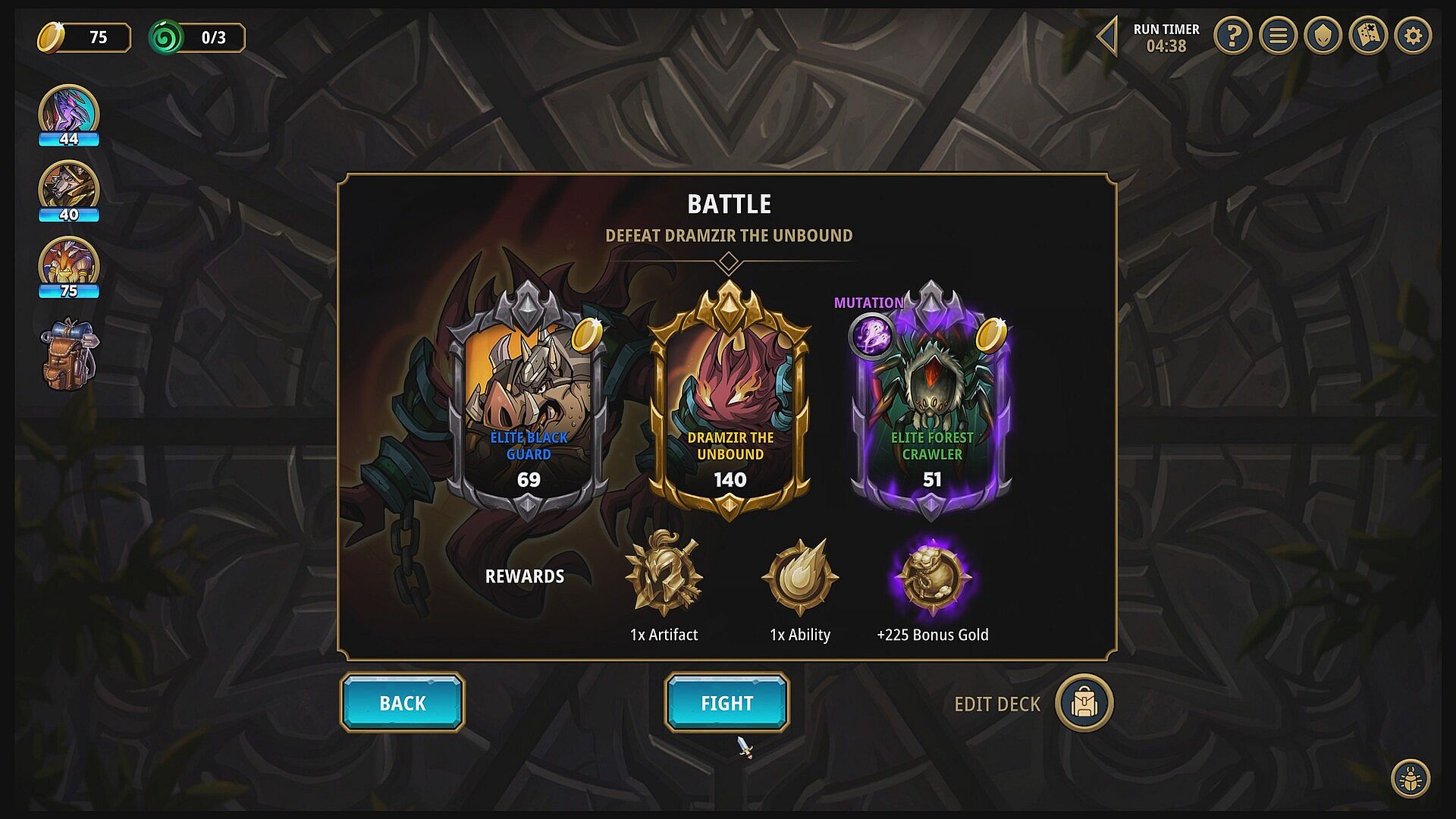
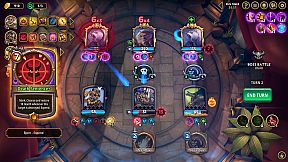
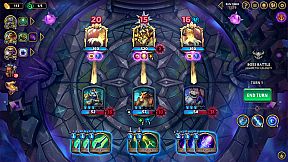
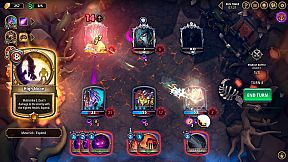
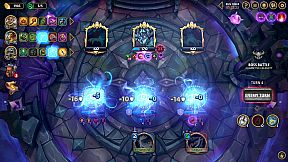
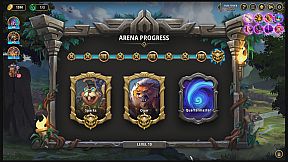
Arcanium: Rise of Akhan stands as a single-player strategy RPG that fuses roguelite progression with deckbuilding systems on PC. Players assemble a party of three heroes to traverse a dangerous world and confront Akhan the Calamity. The core loop revolves around exploration, combat planning, and long-term run decisions that shape each attempt to save Arzu from destruction.
Gameplay
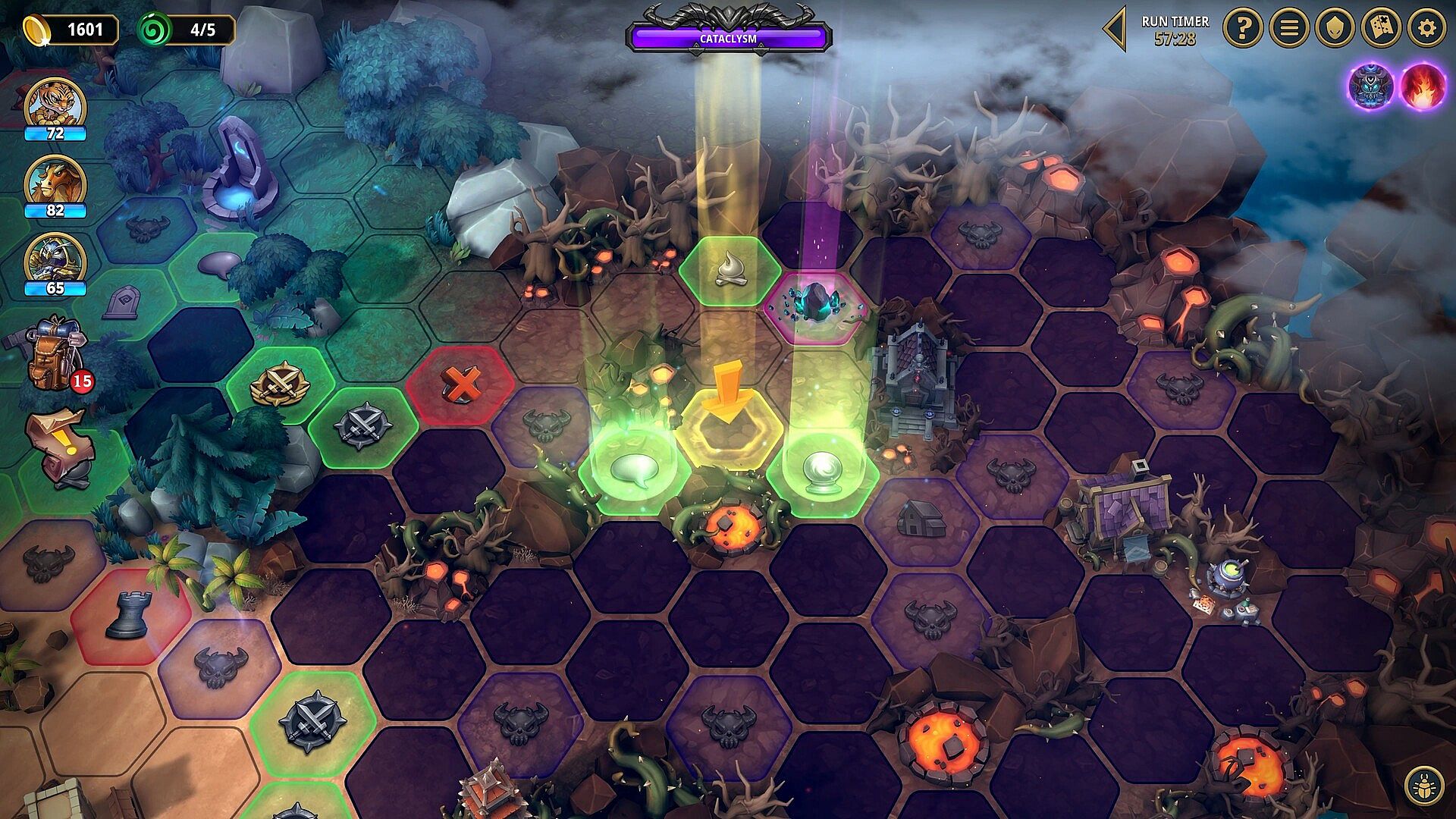
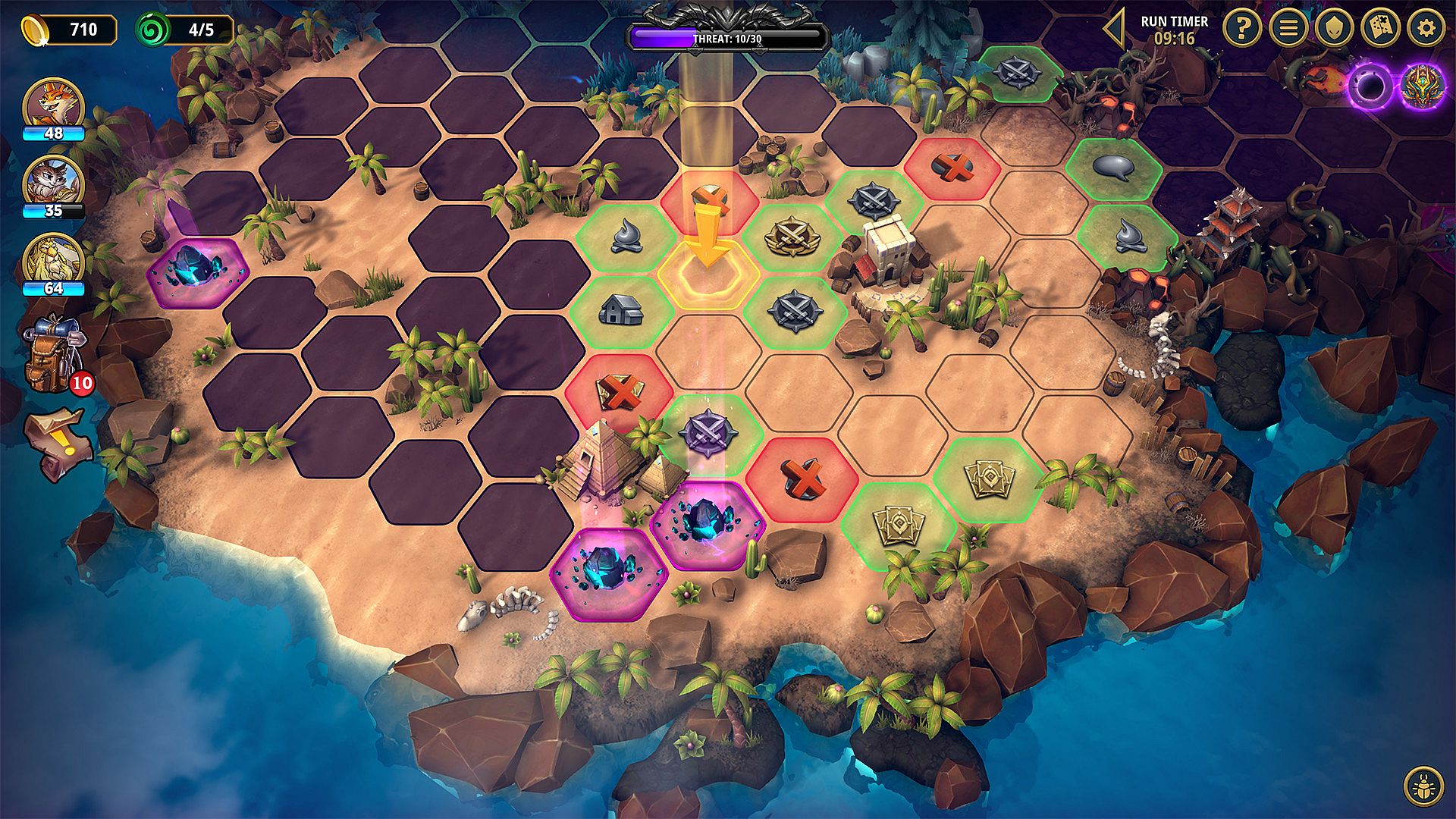
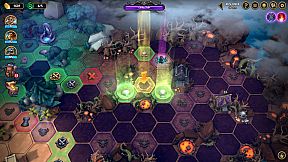
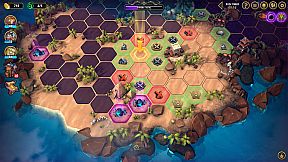
The game places players in a vast, fully procedural 3D open world where movement occurs across provinces. A threat meter tracks time spent in any area, raising enemy strength the longer a party lingers. This system encourages deliberate pathing and resource management rather than endless grinding in one location.
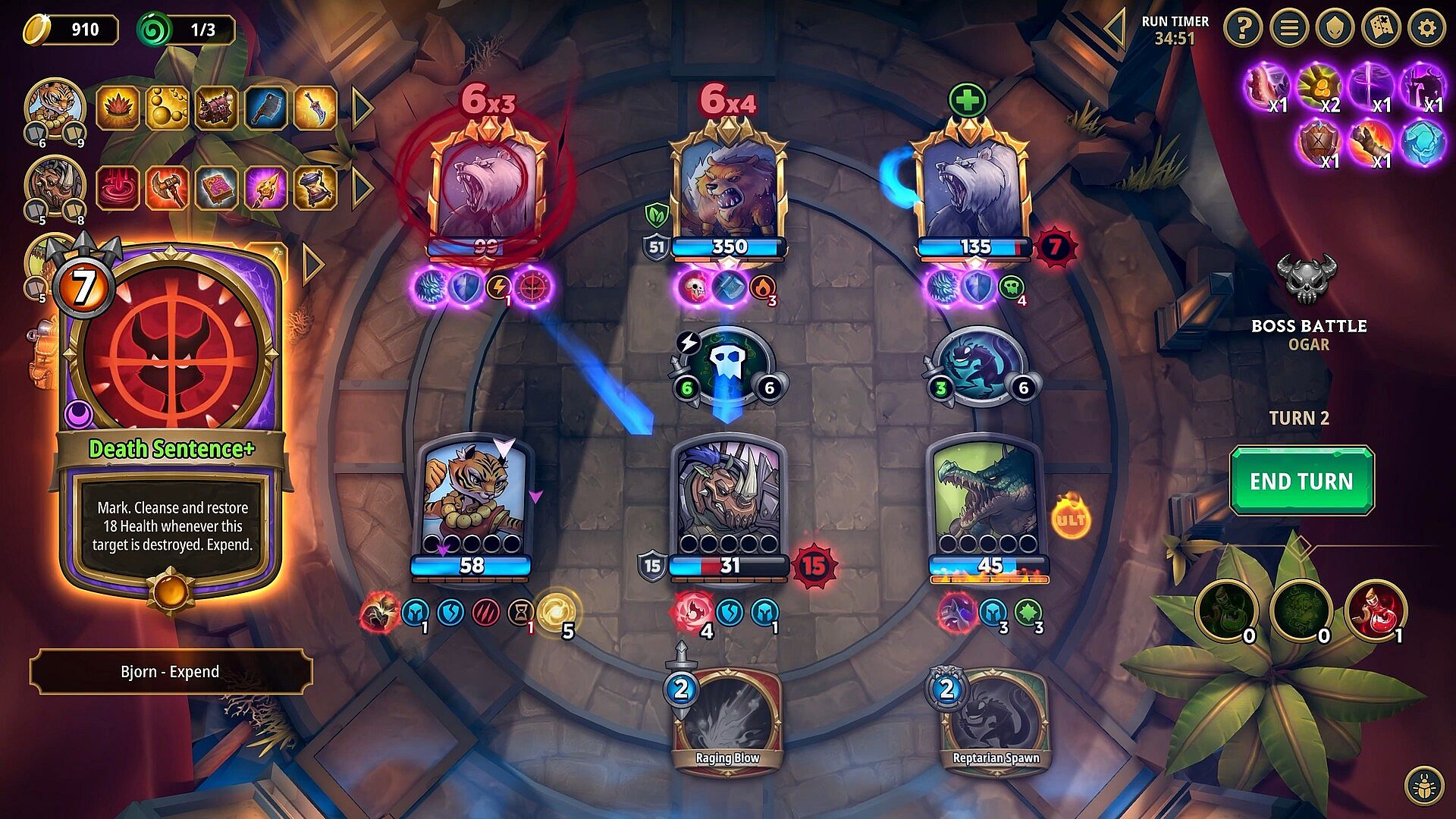
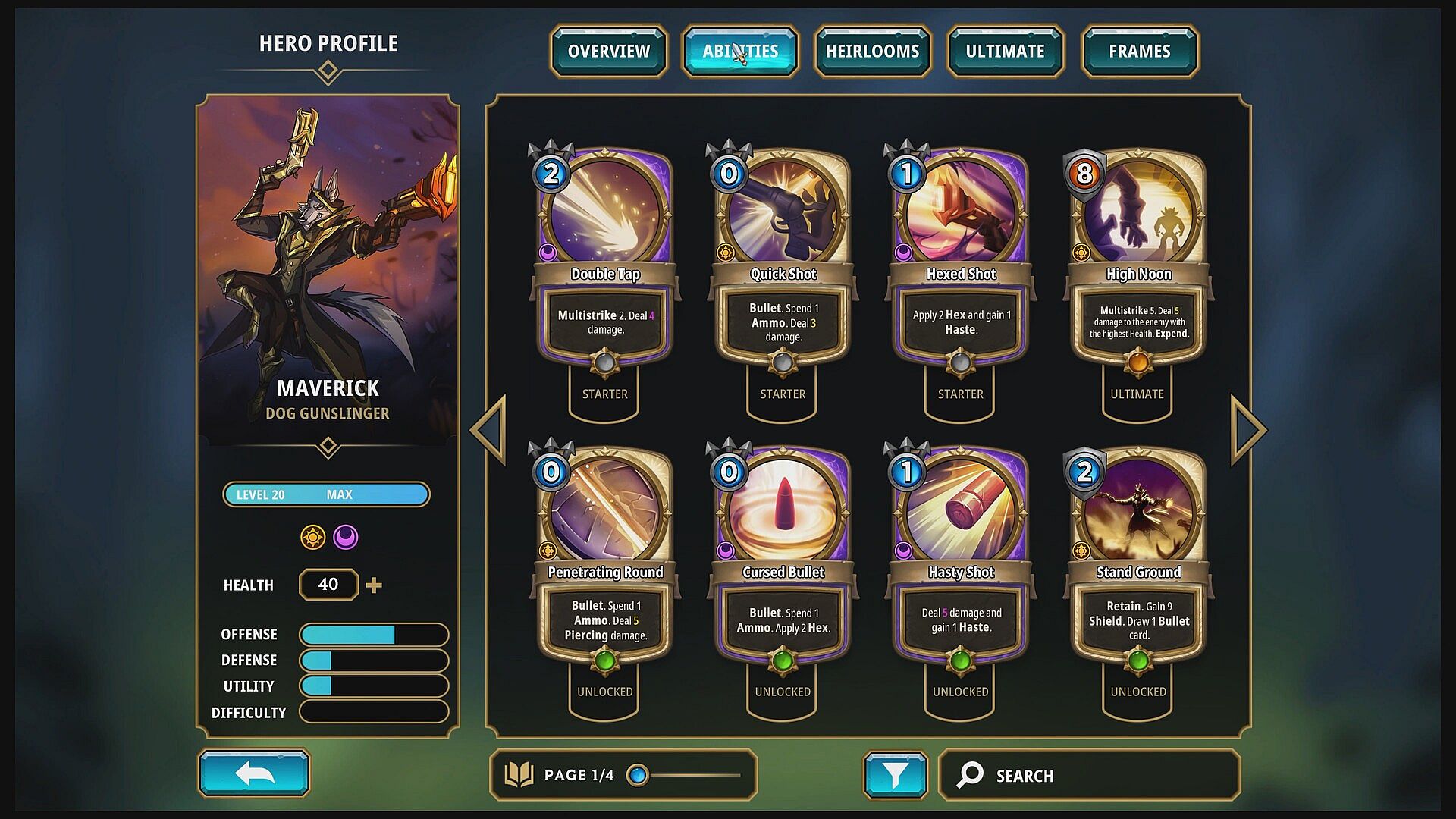
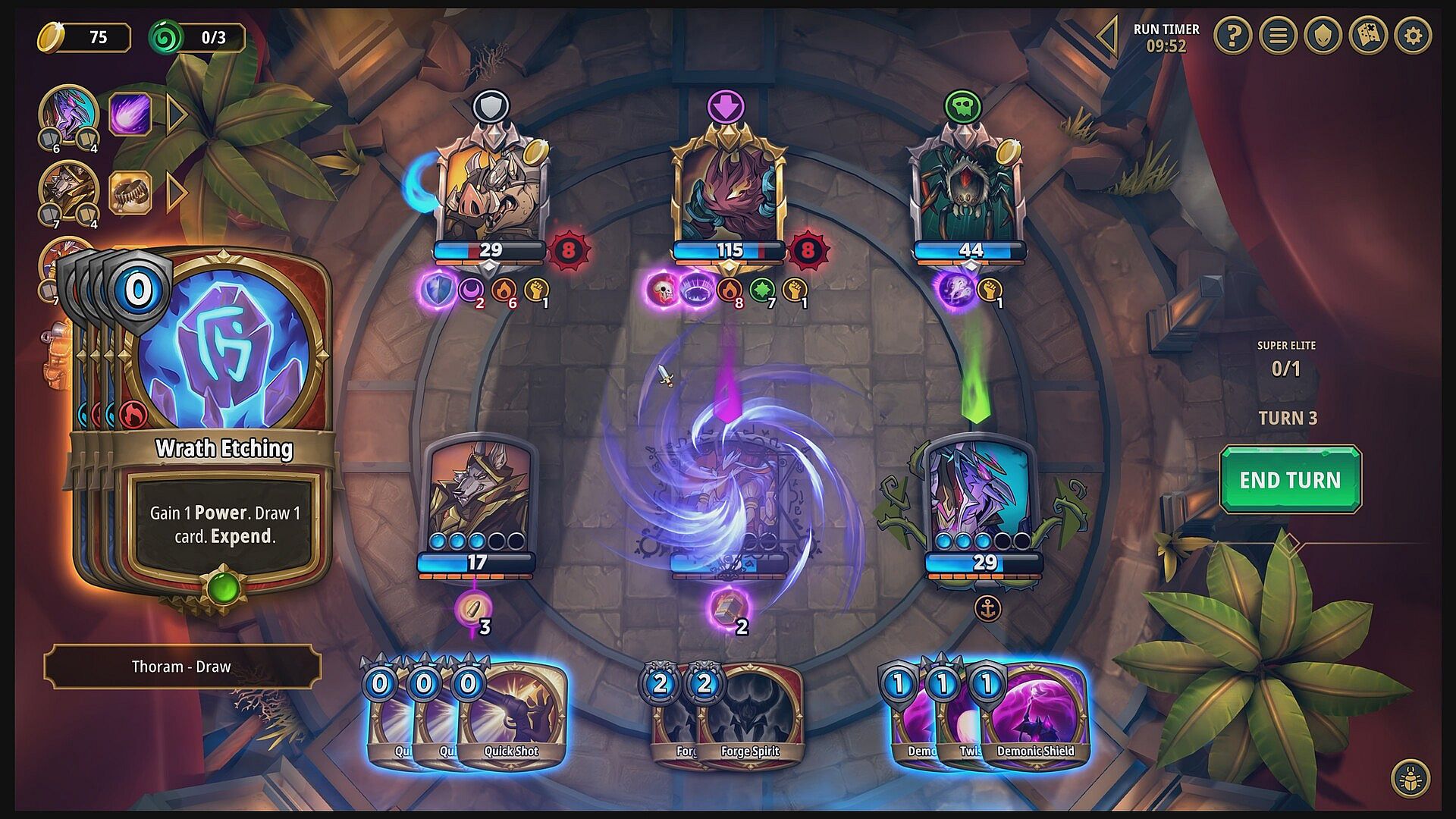
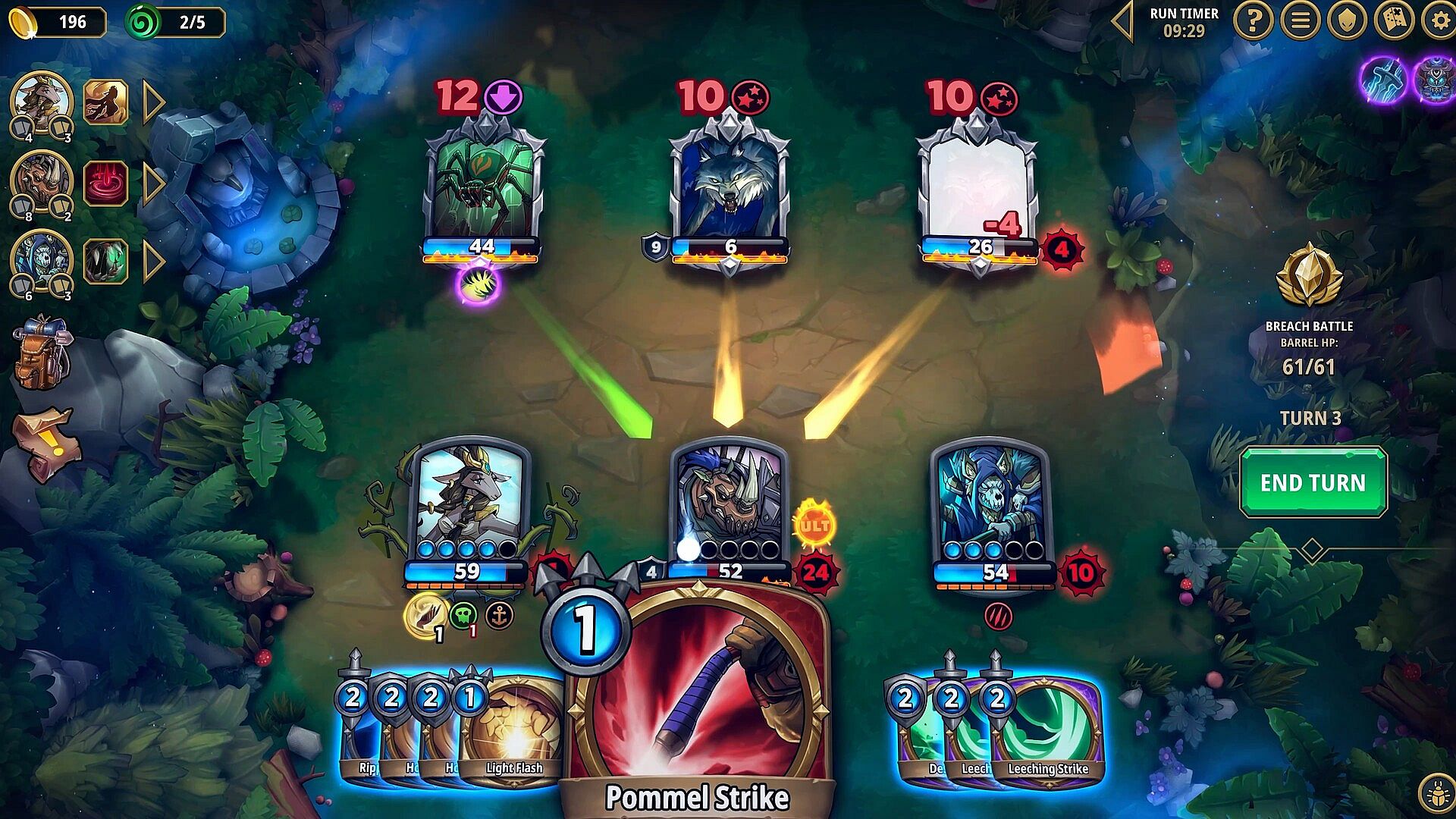
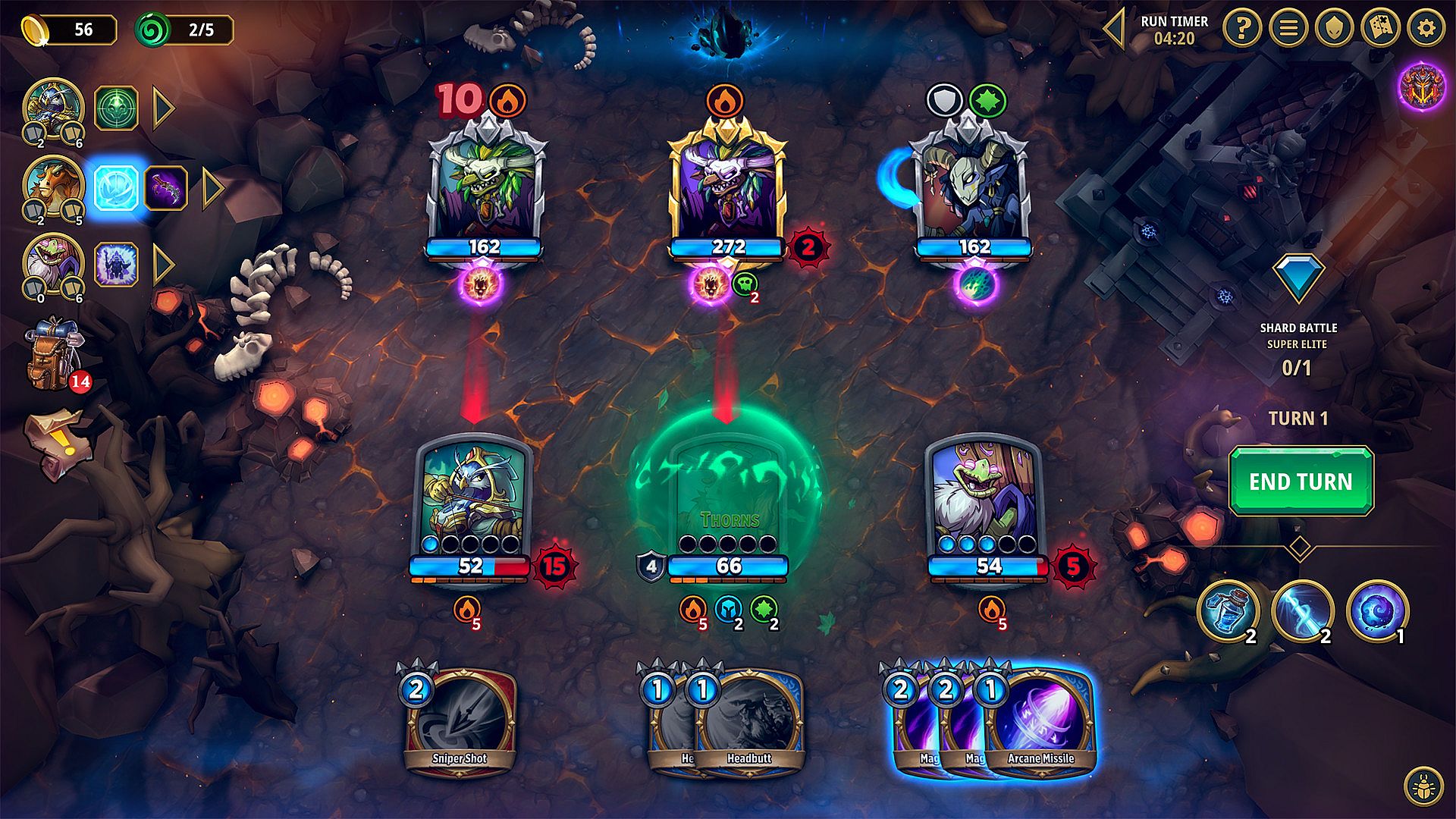
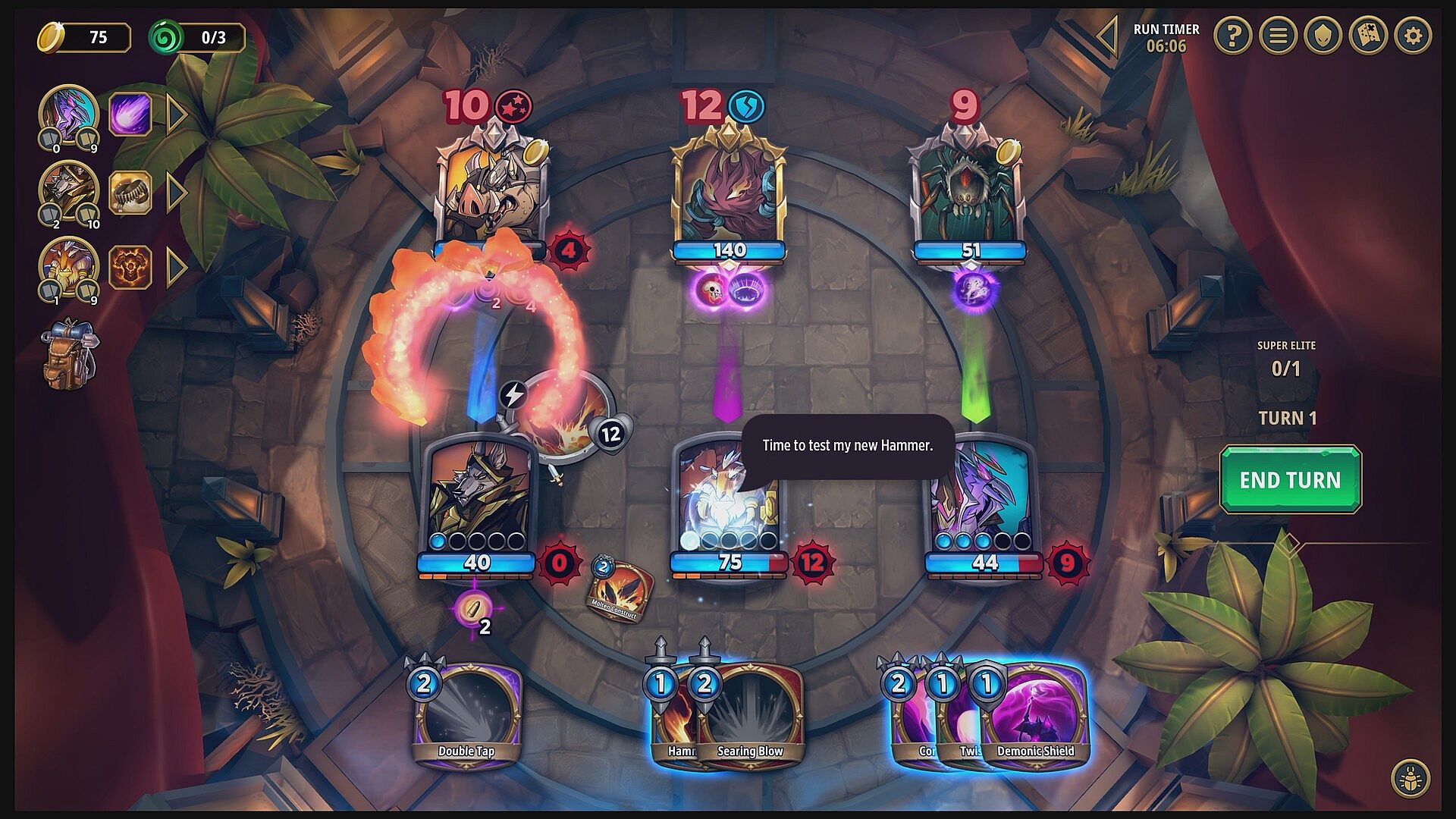
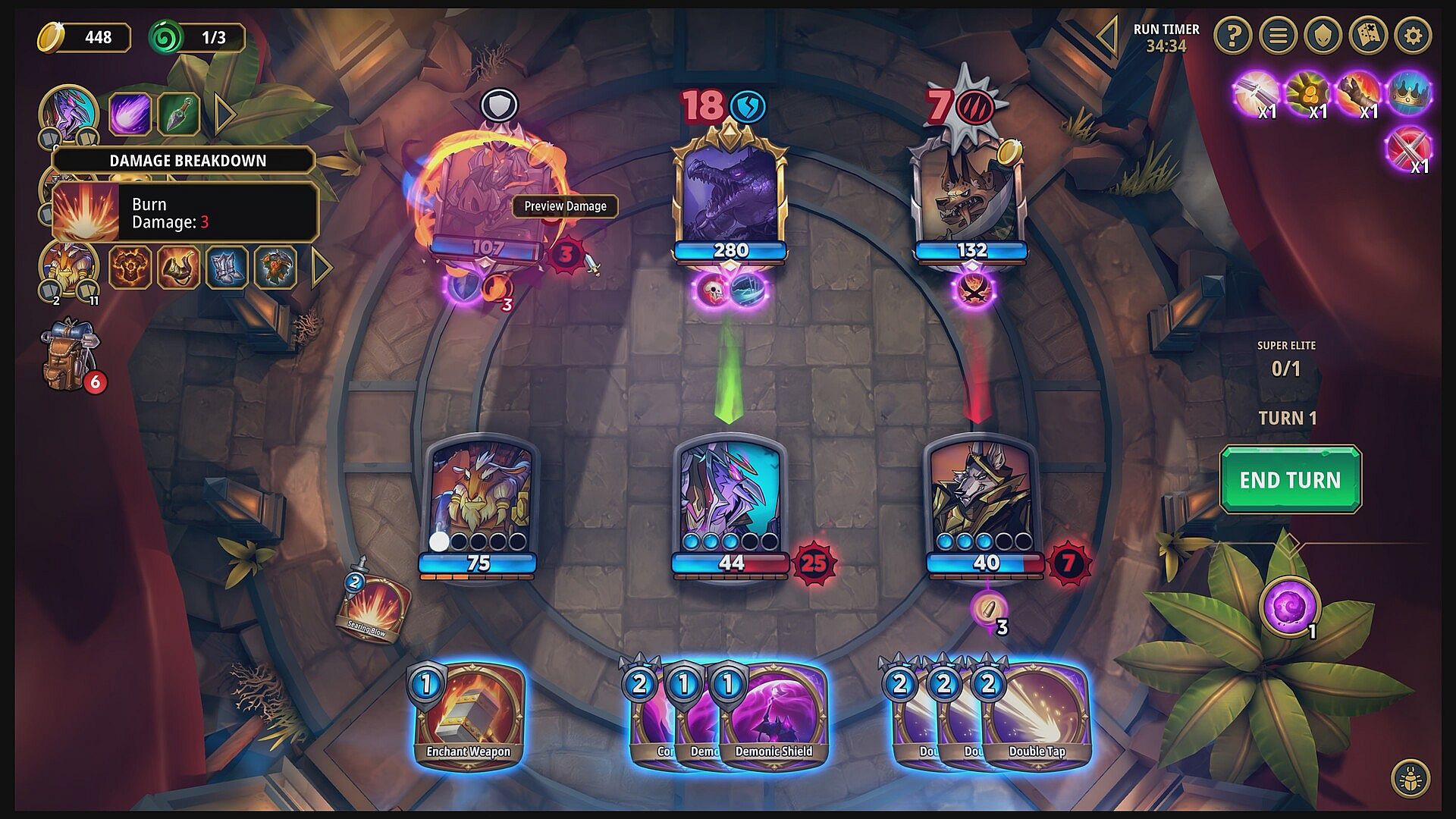
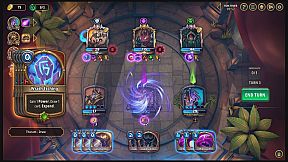
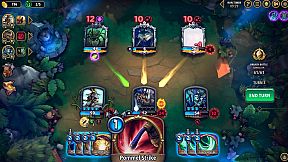
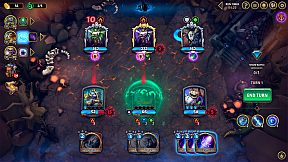
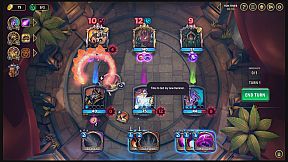
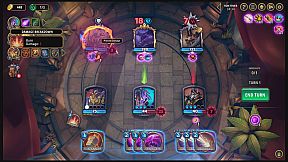
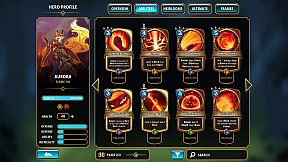
Combat unfolds in turn-based sequences where the three heroes coordinate abilities from their individual decks. Each hero brings unique skills and ultimate abilities, along with equipment and upgrades that alter performance. Swapping positions mid-battle lets healthier members absorb damage while protecting vulnerable teammates. The system starts accessible yet expands into deep strategic layers through card synergies and cross-character options.
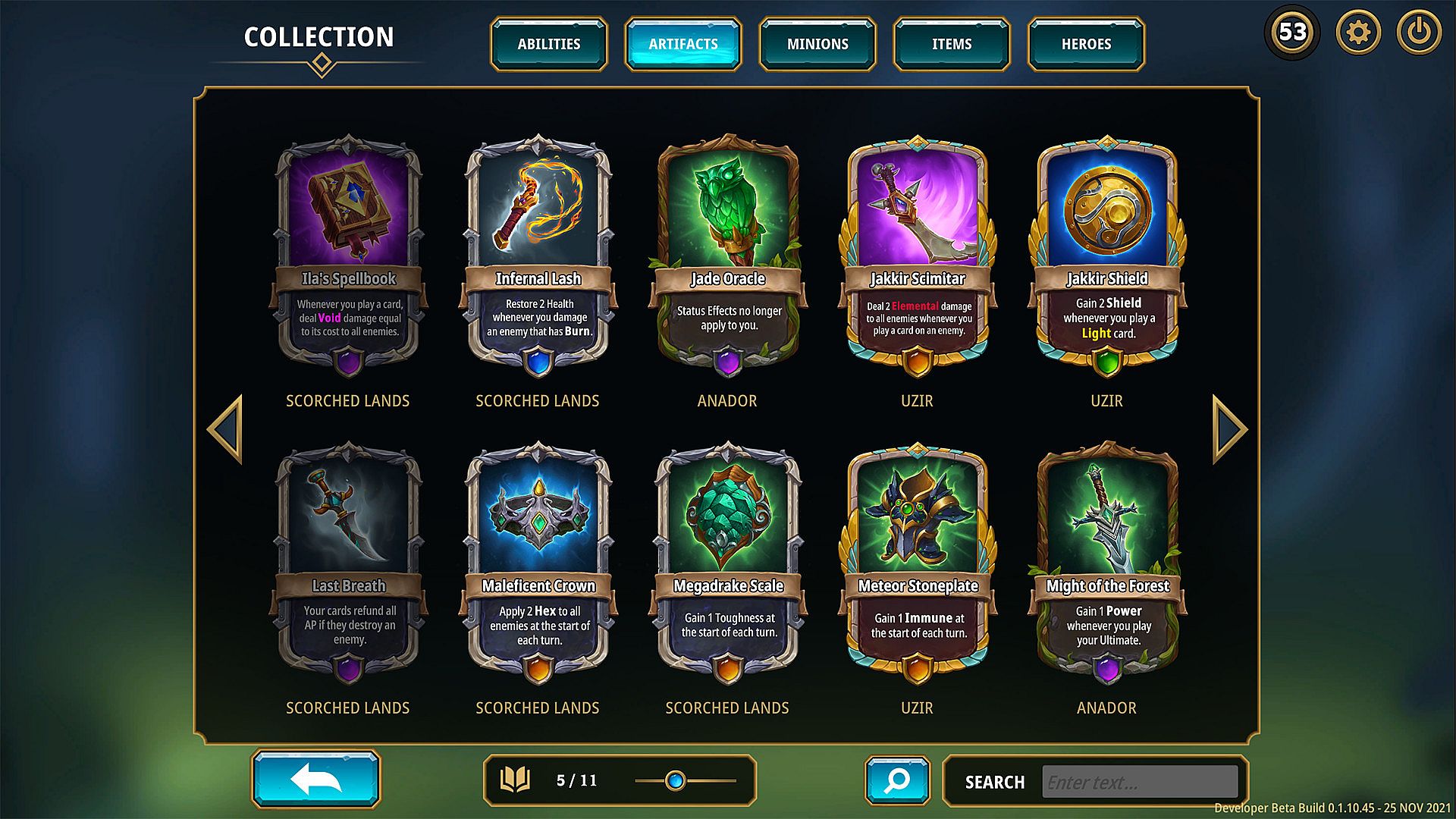
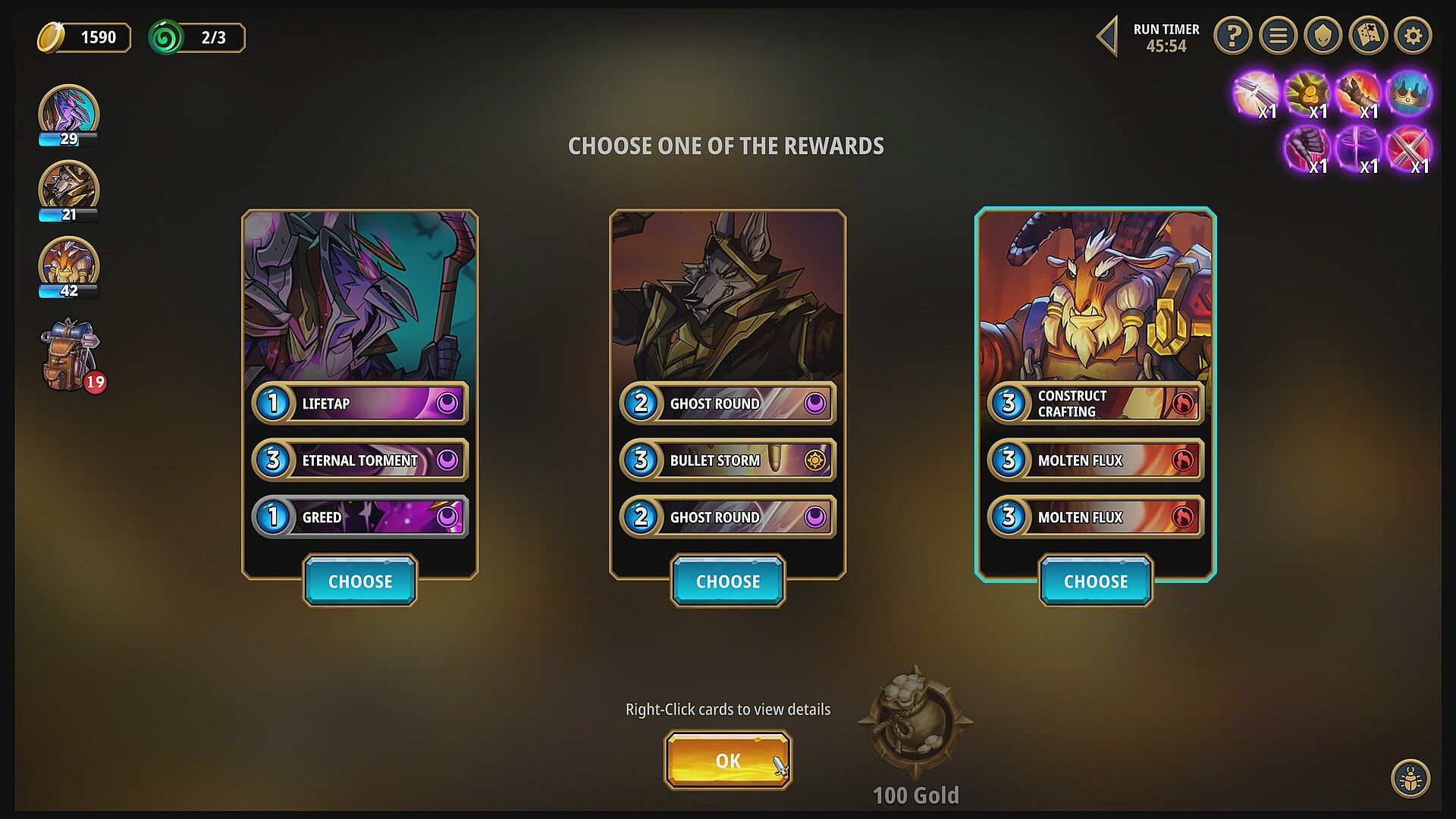
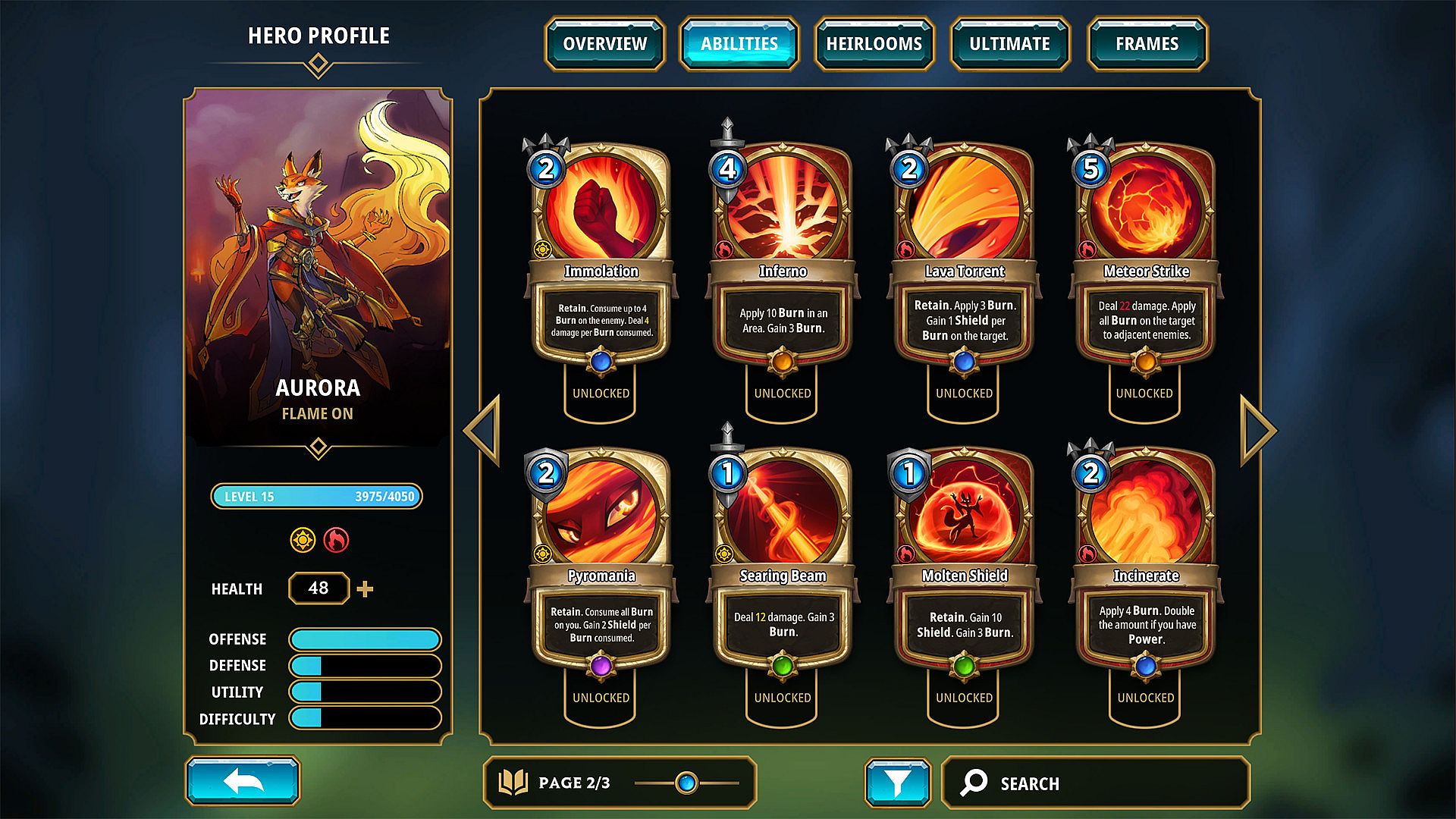
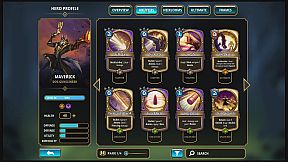
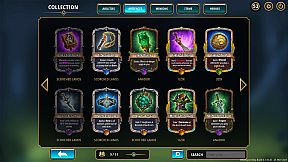
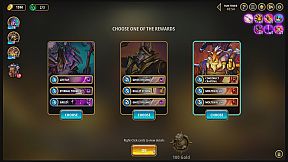
Outside combat, players edit decks and gear freely. Heroes belong to one of six classes, each with distinct starting ability cards. Unlocking additional heroes opens fresh combinations such as triple-support setups, ranged-focused builds, or damage-over-time strategies. Loot includes powerful artifacts, new skill cards, consumables, and equipment that permanently enhance a run when acquired.
Game Modes
Two distinct modes support different play preferences. One mode emphasizes the standard high-stakes roguelite experience with full procedural challenges and threat progression. The second mode lowers overall difficulty to allow broader experimentation with party compositions and card builds without immediate punishment for mistakes.
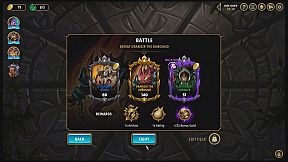
Both modes retain the open-world dungeon crawling structure and turn-based party combat. Runs focus on reaching the final confrontation with Akhan, where choices about provinces visited and heroes selected carry forward consequences. No multiplayer components exist, keeping all progression and decision-making confined to solo sessions.
Hero Progression and Customization
Hero unlocks expand the roster over time, each featuring mechanics and themes that reward repeated playthroughs. Starting decks align with class identities, yet players discover cross-class abilities and new cards through exploration. Equipment rosters and consumable items further customize how a party handles threats across the procedural map.
Deck editing occurs at any safe moment, supporting iterative refinement between combats. This flexibility lets players test ideas such as heavy focus on area effects or defensive synergies without restarting entire runs. The emphasis remains on strategic planning over raw power accumulation.
Is It Worth Playing?
Player reception on the primary distribution platform sits at Very Positive based on hundreds of reviews. Many highlight the satisfying depth of coordinating three heroes and the meaningful impact of world choices during runs. The blend of open exploration with card-driven combat appeals to those who enjoy methodical strategy sessions rather than fast-paced action.
The experience suits players comfortable with high difficulty and complex systems. Its roguelite structure means runs can extend longer than typical entries in the genre, rewarding patience and adaptation. Those seeking single-player strategy RPGs with deckbuilding layers and procedural variety will find consistent engagement across multiple attempts.
Support continues through the established release without seasonal content cycles. The title remains available as a complete package focused on its core single-player campaign loop. For fans of turn-based party management and thoughtful deck construction, the game delivers targeted depth without unnecessary distractions.