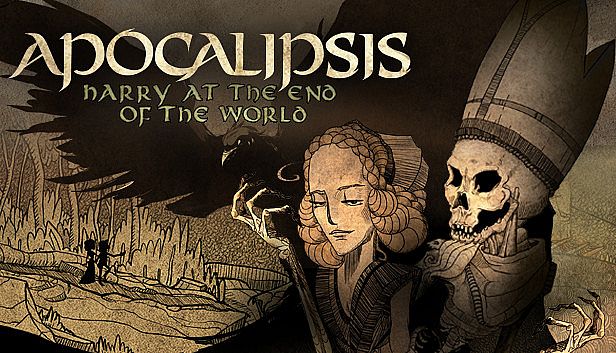














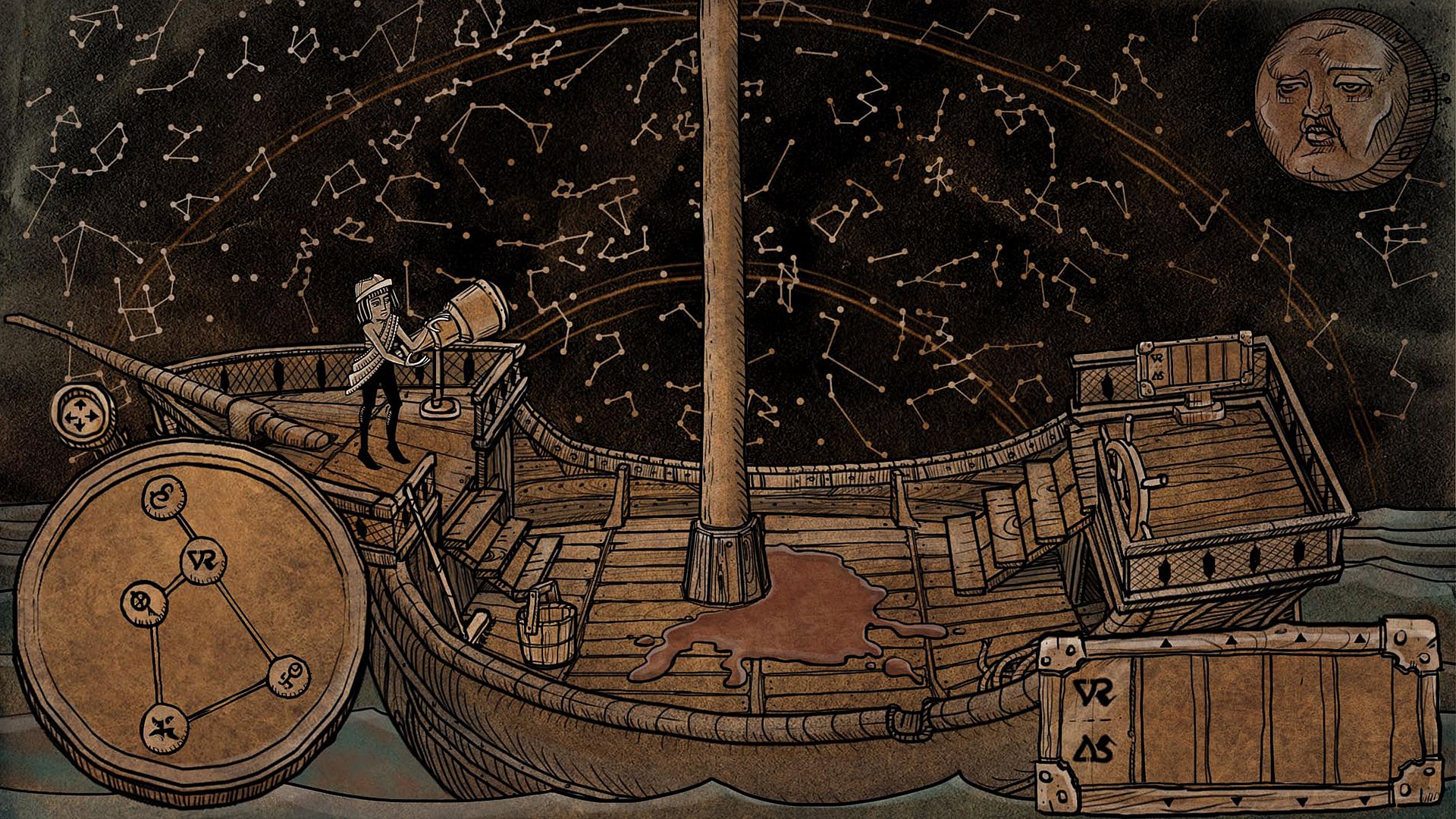
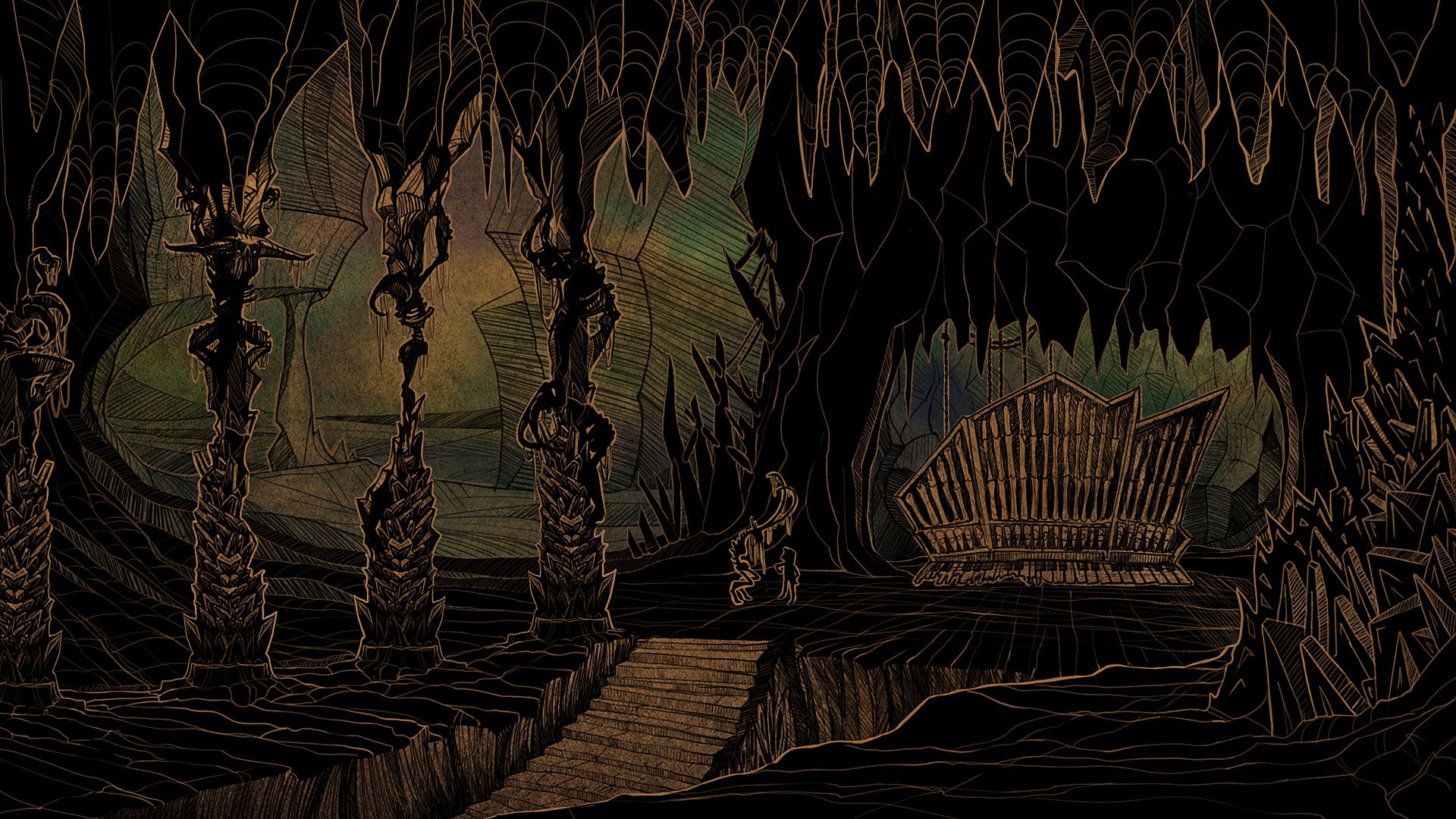
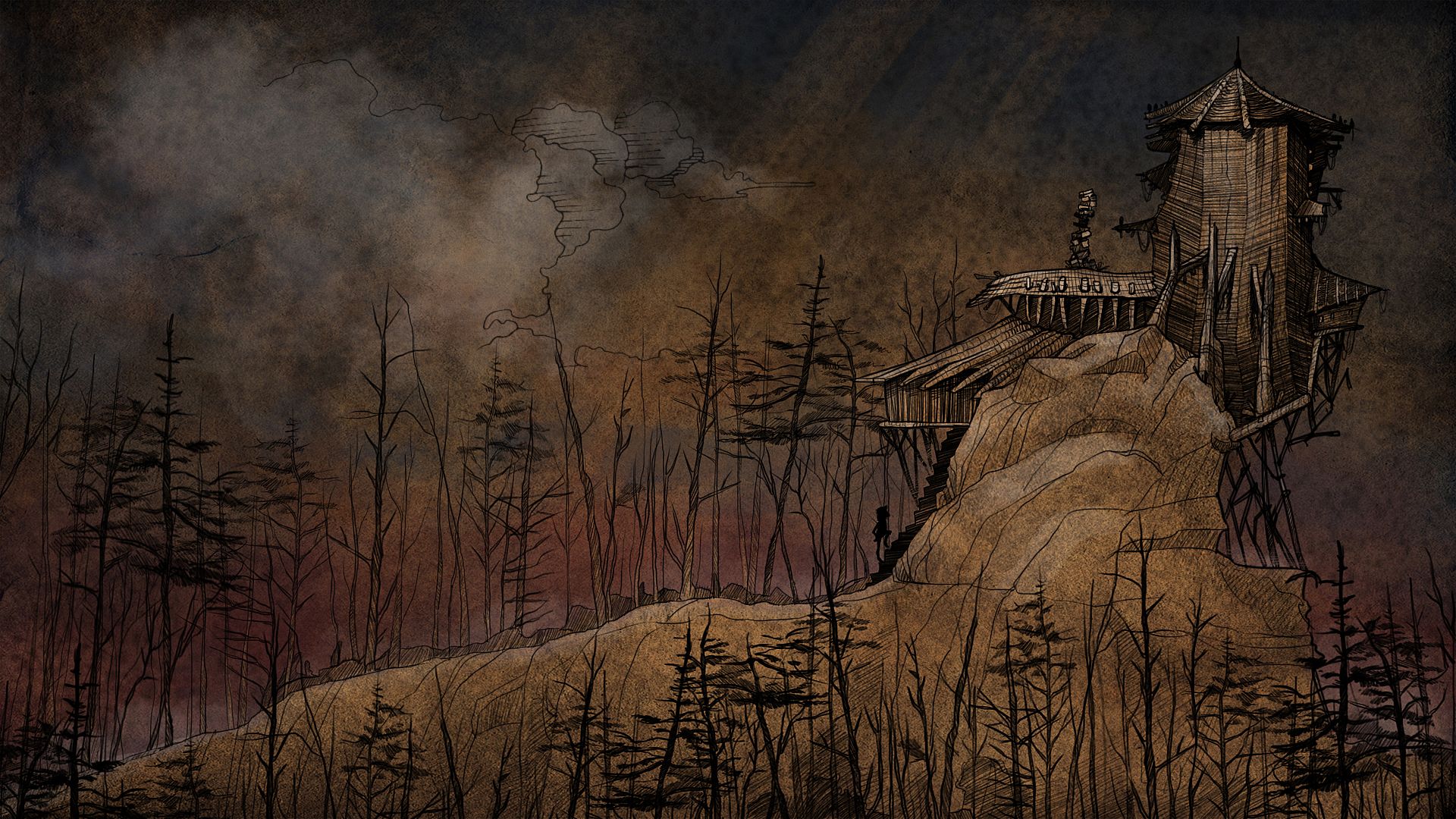
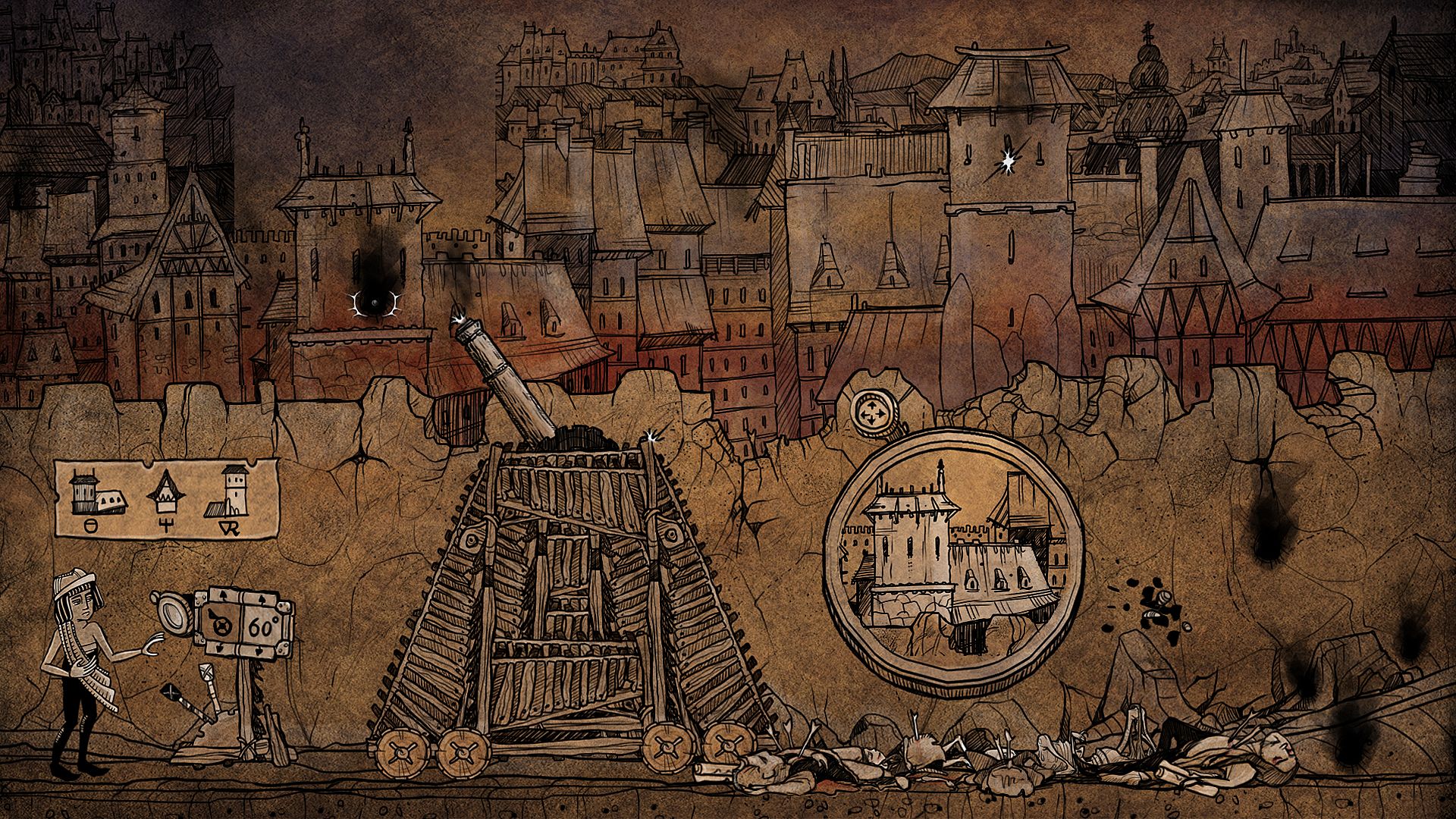
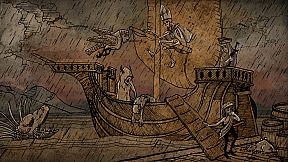
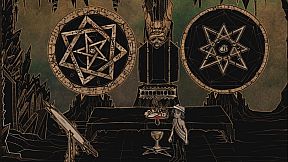
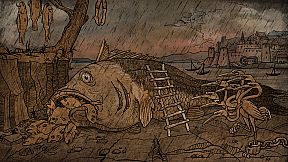
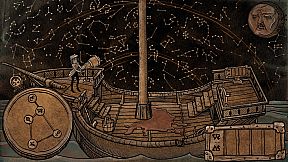
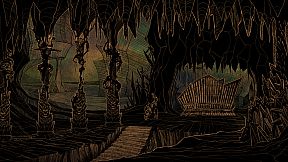
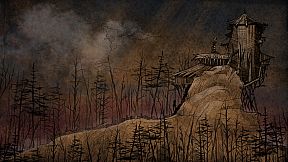
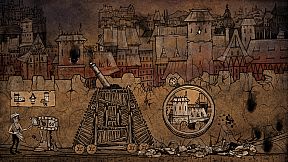
Apocalipsis is a point-and-click adventure game developed for PC that blends puzzle-solving with a distinctive visual style drawn from 15th and 16th century European woodcuts. Players take on the role of Harry, who sets out across strange lands after losing his beloved, encountering creatures and settings rooted in medieval imagery and philosophy. The experience centers on exploration and deduction rather than combat or fast action, creating a deliberate pace suited to those who enjoy uncovering details through careful observation.
Gameplay
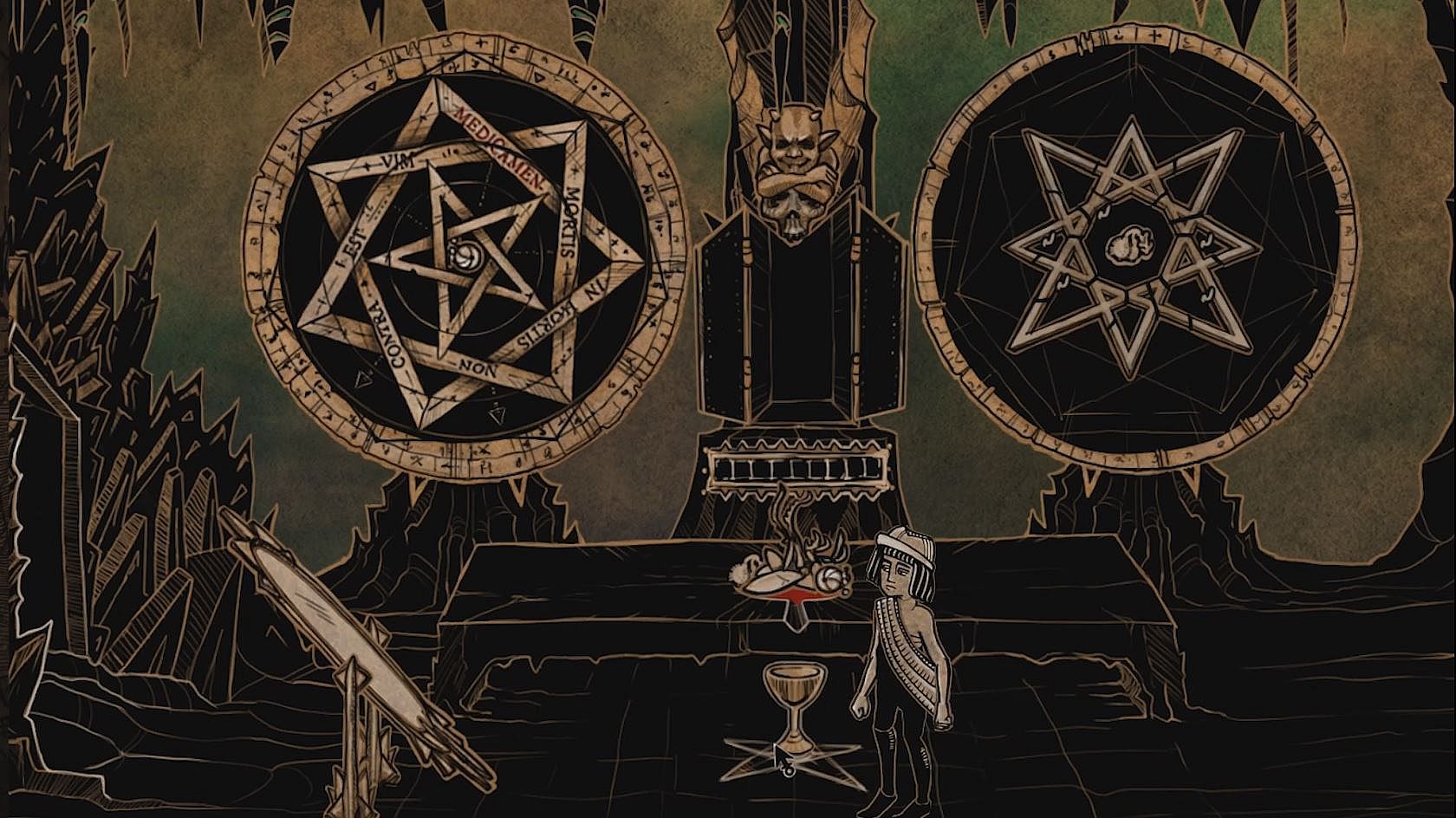
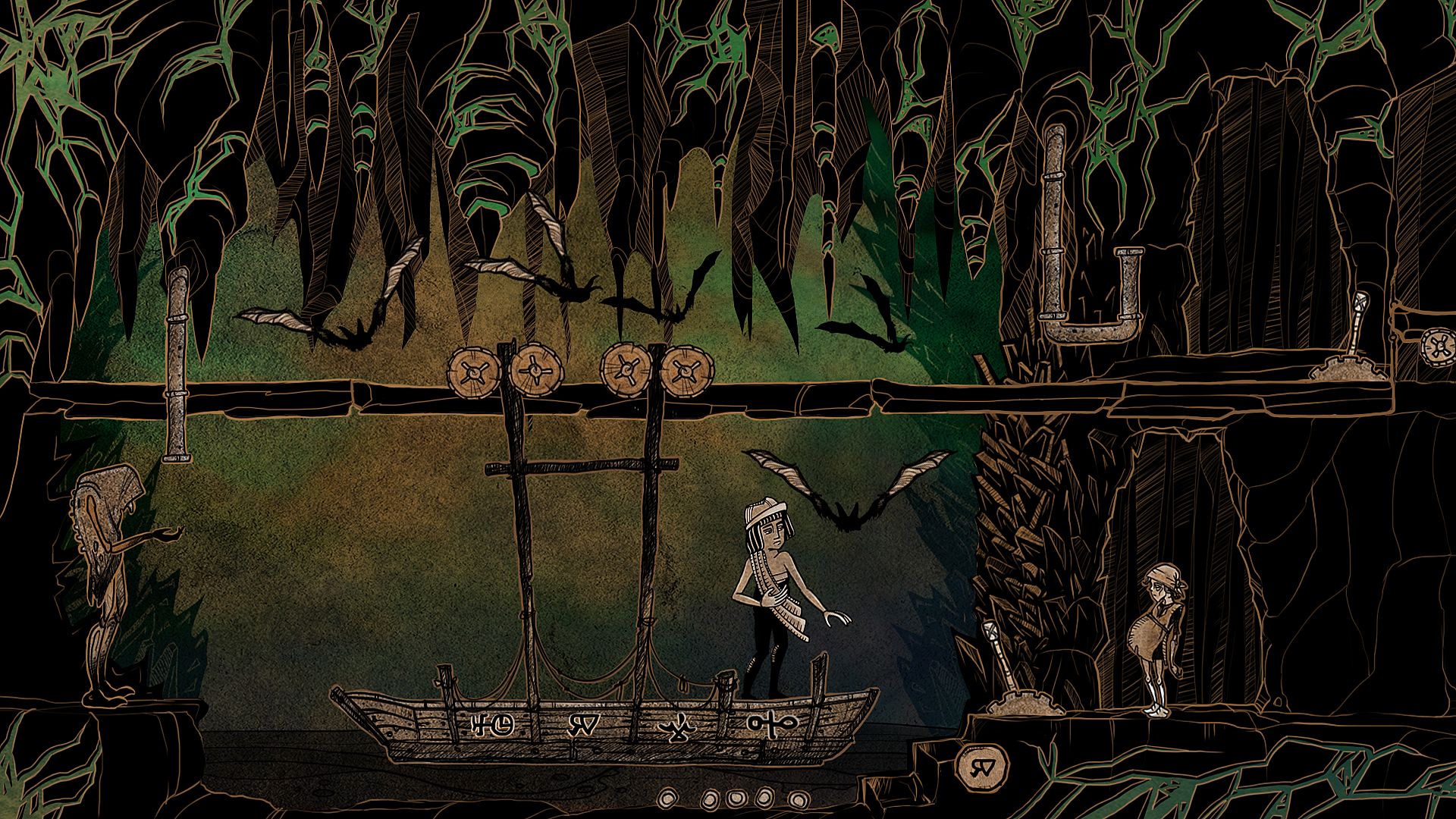
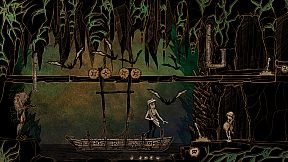
The core loop involves navigating side-scrolling scenes by clicking on objects, characters, and environmental elements to progress. Puzzles often carry symbolic weight tied to the story's themes of loss and the end times, requiring players to interpret clues drawn from the art and narrative. Locations number more than two dozen, each filled with interactive details that reward close attention. Narration delivered in a deep, measured tone guides the journey, while a somber musical score plays in the background. Achievements track progress through these challenges, adding a layer of completion for those who seek them.
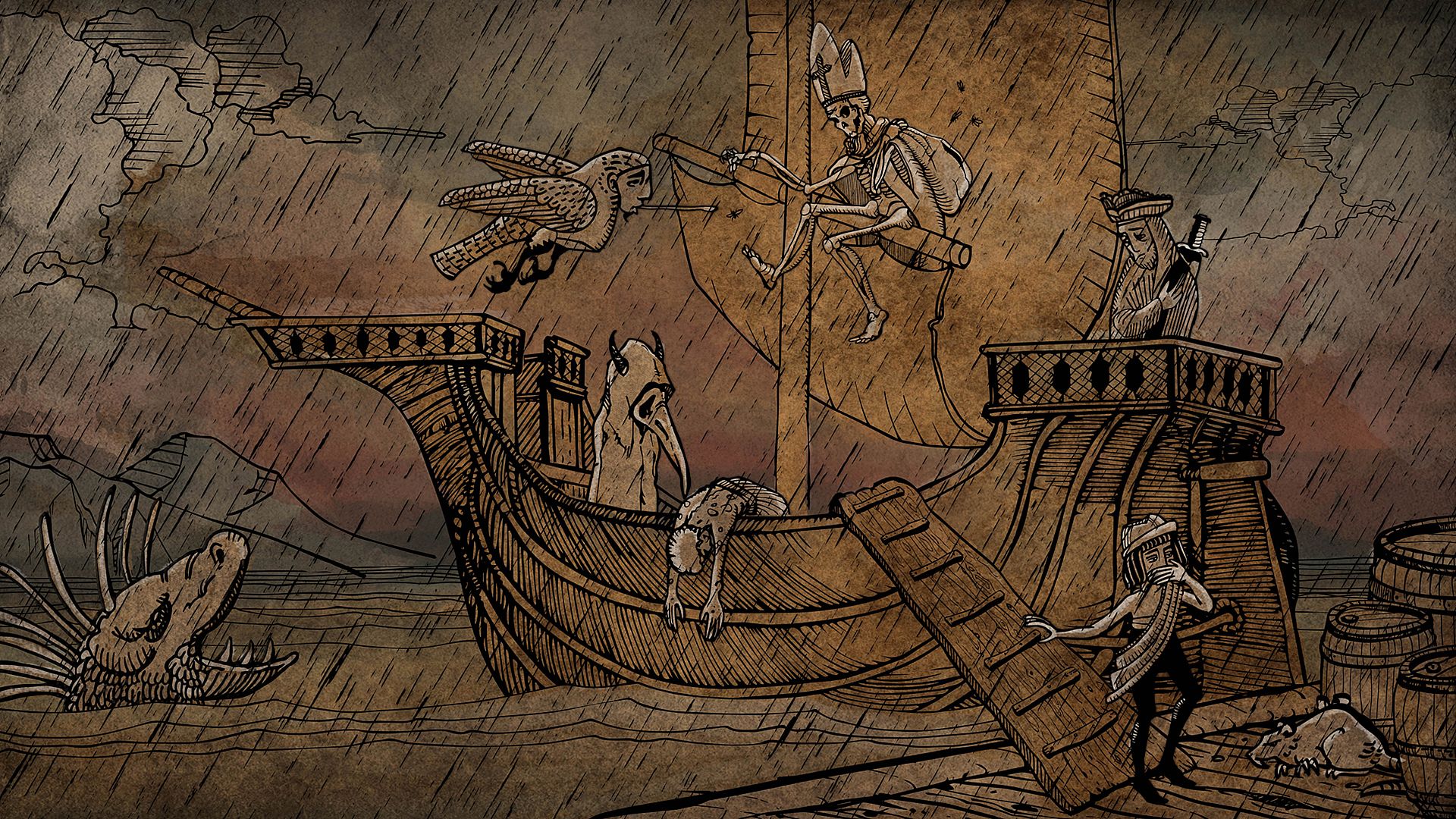
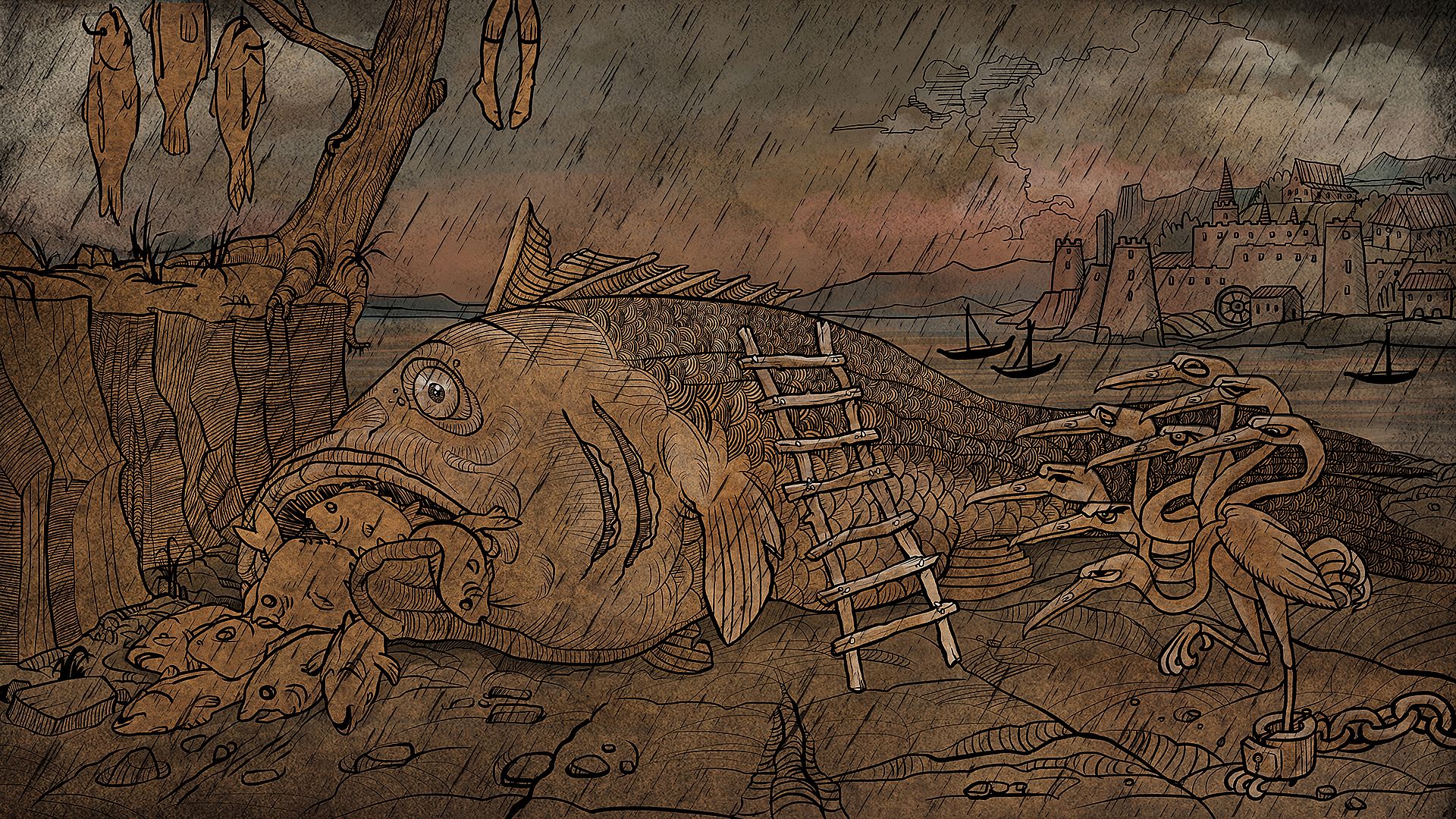
Controls remain straightforward, relying on mouse input to examine, combine, or use items in the traditional adventure style. The art brings static engravings to life through animation that preserves the original woodcut aesthetic, with fantastical beings inspired by historical codices appearing as obstacles or allies. Hidden meanings in the puzzles encourage replay or careful note-taking, though solutions generally follow logical patterns once the medieval context is understood.
Game Modes
Apocalipsis operates as a single-player experience with no multiplayer components or competitive elements. The main campaign follows Harry's path through the end times, leading to one of several possible conclusions based on choices and puzzle resolutions. A separate DLC episode shifts perspective to another character for additional story content lasting roughly half an hour. Players can revisit locations to discover overlooked details or pursue all achievements across the base game and expansion.
No seasonal content or ongoing updates alter the structure, leaving the focus entirely on the linear yet branching narrative journey. This setup suits solo sessions where the emphasis stays on atmosphere and deduction rather than repeated matches or team coordination.
Story and Setting
The tale draws from the Book of Revelation and elements of Dante's Divine Comedy, placing Harry in a world shaped by medieval beliefs about the apocalypse. Every character and backdrop references specific historical artists such as Hans Holbein, Michael Wolgemut, and Albrecht Dürer. Fantastical creatures emerge directly from 15th century artistic traditions, serving as both visual highlights and puzzle components. The narrative explores personal demons alongside literal end-of-world events, delivered through voice work that maintains a consistent dark tone throughout.
Over two dozen distinct areas provide the stage for these events, each designed with layered details that reflect the source engravings. The combination of philosophy, art, and interactive puzzles creates a cohesive atmosphere without relying on modern fantasy tropes.
Is It Worth Playing?
Reviews on the primary distribution platform show mostly positive feedback from hundreds of players, highlighting the unique art direction and puzzle integration as standout features. The game runs on modest hardware and offers a contained experience of several hours plus the short DLC. Those drawn to classic point-and-click mechanics, historical art styles, or atmospheric storytelling will find the most value here. Completionists can pursue the full set of 22 achievements, while others may appreciate the multiple endings as incentive for a second pass. Availability remains straightforward on PC without additional requirements or live-service elements.