

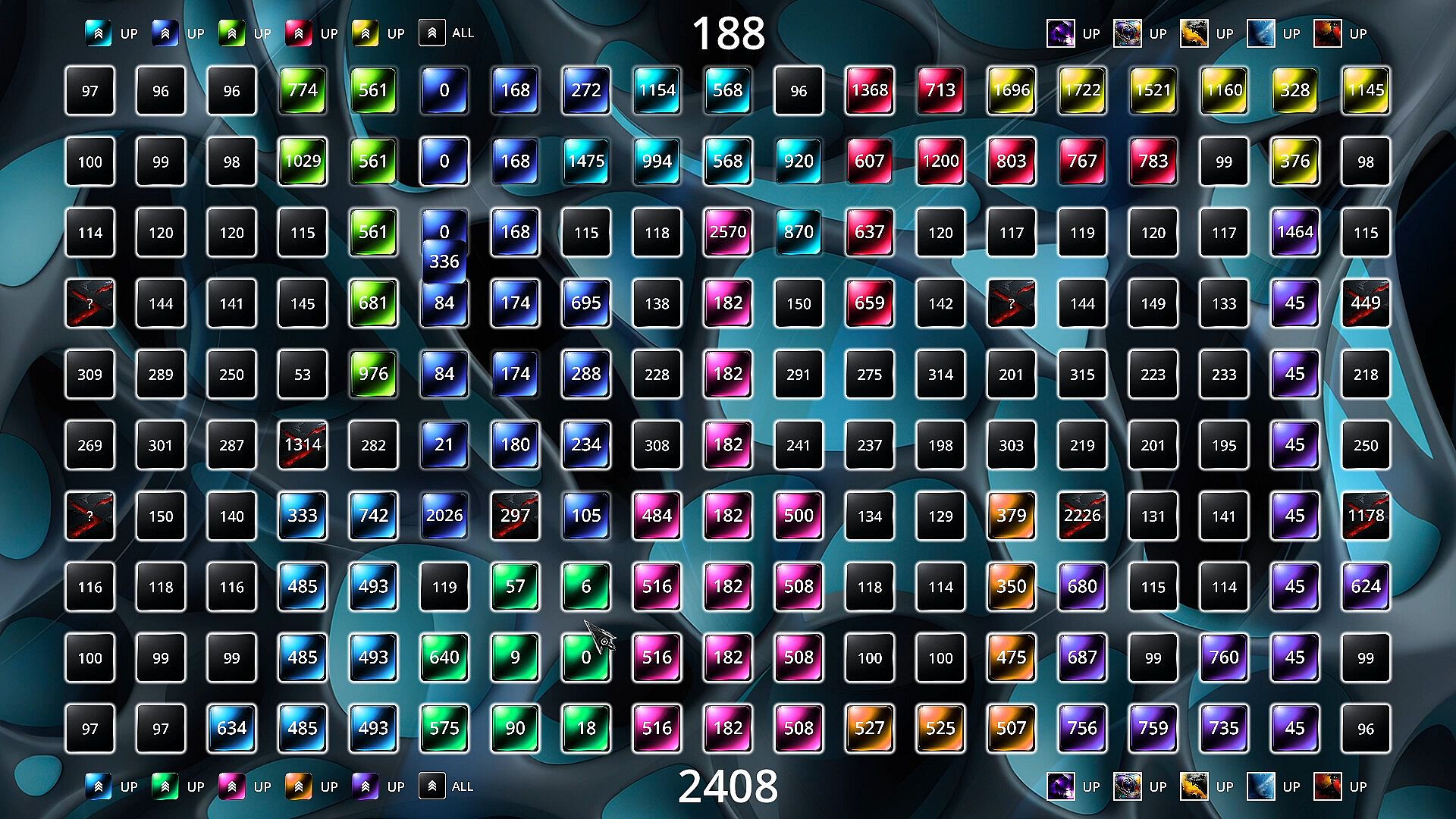
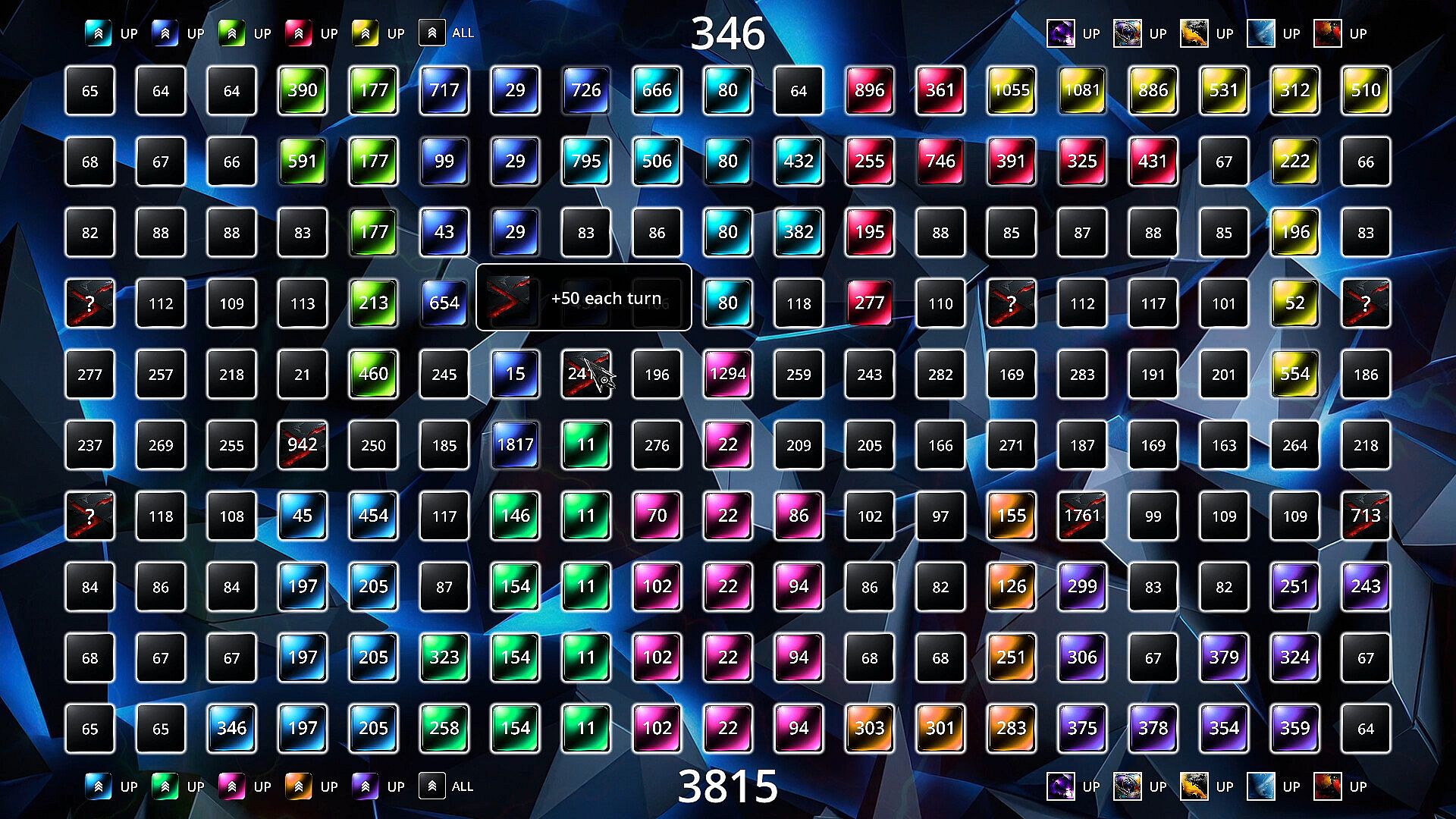
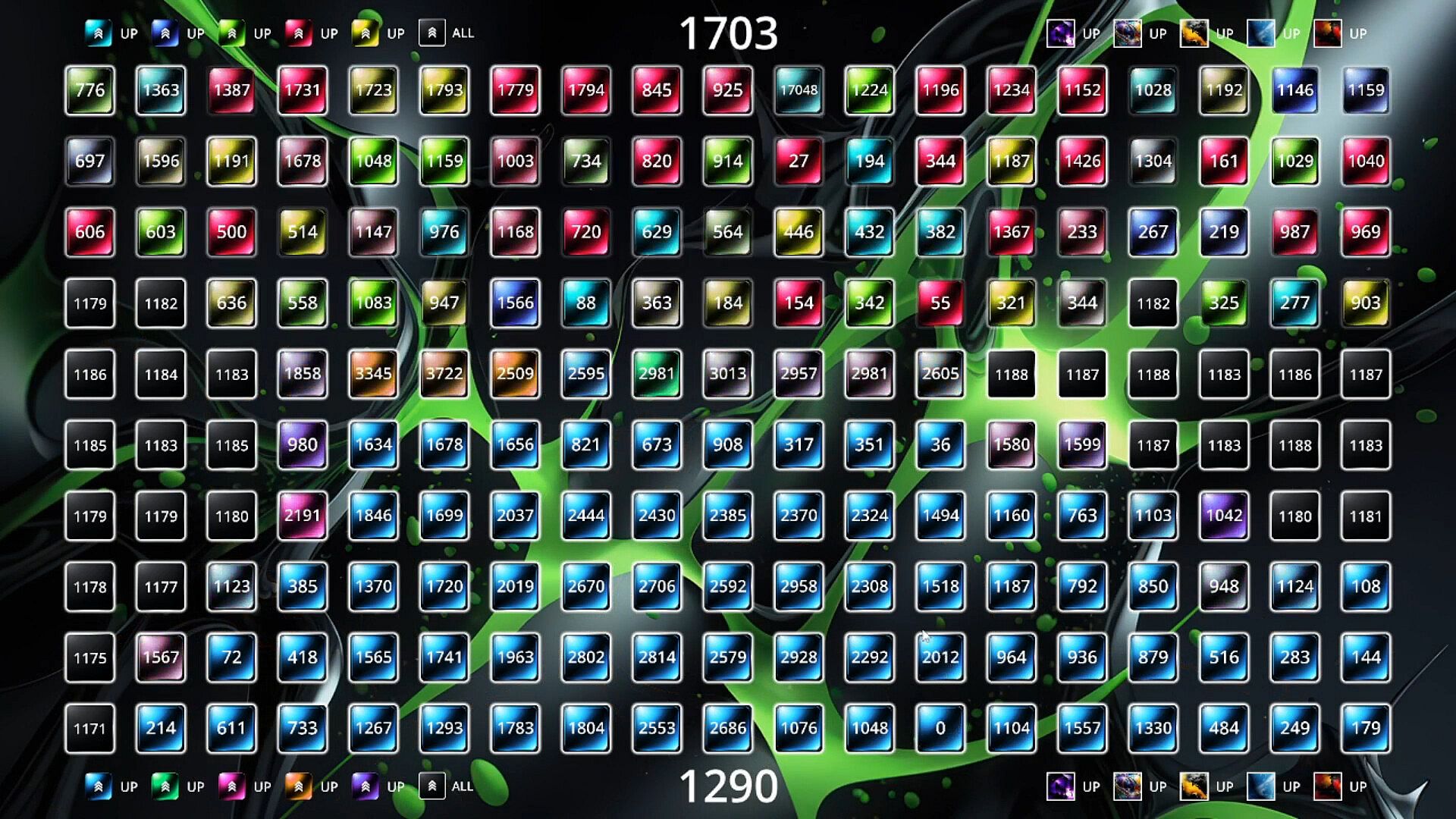
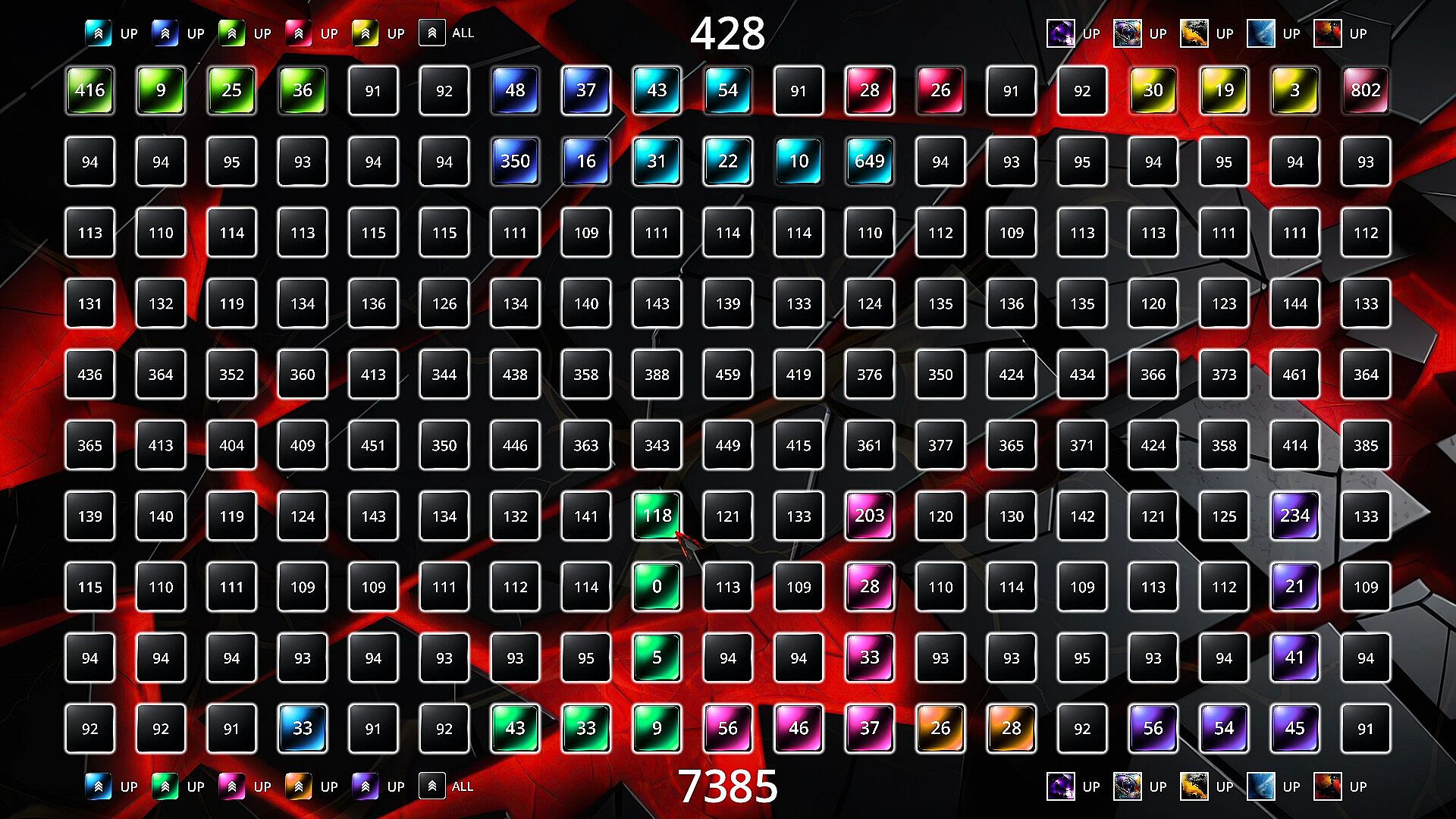
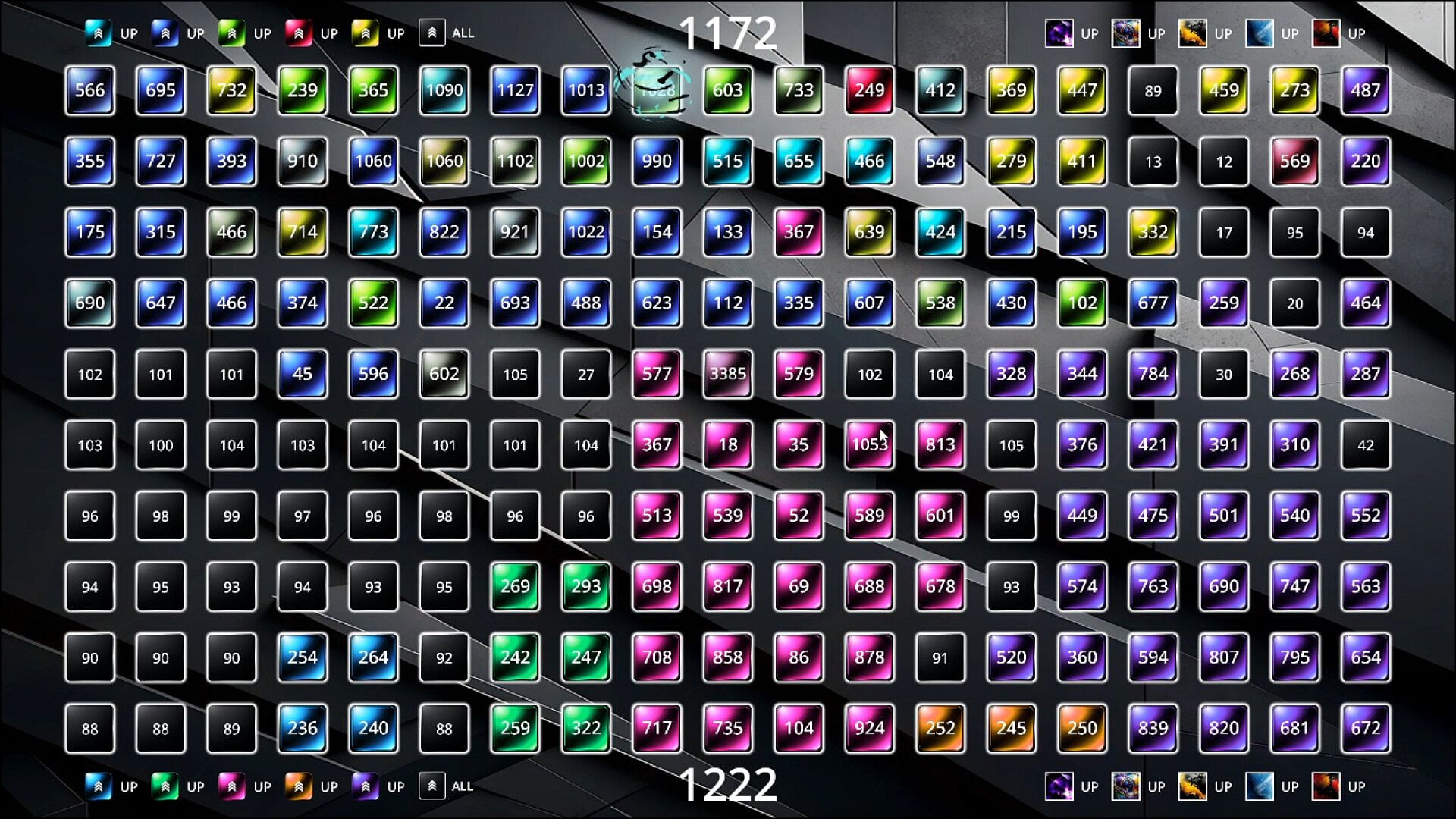
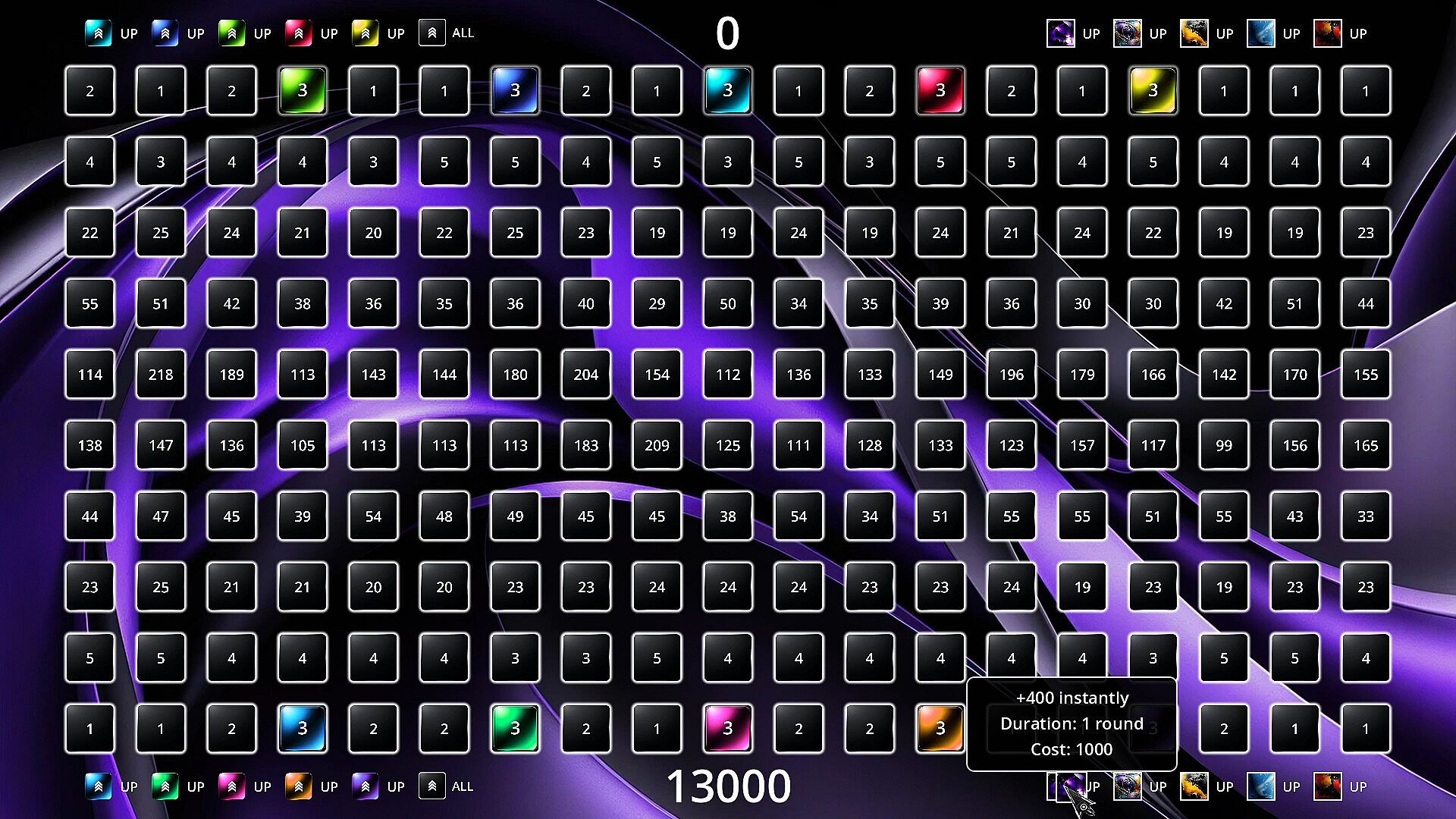
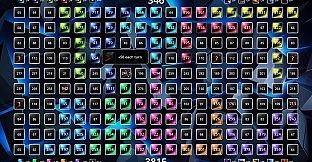
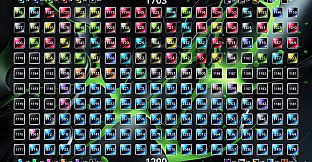
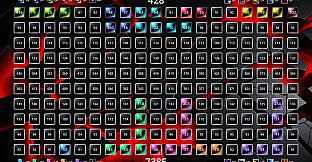
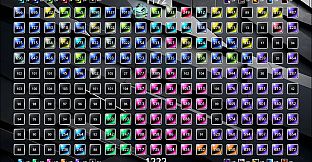
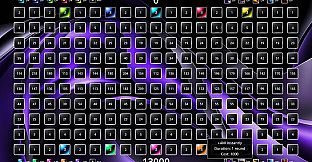
Anomaly Grid is a turn-based strategy puzzle game built around numerical pressure, color control, and tactical decisions on a growing grid battlefield. Players manage units with assigned values, capture tiles, merge forces, and allocate score to upgrades while contending with an adaptive opponent on PC.
Gameplay
The core loop centers on expanding territory through calculated captures of weaker tiles and direct confrontations with enemy units. Each action feeds into a score economy that funds upgrades and special abilities. Tiles increase in strength over successive turns, which shifts power dynamics and rewards foresight over reactive play.
Color management plays a central role. Securing specific color groups unlocks milestone bonuses that accelerate score gains and support deeper pushes into contested areas. These advances strengthen long-term resource flow without relying on immediate combat wins. Unit merging combines values to create stronger positions, while growth mechanics allow selected units to scale across multiple turns.
Five ability types provide targeted interventions. Options include enhanced capture rates, gradual unit expansion, color-group draining effects, board-wide pressure on opponents, and instant reinforcement of a single key unit. Deploying any ability alters the immediate tempo and can redirect an entire sequence of turns.
Game Modes
Multiple game modes support varied session lengths and strategic emphases. Difficulty settings adjust enemy upgrade speed, capture efficiency, and overall aggression. AI behavior parameters further customize how the opponent prioritizes merges, abilities, or territorial expansion.
Optional mutators introduce rule alterations that range from heightened instability to more chaotic tile interactions. These modifiers create distinct match conditions while preserving the fundamental numerical and color systems. A focused demo emphasizes the core 5v5 setup to demonstrate primary mechanics before full release.
Strategic Depth and Progression
End-of-match statistics track score totals, capture counts, upgrade investments, ability usage, and the specific reason for victory or defeat. This feedback highlights which decisions drove outcomes and supports iterative improvement across replays. The single-player format emphasizes solo planning against escalating opposition rather than direct competition.
Resource allocation decisions compound over time. Early investments in color control or unit growth can yield compounding advantages, yet the expanding board strength demands periodic reassessment. Players who balance immediate captures with sustained economy tend to maintain momentum longer.
Is It Worth Playing?
Anomaly Grid targets players who value deliberate positioning, resource trade-offs, and observing how incremental numerical choices scale into decisive advantages. The turn-based structure suits those who prefer measured analysis over rapid reflexes.
The game remains in active development with a planned release date of December 1, 2026. A demo version is available to preview the central 5v5 experience and core systems. No user reviews exist at this stage, so reception will depend on post-launch feedback. Those drawn to tactical grid puzzles and adaptive single-player opponents may find the mechanics rewarding once the full version launches.