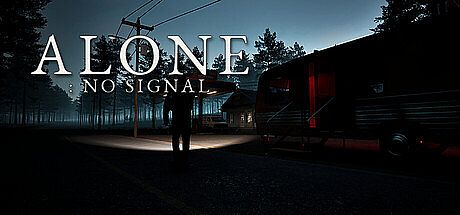


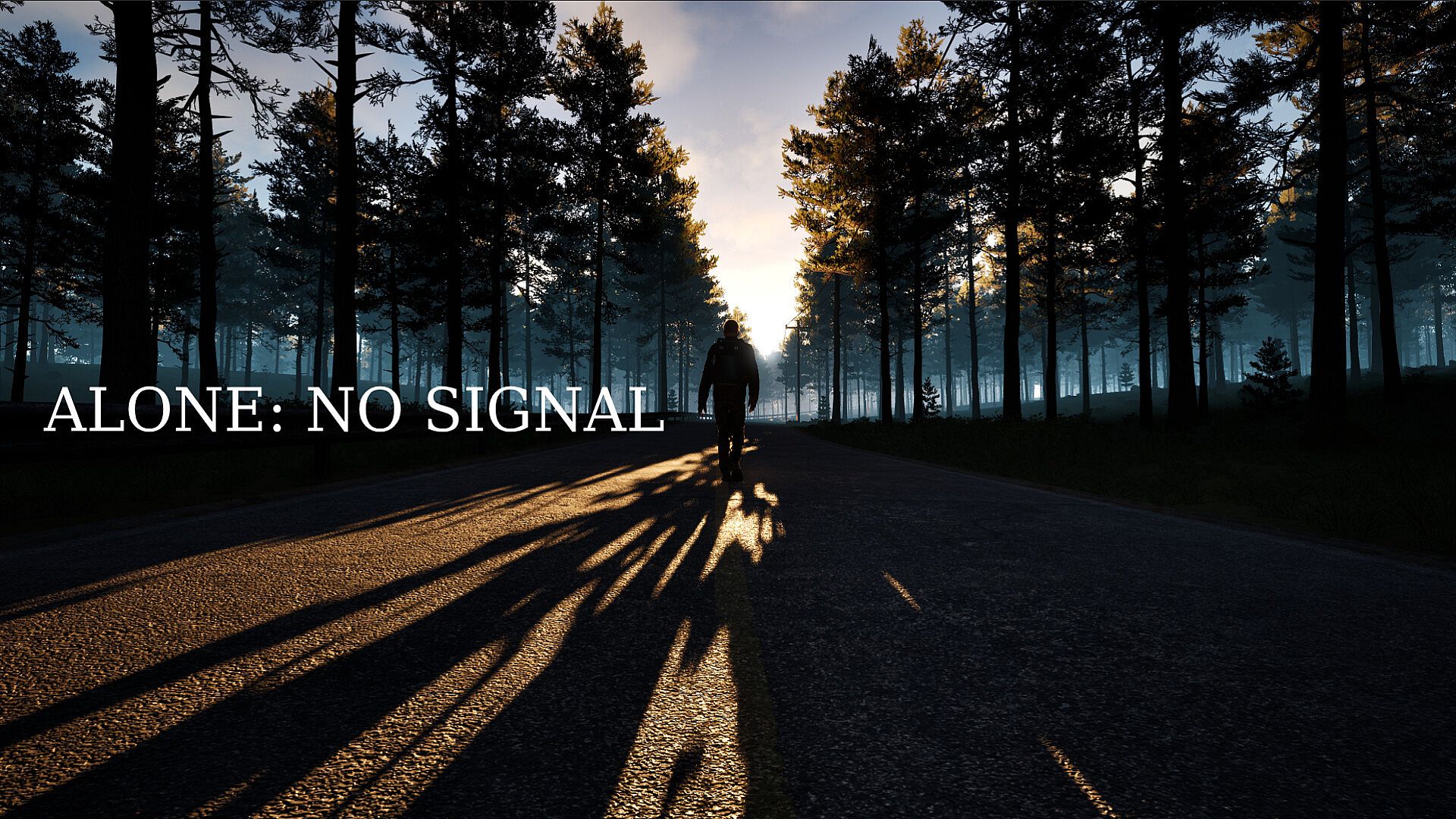
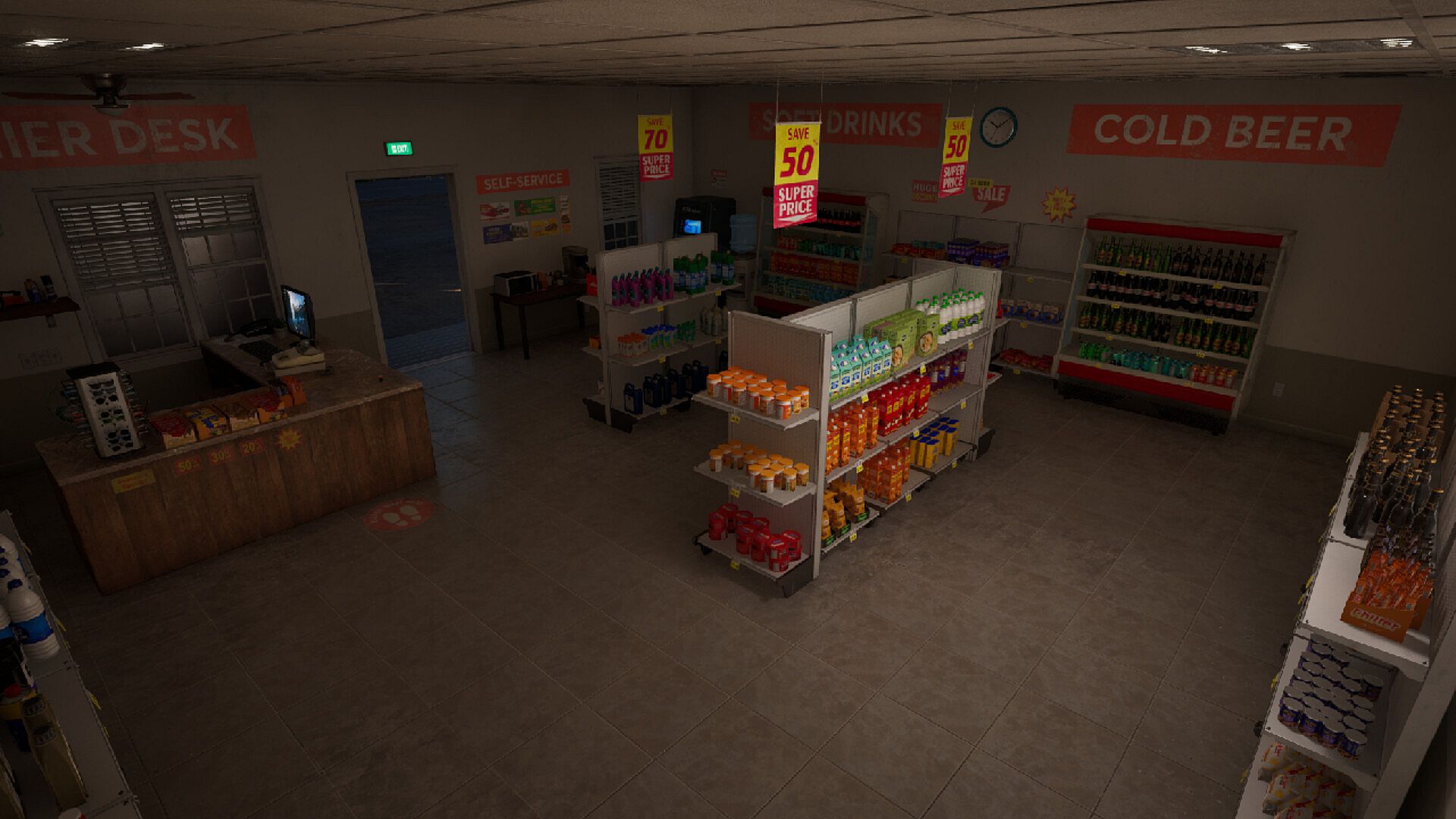




ALONE: NO SIGNAL is a single-player survival simulation and adventure game developed for PC. Set in a contemporary world where every person has vanished without warning or visible catastrophe, the experience centers on realistic resource management and open-ended exploration of familiar yet deserted environments.
Gameplay
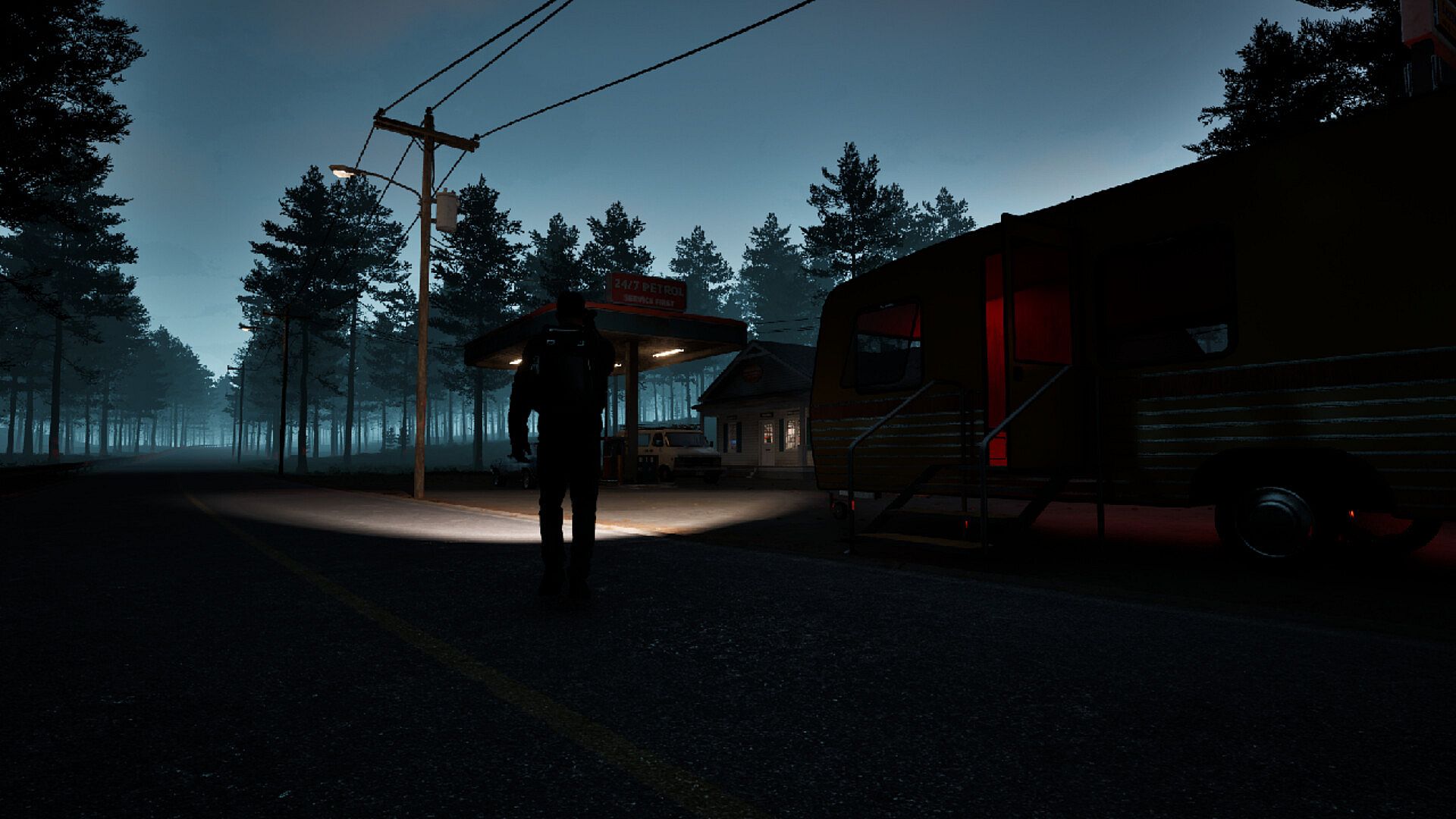
The core loop revolves around maintaining physical needs while navigating an empty landscape. Players track hunger, thirst, and stamina during travel and scavenging runs. Equipment such as flashlights requires battery management, with individual cells that can be swapped, stored, or conserved for critical moments like nighttime searches in buildings or underground areas.
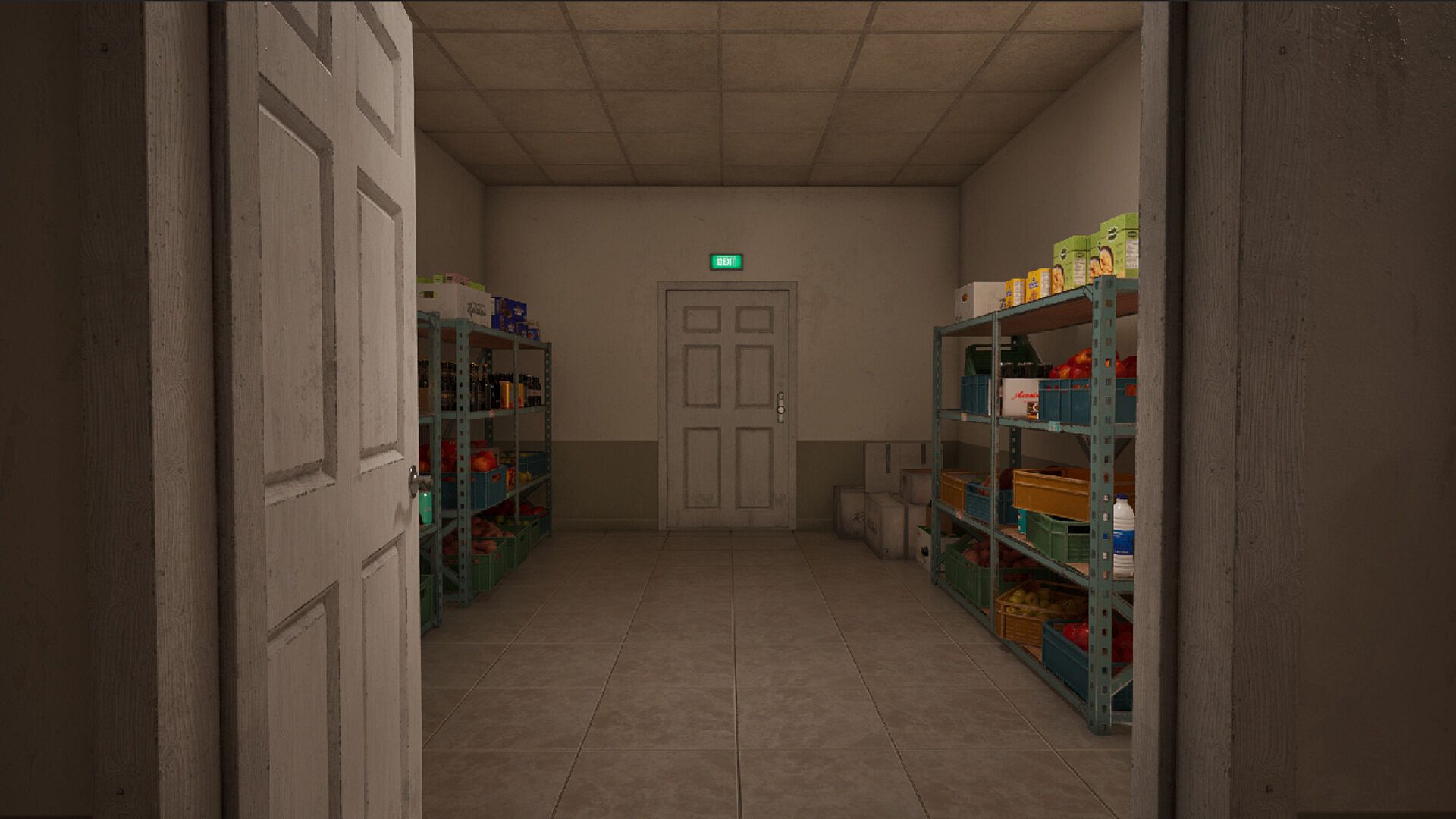
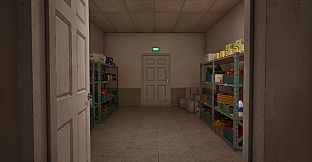
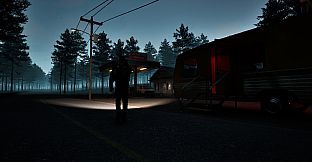
Exploration follows roads that link homes, gas stations, workshops, farms, and utility sites. Thorough searches of drawers, vehicles, and storage areas yield supplies, while rushed visits risk missing key items. Shelters serve as safe hubs for organizing collected goods, resting to advance time, and preparing loadouts for longer trips. Day and night cycles alter visibility and risk, while shifting weather like fog or rain further impacts navigation and decision-making.
Electrical systems and communication devices scattered throughout locations add layers of interaction. Some generators or servers may still hold power or data, offering potential insights or temporary advantages when restored. The absence of external threats shifts focus entirely to preparation, route planning, and efficient use of limited resources.
Game Modes
ALONE: NO SIGNAL offers a single-player experience with no multiplayer components or separate modes. The entire game unfolds as one continuous survival scenario in the abandoned world, allowing players to set their own pace and objectives without scripted missions or external factions.
Progression remains entirely player-driven. Individuals decide whether to expand a single shelter into a long-term base, venture farther along highways for new resources, or investigate traces of prior infrastructure. Resting advances the day-night cycle, but every choice carries consequences for stamina, supplies, and exposure to darkness or poor weather.
Exploration and Environmental Details
Locations retain everyday details that convey the world's sudden emptiness through environmental storytelling. Abandoned meals, open vehicle doors, and powered-down equipment hint at interrupted routines without providing direct explanations. Players piece together context by observing these elements across multiple sites.
Road networks encourage deliberate travel decisions. Shorter routes may consume more time and energy, while off-path shortcuts through industrial or rural areas introduce new risks of disorientation or equipment failure. Storage at shelters enables strategic caching, so players can tailor what they carry based on planned distance and expected conditions.
Is It Worth Playing?
ALONE: NO SIGNAL suits players who enjoy methodical, realistic survival simulations without combat or social systems. Its emphasis on inventory weight, battery life, and route timing creates tension through resource scarcity rather than enemies. Those drawn to quiet, atmospheric exploration in detailed everyday settings will find consistent depth in managing a single character's needs across changing light and weather.
The game provides no tutorials, factions, or external guidance, rewarding careful observation and repeated experimentation with its systems. Availability remains limited to the PC version, with the experience centered on personal decision-making in an unchanging empty world. Individuals seeking structured narratives or competitive elements may find the open-ended structure less engaging than traditional survival titles.