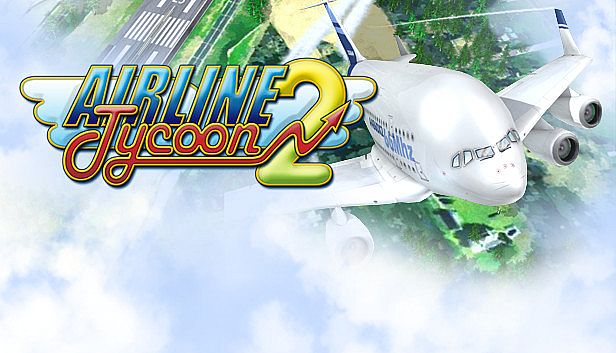



























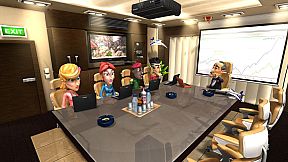

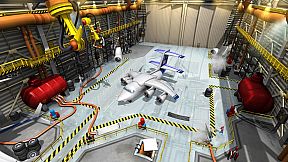
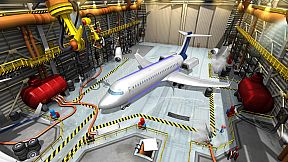



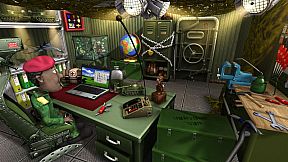
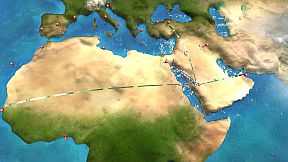
Airline Tycoon 2 is a strategy simulation game in which players take on the role of an airline CEO. The title places emphasis on economic management, fleet development, and competition against AI rivals in a modern aviation setting.
Gameplay
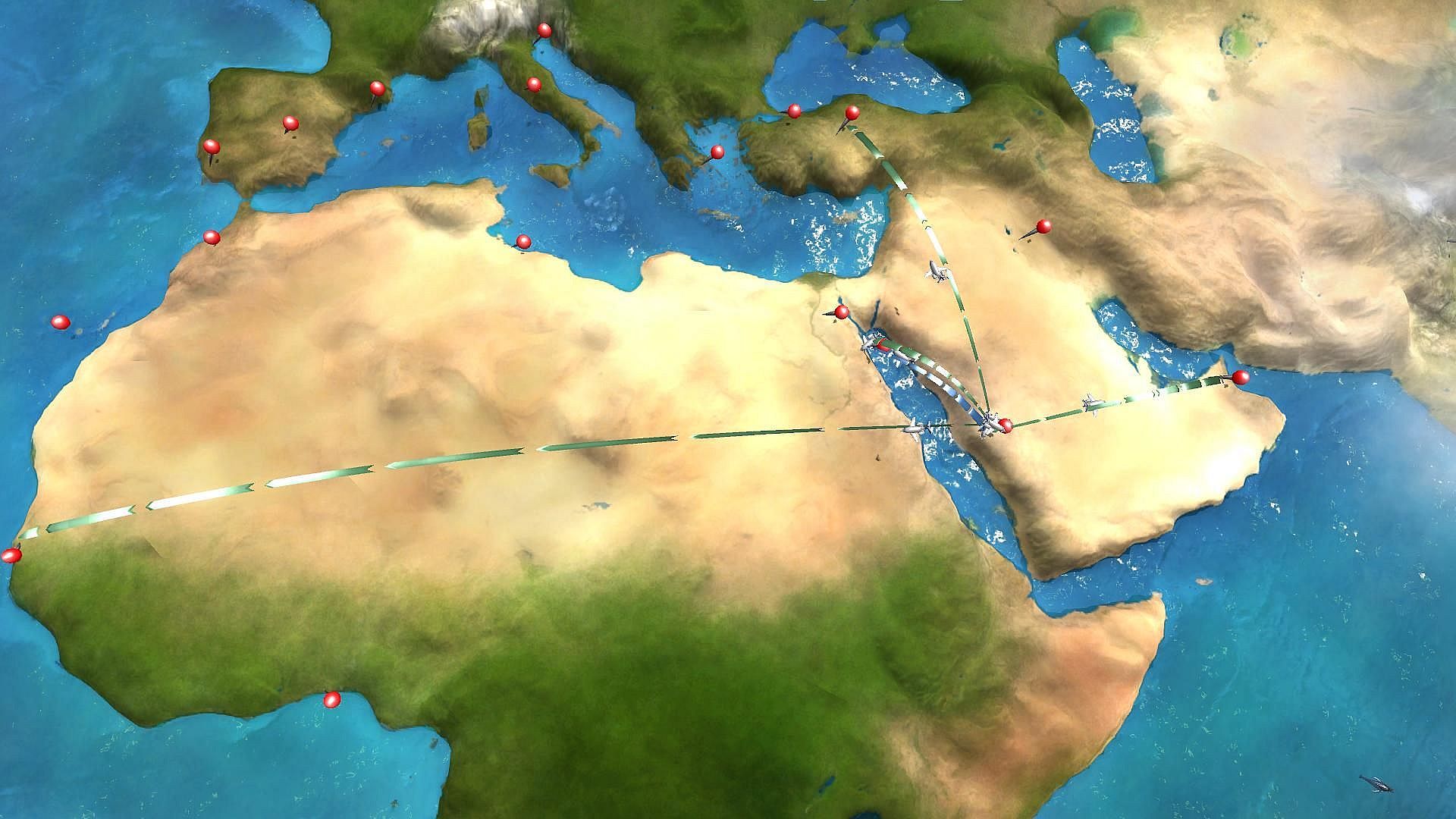
The core loop centers on building and expanding an airline from a modest operation into a recognized global carrier. Players schedule flights, coordinate arrivals and departures at airports, and balance income against expenses to improve profitability and reputation. Real-world airports appear with details on passenger volumes and travel conditions that affect operations.
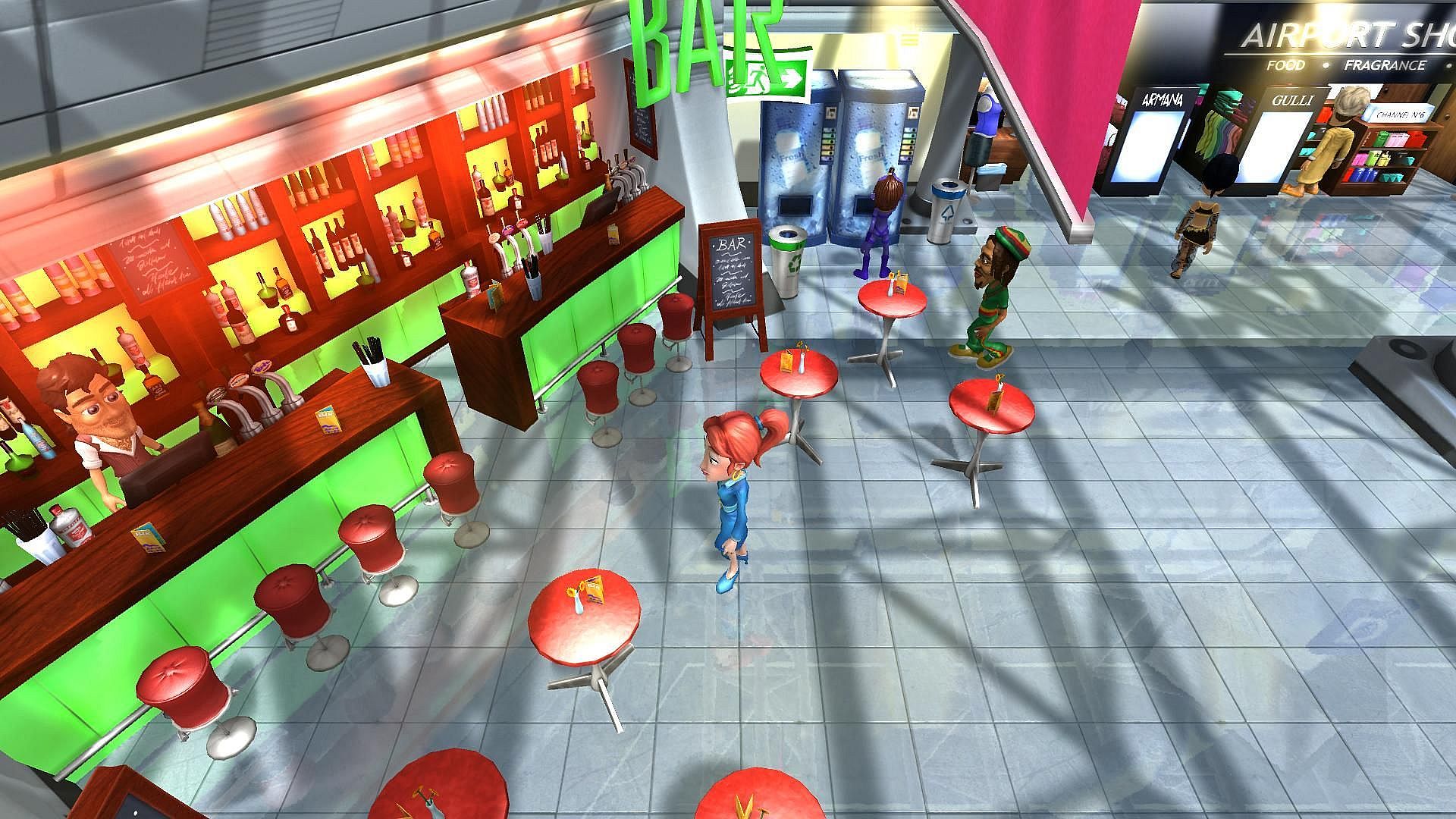
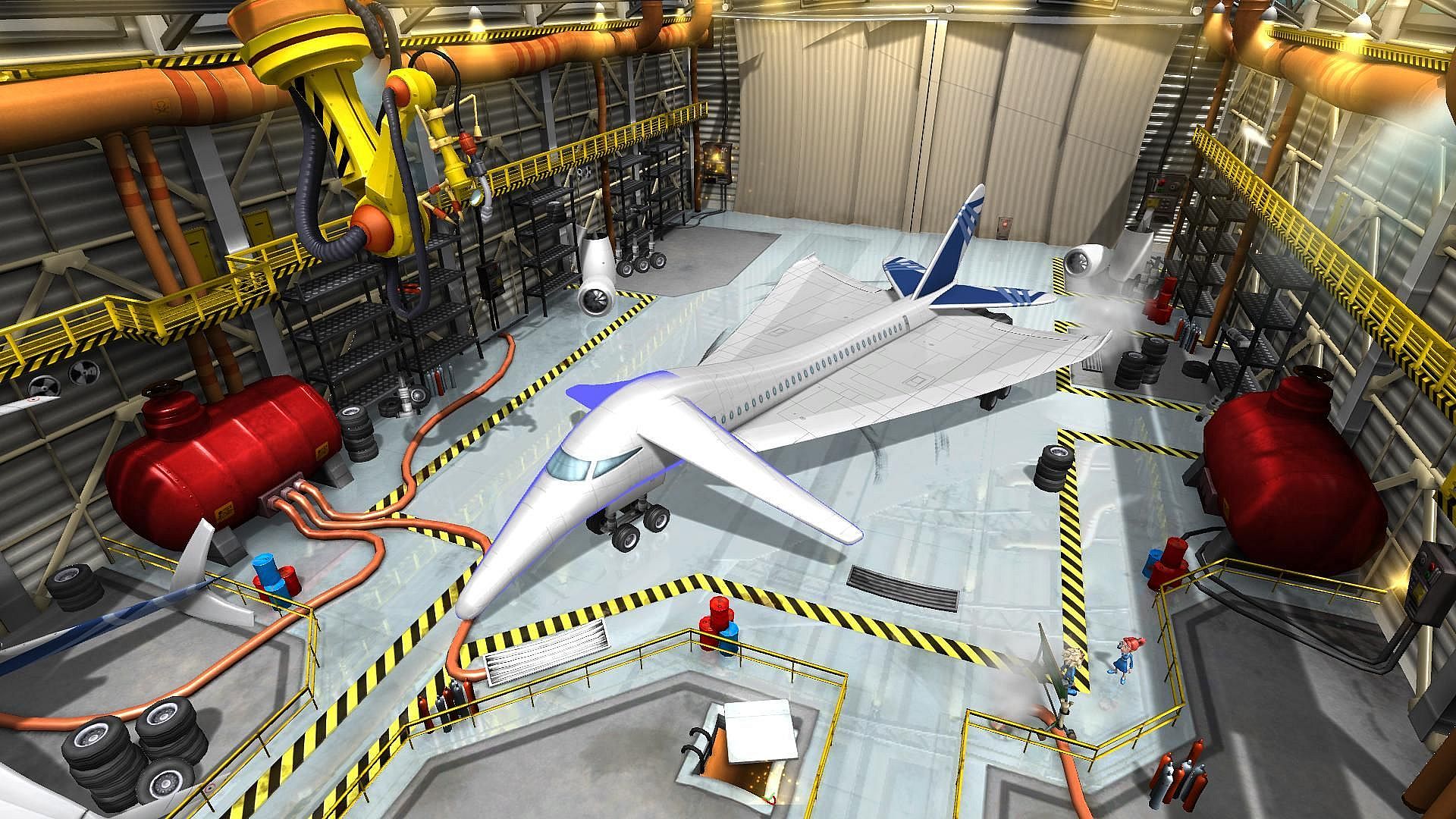
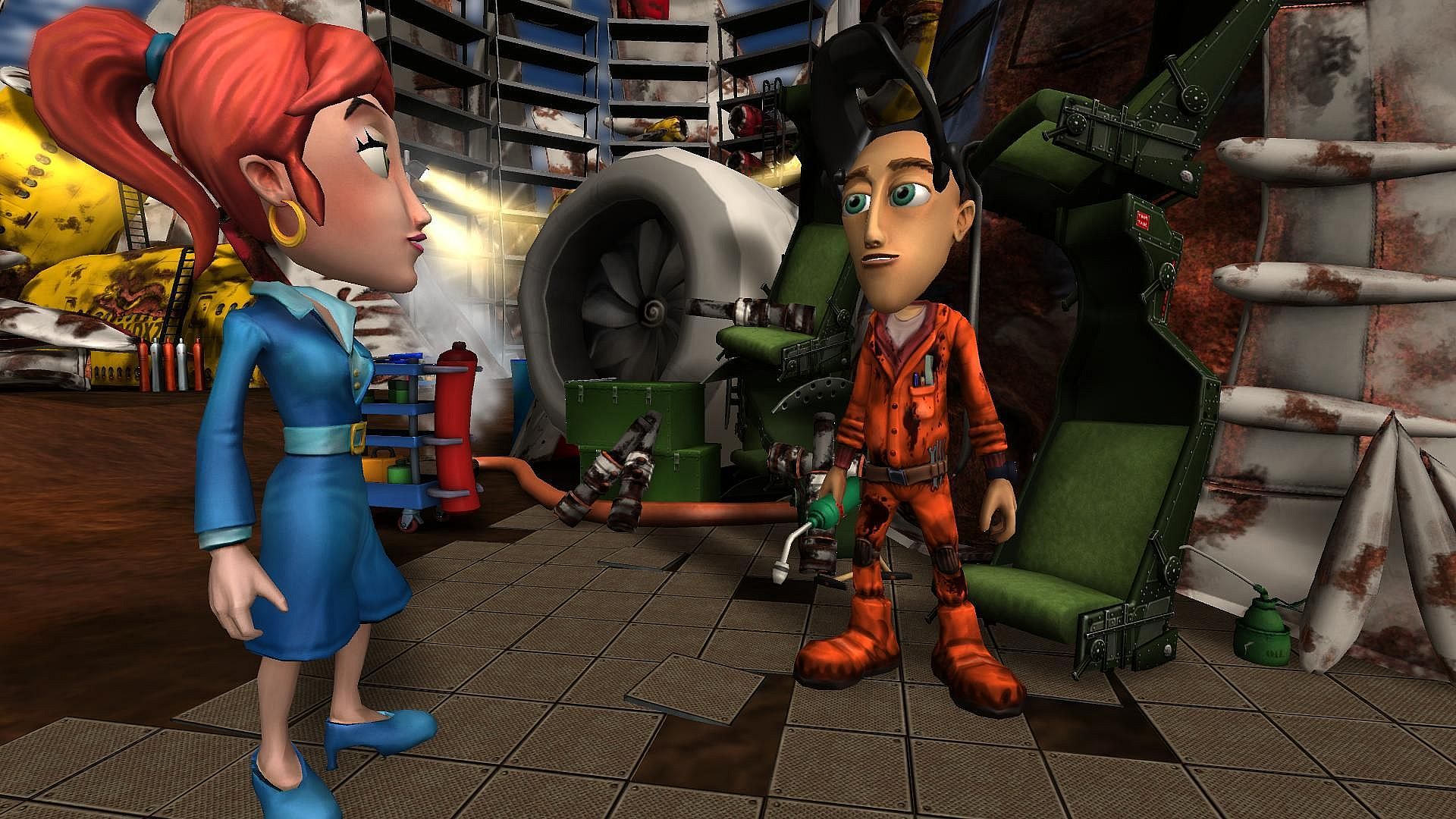
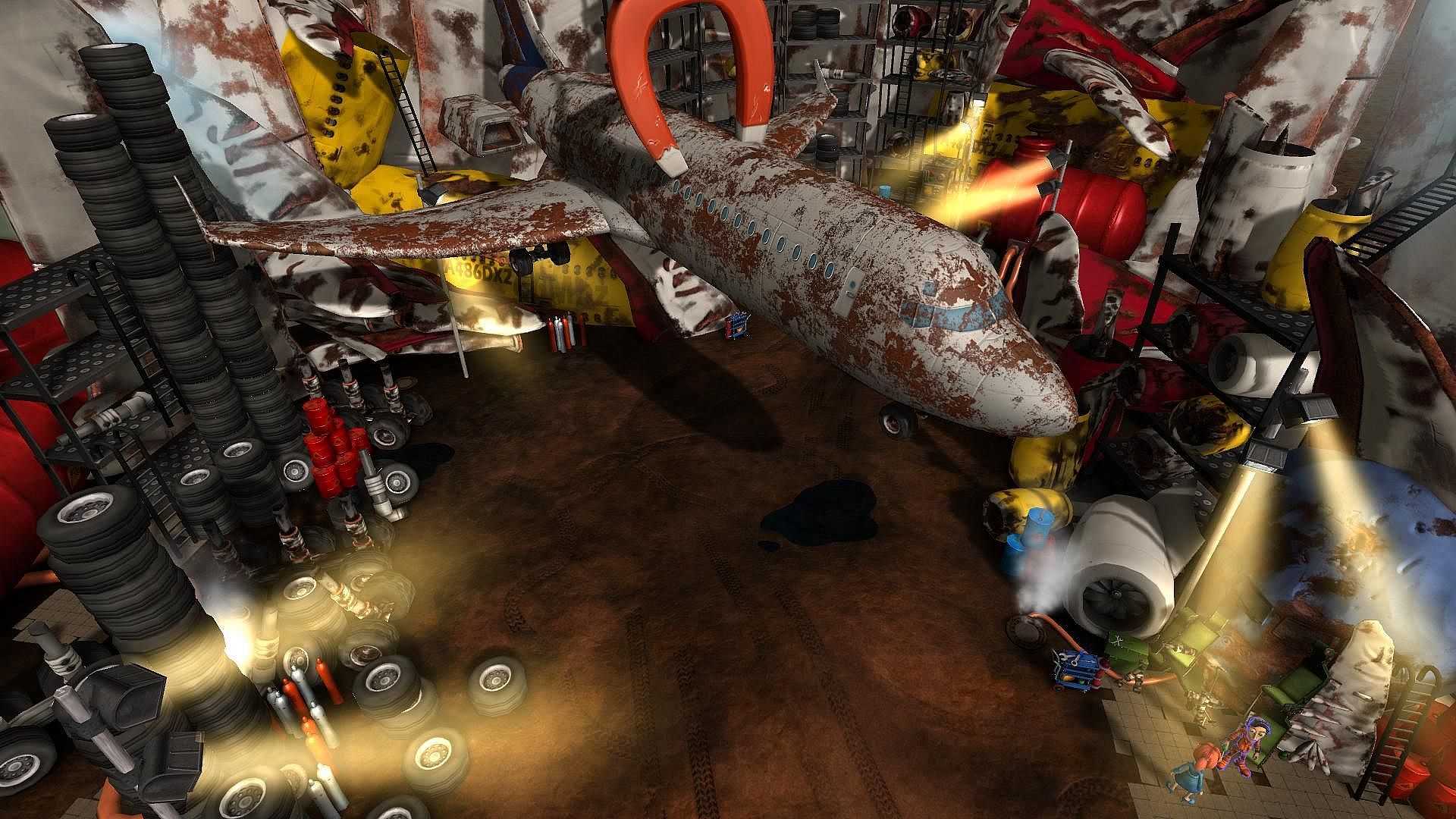
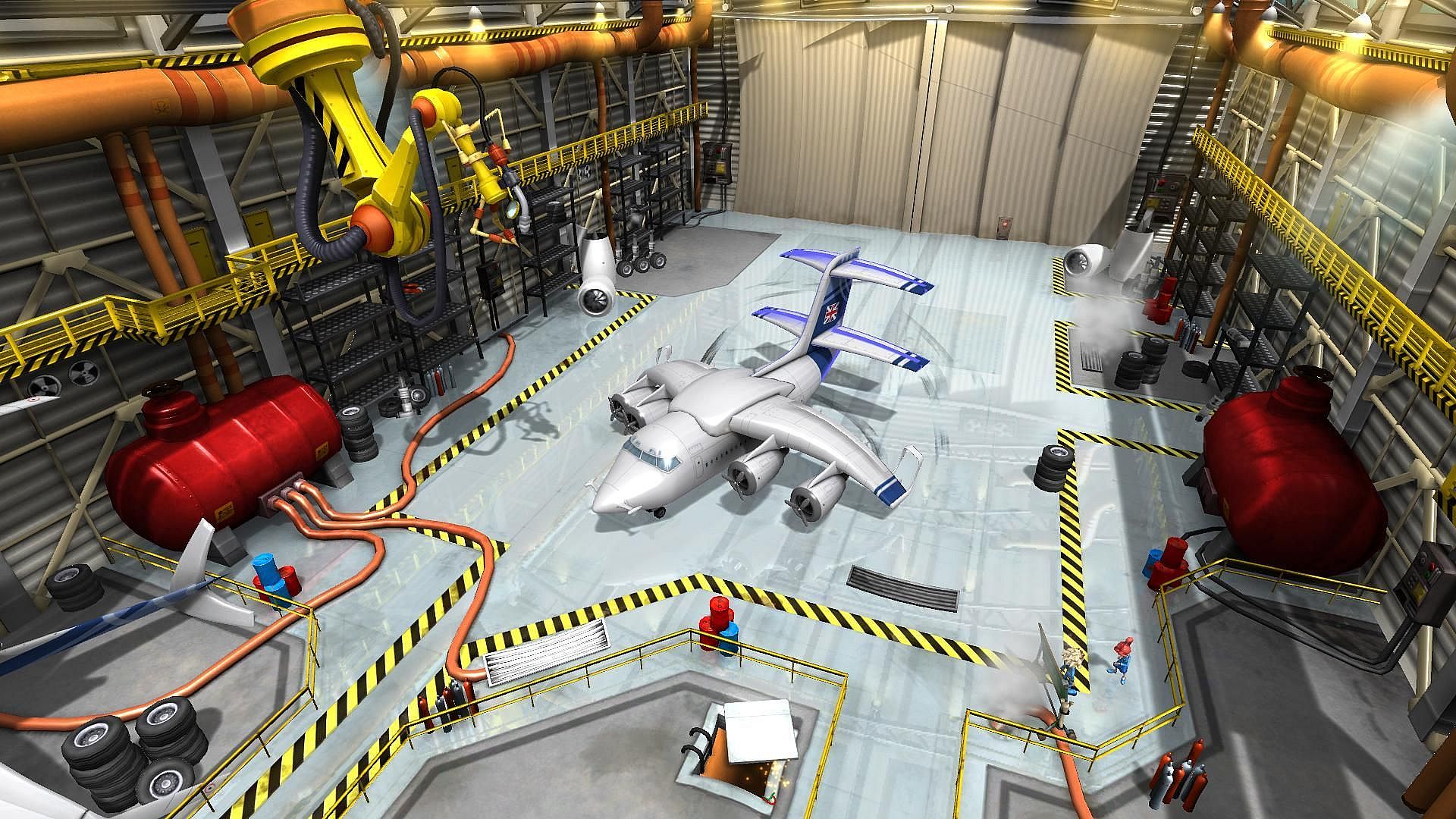
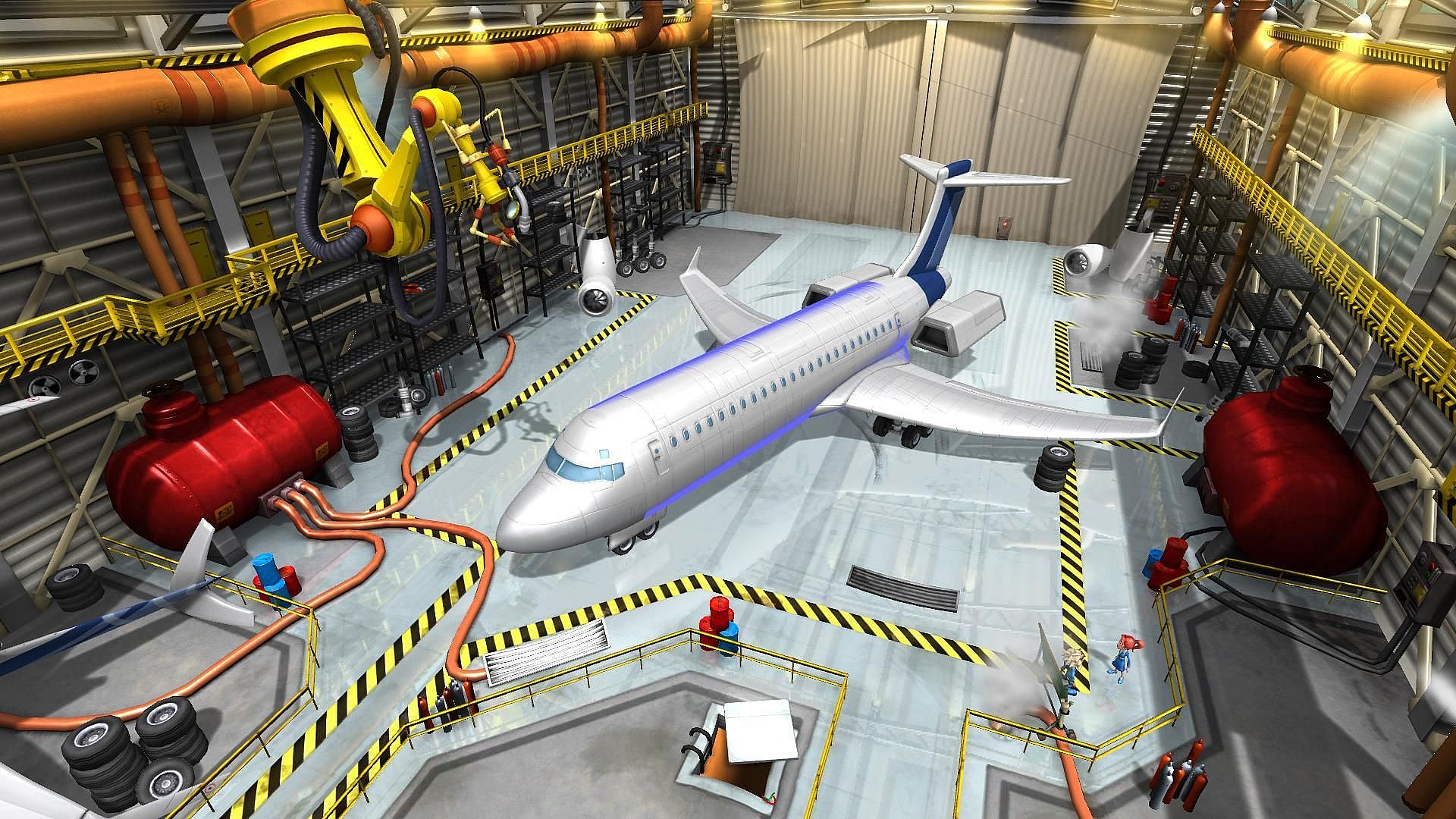
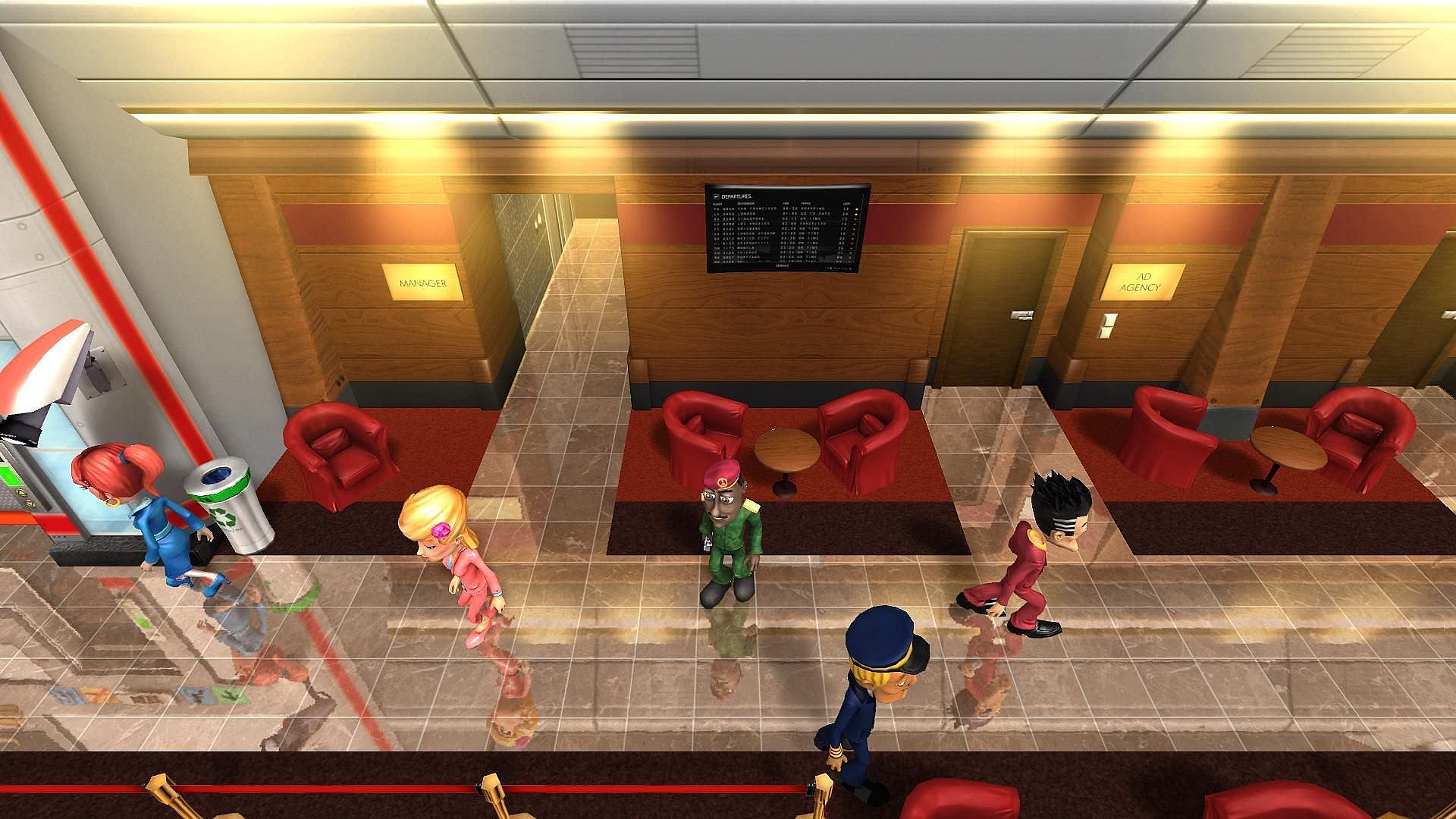
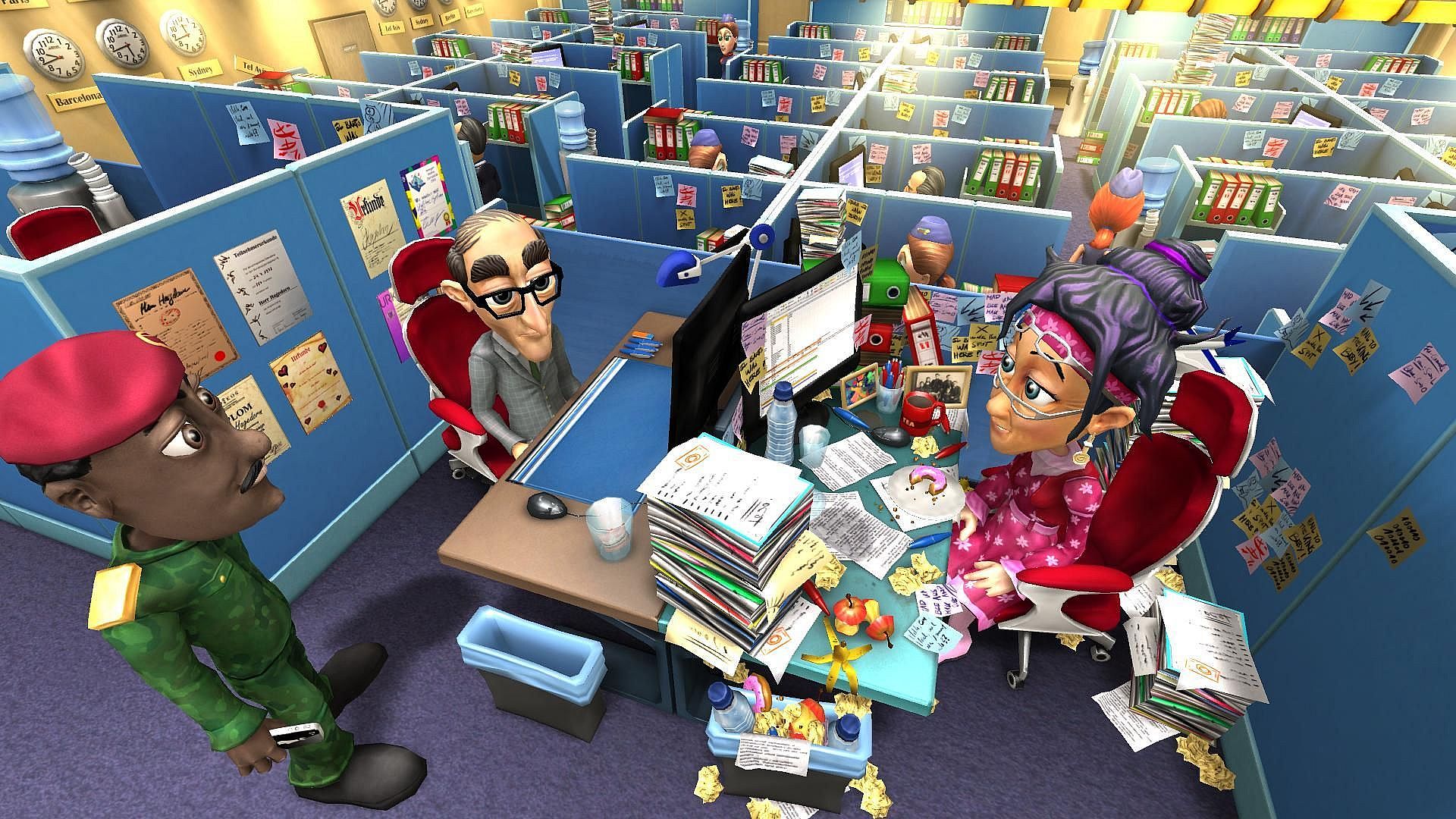
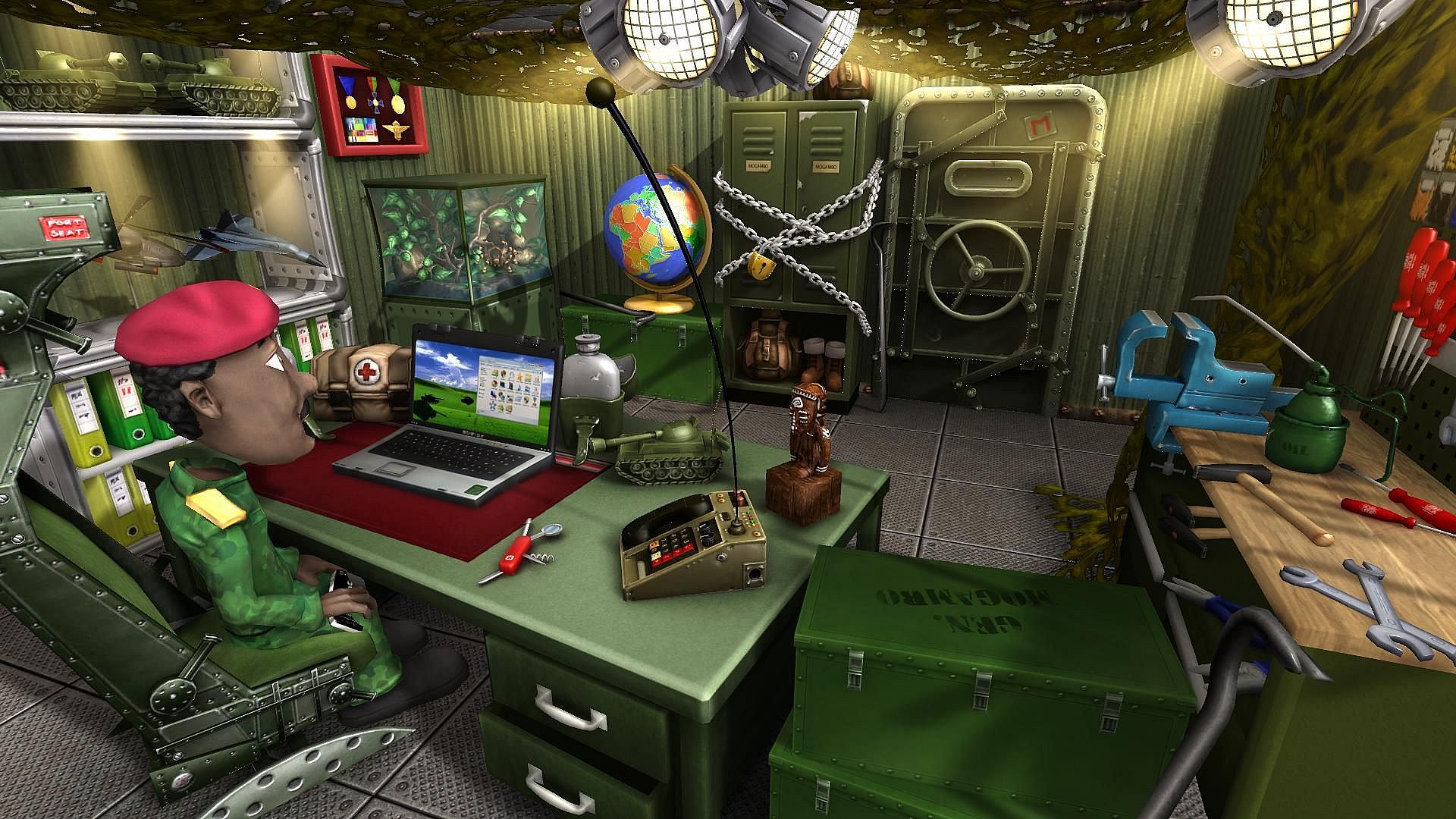
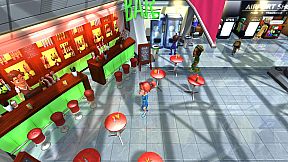
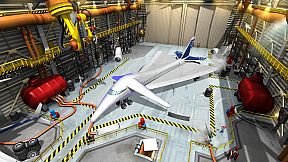
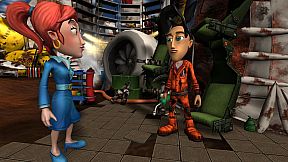
Fleet management includes an in-game editor for creating custom aircraft. Options range from efficient mass-transport planes to specialized luxury models. Four distinct avatars offer different starting strengths that influence early decisions in staff management and route planning. The home airport can be explored in 3D, where players interact with employees and occasionally encounter VIP passengers.
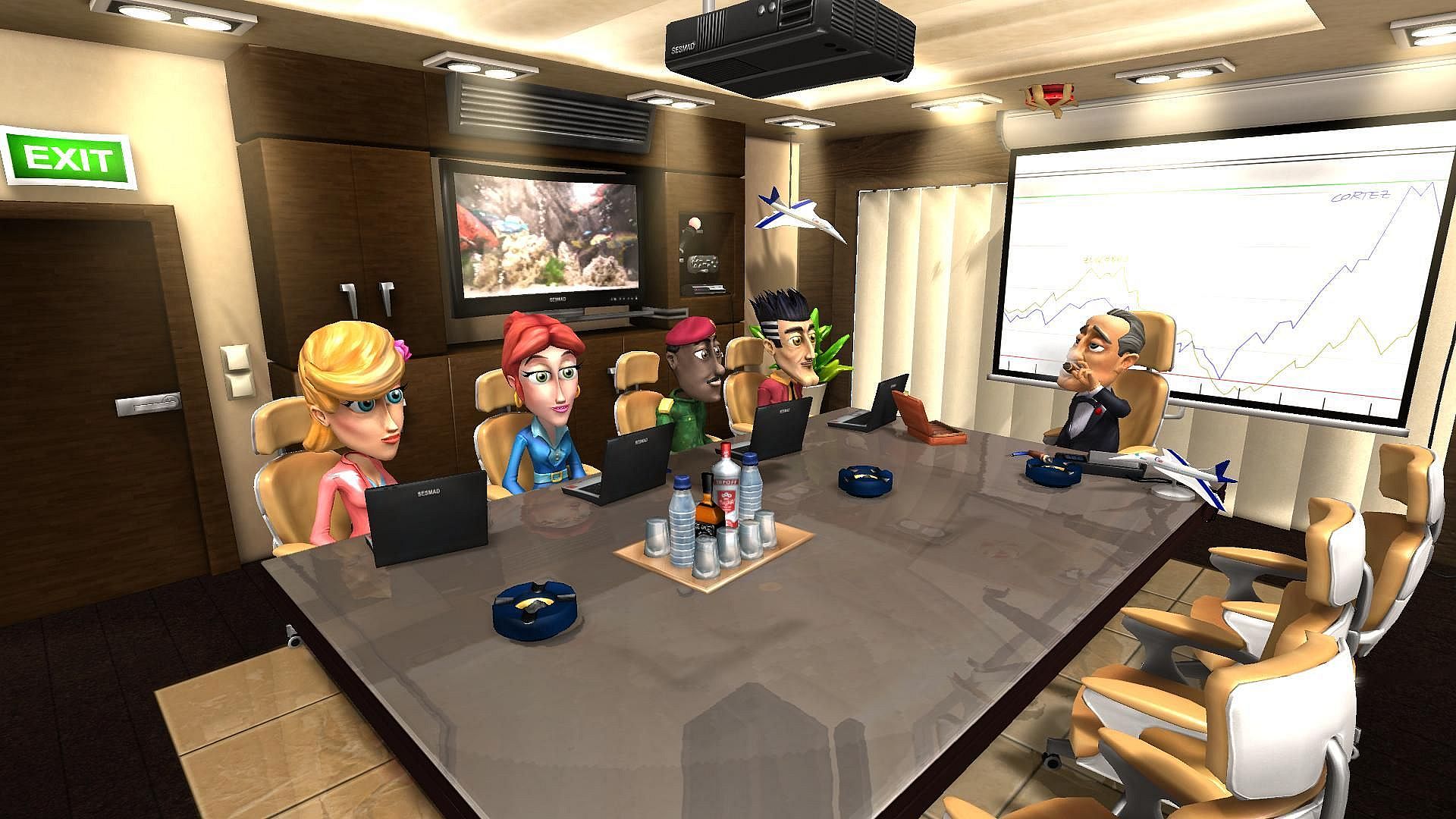
Random events introduce variety to daily management. Situations such as special requests from high-profile figures, regional conflicts, or weather disruptions like volcanic ash require quick responses to either mitigate losses or seize opportunities. Opponents engage in sabotage mechanics that can disrupt schedules or damage reputation, prompting players to respond in kind or focus on defensive strategies.
Game Modes
Two primary modes structure the experience. Campaign mode follows a structured progression with specific objectives tied to story elements and rival interactions. Freeplay mode functions as an open sandbox, allowing unrestricted airline growth without campaign constraints or time-limited goals.
Both modes share the same underlying systems for route scheduling, financial oversight, and airport navigation. The sandbox approach suits players who prefer long-term experimentation with fleet designs and global expansion, while the campaign provides directed challenges that introduce mechanics gradually.
Key Mechanics and Features
Airport exploration extends beyond the home base to locations worldwide, each with realistic passenger flows that influence ticket sales and operational demands. Staff oversight involves hiring, directing, and occasionally dismissing personnel to maintain efficiency. Share trading appears as an additional layer for managing assets and liquidity.
Maintenance scheduling and advertising campaigns form part of the routine to keep planes operational and attract customers. The combination of these elements creates a detailed business simulation focused on long-term strategy rather than real-time action.
Is It Worth Playing?
Airline Tycoon 2 delivers a focused airline management simulation with plane customization and competitive elements against AI opponents. The title supports single-player sessions through its campaign and freeplay options, appealing to those interested in economic strategy and tycoon-style progression.
Player reception on major platforms shows mostly negative feedback, with approximately 21 percent positive reviews. The game has not received notable updates or additional content in recent years. It suits enthusiasts of older simulation titles who value detailed management loops over modern graphics or online features, though expectations should align with its 2011 release date and mixed critical response.