






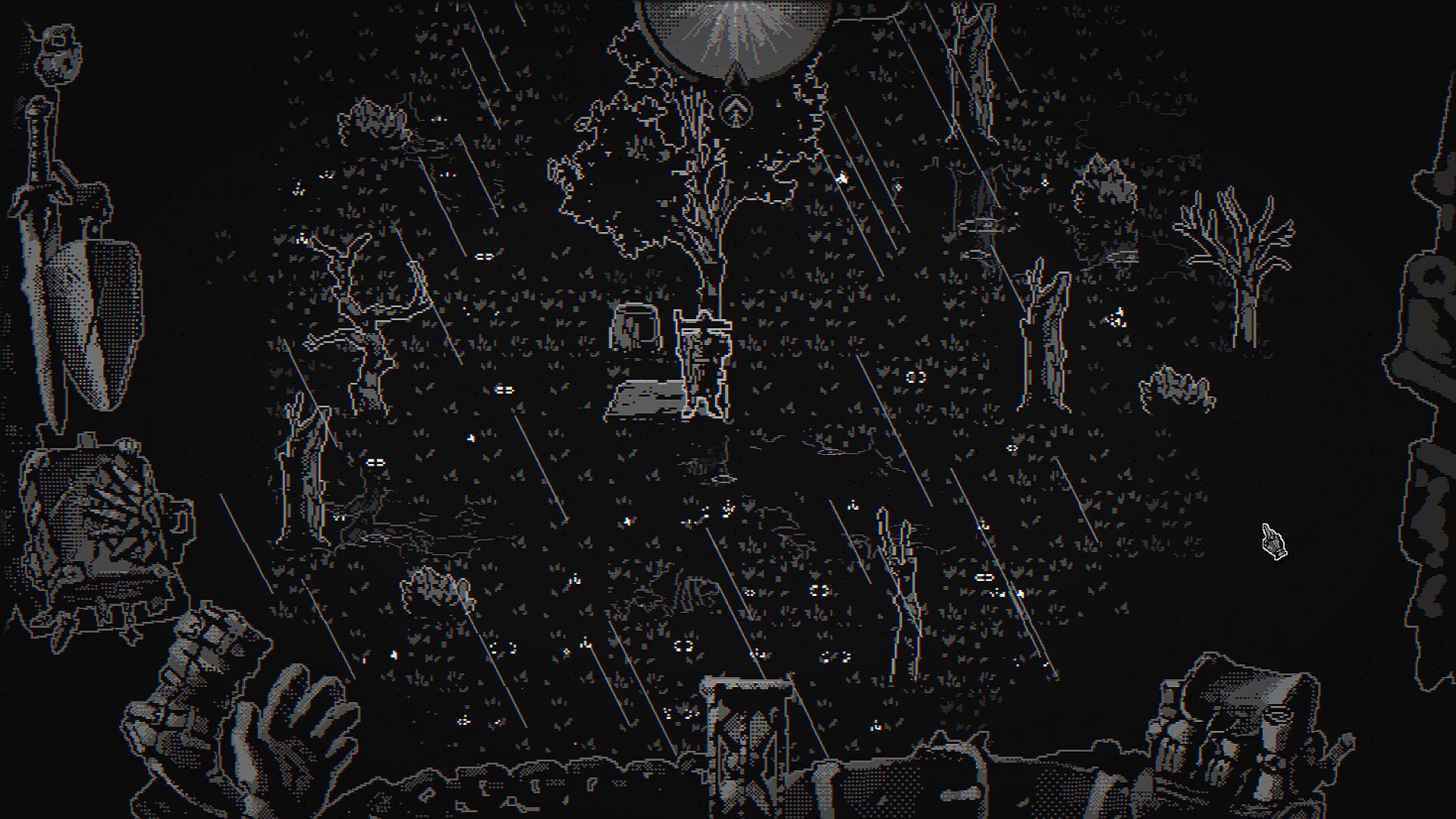
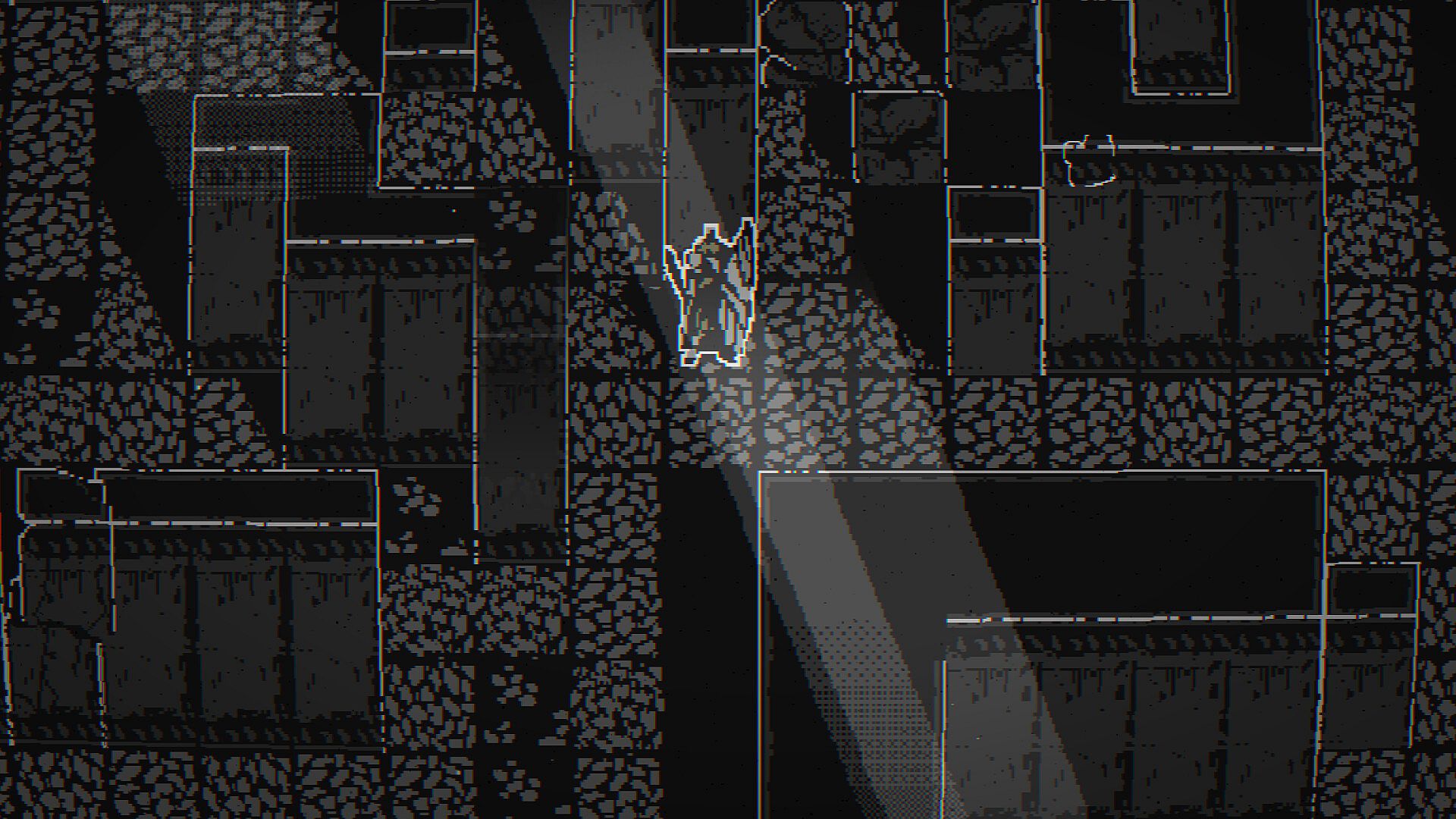
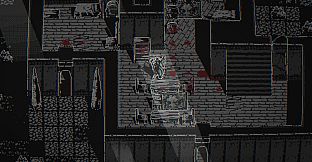

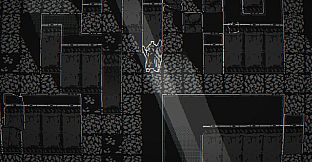
Age of Harvest is a 2D simulation traditional roguelike built for single-player exploration and survival on PC. Players navigate a dark, reactive world where every action influences the environment, enemies, and their own body. The core loop centers on venturing into an ever-changing labyrinth, managing limited resources, and adapting to procedural threats without fixed routes or scripted sequences.
Gameplay
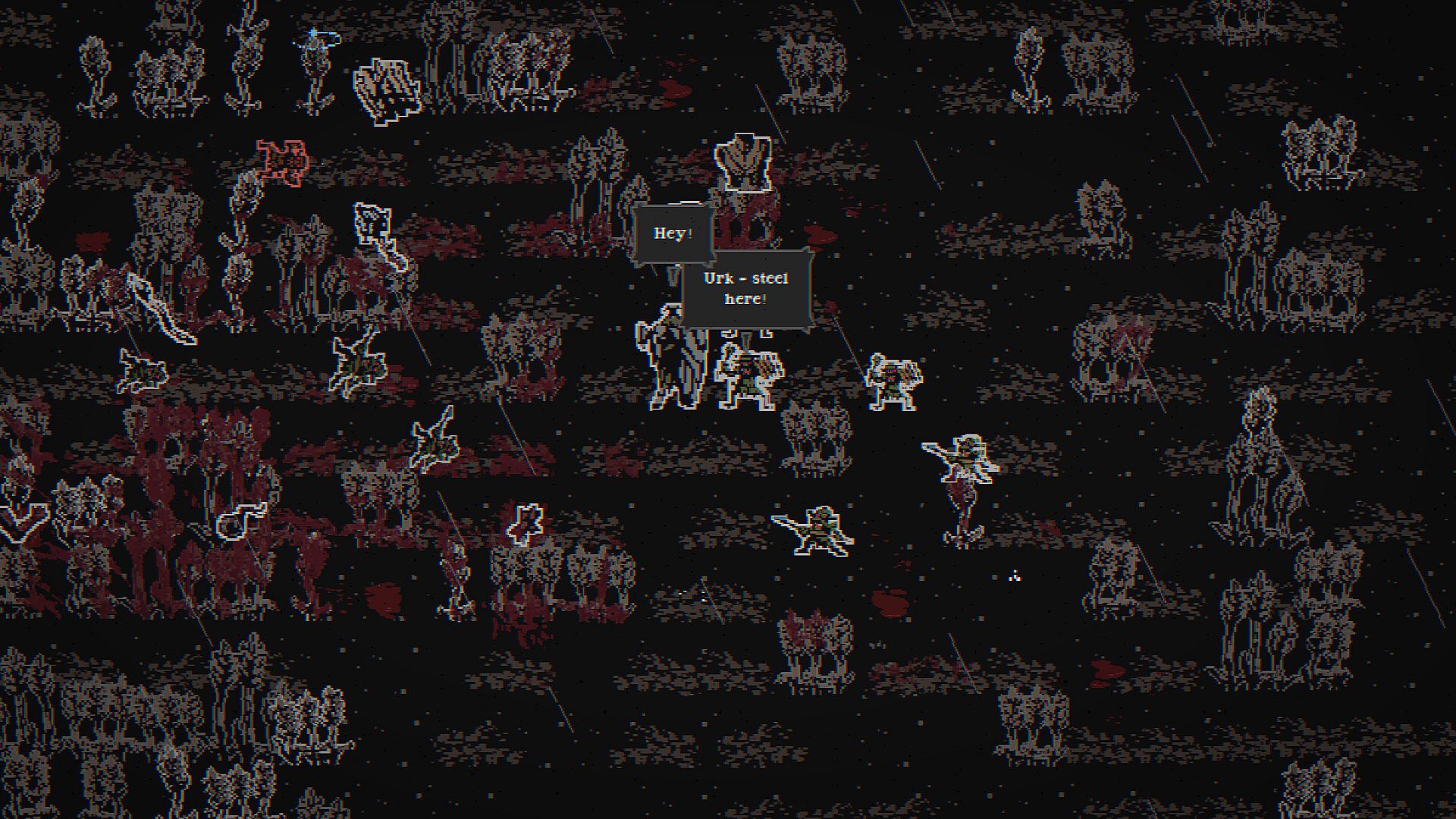
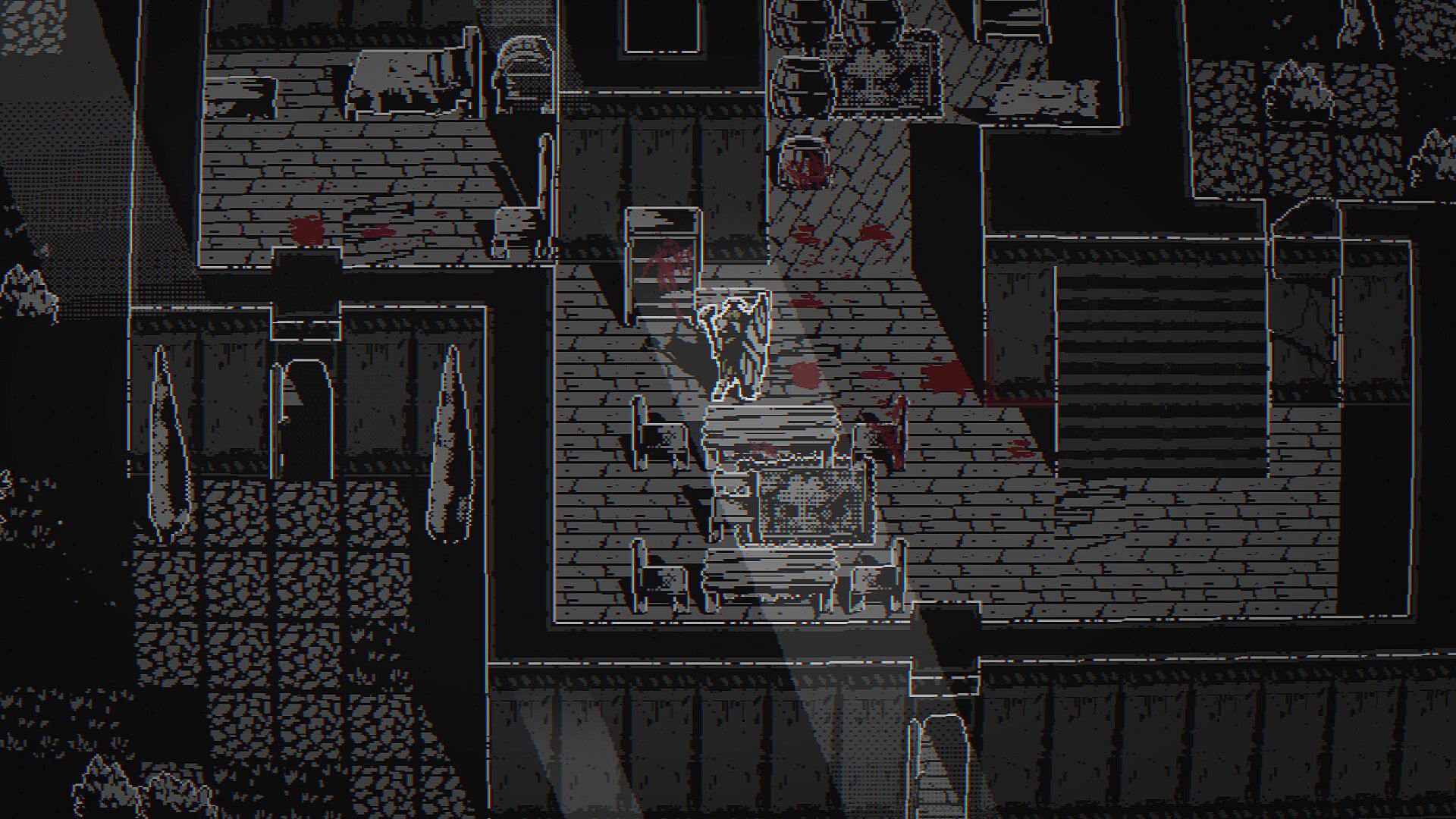
The experience revolves around simulation systems that respond to player choices. Exploration takes place across multi-level spaces where paths, dangers, and layouts shift between sessions. Combat involves enemies that possess distinct behaviors, senses, and needs, forcing players to observe and react rather than rely on patterns.
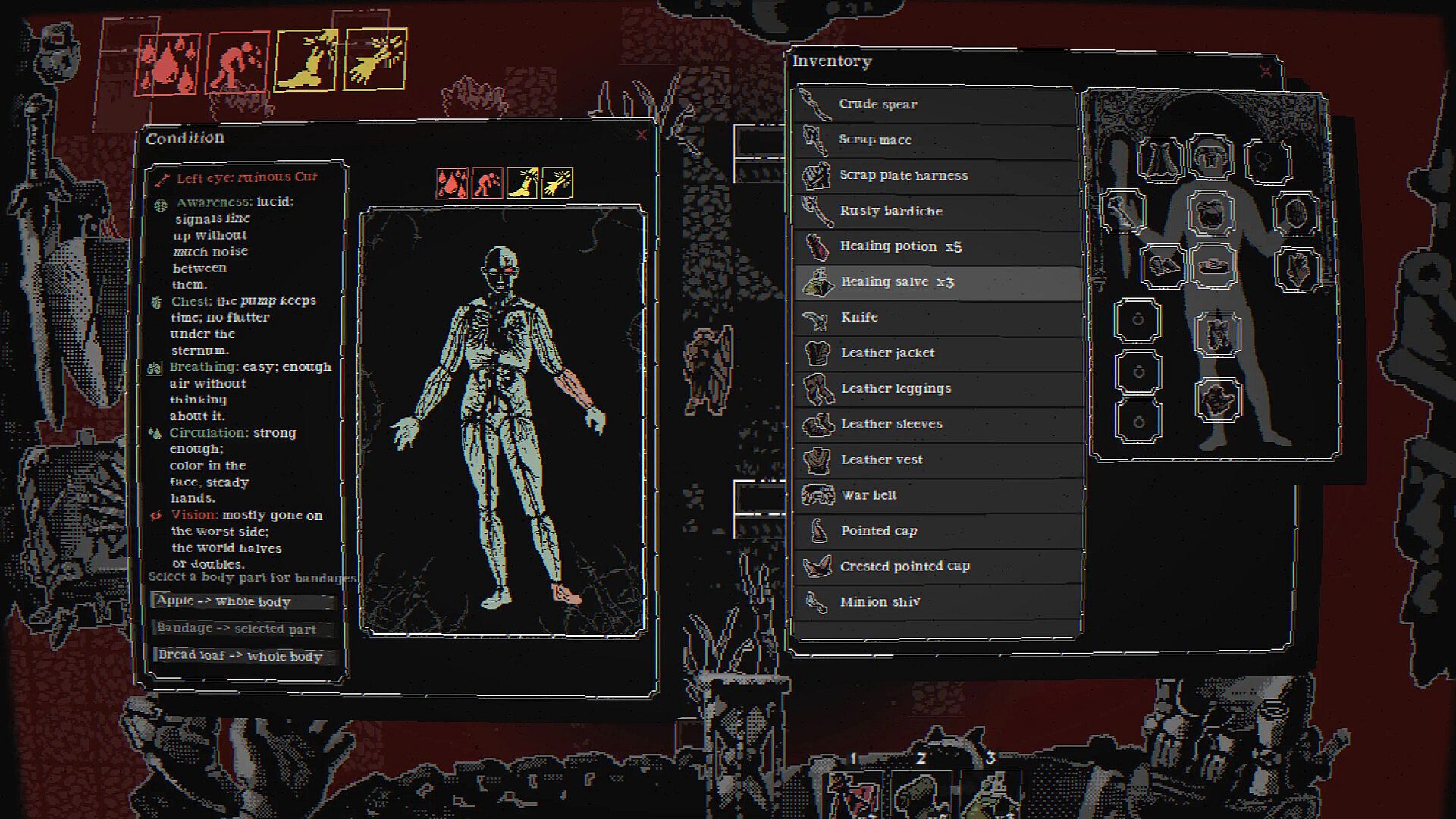
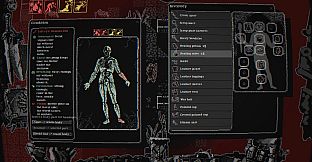
A dynamic organ-based health system tracks injuries in detail. Damage to specific body parts alters movement speed, combat effectiveness, and overall capability, requiring careful management of wounds during fights and travel. Gathering, hunting, butchering, crafting, and repairing form the backbone of resource use, with items drawn directly from the world and subject to durability limits.
NPCs operate on independent schedules. Their relationships, daily actions, and responses persist regardless of player presence, creating opportunities for trade, information gathering, or unintended consequences. The game emphasizes discovery through these interconnected systems rather than linear objectives.
Game Modes
Age of Harvest operates as a single-player roguelike with no separate multiplayer or competitive modes. Each session functions as a self-contained run through the labyrinth, where procedural generation ensures unique layouts, enemy placements, and events. Players approach challenges through varied survival strategies, such as focusing on stealthy movement, aggressive combat, or resource trading with NPCs.
The simulation layer supports emergent playstyles within this framework. One approach might prioritize mapping unknown areas and uncovering hidden cultures or beliefs, while another emphasizes short-term survival through repeated gathering and repair cycles. No predefined difficulty settings or campaign modes exist beyond the core roguelike structure of repeated attempts in a shifting world.
World and Discovery
Beyond familiar starting areas lies an expansive, origin-unknown labyrinth that changes with every visit. Players encounter strange cultures, factions, and mysterious events scattered throughout the environment. These elements reward careful observation and interaction rather than direct confrontation.
Environmental storytelling and NPC behaviors provide clues to the world's history and the labyrinth's purpose. The design avoids hand-holding, instead relying on systems that generate situations organically from player actions, weather influences, gear condition, and NPC routines.
Current Development State
The game remains in active development ahead of its planned Early Access release. A playable foundation already includes multi-level exploration, injury mechanics, inventory management, trading, and basic survival pressures like hunger and thirst. Additional layers around long-term character growth, deeper food and recovery systems, and expanded world content are scheduled for later updates.
Regular patches will address balance, readability, and stability based on community input. The full release aims to expand these foundations without altering the simulation-first approach.
Is It Worth Playing?
Age of Harvest suits players who enjoy deep simulation roguelikes with emphasis on bodily management, procedural discovery, and reactive NPC worlds. Those drawn to systems where injuries reshape combat options, resources must be harvested and maintained on the fly, and no two runs follow the same path will find the core loop engaging from the start.
Because the title is still building toward Early Access, interested players should expect an evolving experience with ongoing additions to survival depth and content density. It offers no free modes or trials at present, and its single-player focus means value comes from repeated sessions testing different approaches to the labyrinth. Fans of traditional roguelike structure paired with simulation mechanics will likely appreciate the direction, while those seeking polished campaigns or multiplayer elements may prefer to wait for further updates.











