




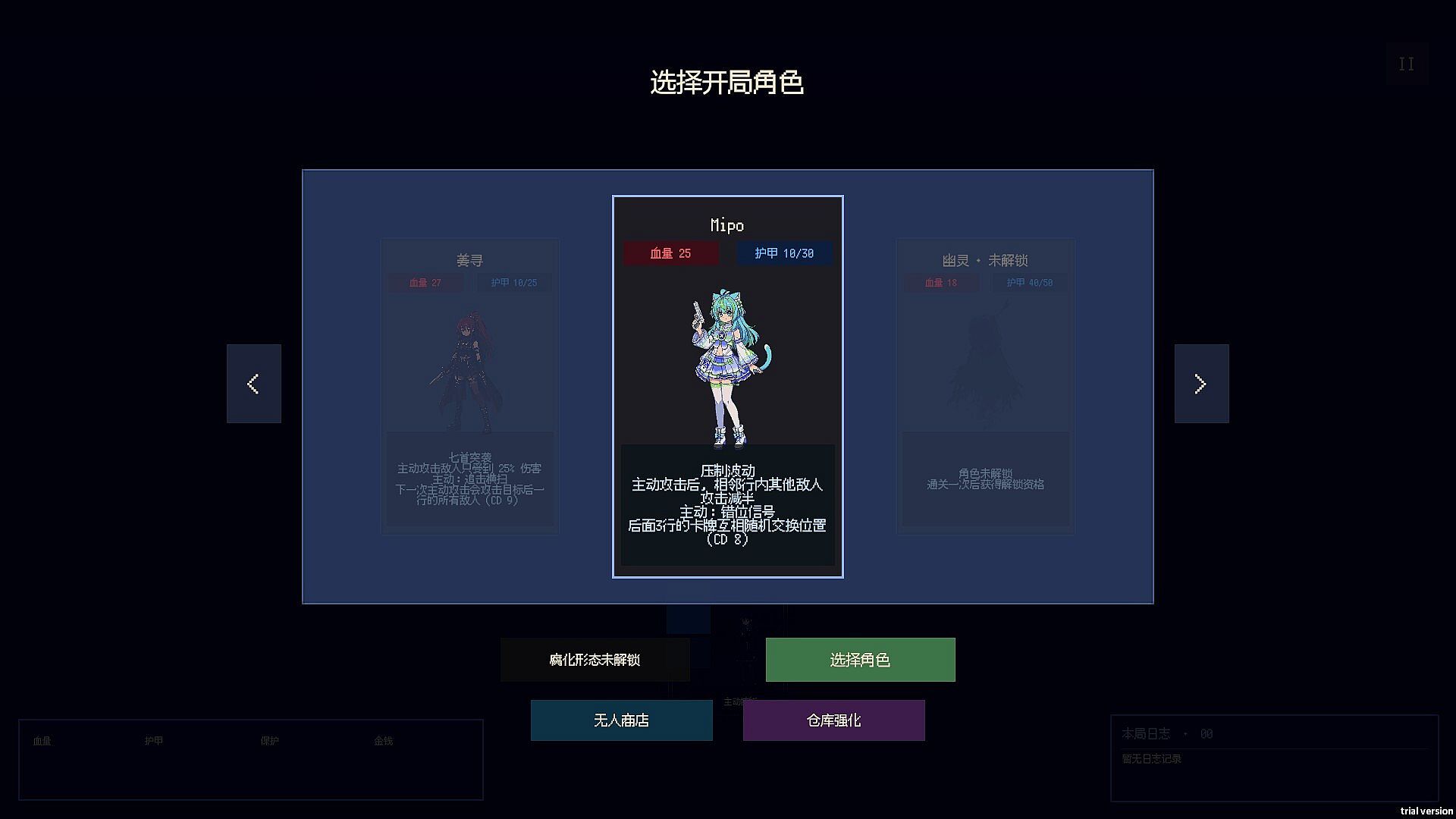




Abyss Campus is a strategy indie RPG with casual and adventure elements, built as a single-player roguelike where players navigate a collapsing campus overtaken by a mutated serum outbreak. Set at Qichuan City Aerospace University, the game places you in control of survivors who must advance through procedurally generated card arrays without the option to retreat or establish a base.
Gameplay
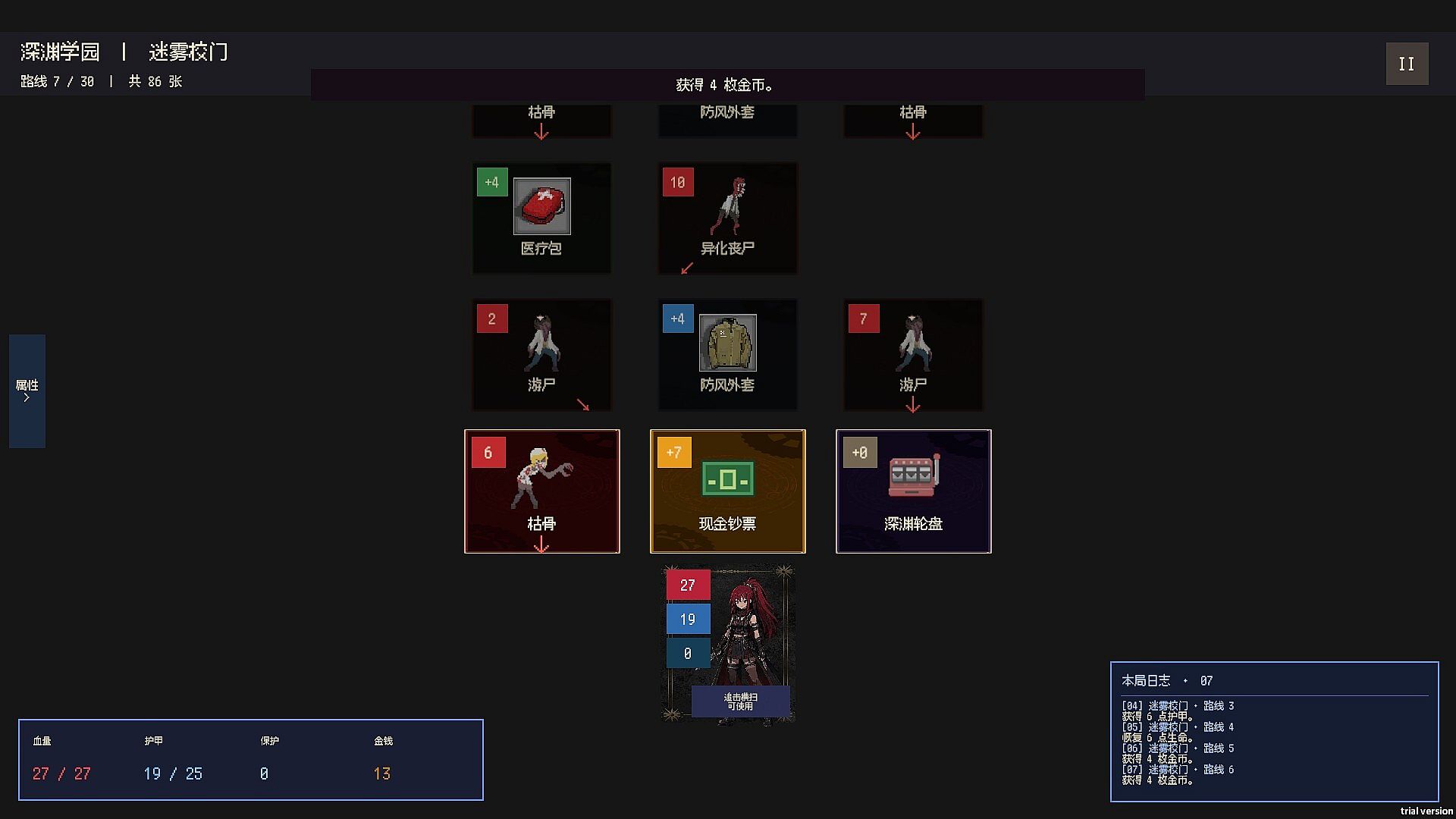
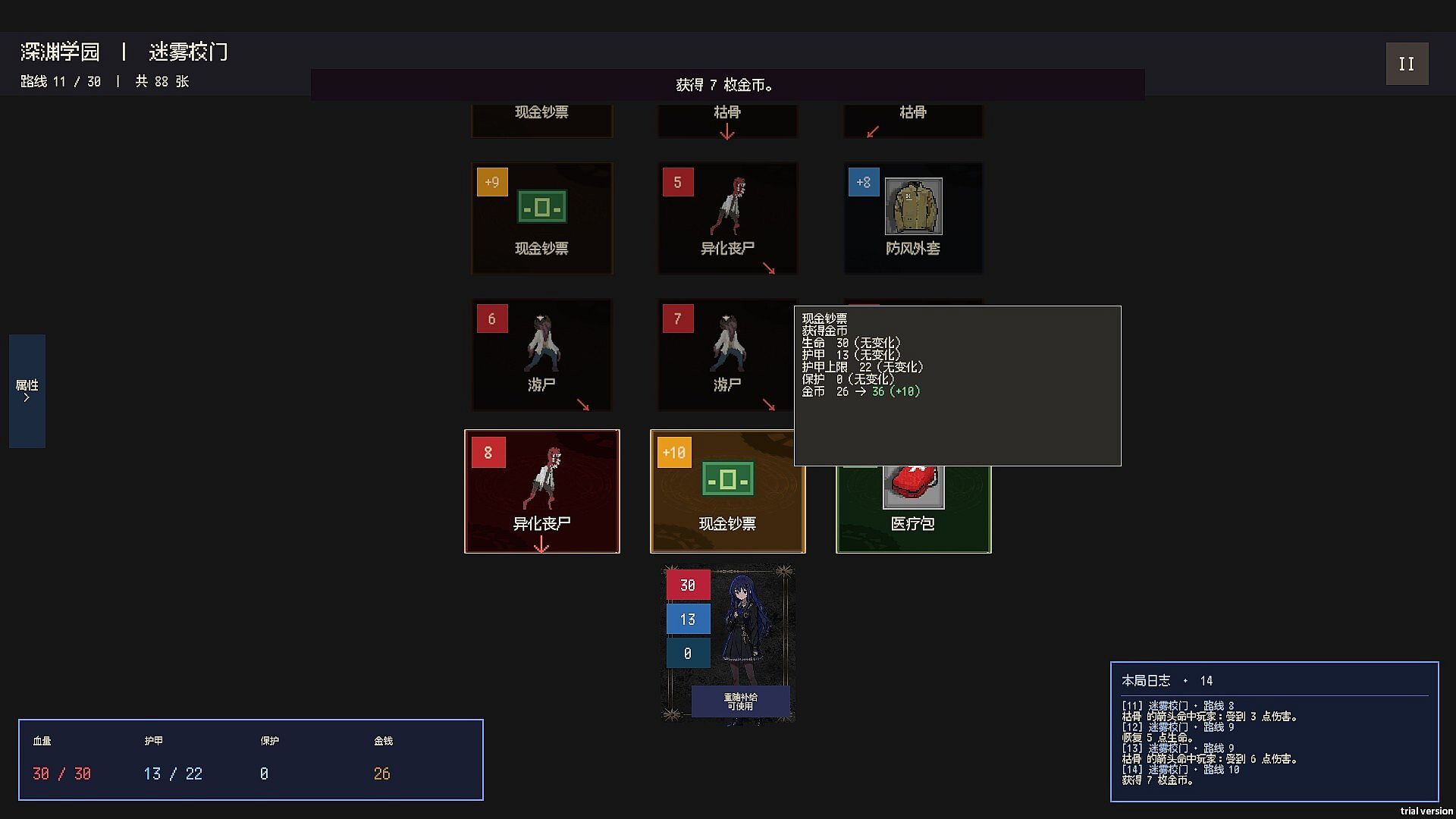
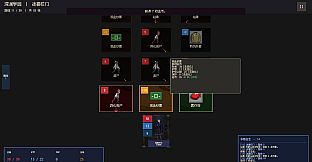
The core loop centers on forward-only movement across multi-row card paths that expand each campus layer. From any position, the next card must be selected from the adjacent left, center, or right options in the row ahead. These cards mix rewards such as gold, medical kits, armor, and blessings with hazards including monsters, pollution, shops, and random events. Rewards on safer paths tend to be modest, while richer paths carry higher risks of encirclement by enemies.
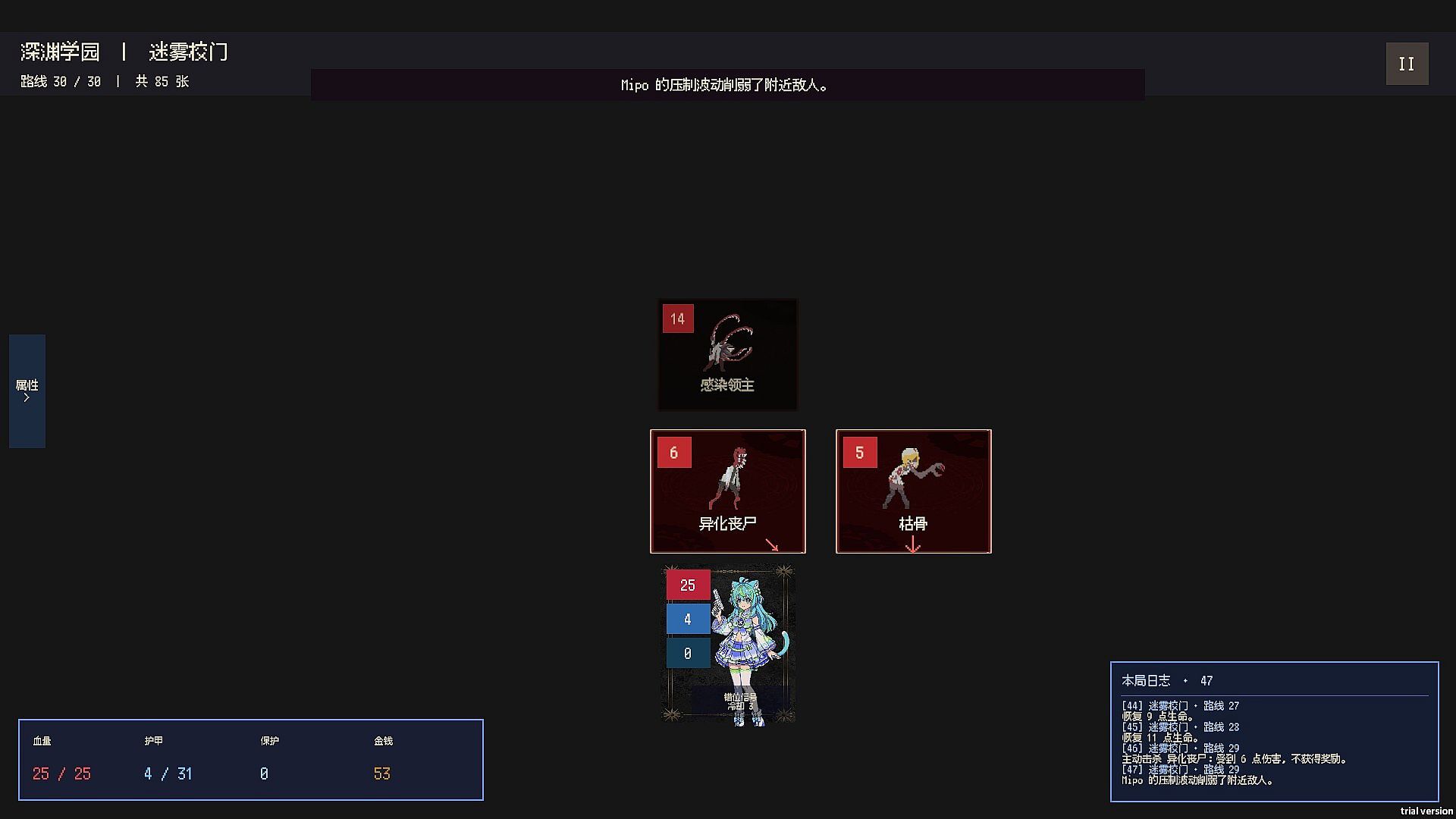
Combat timing adds depth. Players can initiate attacks on visible monsters to reduce incoming damage or conserve actions and let threats engage during path advancement. The method of defeat matters because certain enemies, relics, and rewards activate only under specific kill conditions. Different characters bring unique starting stats, passive traits, and active skills on cooldown wheels that interact with current position and enemy placement. Skills used at the right moment open escape routes, while mistimed ones leave the next row unmanageable.
Relics collected during runs vary in rarity and function. Some boost health, armor, or gold income. Others tie into status effects like recovery, stealth, or greed. The most powerful outcomes emerge when multiple relics interact, turning gold into extra lives or armor into temporary second chances. In deeper campus areas, rare abyss monsters drop crystals that allow relic corruption. Corrupted versions rewrite effects entirely, sometimes adding branches to paths or imposing new costs such as gold consumption or altered shop pricing.
Game Modes
The primary experience follows the main campaign through successive campus layers filled with the card arrays and encounters described above. Progress unlocks additional characters and permanent upgrades purchased between runs. After completing the main campaign, endless mode becomes available. This mode retains the current build while looping through increasingly difficult layers, raising enemy strength and path pressure with each cycle.
Character selection influences available strategies. Some excel at converting loot into healing, others at chaining attacks, and a few can reposition across the array or convert resources directly into forward momentum. Corruption offers an alternate progression path that trades stability for high-risk, high-reward alterations to relic behavior.
Key Mechanics and Progression
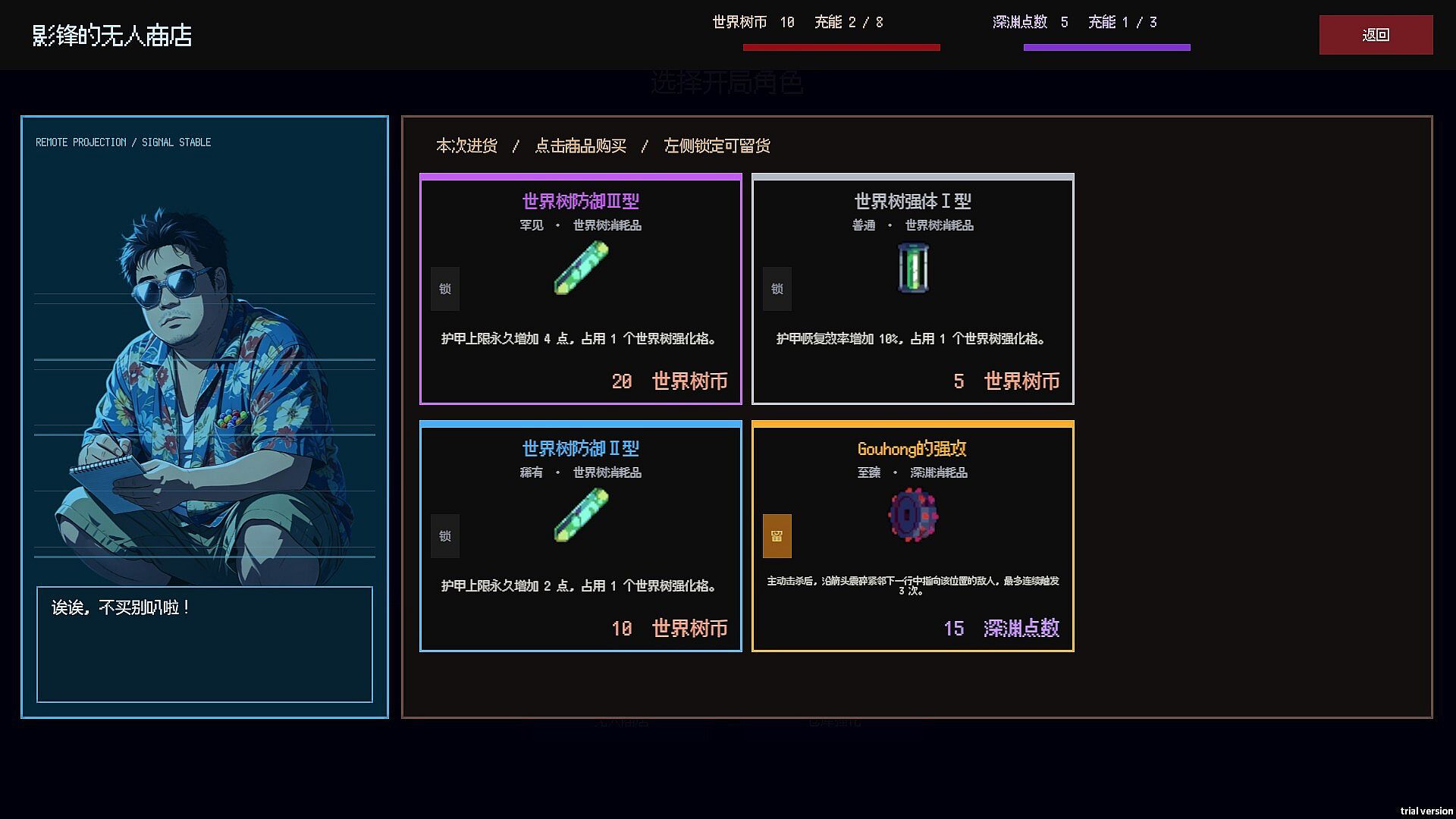
Relic interactions form the backbone of long-term strategy. A single strong relic rarely defines a run; instead, combinations create emergent systems where armor generation enables riskier path choices, which in turn produce more protective effects. Shops refresh based on progress and offer items that further customize the build. Between runs, two currencies fund the unmanned shop: world tree coins from regular monster kills and abyss points from bosses and special encounters. These purchase potions, upgrade slots, and advanced abilities assigned to unlocked characters.
The setting incorporates light humor amid the apocalypse. Infected retain fragments of former routines, leading to incongruous details such as a zombie carrying a coffee maker or events that reference everyday campus life. These moments contrast with the constant forward pressure and the question of whether corrupted relics reveal hidden truths or simply mutate further.
Is It Worth Playing?
Abyss Campus suits players who enjoy roguelikes built around deliberate path choices, timing-based combat decisions, and relic synergy rather than fast reflexes or large-scale battles. The single-player structure emphasizes careful planning across short individual steps that compound into divergent outcomes. Those who appreciate games where resource management and corruption mechanics create replay variety will find consistent depth in the card array system and character differences. The endless mode extends this for players seeking to refine and stress-test established builds against rising difficulty. Availability is limited to PC, and the experience remains focused on solo progression without multiplayer components.