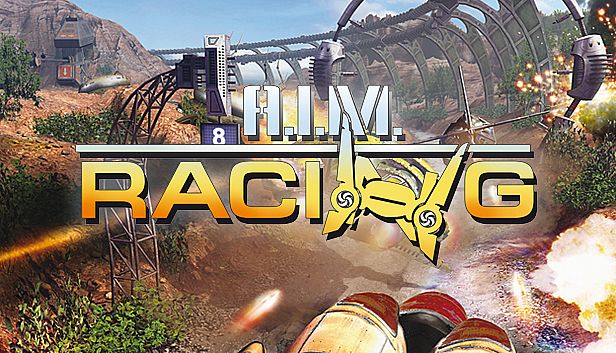


















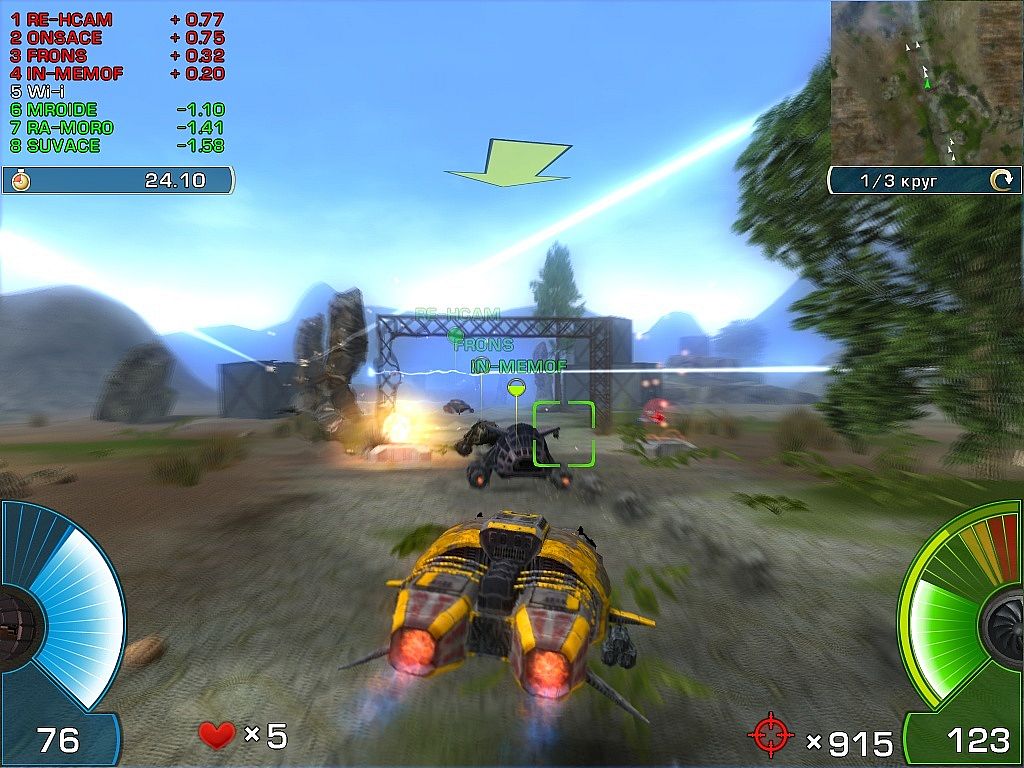
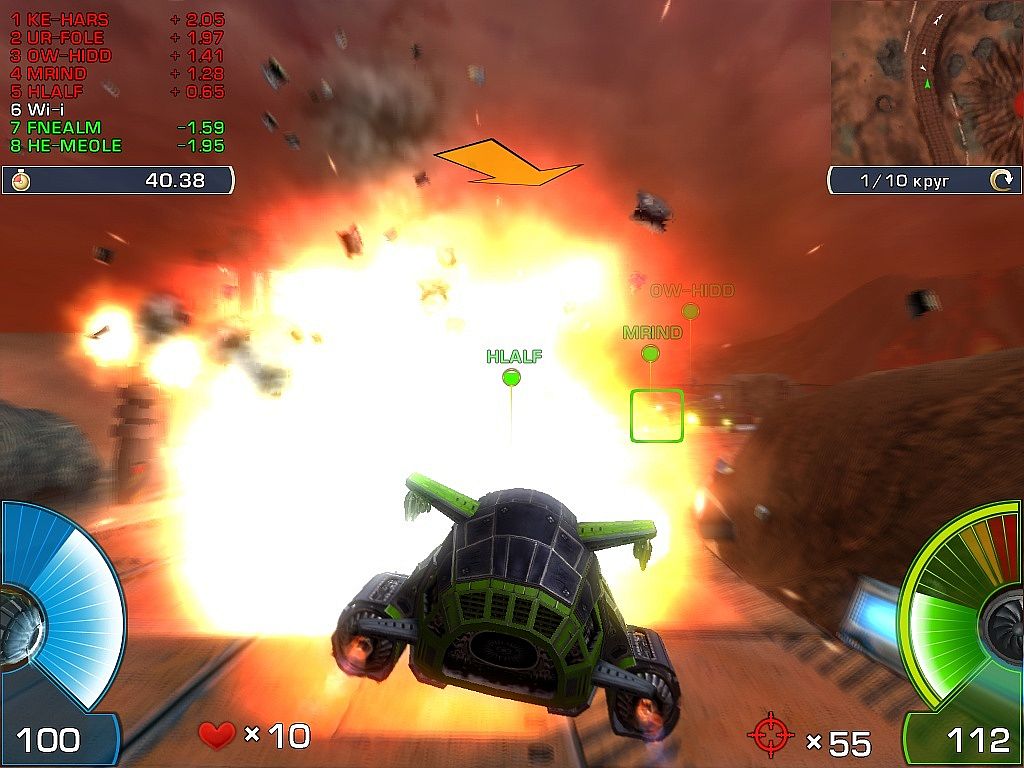
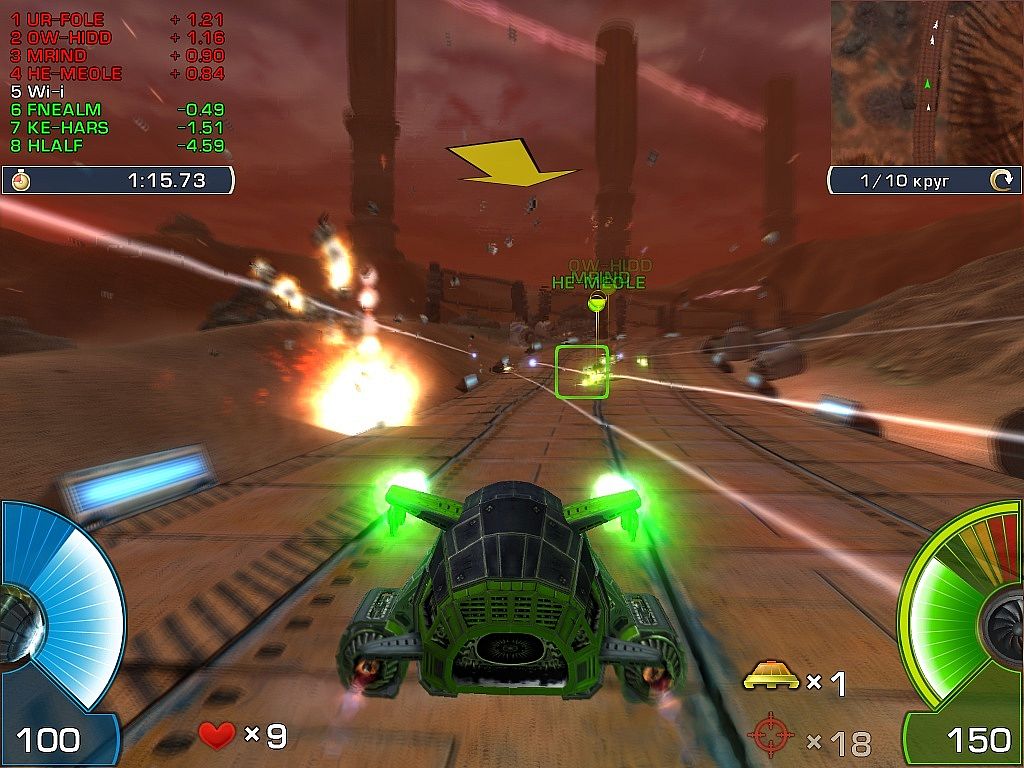
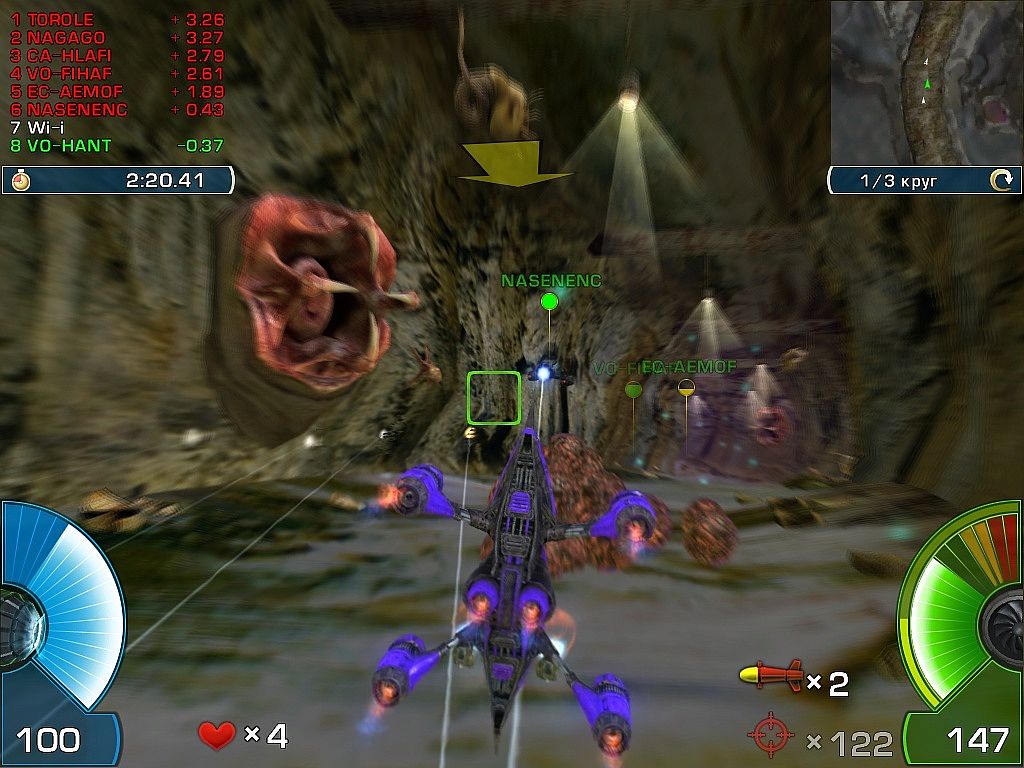
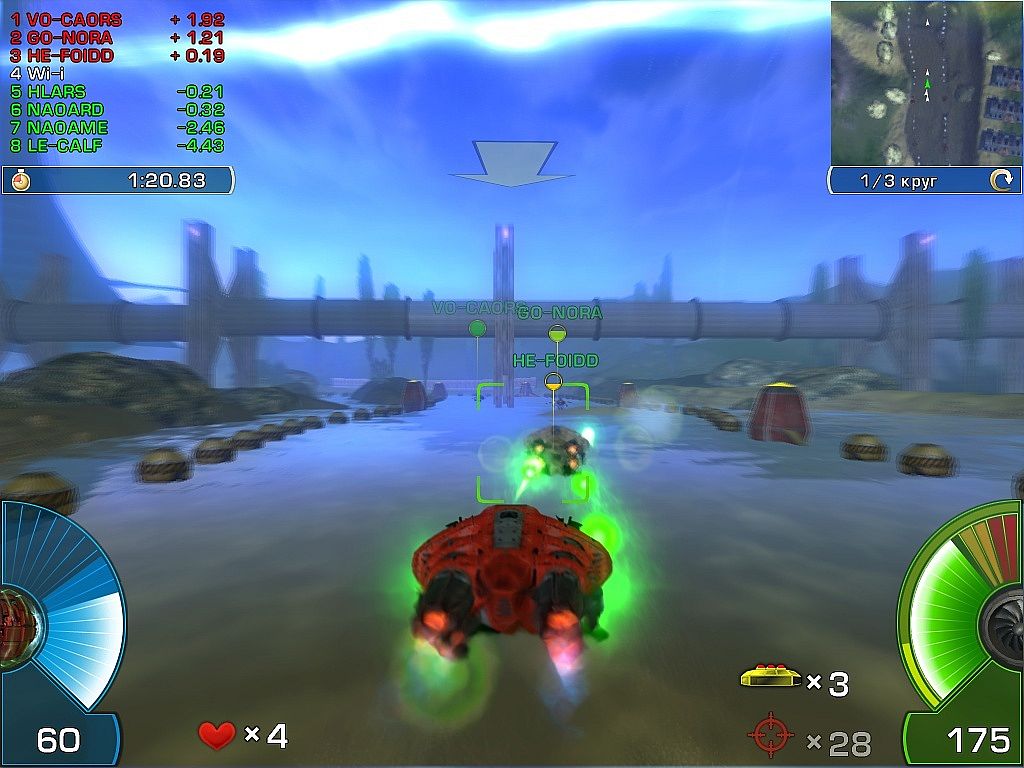
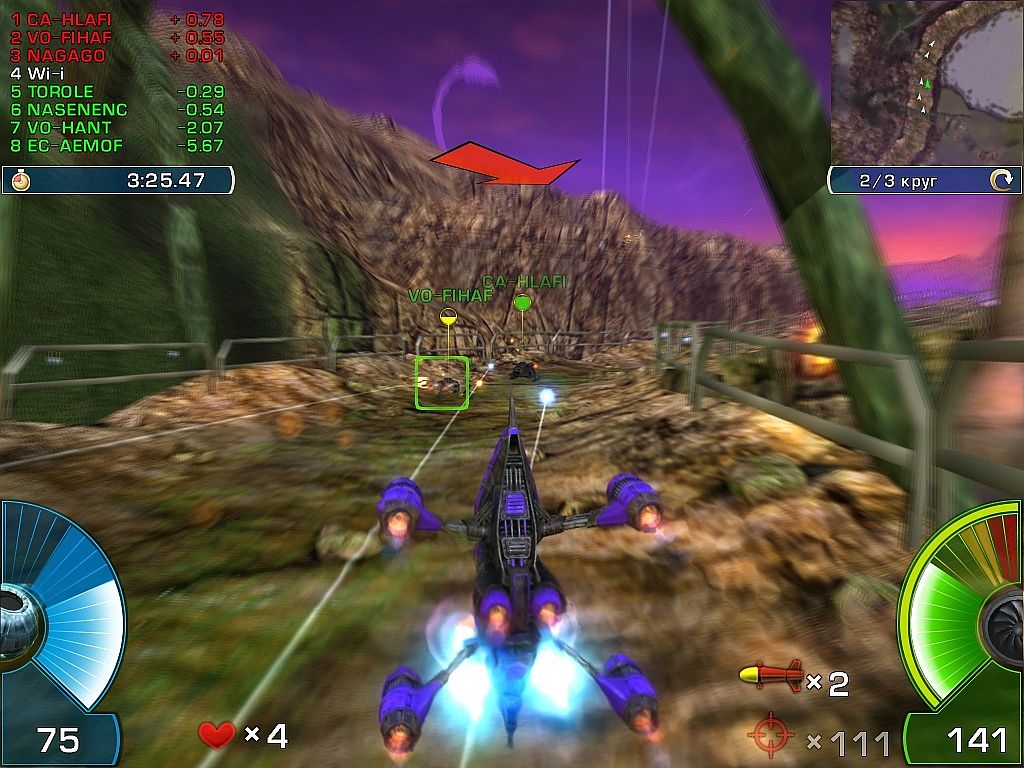
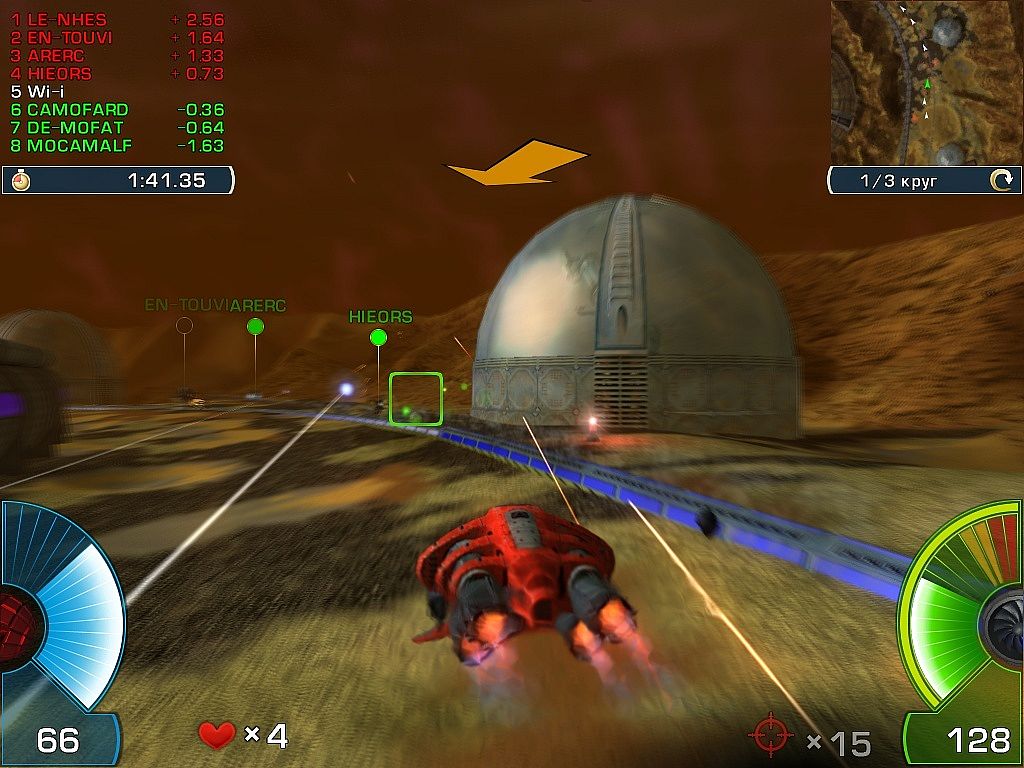
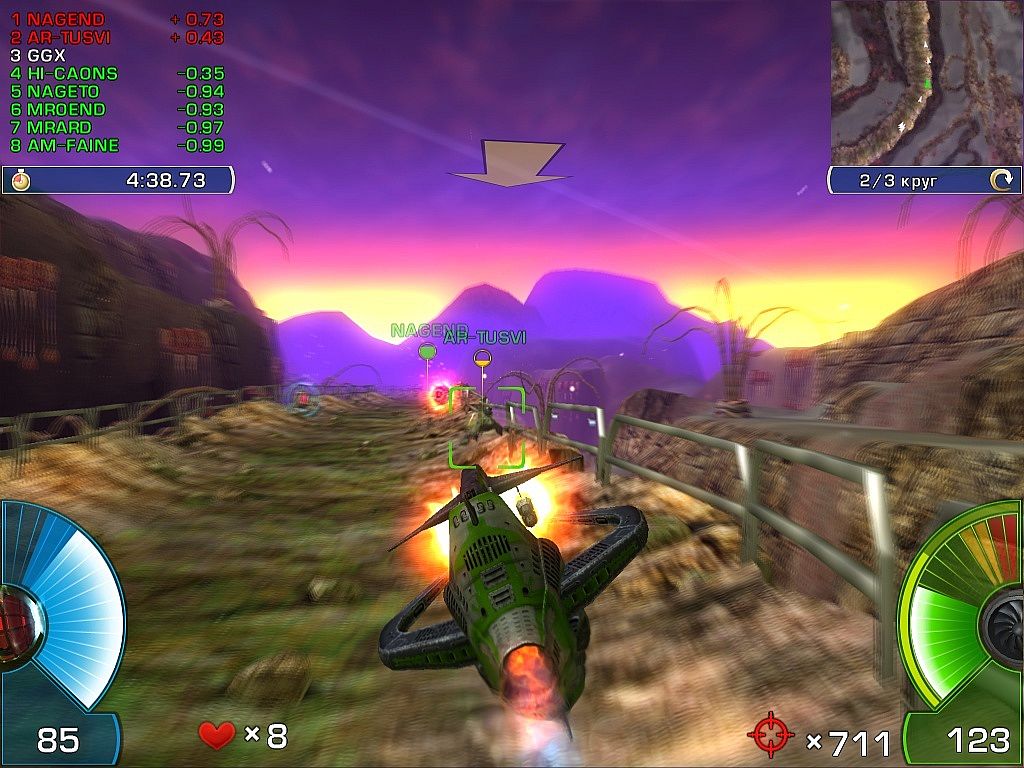
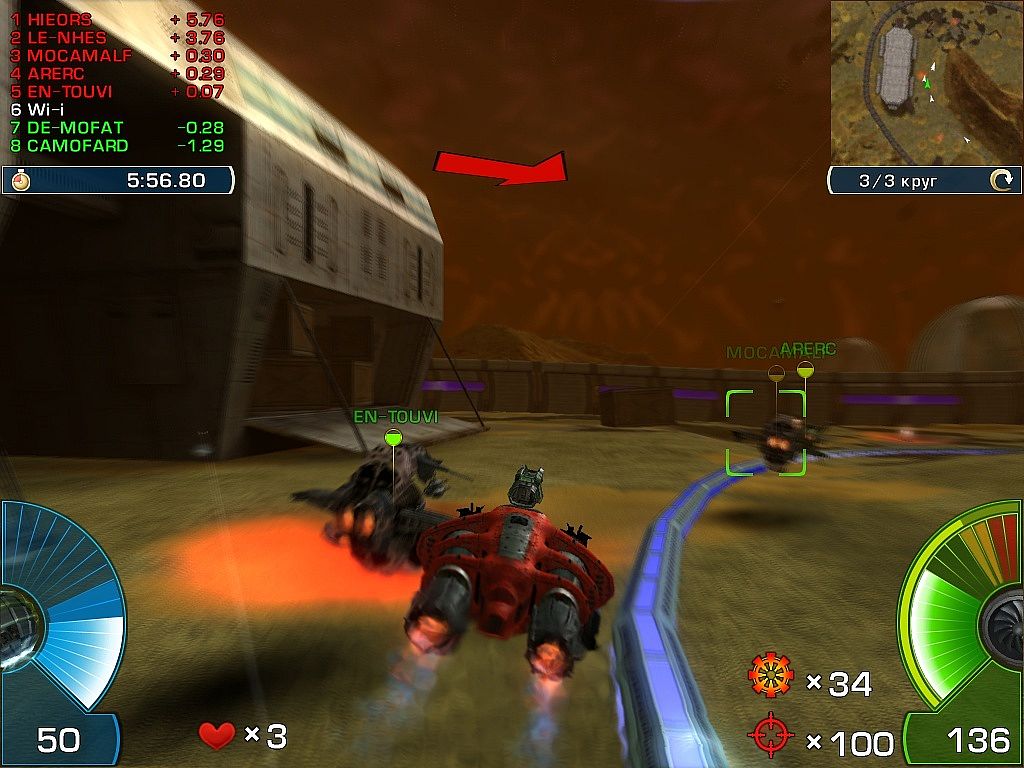
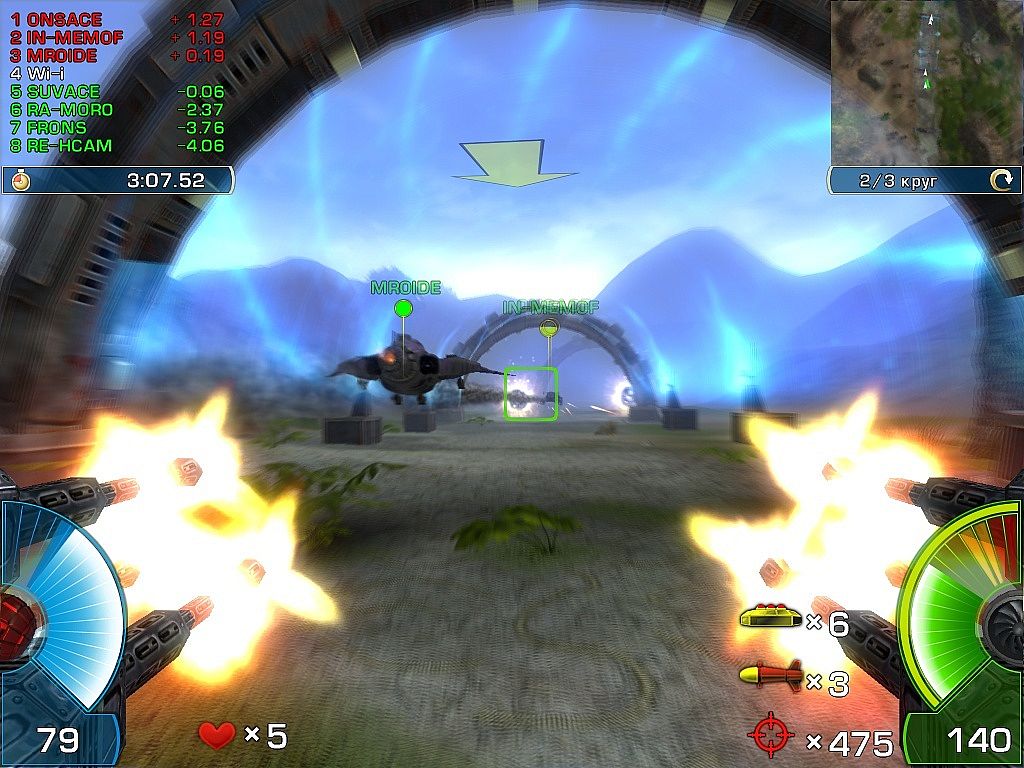
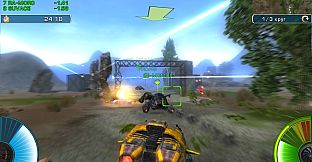
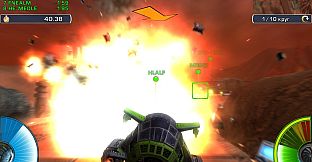
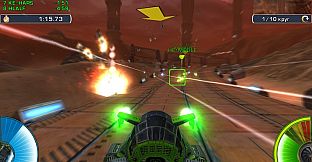
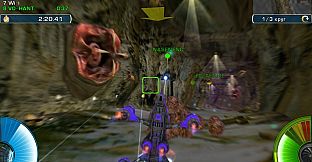
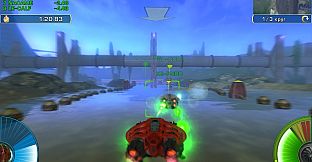
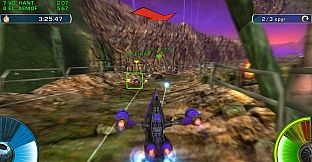
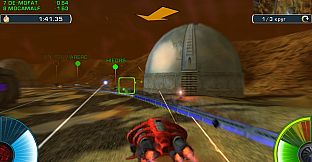
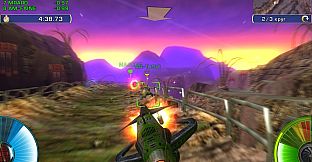
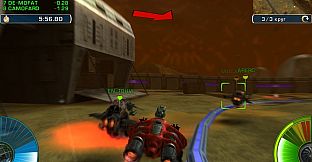
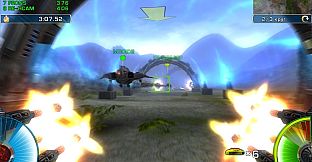
A.I.M. Racing is an action racing game set on the planet Polygon-4. Players control combat gliders in high-speed races that combine vehicle handling with weapon use against opponents and environmental hazards. The setting involves intelligent machines known as AIMs from the Reckoners clan, who maintain tracks for testing and evolving their machines after human and Arling experiments ended.
Gameplay
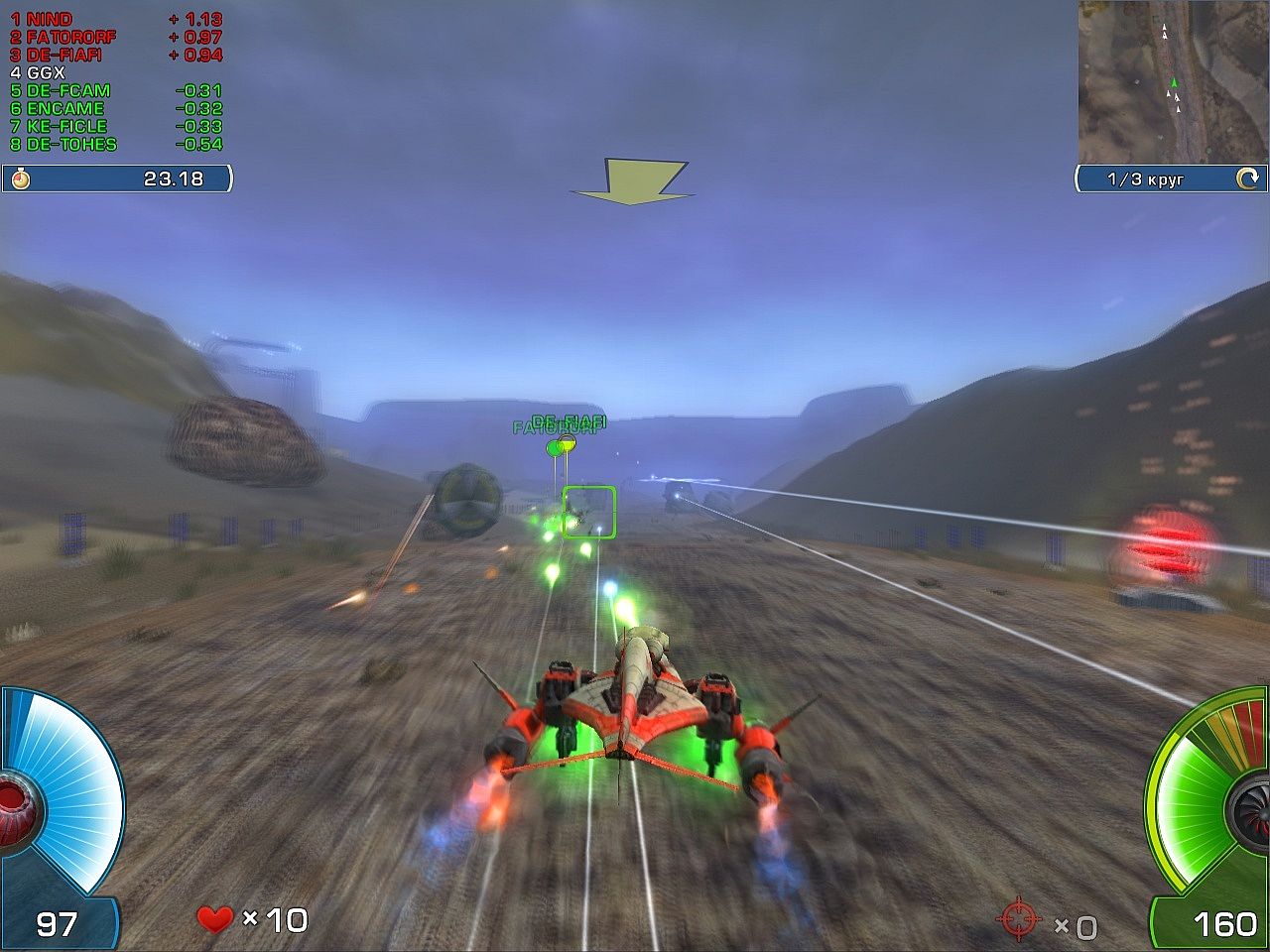
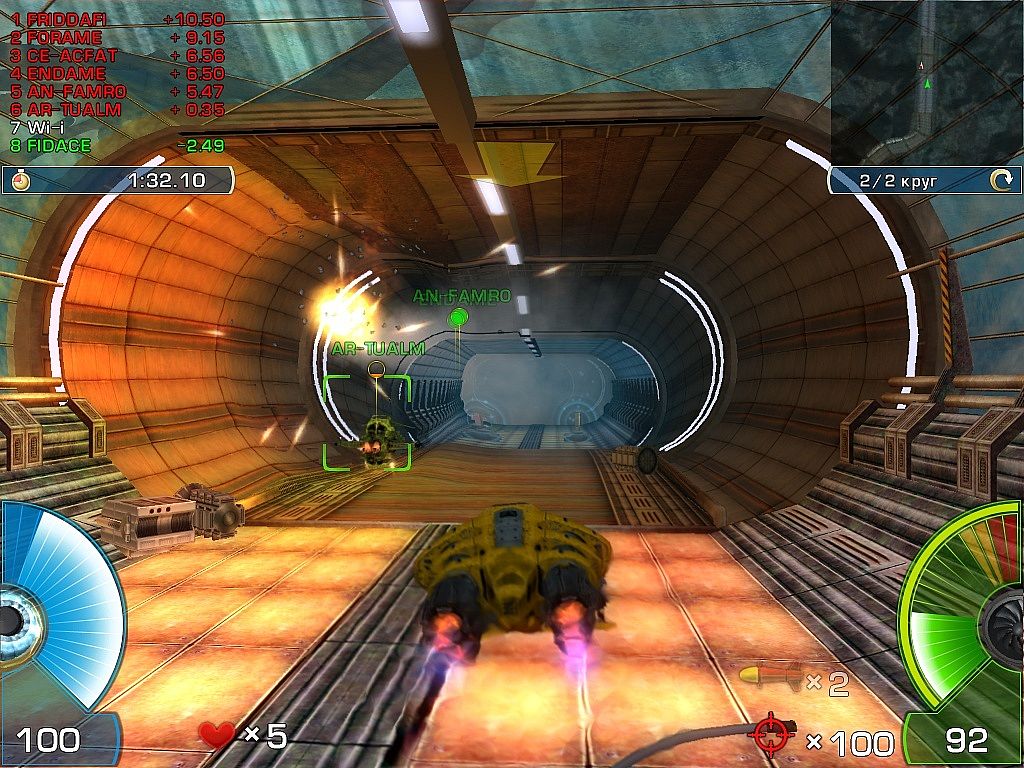
The core loop centers on piloting one of more than 30 distinct gliders across tracks filled with traps and power-ups. Each glider features unique handling and durability that affects how it responds to collisions and damage. Combat integrates directly into racing through a default weapon plus collectible options such as mines and rockets. Plasma charges and other attacks can strip away glider armor, forcing players to balance speed with defensive maneuvers.
Bonuses scattered on the tracks provide temporary advantages, while traps punish poor positioning or timing. The physics model emphasizes momentum and surface interaction on the dusty planet environment, creating situations where precise control determines whether a glider maintains position or spins out. Detailed post-race statistics track performance metrics like lap times, damage dealt, and accuracy with weapons, allowing players to review and refine their approach.
Game Modes
The primary single-player experience revolves around a championship consisting of over 50 rounds. Progression requires consistent wins to advance, with the Reckoners clan supplying new gliders and upgrades as rewards. This structure encourages repeated attempts on the same tracks to master layouts and opponent patterns.
Multiplayer options support competitive sessions where players face off directly using the same weapon and trap mechanics. An online records table lets participants compare times and scores globally, adding a layer of long-term competition without requiring constant online presence.
Key Mechanics and Features
Weapon variety extends beyond basic shooting to include area-denial tools like mines and projectile options like rockets. Tactics involve deciding when to attack, when to dodge, and when to collect bonuses that alter glider performance mid-race. The absence of resource management means focus stays on immediate race decisions rather than inventory or economy systems.
Track design incorporates environmental hazards that interact with glider speed and trajectory. Players must learn layouts to anticipate traps while using weapons to disrupt rivals. The combination produces races where finishing position depends on both clean driving lines and effective combat interruptions.
Is It Worth Playing?
Player feedback describes the experience as intense and enjoyable for its price point, with praise for the sense of speed and the hovercraft-style movement across large maps. Some note that controls can feel unusual at first, and the overall presentation reflects its 2010 release date. The mixed reception, with 69 percent positive reviews from 75 user submissions, indicates it appeals most to those seeking a straightforward combat racer rather than a polished modern title.
The game suits players interested in futuristic racing that blends pure speed with direct confrontation. Availability on PC through standard digital platforms makes it accessible for short sessions or longer championship runs. Those who enjoy older action racers with weapon integration and minimal setup requirements will find the core loop holds up, while others may prefer titles with updated visuals or more complex progression.