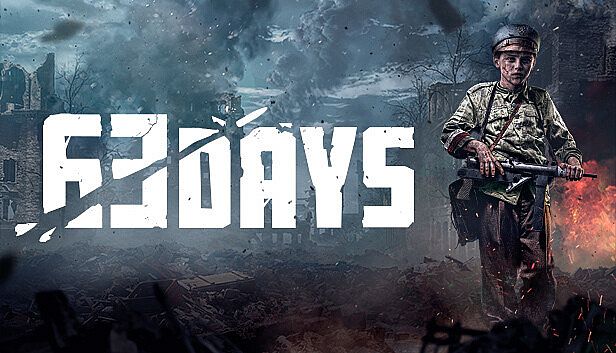






























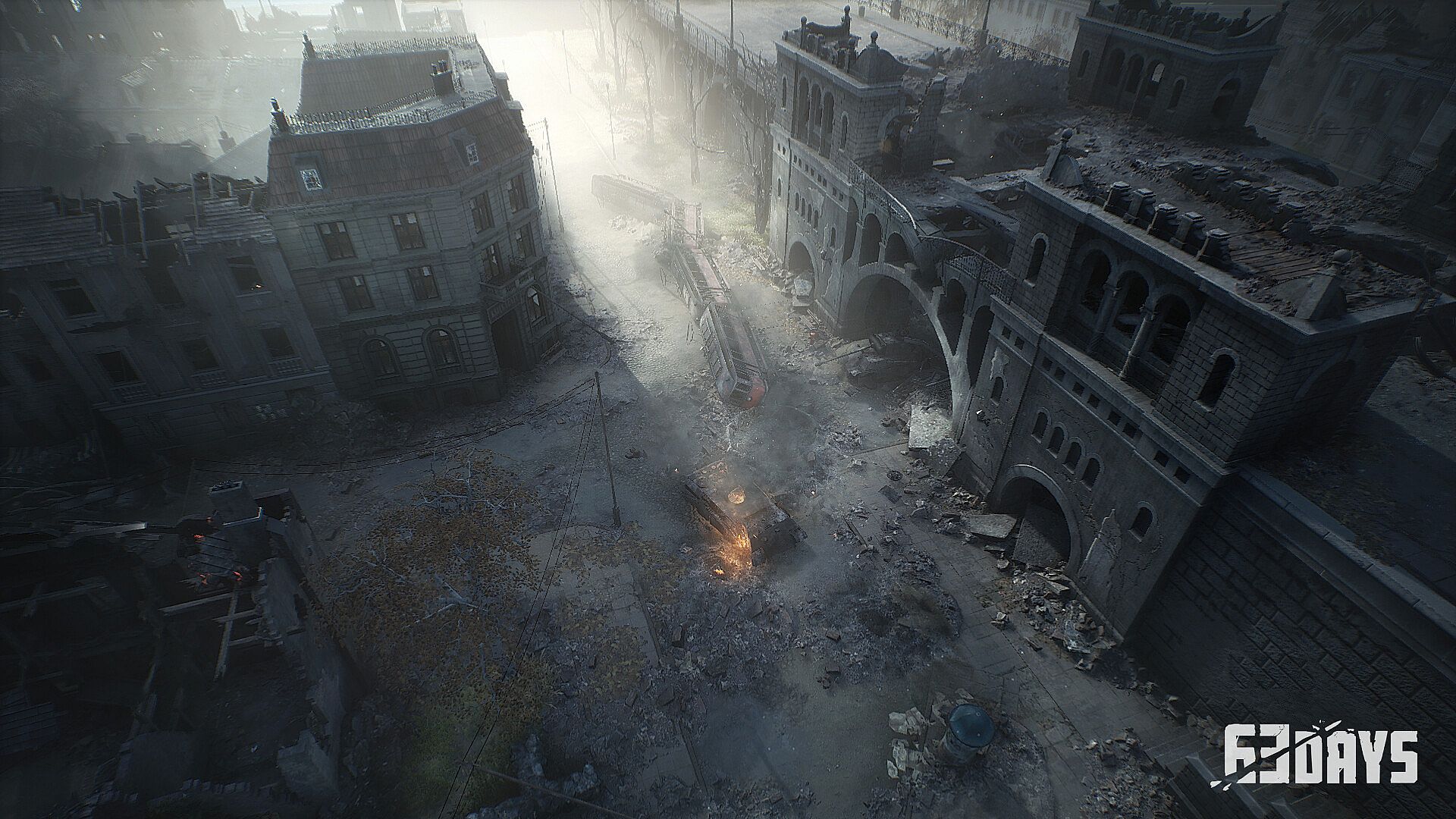
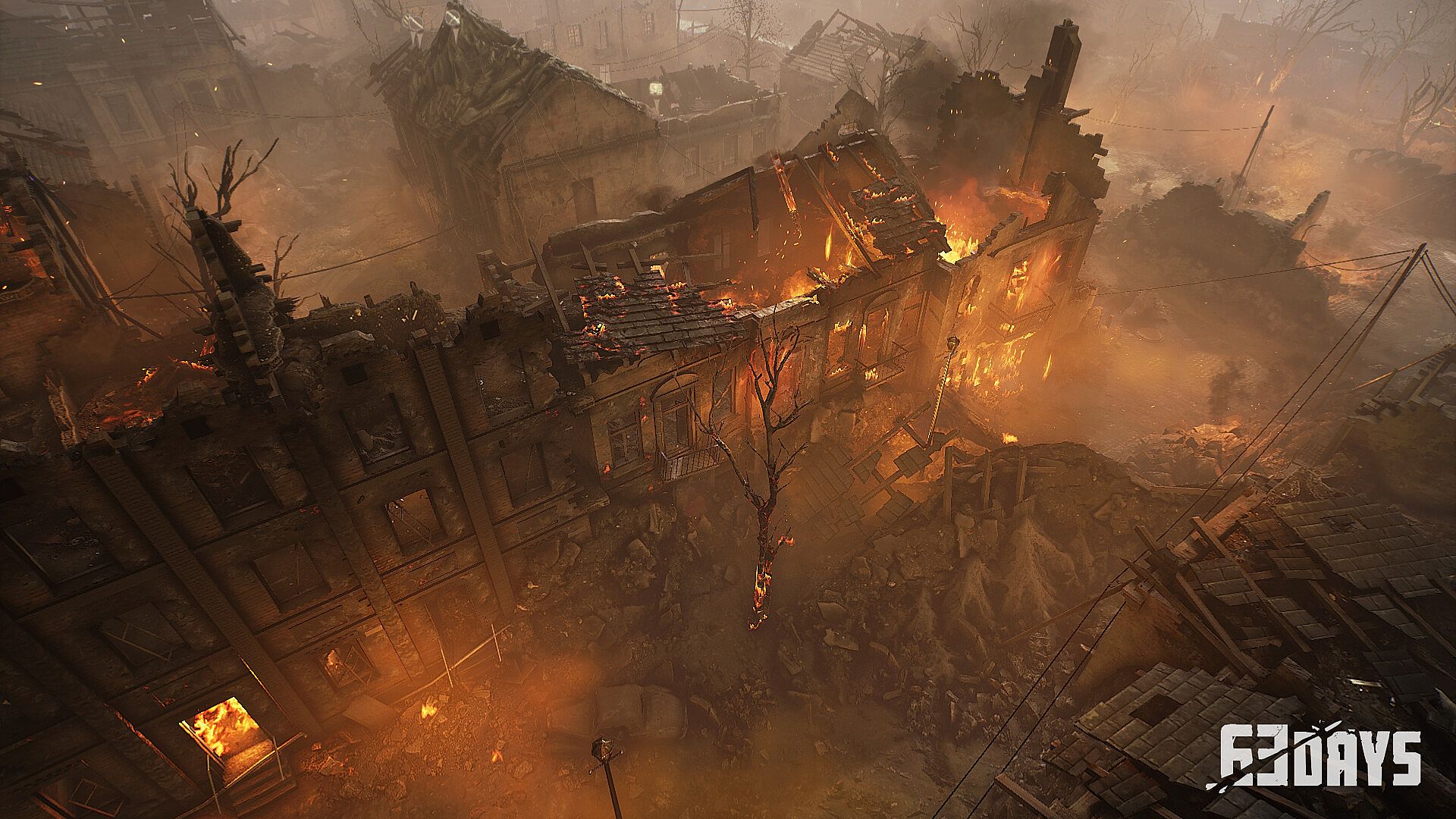
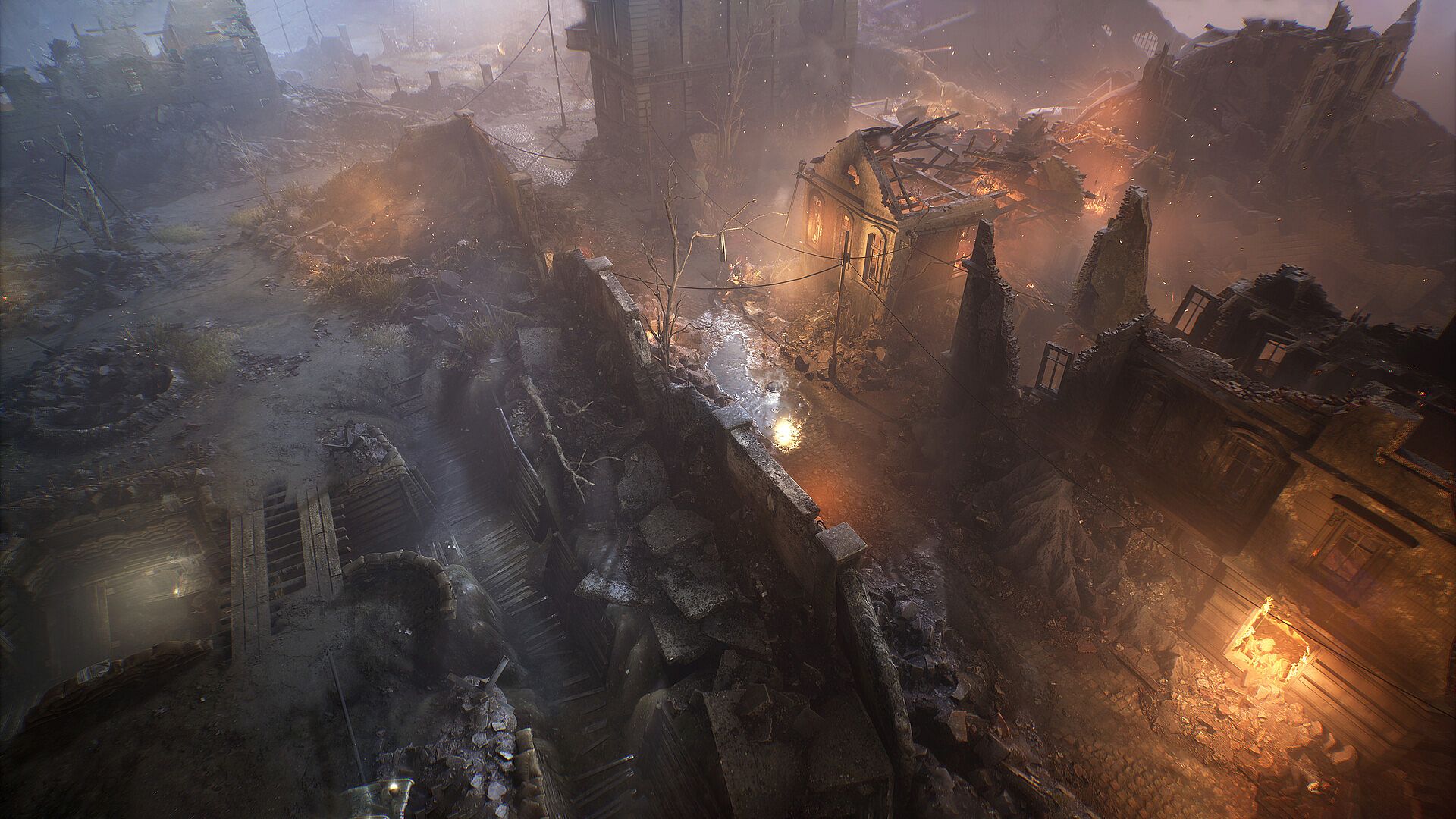
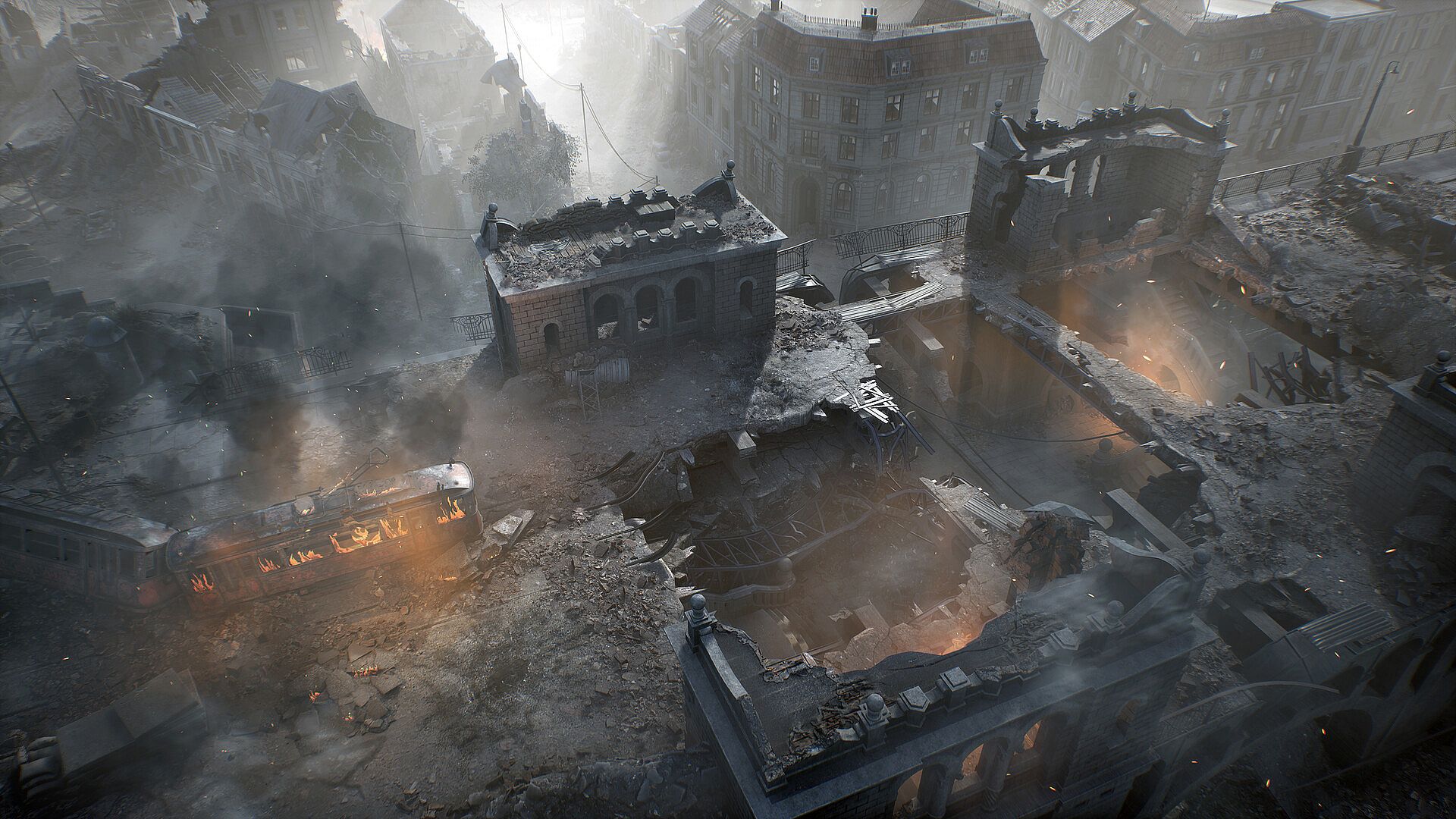
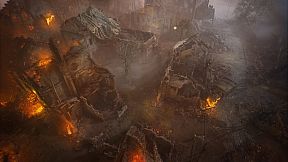
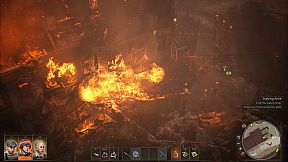
63 Days is an isometric real-time tactics game that places players in command of Polish resistance fighters during the 1944 Warsaw Uprising. Developed as a strategy title with strong adventure and action elements, it focuses on small-team operations against occupying forces in a war-torn city. The experience draws directly from historical events, emphasizing limited resources, close-quarters navigation through ruined streets, and the need for precise coordination among squad members who each bring distinct skills and personalities.
Gameplay
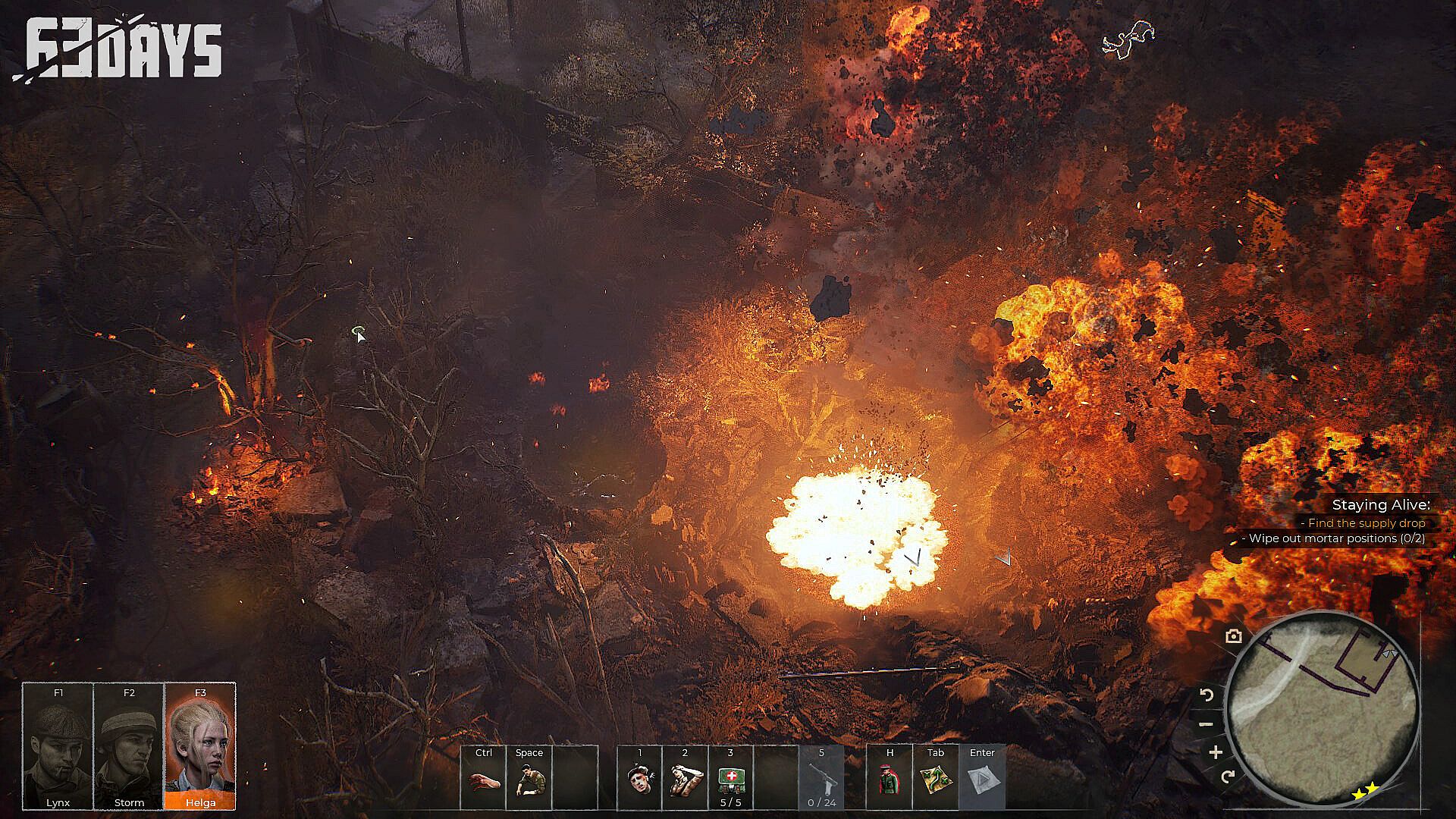
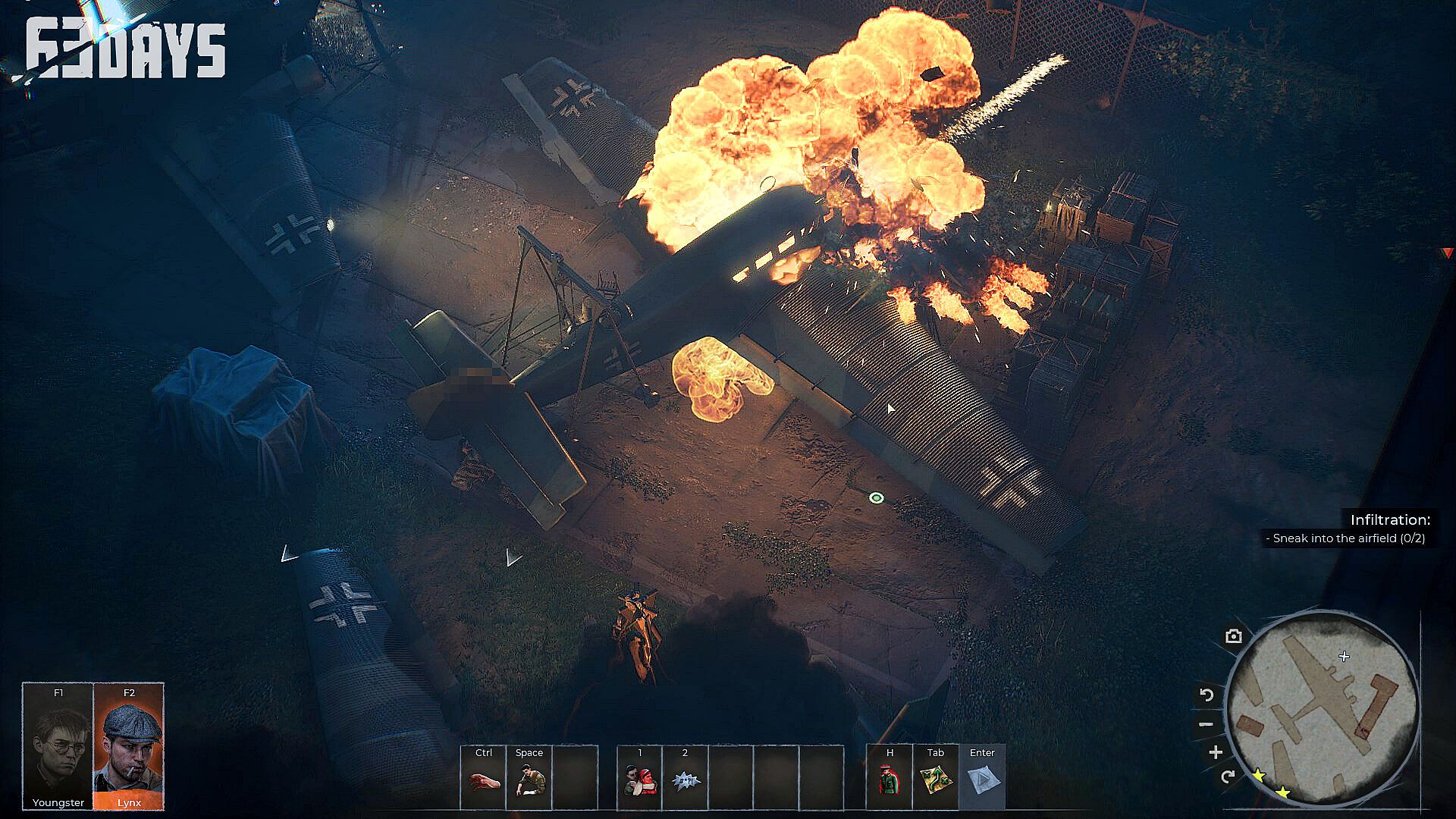
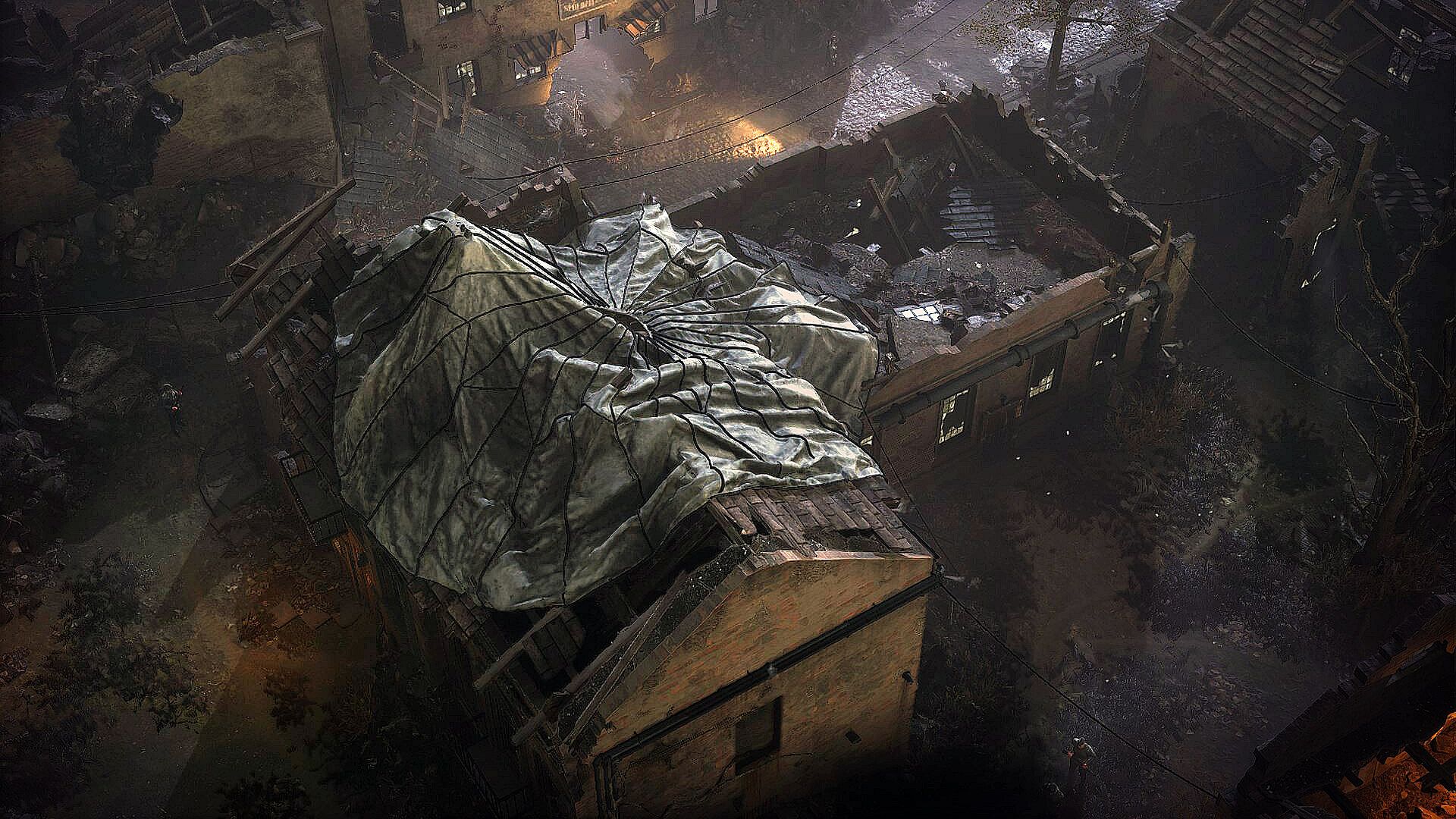
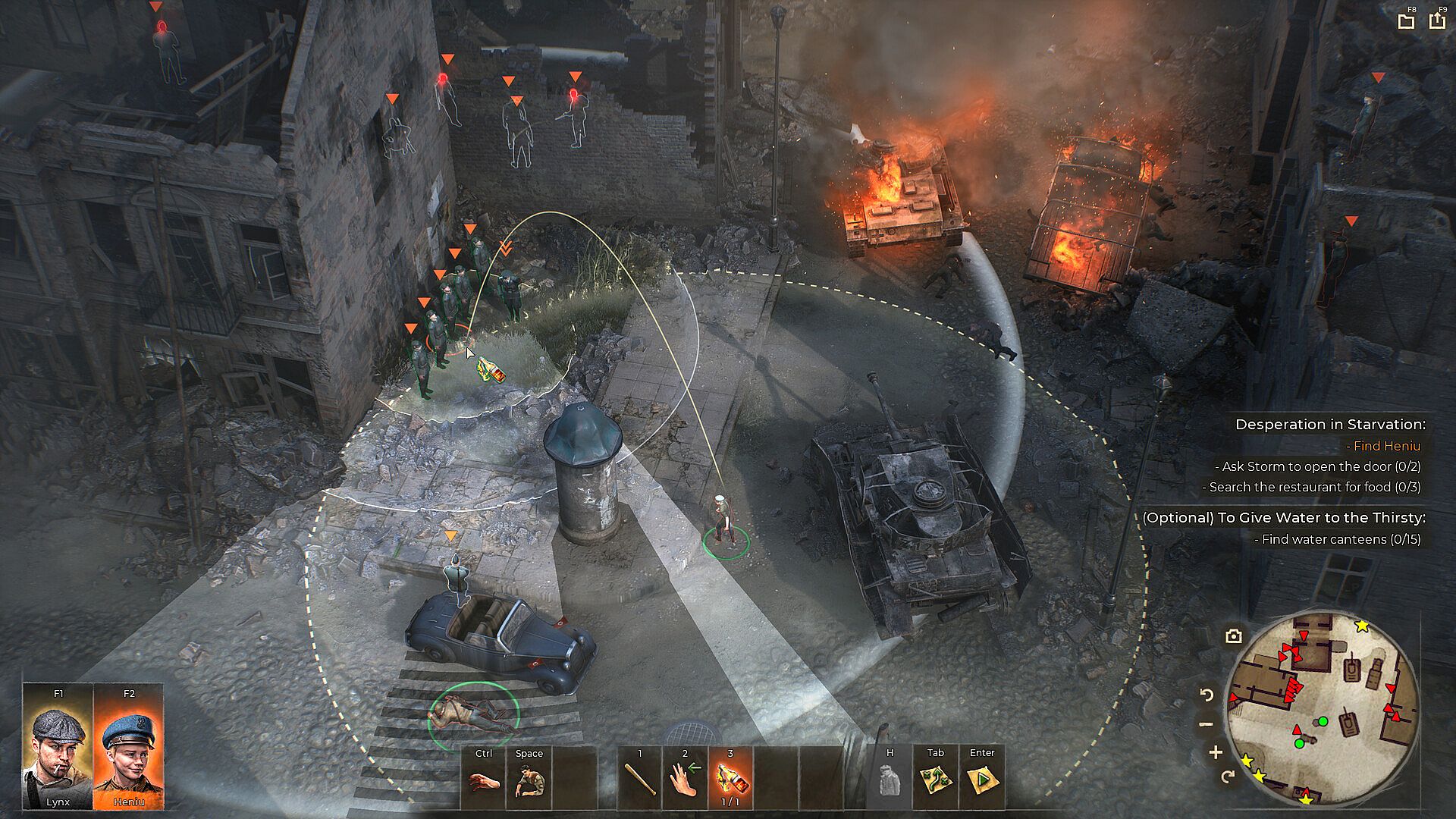
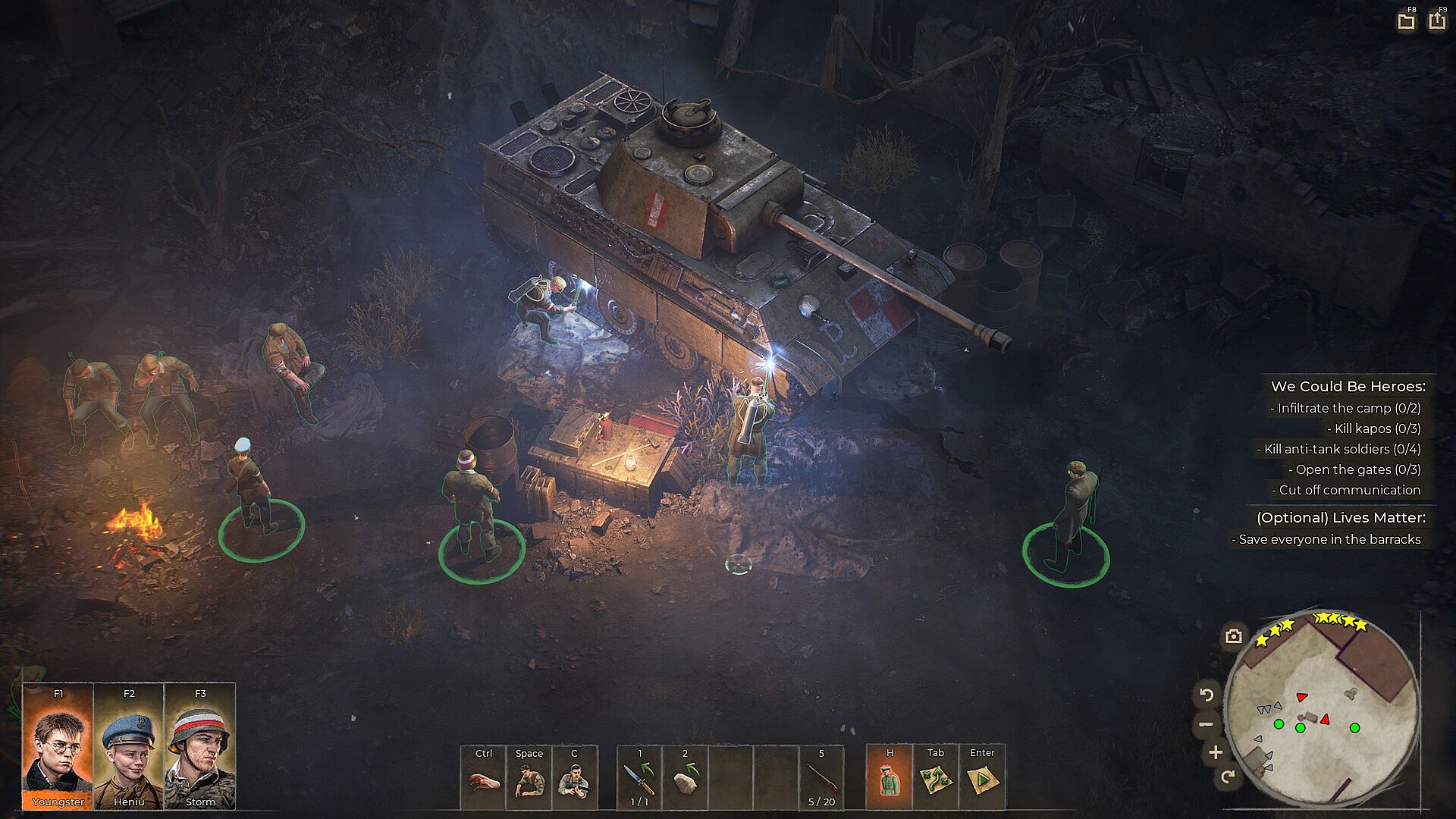
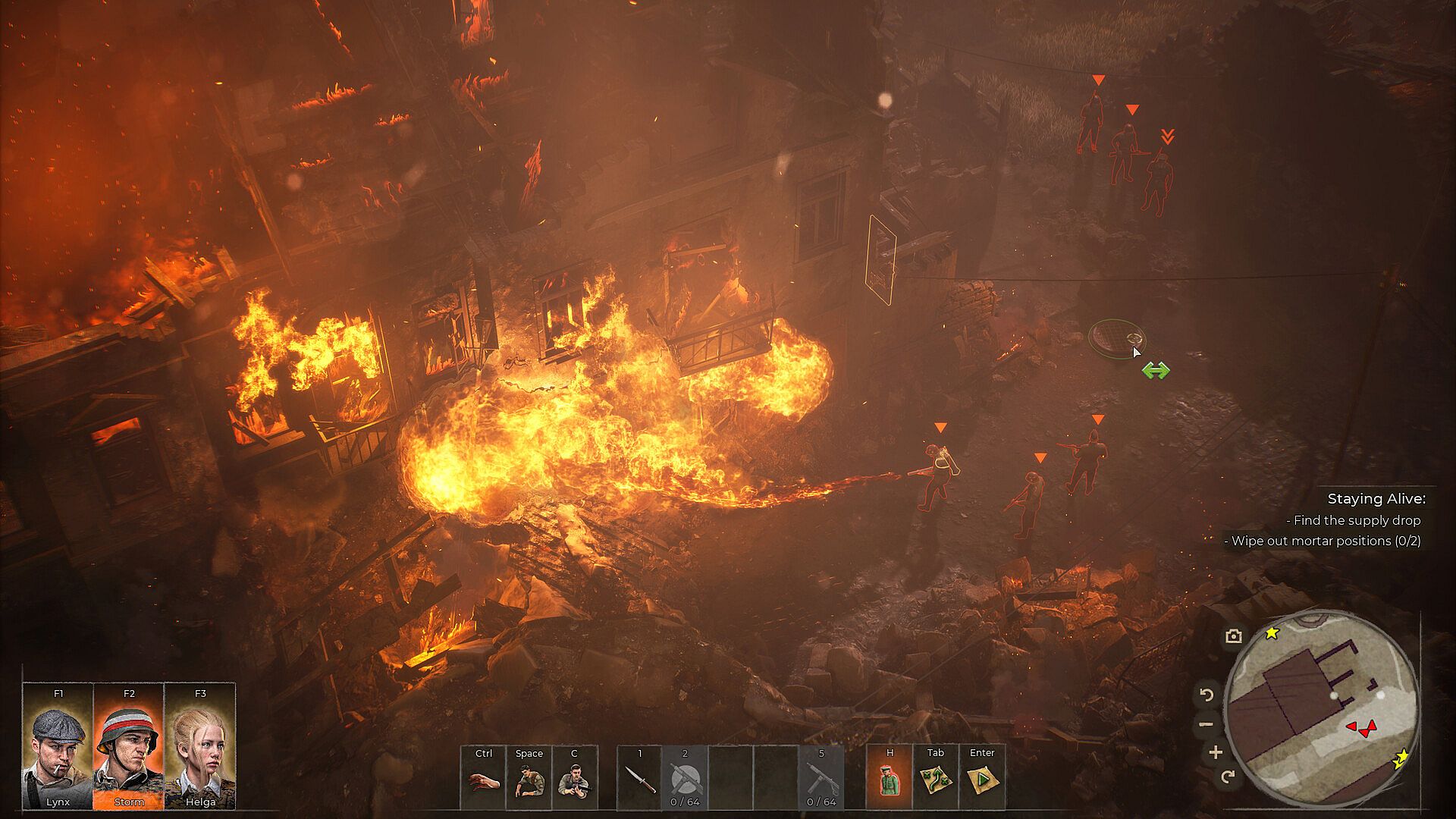
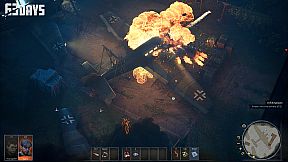
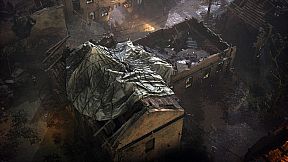
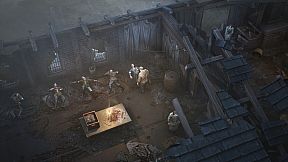
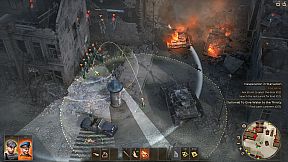
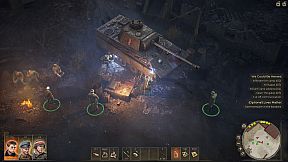
Core gameplay revolves around managing a squad of fighters who must complete objectives across multiple chapters set in Warsaw. Players switch between characters to leverage individual abilities for infiltration, sabotage, or elimination tasks. Missions reward careful observation of enemy patrols and environmental details, such as using rubble and damaged buildings for cover or ambushes. A planning mode allows time to slow while assigning orders, helping coordinate simultaneous actions without alerting guards. When stealth breaks down, direct firefights become an option, though they carry higher risks due to numerical disadvantages and limited ammunition. The system encourages replaying sections with different approaches, as success often hinges on timing, positioning, and quick adaptation rather than overwhelming force.
Game Modes
The game centers on a linear single-player campaign divided into six chapters. Each chapter presents a self-contained mission with multiple paths and objectives that scale in complexity. Difficulty settings adjust enemy behavior and resource availability, allowing players to tailor the challenge level. No separate multiplayer or competitive modes exist, keeping the focus on solo tactical execution and story progression through the resistance fighters' perspective.
Setting and Narrative
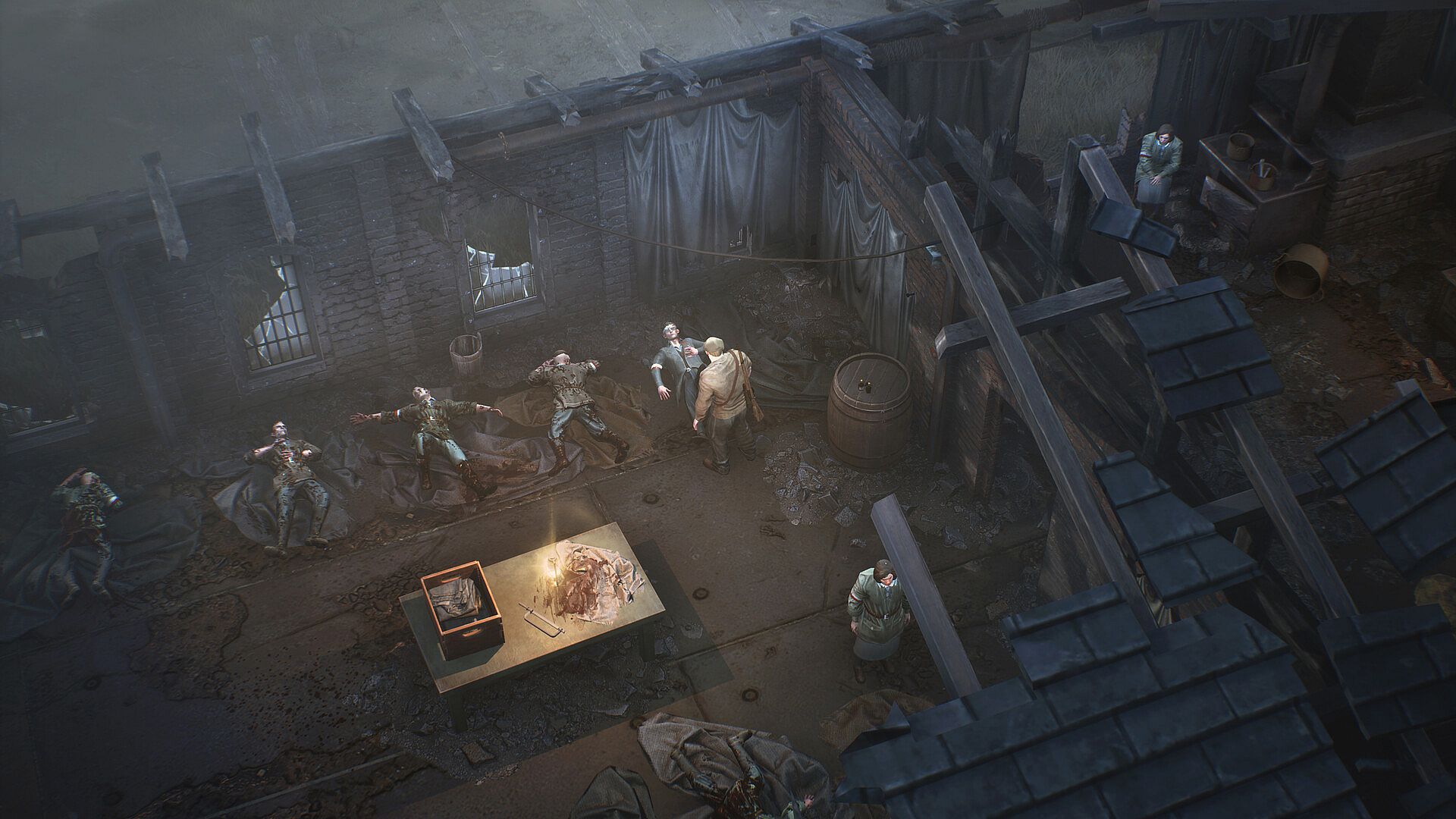
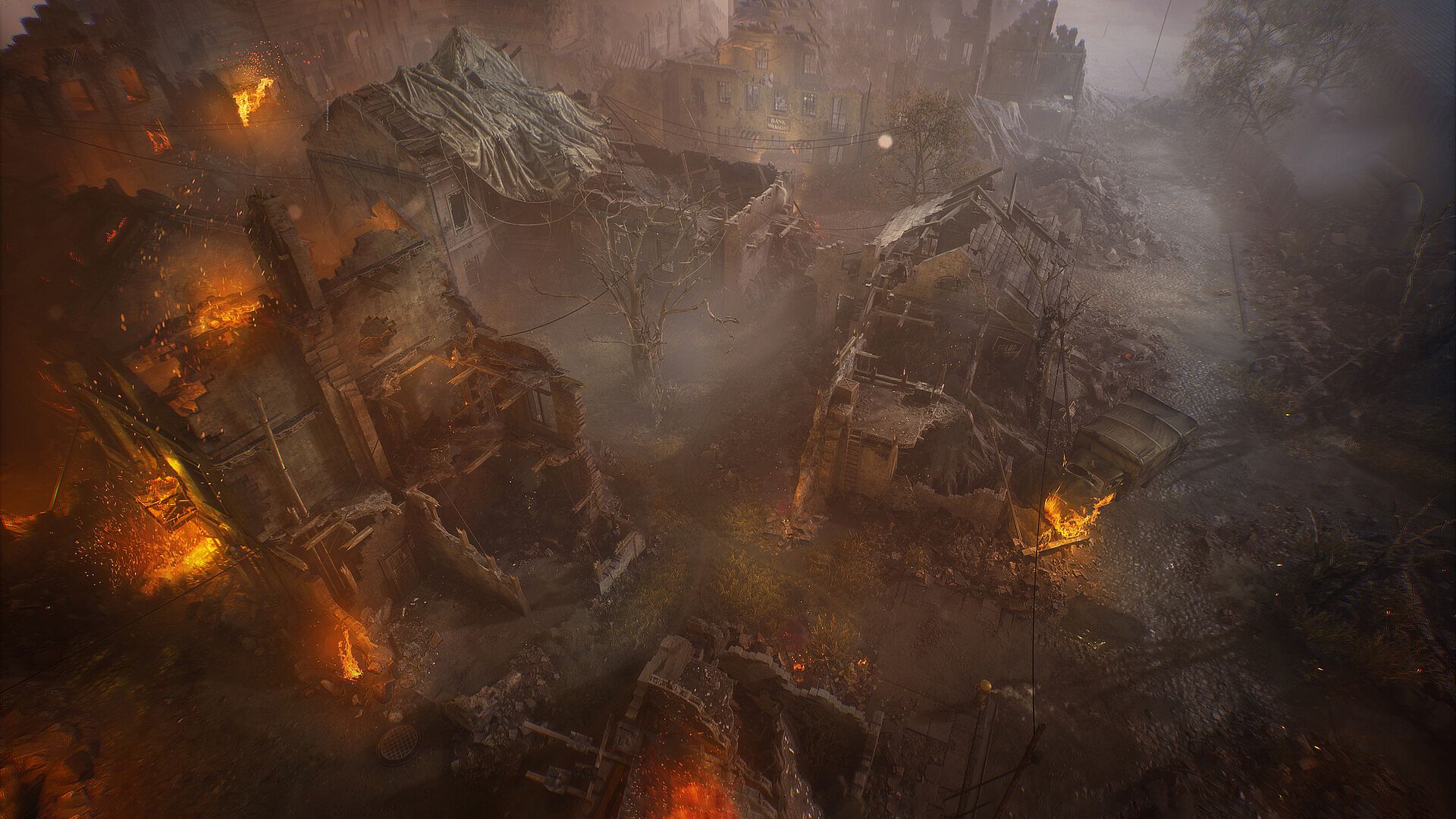
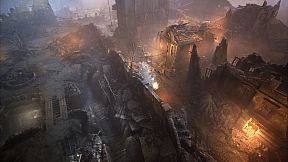
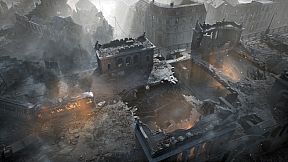
The story unfolds from the viewpoint of young Poles born after the country's regained independence, now facing the destruction of World War II. Players guide a tight-knit group motivated by personal loss and national pride, navigating the streets they know intimately to strike at German positions. Backgrounds and personalities influence how each character contributes during operations, fostering a sense of group reliance. The narrative integrates historical context without heavy exposition, letting mission outcomes and environmental storytelling convey the stakes of the uprising.
Is It Worth Playing?
Player reception stands at 72 percent positive across hundreds of reviews, with praise centered on the tactical depth and authentic atmosphere for those who enjoy deliberate, squad-based strategy. Recent feedback shows more mixed results, suggesting some players find the pacing demanding or the learning curve steep. The title suits fans of classic real-time tactics experiences who value planning and stealth over fast action. With a full campaign available and a demo for testing, it offers a focused package for strategy enthusiasts seeking a historical setting grounded in teamwork and difficult choices. Those preferring broader multiplayer options or lighter mechanics may find it less appealing.