








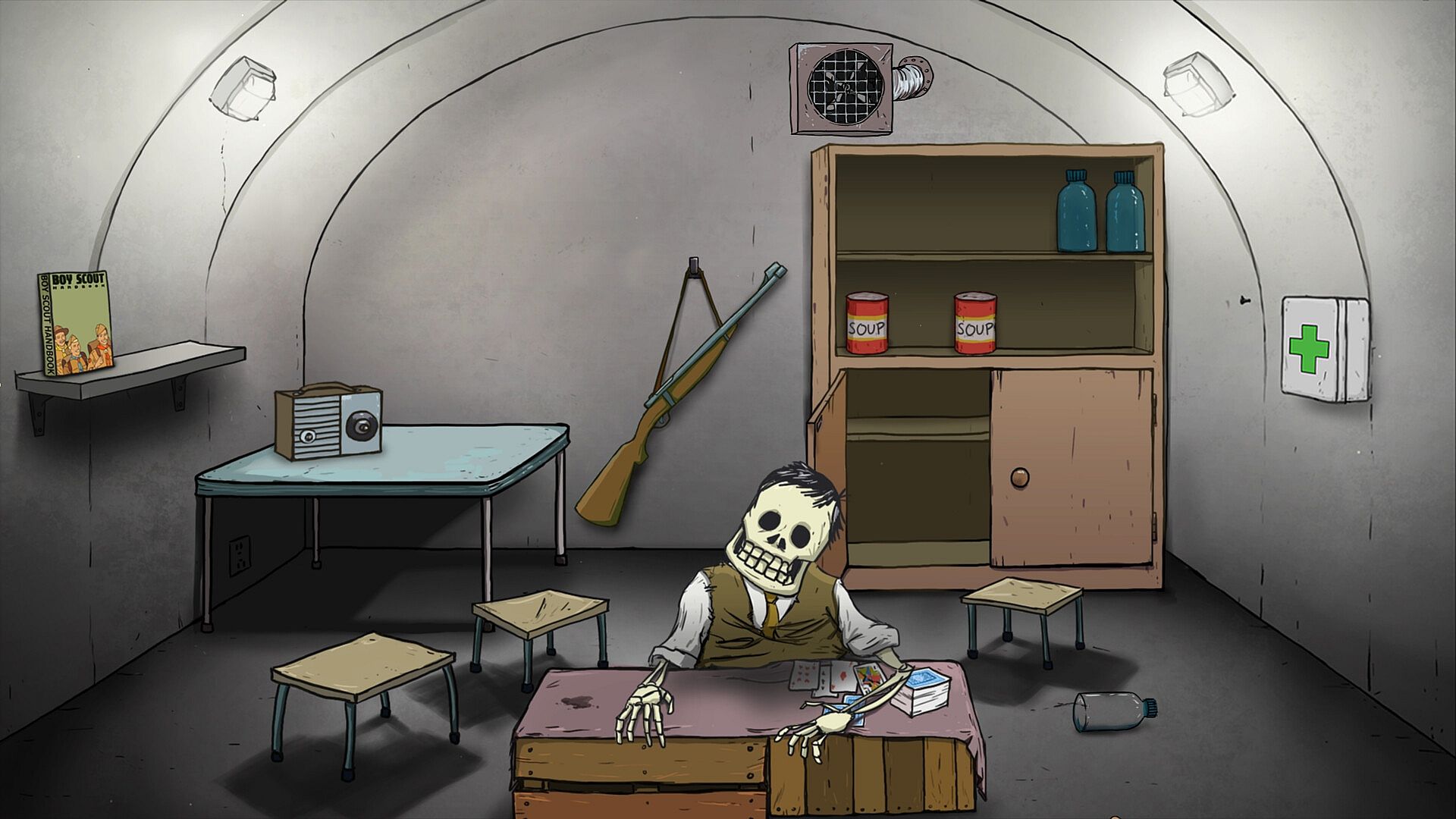


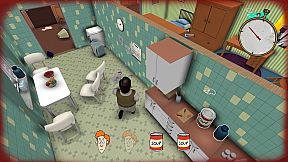
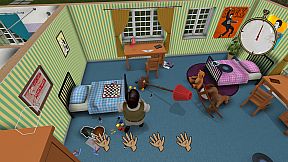
60 Seconds! is a single-player strategy and simulation game that blends adventure elements with tense resource management in a post-nuclear setting. Players take control of Ted, a suburban family man, in a race against a ticking clock as a nuclear bomb threatens the neighborhood. The core loop involves frantic scavenging followed by long-term survival decisions, all presented with a dark comedic tone rooted in 1950s Americana.
Gameplay
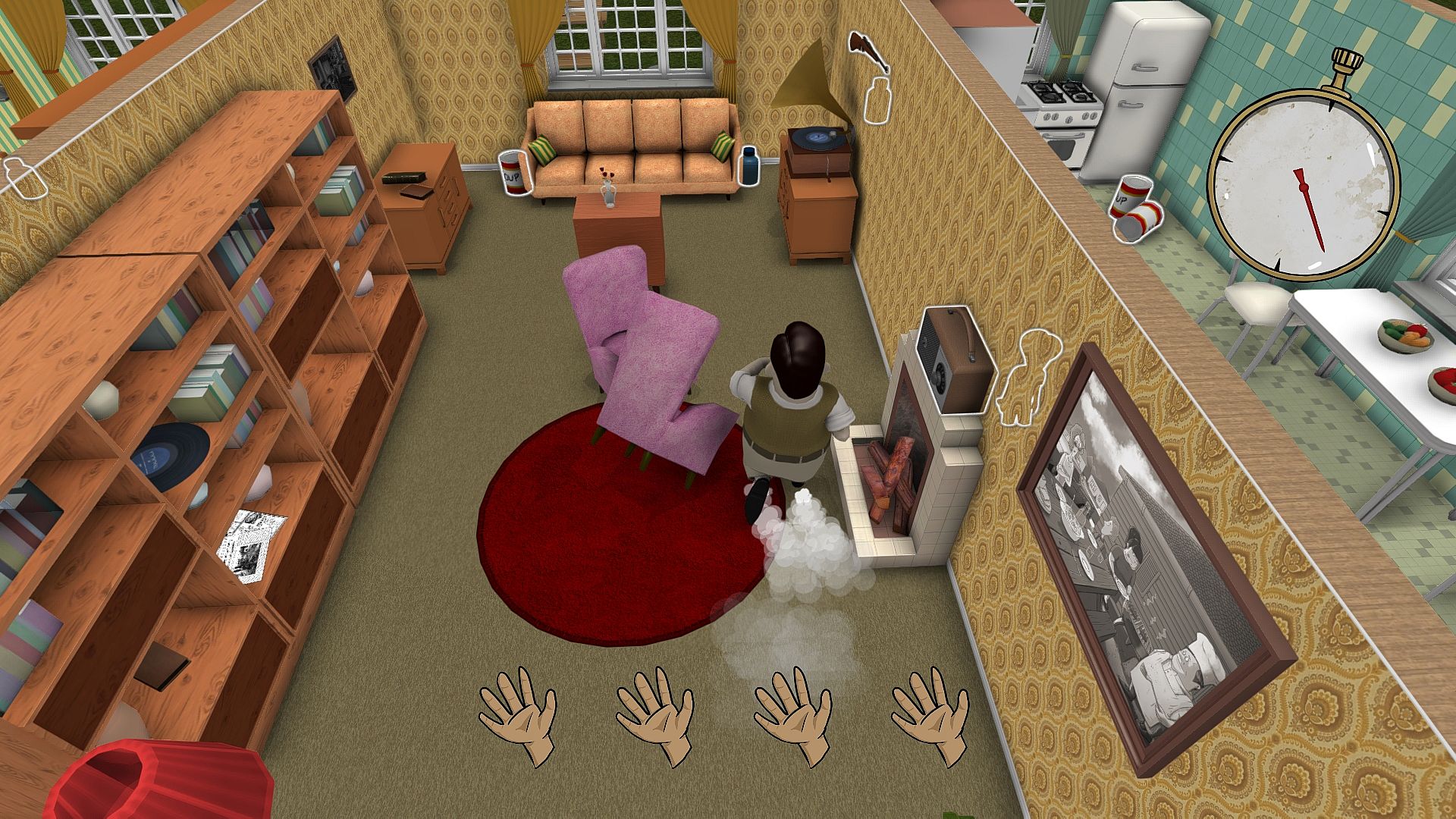
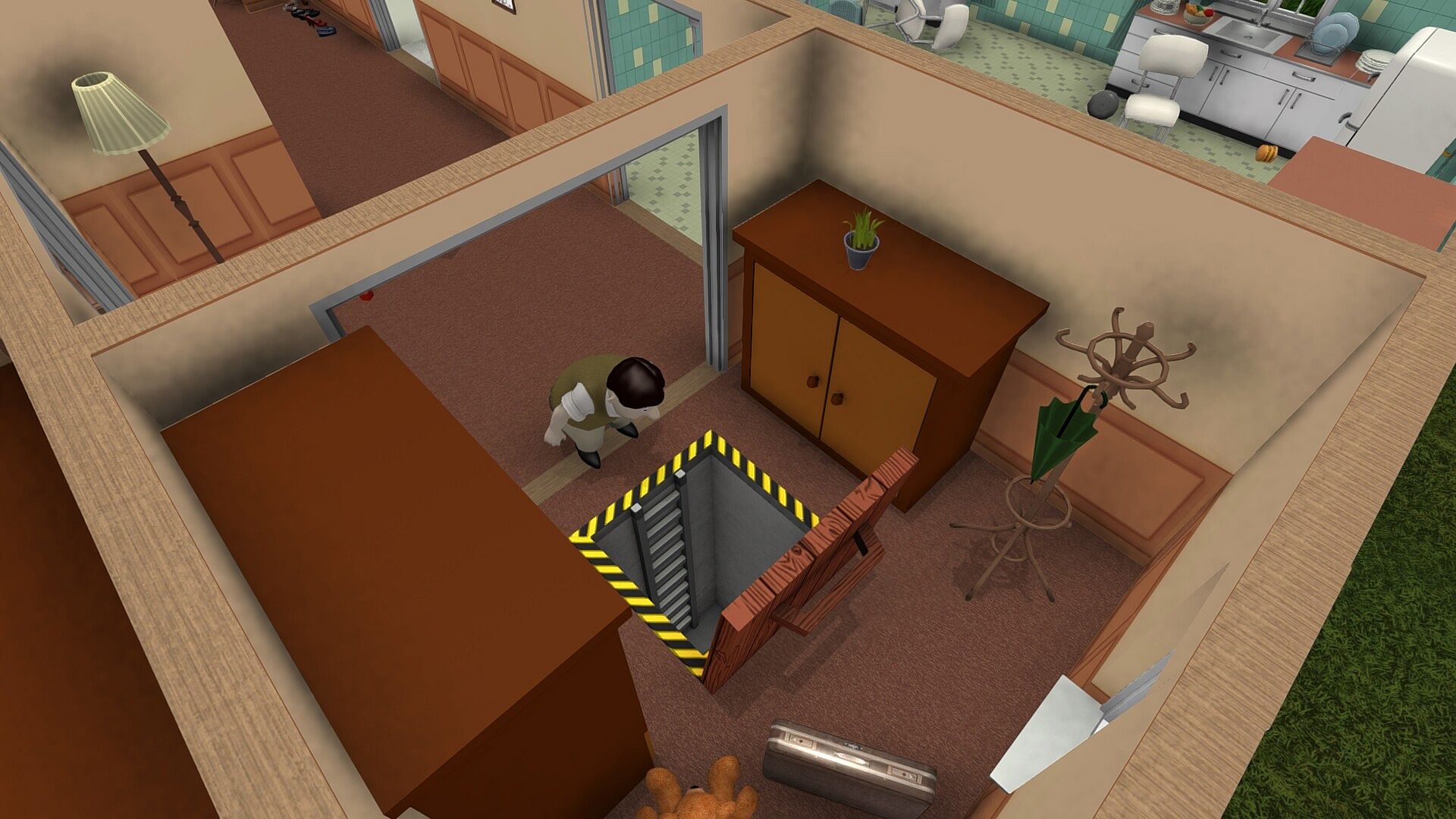
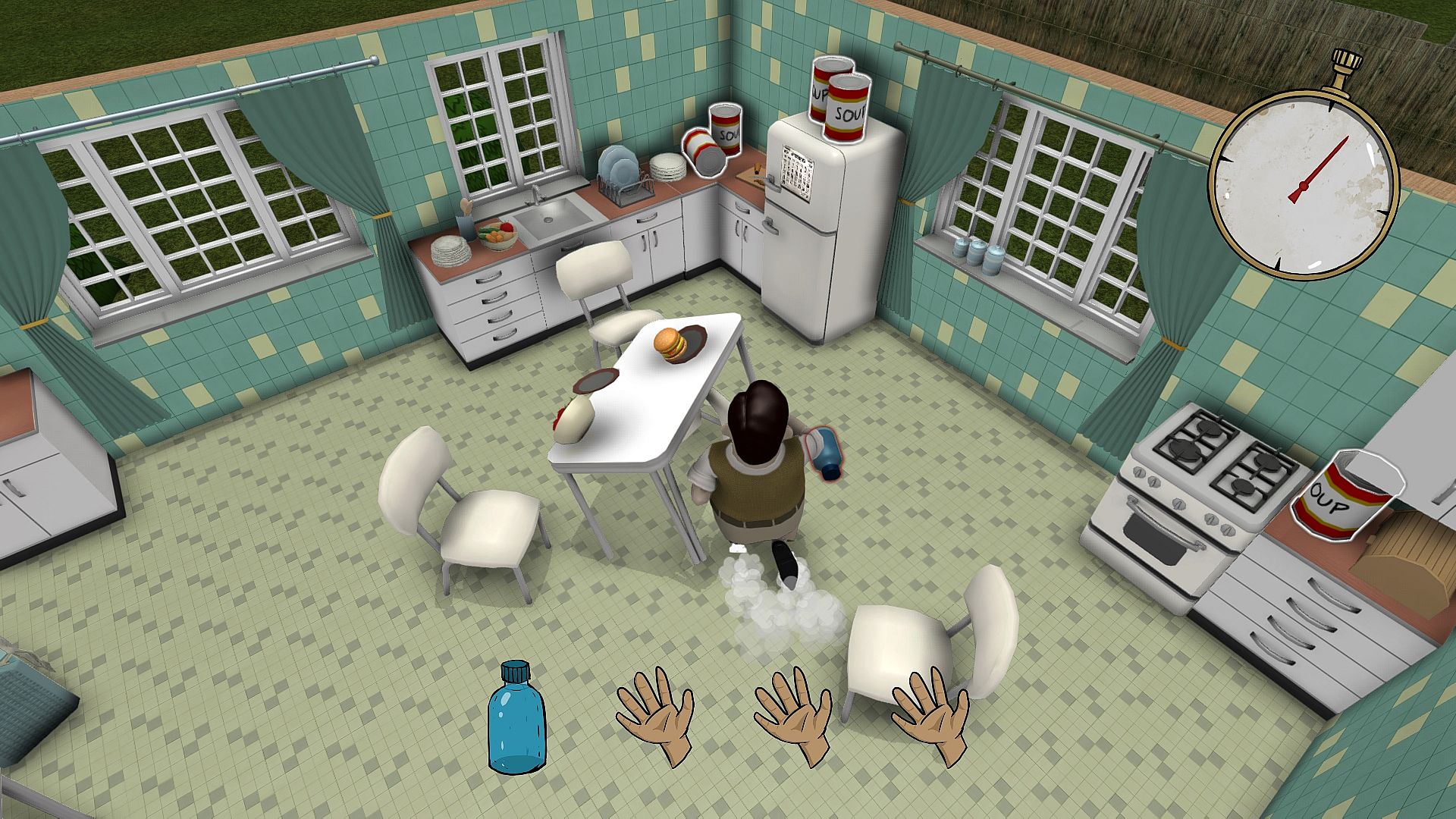
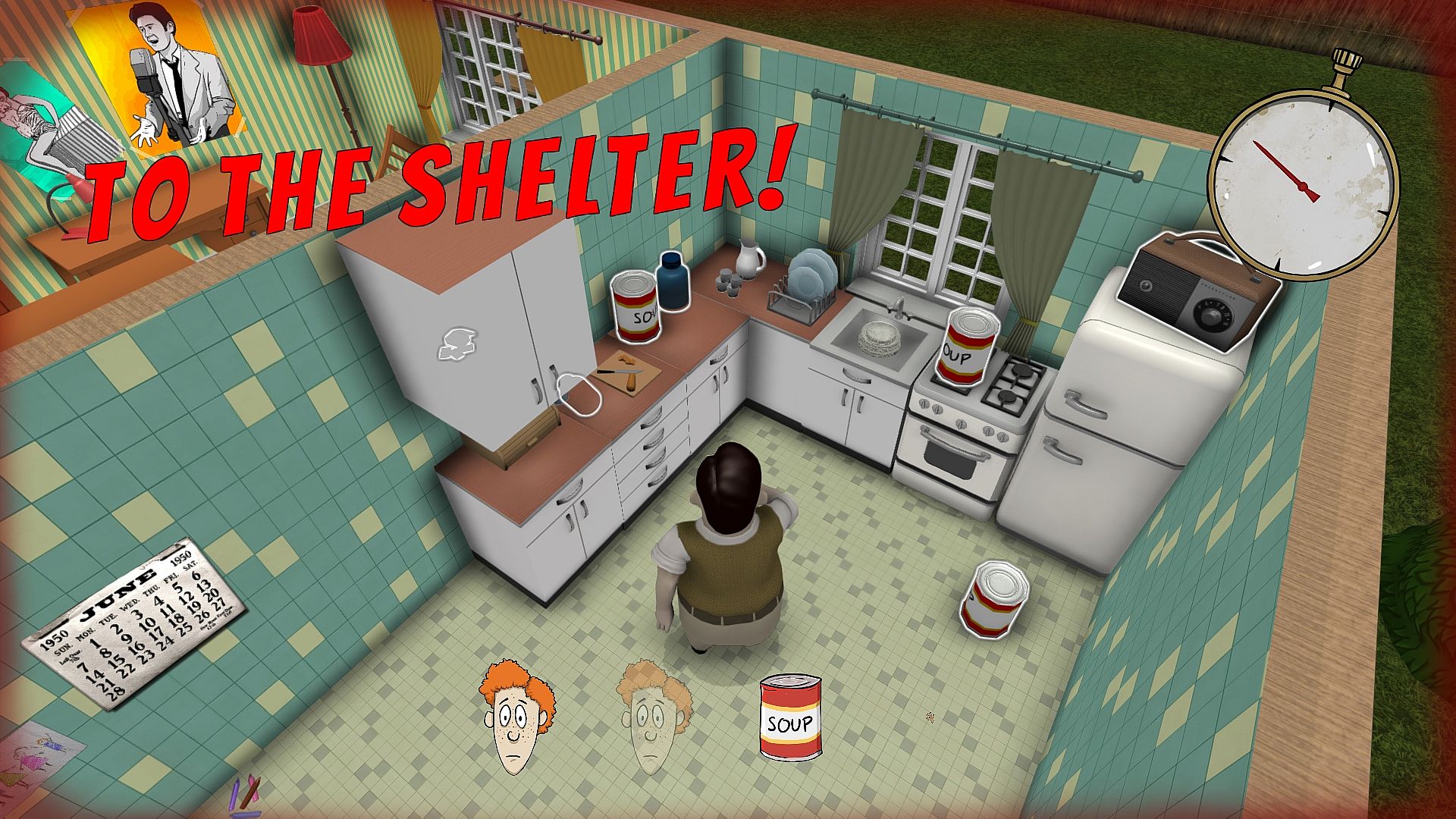
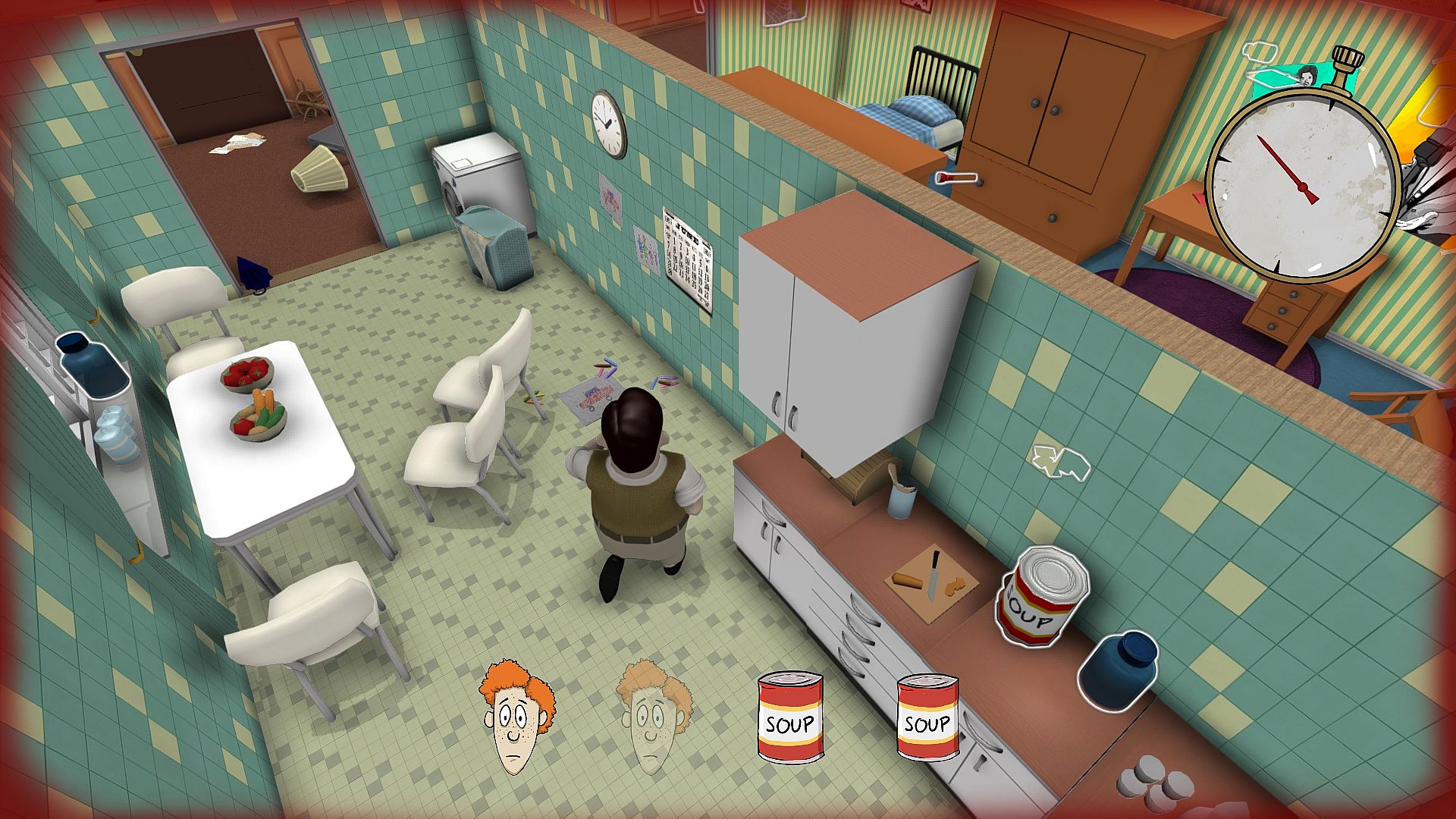
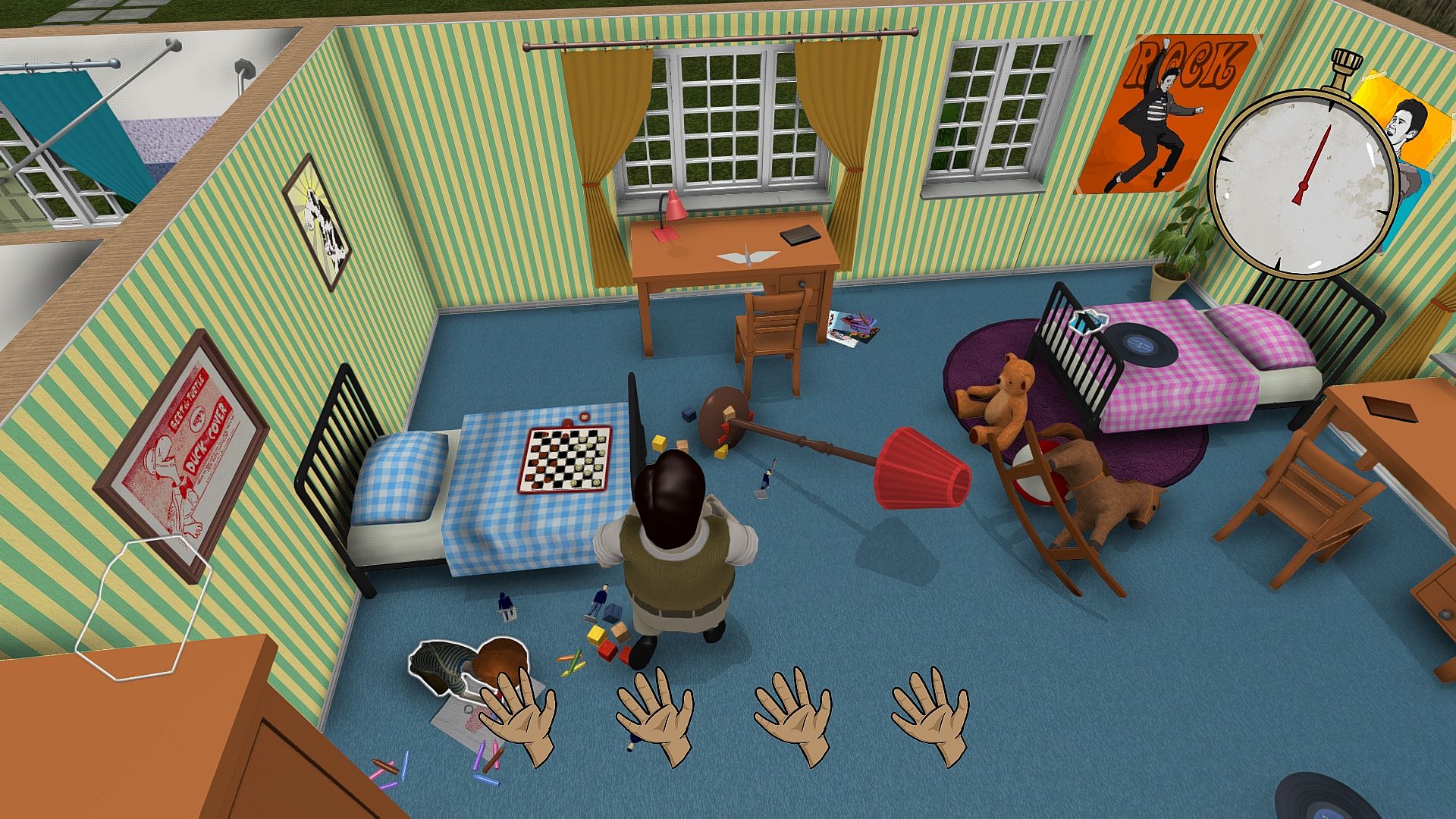
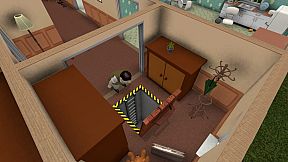
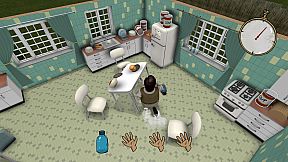
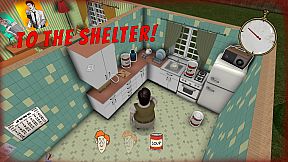
The experience splits into two distinct phases that together create a complete survival cycle. In the opening phase, players have exactly sixty seconds to navigate a procedurally generated house, collecting family members and essential supplies while avoiding obstacles like furniture and time pressure. Choices made here directly influence what resources and companions enter the fallout shelter.
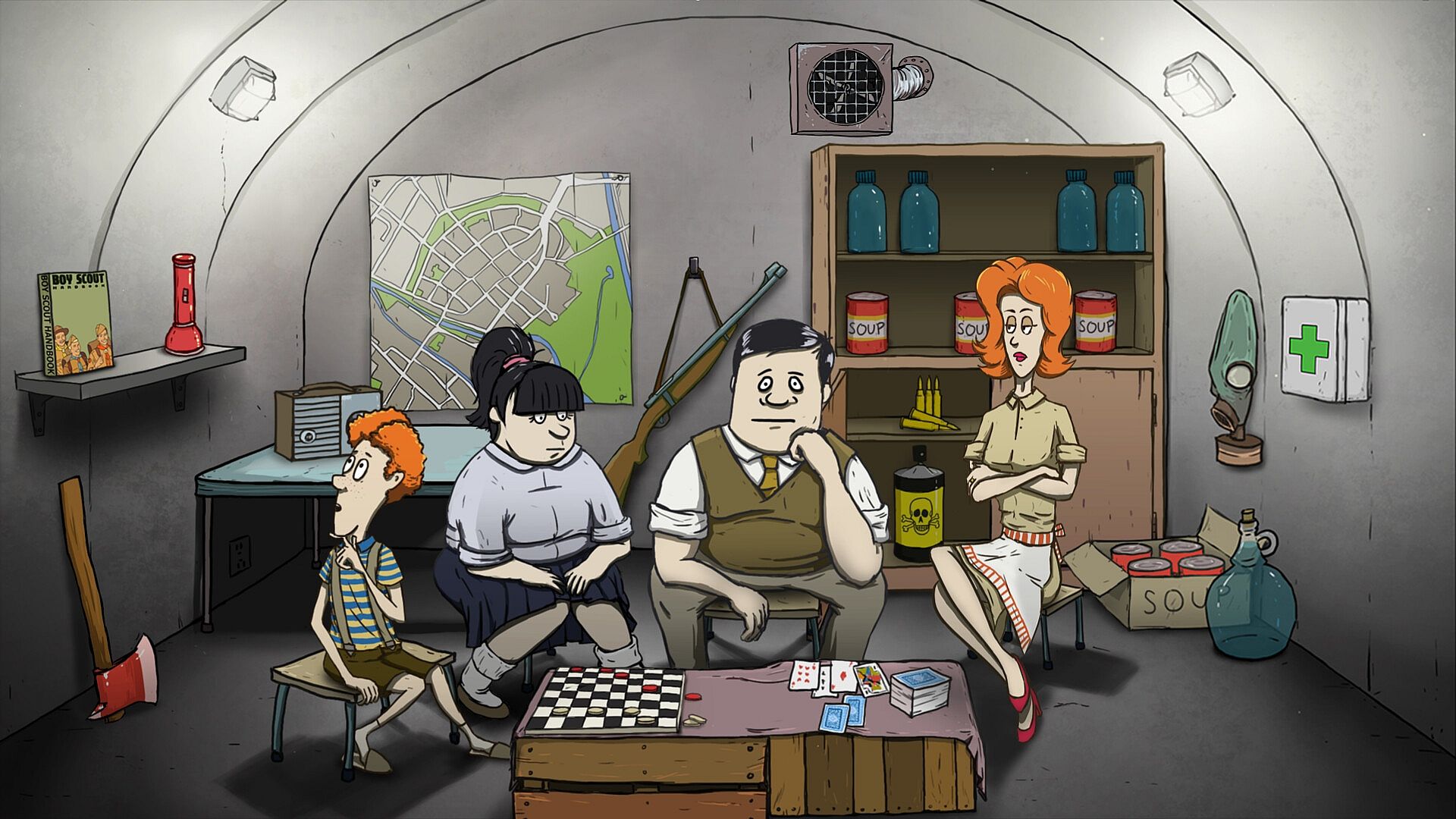
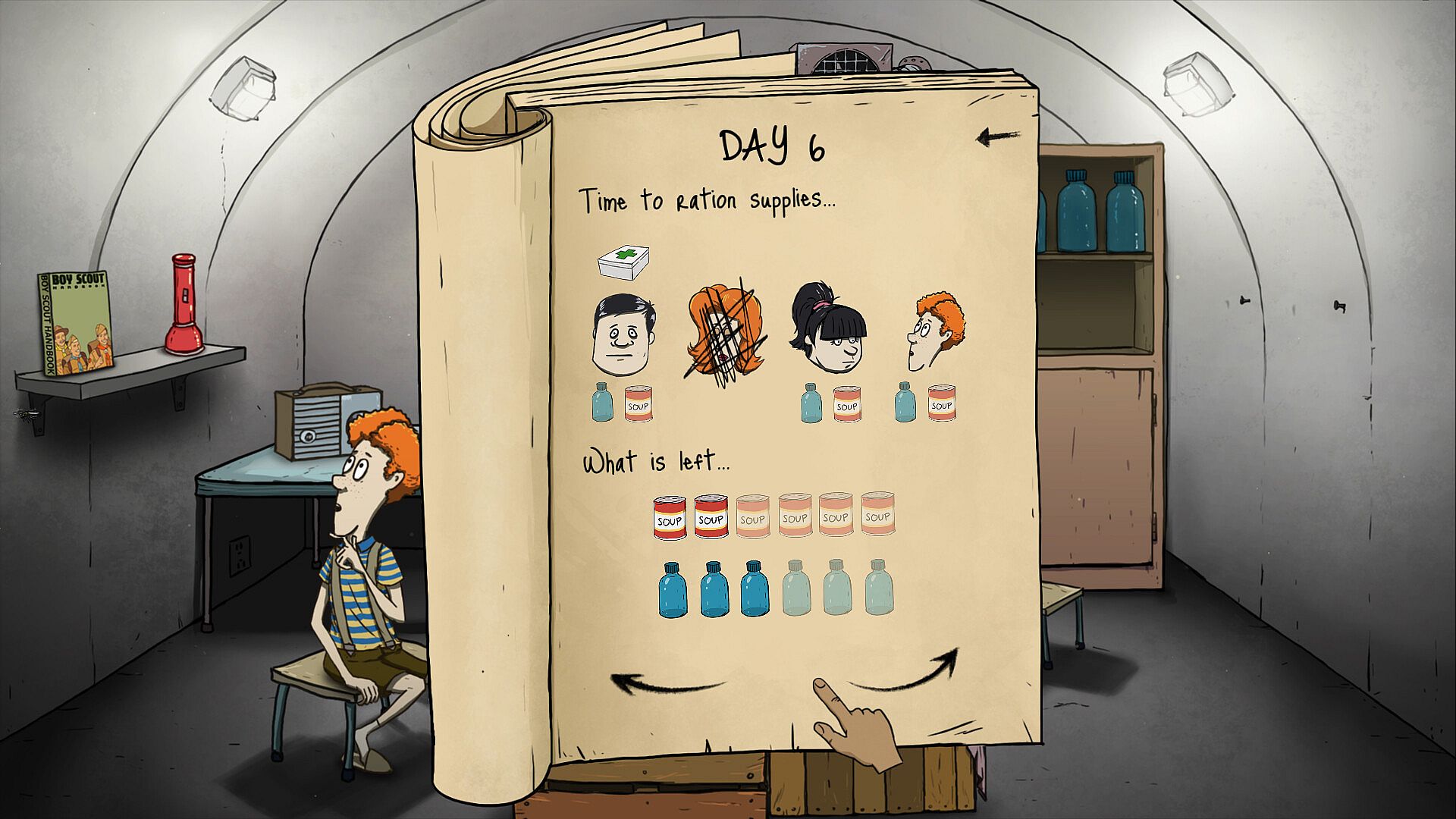
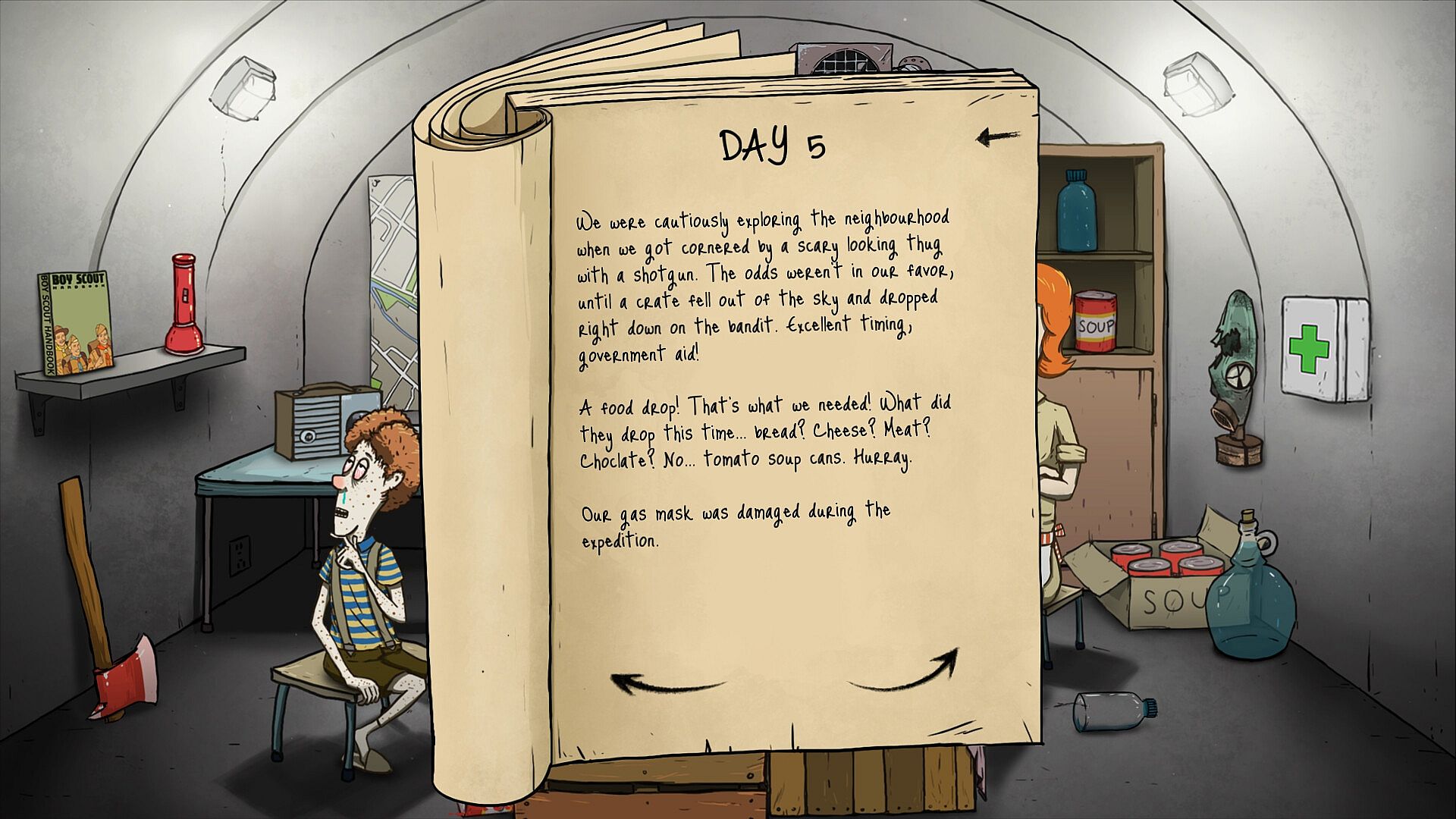
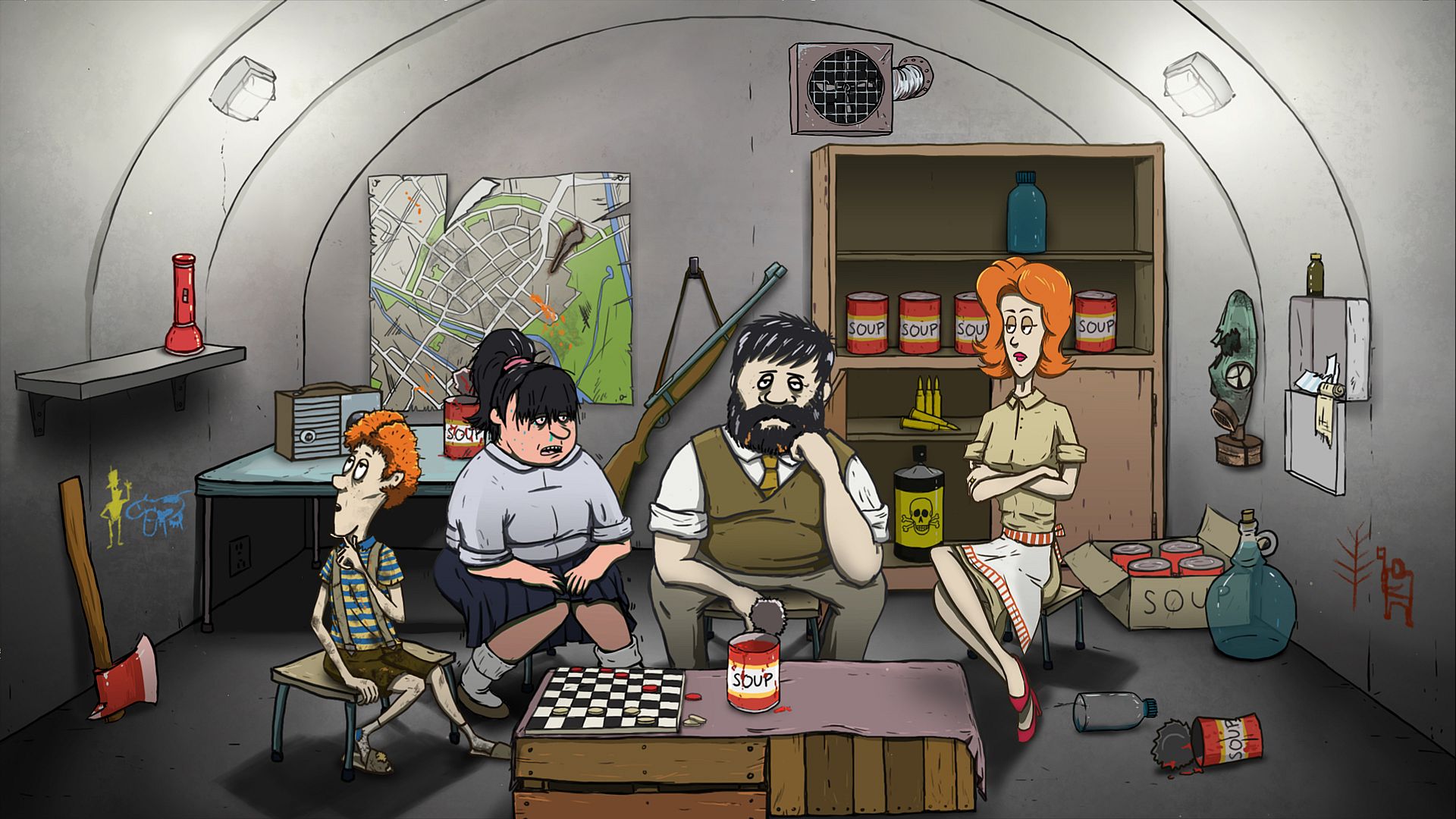
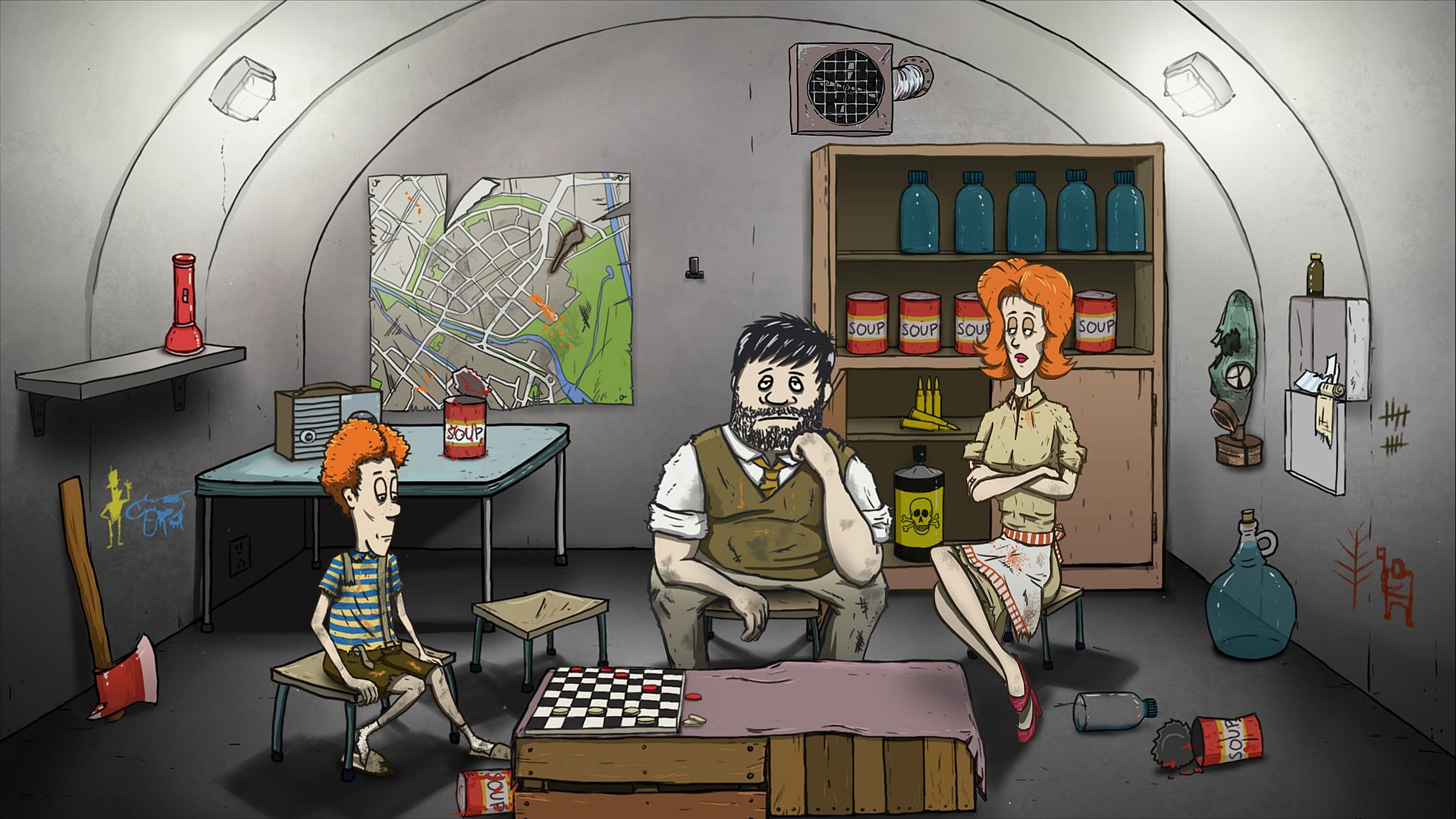
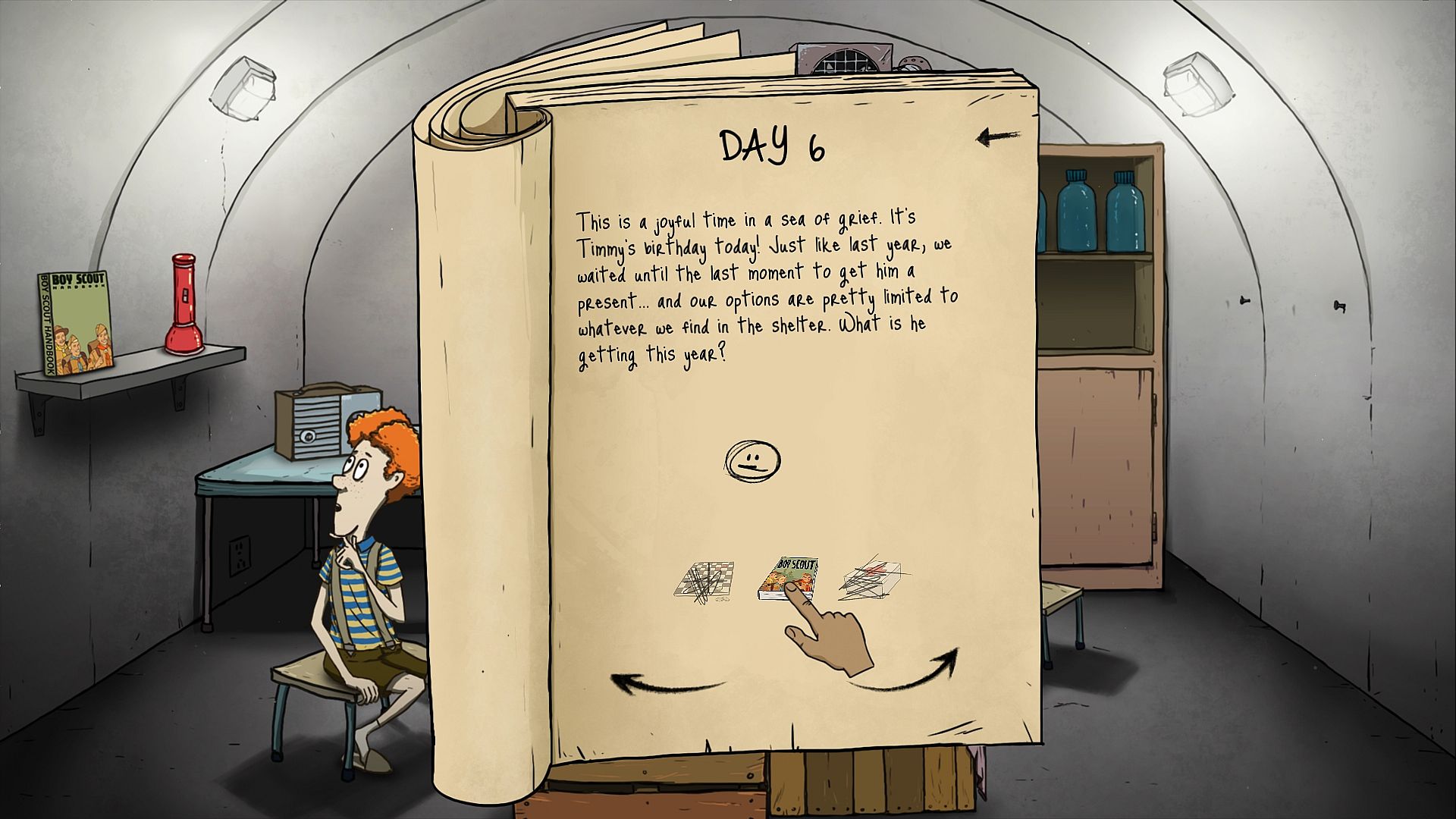
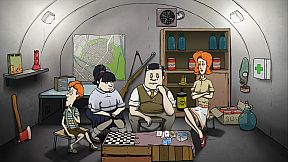
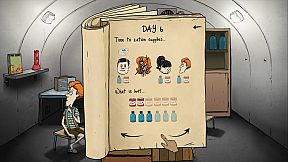
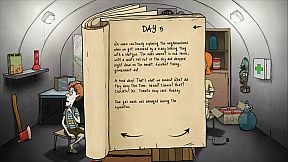
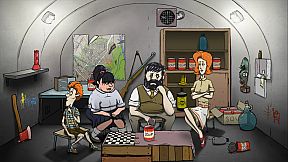
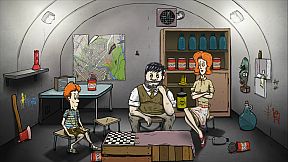
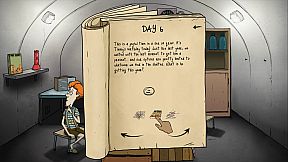
Once inside the shelter, gameplay shifts to deliberate management. Players allocate limited food and water rations, respond to random events that test supplies and relationships, and decide whether to send survivors into the wasteland for additional scavenging. Family members bring unique traits that affect outcomes, such as health needs or special skills during crises. Events range from infestations to external threats, forcing players to weigh risks like exposure to radiation against potential gains.
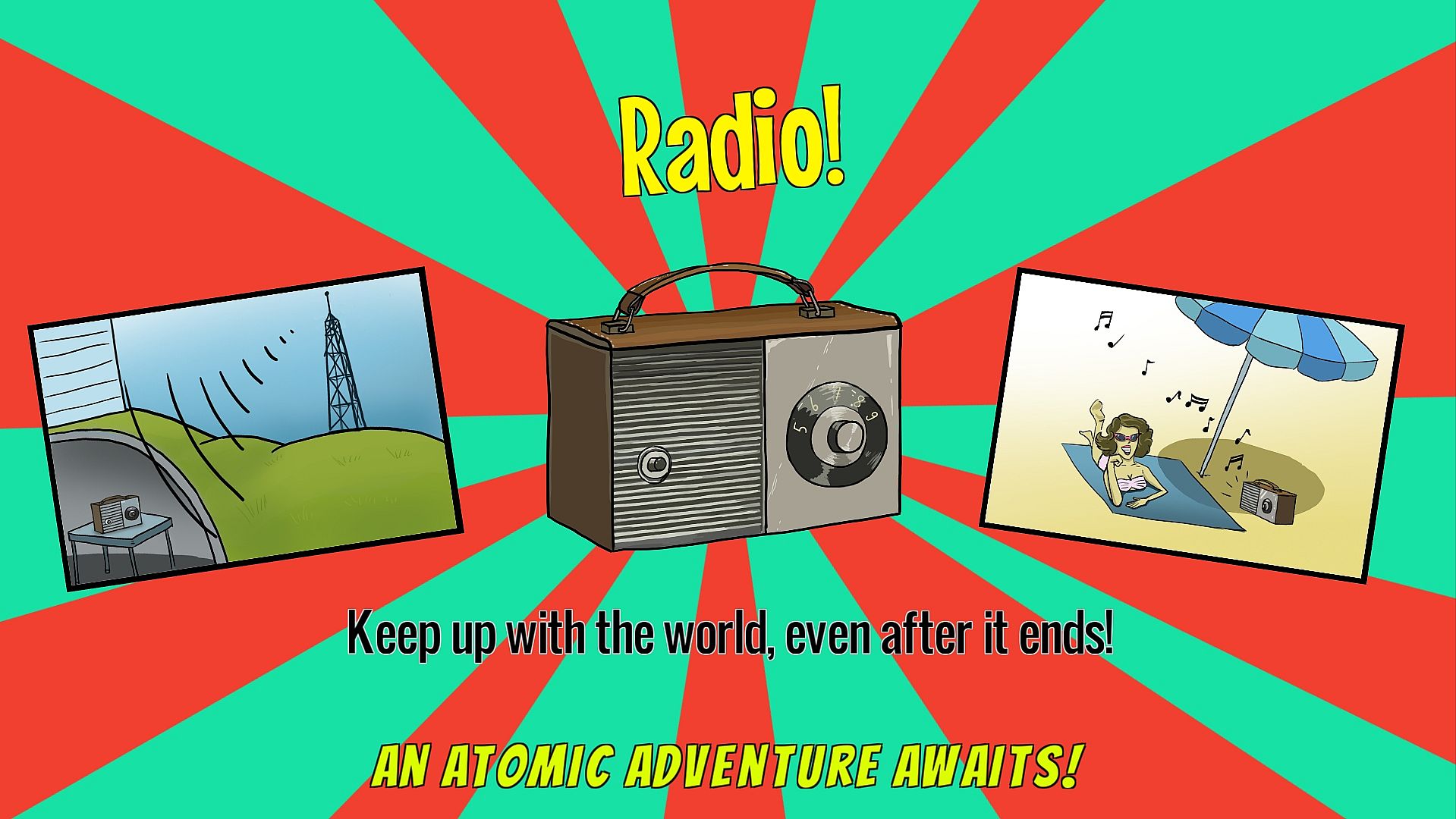
Emergency broadcasts provide hints during the initial rush, encouraging strategic planning over random grabs. The house layout changes with each attempt, ensuring no two scavenging runs feel identical and rewarding quick adaptation to new layouts.
Game Modes
Apocalypse Mode serves as the primary experience, combining the timed scavenging phase with extended shelter survival until rescue or failure occurs. This mode emphasizes the full narrative arc from preparation to long-term endurance.
Survival Mode focuses exclusively on the shelter phase, allowing players to manage resources and events without the initial rush. It highlights decision-making under scarcity and is ideal for practicing allocation strategies.
Scavenge Mode isolates the sixty-second house dash, letting players refine their collection techniques and item prioritization in isolation. These modes support varied play styles while sharing the same underlying systems of supply tracking and event resolution.
Key Mechanics and Features
Procedural generation ensures replayability through shifting house interiors and unpredictable event sequences. Rationing decisions carry weight because supplies deplete daily, and poor choices can lead to health declines or conflicts among survivors. Venturing outside requires weighing safety against necessity, with items like gas masks mitigating certain risks.
Family dynamics add depth, as saved members influence both daily operations and potential endings. The game tracks multiple variables including remaining food, water, and morale, creating branching outcomes based on cumulative choices rather than linear progression.
Is It Worth Playing?
60 Seconds! suits players who enjoy short, high-stakes sessions paired with longer strategic management in a single-player format. Its blend of quick reflexes during scavenging and thoughtful resource allocation in survival appeals to fans of simulation and adventure games that reward planning and adaptability. The dark humor and 1950s aesthetic provide a distinctive flavor that sets it apart from more serious post-apocalyptic titles.
Replay value stems from the procedural elements and multiple modes, encouraging repeated attempts to achieve longer survivals or different family outcomes. Those seeking a compact yet layered experience with meaningful choices will find the mechanics engaging, particularly if they appreciate indie strategy titles focused on crisis decision-making rather than open-world exploration.