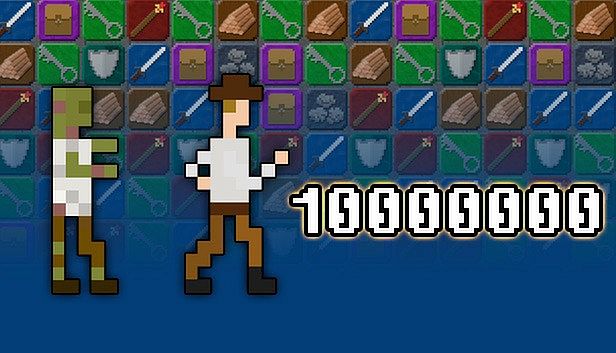













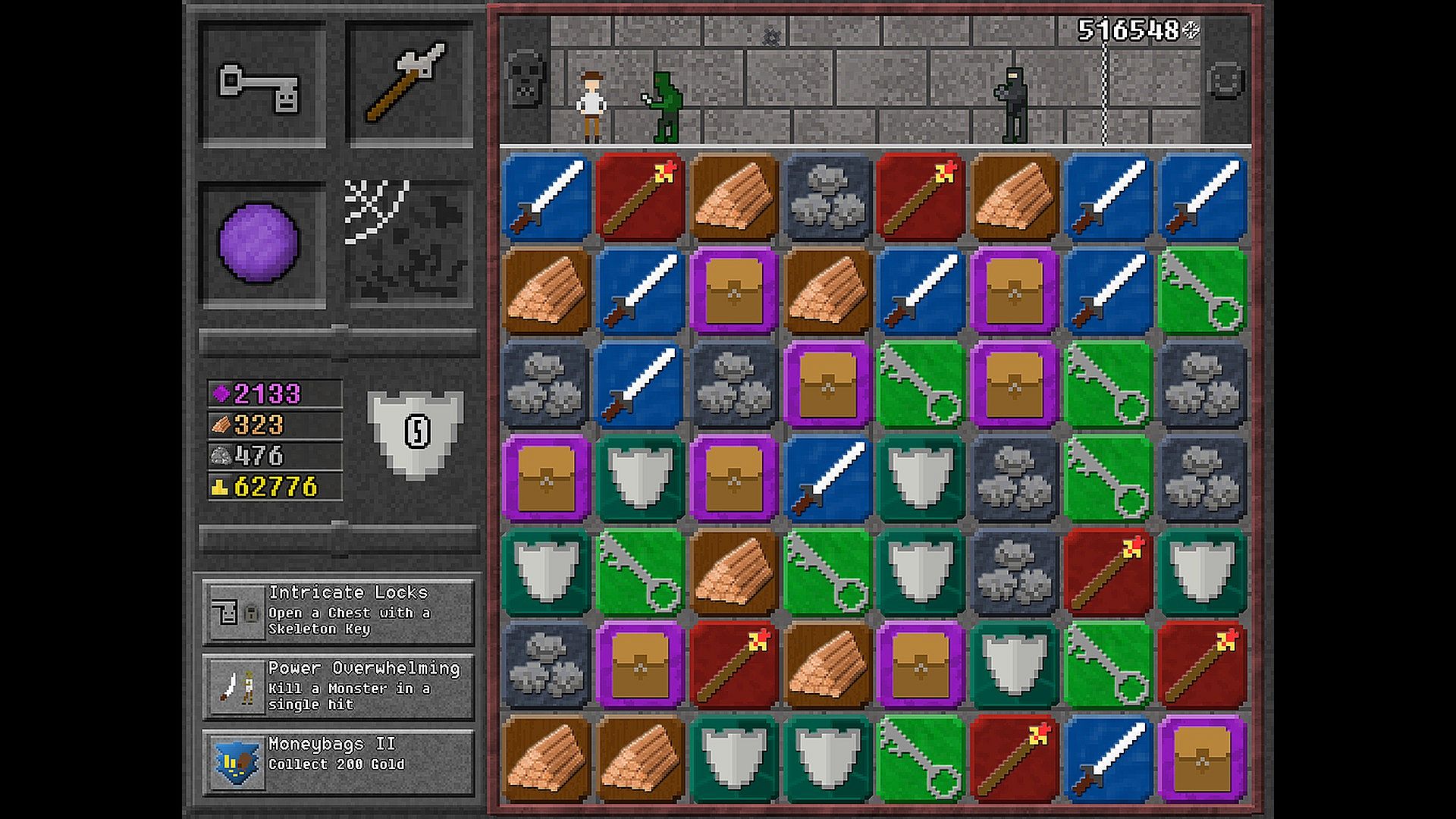
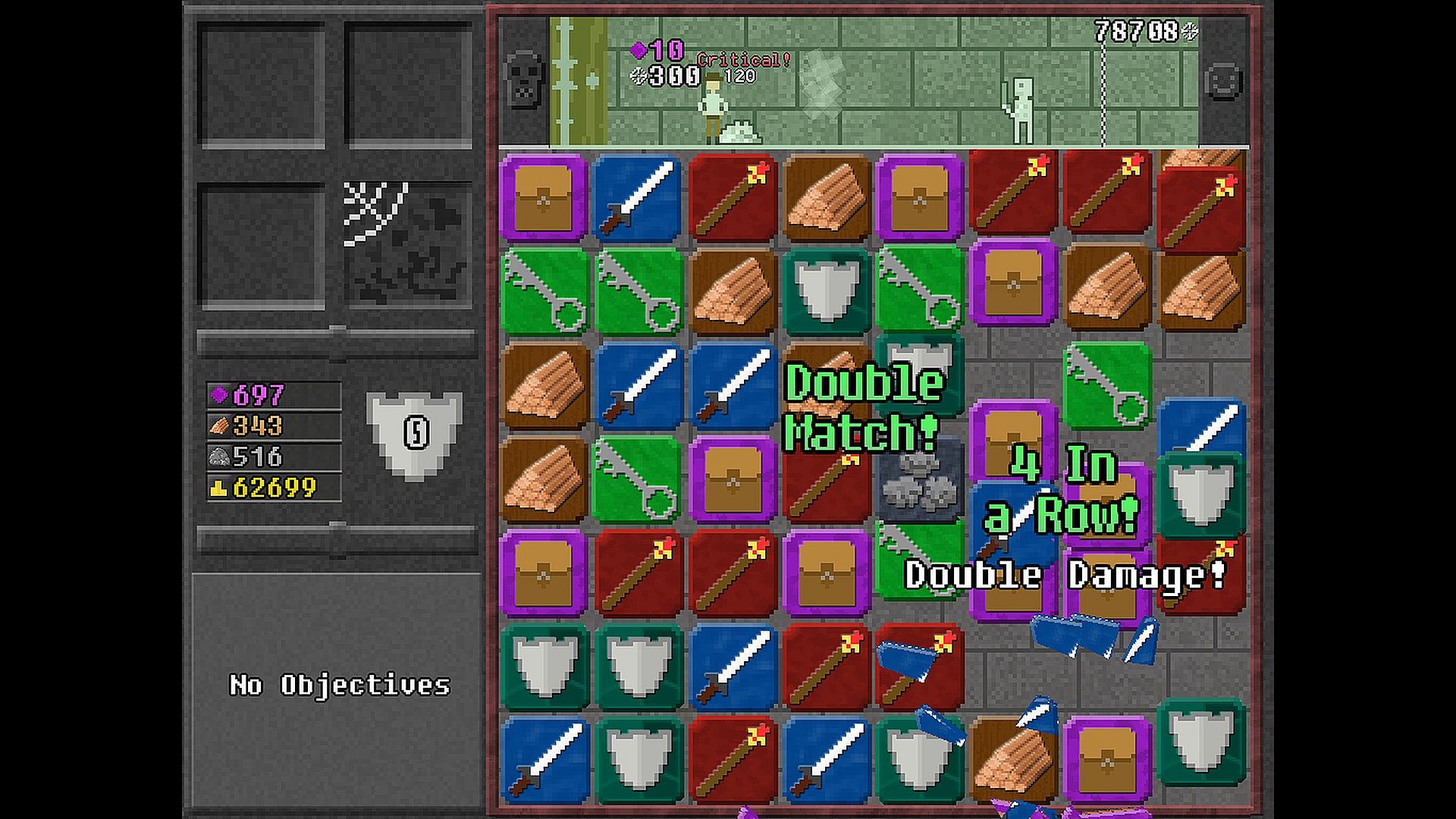
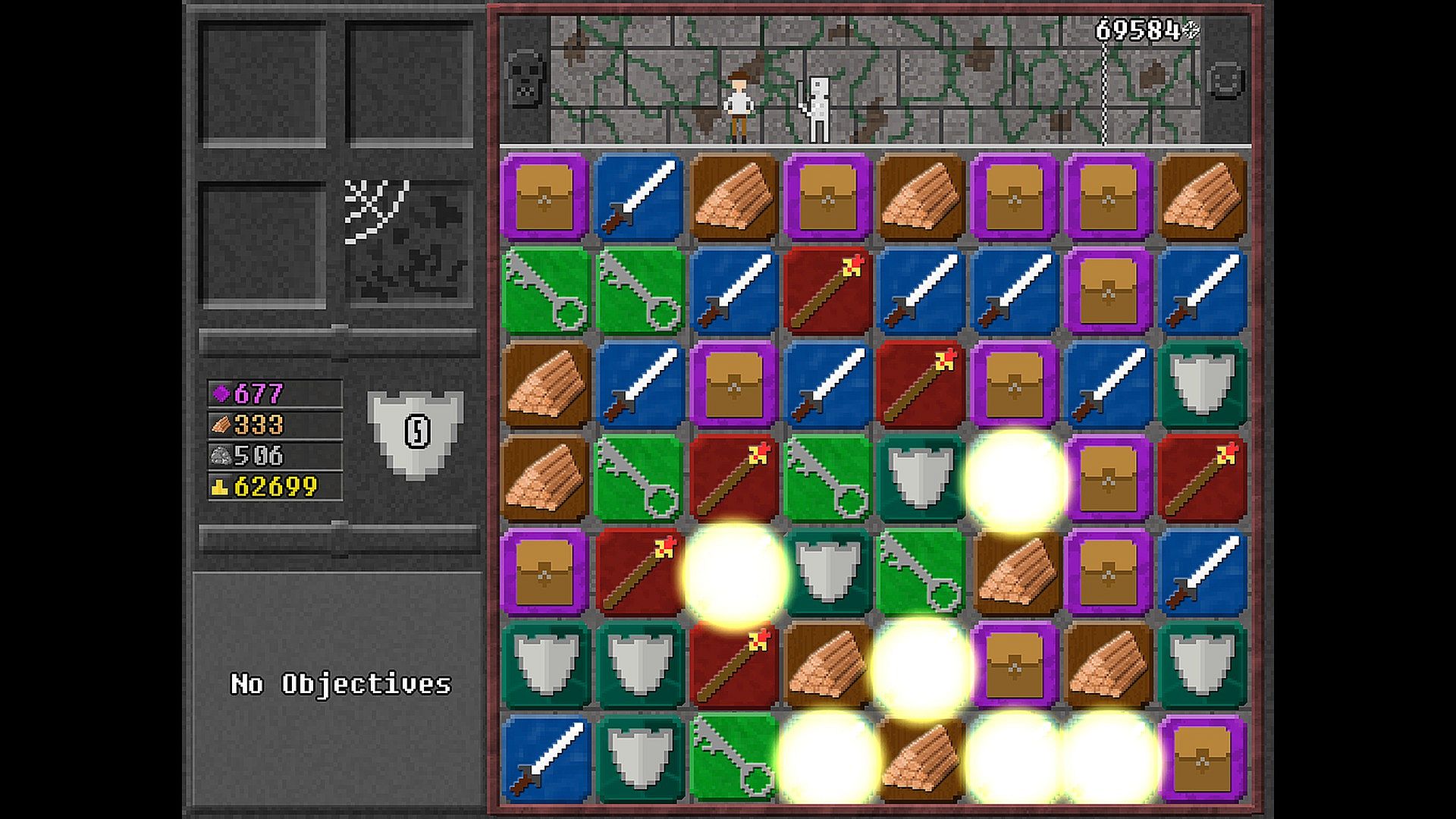
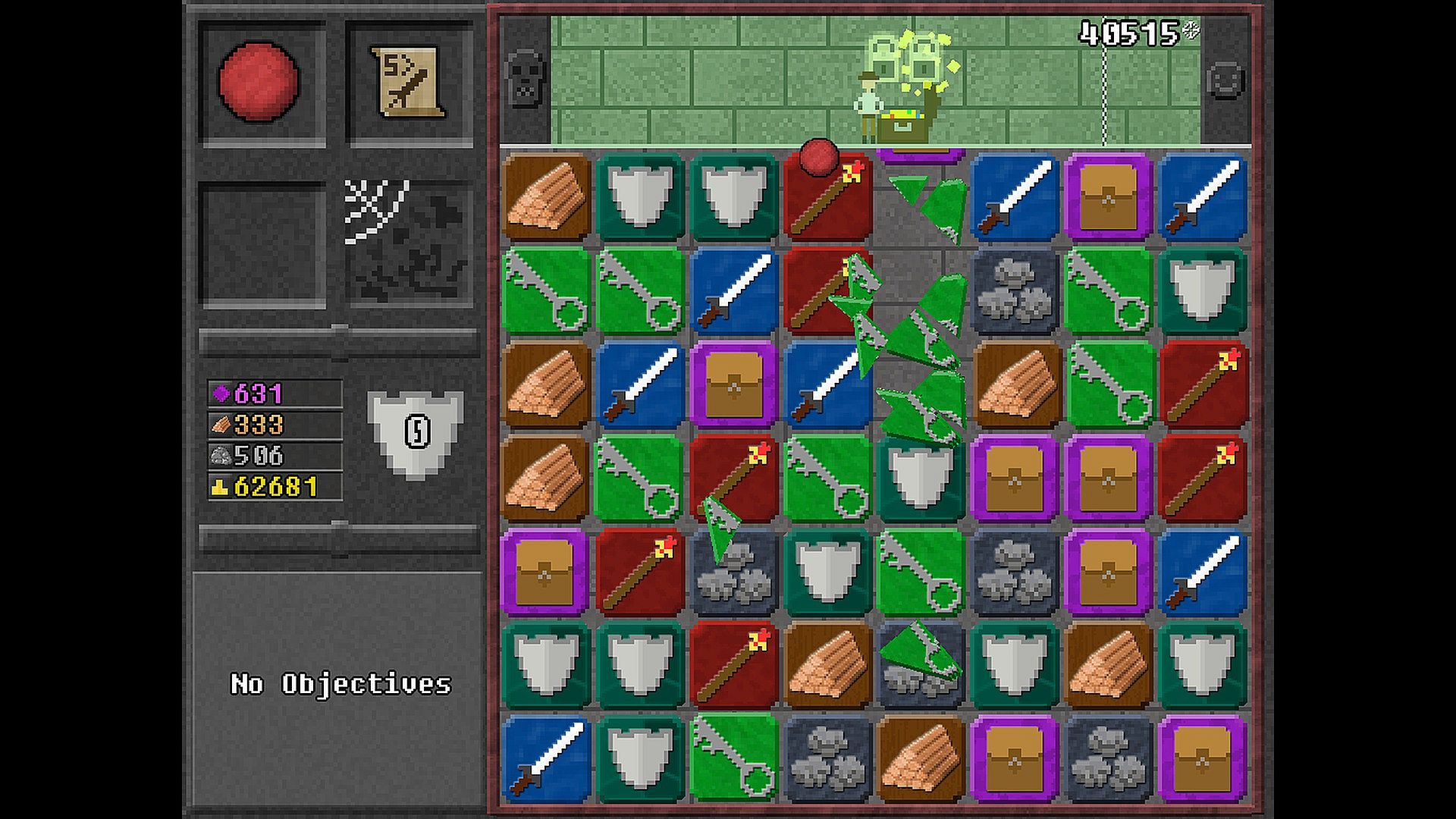
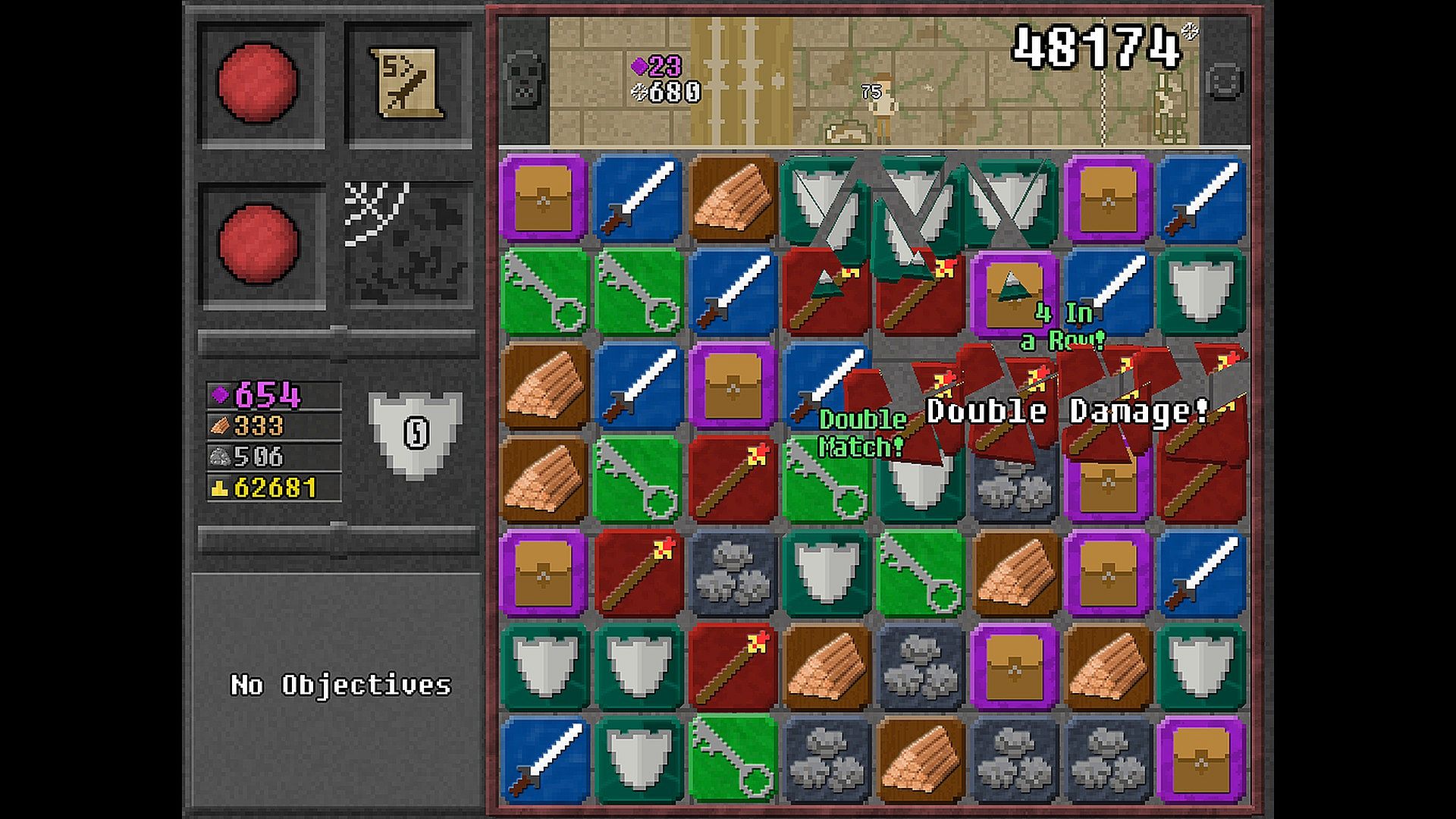
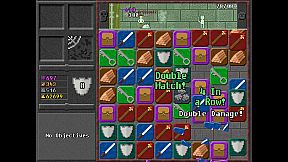
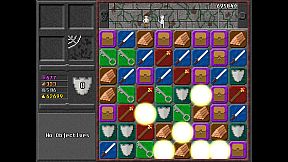
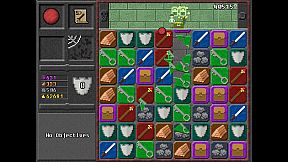
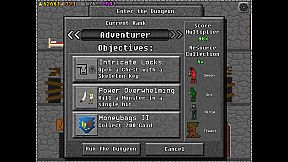
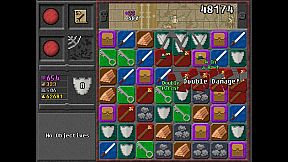
10,000,000 combines match-three puzzle mechanics with dungeon crawling and light RPG progression in a single-player experience on PC. Players control a character who runs through procedurally challenging dungeon sections while matching colored tiles on a grid to advance, defeat enemies, and gather resources. The core loop centers on quick tile swaps to create lines of swords, staves, or other symbols that clear obstacles and deal damage to pixel-art foes such as orcs, dragons, and elementals.
Gameplay
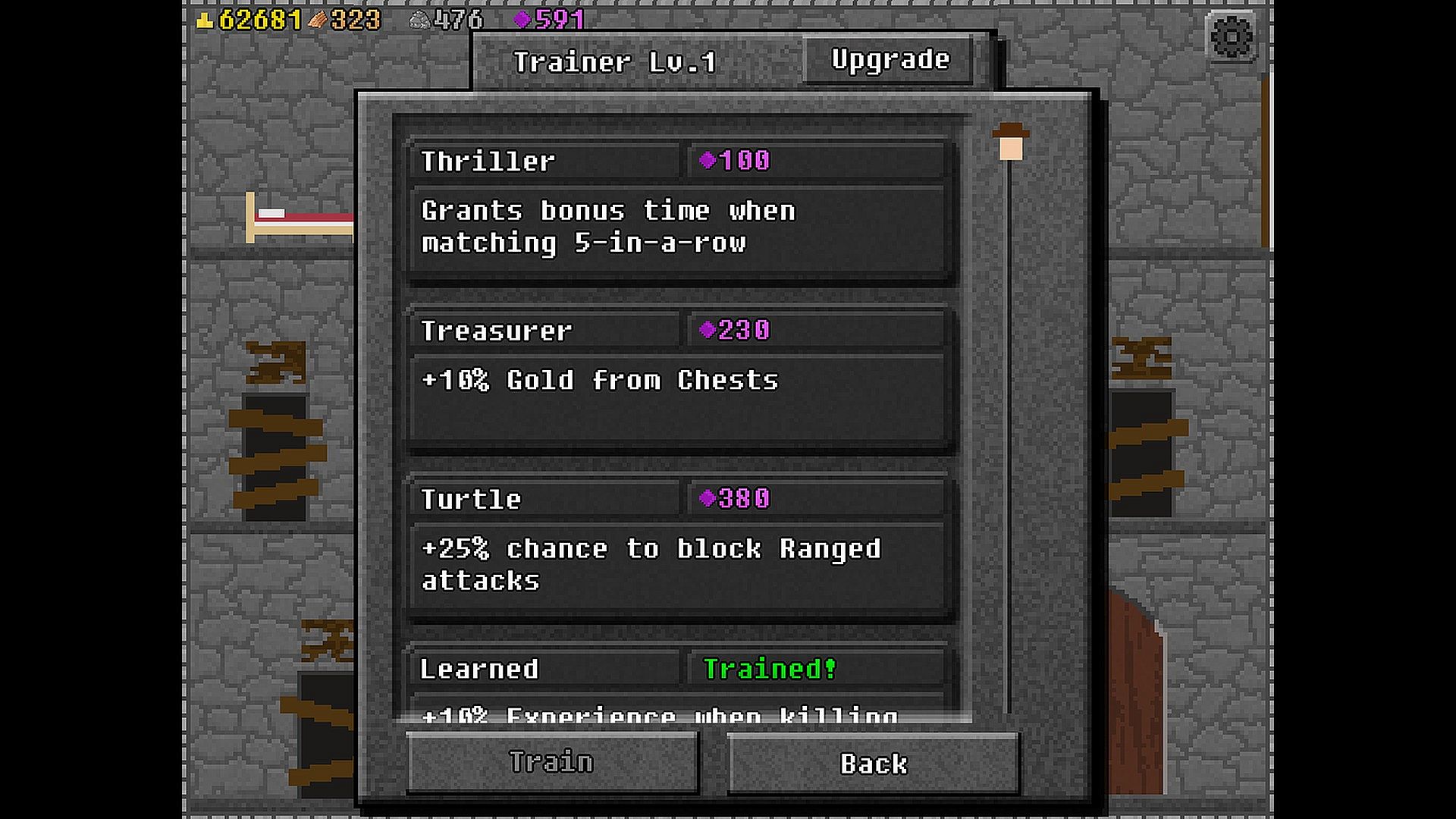
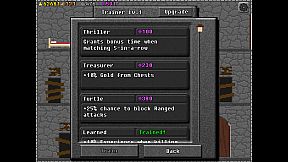
The action unfolds in continuous runs where the character moves forward automatically until stopped by monsters or barriers. Matching attack tiles removes threats, while resource tiles like stone and wood return to the castle for upgrades. When no obvious matches appear, players open a backpack to deploy items that alter the board, restore energy, or provide temporary boosts. Experience earned from fights and successful runs levels up the character at a trainer, unlocking new skills that improve matching efficiency or combat effectiveness over multiple attempts.
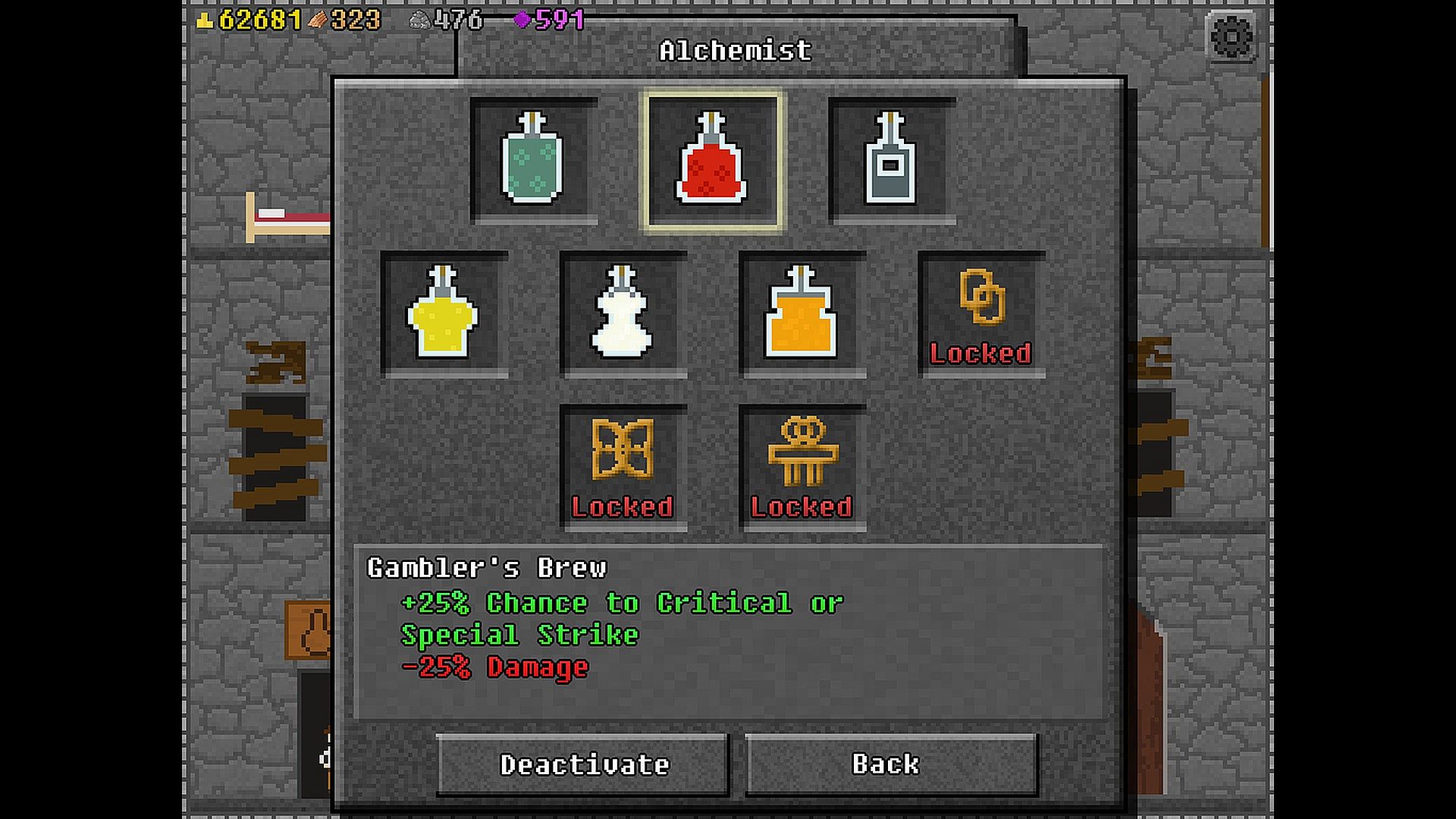
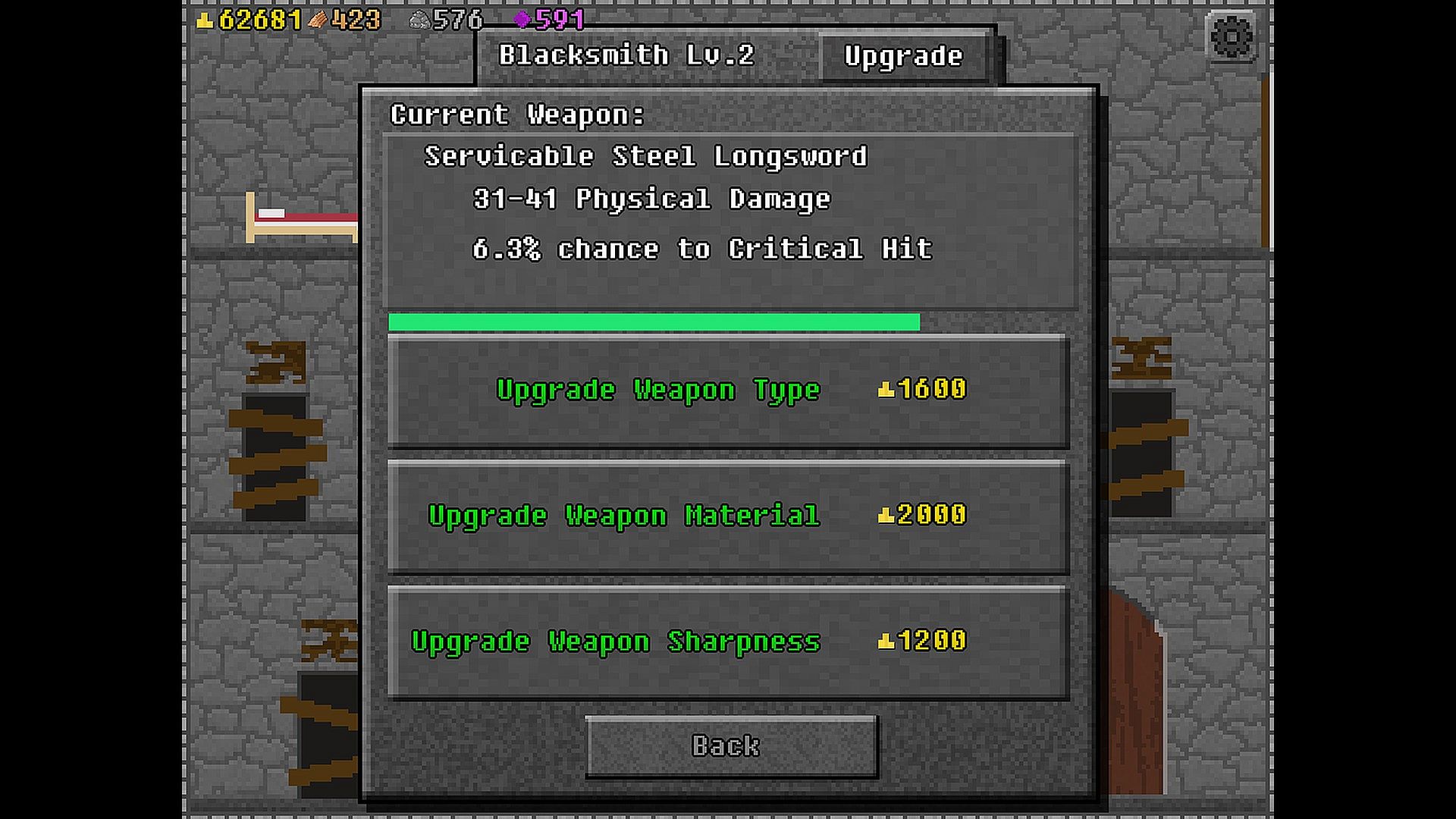
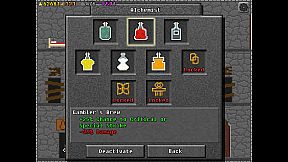
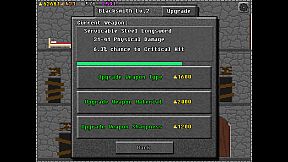
Inventory management adds depth because collected loot funds visits to the blacksmith and armorer for gear improvements that raise damage output and survivability. Potions offer another layer of risk and reward: some strengthen the player directly, while riskier brews increase monster difficulty and chest value in exchange for higher scores. The roguelike structure means each run ends when the character falls, yet permanent upgrades from prior attempts make later efforts progressively stronger and more strategic.
Retro pixel art and a looping chiptune soundtrack support the fast pace without distraction, keeping focus on the matching decisions and resource choices that determine how far each run extends.
Game Modes
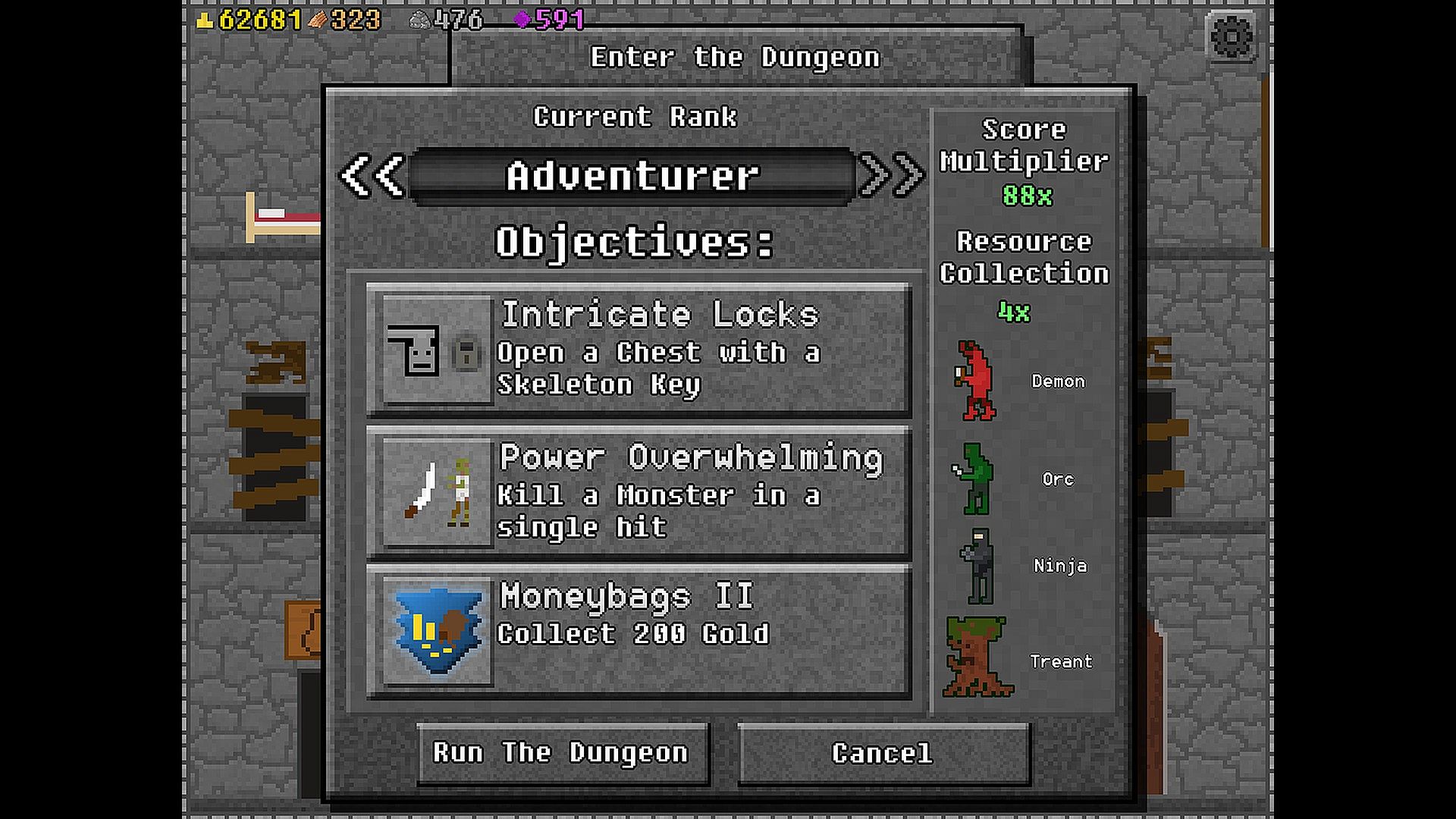
The game features one primary play structure built around repeated dungeon runs. Each session challenges players to push the score as high as possible by surviving longer, defeating more enemies, and optimizing tile matches under increasing pressure. There are no separate competitive or cooperative options; progress instead accumulates across runs through skill unlocks, castle improvements, and better starting equipment that carries forward.
Within the single structure, players decide how aggressively to pursue high scores by choosing potion effects or pushing deeper into tougher sections. The absence of distinct modes keeps the focus on mastering the core matching and upgrade systems rather than switching between unrelated formats.
Progression and Upgrades
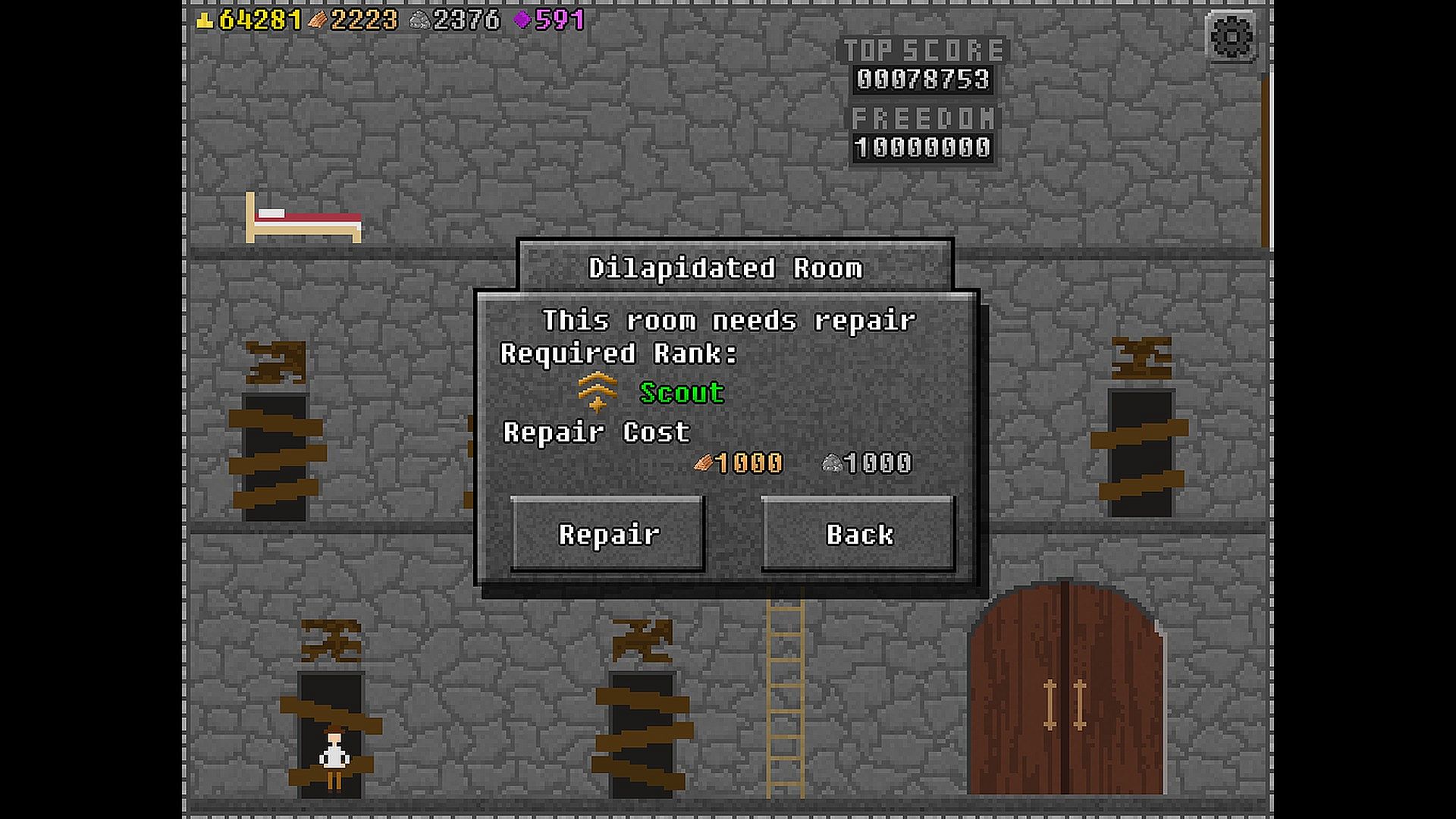
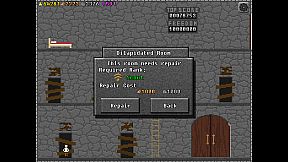
Castle building serves as the long-term goal. Matching stone and wood tiles during runs brings those materials home, where they fund structural improvements that provide passive benefits on future attempts. Gear upgrades from the blacksmith and armorer directly affect combat performance, while trainer skills expand tactical options during matches. This layered progression rewards consistent play without requiring lengthy sessions, as short runs still contribute experience and resources.
Potion experimentation further customizes each attempt. Conservative choices support steady advancement, while bolder selections test player skill for bigger point totals. The system encourages repeated play because early runs teach tile patterns and enemy behaviors that later runs exploit more effectively.
Is It Worth Playing?
10,000,000 suits players who enjoy match-three puzzles combined with light RPG elements and roguelike challenge. The tight integration of matching speed, inventory decisions, and permanent upgrades creates a satisfying loop that rewards both quick reactions and long-term planning. Those who prefer pure endless runners or traditional RPGs may find the hybrid approach either refreshing or limiting depending on taste.
Reception highlights the addictive quality of the match-three core and the sense of growth across runs, though the visual and audio presentation remains deliberately minimal. The game runs well on modern PCs with no ongoing updates or seasonal content, so it offers a complete, self-contained experience for anyone seeking a focused puzzle-RPG hybrid without additional purchases or live-service elements.
Its strength lies in the clear feedback between each run's performance and the next attempt's starting power. Players who appreciate incremental improvement through repeated short sessions will likely find the title engaging, while those seeking expansive worlds or multiplayer features should look elsewhere.