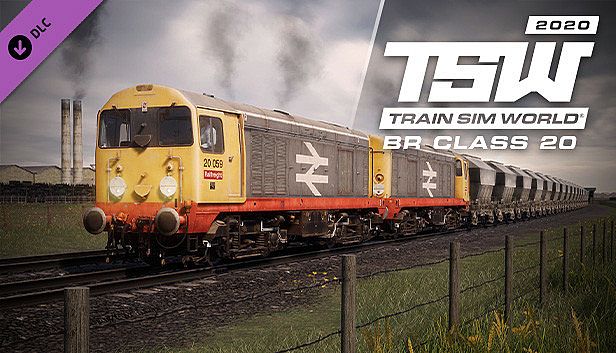













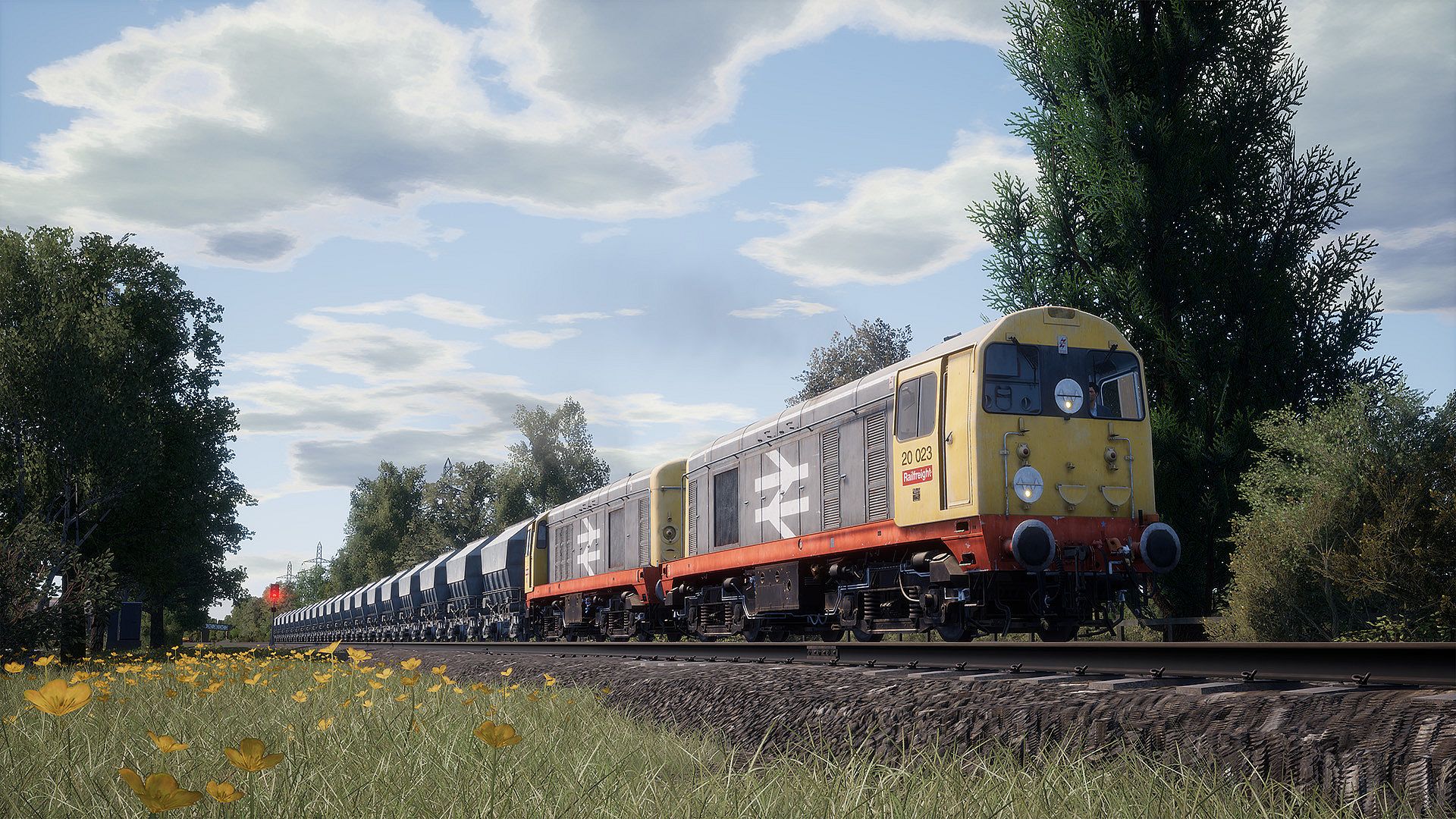
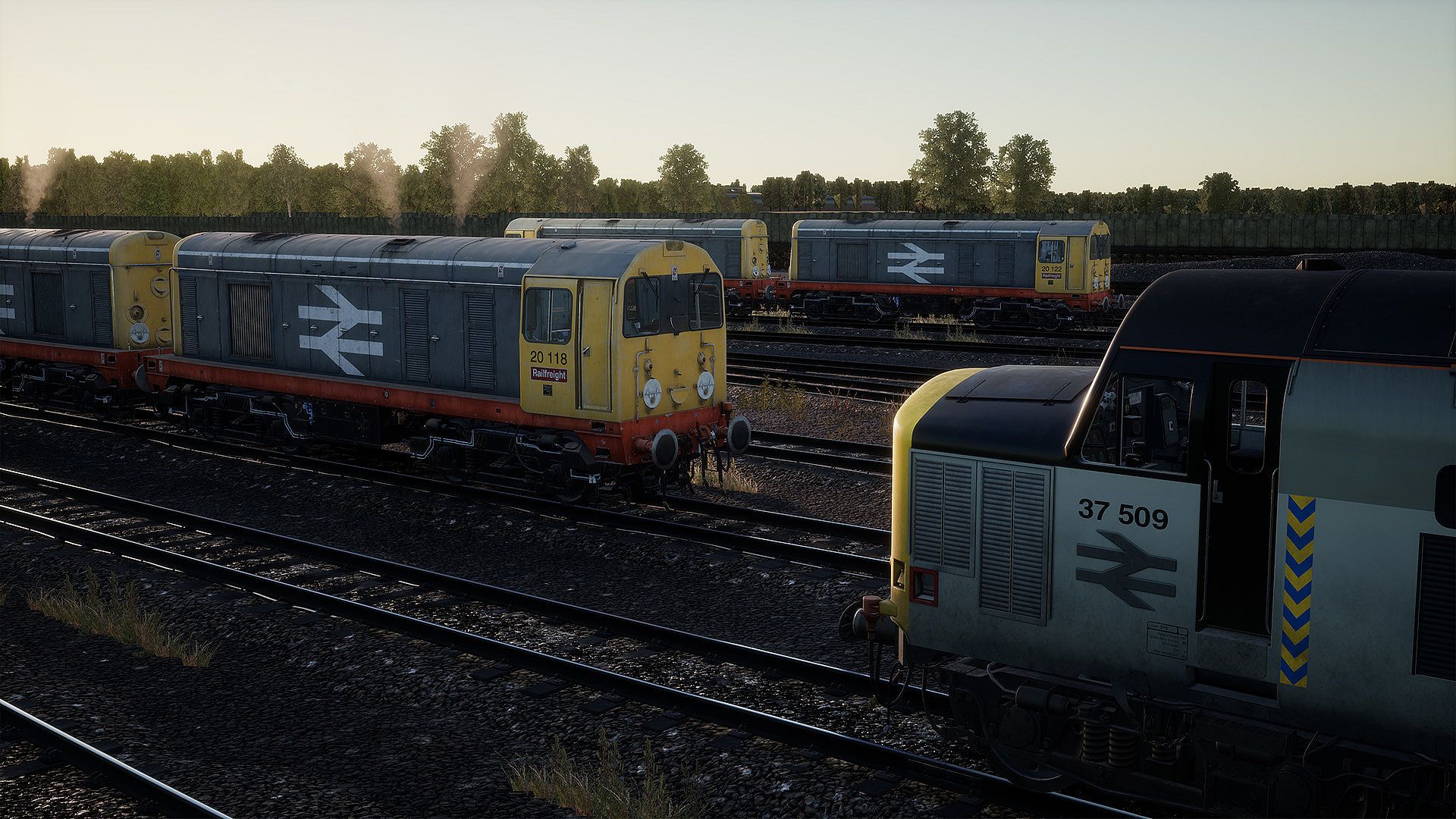
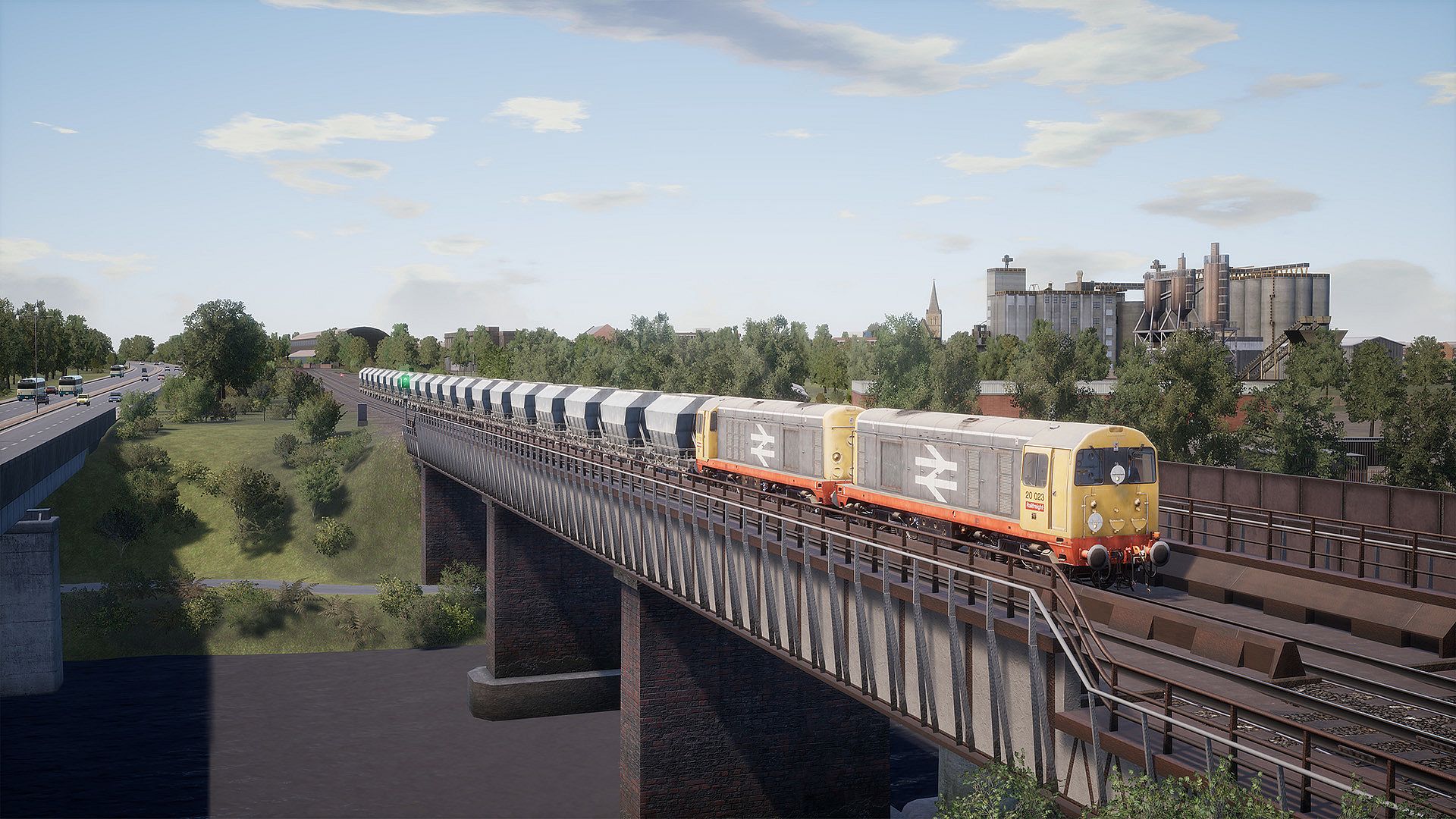
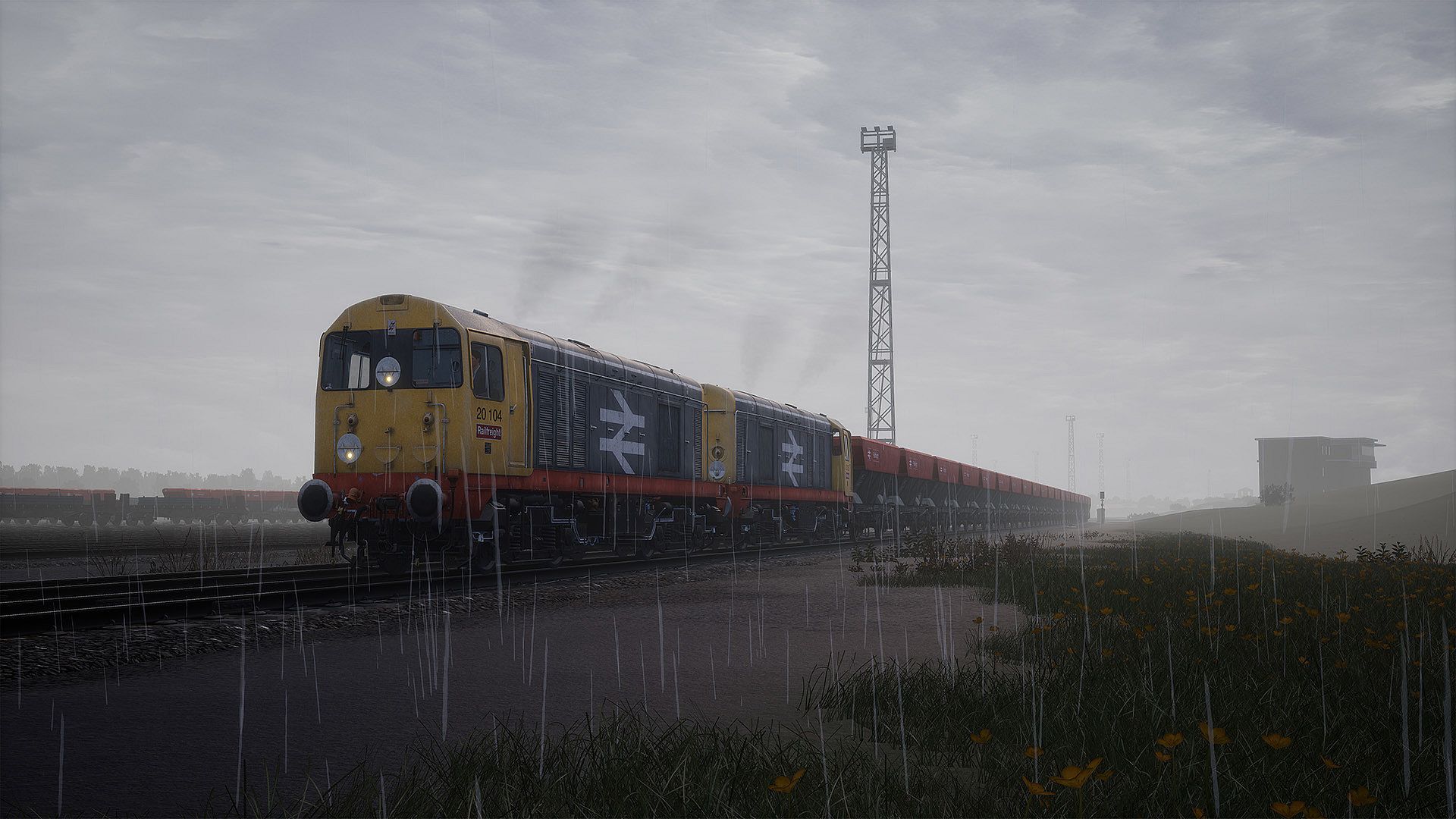
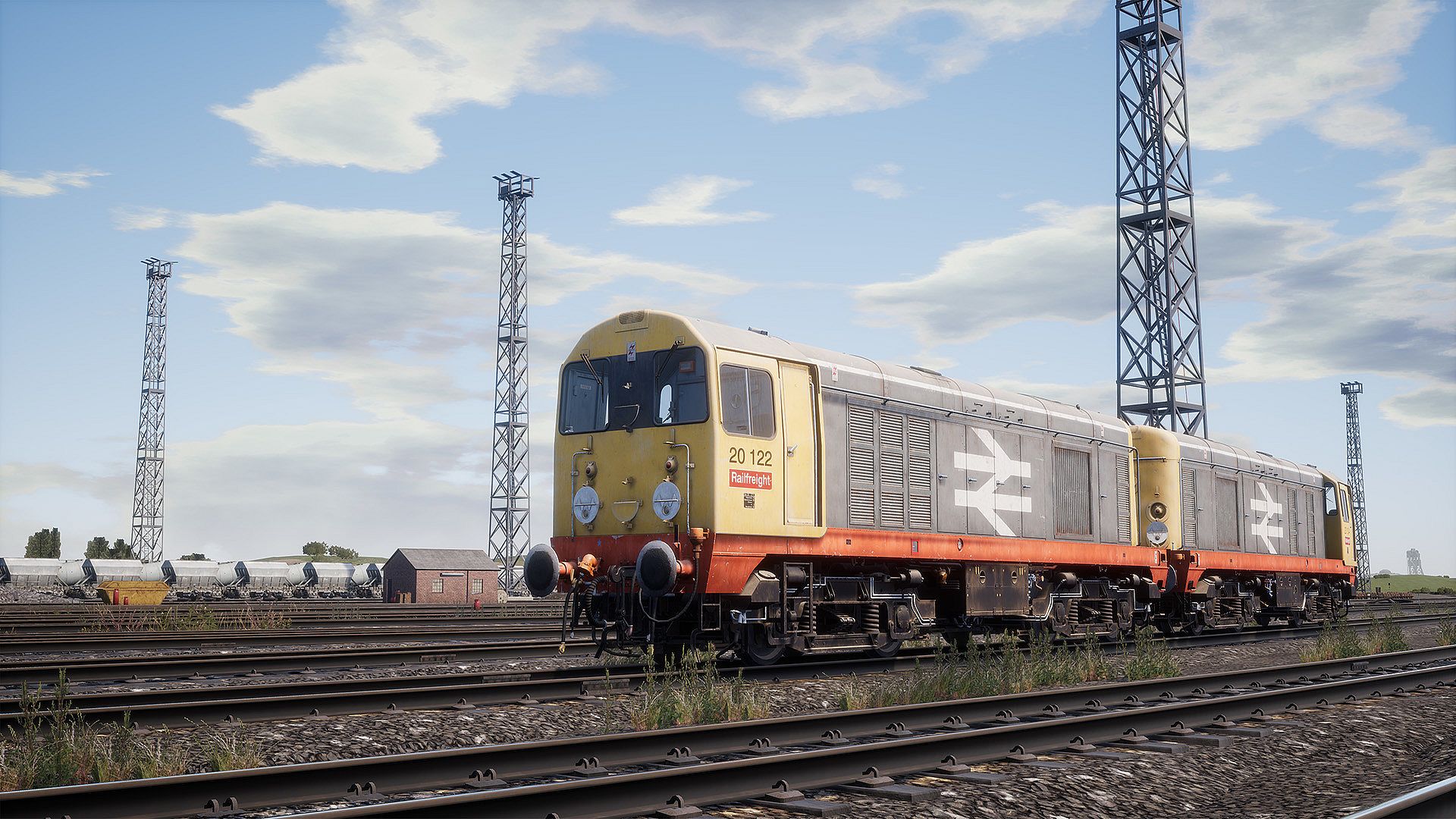
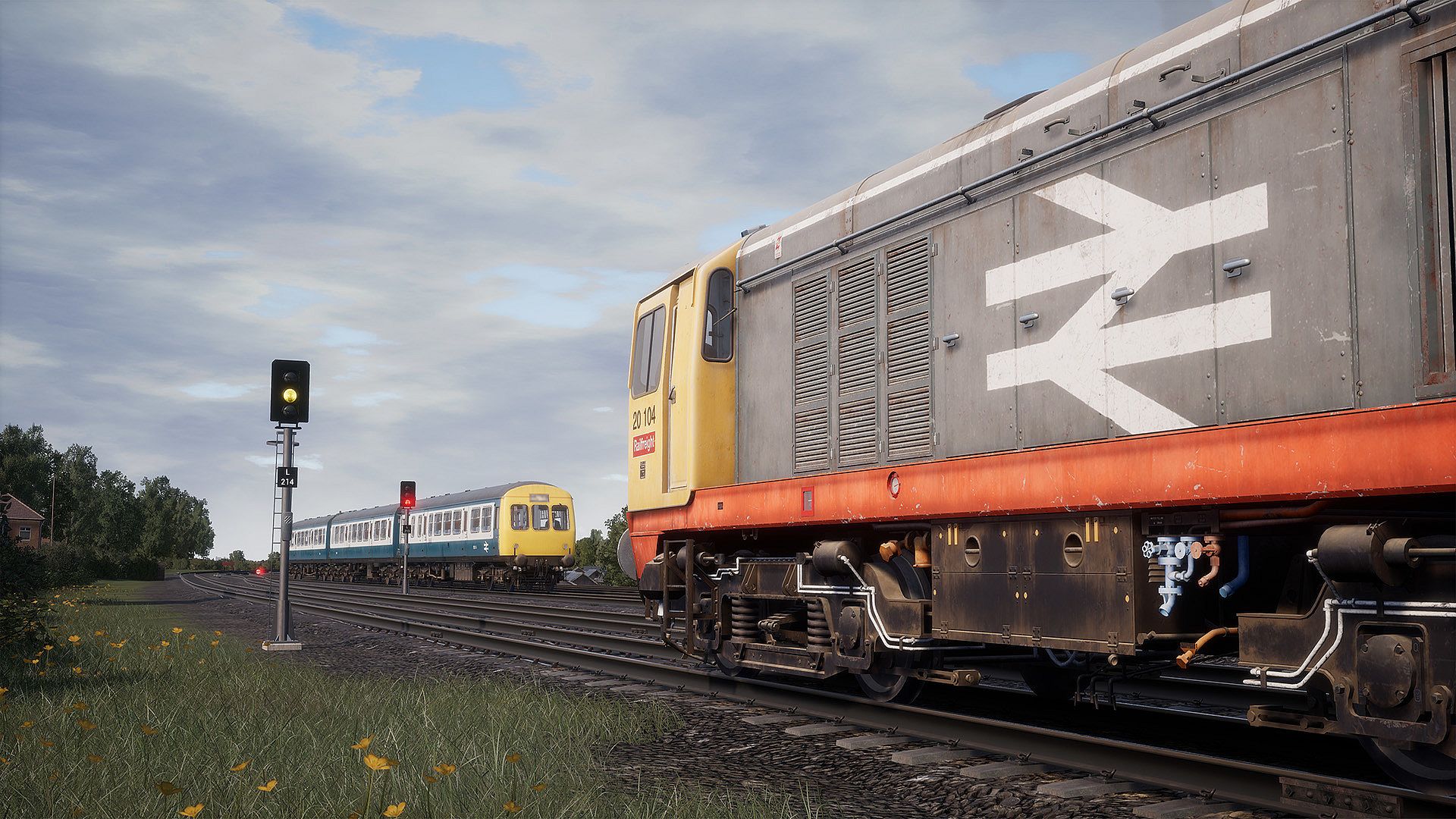
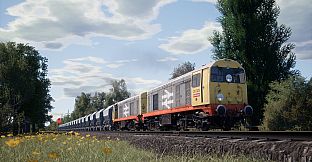
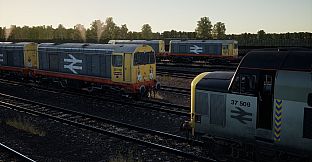
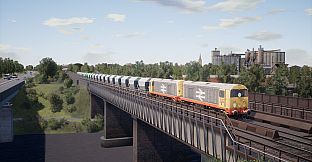
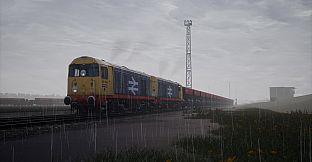
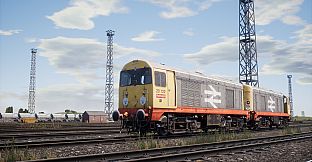
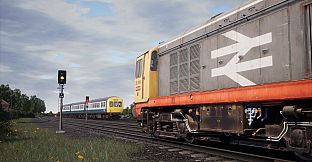
Train Sim World: BR Class 20 'Chopper' Loco Add-On delivers a focused simulation experience centered on operating a classic British diesel locomotive. This add-on brings the English Electric Type 1, later classified as the BR Class 20, into the game with its distinctive single-cab layout and characteristic engine sound that earned it the nickname Chopper. Players take control of this 1000 horsepower machine originally built between 1957 and 1968 for light mixed-freight duties across the Midlands and Scotland, now recreated for realistic operation on the Tees Valley Line.
Gameplay
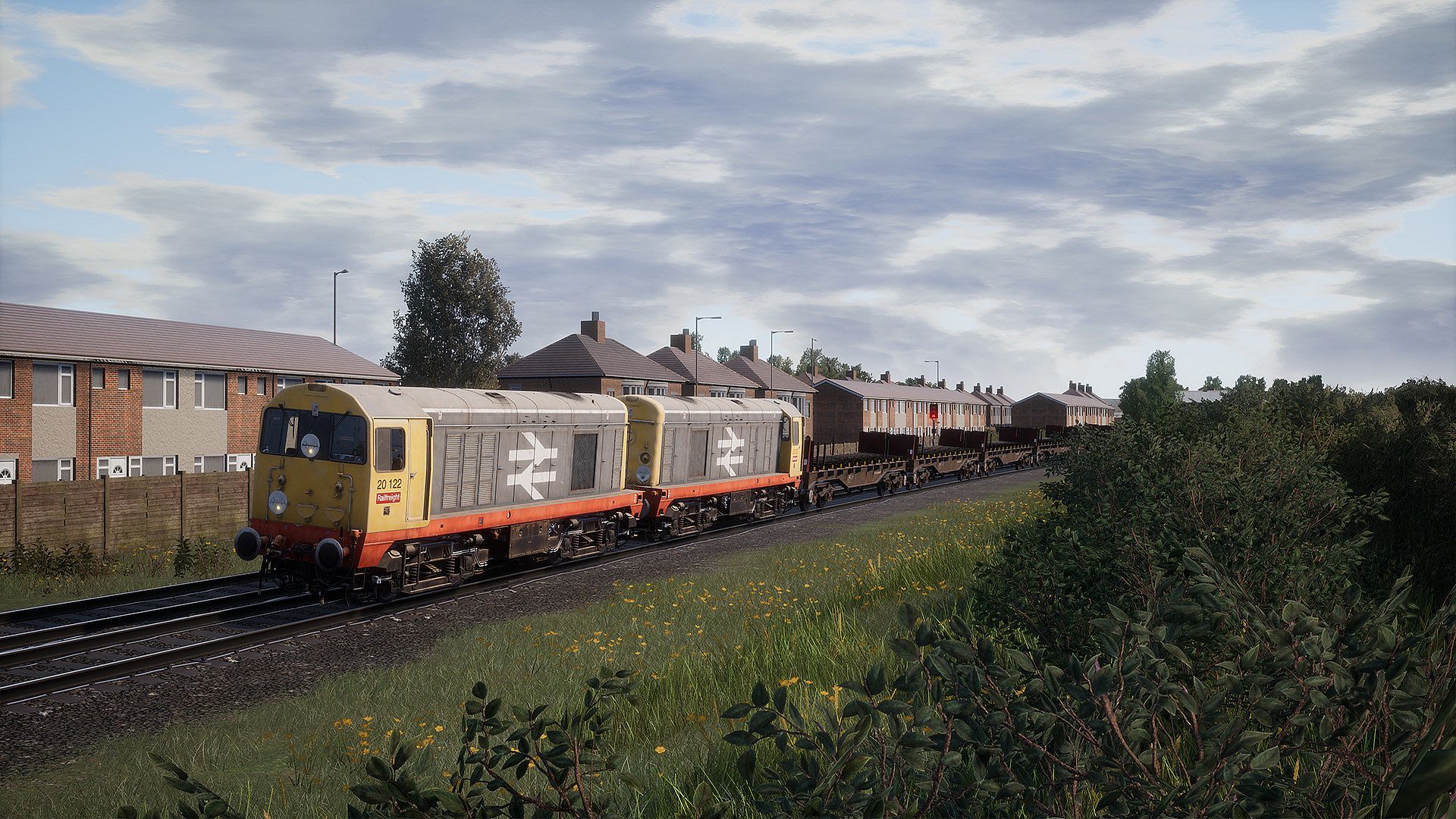
The core loop revolves around authentic locomotive handling and freight operations. The Class 20 features accurate physics and performance modeled after the real locomotive, including its unique rear-cab design that places controls facing both directions. Visibility challenges when running nose-first are represented, reflecting historical practices where locomotives often ran in pairs for better forward sight and increased power. Sound design captures the helicopter-like roar under load through recordings taken directly from operational examples.
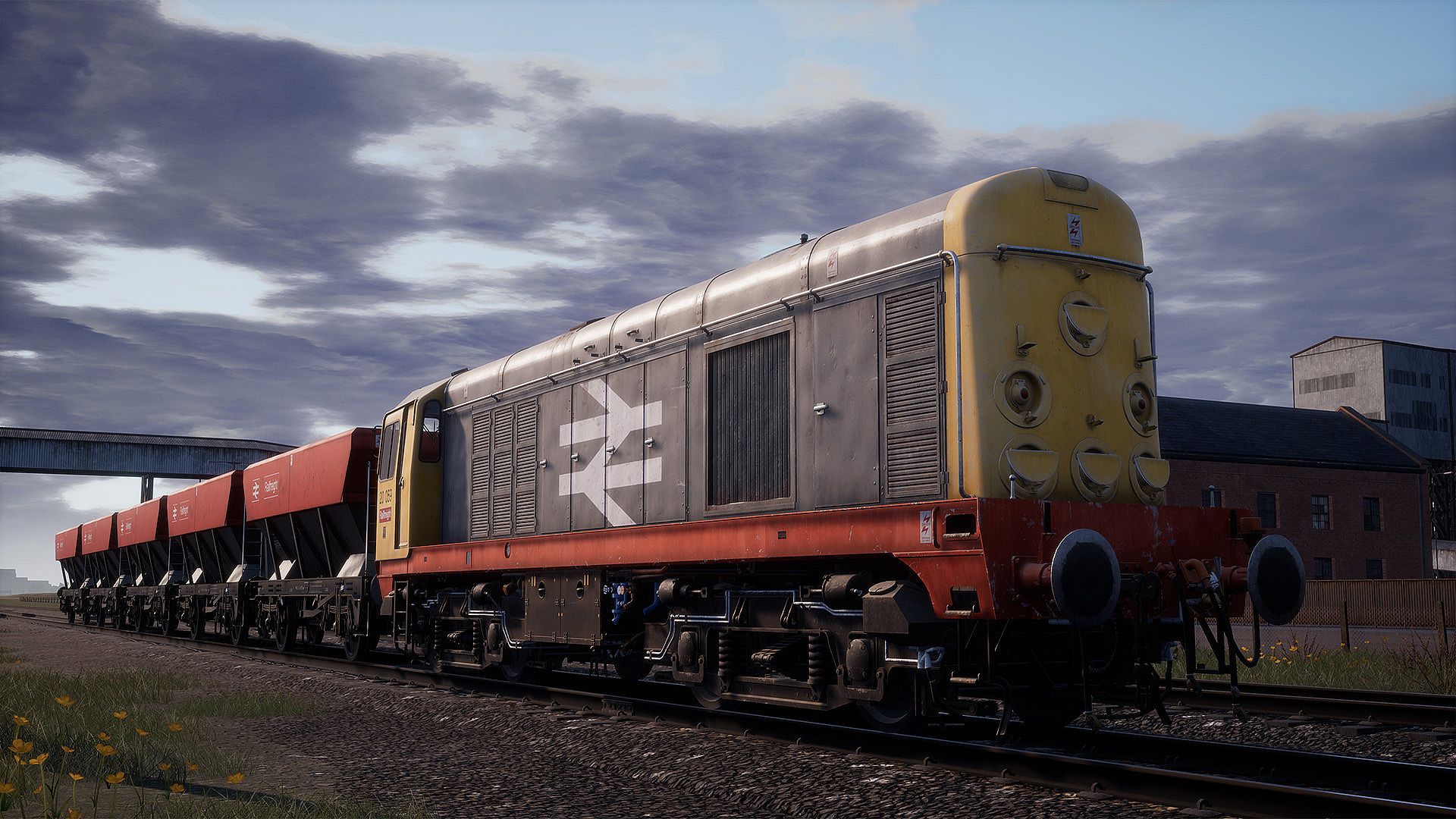
Players manage the PGA hopper wagon alongside the locomotive, focusing on precise throttle and brake inputs to maintain schedules with heavy or light freight consists. The single-cab configuration requires careful route planning and awareness of track conditions, especially on the Tees Valley Line where the add-on integrates seamlessly. Detailed cab interiors include functional controls and instruments that match real-world counterparts, rewarding methodical driving over rushed actions.
Game Modes
Three dedicated scenarios provide structured challenges that test route knowledge and locomotive management on the Tees Valley Line. These scenarios emphasize freight movements and operational procedures typical of the Class 20's historical role. Interactive training modules accompany the scenarios to introduce cab layout, basic controls, and handling characteristics before full operations begin.
Timetable Mode expands the experience with additional scheduled services that increase overall traffic density on the Tees Valley Line. This mode supports continuous operation across a full day, allowing players to slot the Class 20 into realistic service patterns. The locomotive also functions in Timetable Mode on the West Somerset Railway, extending its usability across compatible routes without requiring new scenarios.
Locomotive Details and Integration
The BR Class 20 appears in Railfreight livery with headcode discs and the tank-engine-like profile that sets it apart from later double-cab designs. Its development history as the first major diesel step for British Railways after steam is reflected in the simulation's attention to period-appropriate features. Preservation examples still active today underscore the locomotive's enduring appeal, and the add-on captures this veteran status through reliable performance modeling.
Integration with the Tees Valley Line route highlights the Class 20's suitability for the line's freight traffic. The add-on adds targeted services that complement existing timetable elements, creating denser and more varied operations without altering the base route structure.
Is It Worth Playing?
This add-on suits players who enjoy detailed single-player train simulation with an emphasis on one specific locomotive type. The combination of accurate sounds, cab fidelity, and timetable integration provides extended play sessions focused on freight hauling and route mastery. Those already familiar with the Tees Valley Line will find immediate value in the new traction options and expanded services.
Operation in multiple modes, including training support for newcomers, broadens accessibility within the simulation genre. The Class 20's historical quirks, such as paired running for visibility, translate into distinct gameplay decisions that differentiate it from more modern locomotives. Players seeking authentic British diesel operations will find consistent depth here, particularly when combining the locomotive with the route's existing timetable framework.