

















Rogue Lords is a singleplayer turn-based strategy RPG with roguelike elements. Players take on the role of the Devil, assembling and directing a team of notorious monsters and villains to seek revenge against Van Helsing through a series of procedural runs.
Gameplay
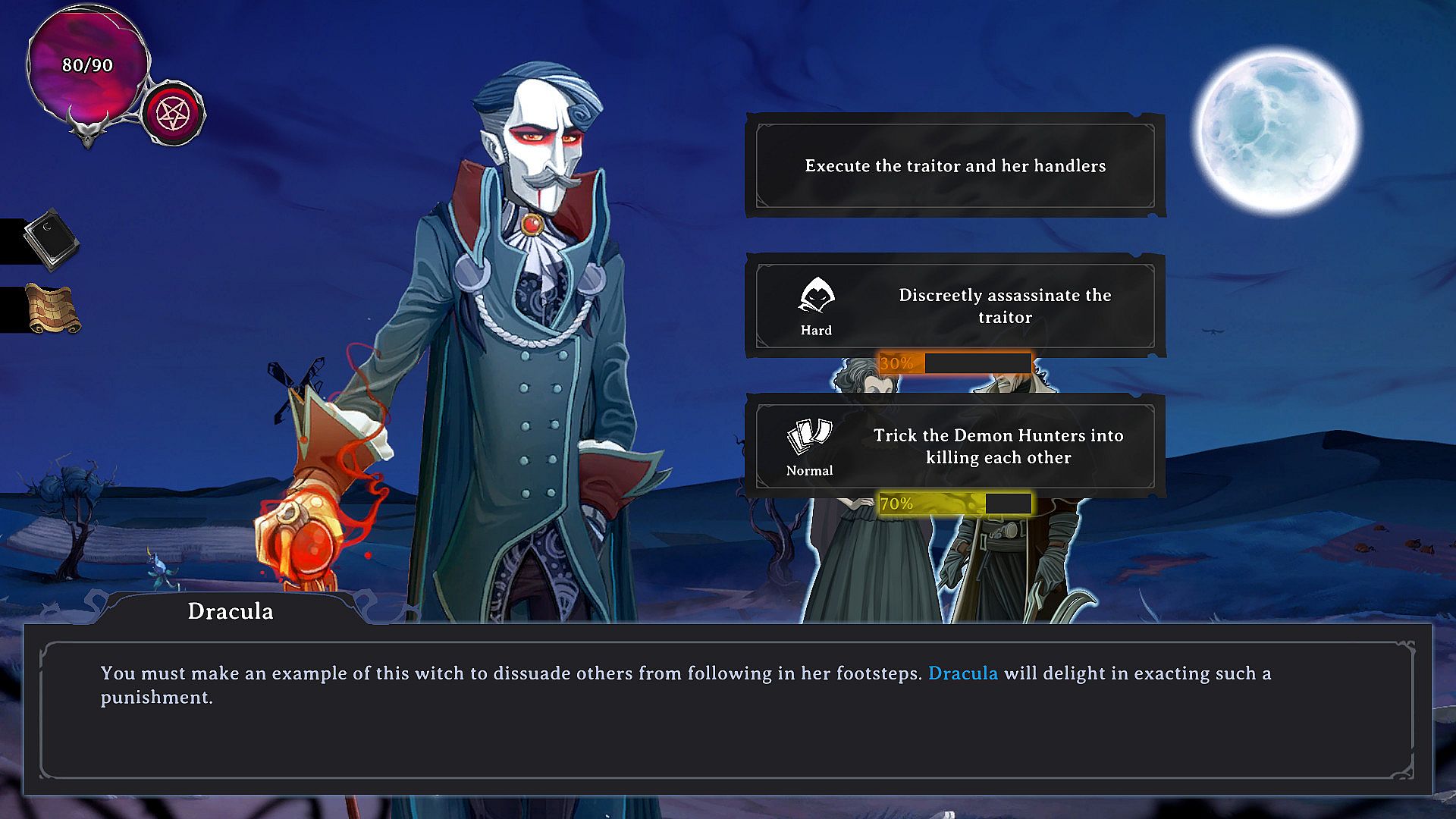
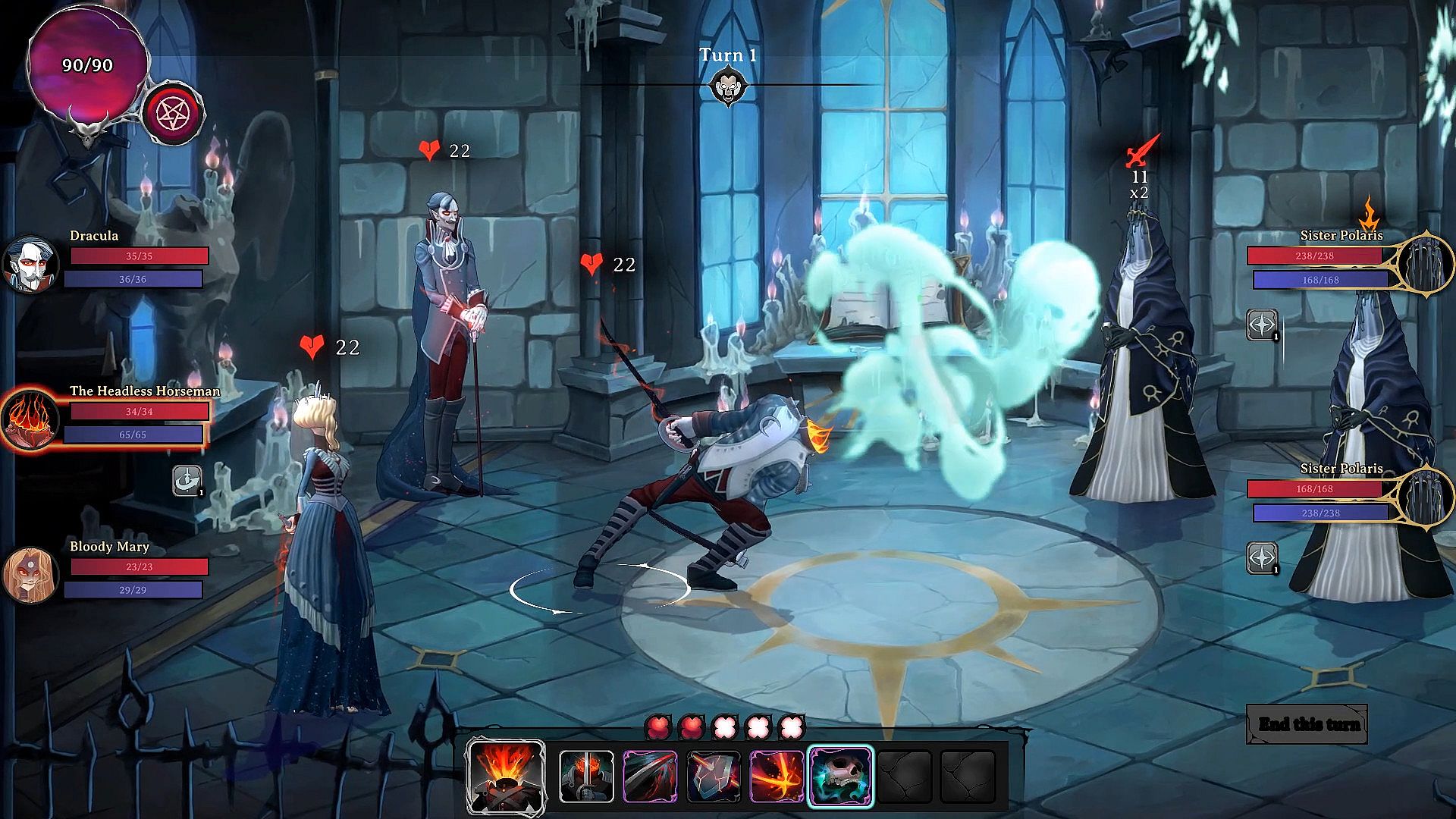
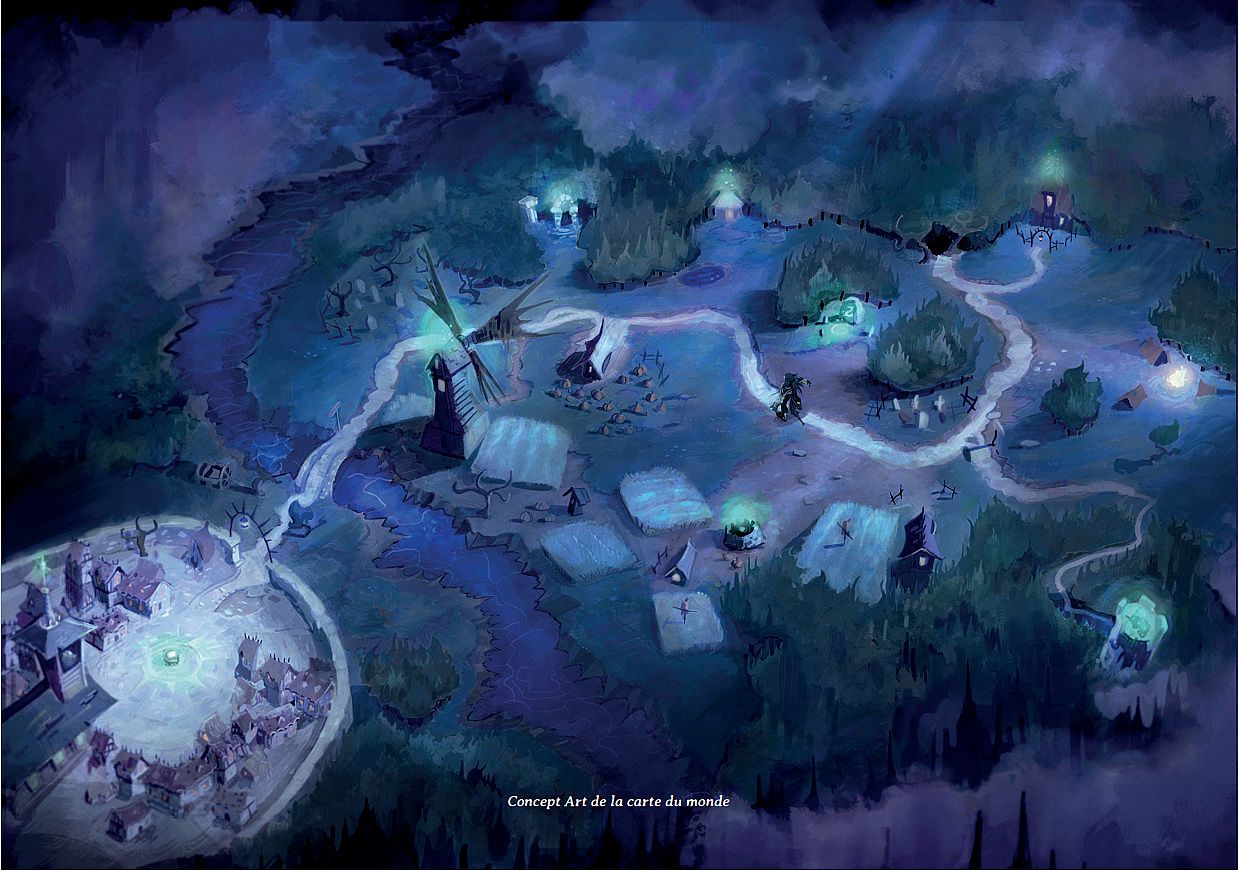
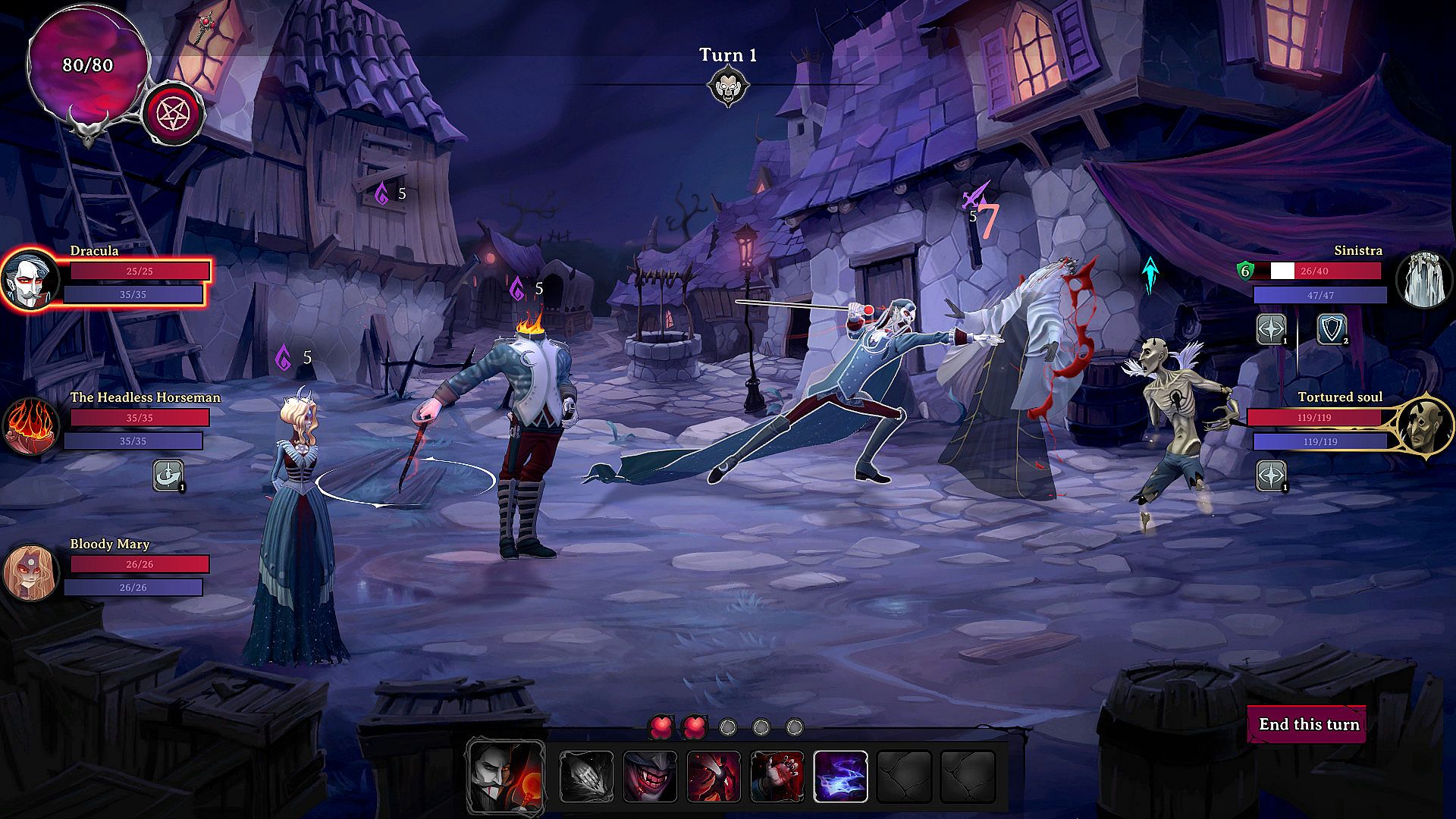
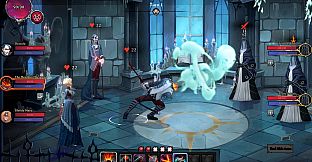
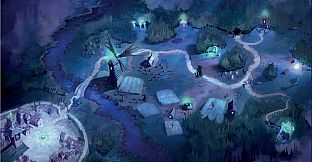
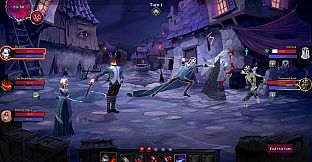
The core loop centers on navigating a branching overland map filled with encounters. These include combat nodes, healing opportunities, merchants, and special shrines that provide upgrades or challenges. Combat unfolds in a traditional turn-based format where a squad of three disciples uses abilities that consume energy points. Each disciple brings unique skills suited to roles such as damage dealing or support.
A standout system is Devil Mode, which allows the player to intervene directly with special powers drawn from a resource pool. This mechanic introduces opportunities to alter battle outcomes in ways that reward strategic timing and resource management. Disciples start with basic abilities that expand through unlocks and relics collected across runs. The game features a dual health system that adds layers to survival decisions during extended encounters.
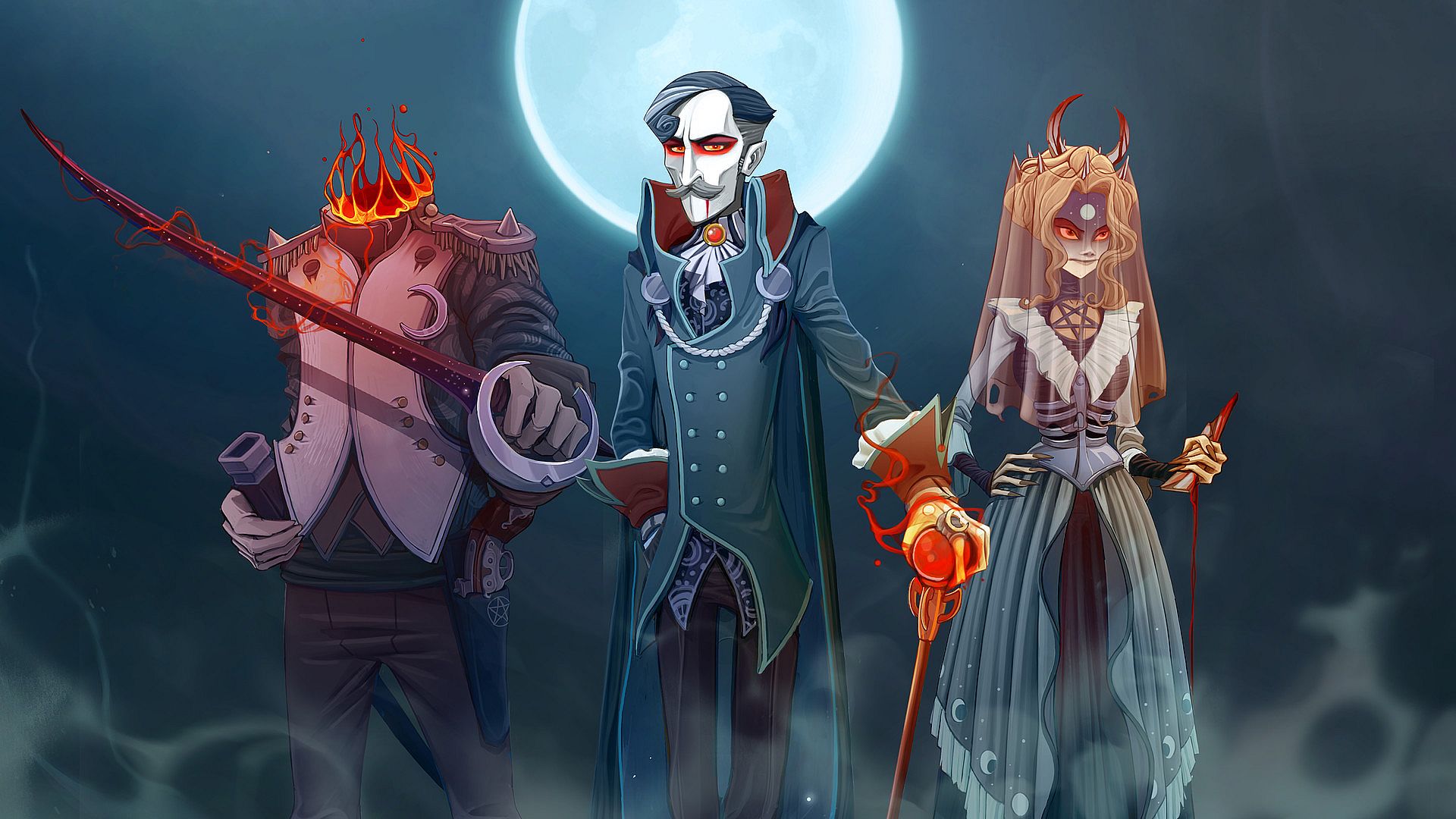
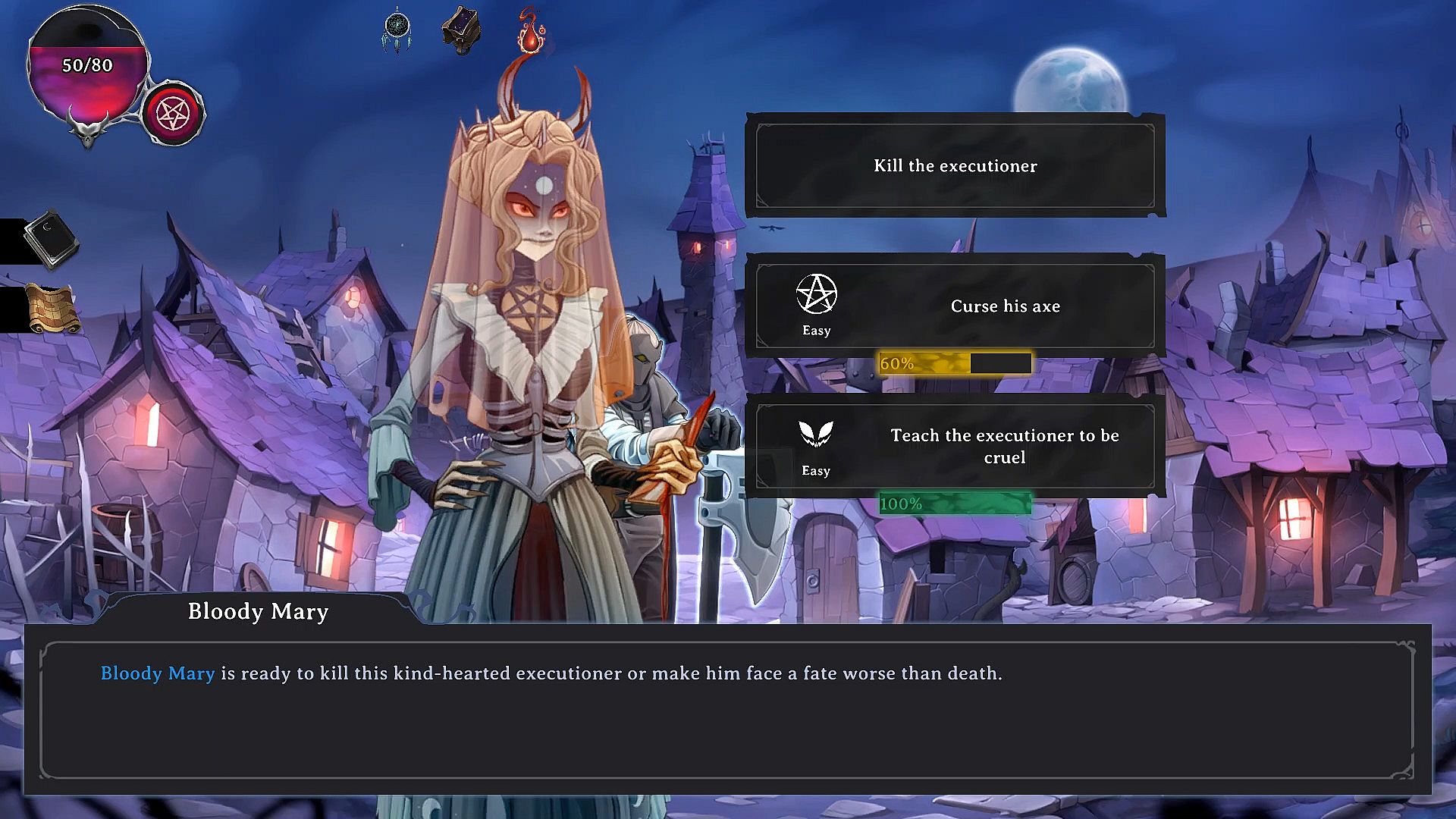
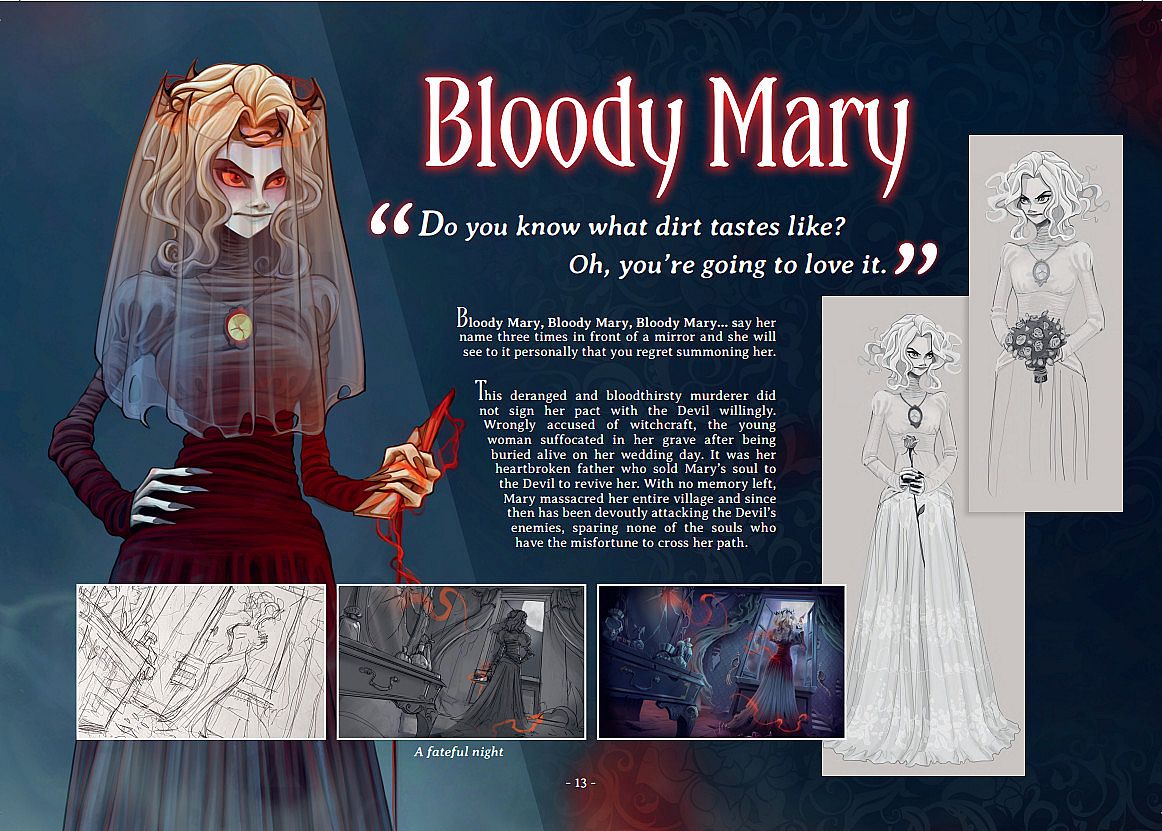
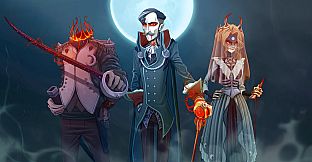
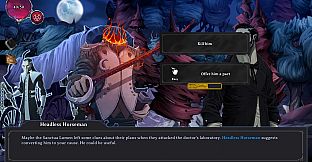
Progression involves unlocking additional disciples and permanent upgrades between attempts. The map structure encourages experimentation with different routes and team compositions drawn from a growing roster that includes figures like Dracula, Bloody Mary, and the Headless Horseman.
Game Modes
Rogue Lords operates primarily through roguelike campaign runs where failure resets progress while retaining some permanent unlocks. An Apprentice Mode was added in a later update to provide a more accessible entry point for players who find standard difficulty punishing.
Encounters on the map vary in focus, with dedicated combat nodes, event nodes, and resource nodes that shape each run differently. There are no separate multiplayer or co-op modes, keeping the experience focused on solo strategic decision making across repeated attempts.
Key Mechanics and Systems
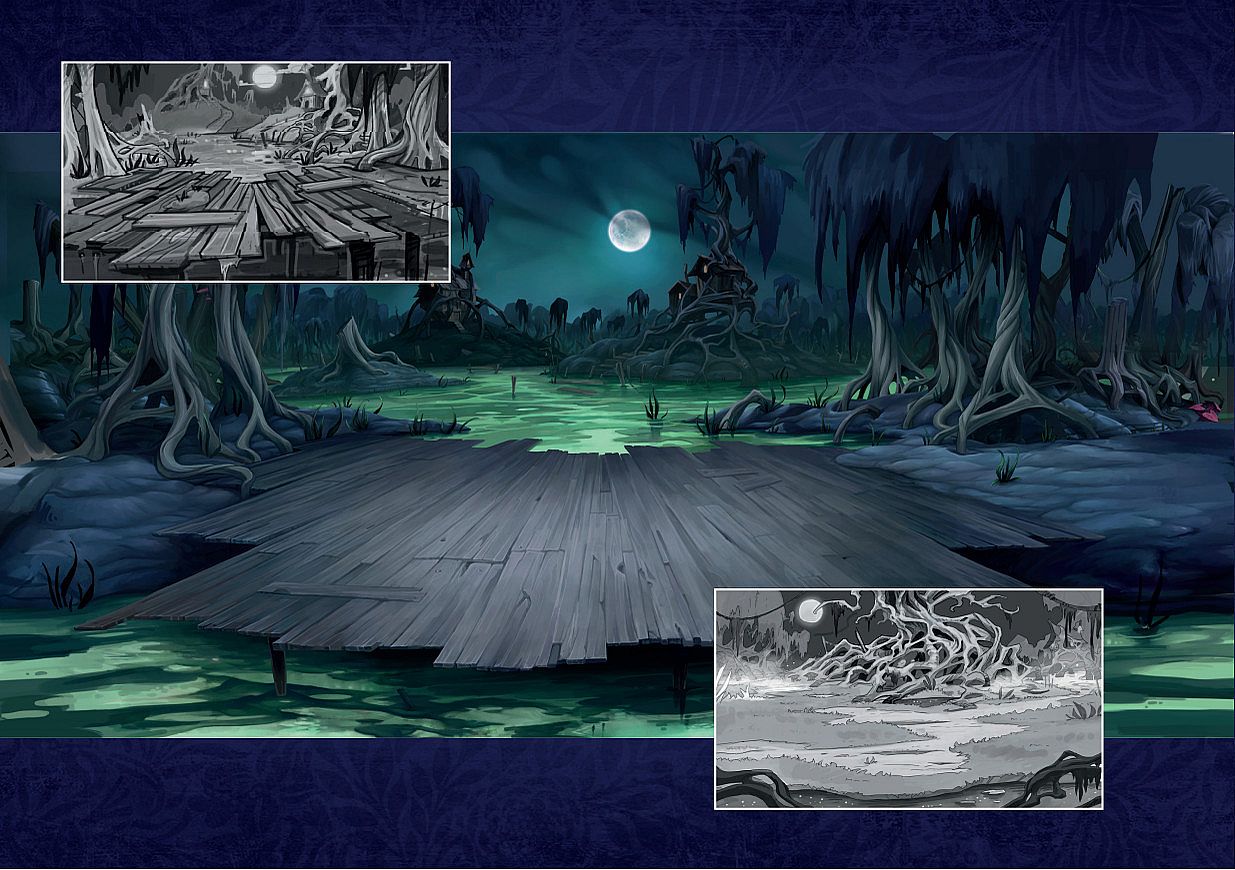
Ability costs and energy management form the foundation of combat planning. Relics and artifacts grant powerful modifiers that scale power as runs progress. The procedural generation ensures varied map layouts and enemy compositions, while disciple selection and team balancing influence success rates in later chapters.
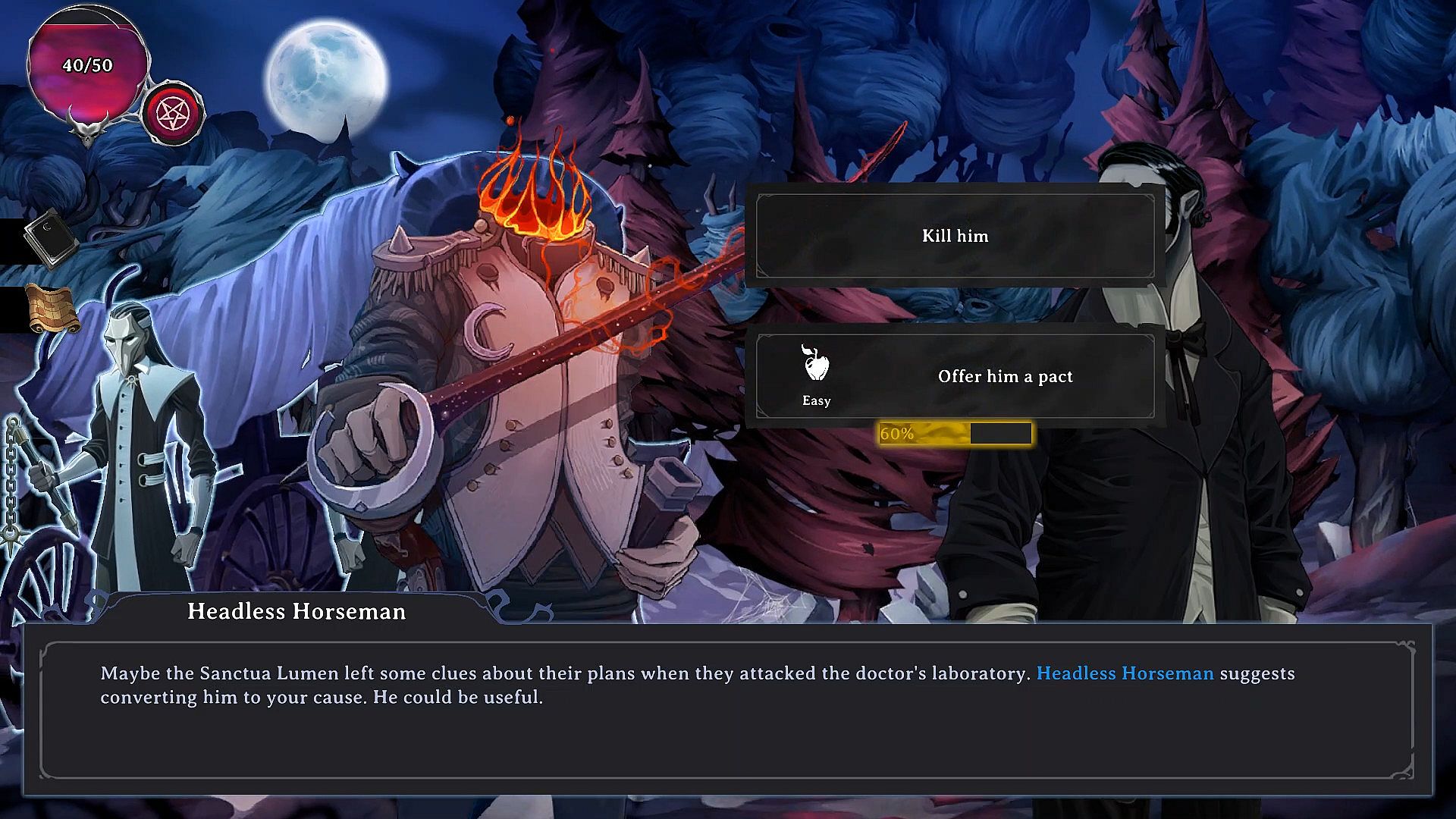
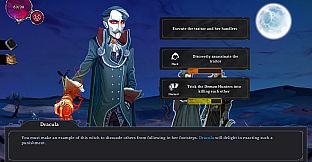
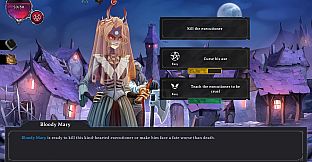
Exploration nodes offer choices between risk and reward, such as elite battles for better rewards or safer healing stops. The overall design emphasizes preparation and adaptation over pure randomness in many systems.
Is It Worth Playing?
Player feedback on Steam shows roughly 70 percent positive ratings across more than 1,800 reviews, with praise for the art style, character designs, and the unique Devil Mode twist on roguelike combat. Some reviews note uneven difficulty spikes and limited variety in later runs as drawbacks.
The game received an update introducing Apprentice Mode for broader accessibility. It suits players who enjoy turn-based strategy with roguelike replayability and a villain protagonist theme. Those seeking a polished singleplayer experience with strong thematic cohesion will find it rewarding, while players preferring extensive post-launch content or multiplayer elements may want to review recent community discussions first.