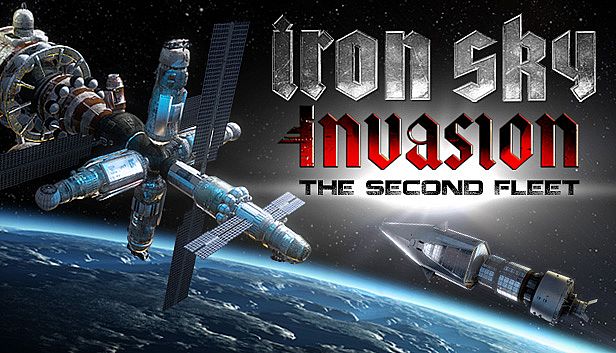
















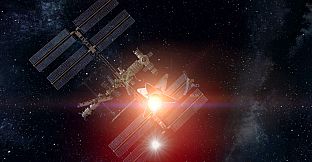
Iron Sky Invasion: The Second Fleet is an action, strategy, and simulation game that expands the original Iron Sky: Invasion with fleet command mechanics. Players take on the role of a space commander who directs Earth's defenses against a renewed invasion by the Moon Reich. The experience mixes direct ship piloting with real-time strategy elements, allowing control over multiple vessels in orbital battles.
Gameplay
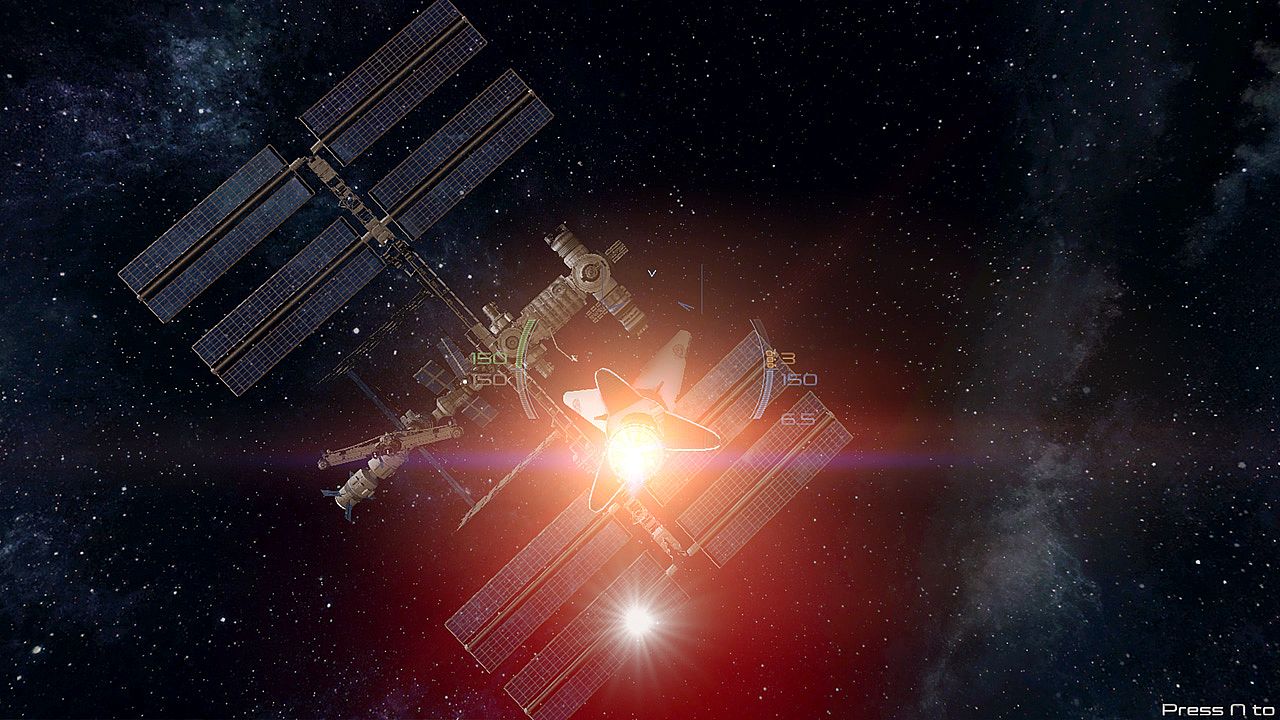
The core loop centers on space combat where players pilot individual ships while managing a broader fleet through a real-time map interface. This dual approach requires switching between personal dogfighting and issuing orders to squadrons. Tactical decisions involve positioning defenders, responding to emerging threats, and calling in support during ongoing engagements. Ships from the source material appear in combat, with energy management and weapon systems playing key roles in survival against waves of enemy vessels. The addition of fleet oversight turns individual skirmishes into coordinated operations across open space.
Control feels straightforward at first but demands attention to the map for effective command. Players allocate resources on the fly, directing fighters to intercept threats while maintaining their own ship's performance in direct confrontations. Tower-defense aspects emerge through static positioning of orbital assets that support the mobile fleet. The result is a hybrid system that rewards quick thinking in both piloting and strategic oversight.
Game Modes
The Second Fleet introduces a single extended scenario focused on defending Earth's orbit. This mode integrates the new fleet command features into continuous battles against incoming enemy forces. No separate multiplayer options or additional named modes appear in the expansion. The scenario emphasizes progression through escalating waves, where success depends on balancing personal combat contributions with fleet-level tactics.
Within this framework, players can shift between active piloting and rear coordination at any point. The real-time map serves as the central hub for issuing commands, making the mode a test of both reflexes and planning. All available ships carry over from the base experience, providing consistent options for customization during the defense effort.
Key Mechanics and Features
Fleet control stands out as the primary addition. Players issue orders to groups of fighters, monitor threats on the map, and adjust strategies as enemy formations advance. Support calls provide temporary advantages in critical moments. The system builds on ship-to-ship combat by layering resource allocation and positioning choices that affect the overall battle outcome.
Mechanics include energy distribution across shields, weapons, and engines during flight. Tactical options force rapid adjustments when new interstellar threats appear. The endless stream of opponents creates sustained pressure that tests endurance and decision-making under fire. These elements combine to create a layered experience where individual skill supports larger strategic goals.
Is It Worth Playing?
With only a small number of user reviews available, reception highlights the engaging space combat and humorous tone for those familiar with the source material. The expansion appeals to players who enjoy blending direct action with real-time strategy in a singleplayer setting. It suits fans of older space simulation titles that emphasize ship handling alongside command decisions.
Availability remains through the original platform, requiring the base game to access the added scenario. No ongoing updates or seasonal content exist, so the experience stands as a fixed addition from its 2013 release. Those seeking hybrid gameplay with fleet management will find the core systems intact and functional, though the limited review volume suggests trying it primarily if the base title already holds interest.