


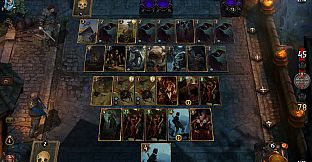
GWENT: The Witcher Card Game stands out as a free-to-play strategy card game set in the rich Witcher universe, where tactical deck building and quick decisions define every match.
Gameplay
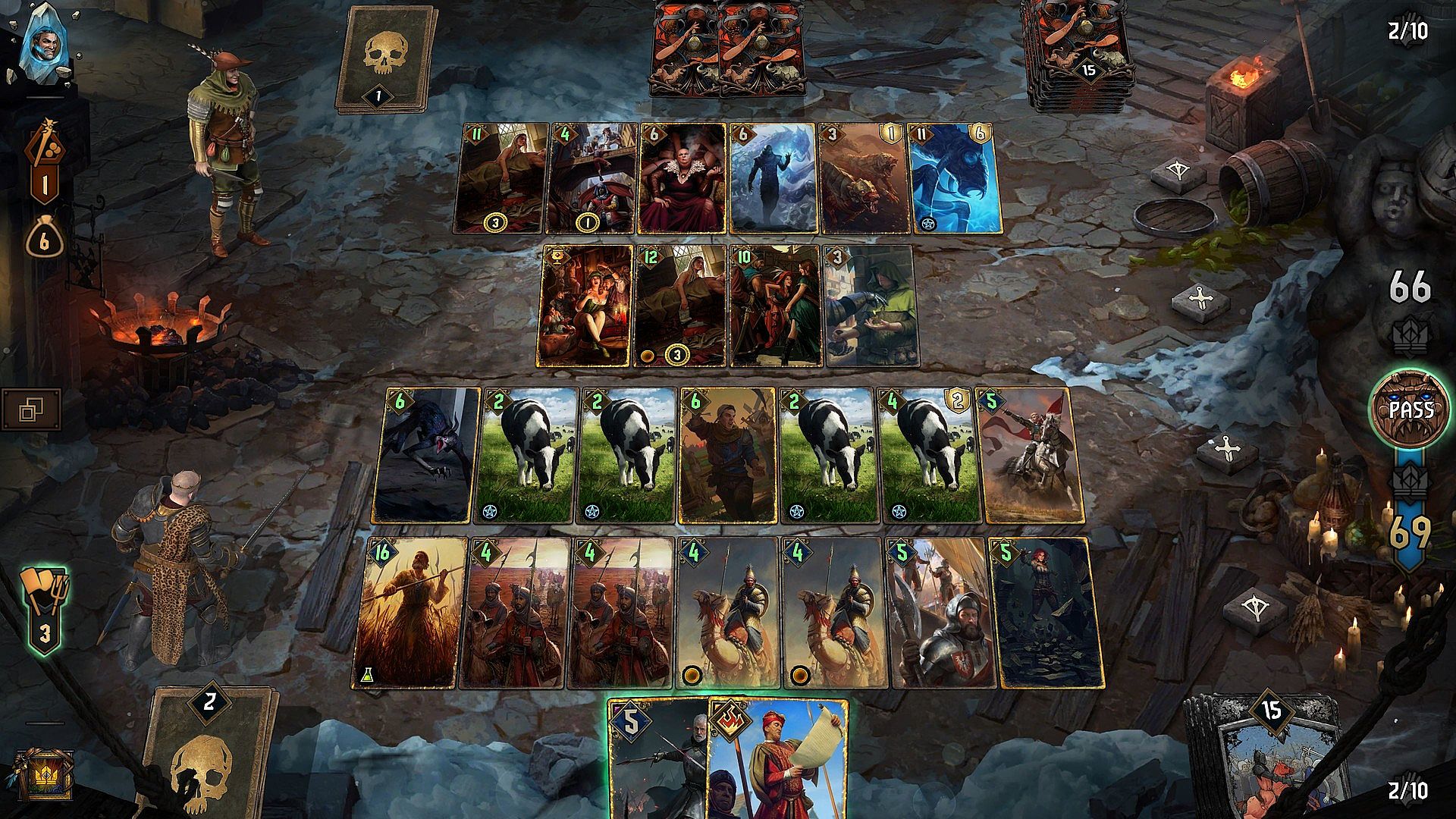
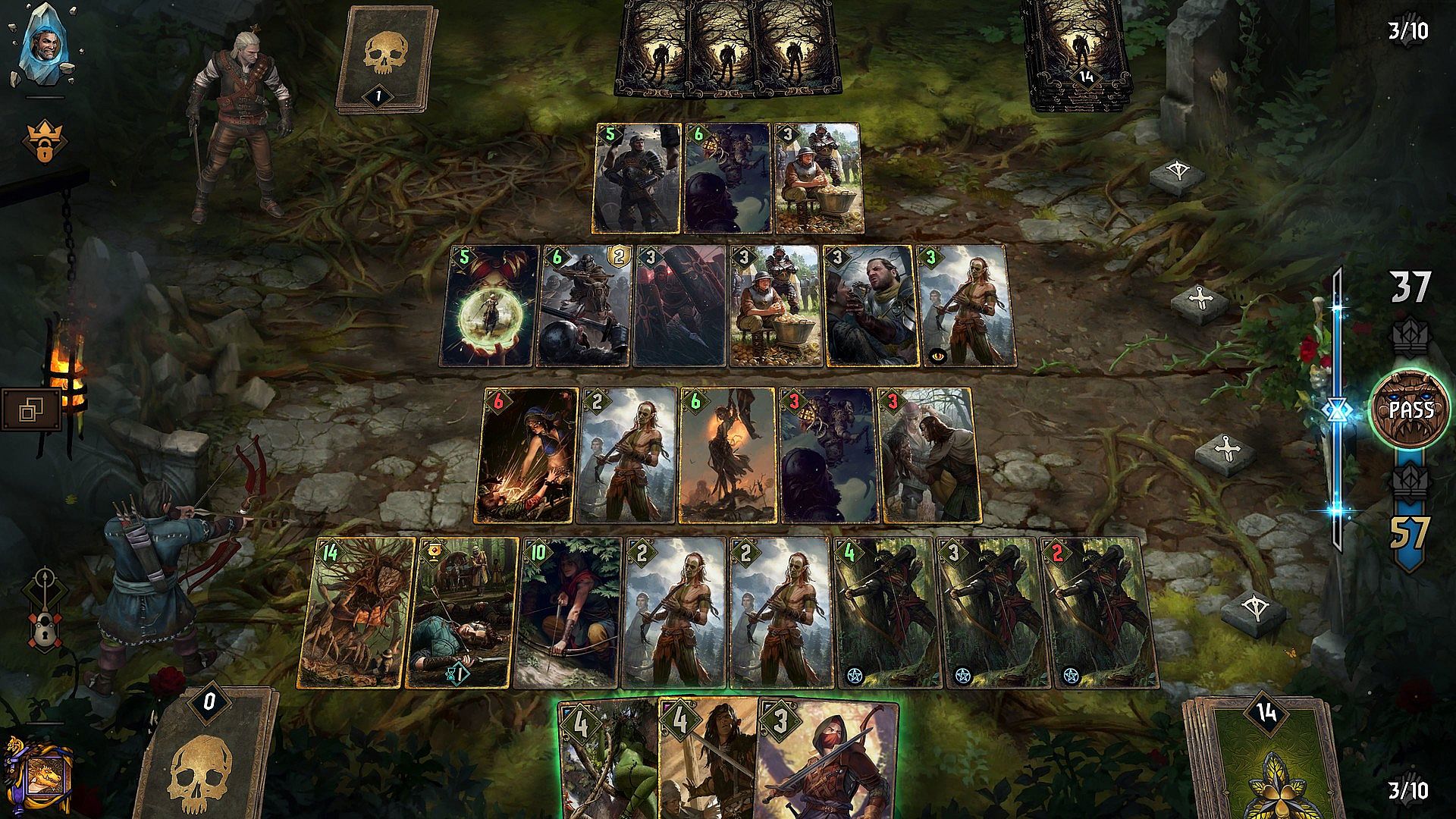
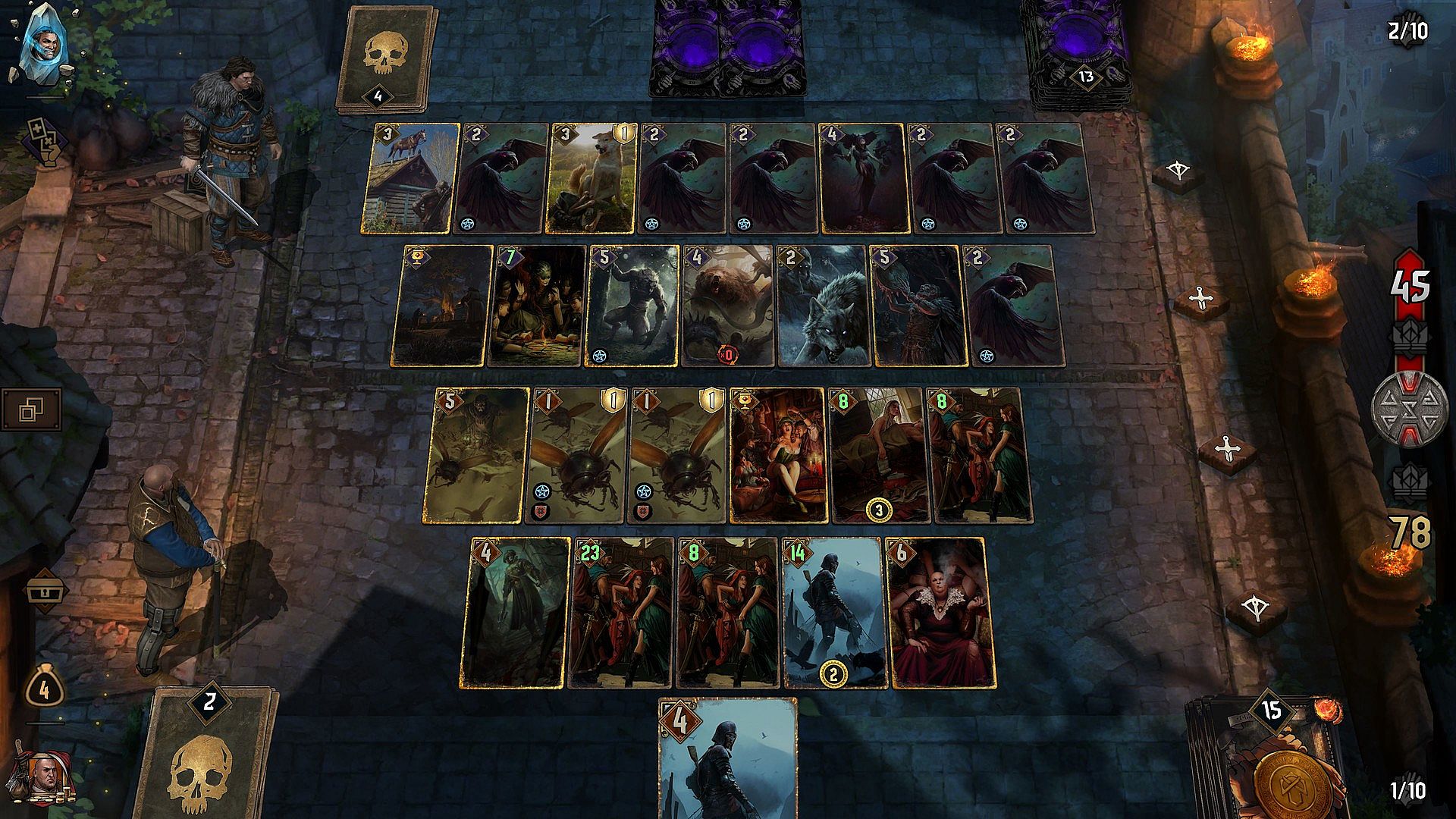
In GWENT, matches unfold over up to three rounds, with players aiming to outscore their opponent by playing cards from customized decks. Each turn involves strategic choices, such as passing early to conserve resources or committing powerful units to swing the momentum. Mechanics emphasize positioning on two rows per side, where melee and ranged placements affect abilities like boosting allies or damaging enemies. Leader cards provide unique abilities that activate once per game, adding layers to faction-specific strategies. Deck construction revolves around provisions, a system that limits the strength of cards you can include, forcing careful balancing between high-impact legendaries and reliable bronzes.
Core systems include orders, which let cards perform actions on demand, and statuses like vitality or bleeding that alter point values over turns. Bluffing plays a role, as deciding when to fold a round can preserve card advantage for later. Matches typically last 10 to 15 minutes, rewarding adaptability and foresight rather than sheer luck.
Game Modes
The primary mode centers on online PvP duels, where players compete in ranked ladders to climb divisions based on match outcomes. Casual matches offer a low-pressure way to test decks without affecting rankings. Seasonal modes introduce temporary rule twists, such as modified round structures or special card effects, refreshing the meta each month. Draft mode allows building decks from random selections for arena-style runs, emphasizing improvisation over pre-built strategies.
Factions and Mechanics
GWENT features six distinct factions: Northern Realms, Scoia'tael, Monsters, Nilfgaard, Skellige, and Syndicate. Each brings unique mechanics, like Northern Realms focusing on engine cards that generate ongoing value, or Nilfgaard's emphasis on control through spying and locking opponent abilities. Scoia'tael excels in ambush tactics and unit swarms, while Monsters thrive on consuming units for boosts. Skellige leverages resurrection and damage over time, and Syndicate uses coins as a resource for bounty hunting and profit-based plays.
Mechanics evolve through community-driven updates, with the Balance Council allowing players to vote on card adjustments, ensuring factions remain viable.
Is It Worth Playing?
With ongoing community patches in 2026, GWENT maintains an active player base and balanced meta, making it accessible for newcomers through starter decks and progression rewards. The game suits strategy enthusiasts who enjoy deep card interactions without pay-to-win barriers, as all cards can be earned via gameplay. For those with 4K setups, optional graphic packs enhance visual fidelity, sharpening the detailed card art. If tactical duels and Witcher lore appeal, it remains a solid choice, supported by regular updates and a dedicated community.