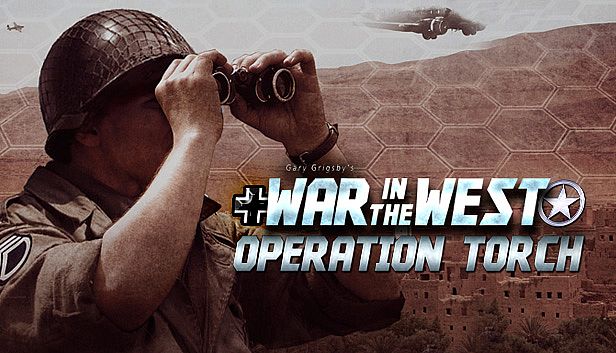














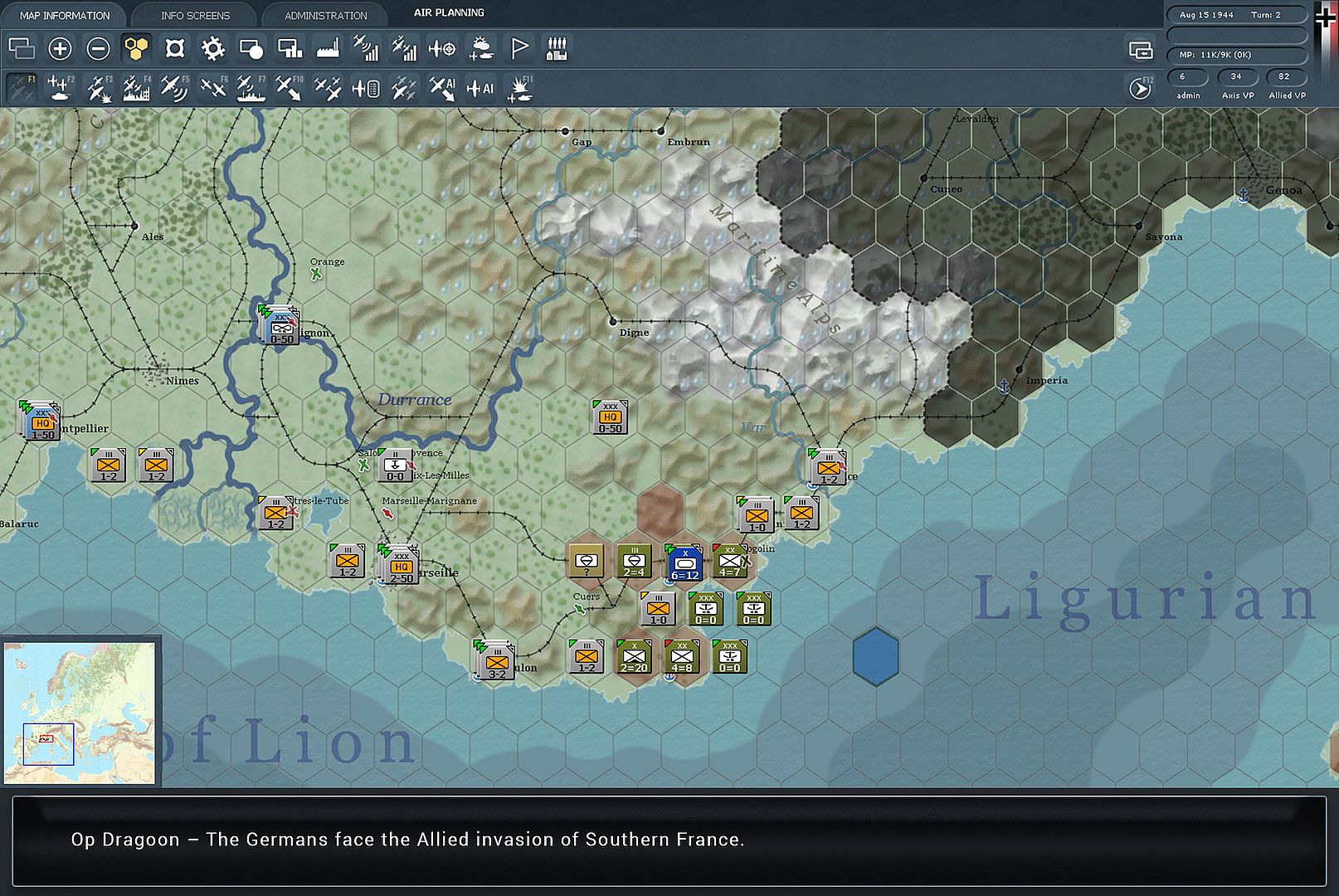
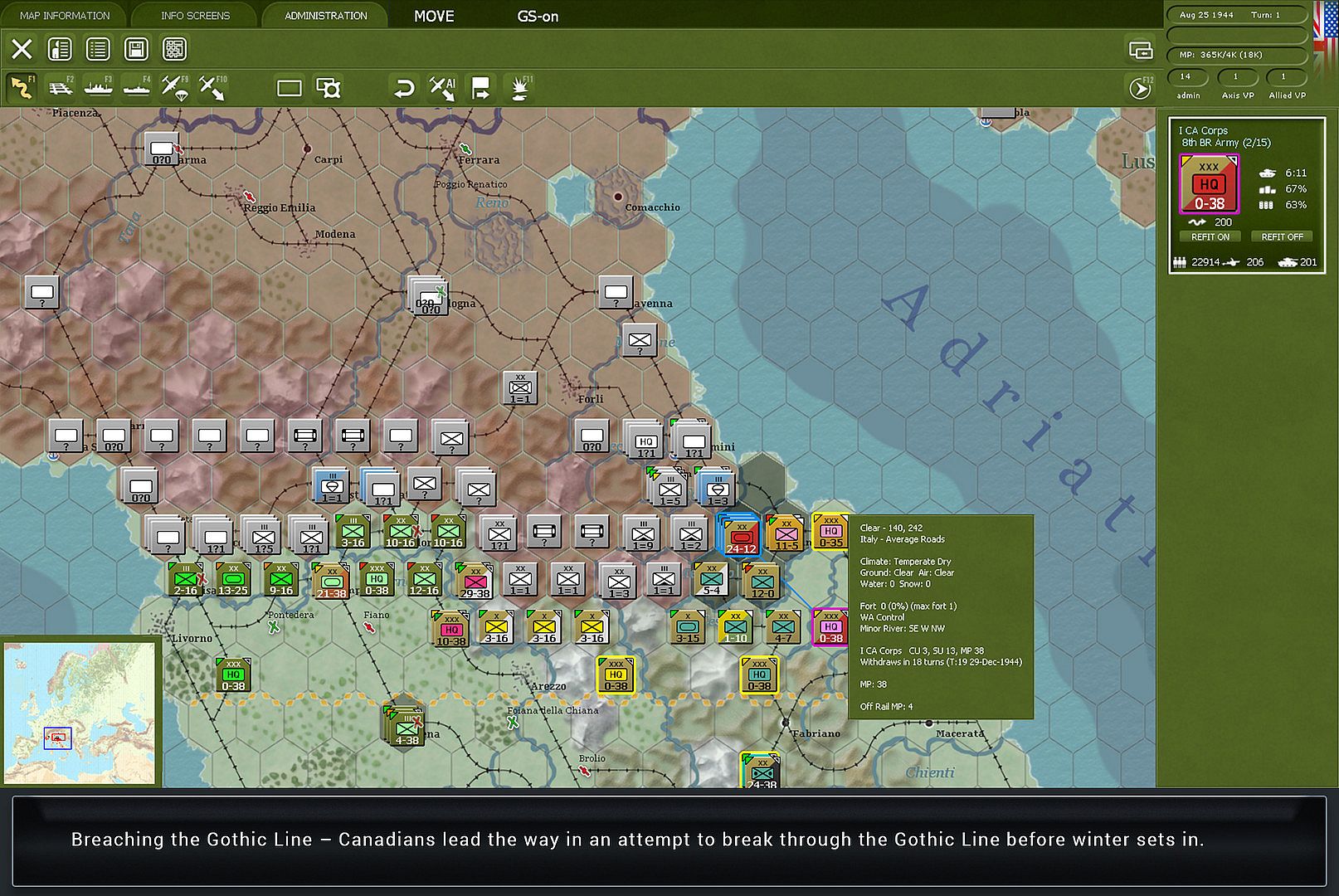
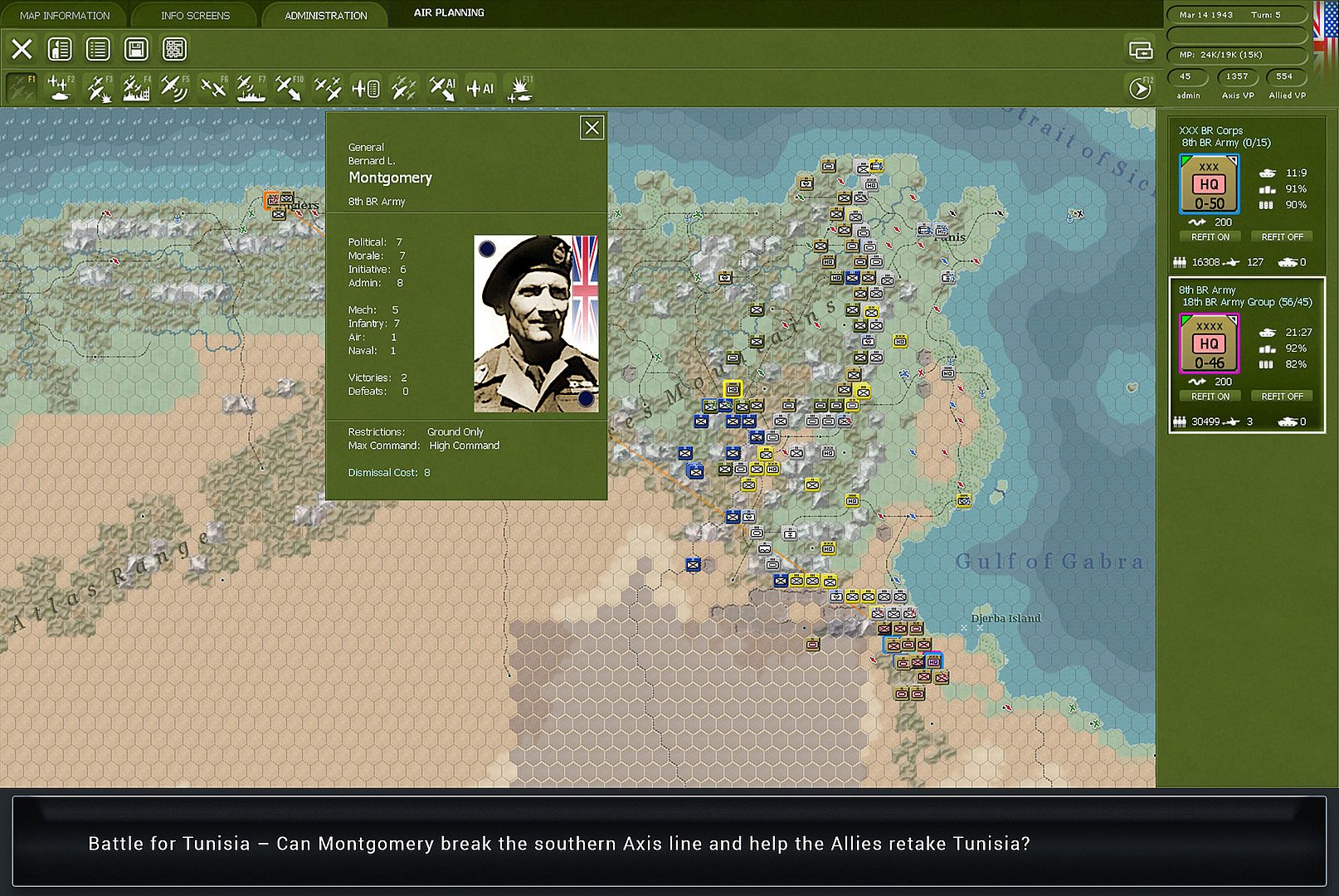
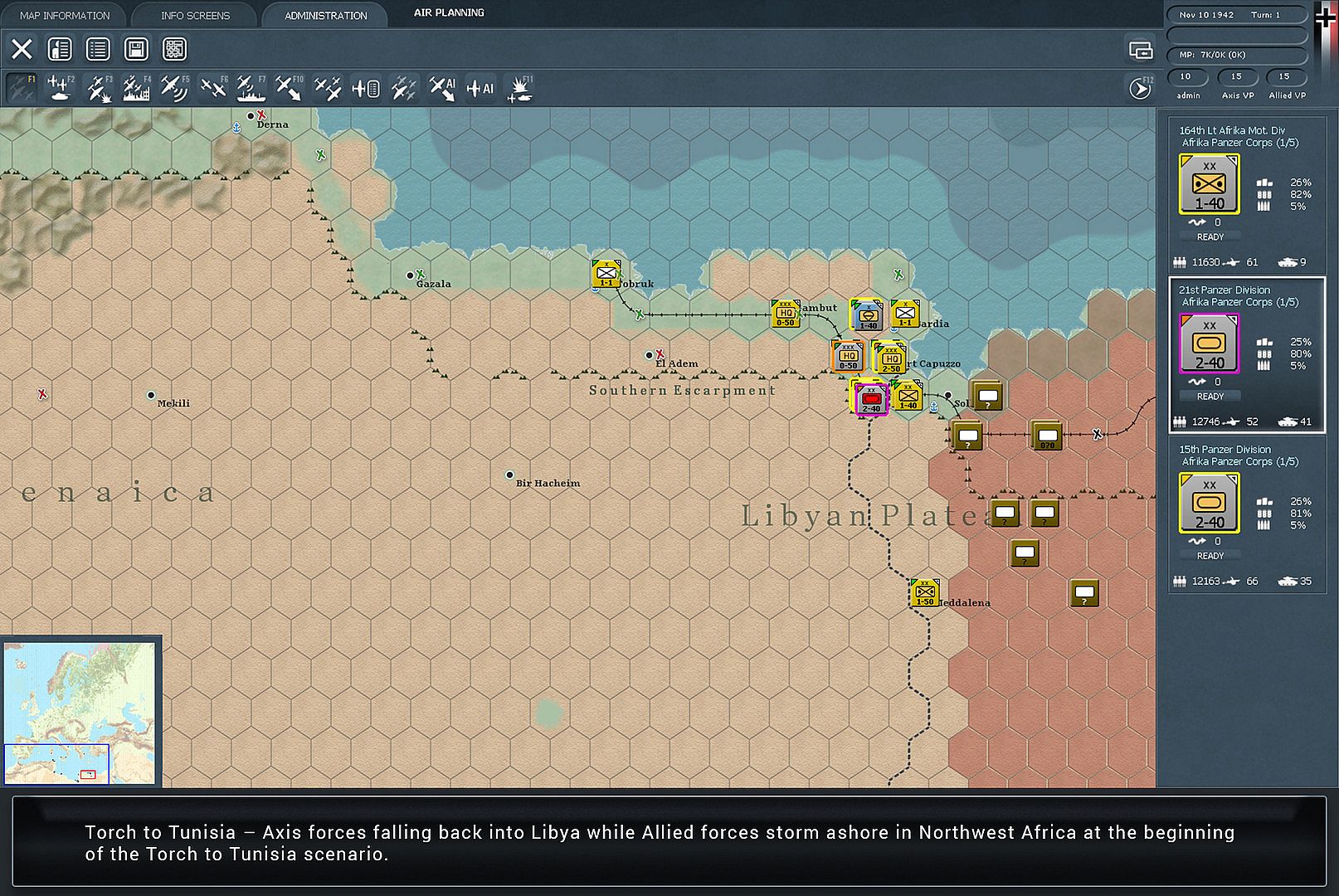
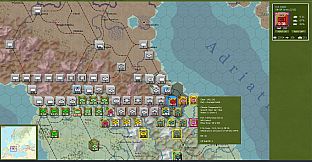
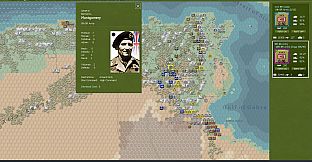
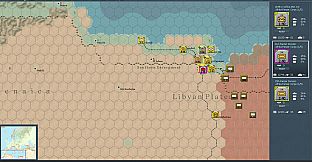
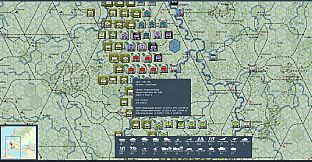
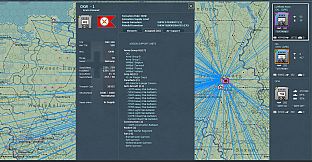
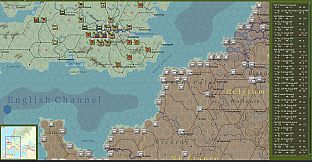
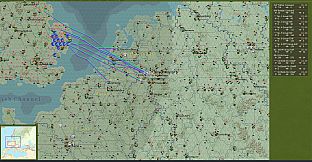
Gary Grigsby's War in the West: Operation Torch is a strategy simulation game set during the later stages of World War II on the Western Front. It expands the core wargame with ten new scenarios that cover operations from the Allied landings in North Africa through the final campaigns in Europe in 1945. Players manage Allied and Axis forces in detailed turn-based engagements that emphasize planning across air and ground operations.
Gameplay
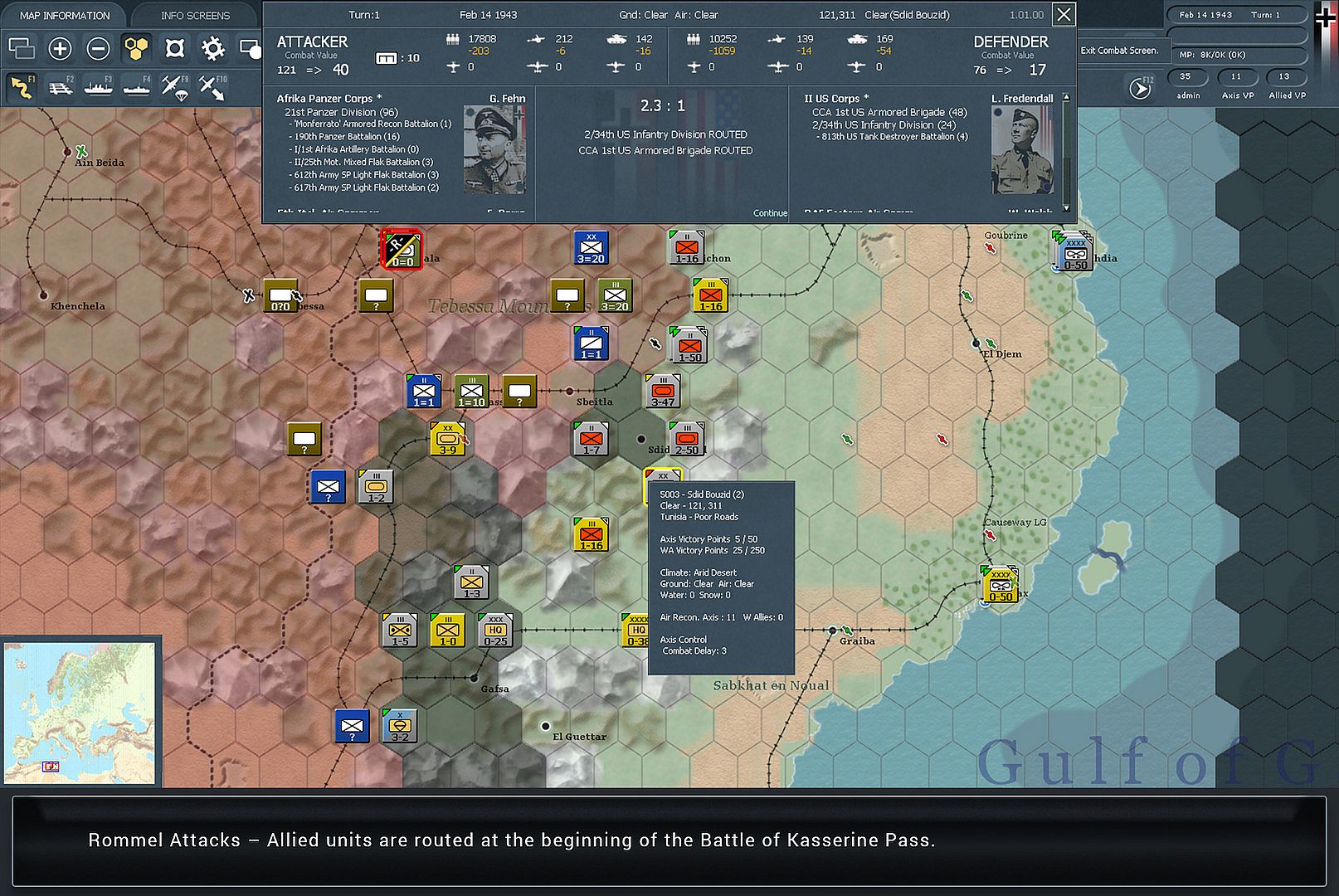
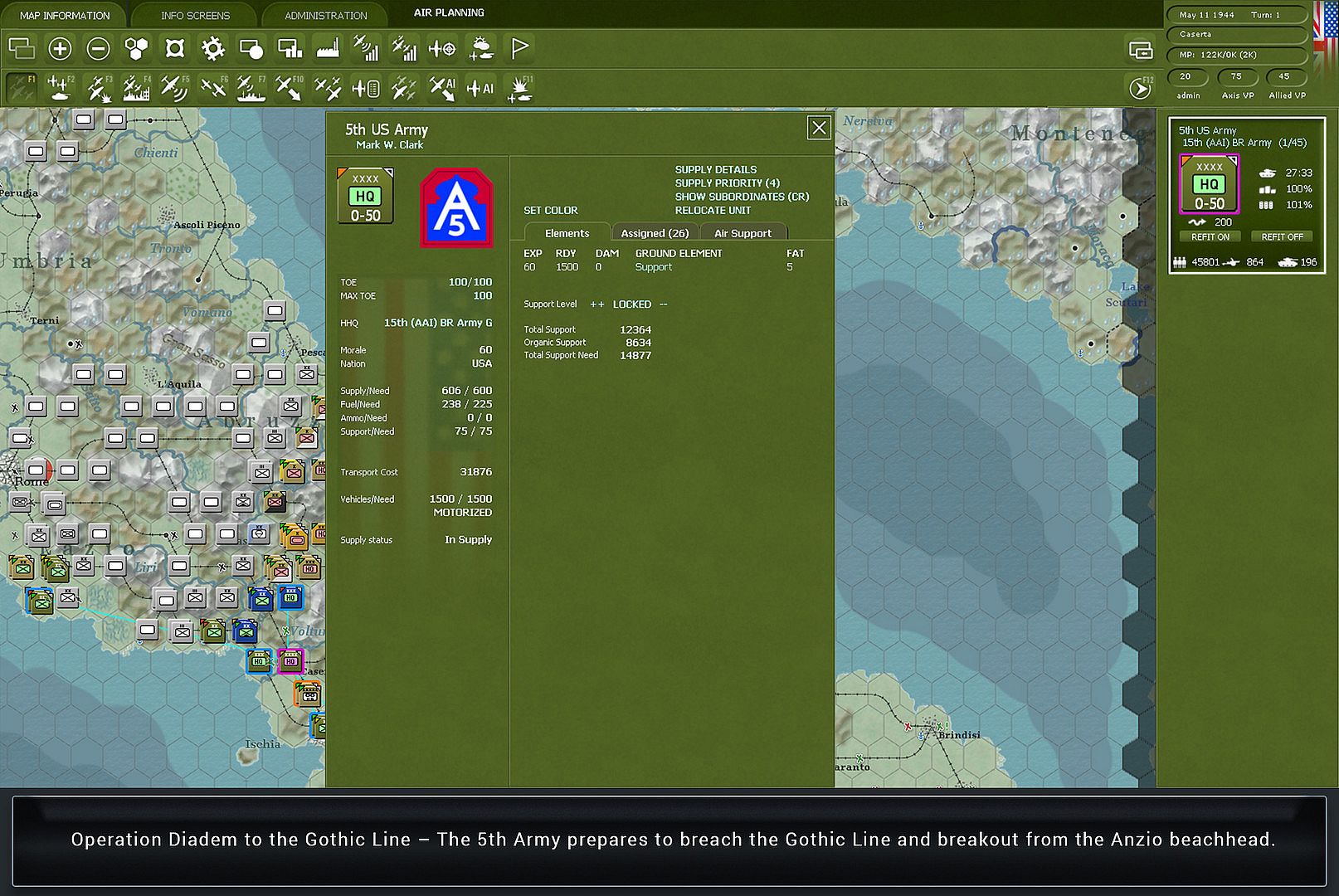
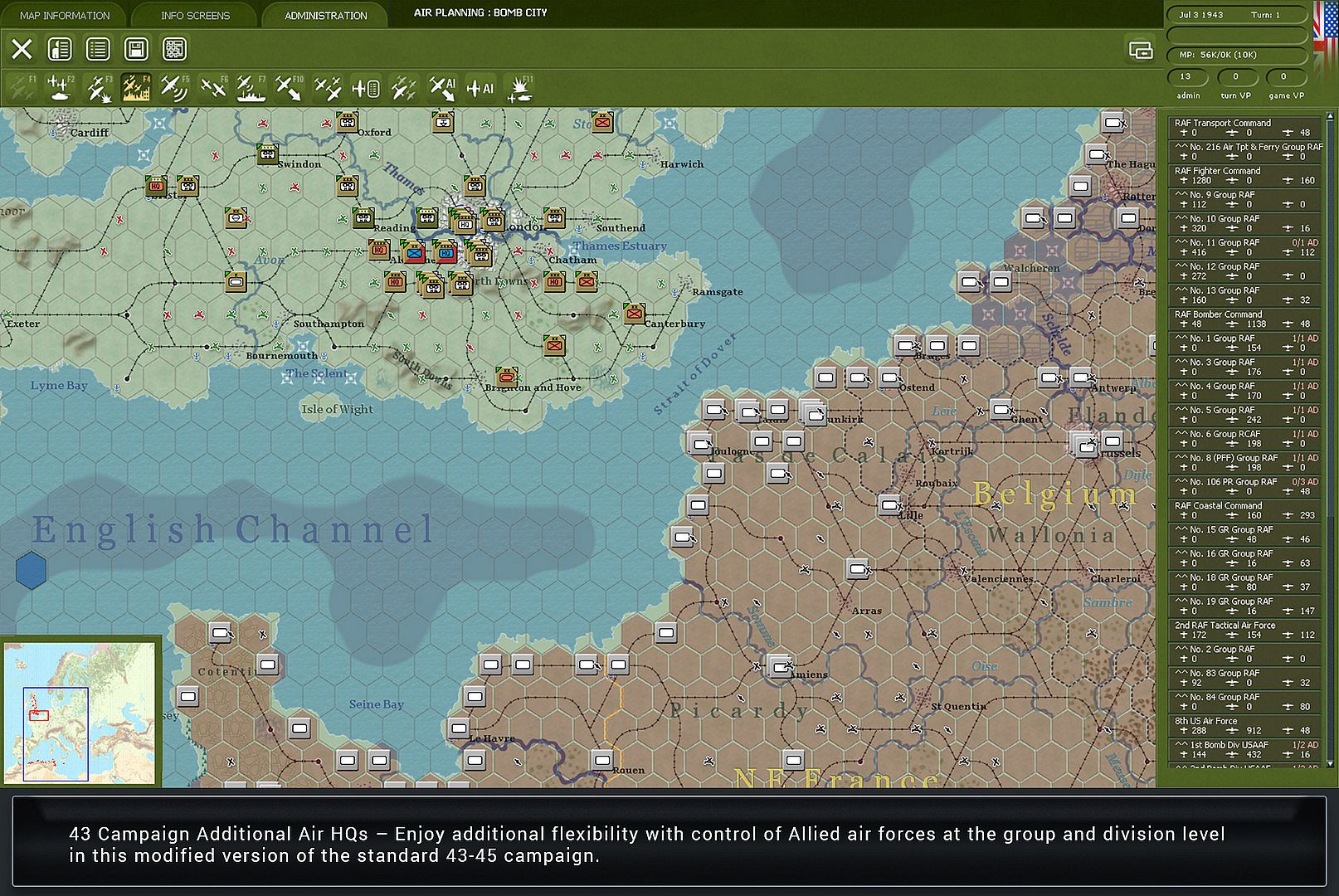
The core loop revolves around coordinating air and land forces in a highly detailed simulation of World War II combat. Each turn requires careful allocation of resources, positioning of units, and execution of strikes while accounting for supply lines and enemy responses. Air operations play a central role, with dedicated scenarios allowing focused control over bomber groups and fighter escorts. Land combat involves maneuvering infantry, armor, and support units across varied terrain in North Africa and Europe. The system tracks unit readiness, fuel, and ammunition, forcing players to balance aggressive advances against logistical constraints. Victory often depends on achieving specific objectives within the allotted turns rather than total destruction of opposing forces.
Game Modes
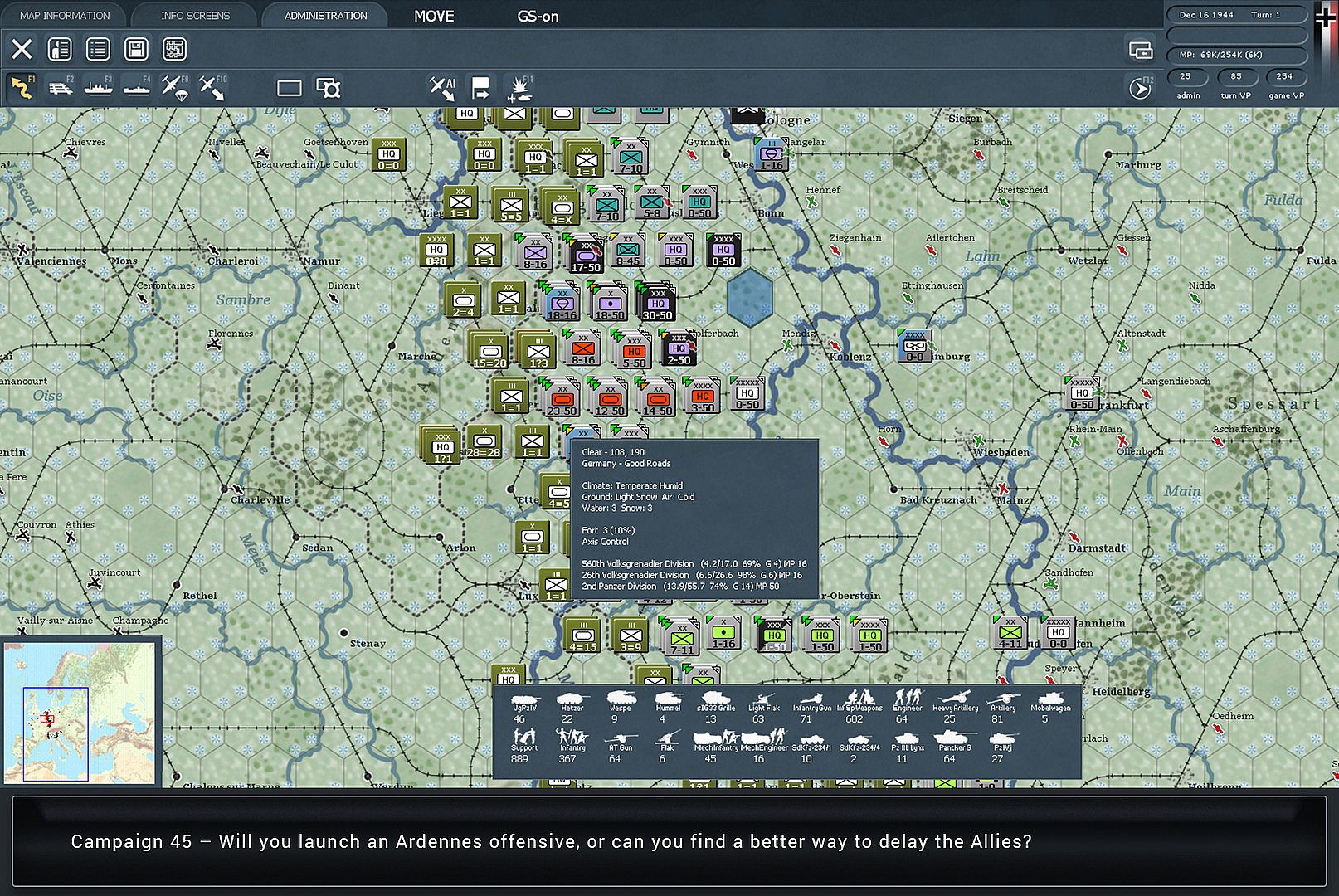
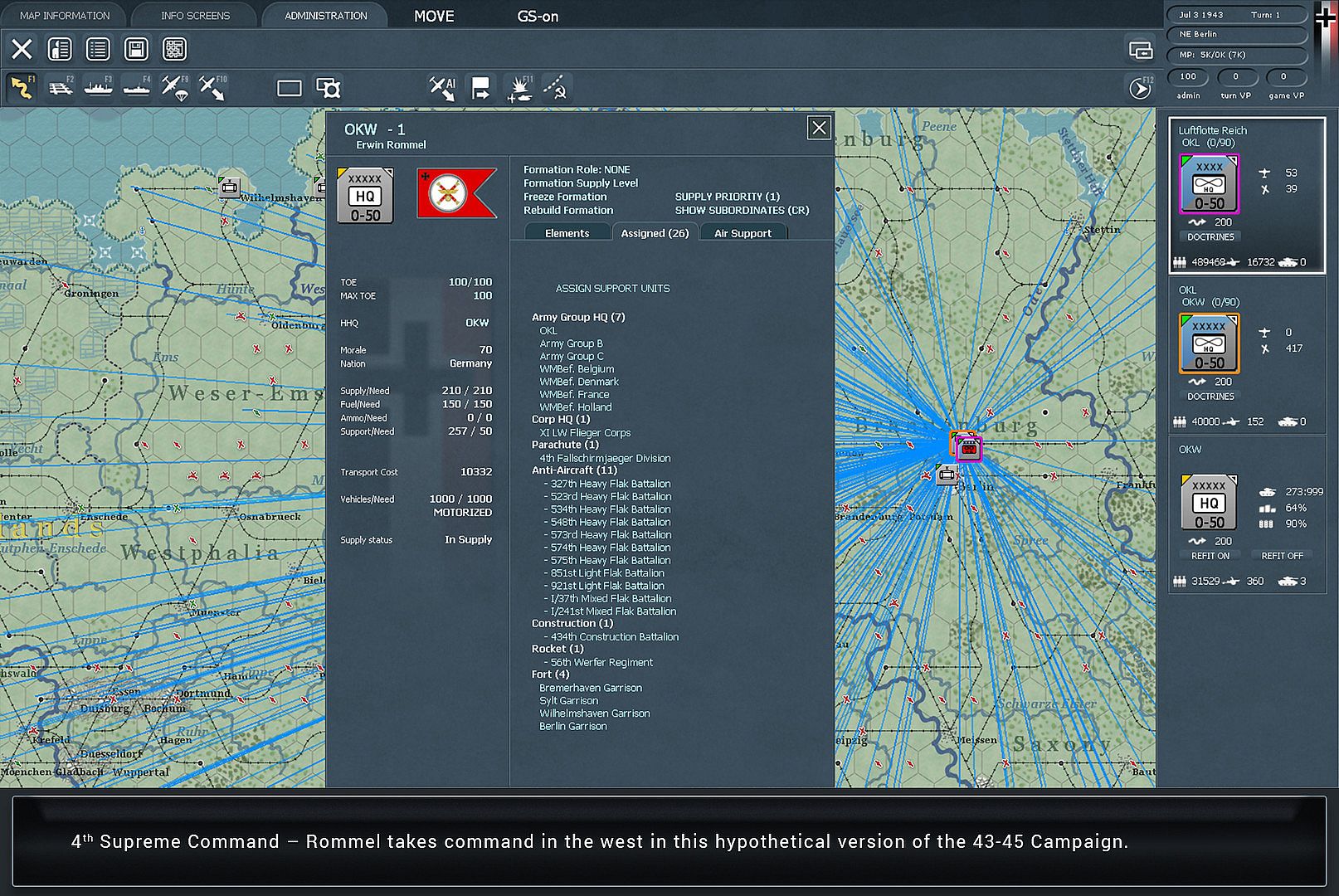
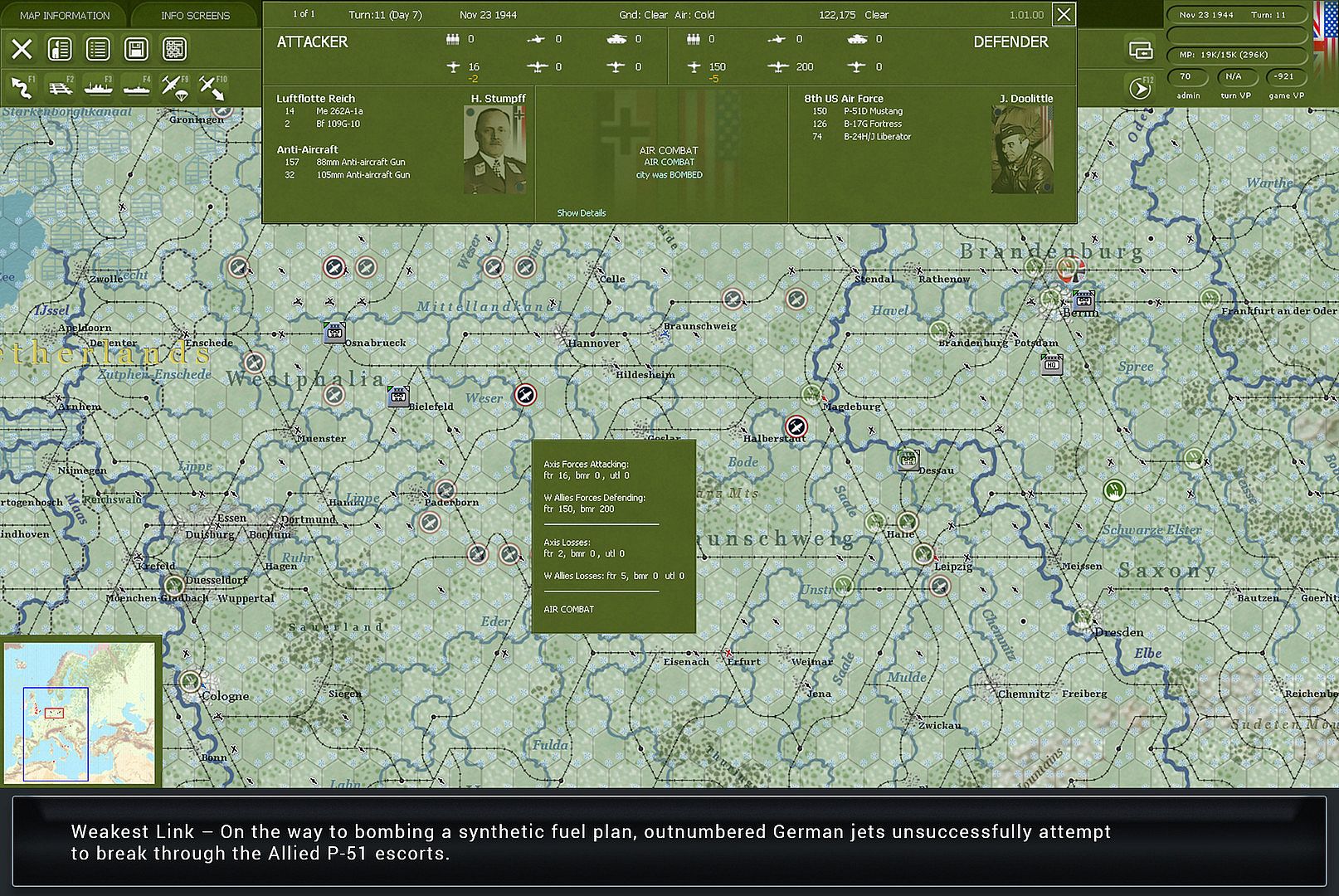
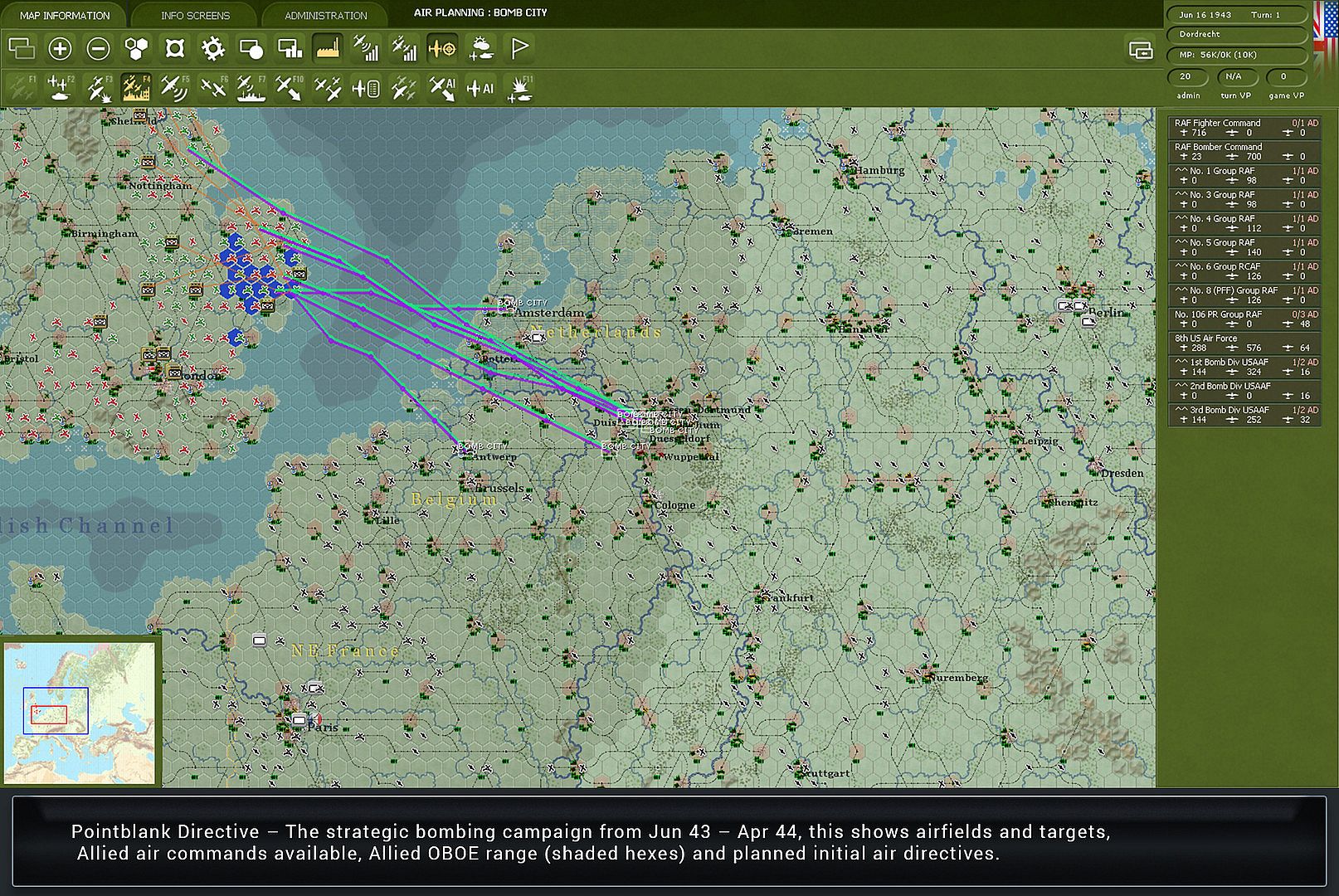
Operation Torch adds ten scenarios that range from short operations to extended campaigns. These include Torch to Tunisia covering November 1942 to July 1943 across 37 turns, Battle for Tunisia from February to June 1943, Rommel Attacks in early 1943, Operation Dragoon in mid-1944, Operation Diadem to the Gothic Line, Breaching the Gothic Line into 1945, Weakest Link as an air-only campaign against German fuel industries, Pointblank Directive 1944 as another air-focused effort on strategic bombing, the 1945 Campaign starting with the Battle of the Bulge, and the hypothetical 4th Supreme Command grand campaign running from July 1943 to August 1945 over 109 turns. Players can engage these in single-player against the computer, hotseat mode, or multiplayer with options for up to four participants and cooperative play against the artificial intelligence.
Historical Coverage and What-If Elements
The scenarios trace the Allied push from North Africa into Italy and France, incorporating both documented events and alternate history branches. One campaign assumes a successful assassination of Hitler in 1943 that alters Axis command structures and force dispositions by summer of that year. Air-only modes isolate the strategic bombing campaign against industrial targets, with victory conditions adjusted for aircraft losses and target priorities. Ground operations reflect the challenges of terrain, weather, and reinforcements in the Mediterranean and Western European theaters through 1945.
Is It Worth Playing?
This title suits players who seek deep, turn-based strategy simulations of World War II operations rather than fast-paced action. The expansion provides extensive content through its varied scenario lengths and focuses on air-land coordination. Limited user feedback on distribution platforms highlights the game's complexity and historical detail, though some note the absence of certain early phases of the North African campaign. Those interested in managing large-scale campaigns with precise logistical and tactical decisions will find substantial replay value across the included operations and multiplayer formats. The game remains available for PC without ongoing seasonal updates or additional content beyond the listed scenarios.