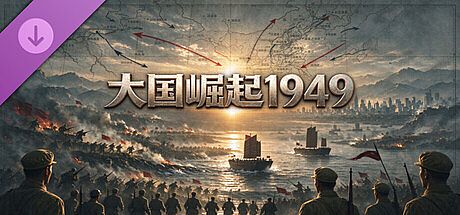



大国崛起:1949 is a turn-based strategy wargame set on PC during China's Liberation War. Players command the People's Liberation Army against numerically superior Nationalist forces starting in 1946, when the balance stood at 1.27 million Communist troops facing 4.3 million opponents.
Gameplay
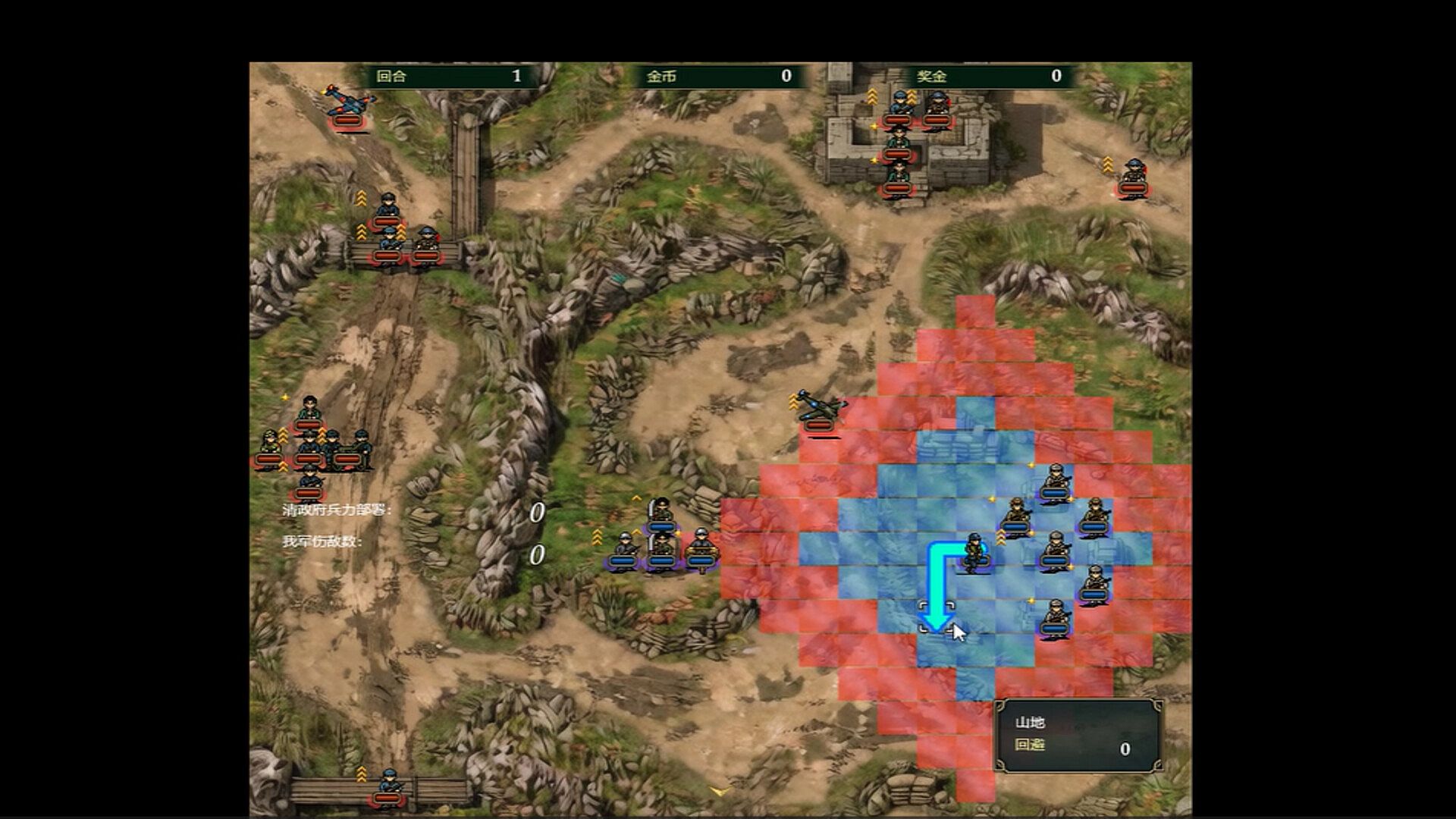
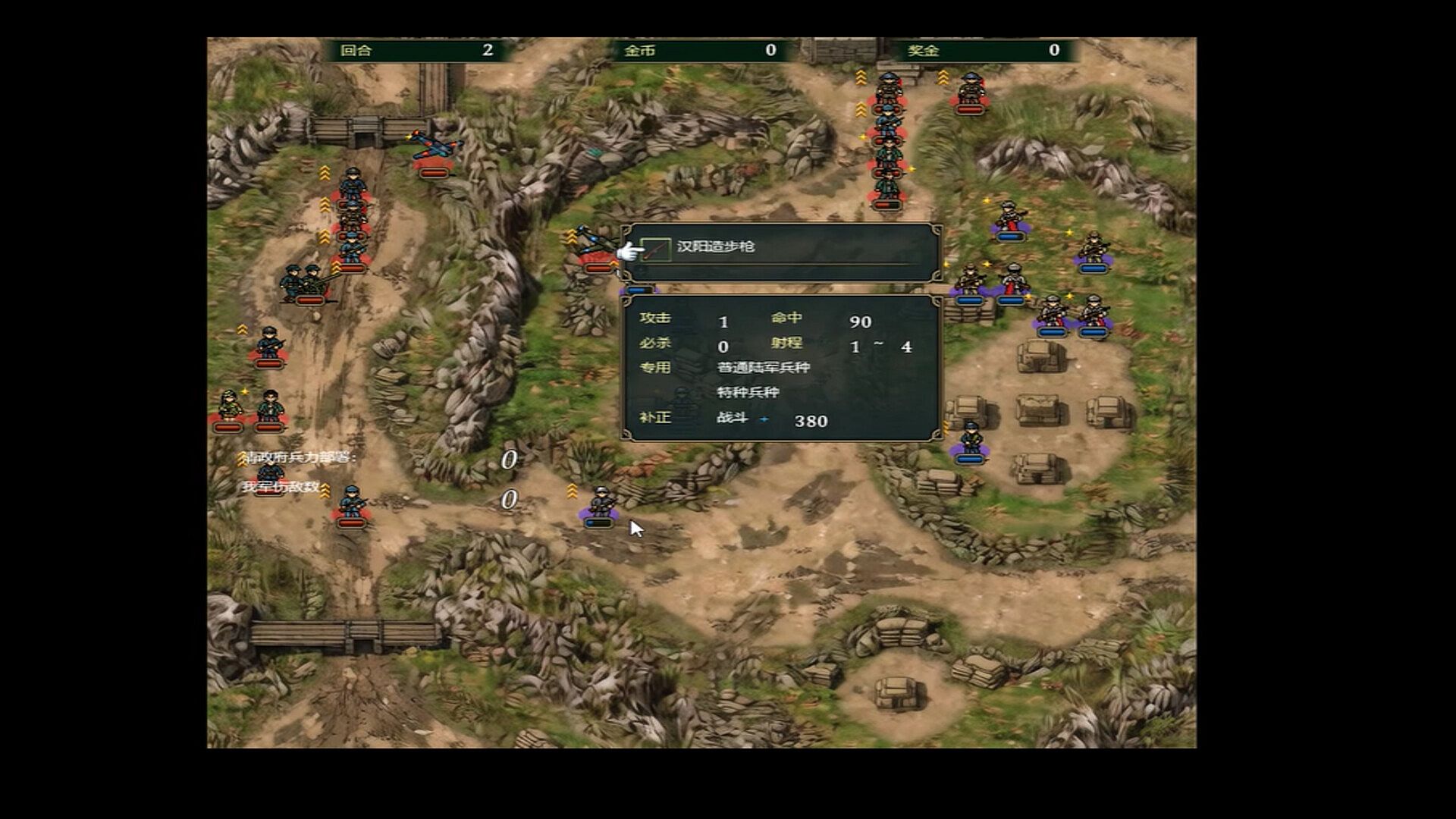
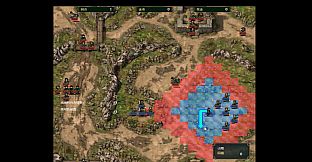
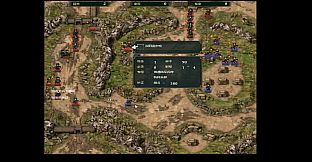
The core loop centers on turn-based grid battles across authentic terrain that includes mountains, plains, rivers, and towns. Each terrain type influences movement speed, defensive bonuses, and supply lines. Armies consist of distinct arms such as infantry, artillery, and cavalry, each carrying independent values for attack, defense, mobility, and morale. A fog-of-war layer requires careful reconnaissance, flanking attacks, and efforts to sever enemy supply routes.
Commanders must concentrate limited forces for decisive annihilation battles despite being outnumbered. Mobile tactics, popular support, and terrain exploitation allow gradual reversal of the overall troop ratio. Historical events unfold through campaigns that begin with the Breakout of the Central Plains and the Central Jiangsu Campaign's Seven Victories in Seven Battles, then progress through Menglianggu and East Henan fighting before reaching the decisive Liaoshen, Huaihai, and Pingjin operations. Success wipes out enemy combat strength while the player's own army grows through captured equipment and expanded recruitment.
Enemy AI follows documented historical patterns, launching multi-pronged encirclements and concentrated strikes. Every campaign begins with historically accurate unit placements, forcing players to weigh tactical trade-offs with constrained resources. Level saving and battle replay tools support repeated practice and analysis of key engagements.
Game Modes
The game focuses on single-player campaign play that recreates sequential phases of the Liberation War. Each campaign functions as a self-contained scenario with fixed starting deployments and objectives tied to the historical timeline. Players advance from early defensive and breakout operations through major field battles to the final strategic campaigns and the Yangtze River crossing.
Progression follows the real shift in force balance, with victory measured by the progressive elimination of enemy formations and the growth of player-controlled units. No additional modes such as skirmish or multiplayer appear in the design; the experience remains centered on these historically grounded campaign sequences.
Historical Context and Mechanics
The title emphasizes people's war principles through mechanics that reward terrain use, civilian backing, and flexible concentration of force. Supply cutting and intelligence gathering become decisive because the initial disparity in numbers and equipment demands creative solutions rather than direct confrontation. Troop attributes evolve with combat experience, reflecting the historical pattern of PLA units strengthening through successive victories.
Grid-based movement and combat resolution keep the focus on positioning and timing. Different arms interact through their specialized stats, encouraging combined-arms planning on every map. The absence of modern conveniences such as unlimited reinforcements reinforces the need for precise planning and preservation of combat power.
Is It Worth Playing?
This wargame suits players who enjoy deliberate, historically anchored turn-based strategy with an emphasis on asymmetric warfare and operational planning. The campaign structure delivers a clear narrative arc from disadvantage to nationwide liberation, supported by detailed terrain effects, unit differentiation, and fog-of-war management. Those seeking fast-paced action or extensive multiplayer options will find the scope narrower, while enthusiasts of classic grid wargaming and Chinese Civil War history will appreciate the faithful recreation of key battles and force dynamics. The inclusion of save and replay functions further supports study and repeated play for those invested in mastering the tactical layer.