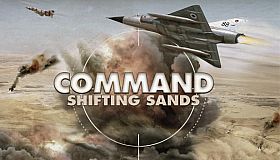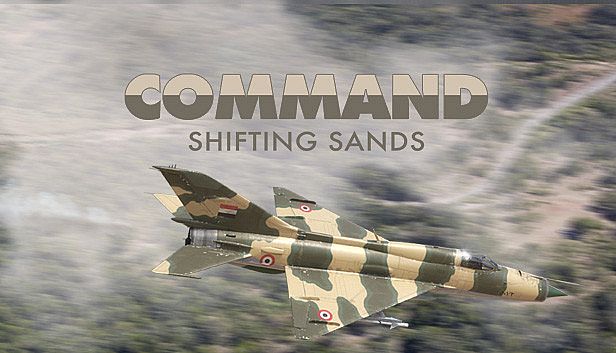

















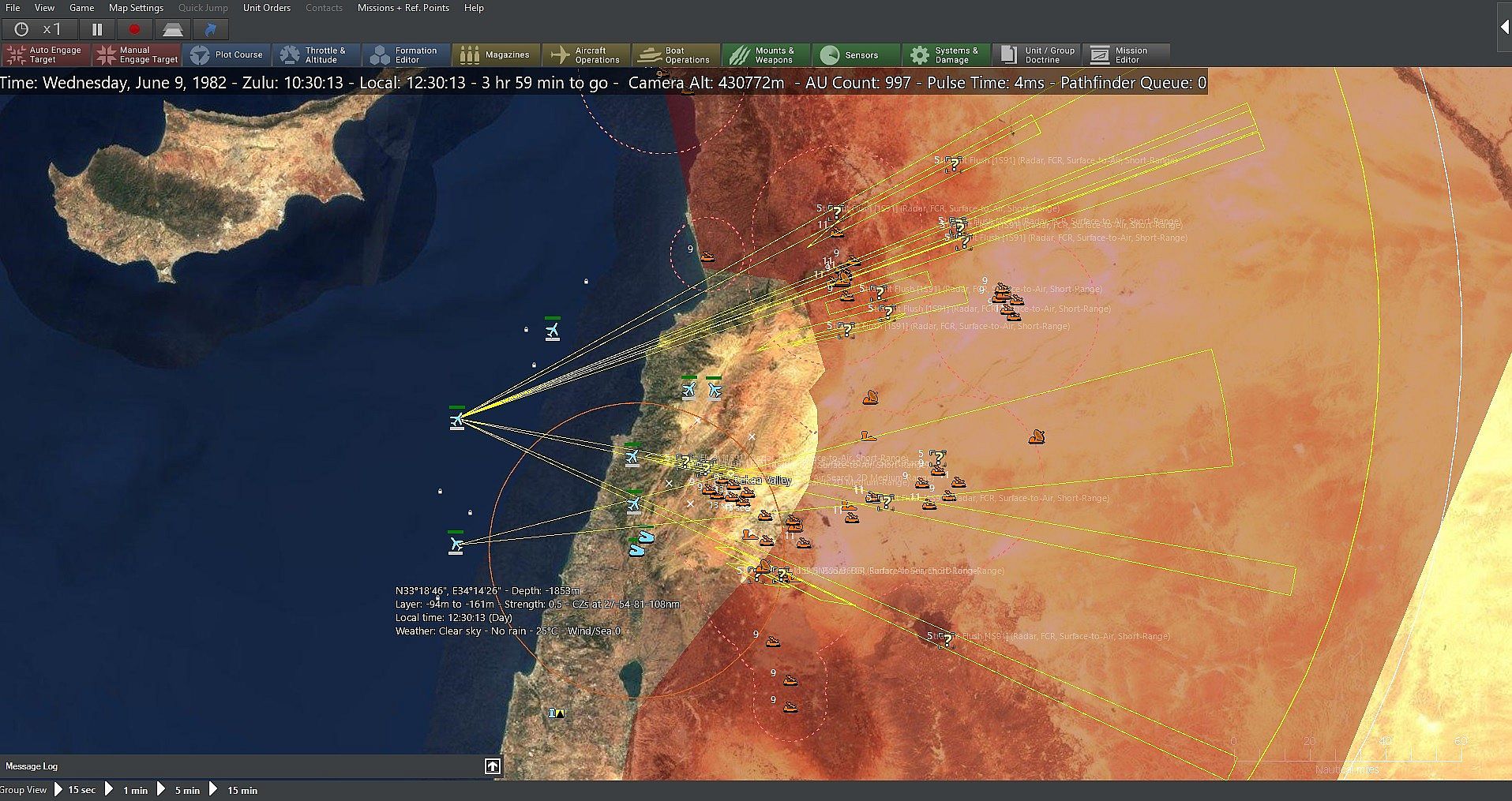
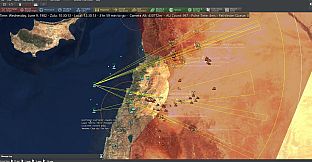
Command:MO - Shifting Sands is a simulation game set on PC that recreates key air and naval engagements from the Arab-Israeli conflicts spanning 1956 to 1982. Players direct forces through detailed scenarios that reflect real historical events alongside a few speculative alternatives, all within a framework that models evolving military technology and tactics over those decades.
Gameplay
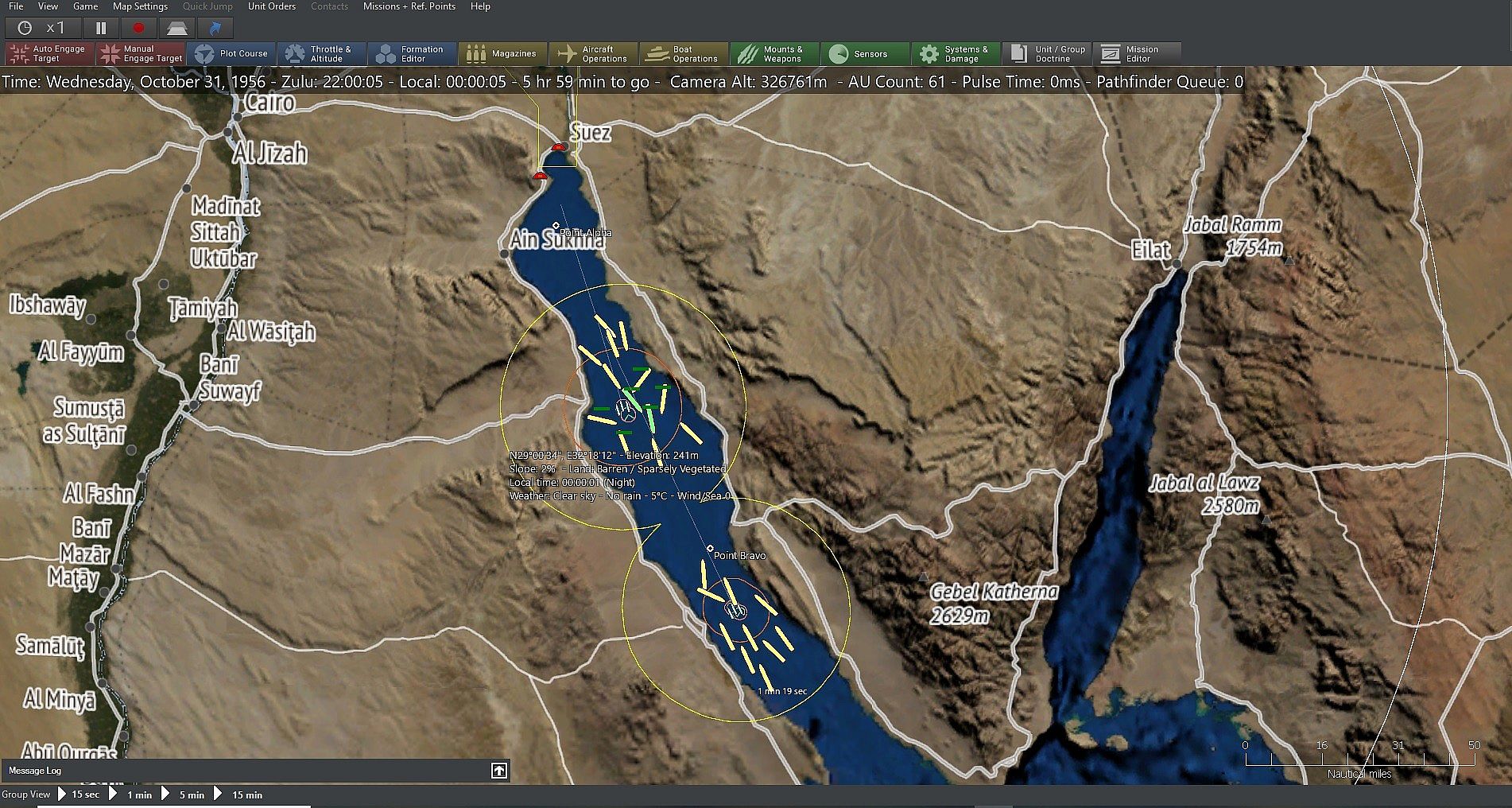
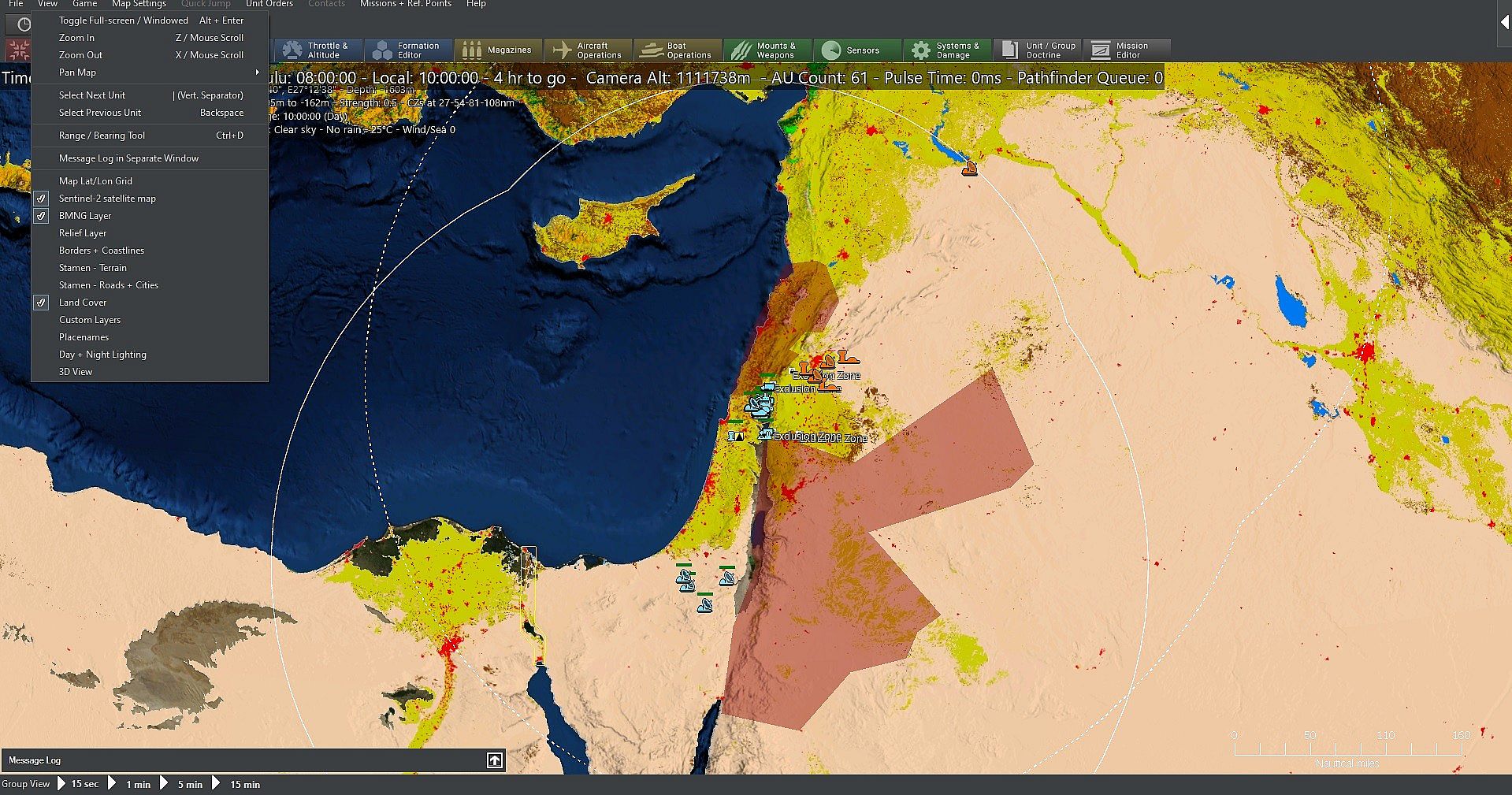
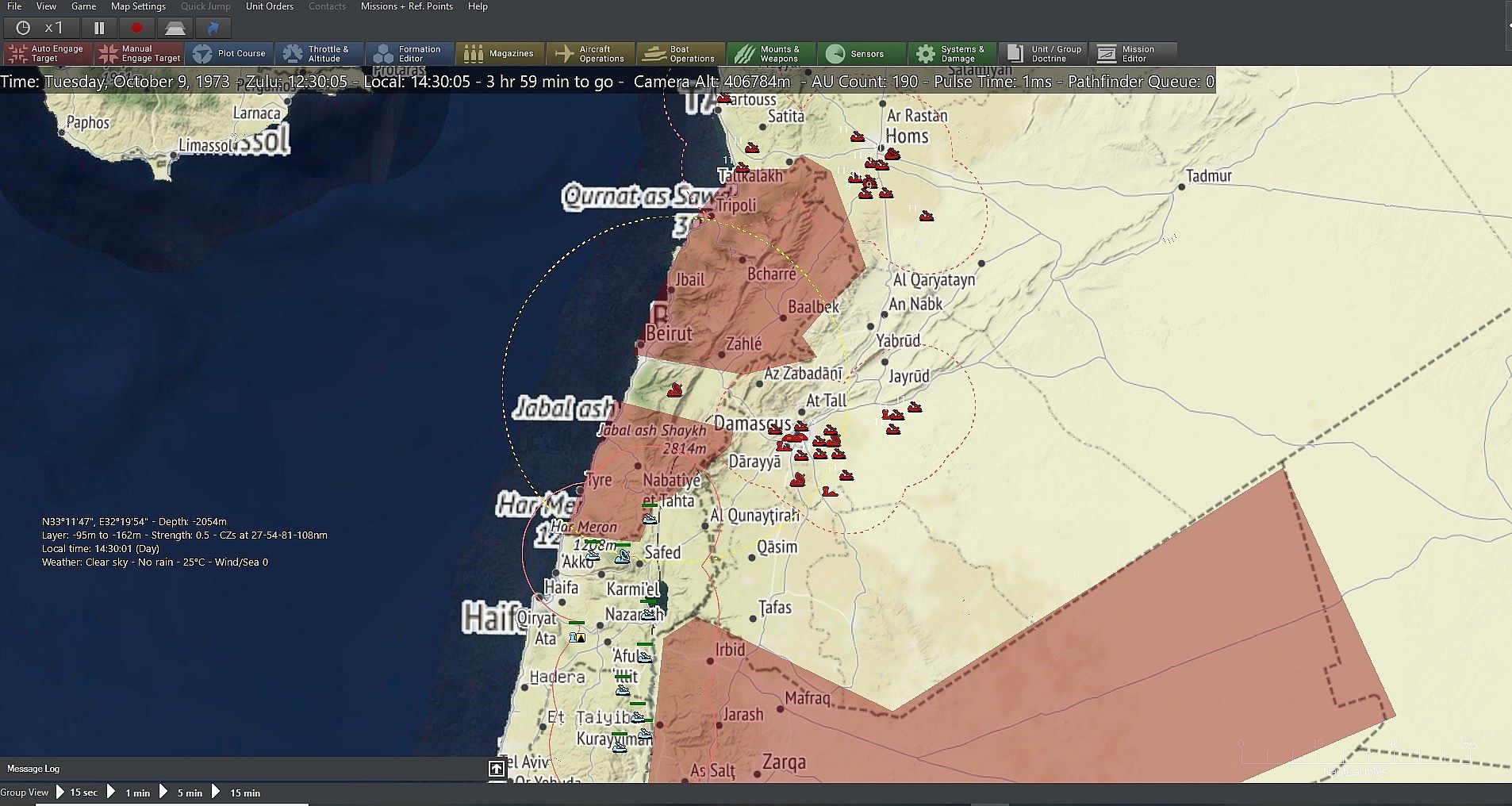
The core loop centers on commanding air and naval units across large operational maps. Players issue orders to aircraft, ships, and supporting elements while accounting for sensor ranges, weapon capabilities, and environmental factors. Each scenario unfolds in real time or accelerated pace, requiring careful management of fuel, ammunition, and positioning to achieve objectives such as striking targets or defending key assets.
Mechanics emphasize the shift from early jet-age operations to more advanced missile and electronic warfare systems. Antiship missiles appear alongside their countermeasures, surface-to-air missiles demand suppression tactics, and offensive counter-air missions highlight the growing importance of coordinated strikes. The simulation tracks hardware changes across the covered period, forcing adjustments in approach as older platforms give way to newer ones with different strengths and vulnerabilities.
Scenarios draw from specific conflicts including the 1956 Suez crisis, the 1967 Six-Day War, the 1967-1970 War of Attrition, the 1973 Yom Kippur War, the Osirak raid, and the air battle over the Bekaa Valley. Fourteen of the seventeen total scenarios follow documented events, while three explore plausible alternatives such as escalated superpower involvement or nuclear escalation under extreme pressure.
Game Modes
Normal play mode lets users load and run completed scenarios from start to finish. Objectives appear clearly, and the simulation handles unit behavior according to the underlying rules for detection, engagement, and damage.
Editor mode provides tools to inspect scenario details, adjust parameters, or build entirely new situations. This mode supports experimentation with force compositions and rulesets, extending the value of the base scenarios into custom exercises.
Most scenarios restrict play to one side, though two allow switching between opposing forces. All seventeen scenarios function as standalone experiences rather than a single linear campaign, letting players select any entry point based on interest in a particular conflict or time period.
Historical Context and What-If Elements
The included scenarios trace the progression of tactics and technology through successive wars. Early missions highlight conventional air superiority efforts, while later ones incorporate the debut of precision-guided munitions and integrated air defense networks. Hypothetical branches examine moments where events could have diverged, such as direct clashes between external naval powers or last-resort weapon employment.
These elements illustrate the fragile regional balance without requiring players to follow a fixed narrative path. Each scenario stands alone, encouraging repeated play to test different command choices against the same historical backdrop.
Is It Worth Playing?
This simulation suits players who value detailed operational planning and historical accuracy over fast-paced action. The seventeen scenarios deliver focused content on Middle East air and naval warfare, with mechanics that reward study of sensor and weapon interactions. Those already familiar with the Command series engine will find the DLC adds targeted depth without altering core systems.
Reception among simulation enthusiasts centers on the quality of the authored missions and the opportunity to explore both documented battles and alternate outcomes. The game remains available as a standalone purchase that integrates directly with the base Command: Modern Operations title, providing ongoing access to the full scenario set for those drawn to its subject matter.