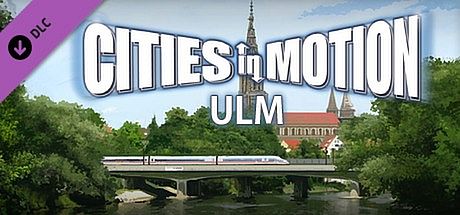














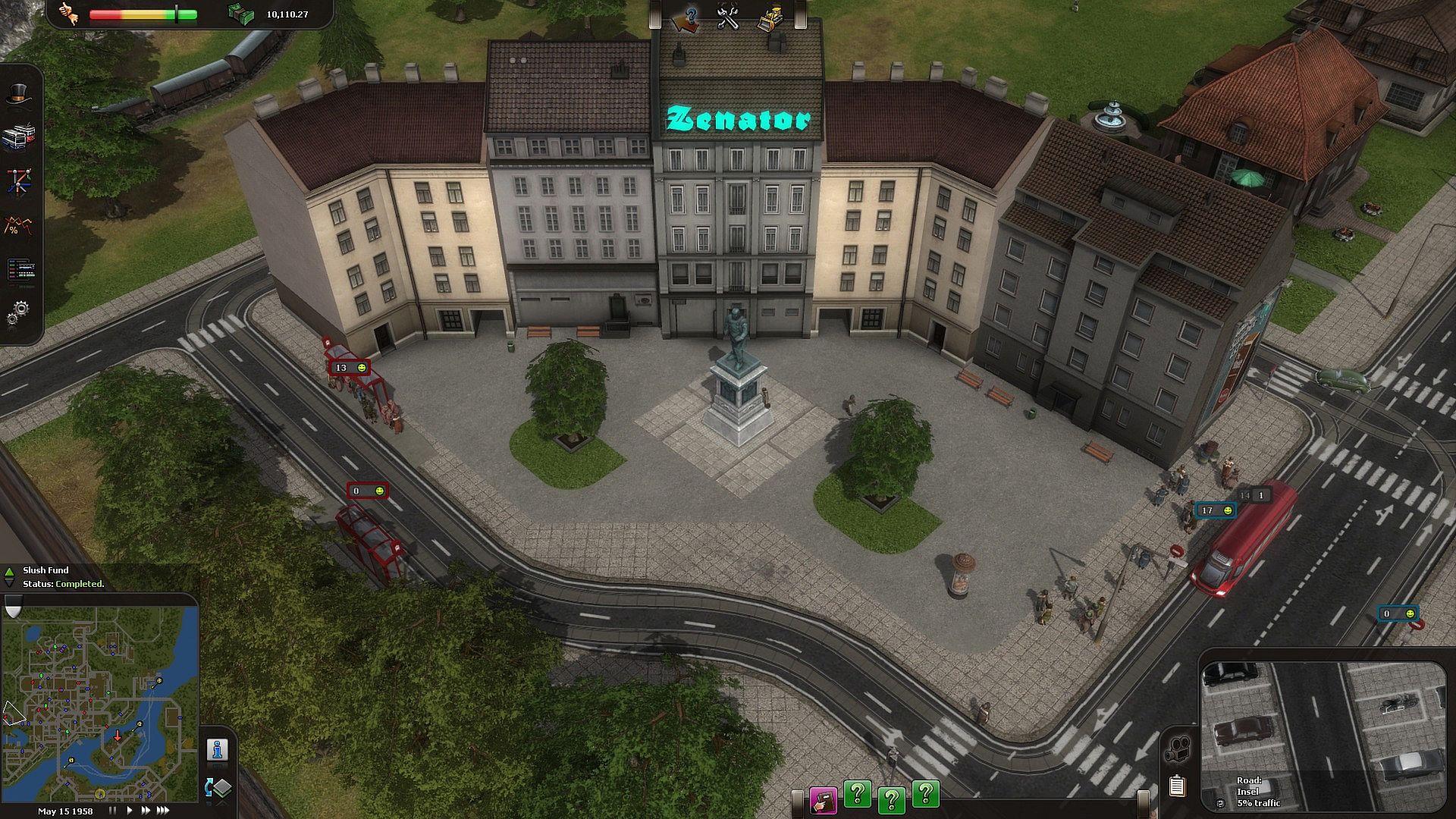
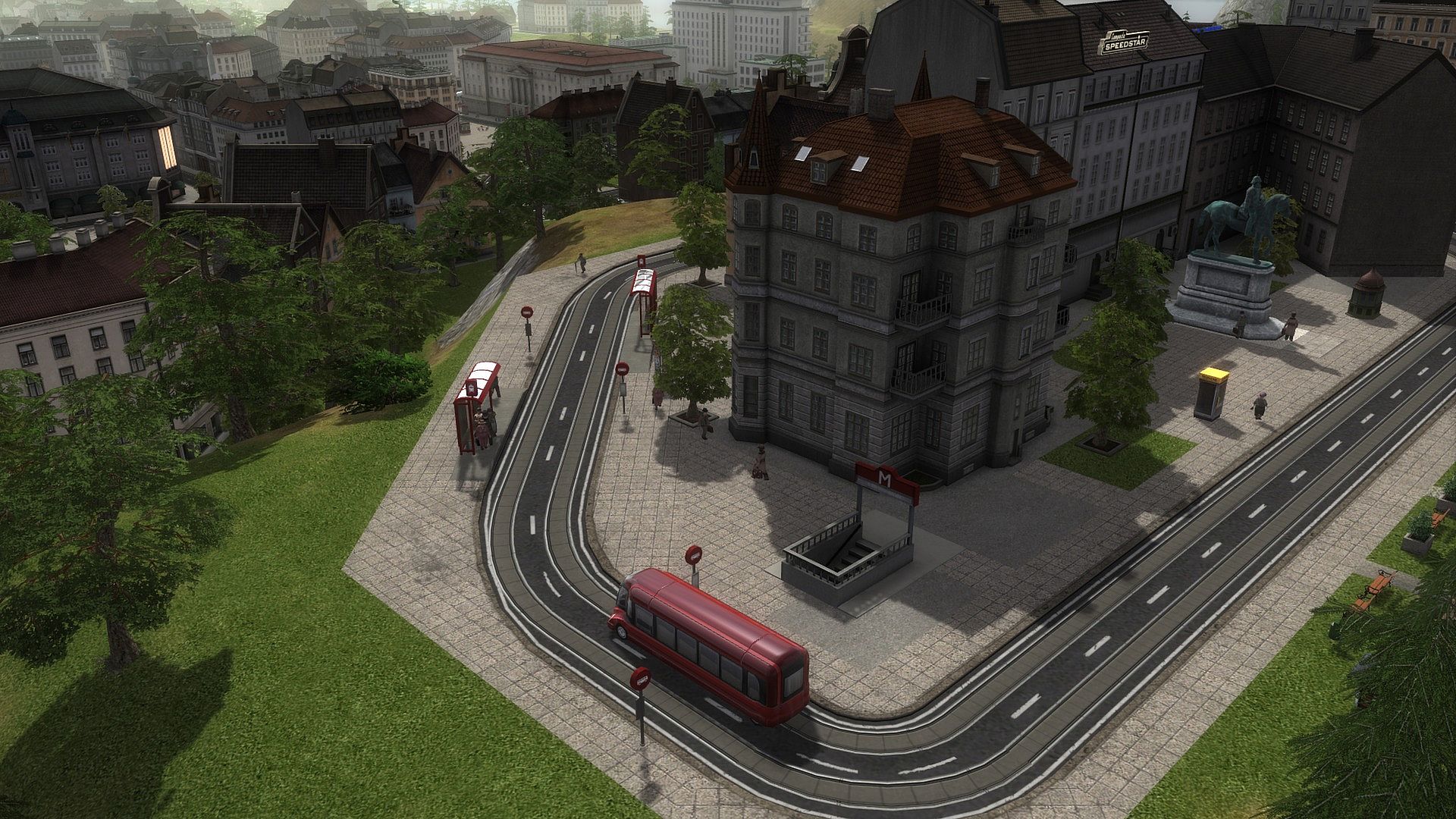
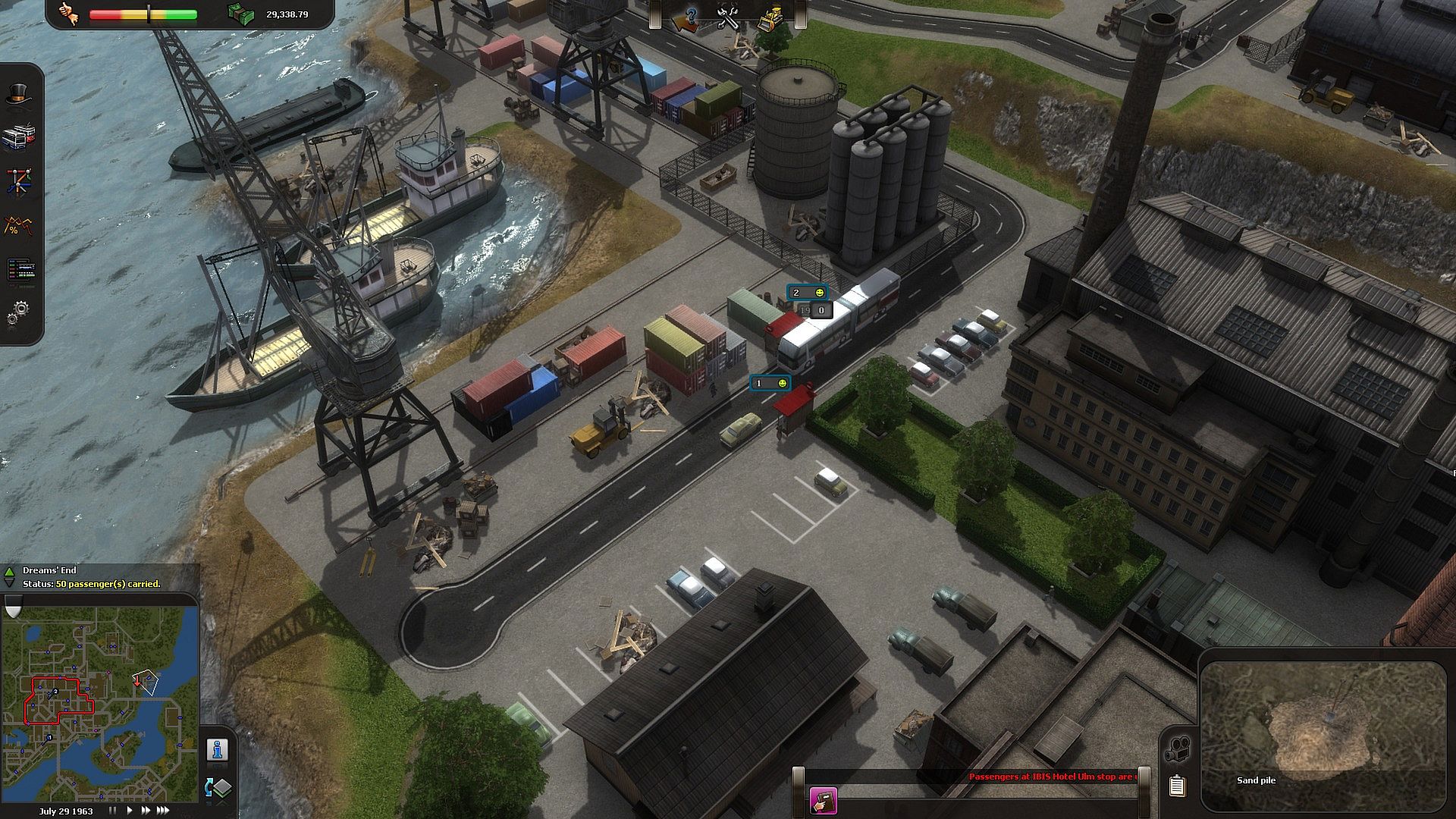
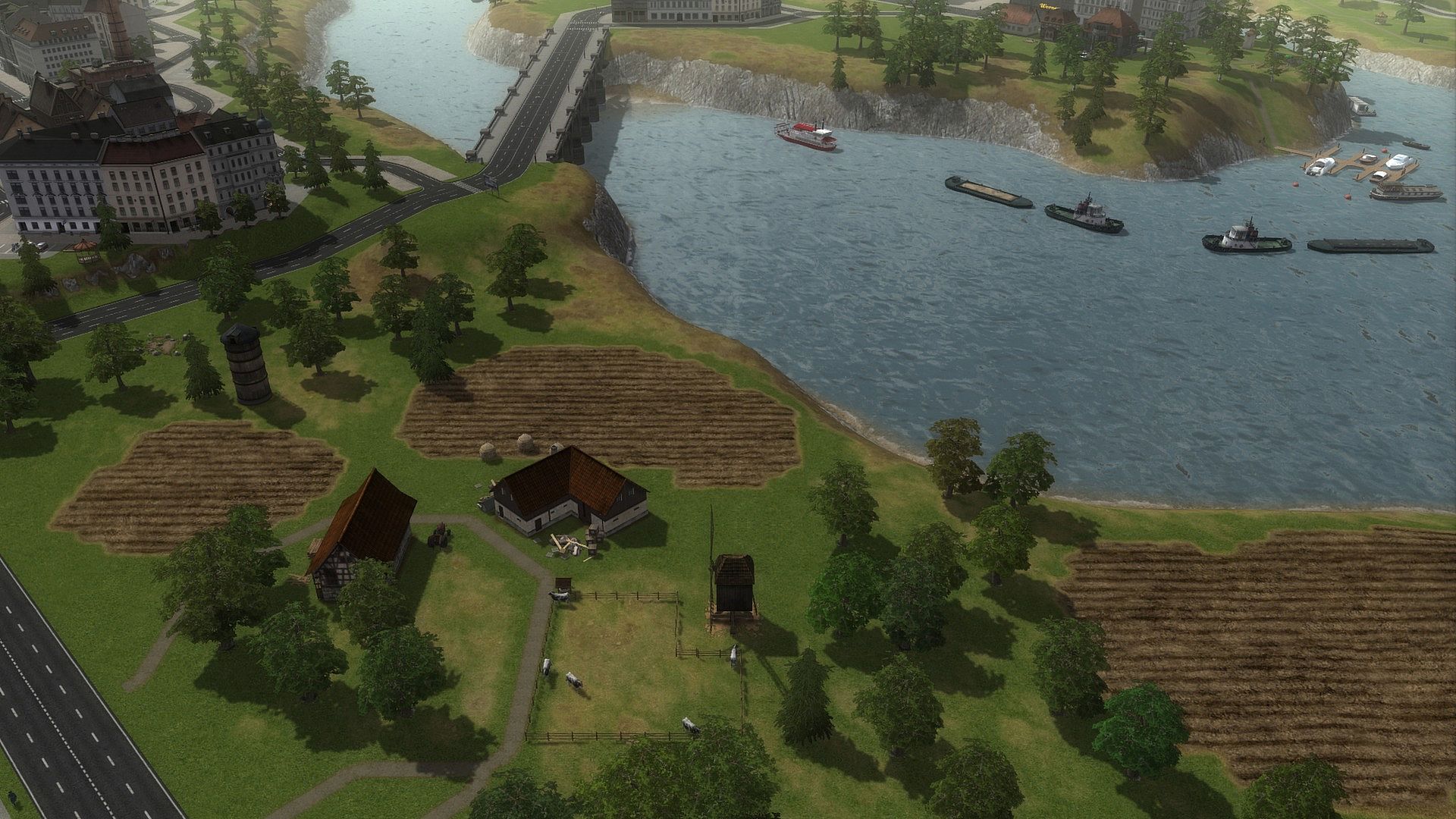
Cities in Motion: Ulm is a simulation game focused on transportation network planning in a compact German city setting. Players take on the role of a transit manager tasked with developing efficient public transport systems that connect residential areas, workplaces, and recreational spots in real time. The title emphasizes deliberate, measured growth rather than rapid expansion, suiting those who enjoy methodical strategy within a single-player environment on PC.
Gameplay
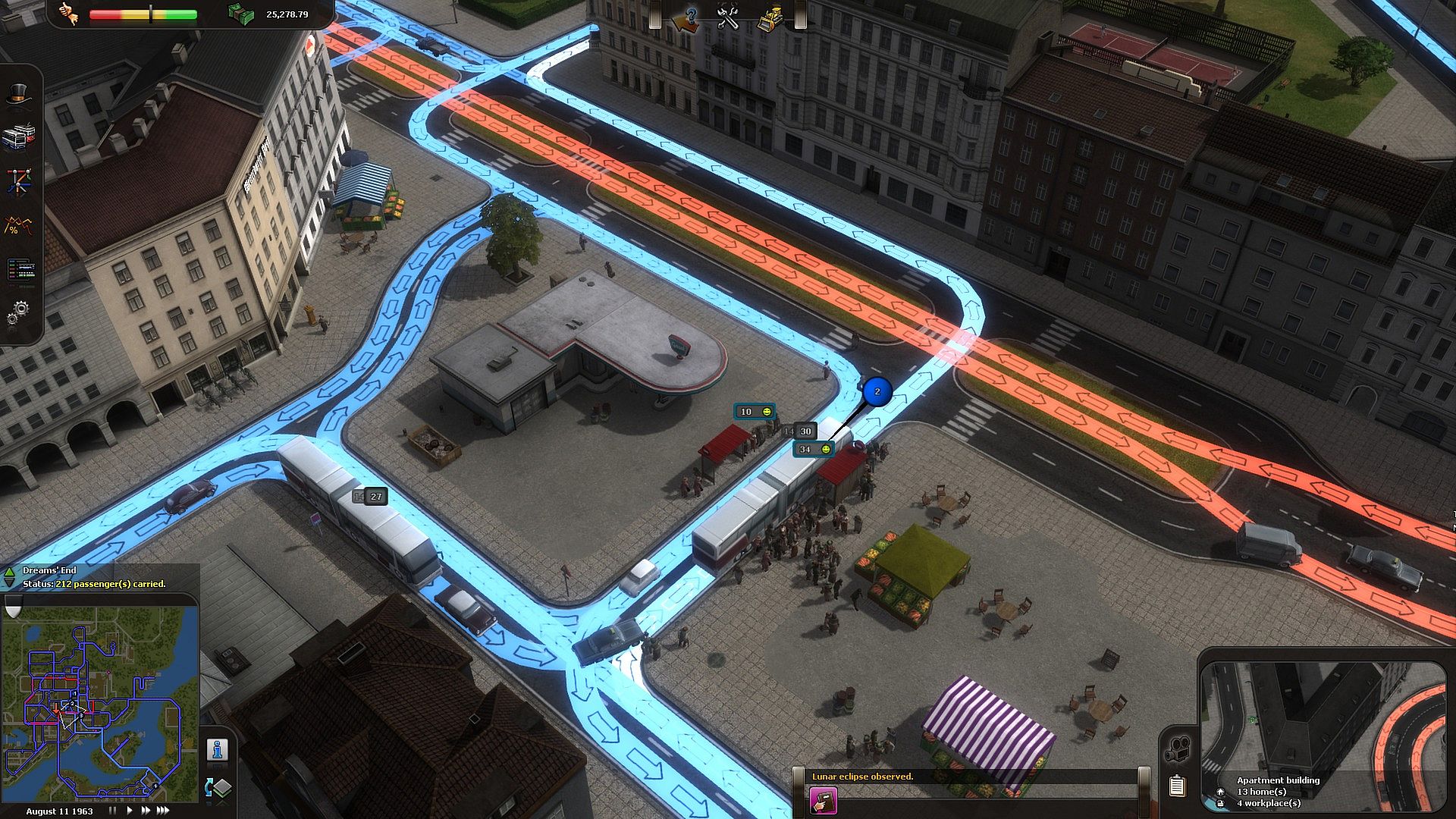
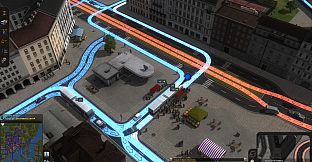
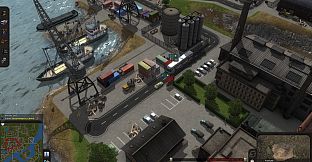
The core loop revolves around observing commuter patterns in a live city simulation and responding with appropriate transit infrastructure. Buses, trams, and other vehicles move along player-designed routes while traffic and population needs shift over decades. Success depends on balancing coverage, capacity, and cost in an environment where the city layout limits aggressive building. Visual updates and accompanying audio create a distinct atmosphere that reflects the historical period from the 1970s onward. Careful observation of daily commutes helps identify bottlenecks before they disrupt service.
Game Modes
Two primary modes structure the experience. Campaign mode presents structured scenarios that guide players through specific objectives tied to the city's development timeline. Sandbox mode removes those constraints, allowing free-form construction and experimentation across the full date range from the 1970s to 2030. The Ulm content adds one dedicated scenario to the campaign alongside the open sandbox option, giving players both guided challenges and unrestricted creative sessions in the same map.
City and Setting Details
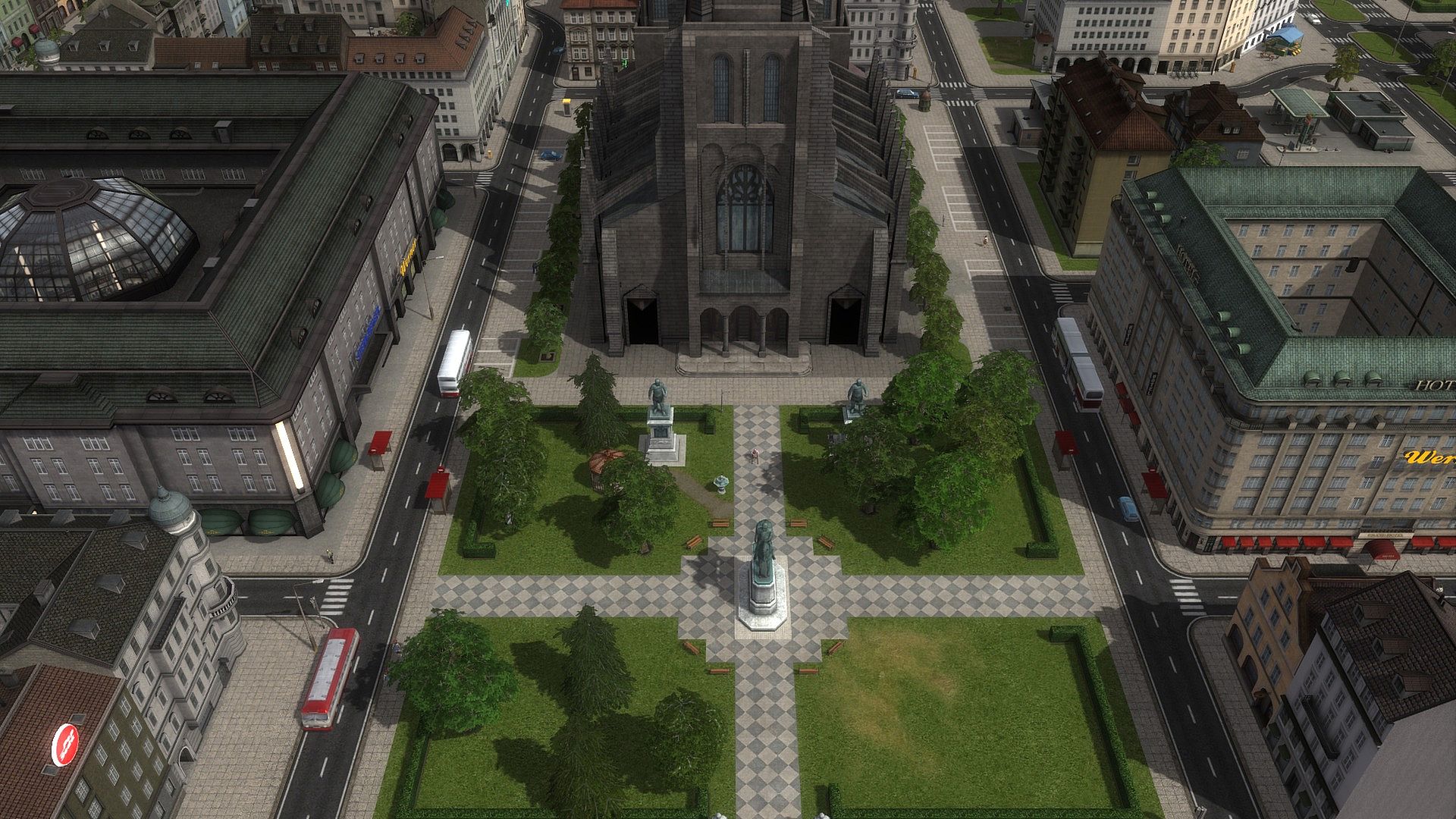
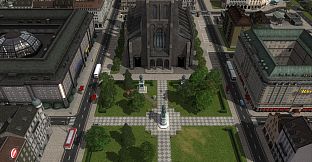
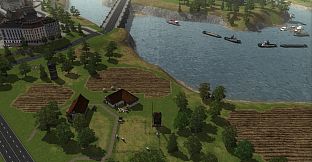
Ulm appears as a smaller, historic European location with recognizable landmarks that influence route planning. The condensed scale requires precise placement of stops and lines to serve all districts without overextending resources. Time progression lets the network evolve alongside changing population demands, from earlier decades into future projections. This focused map contrasts with larger entries in the series by rewarding incremental improvements over sweeping overhauls.
Is It Worth Playing?
Players interested in transportation management simulations will find value in the deliberate pace and realistic constraints of the Ulm map. The combination of one additional campaign scenario and full sandbox access provides solid replay options for those who already enjoy the base mechanics. Reception for the overall series remains positive among fans of the genre, though the DLC itself functions best as an extension rather than a standalone title. Availability on PC platforms makes it accessible for anyone seeking a compact, long-term transit project without modern multiplayer elements or frequent content updates. Those who prefer fast-paced action or broad city-building freedom may find the narrow focus less engaging.