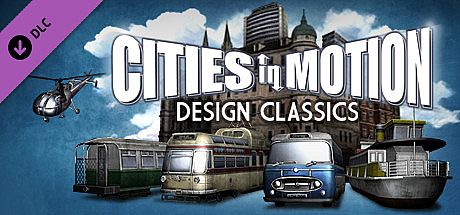















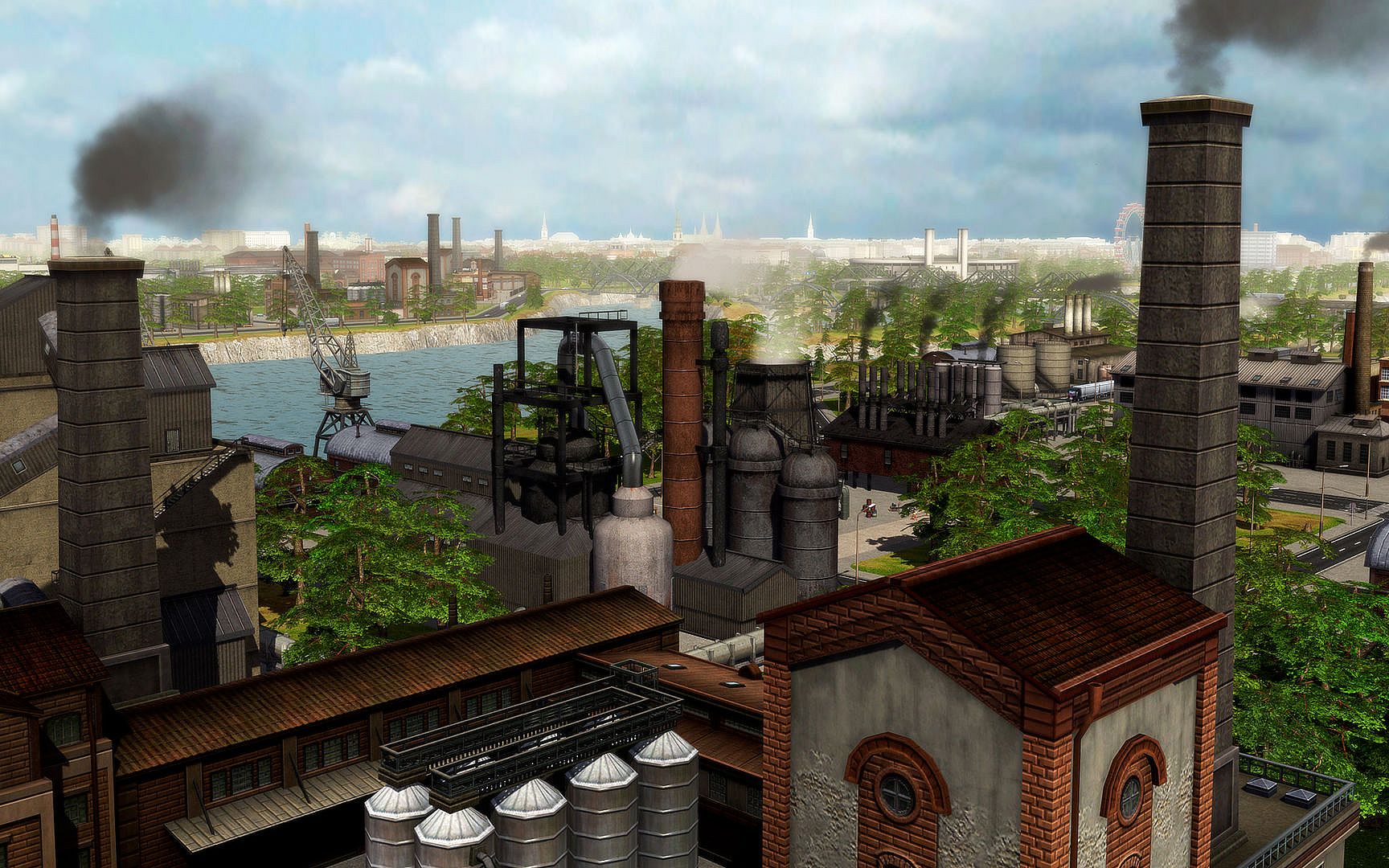
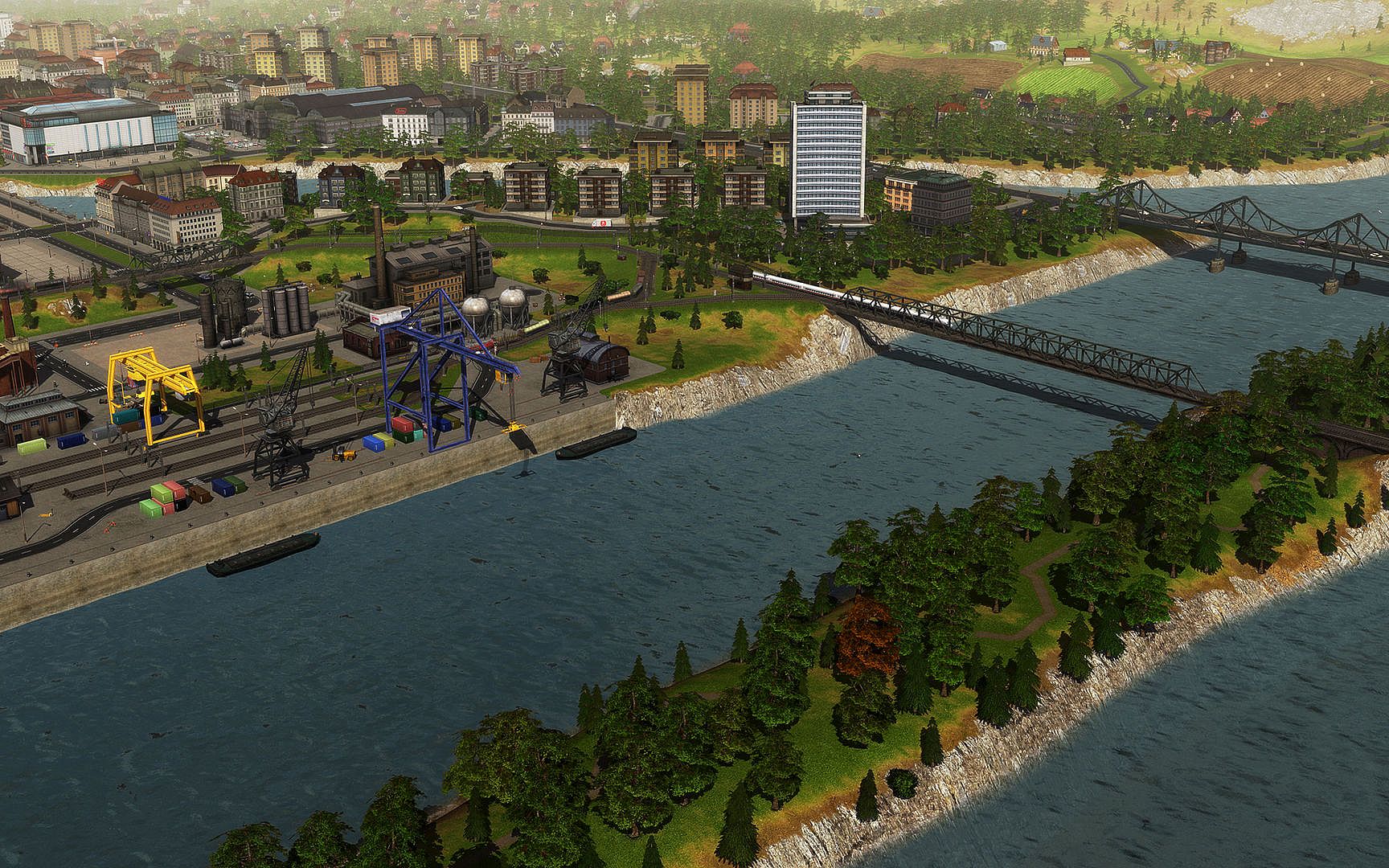
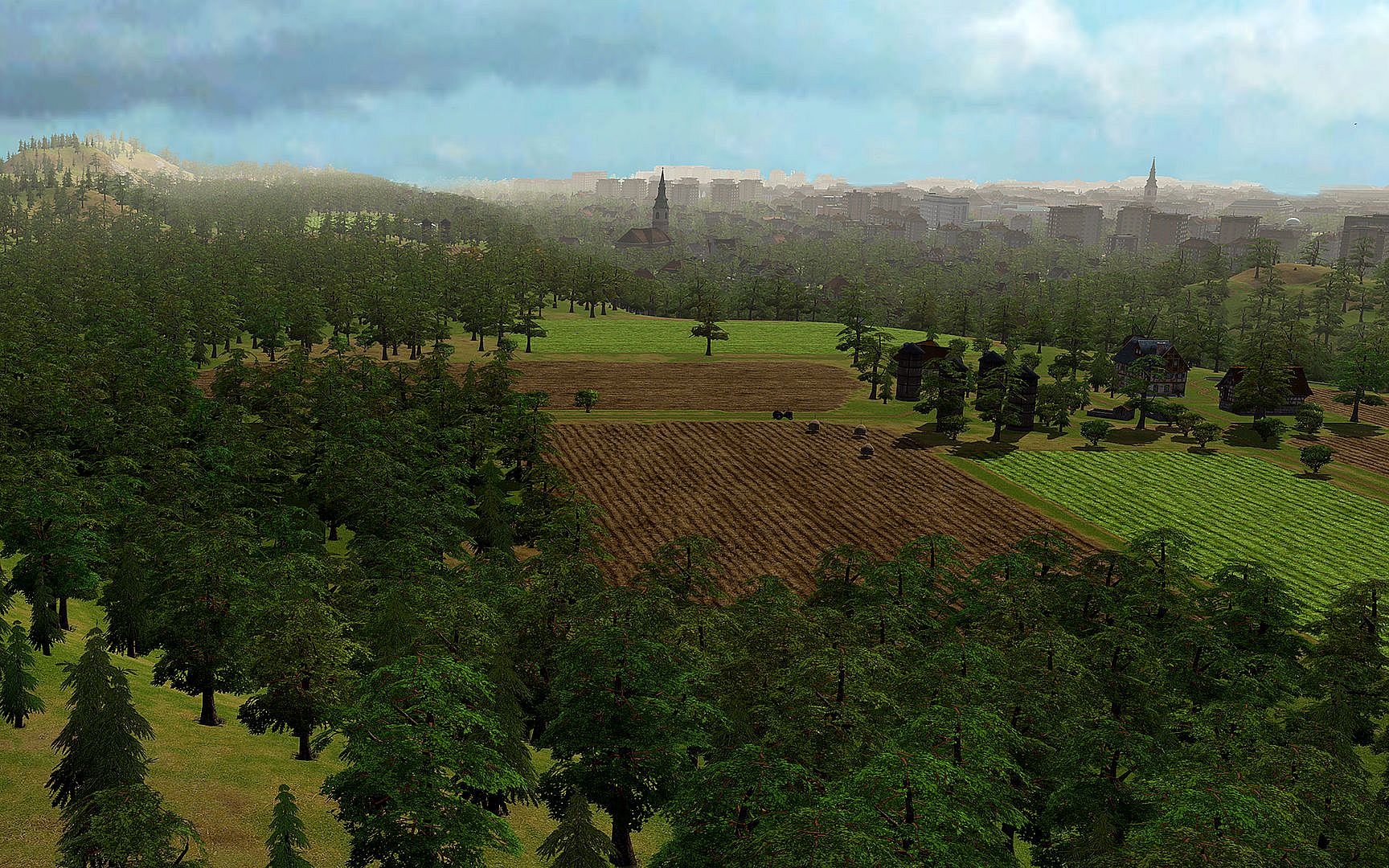
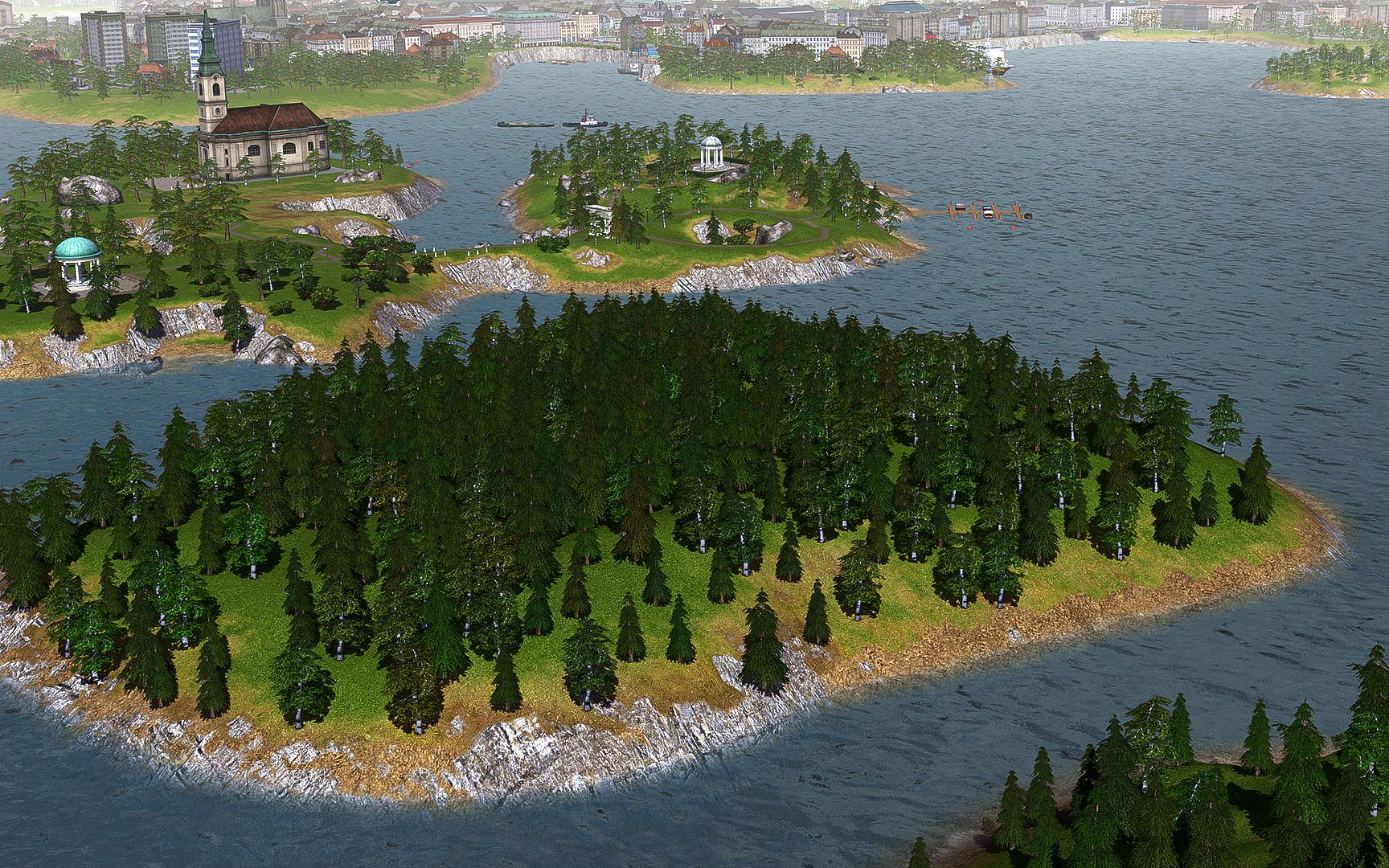
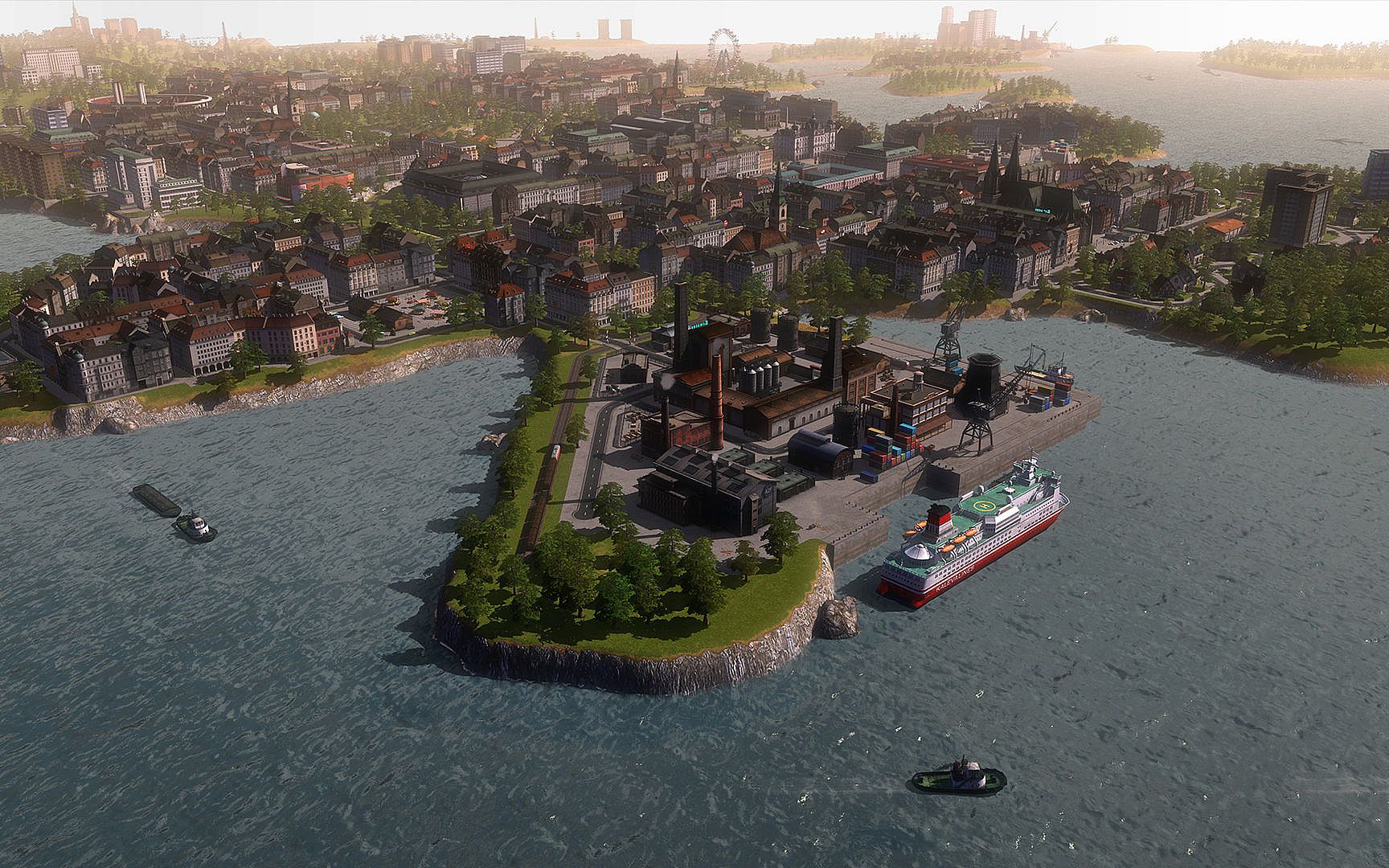
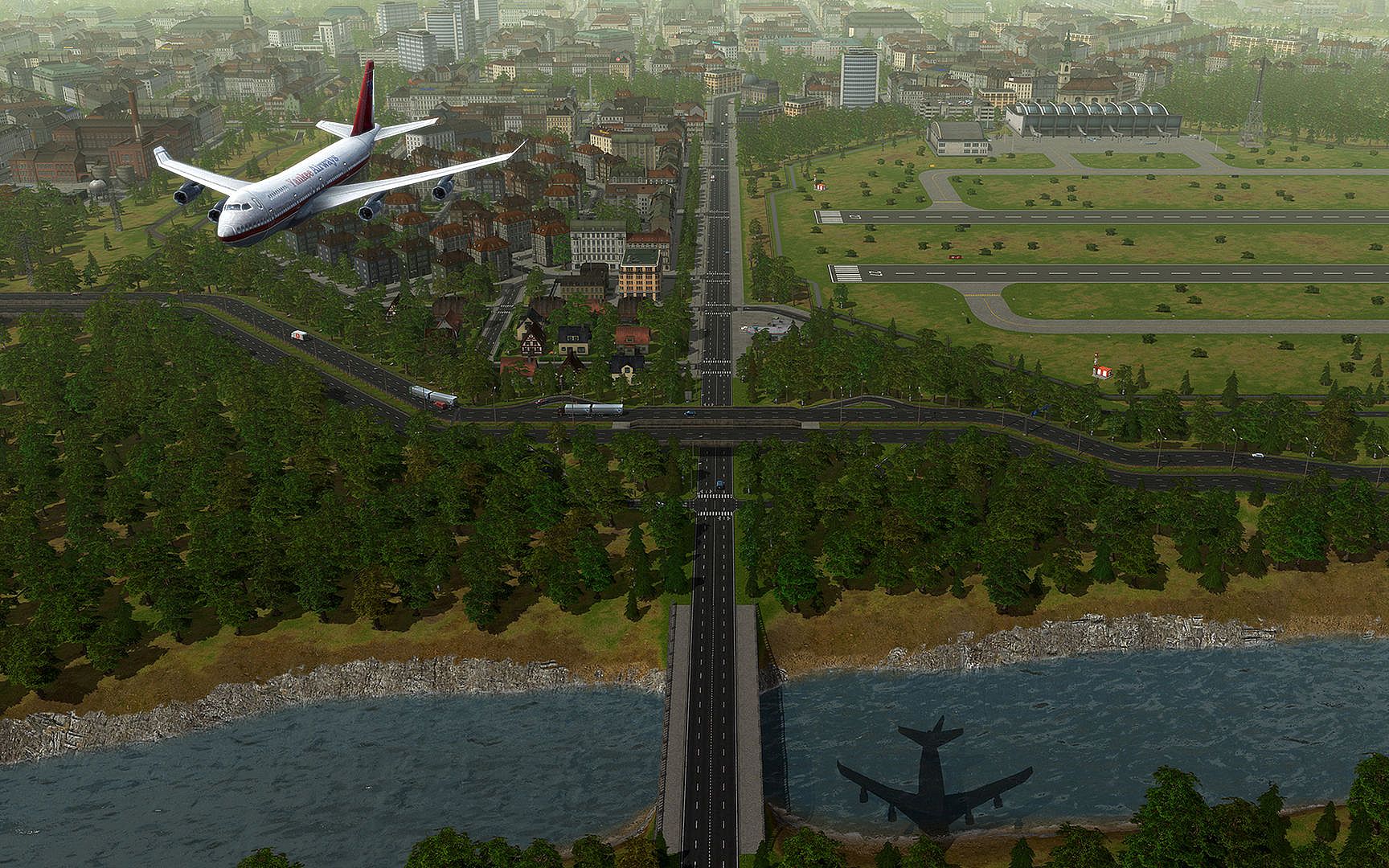
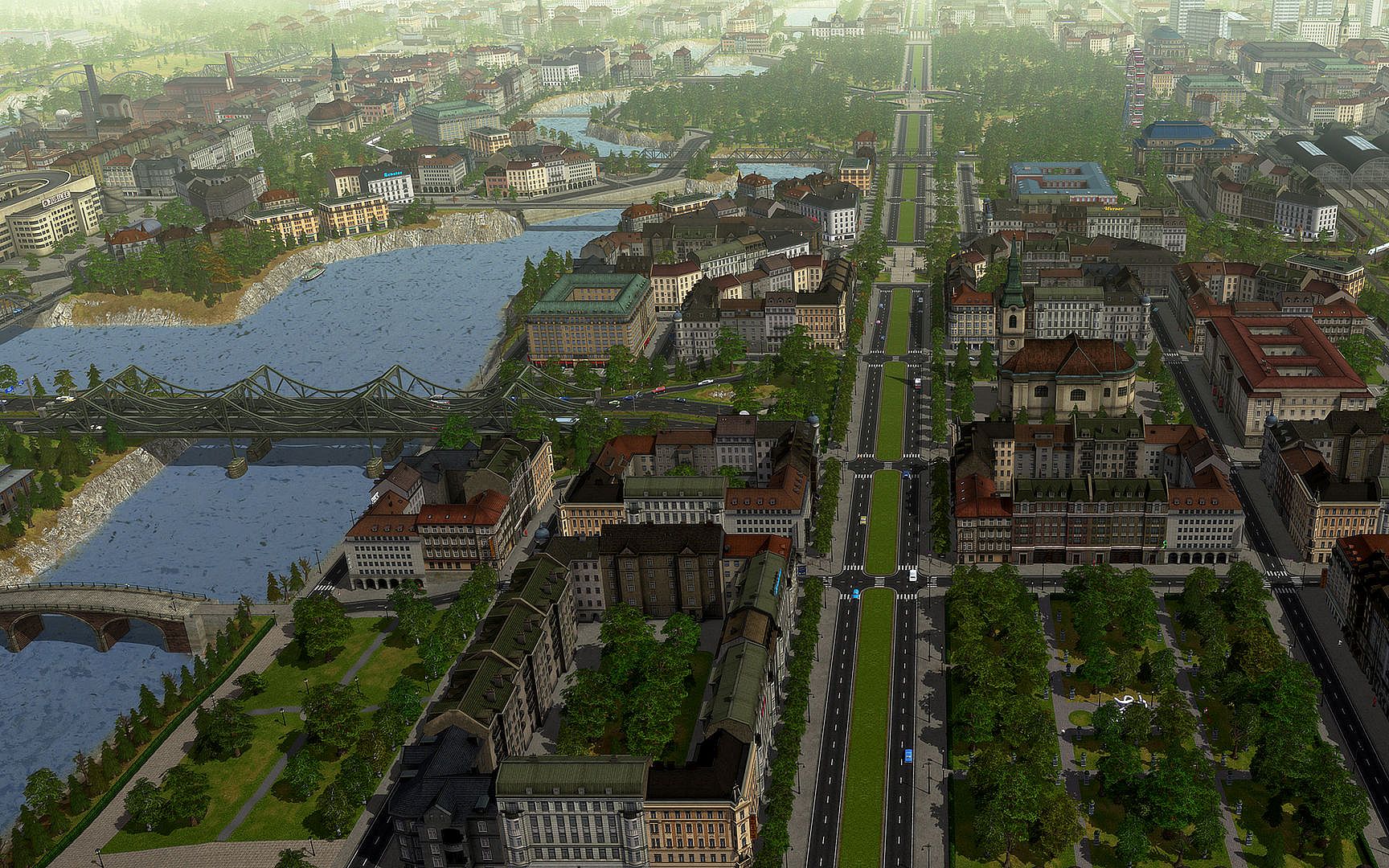
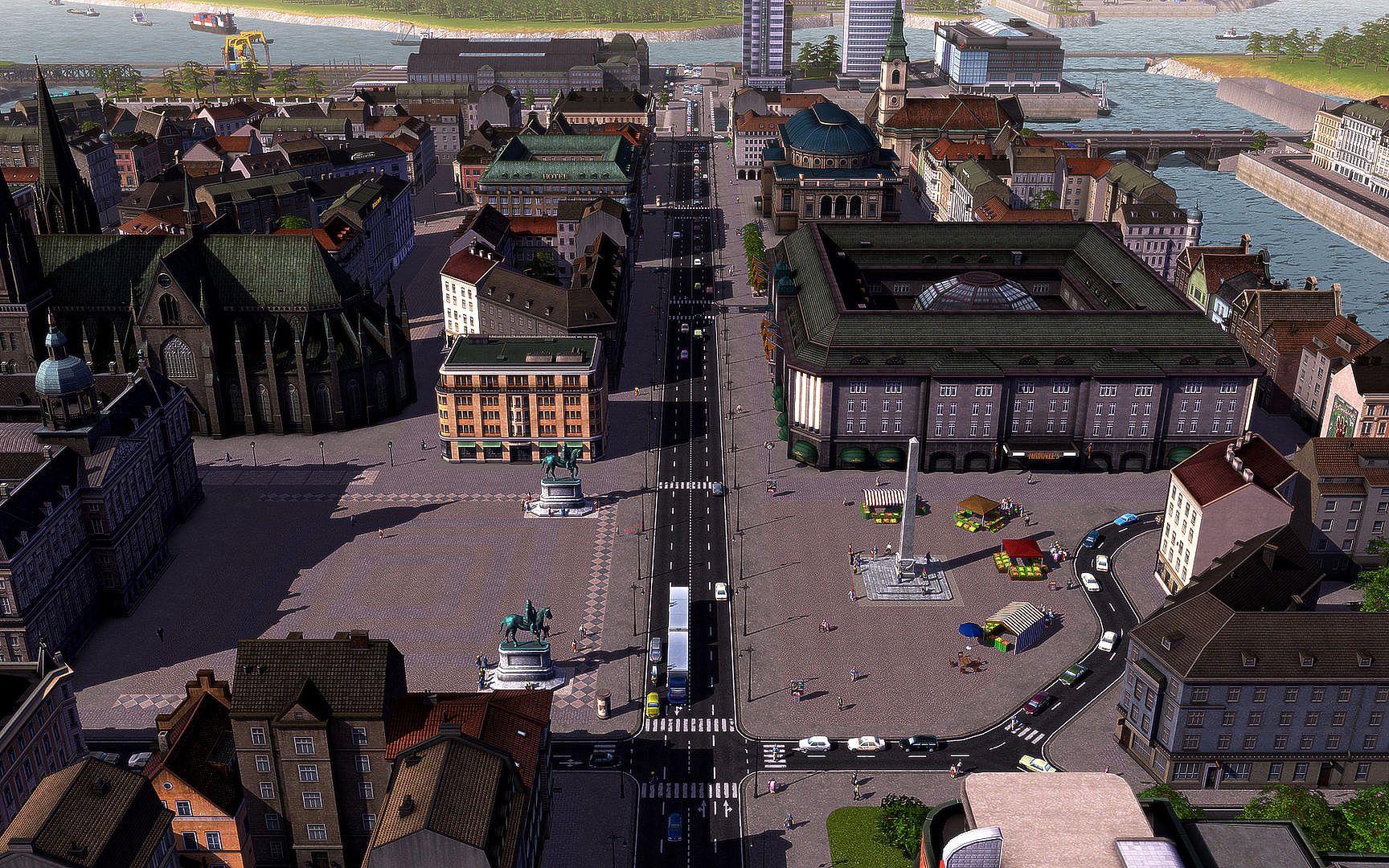
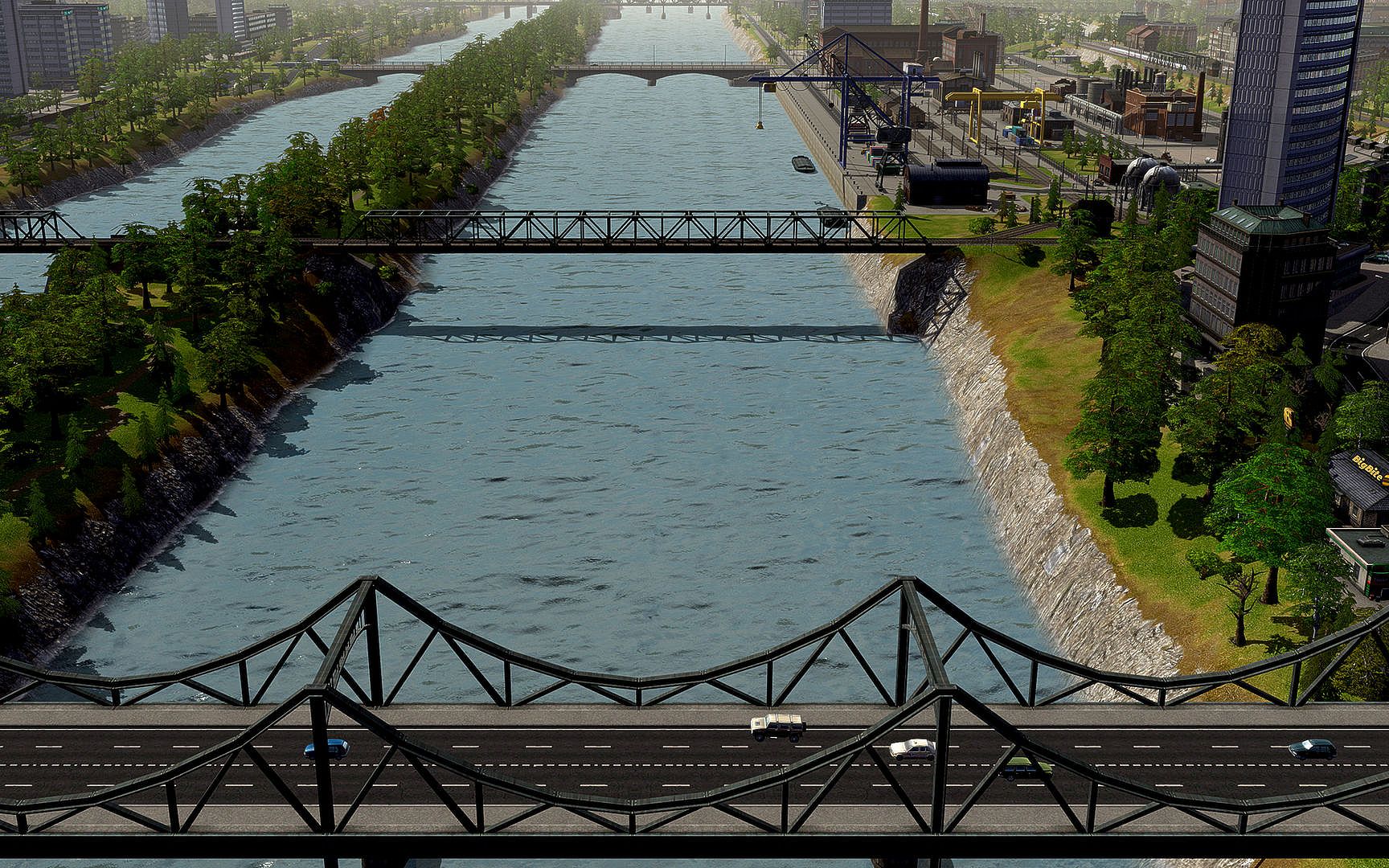
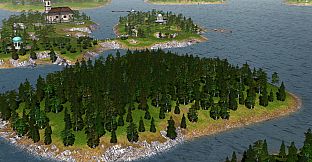
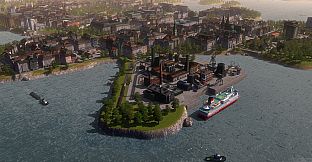
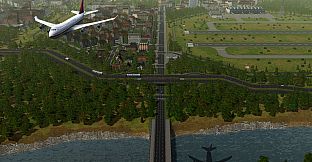
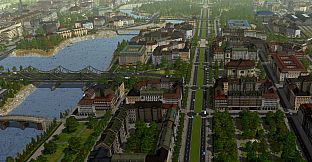
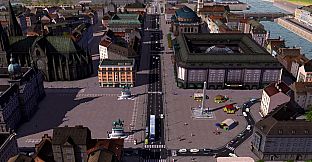
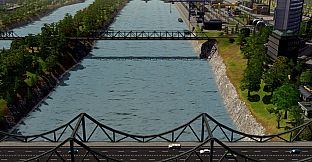
Cities in Motion: Design Classics is a simulation title focused on public transportation management for the PC platform. It expands the base game with five distinctive vehicles that players can integrate into their transit networks across detailed city maps.
Gameplay
The core loop centers on planning and operating efficient routes using buses, trams, metros, ferries, and helicopters. Players lay out lines, position stops, and adjust schedules to move citizens between residential, commercial, and industrial zones while balancing costs and revenue. Each vehicle type brings unique traits that influence route viability, such as capacity, speed, and terrain suitability. The Jubilee Blim minibus offers compact size and solid power for quick urban hops. The Livingstone Inauguration tram features responsive controls but requires careful maintenance due to its sensitive systems. The Arnauld Porte metro train provides high passenger volume with sturdy construction suited to underground lines. The Tiergarten Ferry serves as a reliable water option despite slower speeds ideal for scenic routes. The Skylark III helicopter delivers maneuverability and elevated views for specialized aerial connections. These additions allow finer tuning of networks to handle varying city demands and traffic patterns.
Game Modes
Available modes include structured campaigns that present specific objectives across multiple cities, scenario-based challenges with fixed goals and constraints, and open sandbox environments where players freely design and expand systems without time limits or predefined targets. In campaigns, success depends on meeting connection quotas and financial targets over time. Scenarios often limit available resources or vehicle options to test targeted strategies. Sandbox play supports unlimited experimentation with the full roster of transport types, including the new vehicles from this expansion.
Vehicle Integration and Strategy
Effective play involves matching vehicle strengths to city layouts and passenger flows. Compact options like the Jubilee Blim suit narrow streets and short distances, while larger capacity units such as the Arnauld Porte excel on high-demand corridors. Water and air options open new routing possibilities across rivers or between separated districts. Players must account for factors like construction costs, operating expenses, and reliability when deciding which lines to prioritize. The expansion vehicles encourage experimentation with mixed fleets rather than relying on standard models alone.
Is It Worth Playing?
This expansion suits players who already enjoy the base Cities in Motion experience and want additional variety in their vehicle choices. The five new options provide distinct trade-offs that reward thoughtful route design and ongoing network adjustments. Those seeking deep transport simulation with emphasis on profitability and city connectivity will find value in the expanded options. Availability on PC remains straightforward through standard digital platforms, and the content integrates directly into existing saves and new games without requiring separate launches. If the appeal lies in managing complex public transit systems over long sessions, the added vehicles enhance replay potential across campaigns and sandbox sessions.