



















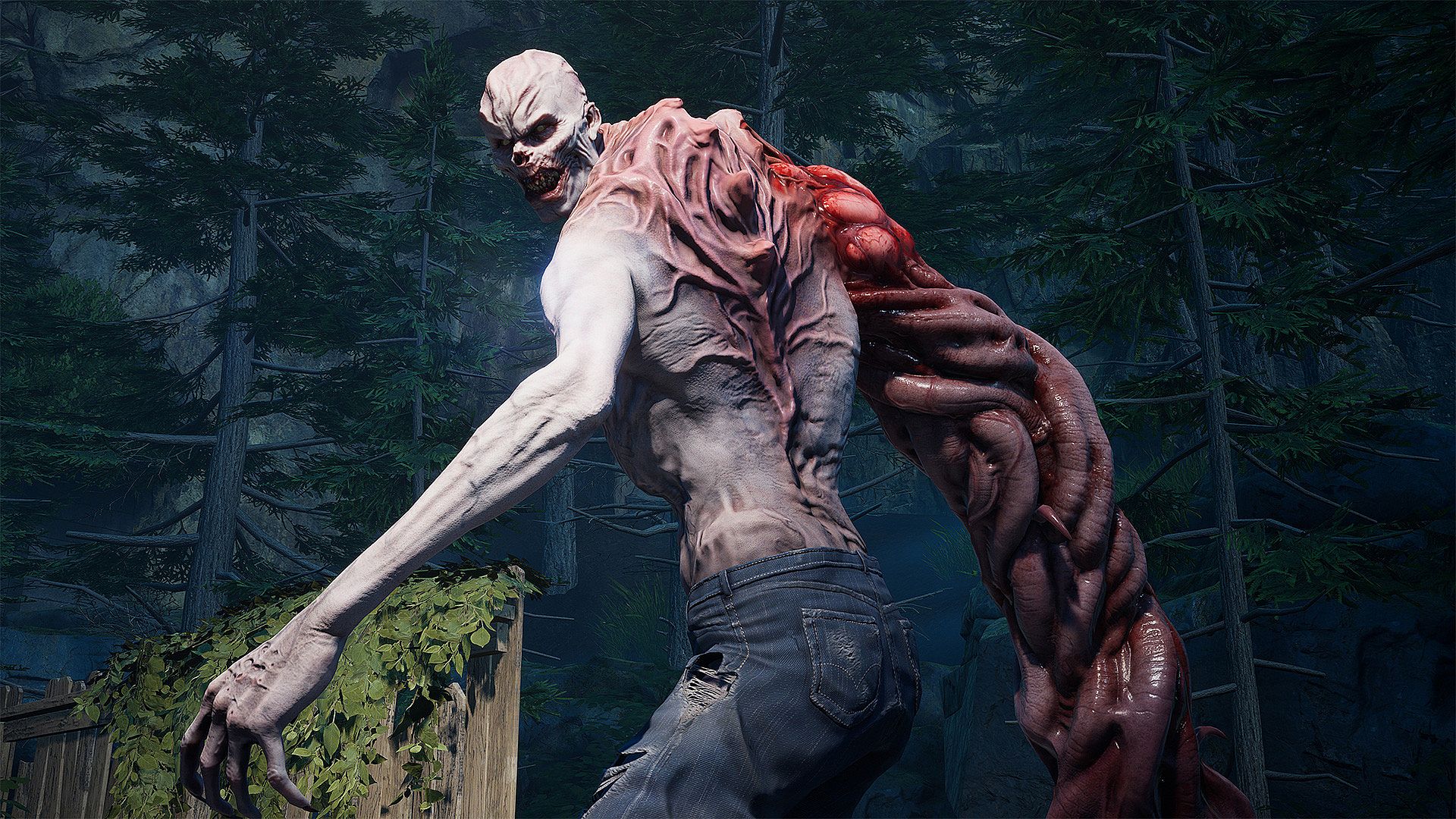




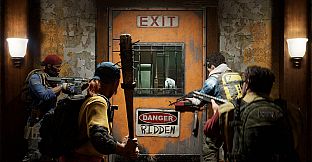



Back 4 Blood is a cooperative first-person shooter that places players in a fight against hordes of mutated enemies known as the Ridden. Developed by Turtle Rock Studios, the title draws from the studio's experience with similar zombie survival experiences while introducing its own systems for progression and enemy behavior. The core loop centers on surviving missions as one of the immune survivors called Cleaners, using firearms, melee tools, and support items to push through infested environments alongside up to three teammates.
Gameplay
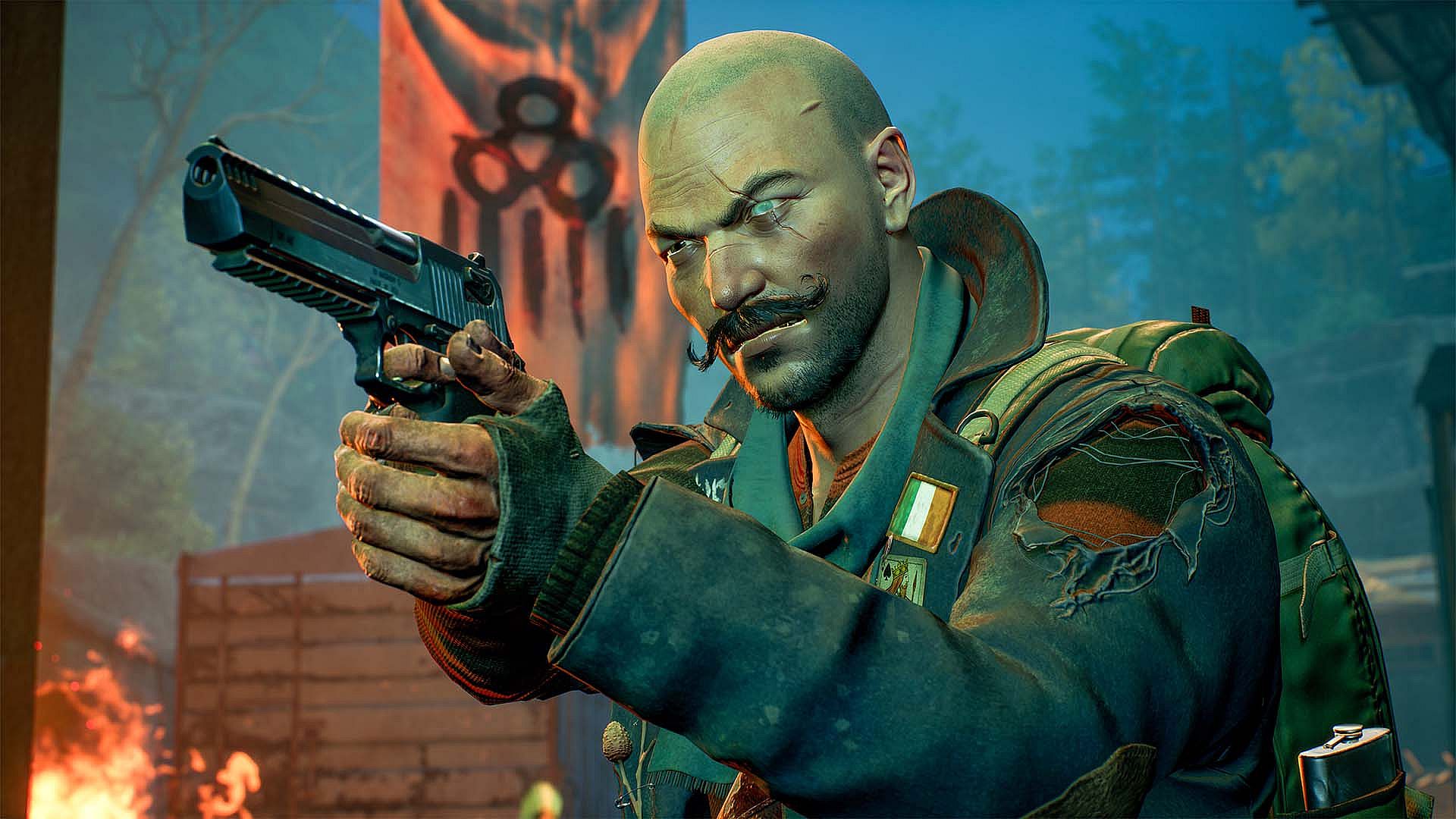
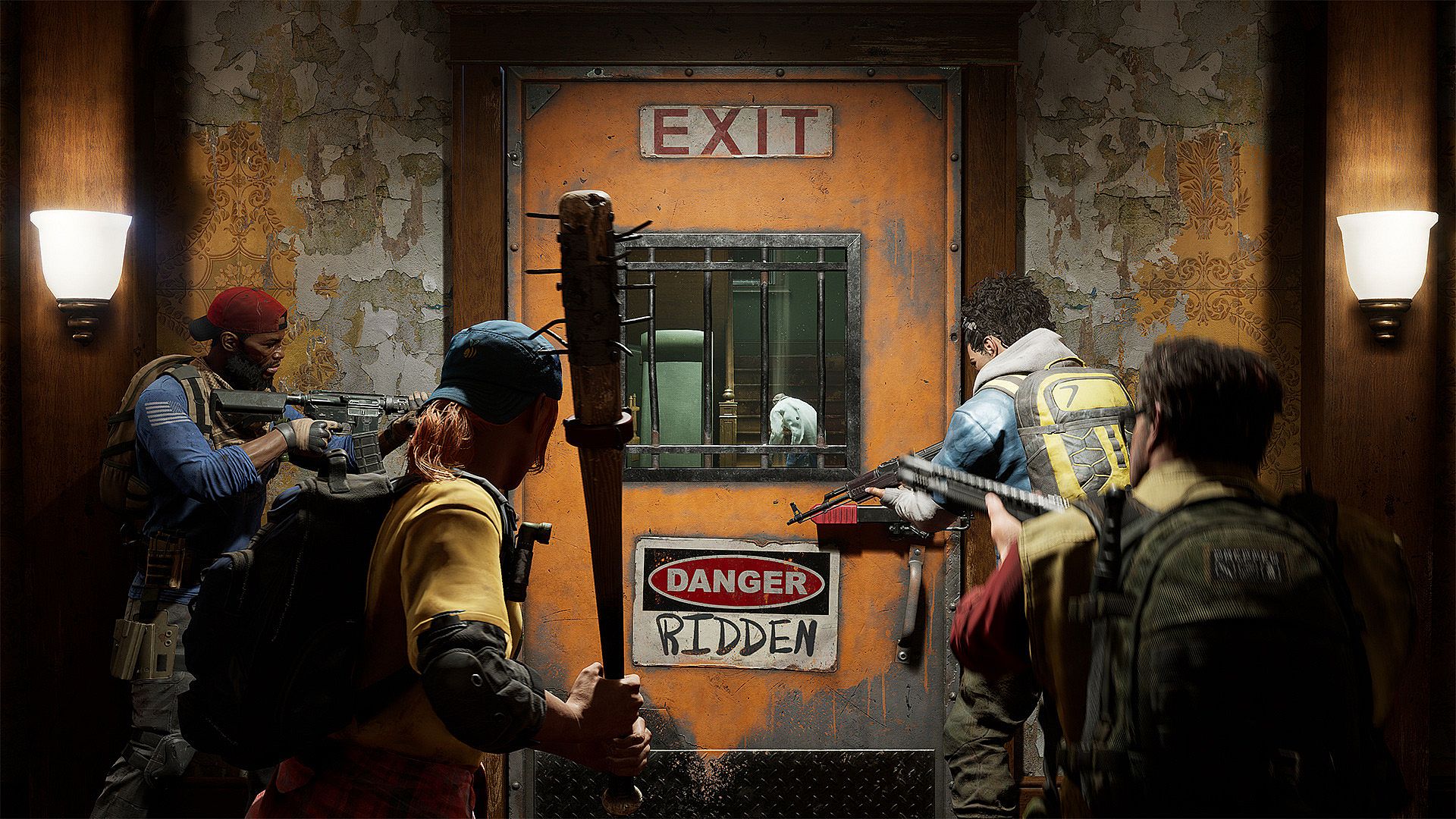
The gameplay revolves around a four-player co-op structure where coordination determines success against waves of Ridden that grow more aggressive over time. Players select from eight customizable Cleaners, each offering distinct perks that influence combat roles such as damage output, healing support, or crowd control. Weapons range from standard rifles and shotguns to specialized items that players scavenge or craft during runs. The rogue-lite card system lets participants build custom decks before missions, mixing offensive, defensive, and utility cards to create varied loadouts that change with each play session. A Game Director AI monitors team performance in real time and spawns additional threats or alters enemy placements to maintain pressure without relying on static scripting. This setup encourages repeated attempts at the same missions with fresh strategies, as card draws and director adjustments prevent identical experiences.
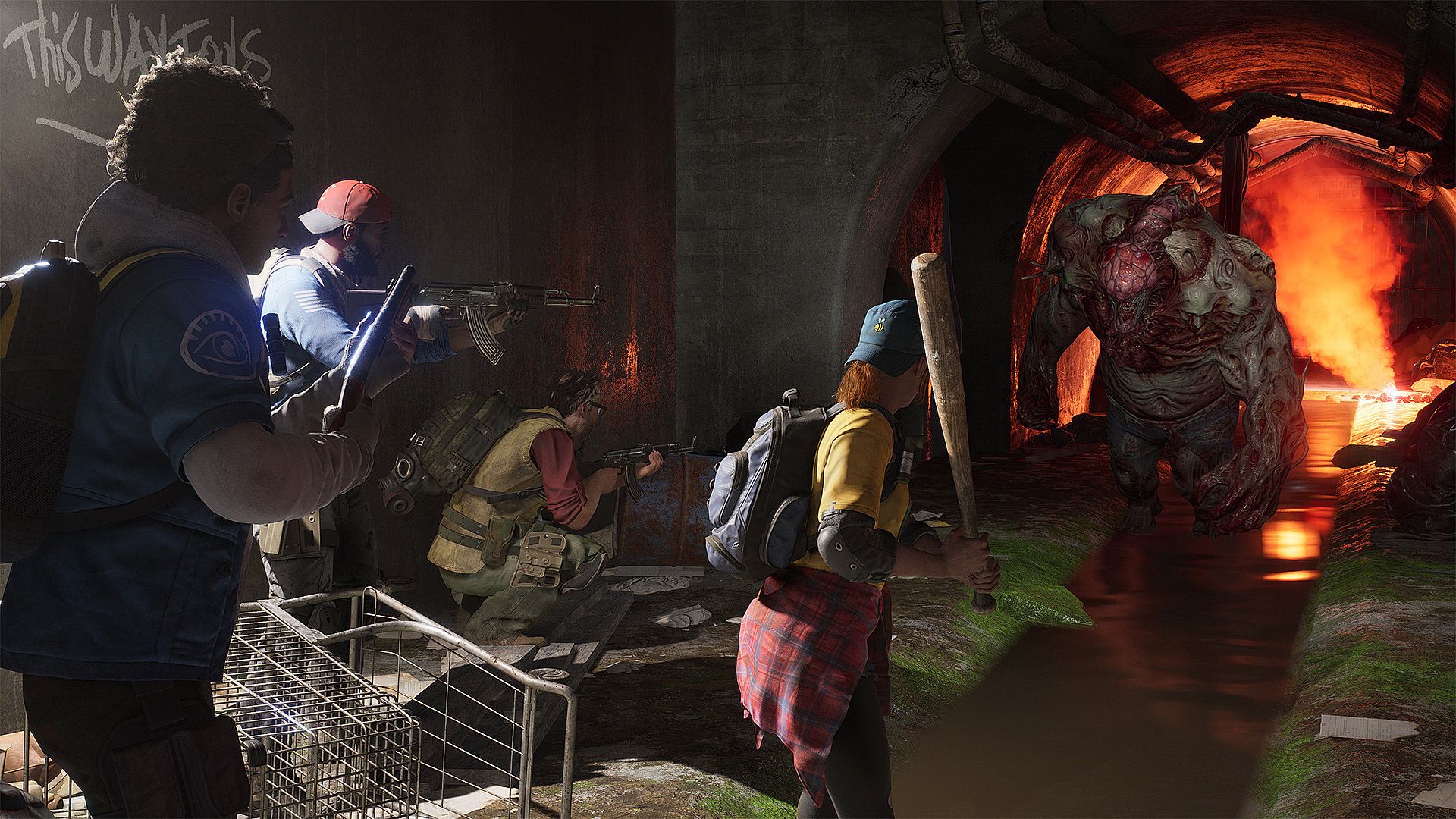
Combat emphasizes positioning and resource management. Cleaners must balance ammo conservation with aggressive pushes, while mutated boss variants introduce larger threats that require focused fire and environmental awareness. The system rewards teamwork through shared objectives like securing supply caches or activating extraction points, where failure by one player can cascade into group wipes.
Game Modes
The primary mode is the cooperative campaign, which unfolds across multiple acts filled with linear missions that escalate in difficulty. Teams complete objectives while fending off standard Ridden, special infected types, and occasional large-scale assaults. Solo play is supported through AI-controlled teammates that follow basic commands, though the experience scales best with human partners.
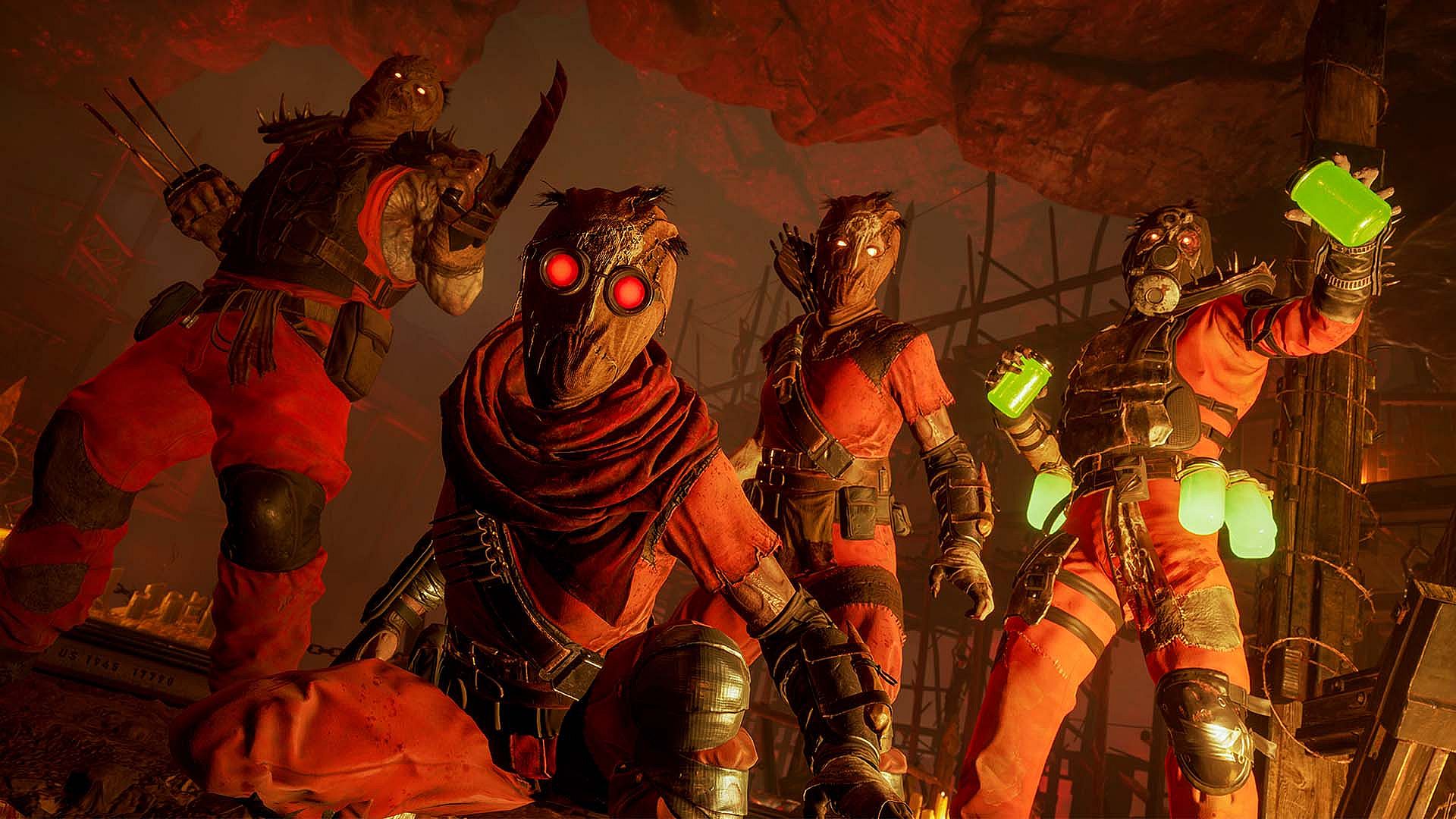
Swarm mode provides the competitive counterpart. One team controls Cleaners tasked with surviving timed rounds, while the opposing team assumes control of Ridden variants equipped with unique abilities and attack patterns. Sides alternate after each round, and the side that lasts longest across multiple rounds claims victory. The mode incorporates the same card system for loadout customization, allowing players to experiment with perks that favor either side of the conflict.
Additional content from later updates expands the campaign with new story acts, underground hive areas that function as optional high-risk side missions, and fresh enemy mutations. These additions integrate directly into the existing progression without altering the fundamental loop of deck building and director-driven encounters.
Progression and Systems
Progression ties into the card system and Cleaner unlocks. Completing missions grants supply points that players spend on new cards or upgrades, gradually expanding deck options across playthroughs. The eight base Cleaners serve as starting points, with later additions introducing characters that bring specialized abilities suited to different playstyles. Weapon variety grows through scavenging and occasional legendary drops, while the director ensures that even familiar maps present new challenges via mutated spawns or altered enemy compositions.
Replay value stems from the combination of deck experimentation and the director's adaptive behavior. Players can test melee-focused builds, sniper loadouts, or support-oriented decks, each interacting differently with the evolving enemy forces. The system avoids static difficulty curves by scaling threats based on observed team performance rather than fixed parameters.
Is It Worth Playing?
Back 4 Blood suits players who enjoy cooperative shooters with strong emphasis on teamwork and procedural variety. The campaign delivers consistent mission structure that rewards communication and loadout planning, while Swarm mode adds a direct competitive outlet for those interested in asymmetric PvP. Recent patches have addressed early balance concerns around certain builds and enemy spawns, resulting in a more stable experience for both new and returning players.
The title performs best in groups of two to four, where the card system and director adjustments shine through repeated sessions. Solo players can still progress but may find AI teammates limit the depth of coordination. Those seeking a Left 4 Dead-style formula with added deck-building layers will find the core loop engaging, particularly once expansions have integrated new acts and enemy types into the rotation. Availability on PC supports straightforward access for those matching the described preferences.