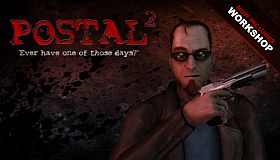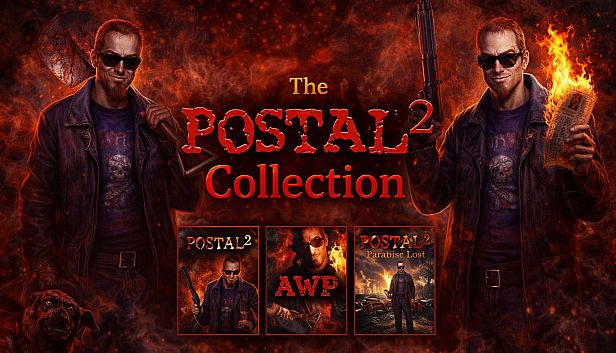









A Coleção POSTAL 2 oferece uma experiência de ação, indie e aventura em PC com foco em gameplay de tiro em primeira pessoa. O jogador assume o papel do Postal Dude na cidade de Paradise, realizando uma série de tarefas diárias em um ambiente aberto onde cada escolha influencia o resultado.
Jogabilidade
O ciclo principal consiste em cumprir tarefas a cada dia dentro do jogo, explorando uma cidade grande e não linear. Os objetivos incluem afazeres comuns, como comprar leite ou resolver questões bancárias, mas a forma de cumpri-los fica inteiramente a cargo do jogador. É possível seguir uma abordagem direta ou optar por confrontos com os moradores, definindo a ordem e o método conforme a preferência.
O sistema valoriza liberdade e consequências. O mundo reage em tempo real às ações do jogador, com NPCs exibindo comportamentos variados conforme o nível de agressividade. É possível progredir sem recorrer à violência, embora eventos ao redor possam exigir respostas. Armas e ferramentas estão espalhadas pelo cenário, permitindo soluções criativas ou engajamento direto. A mesma tarefa pode se desenrolar de formas distintas dependendo do momento e das decisões tomadas.
A exploração é parte essencial da experiência. O mapa único incentiva a circulação entre diferentes locais, a descoberta de interações secundárias e o gerenciamento de recursos como vida e inventário. A progressão dos dias avança a história sem limitar a estrutura aberta, permitindo revisitar áreas ou modificar escolhas em novas partidas.
Modos de Jogo
A campanha principal se desenvolve ao longo de cinco dias, cada um com um novo conjunto de tarefas na cidade aberta. Essa estrutura permite tanto a conclusão linear quanto a exploração livre no ritmo escolhido pelo jogador.
As expansões ampliam a campanha com dias adicionais e novo conteúdo. Apocalypse Weekend inclui os segmentos de sábado e domingo, com mapas expandidos, novas armas e tipos de inimigos alterados. Paradise Lost adiciona camadas narrativas e mecânicas dentro do mesmo universo. Ambas se integram ao ciclo principal, mantendo a abordagem não linear e aumentando a variedade de encontros.
Atualizações introduziram modos dedicados, como Two Weeks in Paradise, que reúne e expande a campanha original com conteúdo extra, e o modo Classic, que modifica o ritmo e os recursos. Elementos de sobrevivência podem ser ativados opcionalmente, exigindo atenção mesmo em abordagens não violentas. Ferramentas de seleção de dia permitem acessar segmentos específicos para sessões direcionadas.
Mundo e Mecânicas
Paradise funciona como um cenário autônomo repleto de elementos interativos. Os moradores pertencem a grupos que reagem de forma dinâmica ao comportamento do jogador, gerando situações emergentes. A presença policial e as reações dos civis adicionam camadas de risco e oportunidade durante as tarefas.
O sistema de interação inclui opções de diálogo, objetos do ambiente e ferramentas improvisadas. O jogo registra o nível de agressividade separadamente dos objetivos, permitindo campanhas sem combate ou com foco nele. A física e os elementos destrutíveis suportam soluções variadas, desde navegação básica até confrontos mais complexos.
O progresso está ligado diretamente ao cumprimento da lista diária, com efeitos que se acumulam entre os dias. O gerenciamento de inventário e saúde é simples, mantendo o foco nas decisões em vez de sistemas complexos de recursos.
Vale a Pena Jogar?
A recepção dos jogadores é bastante positiva, com análises recentes apresentando avaliações predominantemente favoráveis e uma base geral de classificações positivas. O jogo continua recebendo atualizações que adicionam modos, melhorias de compatibilidade e recursos de qualidade de vida anos após o lançamento.
É indicado para quem aprecia ação em primeira pessoa no estilo sandbox, com humor negro e resultados baseados em escolhas. Jogadores que preferem missões estruturadas ou multijogador competitivo podem considerar a experiência limitada, já que os modos online não são mais suportados. A coleção reúne todo o conteúdo da campanha e expansões em um único pacote, atendendo a diferentes estilos de jogo, do pacifista ao mais agressivo.
Disponível para PC, é acessível para quem se interessa por tarefas abertas e um mundo reativo. A experiência incentiva novas partidas com abordagens diferentes para as mesmas tarefas, embora seu tom e conteúdo exijam familiaridade com temas adultos.