



The House Always Wins x The Spotter: Dig or Die bundles two distinct PC experiences that blend simulation and action elements. One title focuses on building and managing a casino operation while the other centers on resource gathering and defense in a post-apocalyptic setting. Together they deliver a mix of business management, survival mechanics, and light cooperative play suited to players who enjoy indie titles across casual and adventure genres.
Gameplay
In The House Always Wins players begin with minimal resources and expand a casino by installing and upgrading slot machines. Daily operations involve keeping the floor active while responding to random disruptions such as vandalism or unexpected invasions. Progression comes from reinvesting earnings into better equipment and layout improvements that increase revenue over time. The cooperative option allows up to four participants to divide tasks like maintenance and customer service in real time.
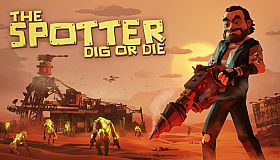
The Spotter: Dig or Die shifts between daytime mining phases and nighttime defense sequences. Players scavenge materials from a wasteland environment to reinforce a ruined gas station base. Tower placement and resource allocation form the core loop as waves of mutant enemies approach after dark. Repairing a receiver serves as the central objective that advances the story toward intercepting a critical transmission.
Game Modes
The casino simulator supports solo sessions where a single player handles all aspects of expansion or co-op sessions limited to four participants who share responsibilities. No additional competitive or versus formats appear in the verified description.
The survival title operates primarily as a single-player campaign structured around the day-night cycle. Mining and construction occur during daylight hours while combat and wave defense take place at night. The main campaign goal remains consistent across sessions without branching side modes or multiplayer variants confirmed at launch.
Core Mechanics and Progression
Both games emphasize incremental growth through repeated cycles. In the casino title this means balancing income generation against event management to avoid financial setbacks. Events introduce variety by forcing quick decisions on repairs or temporary closures that affect long-term stability.
The Spotter title layers mining efficiency with defensive strategy. Players allocate limited daylight time between extracting resources and fortifying positions, then adapt tower setups based on enemy types encountered each night. Receiver repairs provide measurable checkpoints that unlock further story elements and base upgrades.
Is It Worth Playing?
Players interested in management simulations will find the casino builder appealing for its straightforward expansion loop and chaotic interruptions that keep sessions dynamic. Those who prefer survival and tower defense hybrids may enjoy the clear separation of gathering and combat phases in the second title. The bundle suits anyone seeking two short-to-medium length indie experiences on PC that combine simulation depth with light action without requiring prior knowledge of either series.
Both titles launched in 2026 and remain available as a combined package with no reported major content updates or seasonal additions confirmed since release. Reception centers on the novelty of the event systems in one game and the mining-defense rhythm in the other, making the bundle a reasonable choice for fans of casual simulation and adventure genres who value cooperative options or solo progression at their own pace.