

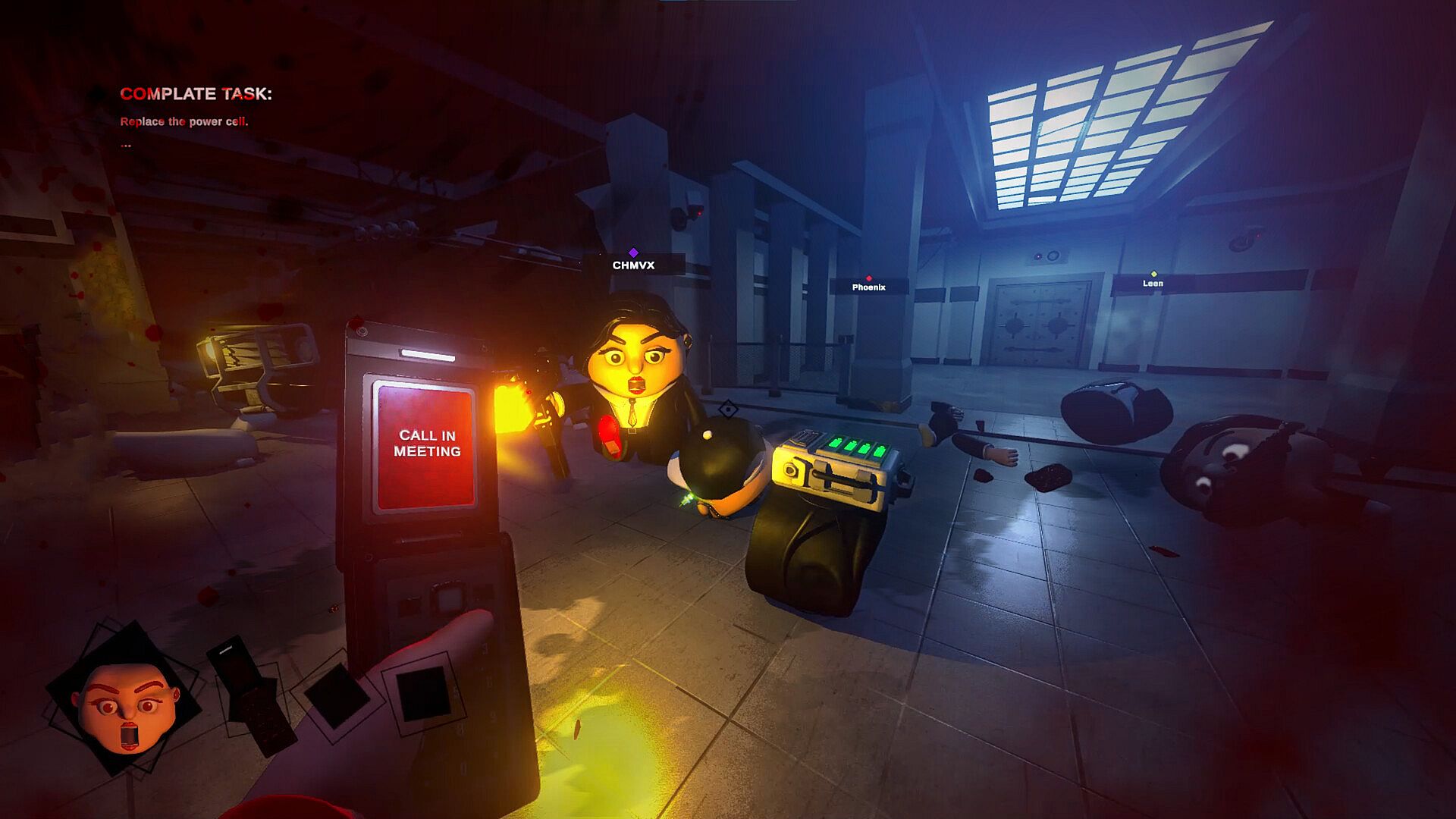
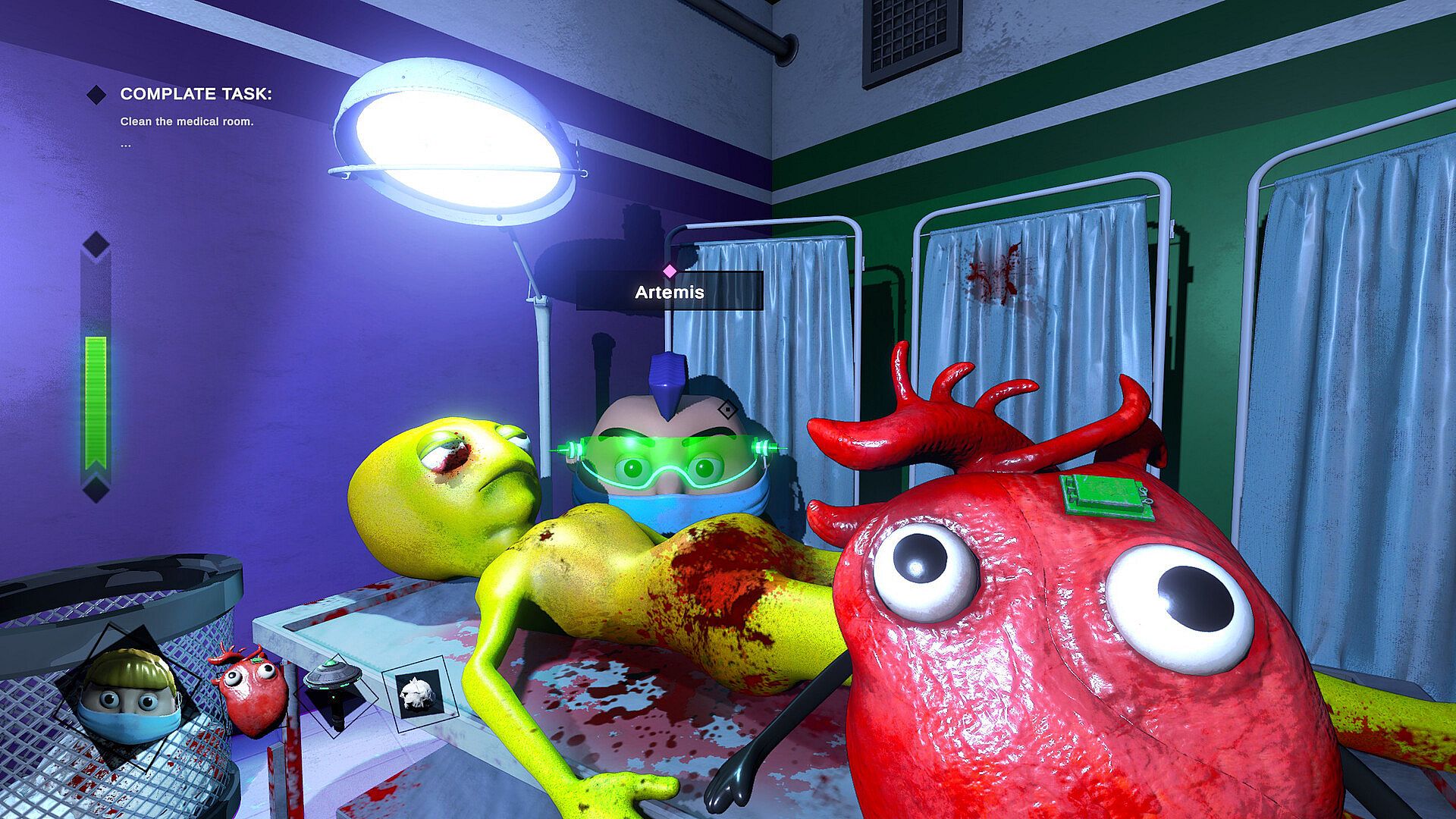
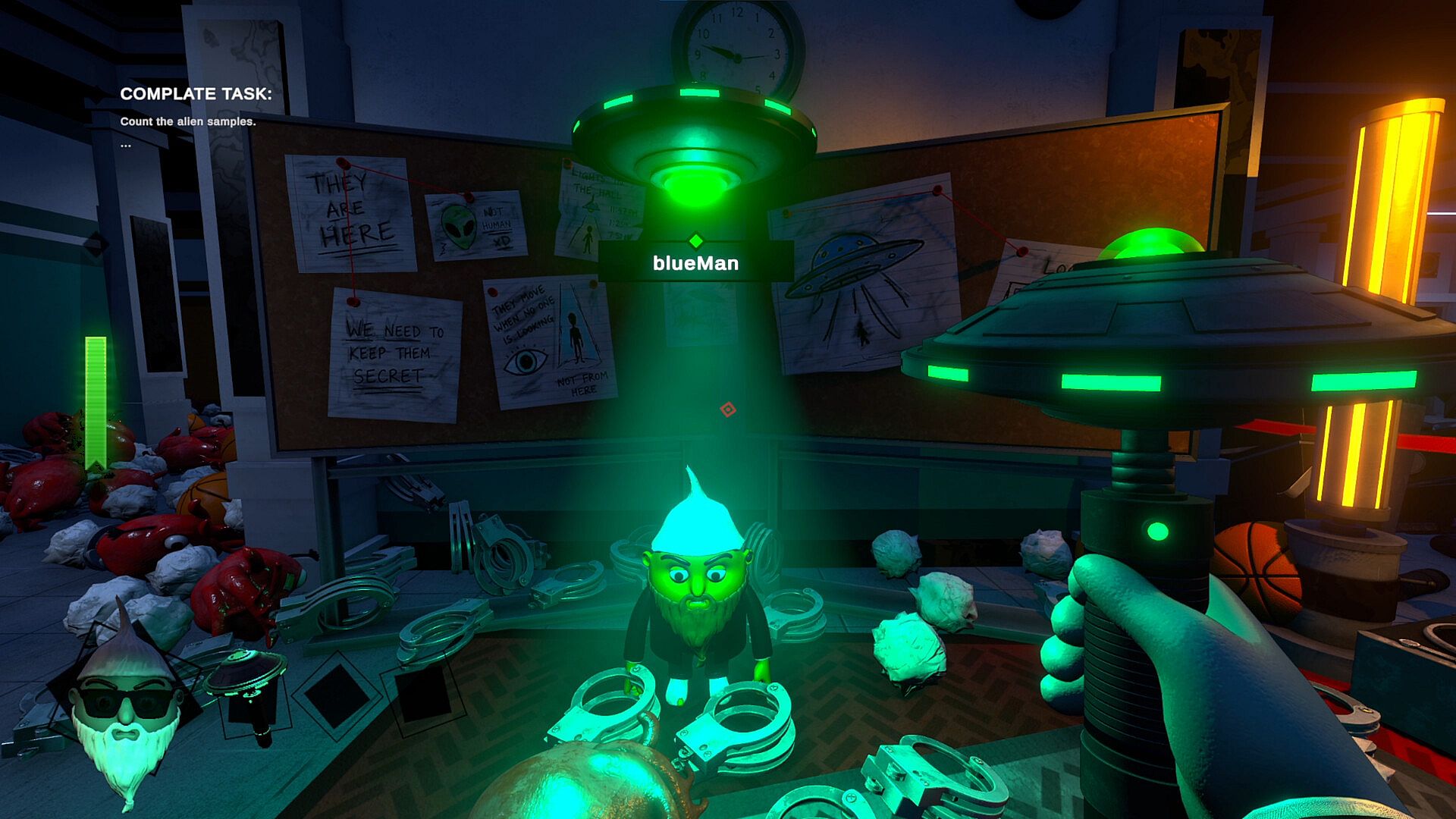

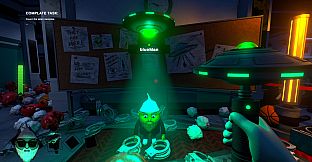
Who's the Cheater? is a casual multiplayer game for PC that blends social deduction with asymmetric abilities in a setting called Base 52. Up to eight players join sessions where most take on the role of Base 52 Agents tasked with completing objectives while one or more players receive the Cheater assignment. The experience centers on identifying the hidden threat through observation, discussion, and elimination votes before the cheater disrupts the group.
Gameplay
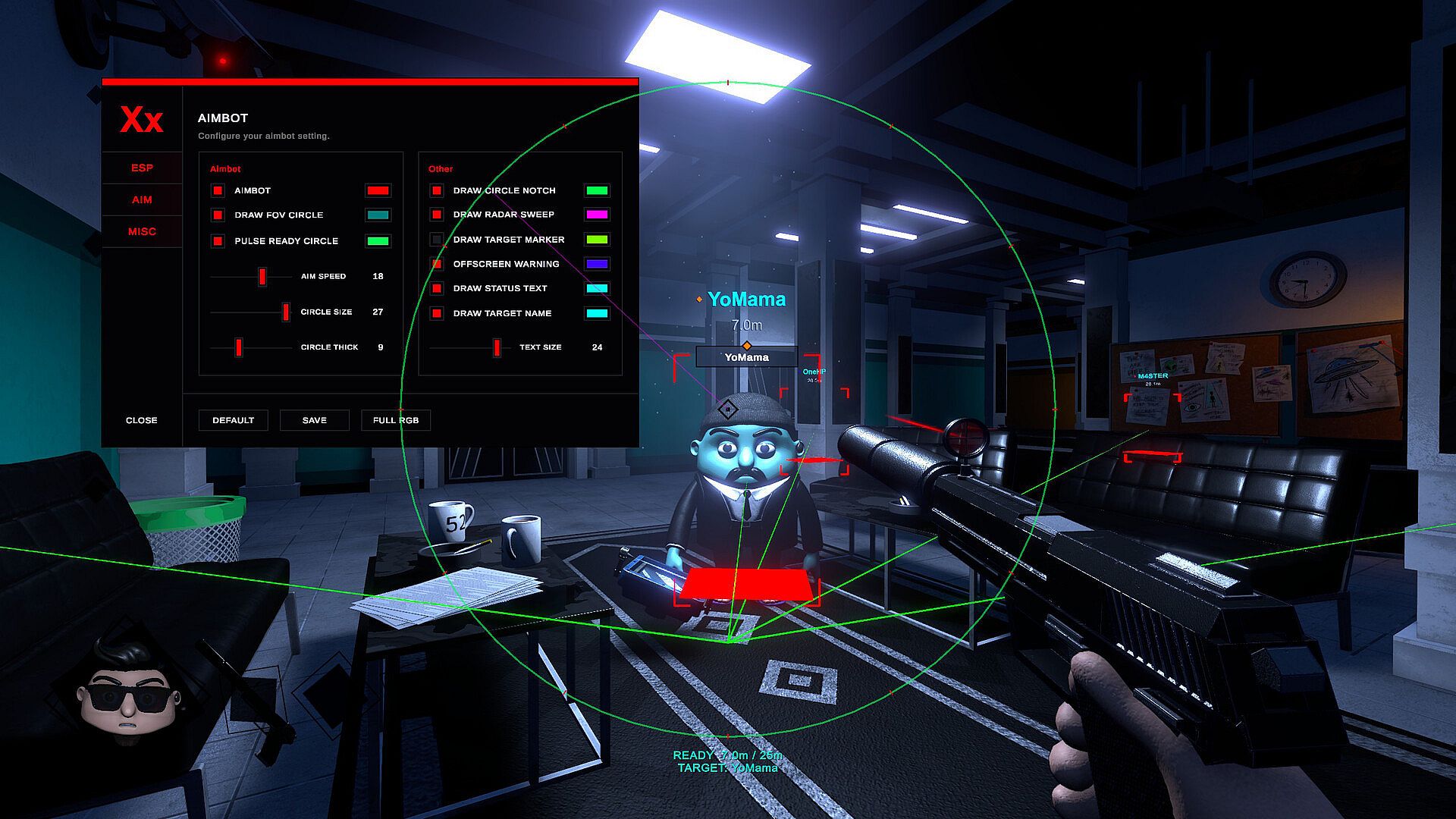
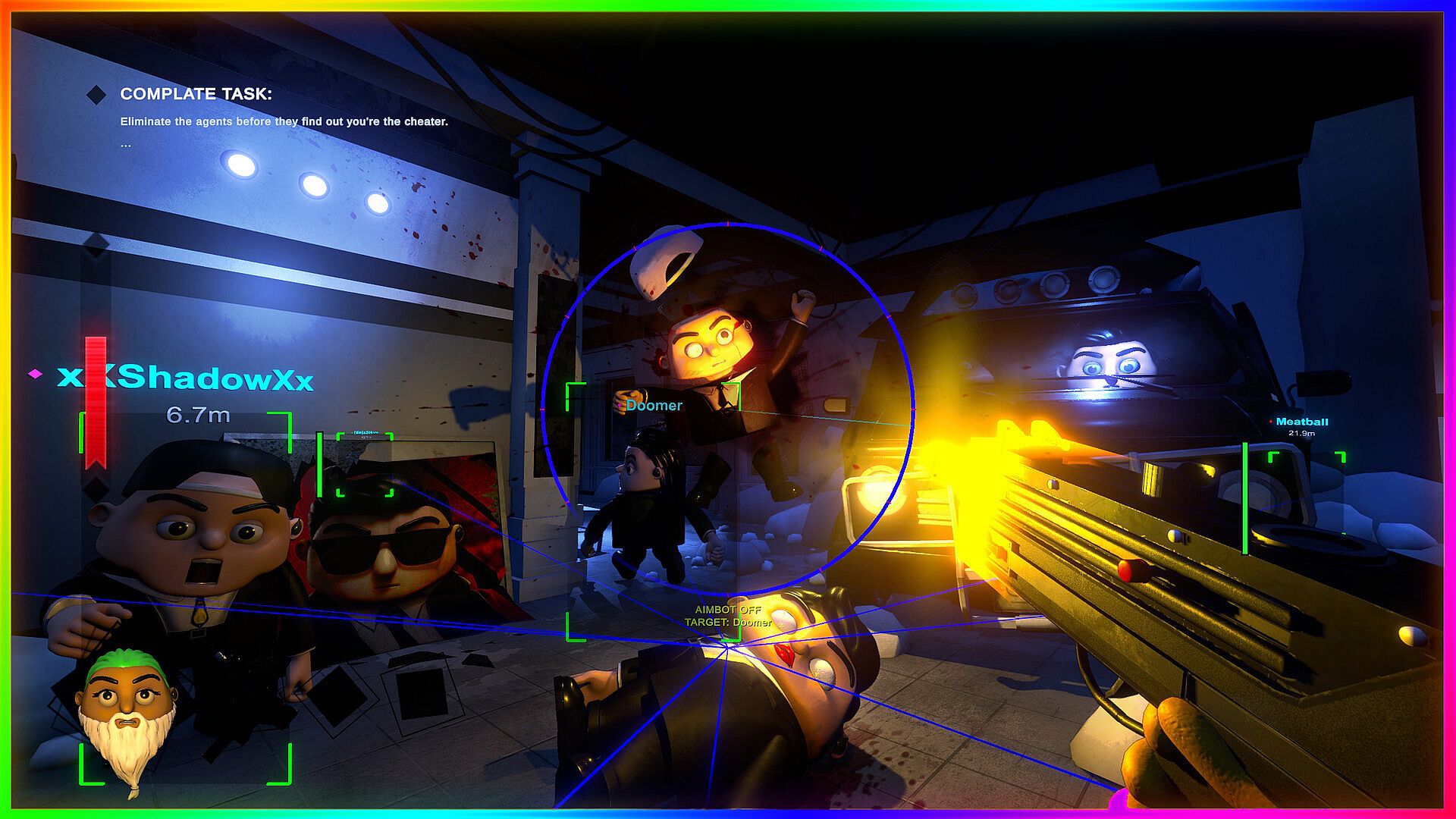
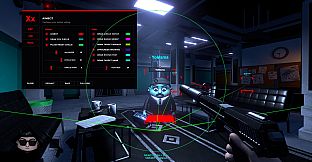
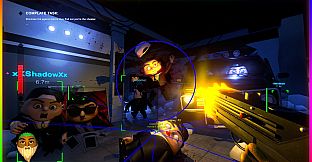
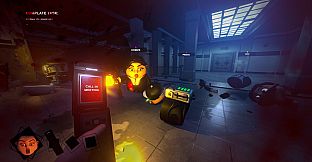
Players work together to finish up to twenty tasks scattered across the environment. Proximity voice chat allows nearby teammates to coordinate in real time, while text chat supports longer-range communication. The cheater role grants access to a customizable menu of abilities including aimbot, ESP, speed boosts, and teleportation. These tools enable the cheater to eliminate agents strategically without immediate detection. Agents must stay alert for unusual movement patterns or sudden disappearances that signal cheating activity.
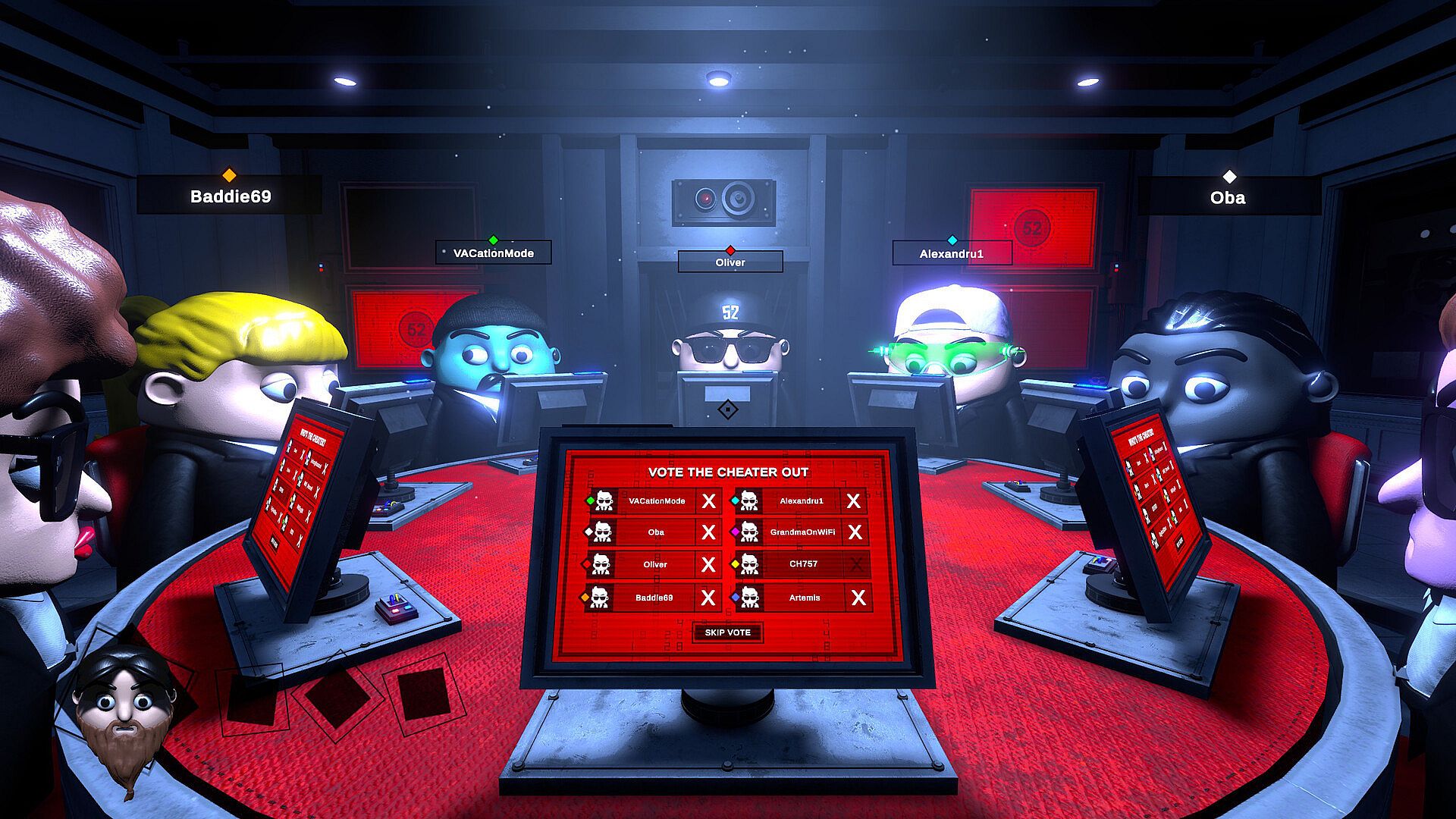
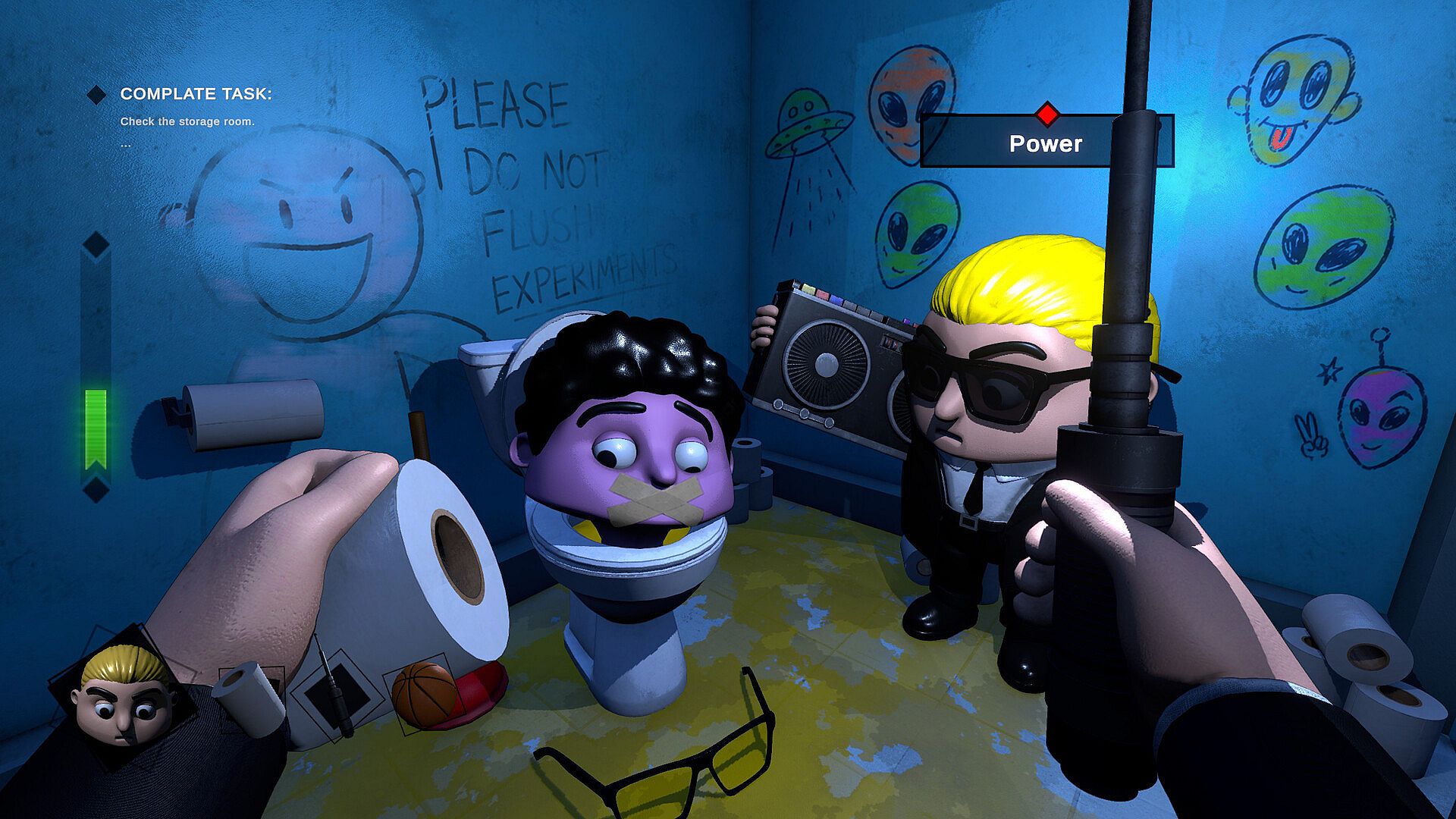
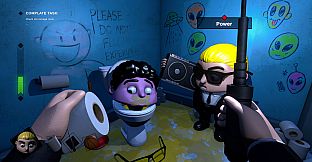
Breakable environments add layers of interaction, letting players alter the map to create new sightlines or block paths. Reviving fallen teammates requires picking up their head before it despawns, turning recovery into a high-stakes decision. Customizable characters and a selection of chaotic items further heighten tension by introducing distractions, false leads, and moments of drama during rounds. Voting sessions often lead to heated arguments as groups debate evidence and decide who to remove from the match.
Game Modes
The core experience revolves around role-based rounds where participants are assigned Cheater, Base 52 Agent, Decoy, or Promoted Agent at the start. Public server lists let anyone join ongoing matches, while private invite-only lobbies support organized groups of friends. Role assignment can shift between rounds, giving players opportunities to experience both sides of the conflict without committing to a single playstyle for an entire session.
Matches emphasize quick task completion alongside constant vigilance. Cheaters aim to thin the agent ranks through precise eliminations, while agents focus on progress and collective suspicion management. The structure supports repeated short sessions or longer coordinated efforts depending on lobby settings.
Key Mechanics and Roles
Each role carries distinct responsibilities that shape decision-making. Base 52 Agents prioritize task completion and group survival. The Cheater must balance aggressive use of abilities with concealment to avoid early exposure. Decoys and Promoted Agents introduce additional variables that can mislead or support either side during investigations. Strategic elimination timing matters more than raw aggression, as reckless plays often lead to swift votes and removal.
Items scattered throughout the map generate suspicion and emotional reactions among players, encouraging creative use beyond simple utility. The voting system serves as the primary resolution tool, where accumulated evidence from voice discussions and observed behavior determines outcomes. Successful cheaters maintain composure and select targets carefully, while agents learn to cross-reference alibis and movement data.
Is It Worth Playing?
Who's the Cheater? targets players who enjoy social deduction titles with a twist of power imbalance. The combination of task-based objectives, proximity chat, and cheat-enabled asymmetry creates repeatable sessions that reward careful observation and quick thinking. Public and private lobby options accommodate both random matchmaking and friend groups. With a planned release in December 2026 and no user reviews available yet, the game remains an upcoming title best suited for those drawn to chaotic multiplayer interactions and role experimentation. Early interest appears centered on its unique take on hidden-role mechanics rather than polished production values alone.