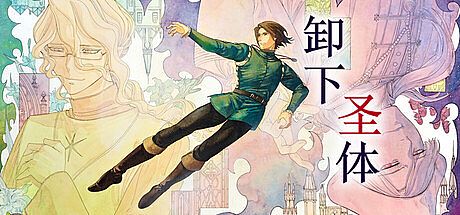


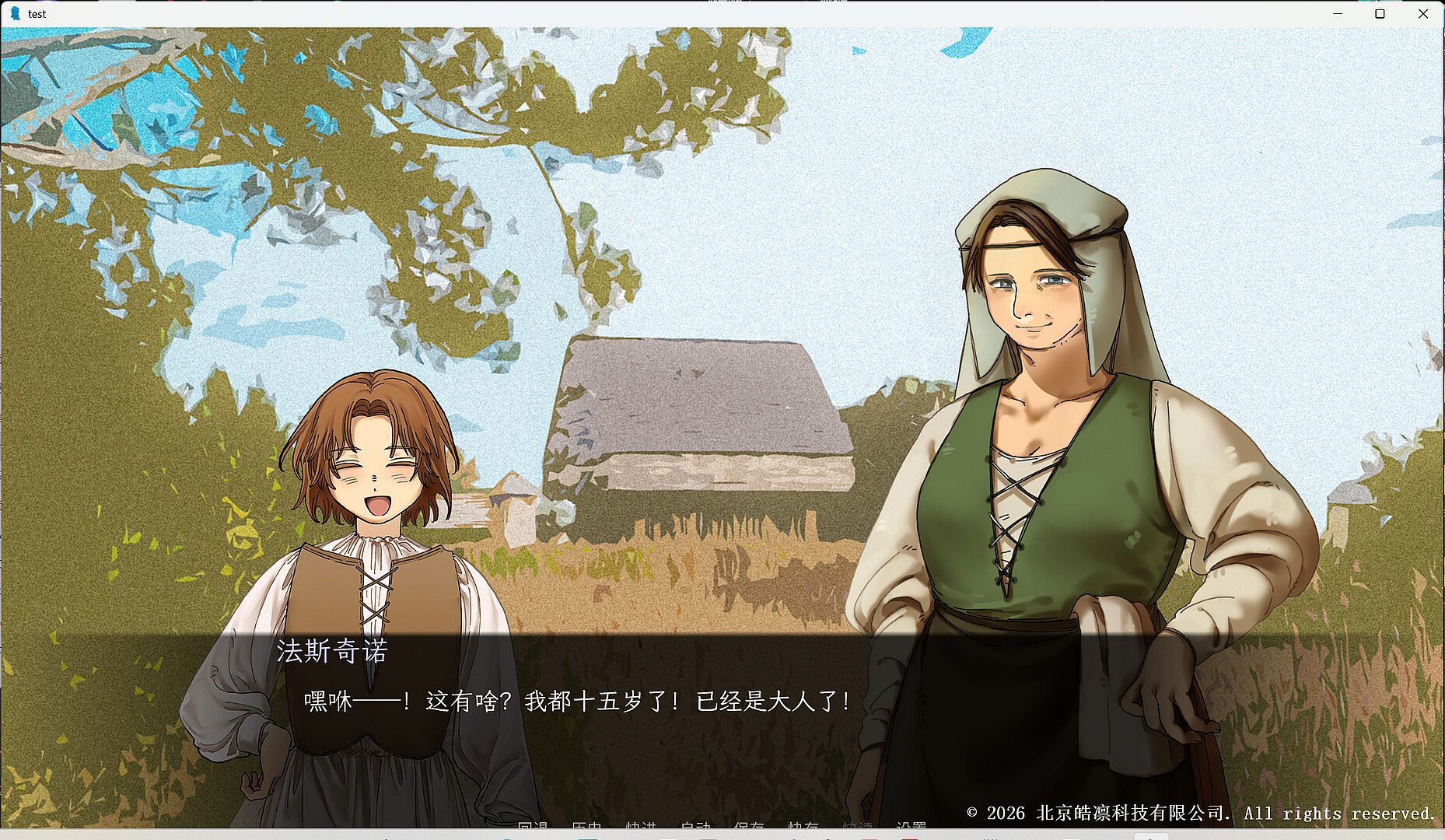
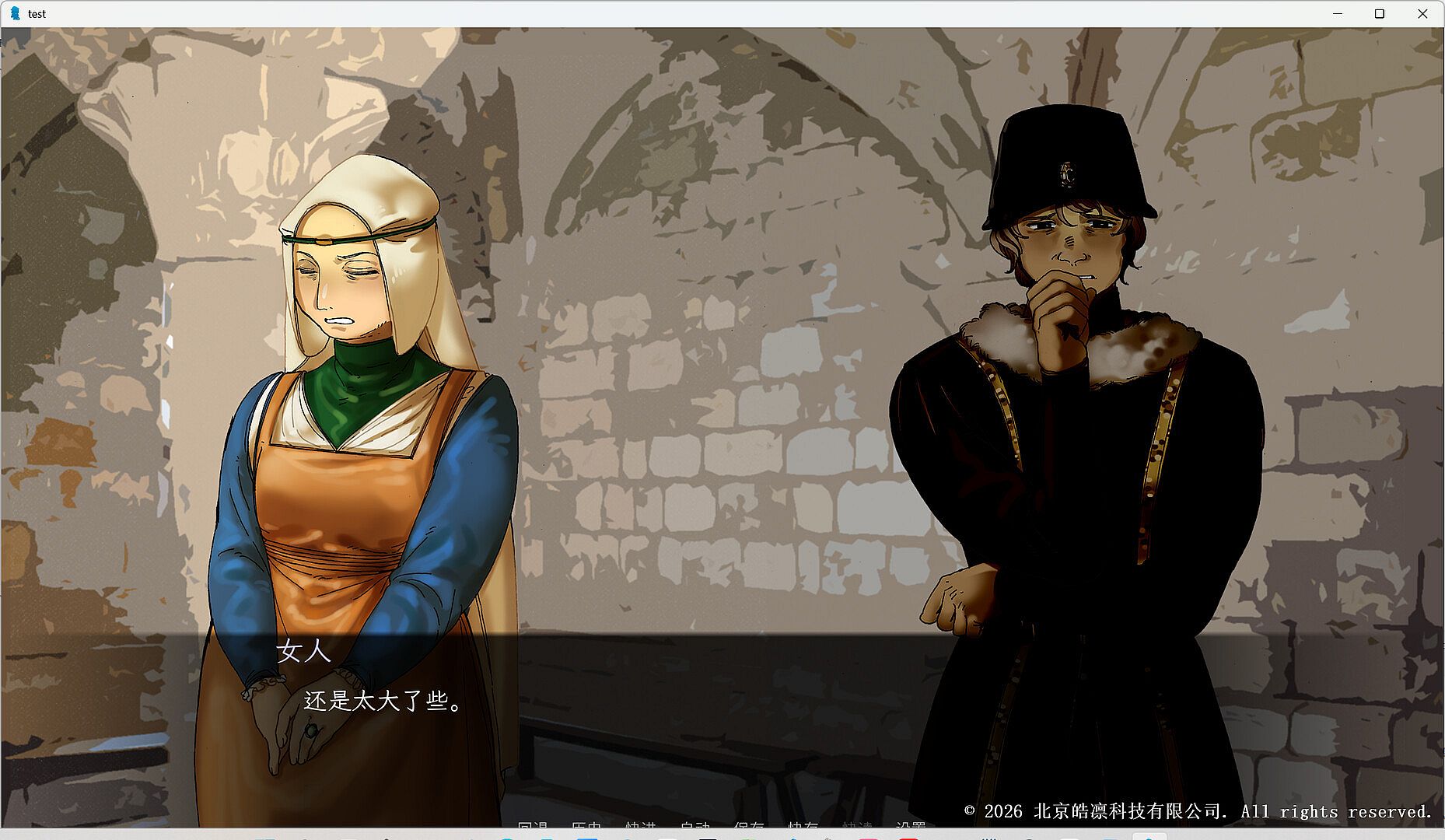
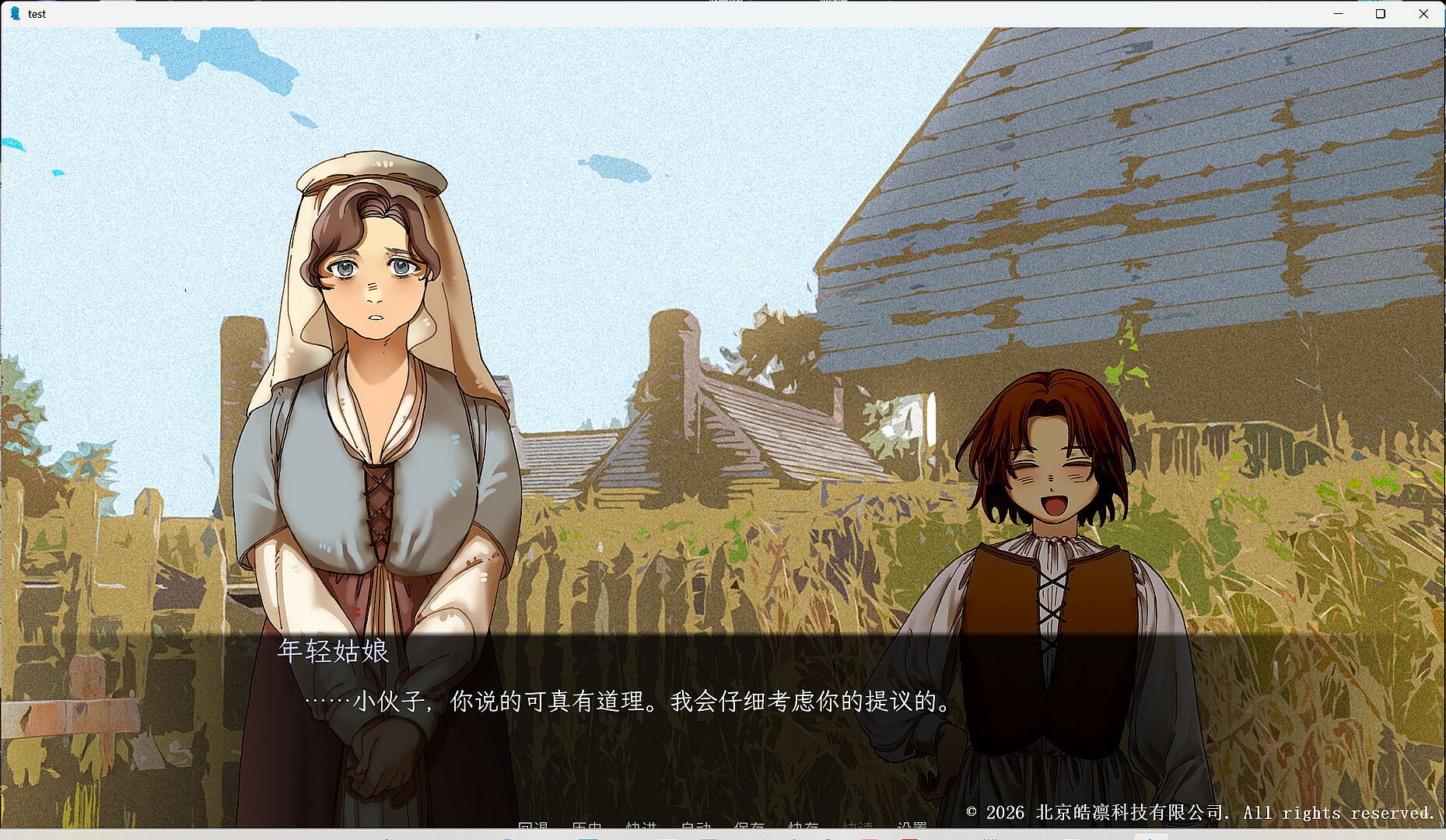
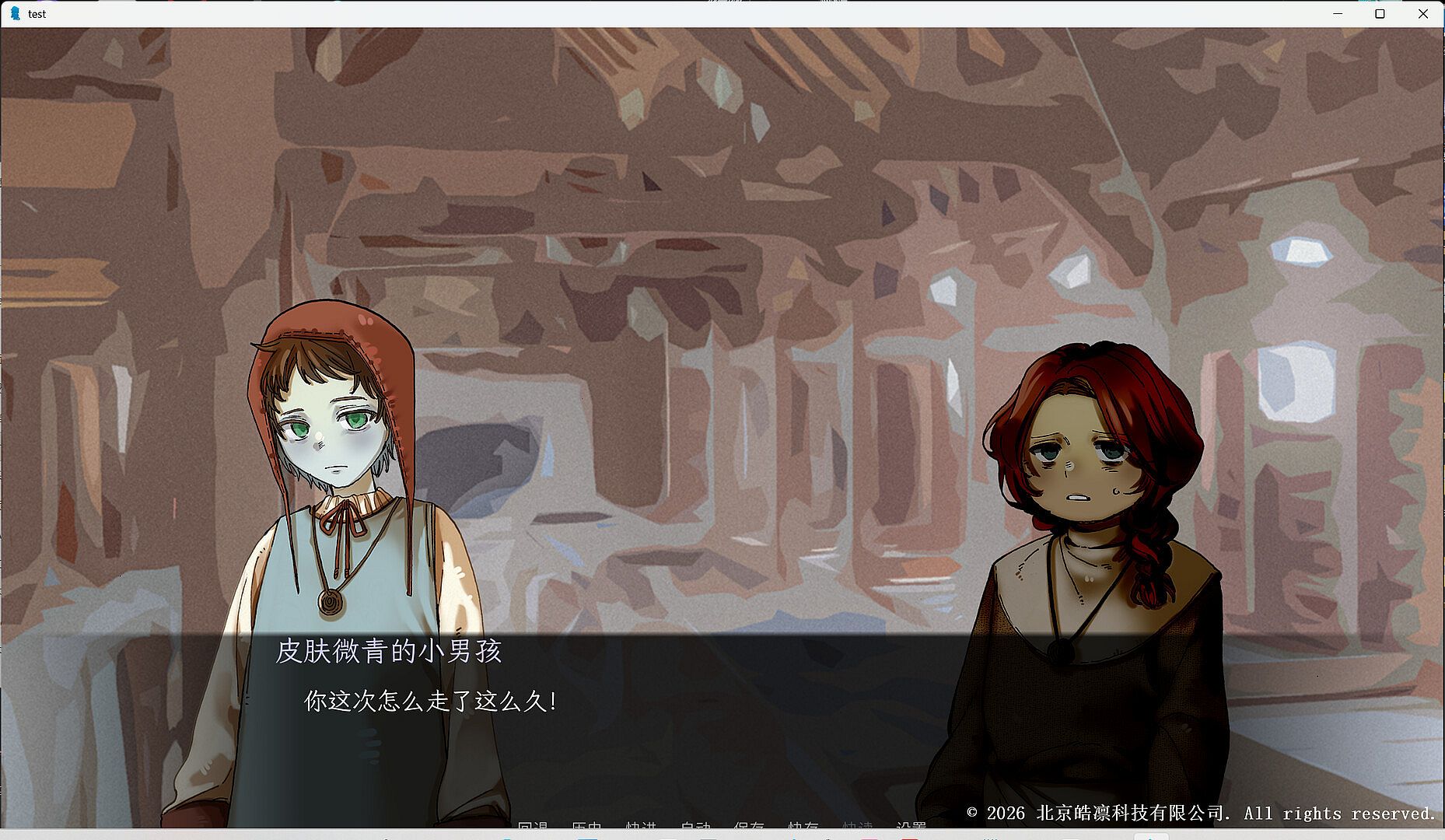
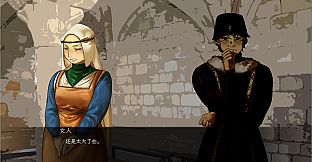
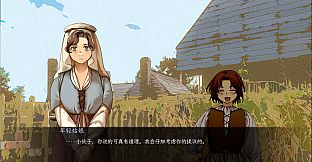
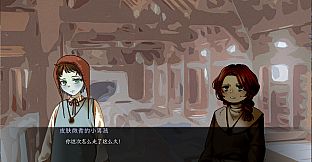
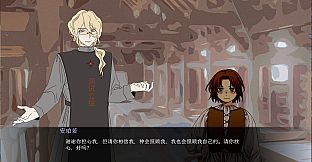
The Deposition is an indie RPG presented as a story-driven visual novel set on PC. Players follow the journey of Fascino, a young man from humble origins, through a fictional world drawing from the European Renaissance with subtle fantasy touches. The narrative centers on faith, power, law, and personal relationships as Fascino travels toward the Holy City of the Rodelesius Church of Holy Reason, where Ratio serves as the sole deity.
Gameplay
Core gameplay revolves around reading extensive narrative passages, engaging in character interactions, and making decisions at pivotal story moments. Players guide Fascino through encounters with clergy, nobles, arbiters, criminals, and everyday citizens, shaping how he interprets events involving faith and human nature. Choices allow responses such as belief, doubt, resistance, or compromise, directly influencing his worldview and connections with others. The experience emphasizes thoughtful engagement with moral gray areas rather than seeking universally correct answers.
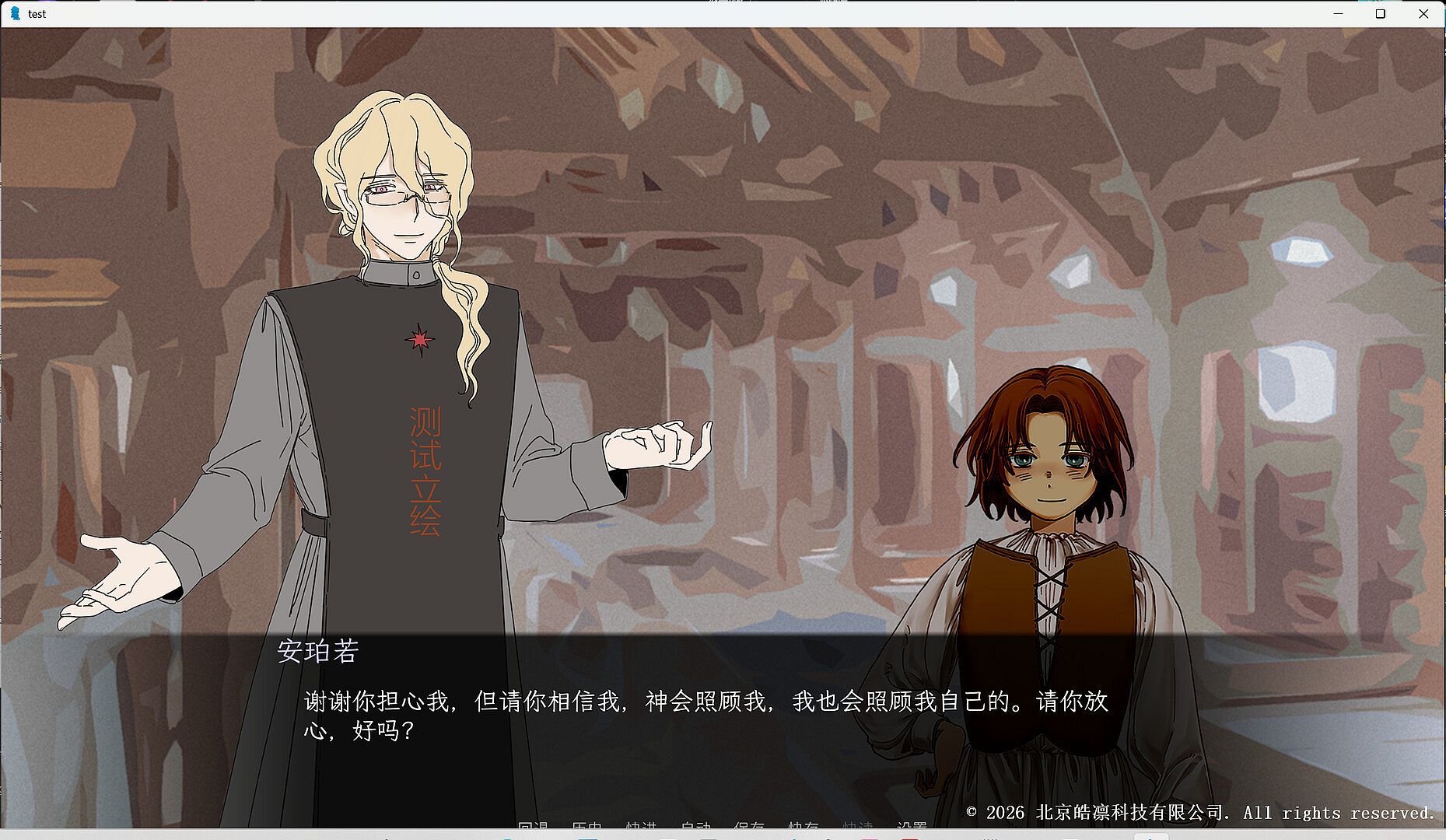
Key mechanics include managing evolving emotional bonds, particularly the long-spanning relationship with Ambrose, a compassionate priest whose kindness borders on obsession. This bond develops across years, separations, and significant events, incorporating elements of rescue, dependence, companionship, closeness, conflict, and mutual irreplaceability. Magic exists in limited forms, involving herbs, rituals, or powerful wishes that carry personal costs, adding layers to how Fascino navigates forces beyond ordinary control. The system requirements support a straightforward PC experience focused on text and decision branches.
Game Modes
The game operates entirely in single-player mode as a narrative-focused experience without multiplayer components. Progression follows a linear story structure punctuated by choice points that create branching paths. These decisions lead to more than a dozen distinct endings, each reflecting different life trajectories and relationship outcomes for Fascino. No separate competitive or cooperative modes exist; the emphasis remains on solitary exploration of the story's themes through repeated playthroughs to uncover varied conclusions.
Story and Setting
The world builds around nations united under the Rodelesius Church, where sacred laws, secular authority, and religious power maintain order amid ongoing wars, disasters, and conflicts. Fascino begins in a remote provincial town and advances toward the Holy City, encountering grand cathedrals, slums, noble estates, monasteries, and the Holy Tribunal of Ratio. Lavish ceremonies contrast with brutal trials, highlighting how individuals balance mercy, salvation, and reason against fear and self-interest. Characters display complex motivations, with the devout capable of cruelty and the seemingly cold-hearted offering aid, avoiding simplistic divisions of good and evil.
Magic integrates sparingly but impactfully, following rules where every alteration exacts a price in objects, memories, bodies, or life paths. Fascino, lacking direct command over these forces, must respond to their ripple effects on ordinary lives. The setting draws architectural, social, and atmospheric details from the Renaissance era while incorporating light fantasy to explore broader questions of history, personal agency, and the cost of wishes.
Characters and Relationships
A large cast populates the narrative, each with distinct beliefs, experiences, and interests that intersect with Fascino's path. Ambrose stands as a central figure whose bond with Fascino evolves from initial rescue and dependence into deeper companionship marked by quarrels and growing understanding. Other figures range from high-ranking clergy and nobles to ordinary citizens, all contributing to explorations of class, law, and faith. Relationships form major narrative threads, with player choices determining their depth and direction across the long-form story.
Is It Worth Playing?
The Deposition targets players who enjoy extended narrative experiences centered on moral ambiguity, character development, and historical-inspired drama. Its single-player structure with multiple endings supports replayability for those interested in testing different approaches to faith, relationships, and personal identity. The game remains unreleased with a planned launch in Q4 2027, so current player reception data is unavailable. It suits audiences drawn to visual novels that prioritize thoughtful choices over action or combat, particularly those comfortable with mature themes including violence and psychological elements presented within the story context. Availability will be limited to PC upon release, with features such as Steam Achievements and cloud support confirmed in advance.