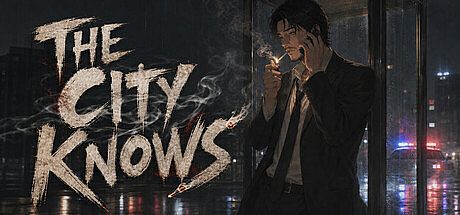


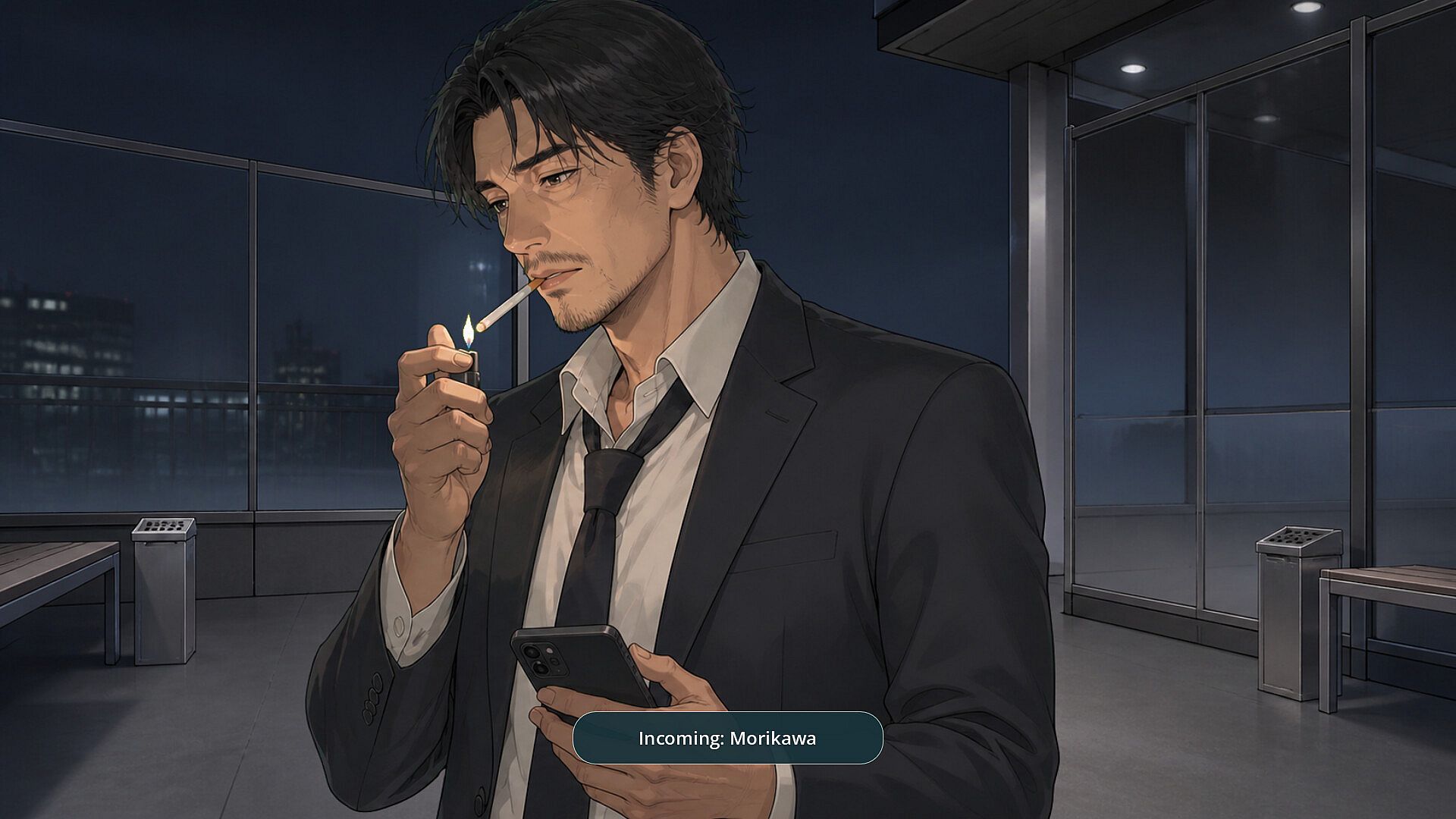

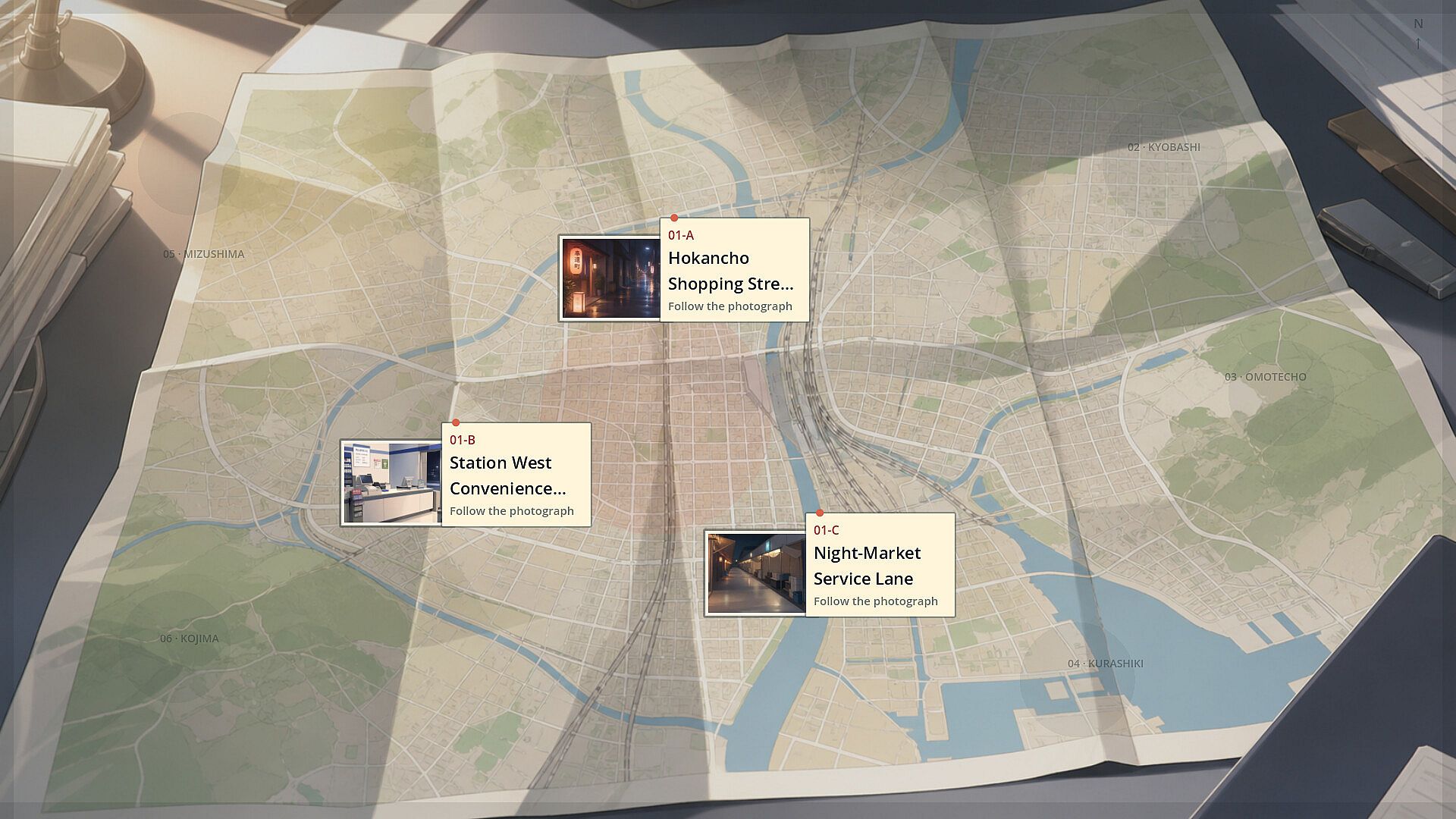




The City Knows is an indie detective game for PC that places players in the shoes of Shingo Takase, a 43-year-old assistant inspector with the Okayama Prefectural Police. In this setting, ordinary residents possess sharp observational skills that often surpass those of official investigators. A convenience store clerk might piece together a crime from a shopping basket, while a fishmonger assesses alibis through melted ice or a ferry captain spots impossible routes on a timetable. The game emphasizes careful evidence collection from everyday sources rather than dramatic confrontations.
Gameplay
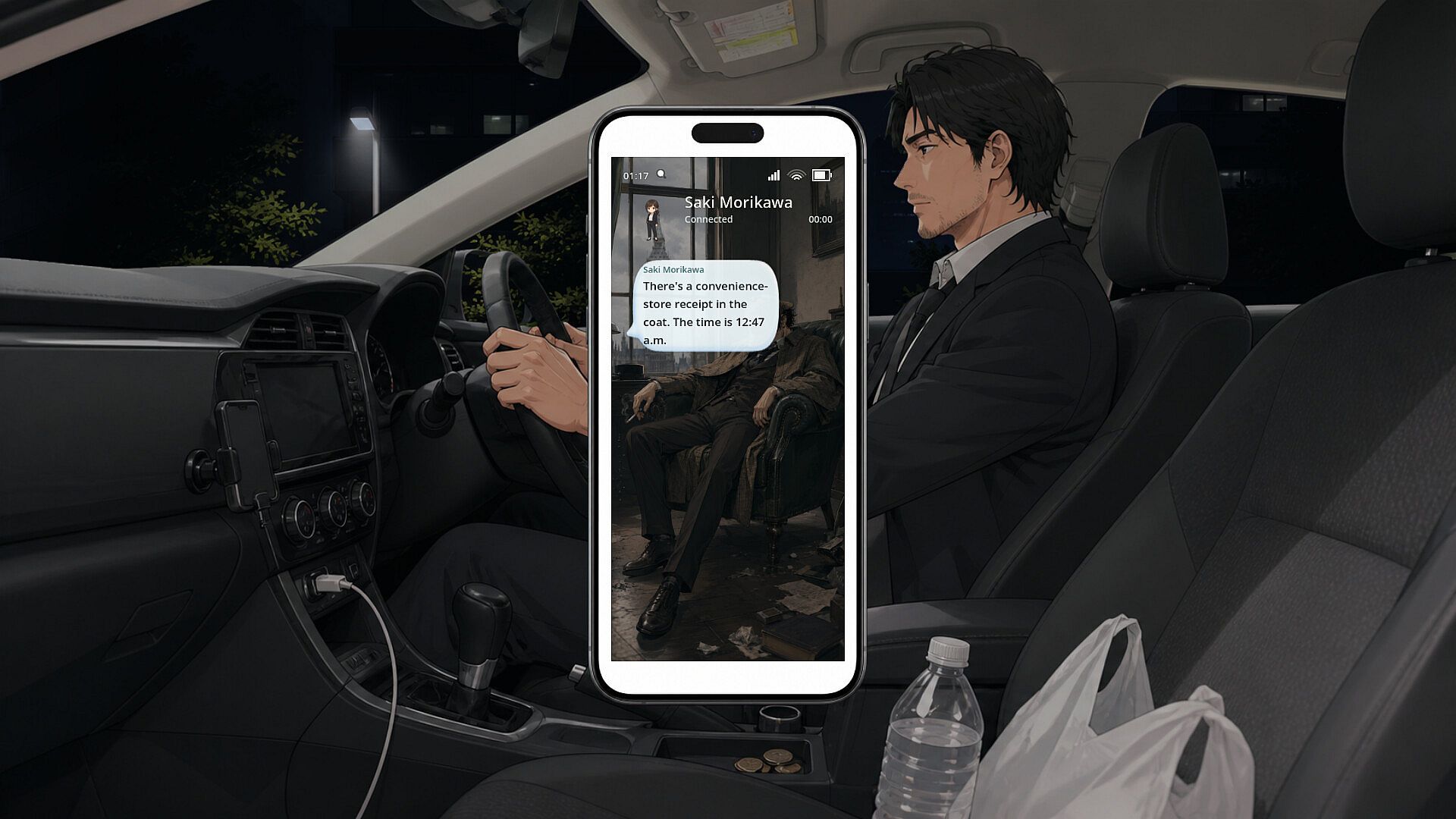
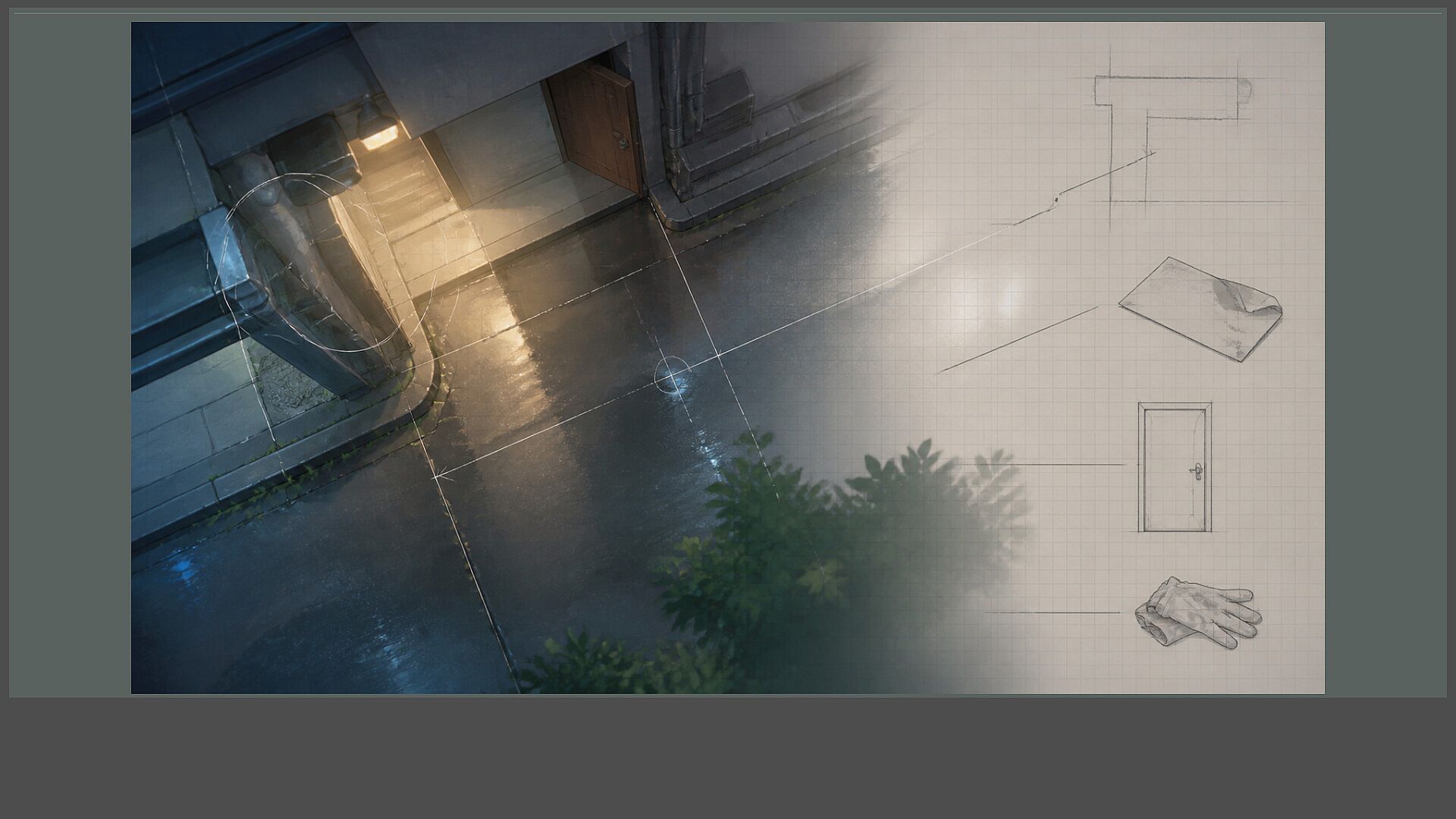
Players examine receipts, surveillance footage, route maps, access logs, phone records, witness statements, and subtle traces left in daily routines. The process requires cross-referencing details provided by local figures such as couriers, festival volunteers, street cleaners, ferry crews, commuters, and residents. Each person offers a distinct perspective on the city that police procedures alone cannot capture. Timelines must be rebuilt from these fragments, contradictions identified, and plausible stories separated from what the evidence actually supports. The investigation continues beyond identifying a suspect, focusing on building a case that holds up against the collective knowledge already circulating among the population.
Game Modes
The experience centers on a single-player investigation structured around gathering and analyzing evidence across multiple cases. Players move through scenes by inspecting physical and digital items, then consult with various locals to fill gaps in the record. Progress depends on assembling consistent timelines and resolving inconsistencies rather than on combat or resource management. The structure encourages repeated review of collected materials as new information emerges from different sources.
Setting and Narrative Approach
Okayama serves as more than a backdrop. Its daily rhythms, from ferry schedules to festival preparations, supply the clues that drive each case forward. The narrative highlights how residents observe the same events through different lenses, creating layers of information that the player must sort. Shingo Takase operates as an outsider to this network of informal detectives, relying on methodical collection rather than intuition alone. The story unfolds through the accumulation of small, verifiable details instead of large revelations.
Is It Worth Playing?
This title suits players who enjoy methodical deduction and piecing together evidence from mundane sources. The core loop of inspecting items and consulting locals creates a steady pace focused on logic and attention to detail. Those interested in stories where ordinary people hold key insights will find the premise distinctive. The game remains in active development as an independent project, with its full scope centered on the investigative process described in its concept. Players seeking fast-paced action or multiplayer elements should look elsewhere, while fans of careful reconstruction and contradiction spotting may appreciate the deliberate approach.