




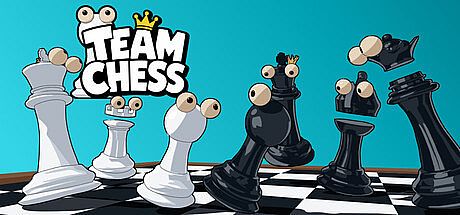


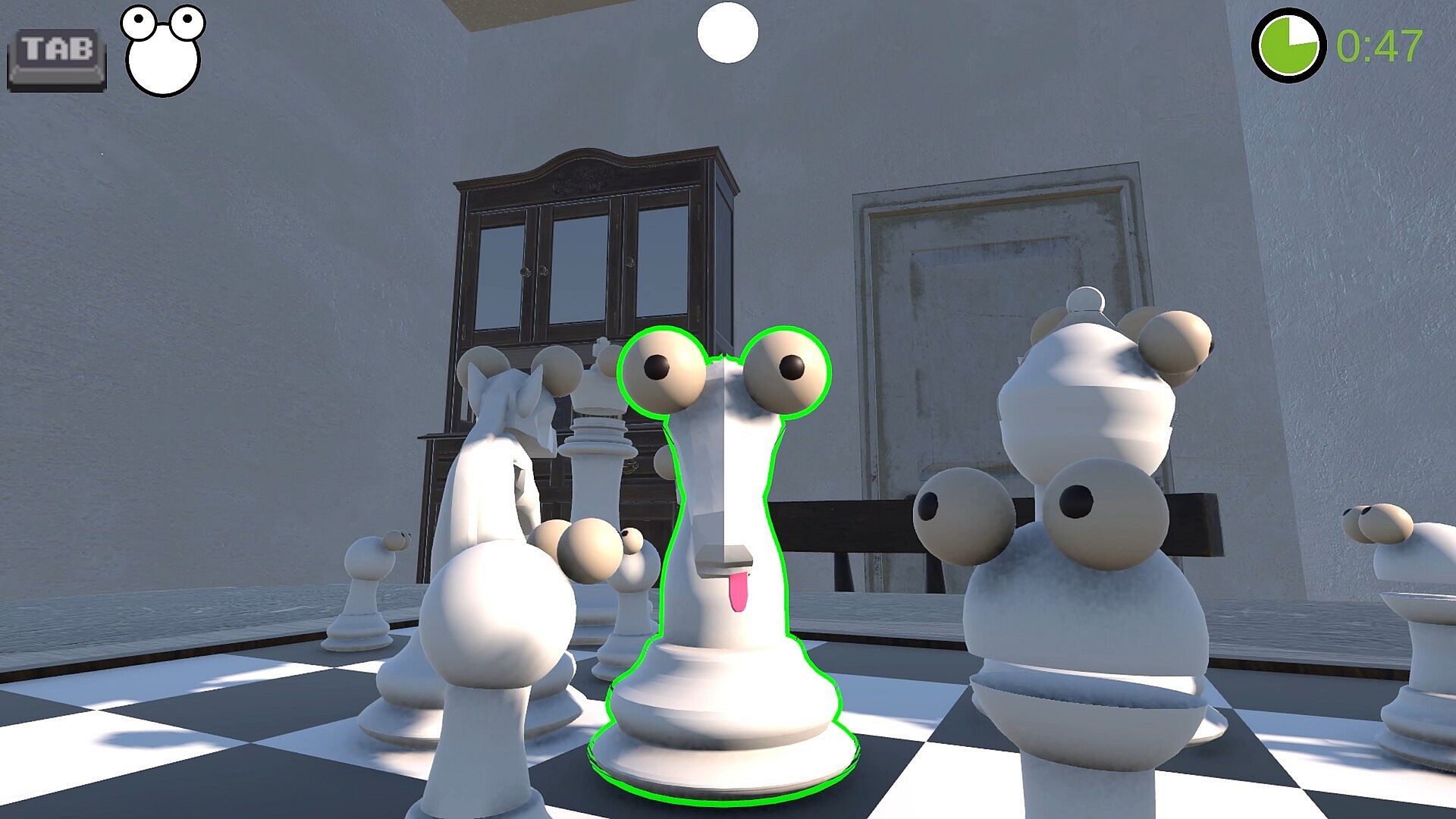
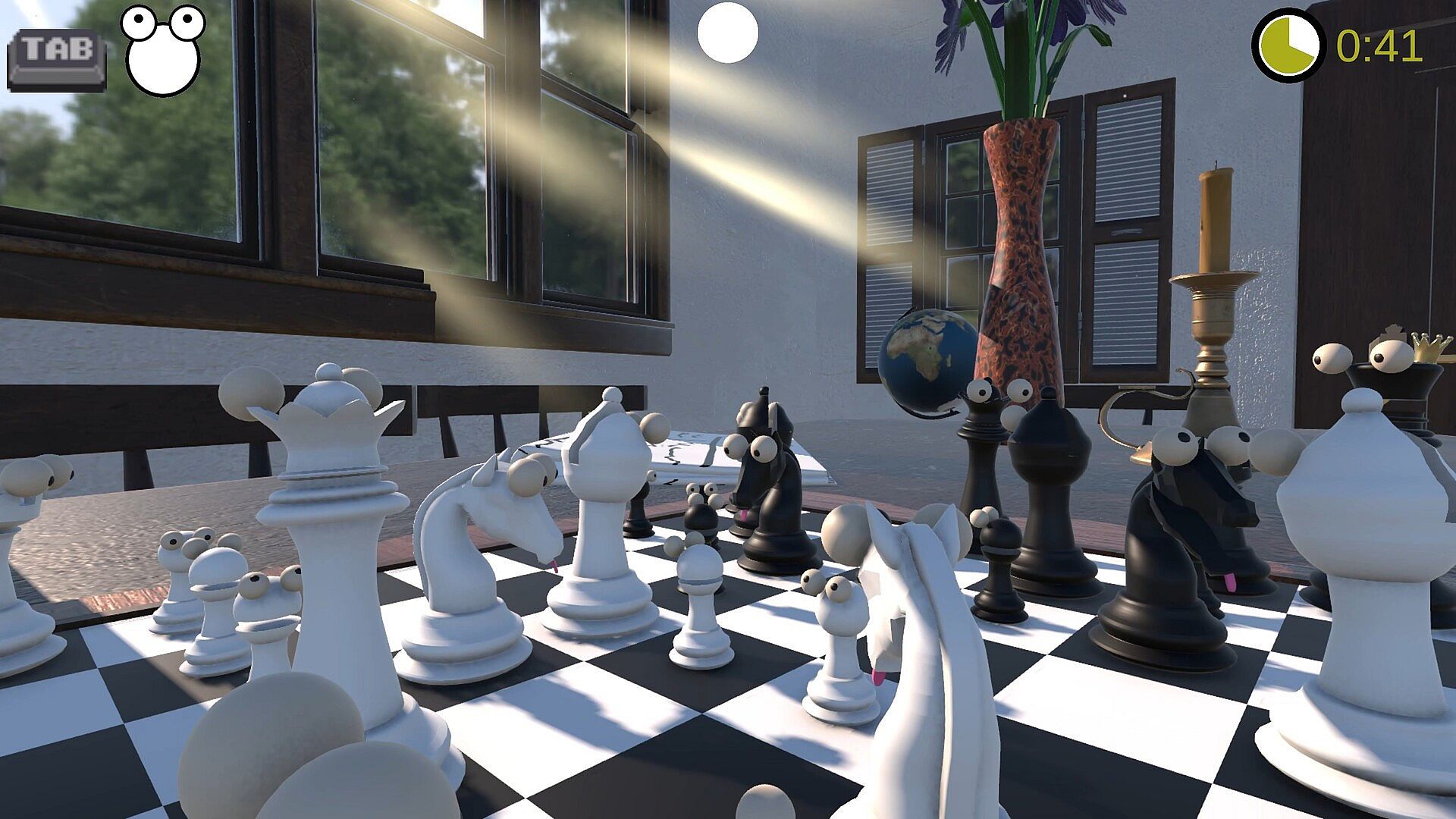
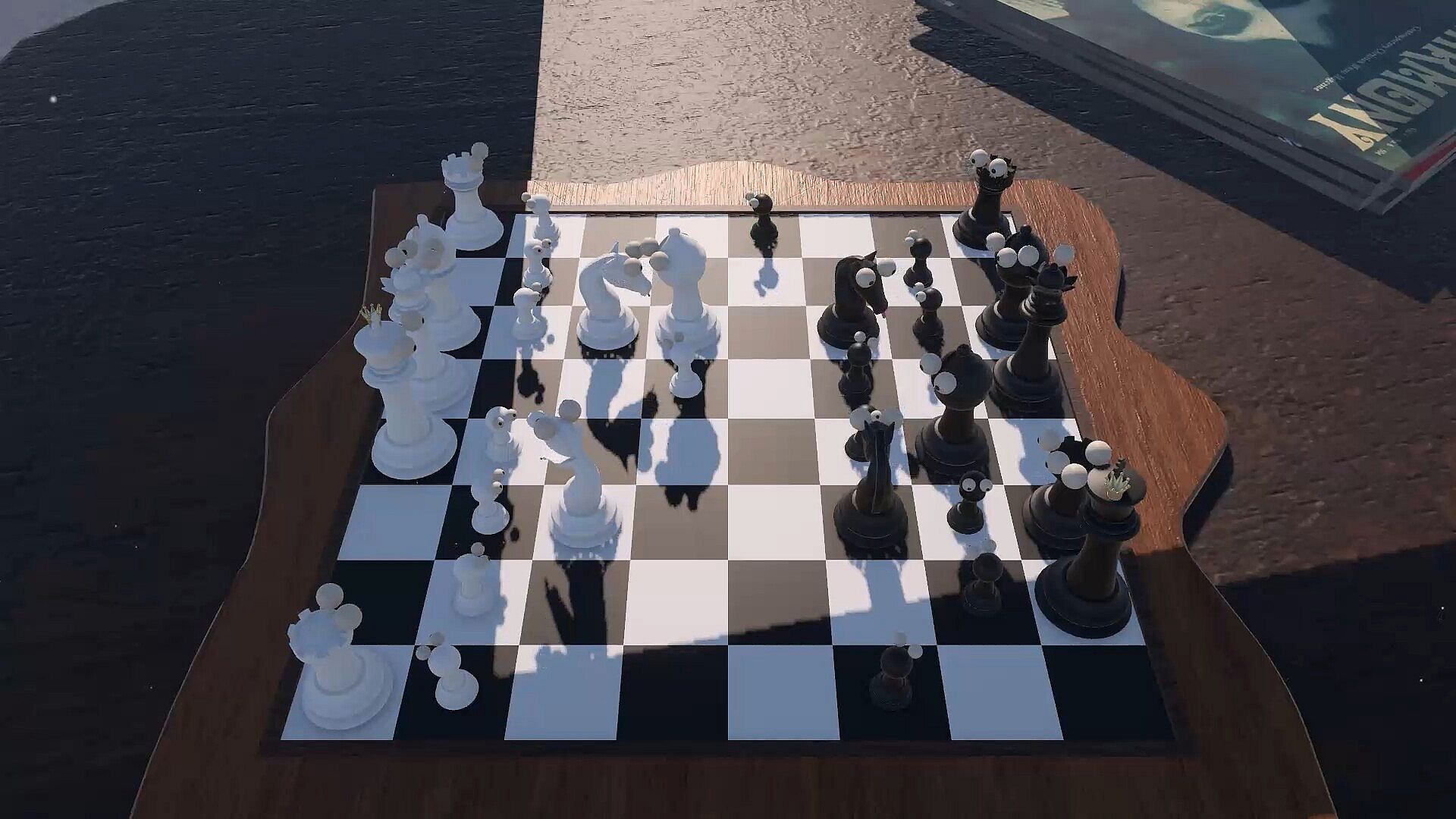
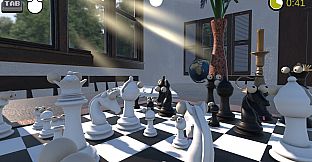
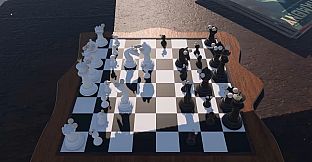
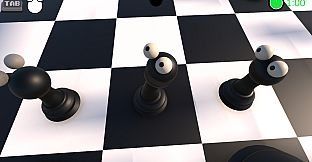
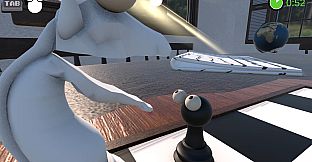
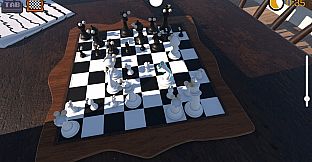
Team Chess is a strategy game that reimagines classic chess as a team-based multiplayer experience on PC. Instead of one player controlling an entire side, each piece on the board falls under the control of a separate participant. Two teams face off under standard chess rules, with coordination becoming the deciding factor in every match.
Gameplay
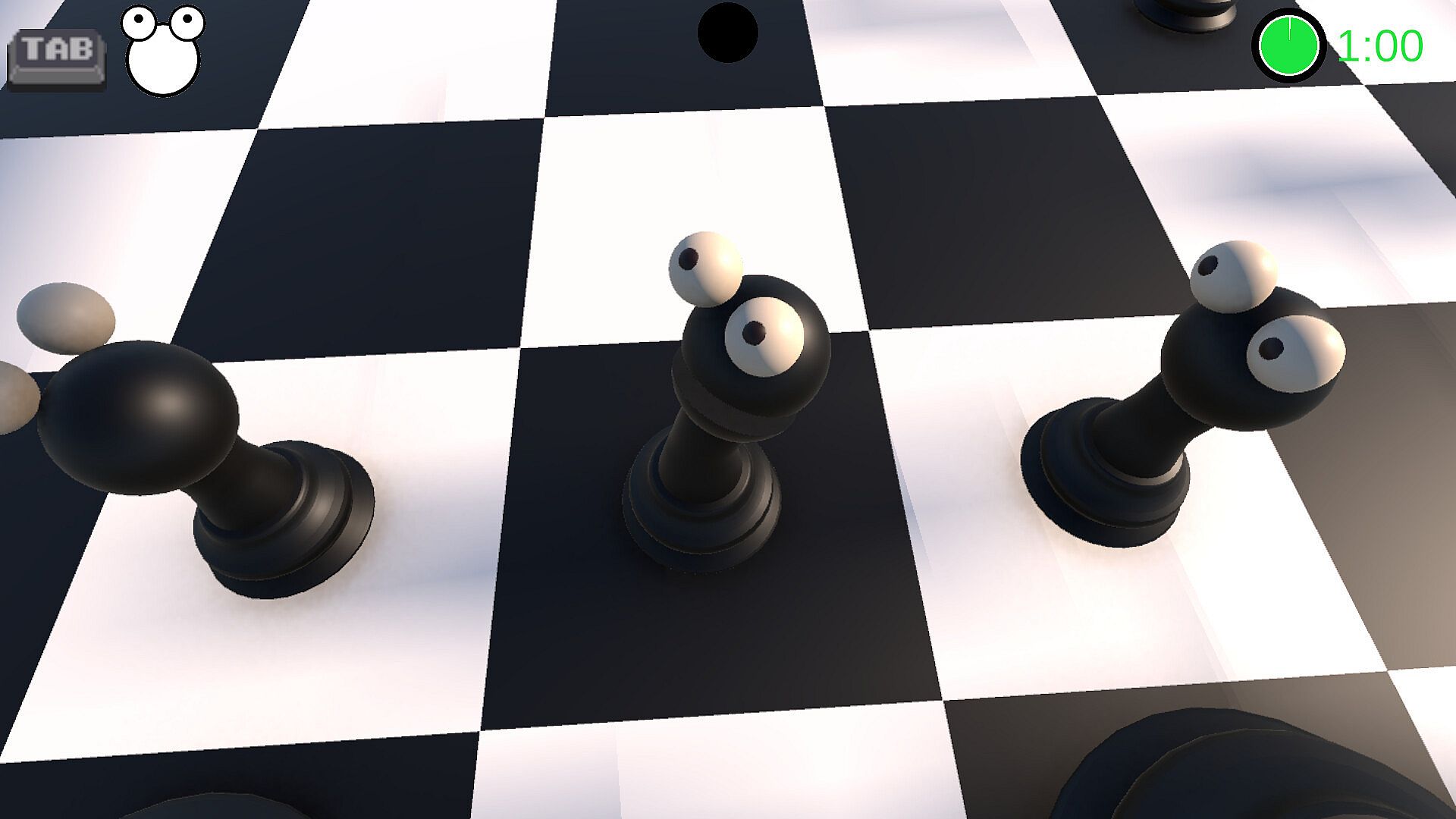
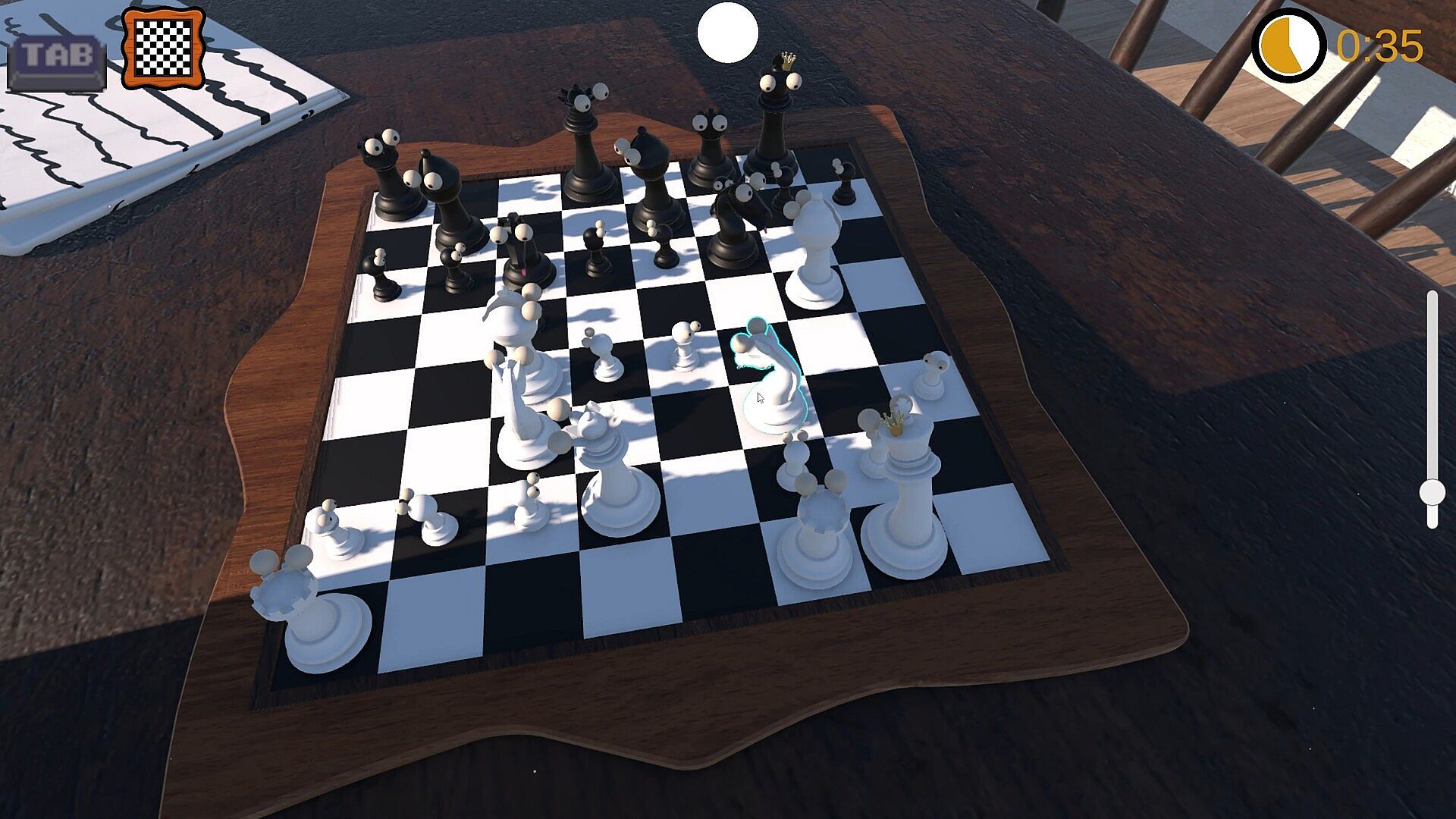
Players take on the role of individual pieces and must work within their team to advance a shared strategy. The king on each side selects which piece moves on a given turn, after which that piece's controller chooses the destination. Success depends on anticipating teammate actions and responding to the evolving board state in real time.
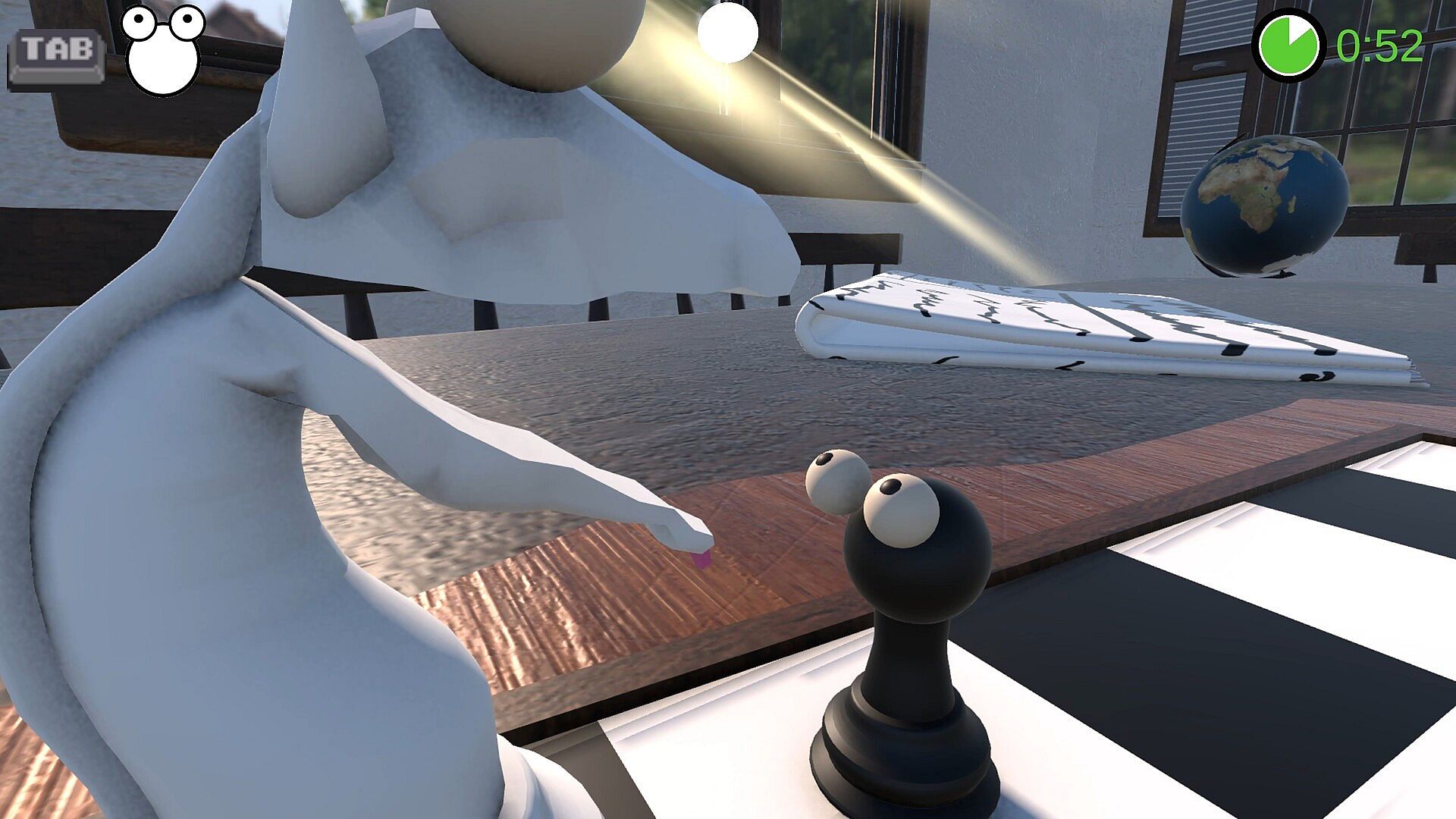
Proximity voice chat lets nearby pieces communicate directly. Messages can travel across the board when teammates relay information, though opponents overhear every word. This system turns routine chess decisions into moments of negotiation, quick planning, and occasional desperate appeals.
All core chess mechanics remain intact. Castling, en passant captures, pawn promotion, and draw conditions such as the fifty-move rule or threefold repetition apply without alteration. The larger coordination layer simply adds another dimension to familiar tactics.
Game Modes
The primary experience centers on team matches where participants control individual pieces and rely on voice communication to coordinate. Matches follow the standard chess win condition of checkmate while emphasizing group decision-making over individual brilliance.
Single-player options allow practice against AI-controlled teammates and opponents. These modes preserve the same turn-selection mechanics and board rules, providing a way to learn piece positioning and communication timing without requiring a full group of human players.
Core Mechanics and Strategy
Each match begins with players assigned to specific pieces. Early turns often focus on establishing basic coordination and protecting vulnerable units. As the game progresses, teams must balance aggressive advances with defensive coverage, since one poorly timed move can expose the entire side.
Voice chat adds layers of risk and reward. Clear, concise calls help execute complex maneuvers, while miscommunication or enemy eavesdropping can lead to immediate setbacks. The system rewards teams that develop shorthand and trust over those relying on solo heroics.
Because the king dictates move order, positioning that piece safely while maintaining influence over the rest of the army becomes a central concern. Players learn to read their team's overall intentions through both board actions and spoken cues.
Who the Game Appeals To
Team Chess suits chess enthusiasts seeking a fresh social twist on the classic game. It also attracts groups of friends who enjoy cooperative strategy titles and casual players comfortable with voice chat in small-team settings. The indie presentation keeps the focus on core mechanics rather than visual spectacle.
Is It Worth Playing?
Players who value communication and teamwork alongside traditional chess strategy will find the format engaging. The proximity voice system creates memorable moments that standard chess cannot replicate, and the unchanged ruleset ensures that existing chess knowledge transfers directly. Those who prefer solitary play or dislike voice interaction may find the social demands less appealing. The game remains available for those interested in exploring this collaborative variant.











