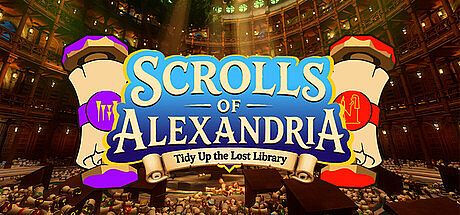


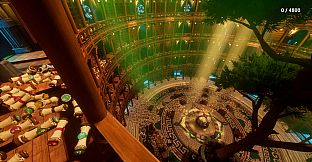
Scrolls of Alexandria: Tidy up the Lost Library is an indie single-player puzzle game for PC in which players restore order to a vast library by sorting thousands of scattered scrolls onto their proper shelves.
Gameplay
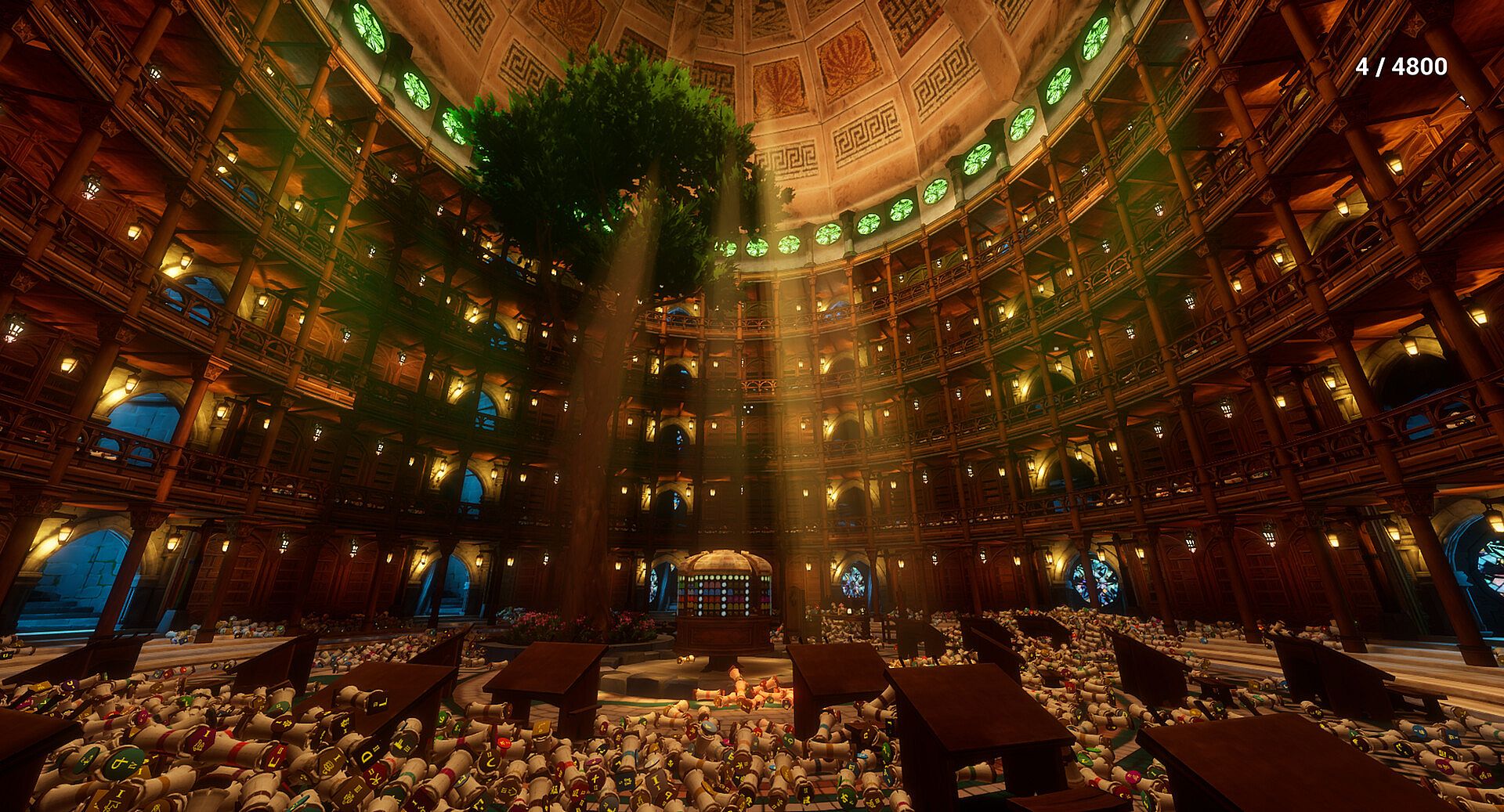
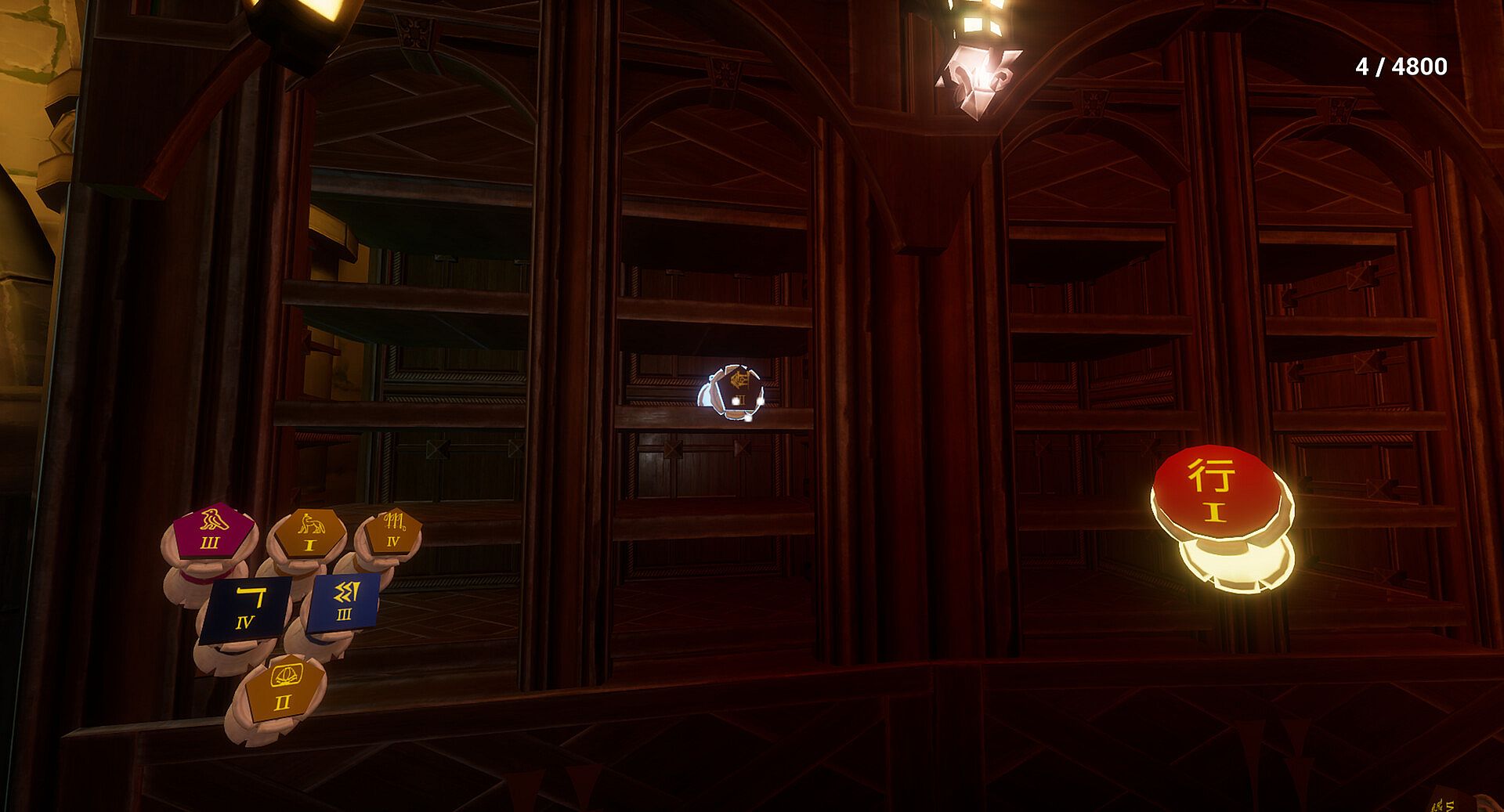
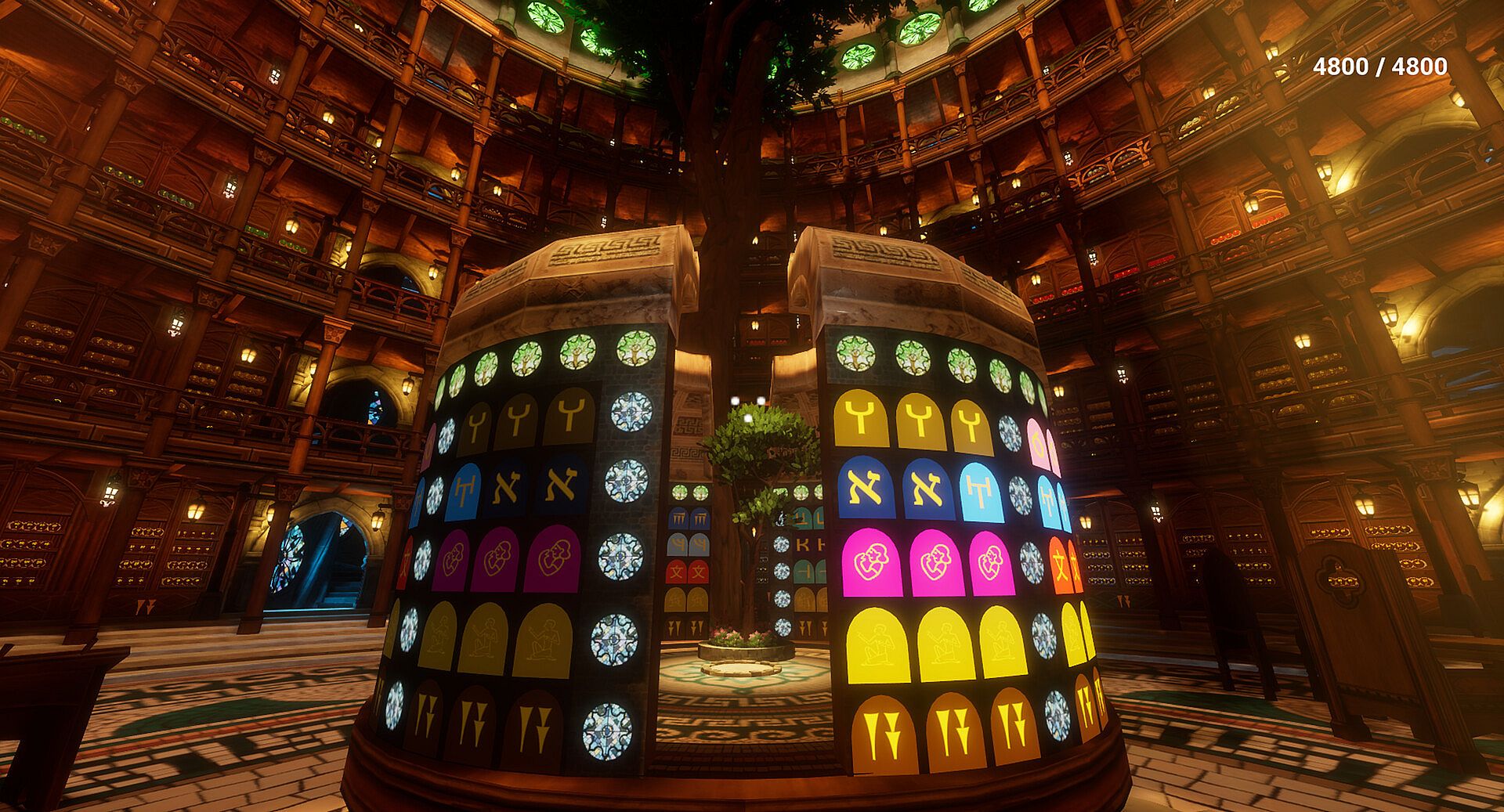
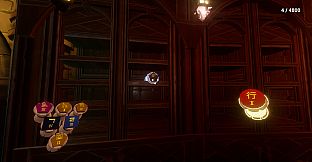
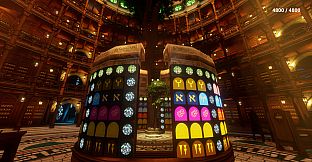
The core loop centers on locating scrolls across five floors and returning each one to its correct position based on clear visual markers. Color indicates the originating culture, the shape of the handles identifies the subject matter, glyphs determine alphabetical placement, and Roman numerals specify the volume within a series. Completing a shelf activates corresponding lights on a central miniature tower in the atrium, providing immediate visual feedback on progress. The experience draws from twenty-one distinct ancient writing traditions, including Cuneiform, Egyptian hieroglyphs, Runic, and Traditional Chinese, with each collection following its own organizational logic.
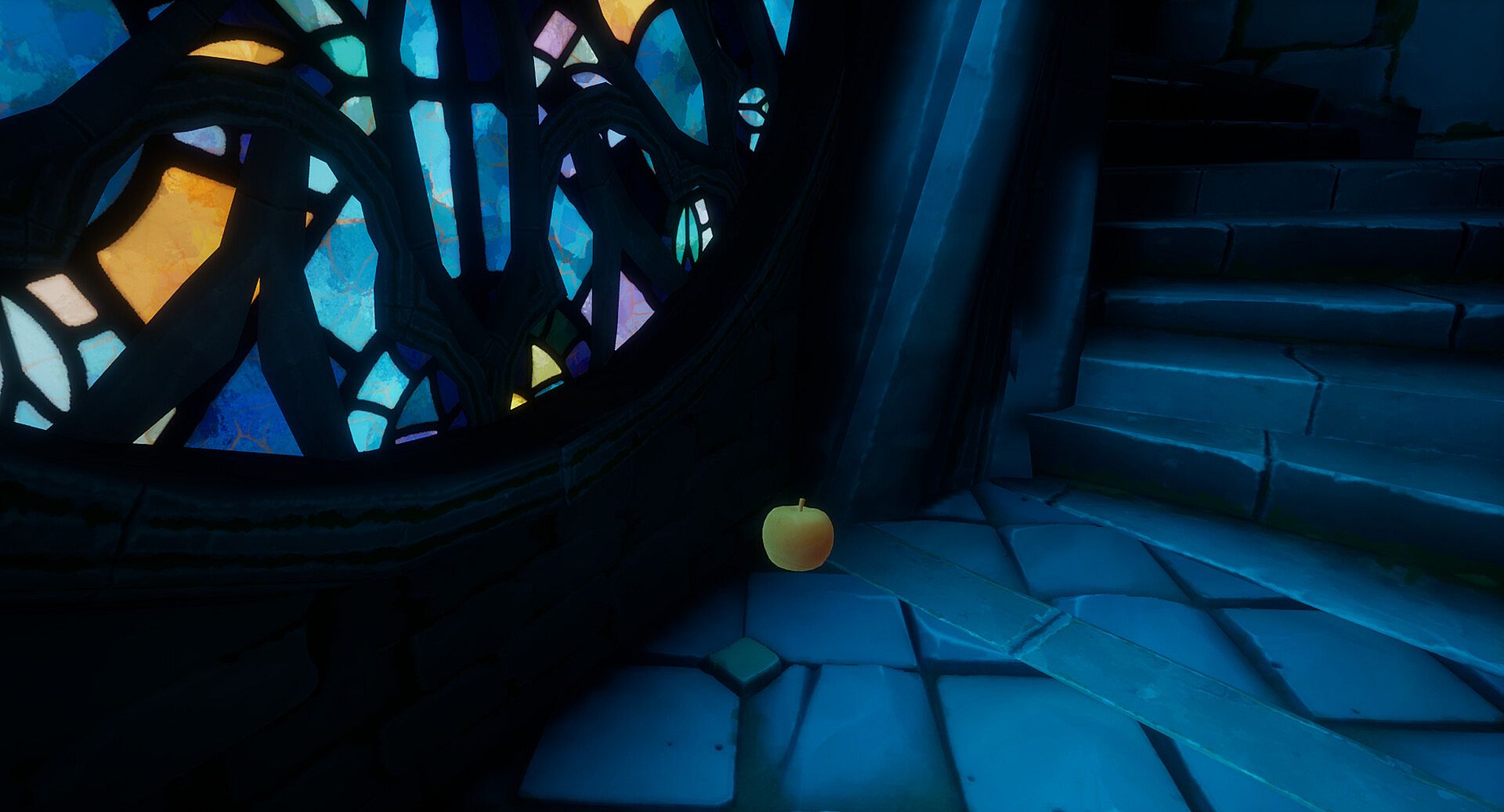
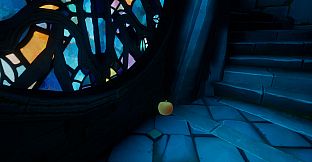
Optional edible upgrades appear throughout the library and grant new movement or sorting options when collected. These remain entirely optional, allowing players to complete the task using only the base mechanics if preferred. The library contains 4,800 scrolls in total, spread across multiple sections that light up progressively as shelves fill.
Game Modes
The game operates exclusively in single-player mode with no additional multiplayer or competitive formats available. All activity takes place within the single continuous library environment, where the objective remains consistent: return every scroll to its designated shelf. Progress tracking occurs through the illuminated sections of the central tower, and players may revisit areas freely to correct any misplaced items.
The Library Environment
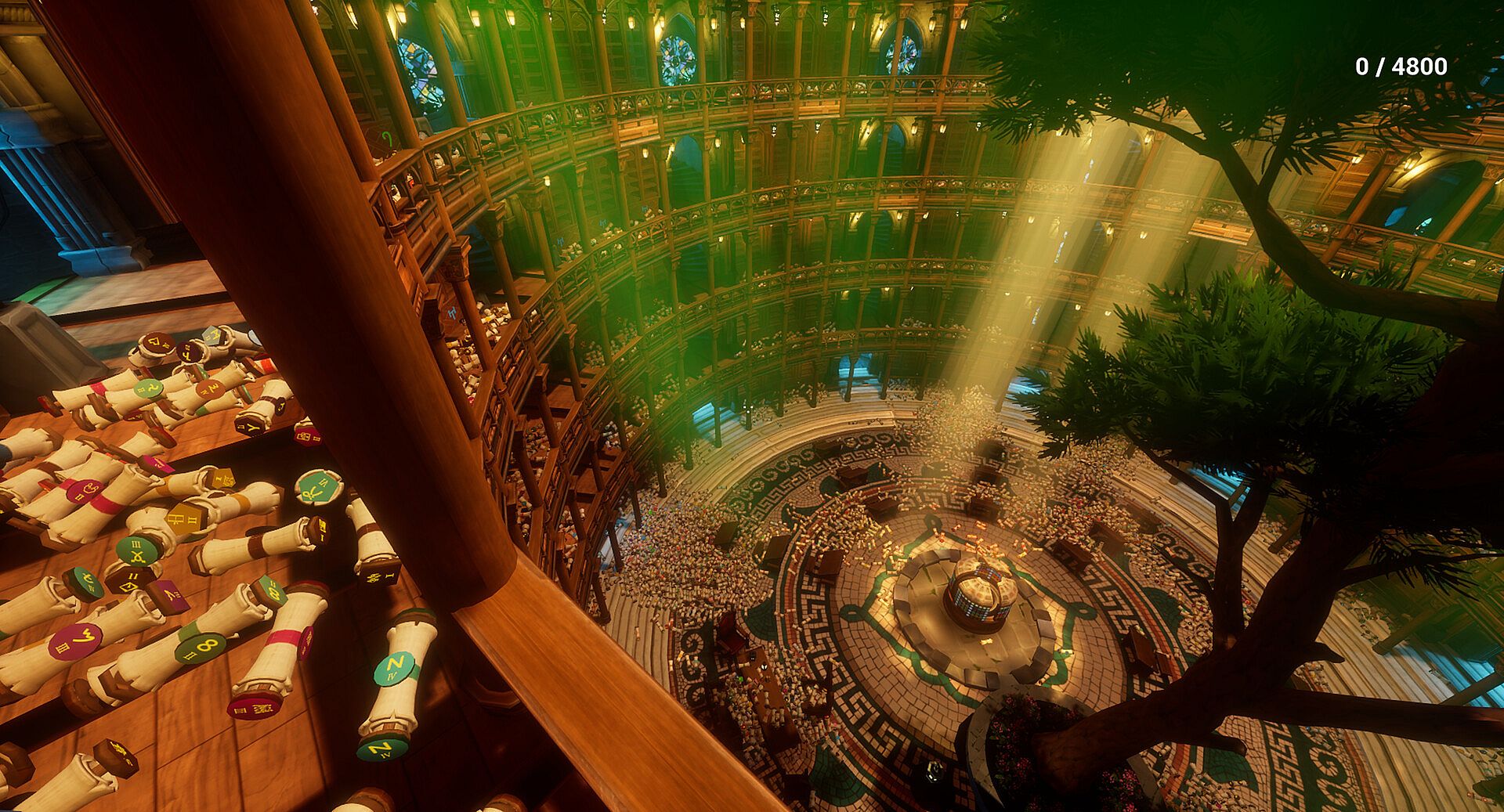
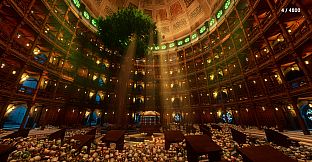
The setting recreates a fantastical version of the Library of Alexandria that never burned, featuring towering shelves and an open atrium design. Navigation involves moving between floors while scanning for scattered scrolls on the ground. Each scroll carries the same set of identifying traits, encouraging careful observation rather than random placement. The atmosphere builds through the gradual restoration of order, as completed sections visibly activate and contribute to the overall illumination of the miniature tower model.
Is It Worth Playing?
This title suits players who enjoy methodical sorting puzzles and visual pattern recognition. The single-player structure focuses entirely on the organizing task without timers or external pressures, though optional upgrades provide ways to adjust movement and handling for those who want them. Because the game remains in development and has not yet released, no player reception data or update history exists at this time. Those interested in precise, clue-based placement mechanics in an indie PC package may find the premise appealing once it becomes available.