








Rush & Deliver is an indie simulation game built around driving and resource management in a roguelike structure. Players take on the role of a package delivery driver navigating a city while balancing daily obligations and long-term progression across four work weeks.
Gameplay
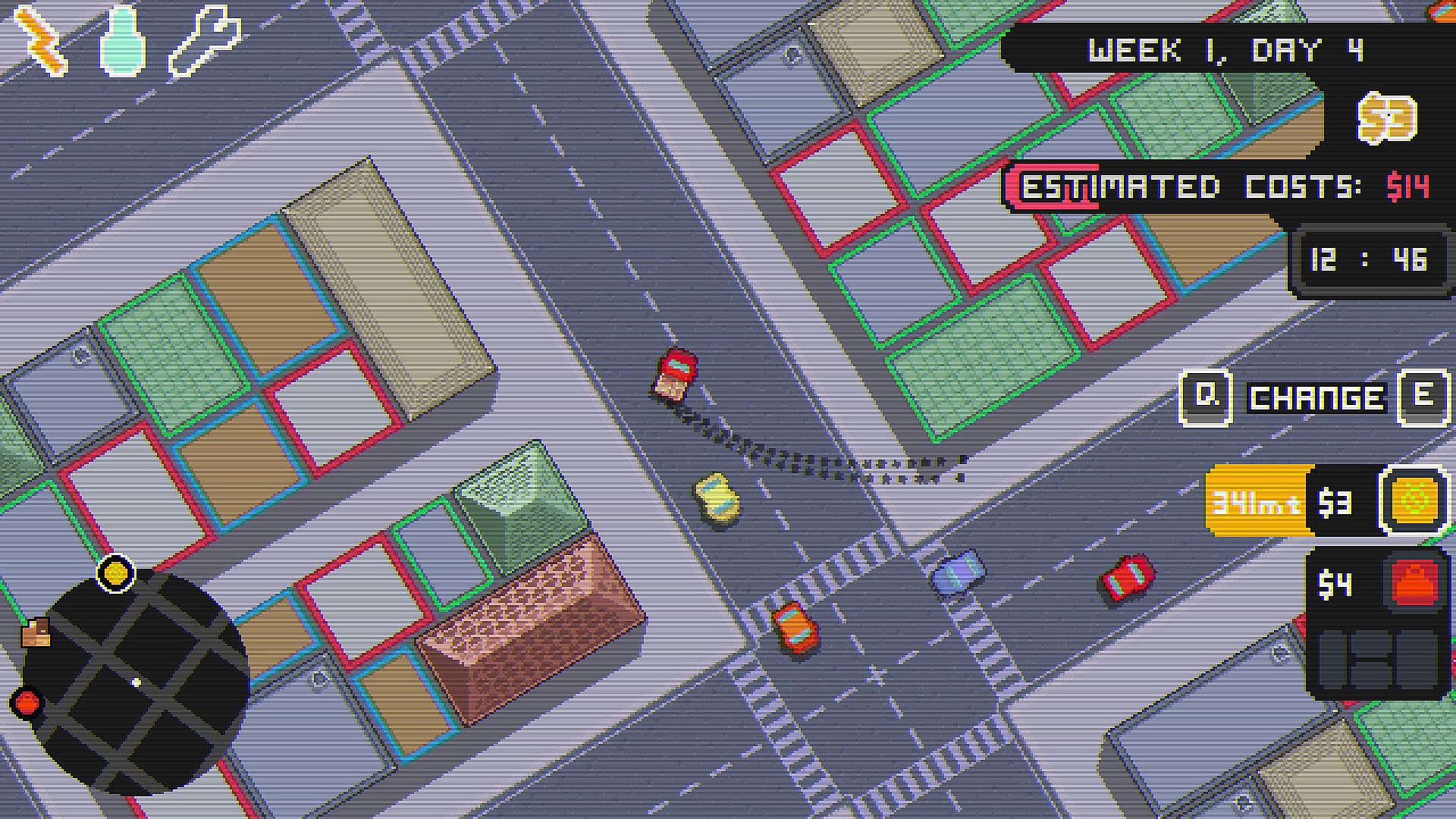
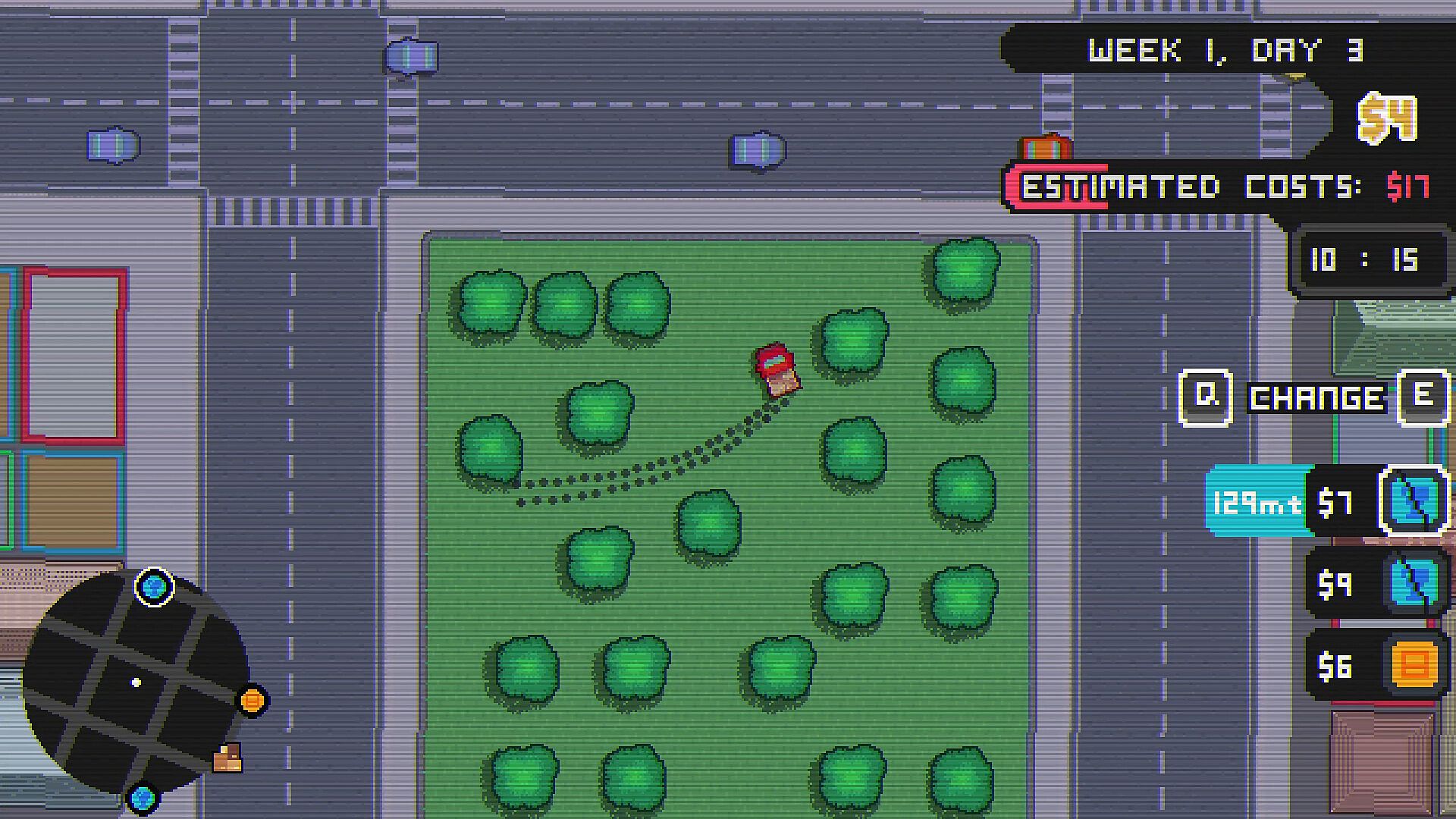
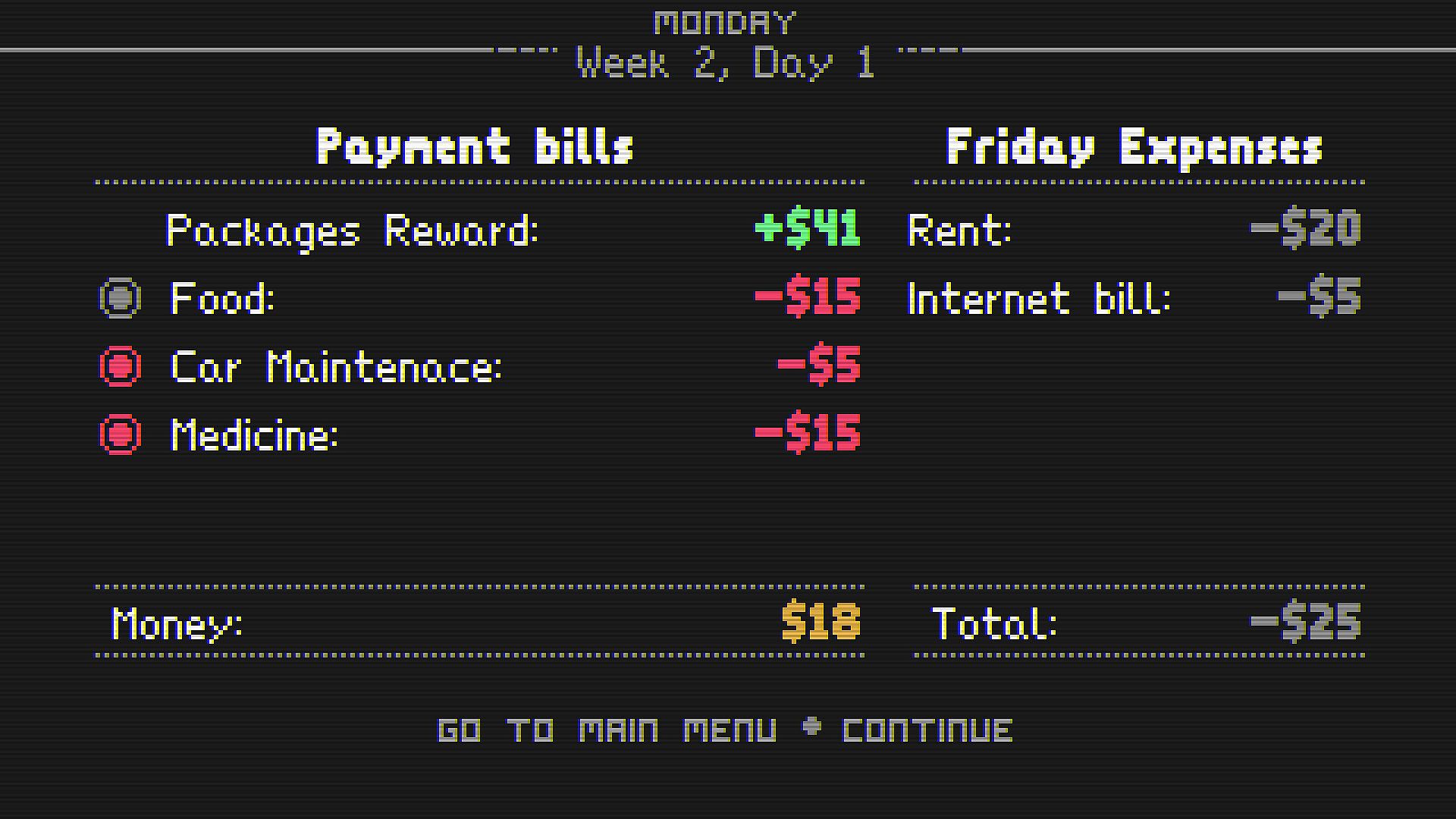
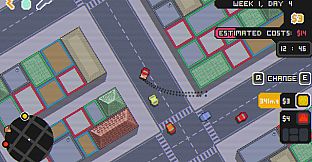
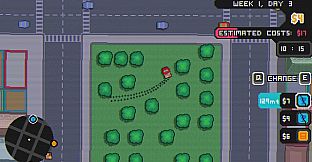
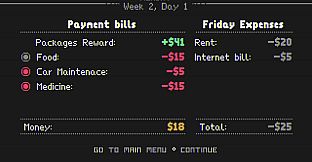
The core loop centers on committing to a daily work schedule that involves shipping packages throughout the city. Each shift requires careful planning to complete deliveries on time while managing fuel, vehicle condition, and personal finances. Players must pay daily bills from earnings, which adds pressure to maintain consistent performance.
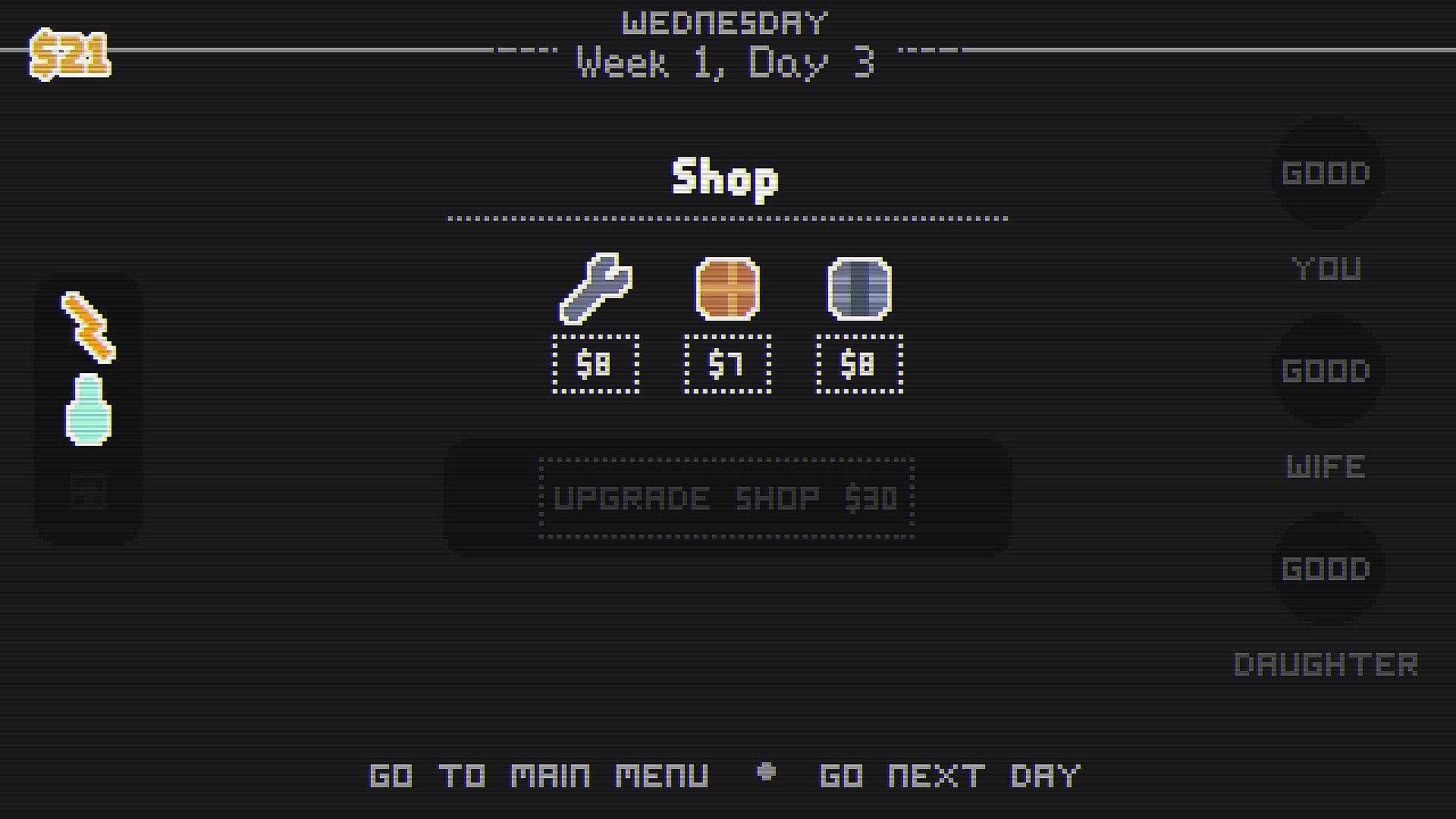
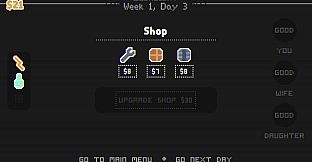
Resource management plays a central role as income is allocated between essential expenses and upgrades. Decisions arise during runs that can affect efficiency or open new opportunities, encouraging players to weigh short-term gains against longer-term consequences. The roguelike elements introduce variability through dynamic events that alter routes or add complications on subsequent days.
Progression ties into a prestige system that carries benefits across multiple playthroughs. Upgrades, numbering more than ten in total, improve delivery speed, capacity, or reliability. The game uses retro handcrafted pixel art to present its urban environment and vehicle interactions, supported by an original soundtrack that underscores the routine yet tense atmosphere of the job.
Game Modes
Rush & Deliver structures its experience around a single-player campaign spanning four work weeks. This format serves as the primary mode, where each day builds on the previous one through accumulating bills, evolving events, and upgrade choices. The prestige system allows players to carry forward advantages into new runs, extending replay value without separate named modes.
Meaningful choices during deliveries and between shifts influence outcomes, leading to multiple endings based on overall performance and decisions made across the weeks. The roguelike nature means each attempt can unfold differently due to random events and the need to adapt routes on the fly.
Key Mechanics and Progression
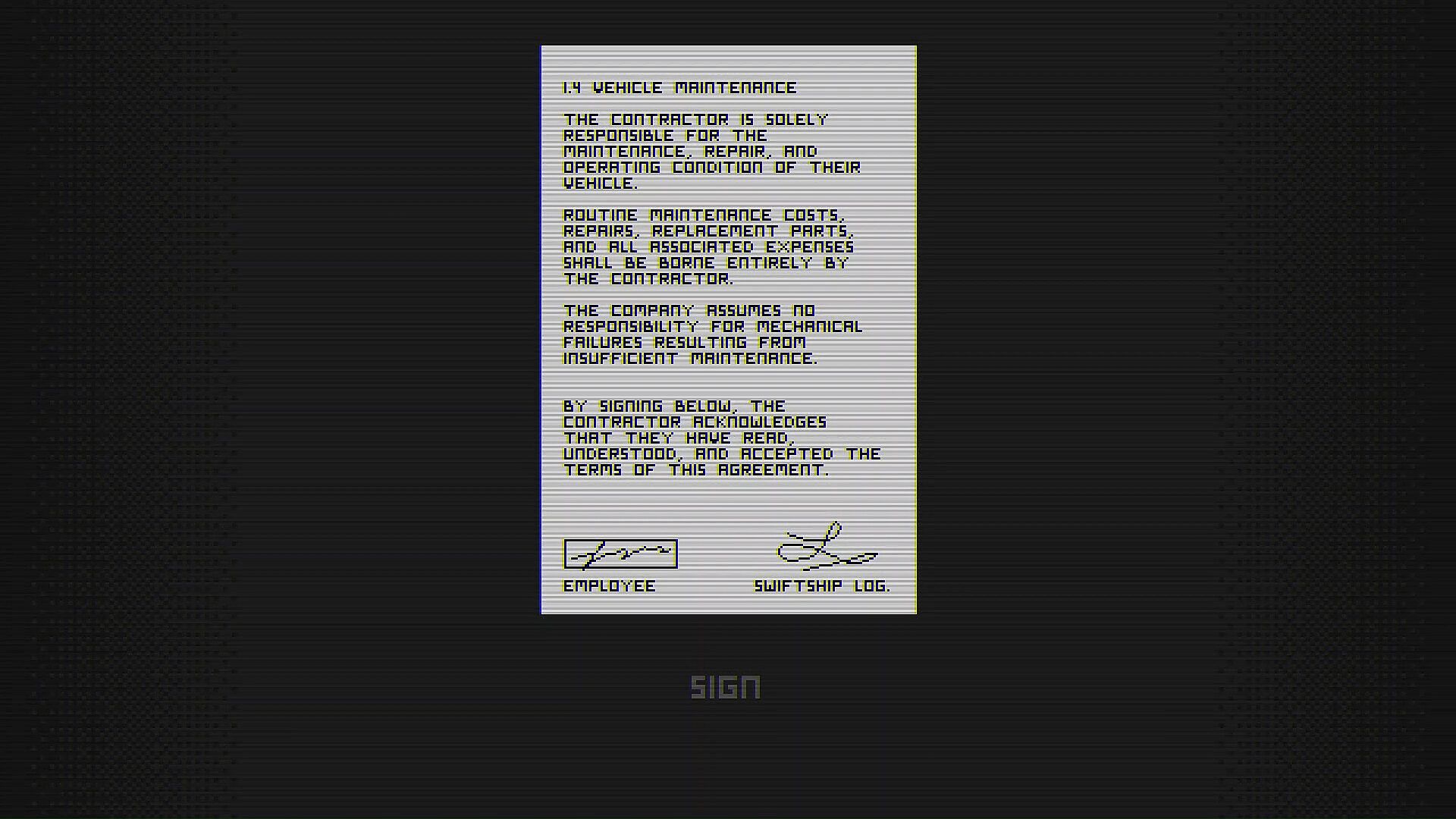
Daily bills create a constant need to generate revenue through efficient package handling. Upgrades purchased with earnings provide tangible improvements that compound over time, while prestige unlocks further options for experienced players. The combination of driving navigation and management decisions forms the central tension, as poor route choices or overlooked events can derail a week's progress.
Multiple endings reward thorough exploration of different decision paths and upgrade combinations. The pixel art style keeps the focus on functional city layouts and vehicle handling rather than visual spectacle, aligning with the simulation focus.
Is It Worth Playing?
Rush & Deliver appeals to players who enjoy resource management simulations blended with roguelike runs and driving elements. The structured four-week campaign, combined with prestige progression and multiple endings, provides clear goals and reasons to replay. Those drawn to games like Papers, Please will recognize the emphasis on daily routines, tough choices, and balancing obligations under time pressure.
The indie presentation with retro pixel art and original soundtrack supports focused gameplay without unnecessary distractions. Availability on PC makes it accessible for sessions that fit around the daily schedule theme. Players seeking a thoughtful mix of logistics, upgrades, and branching outcomes will find the systems rewarding, particularly if they appreciate short-to-medium length campaigns that encourage experimentation across runs.











