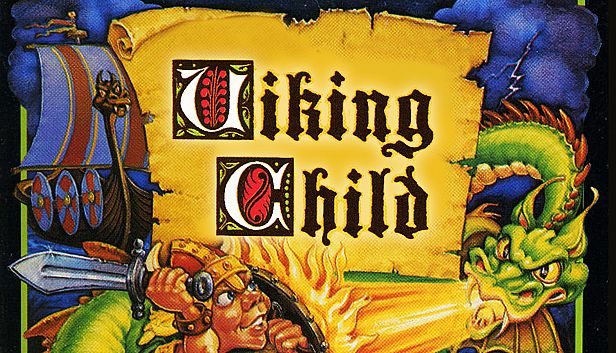











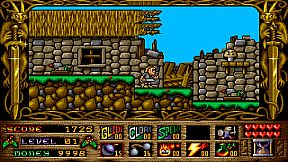
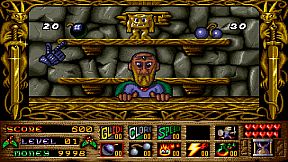
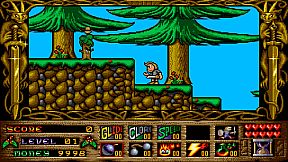
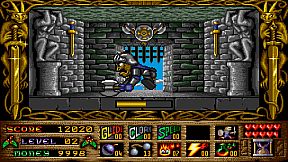
Prophecy I - The Viking Child is a 2D side-scrolling action-adventure platformer released in 1991 for PC and other systems. Players control a young Viking named Brian on a quest to rescue his family and friends, who have been captured by the evil god Loki and imprisoned in the Great Halls of Valhalla. The game combines platforming with light item management as Brian navigates linear stages filled with enemies and obstacles.
Gameplay
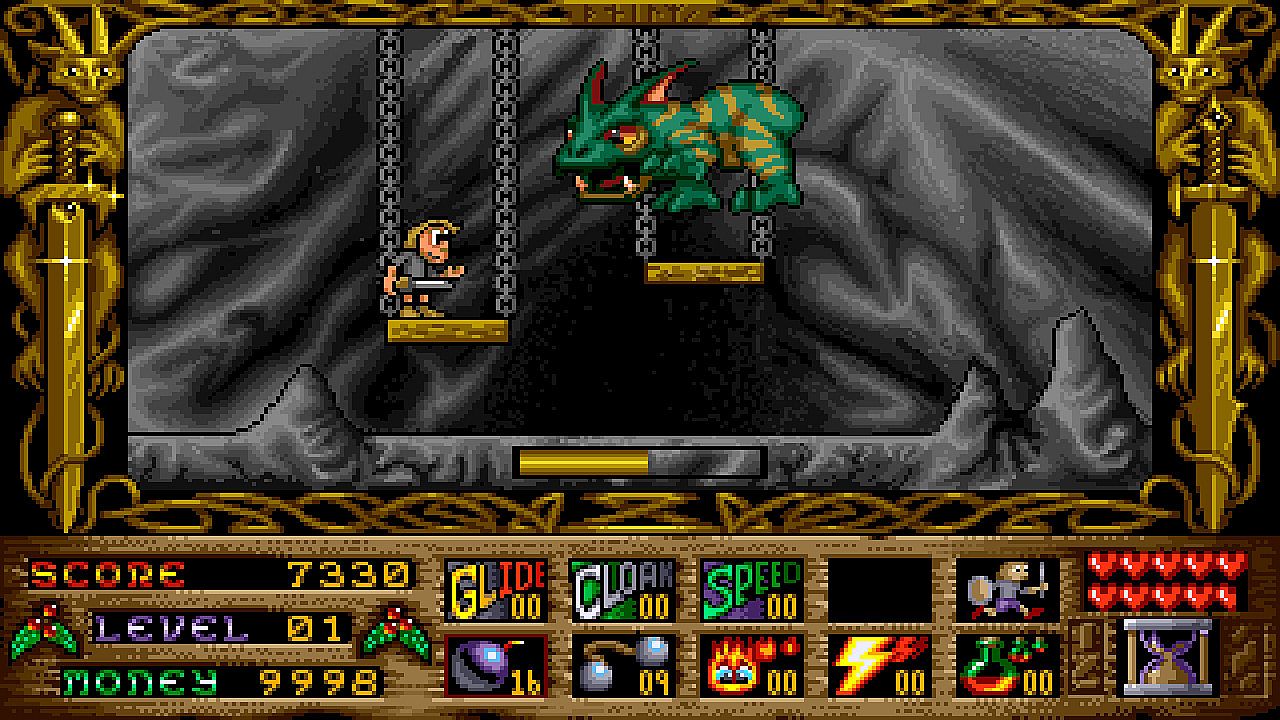
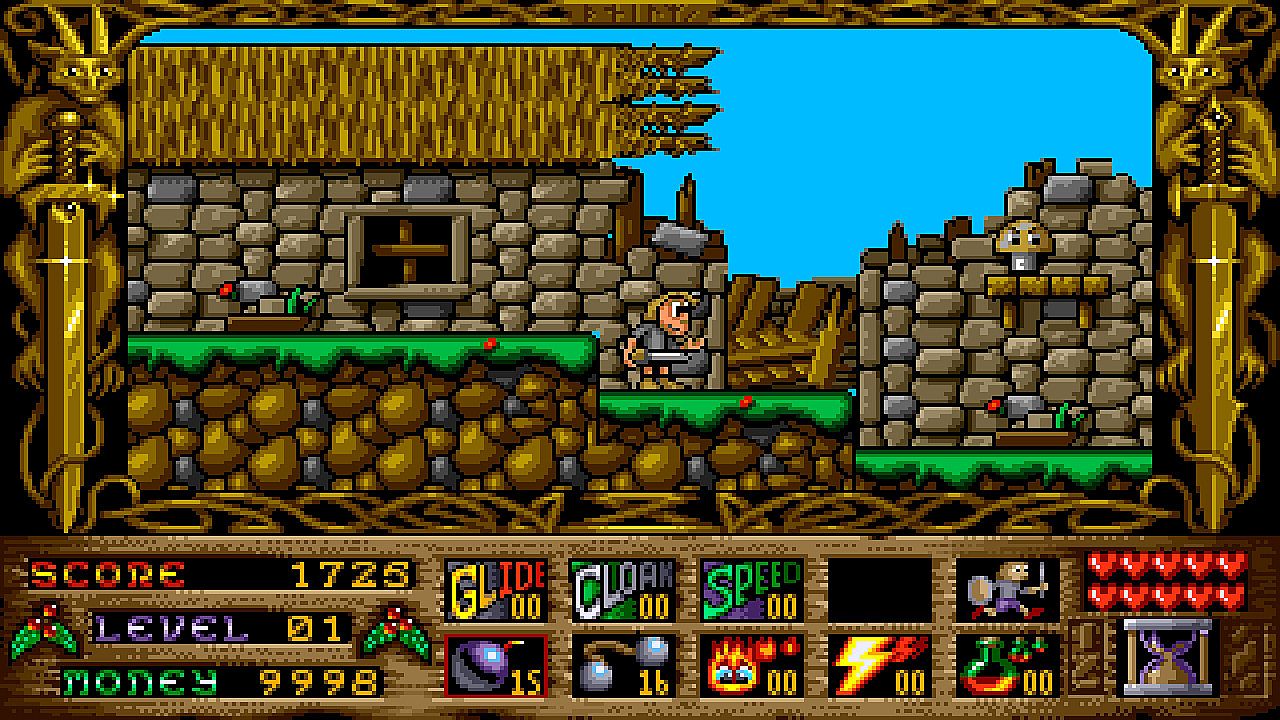
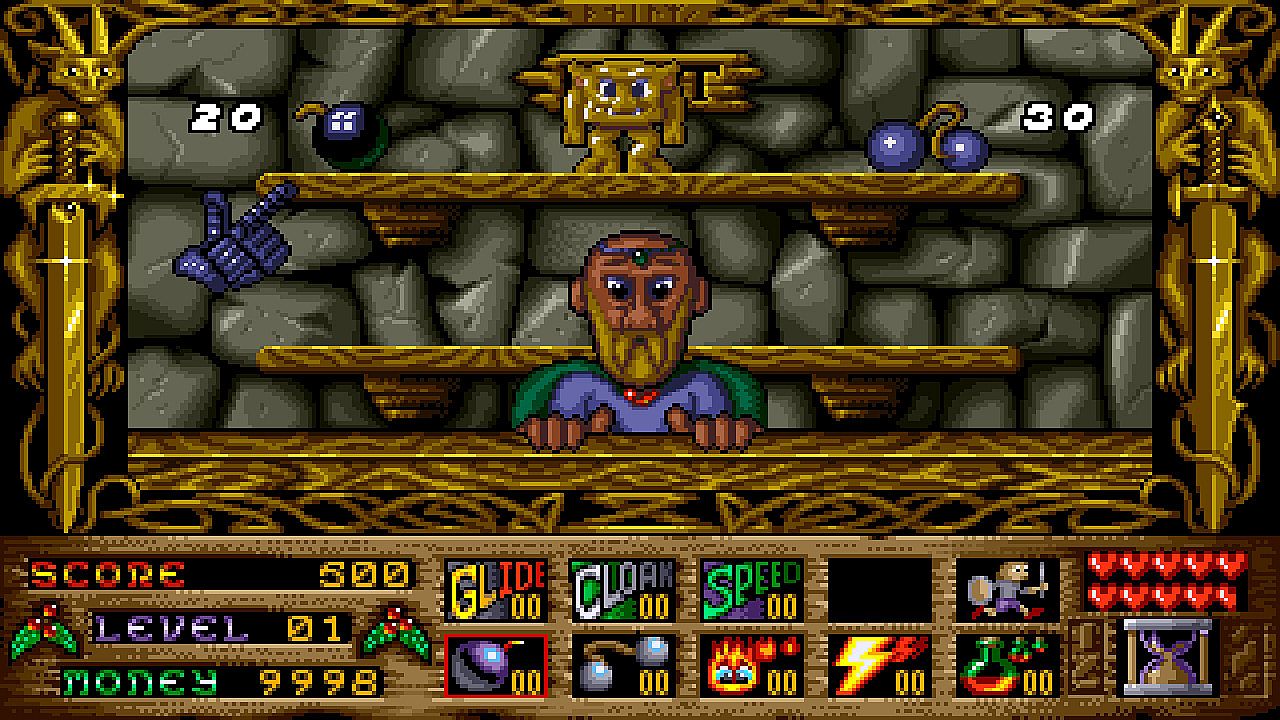
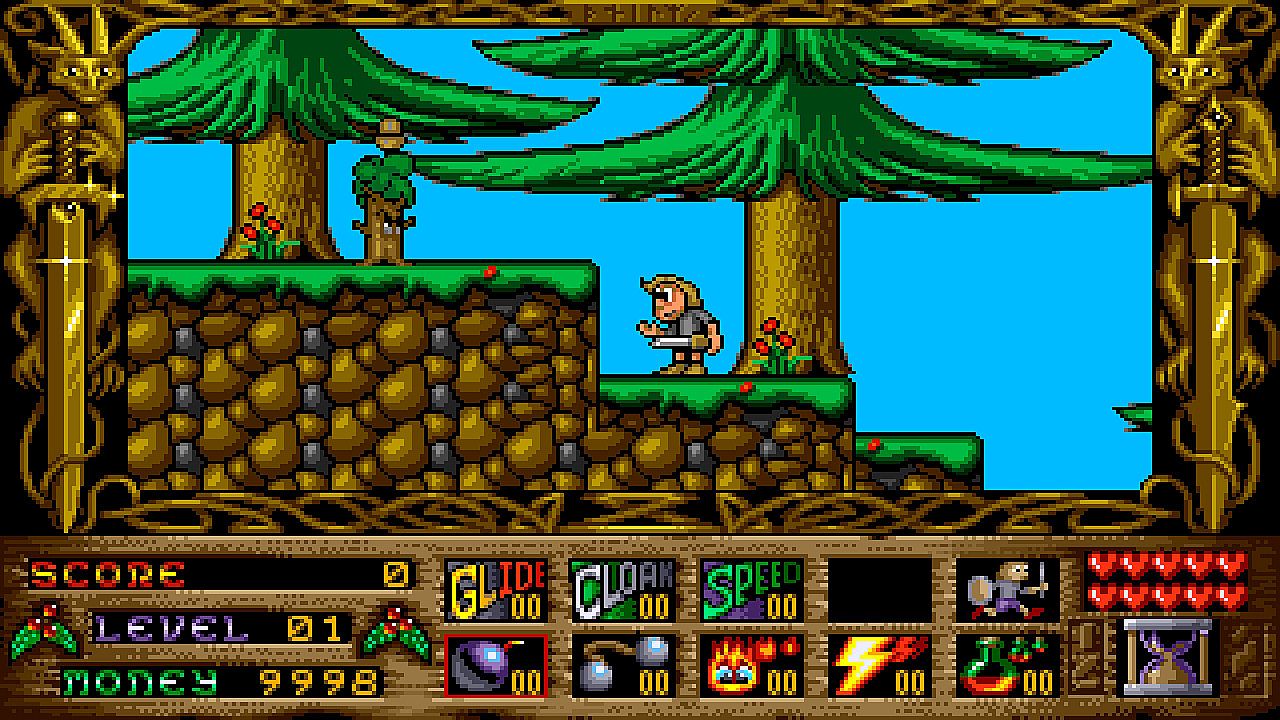
The core loop involves running, jumping, and attacking through side-view levels while collecting coins dropped by defeated foes. These coins fund purchases at shops scattered across the stages, where players can acquire potions for health restoration, special weapons like bombs or fire attacks, and other magical items that provide temporary advantages. Combat relies on a basic sword swing with limited range, requiring precise timing to avoid counterattacks from enemies that often bounce or reposition quickly after being hit. Health depletes from enemy contact or certain hazards, and the game tracks it numerically rather than with a visual bar. Progression uses a password system since there are no save features, allowing players to resume from later points after completing earlier sections. Levels feature distinct backdrops such as villages, castles, forests, mountains, lakes, and volcanic areas, each with unique enemy types and platform layouts. Puzzle-like elements appear in some areas, including moving platforms that demand constant movement to stay balanced and environmental challenges that test positioning.
Game Modes
The game offers only a single-player campaign. There are no multiplayer options, competitive modes, or alternate play styles. The entire experience centers on progressing through the 16 levels in sequence, defeating the eight Apprentices of Darkness as mandatory bosses before reaching the final confrontation with Loki. Each level builds on the previous one with increasing complexity in enemy patterns and platforming demands, but the structure remains linear without branching paths or optional objectives beyond collecting resources for shop items.
Visuals and Audio
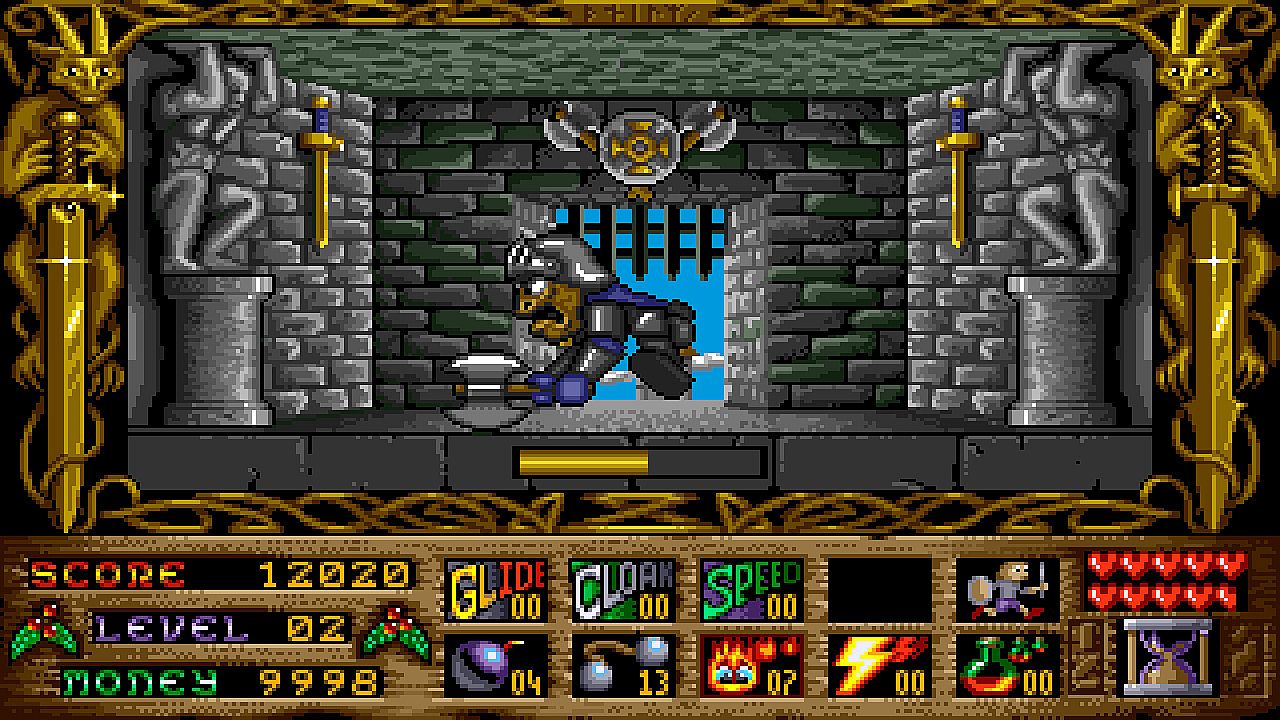
Graphics emphasize bright, cartoonish colors that give the fantasy setting a lighthearted tone despite the Norse mythology theme. Backgrounds shift noticeably between stages to reflect different environments, from medieval stone structures to rugged mountain terrain. The soundtrack consists of 22 distinct tunes that change with each area and boss encounter, providing variety during longer play sessions. Sound effects remain minimal, focusing mainly on basic attack and impact noises.
Is It Worth Playing?
This title appeals primarily to enthusiasts of early 1990s platformers who enjoy methodical exploration and resource gathering over fast-paced action. Its short length suits players seeking a complete run in a few hours, though the lack of modern conveniences like adjustable difficulty or refined controls can lead to frustration with hit detection and enemy behavior. Modern re-releases preserve the original experience through emulation, making it accessible on current PCs without additional hardware. Those familiar with similar games from the era may appreciate the shop system and level variety, while newcomers might find the mechanics dated compared to later entries in the genre. Overall, it serves as a niche retro option rather than a broad recommendation.