






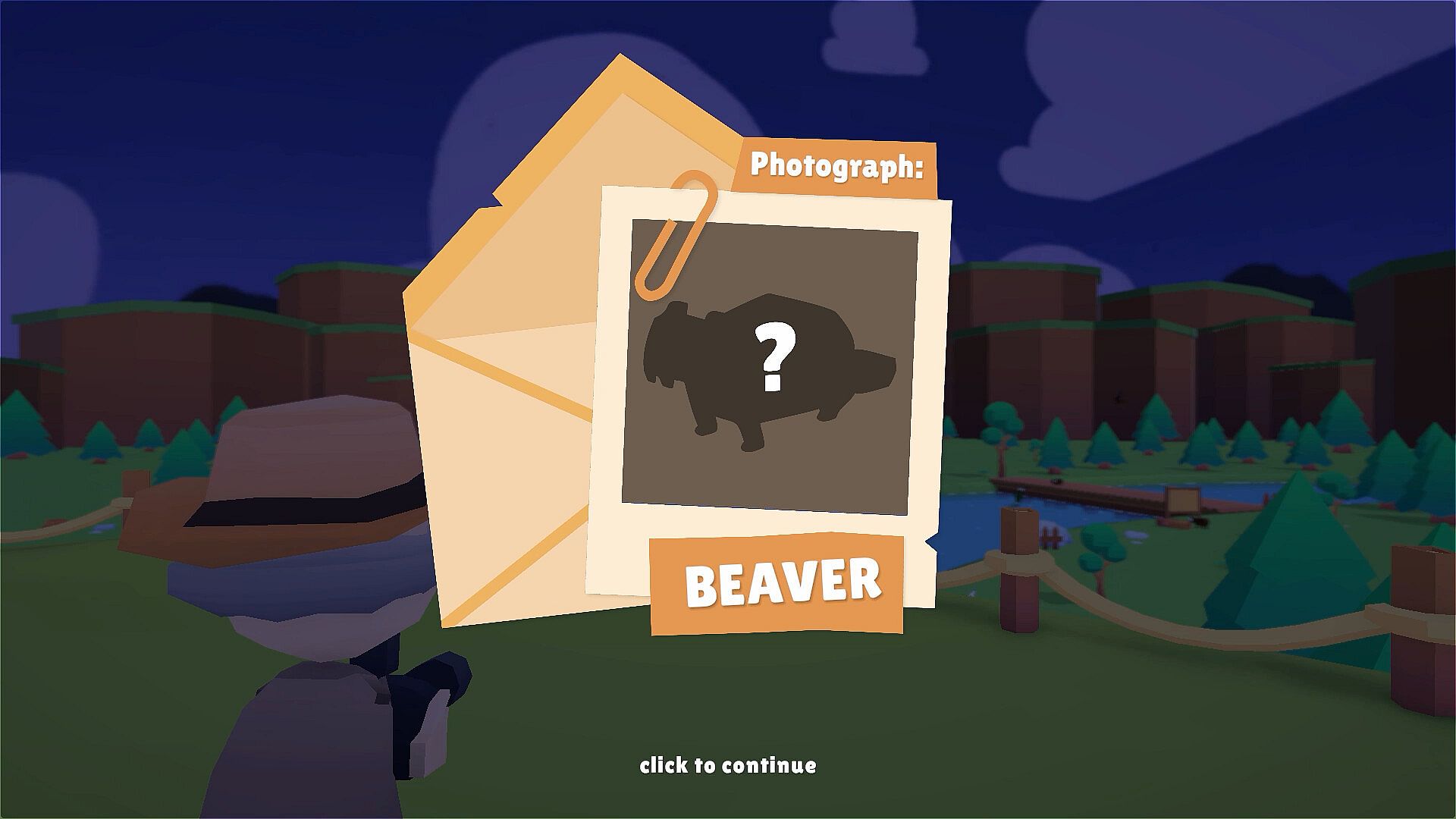
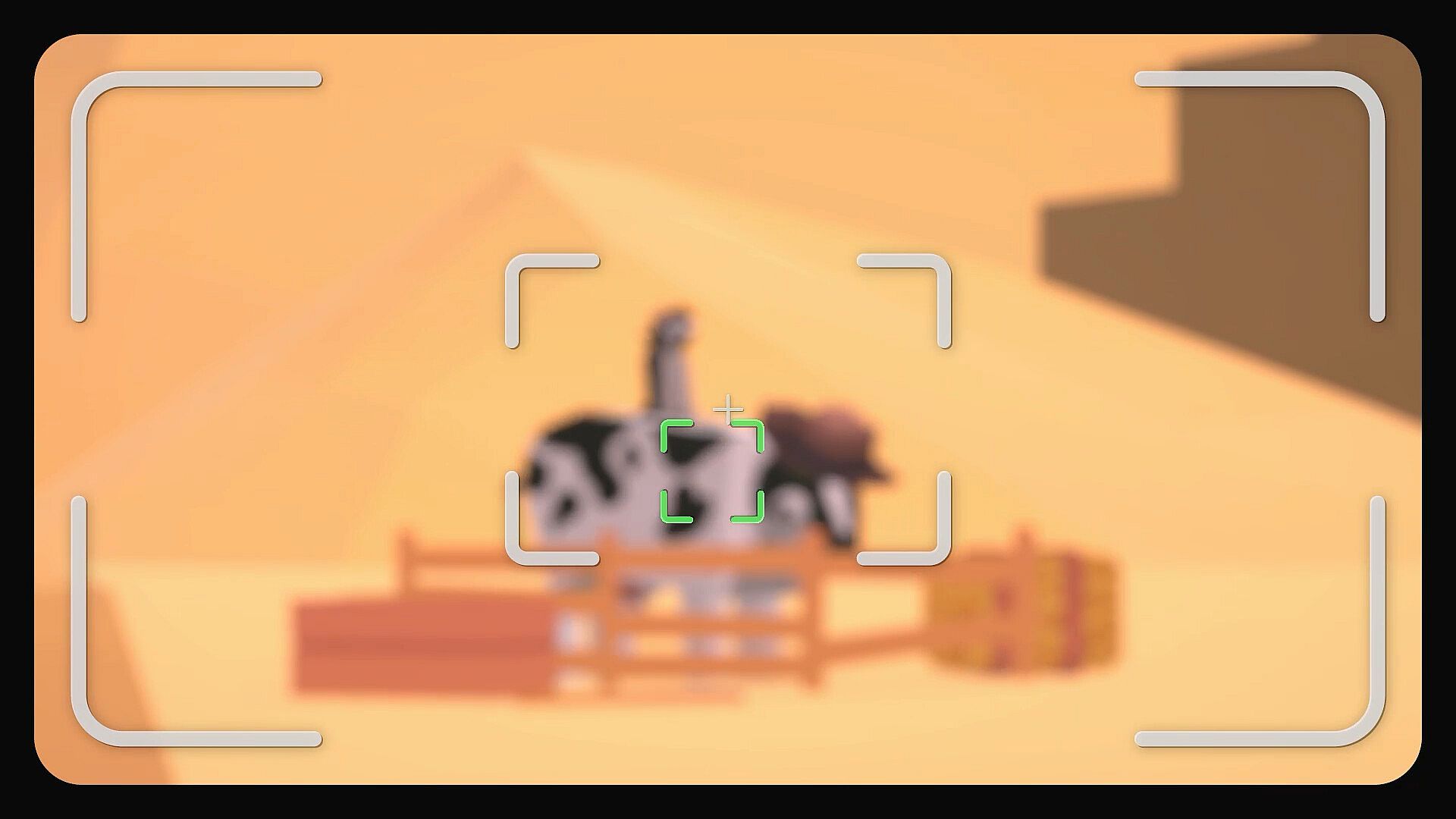
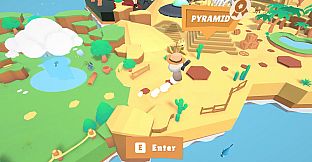

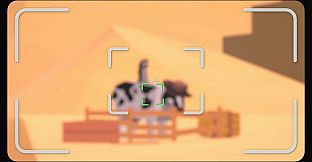
Nearsight is a single-player casual indie game set on PC in which players take on the role of a demoted wildlife photographer struggling with severe nearsightedness. The premise centers on proving professional worth by capturing images of animals and natural scenes, yet the central challenge arises from impaired vision that turns routine observation into an uncertain task. Distant forms appear distorted, and prolonged time in the wilderness gradually alters how the environment registers, creating a core loop built around cautious movement, identification, and photography under limited sight.
Gameplay
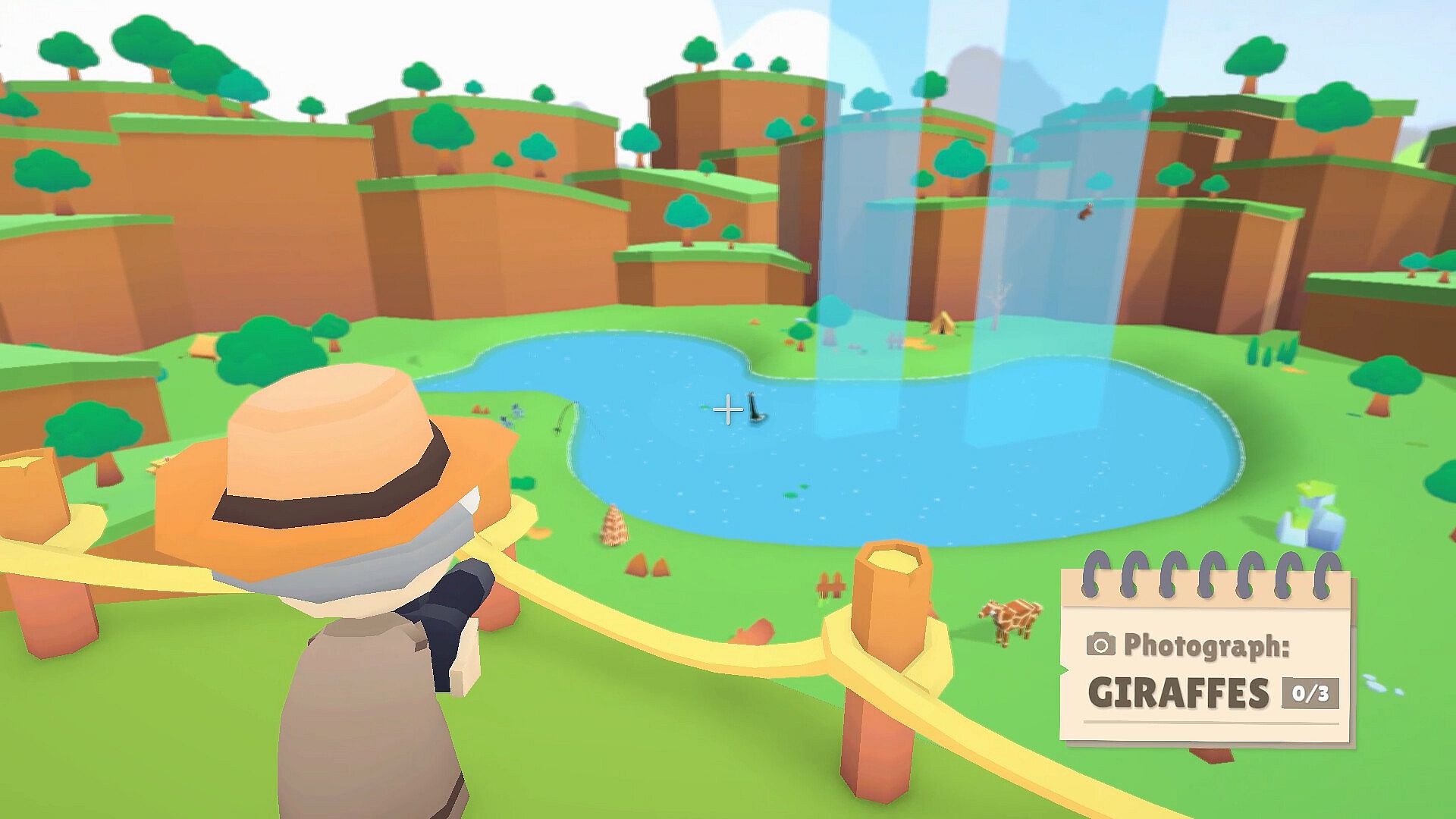
The experience revolves around navigating outdoor areas while managing blurry perception. Players must approach subjects carefully because shapes at a distance can shift or seem unfamiliar, requiring closer inspection or adjusted positioning to confirm targets before attempting a shot. This vision limitation shapes every action, turning simple traversal into deliberate steps where misjudging distance or form carries consequences for the photographic goals. The casual pace encourages repeated attempts at framing clear images rather than fast reflexes or complex controls.
Wildlife subjects form the main focus, with the environment itself becoming less predictable the longer exploration continues. Blurriness affects how landmarks and creatures register, pushing players to rely on proximity and repeated observation to distinguish safe paths from potential issues. Photography serves as both objective and tool, with successful captures tied directly to overcoming the visual handicap through patience and positioning rather than advanced equipment or upgrades.
Game Modes
Nearsight operates exclusively as a single-player experience with no multiplayer components or alternate modes listed. The structure centers on sequential photography assignments in wilderness settings, where progress depends on completing image captures despite ongoing visual challenges. There are no competitive, cooperative, or branching campaign variants confirmed, keeping the focus on individual sessions that emphasize personal improvement in handling the nearsighted perspective.
Exploration unfolds in a linear yet open-ended manner within each area, allowing players to revisit locations to refine shots or uncover new subjects as familiarity grows. The absence of additional modes reinforces the intimate, focused nature of the title, where success stems from adapting to one consistent set of visual constraints across different natural scenes.
Setting and Atmosphere
The wilderness in Nearsight starts as a familiar outdoor space but evolves through the lens of impaired vision. Initial scenes feature standard wildlife and terrain, yet extended stays introduce subtle shifts in how distant elements appear, fostering a sense of gradual unease without relying on overt threats. This progression ties directly to the photographer's demotion and redemption arc, where each outing tests both technical skill and perceptual reliability.
Atmospheric details emerge from the interplay between blurry sight and natural surroundings. Shapes that initially read as ordinary animals or plants can take on ambiguous qualities, encouraging players to linger and verify before committing to a photograph. The casual indie presentation keeps these elements grounded, avoiding high-stakes action in favor of quiet tension built from uncertainty and the need for careful observation.
Is It Worth Playing?
Nearsight targets players who enjoy short, reflective single-player sessions centered on observation and light puzzle-like identification rather than action or resource management. Its casual classification and focus on a unique visual handicap make it suitable for those seeking a low-pressure experience that highlights perception mechanics in a wildlife photography context. With the game listed as coming soon and no user reviews available yet, the title remains an untested prospect for most audiences.
Those drawn to indie experiments with sensory limitations or straightforward photography loops may find value once released, particularly if the core vision system delivers consistent challenge without frustration. Availability on PC through standard digital platforms positions it as an accessible entry for casual gamers interested in narrative-tinged exploration over competitive or expansive systems. Current information provides no details on post-launch support or additional content, so expectations should center on the described single-player photography premise alone.











