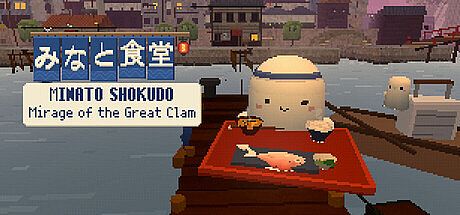



Minato Shokudo: Mirage of the Great Clam is an indie casual simulation game set on PC where players manage a small diner run by a ghost who cannot taste food. The experience centers on precise Japanese cooking, order management, boat and truck deliveries, herb cultivation, and light town exploration in a foggy harbor setting.
Gameplay
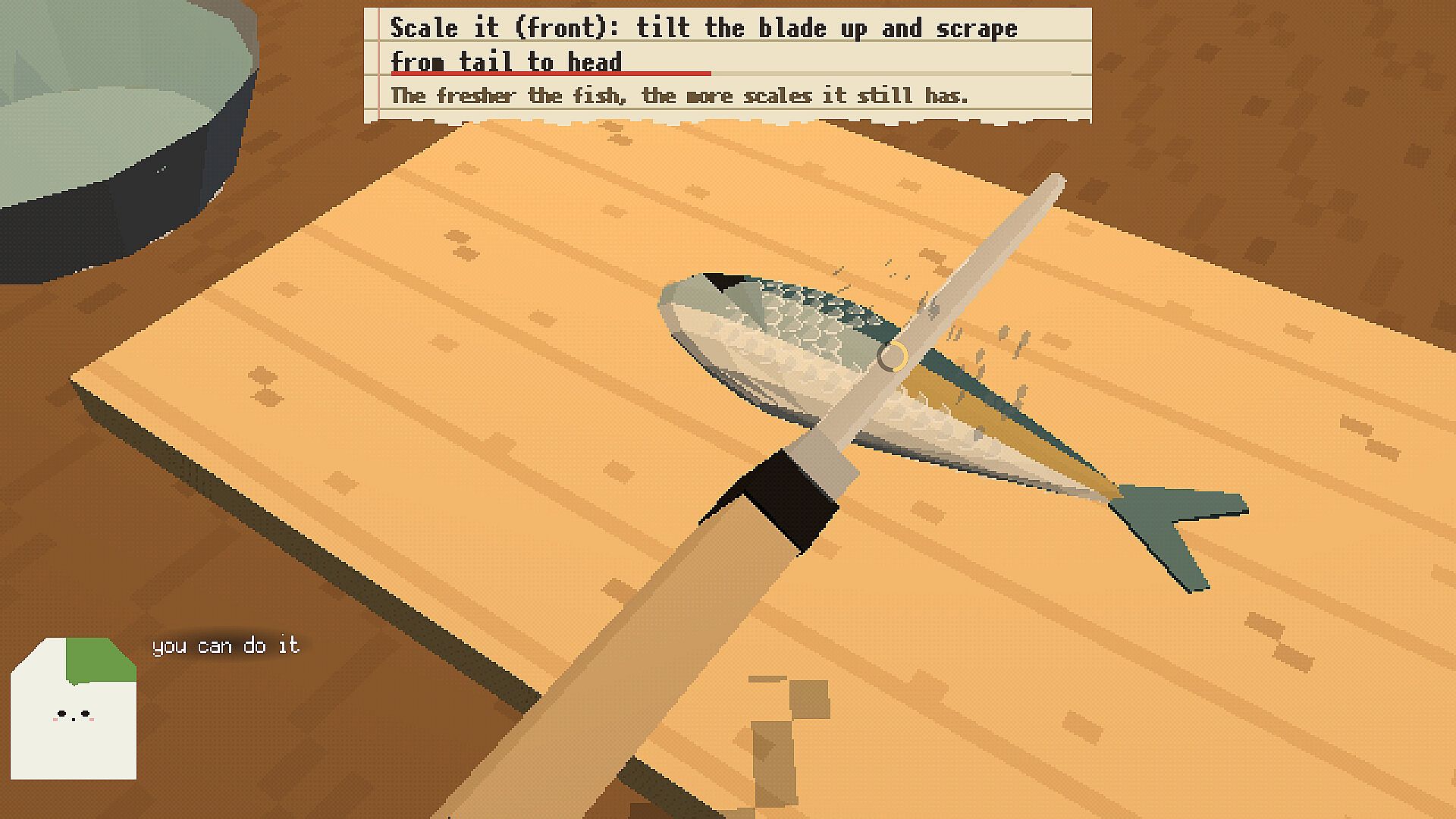
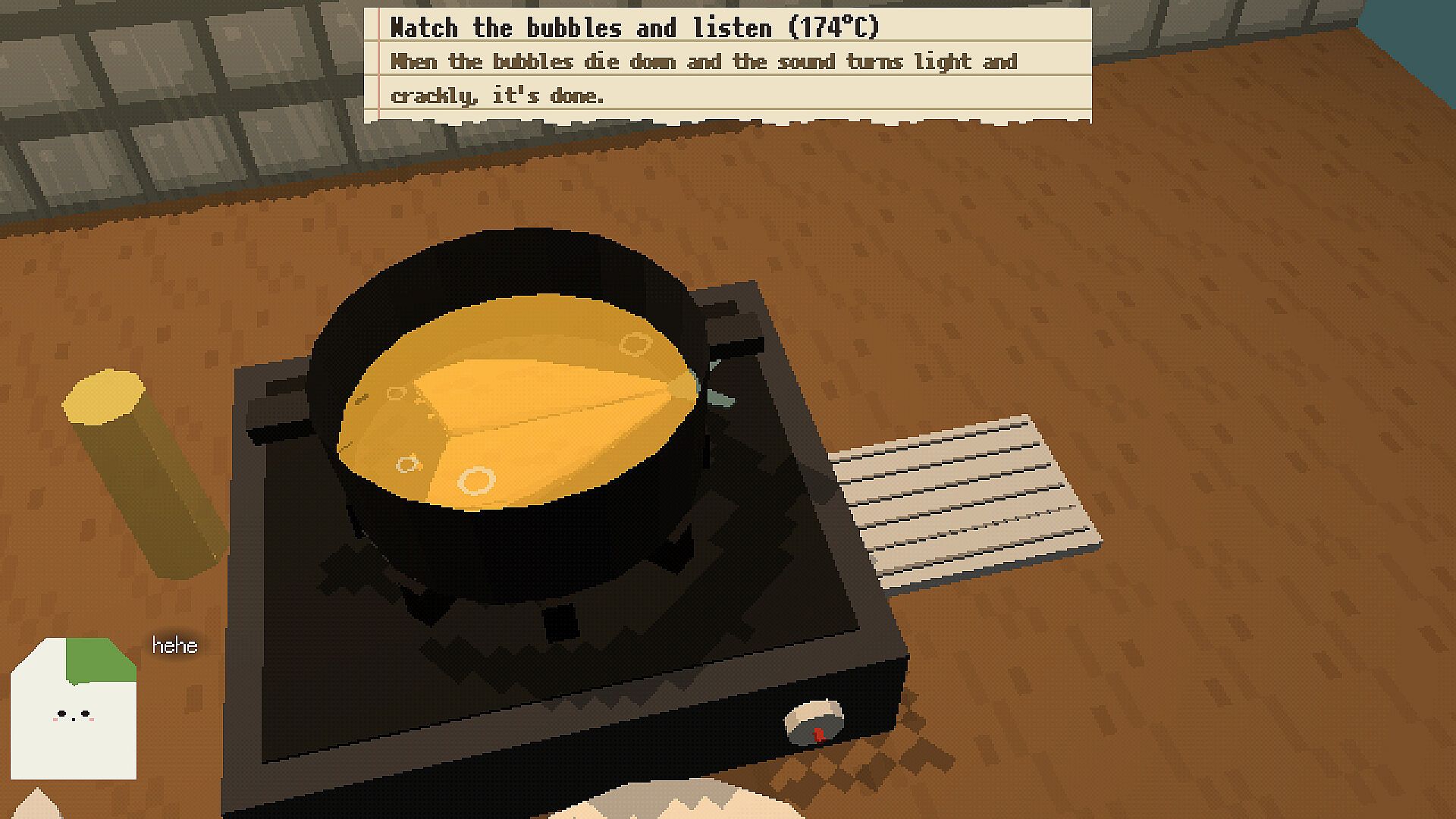
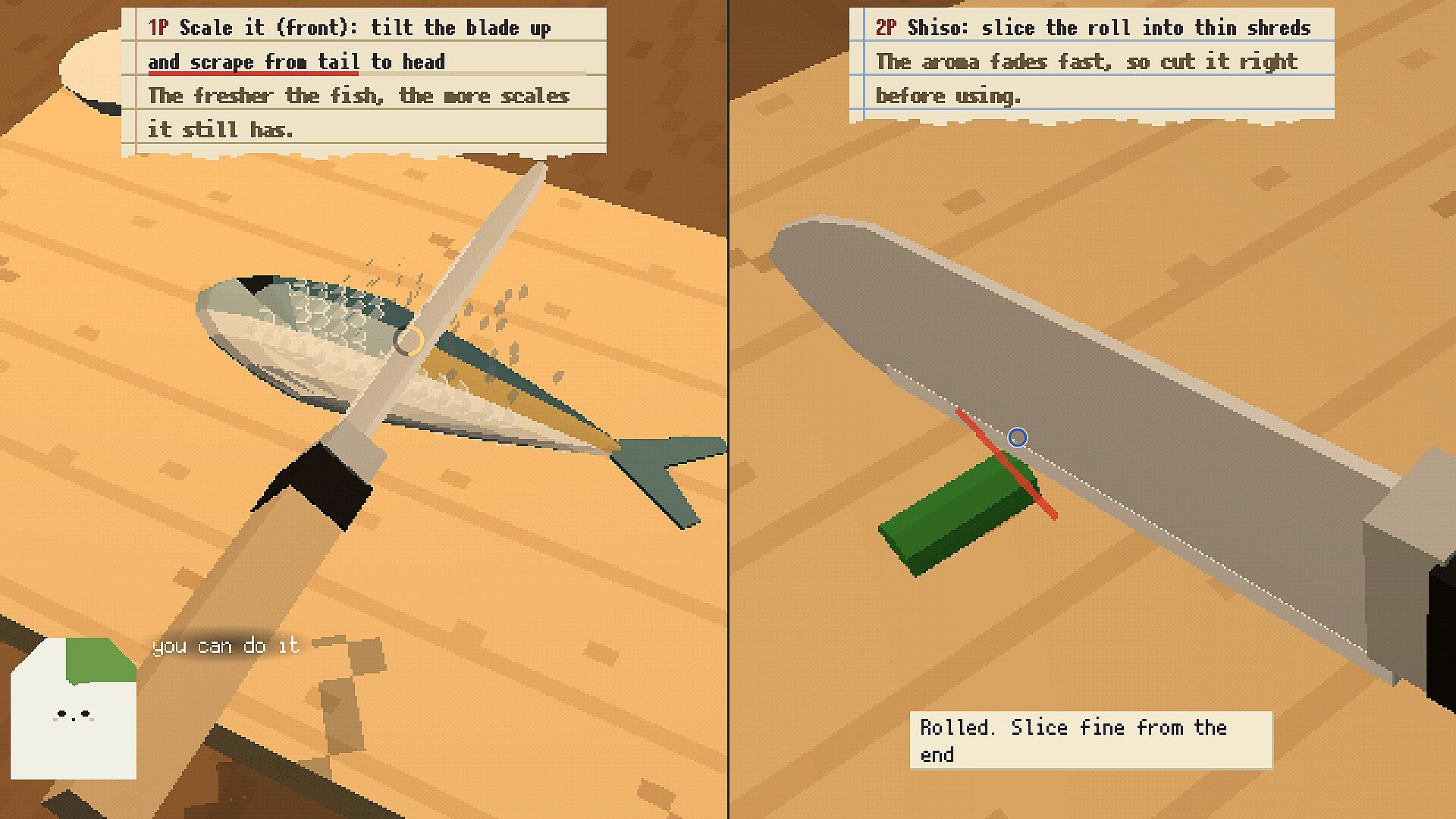
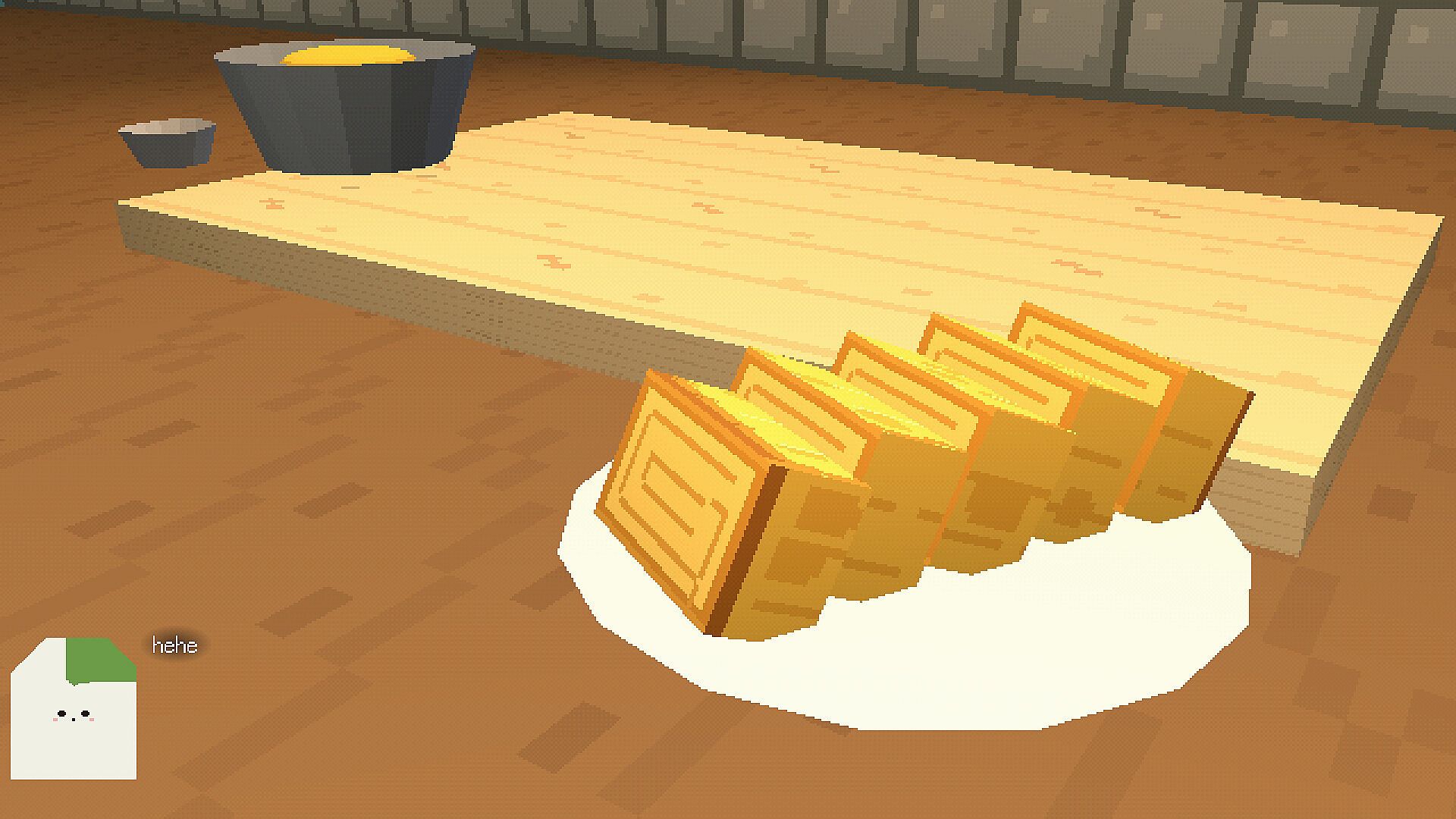
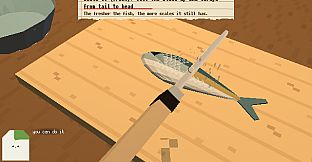
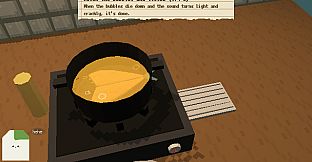
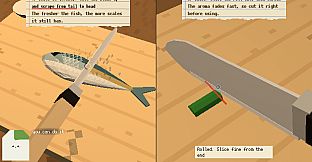
The core loop involves preparing one of 50 dishes using realistic kitchen steps that mirror home cooking. Players scale fish, fillet it along the knife stroke, prepare broths by removing kelp at the right moment, and monitor frying until bubbles shrink and the sizzle softens. Each completed dish earns stars for quality along with a brief note on improvements, and mastered recipes can be prepared without on-screen guidance.
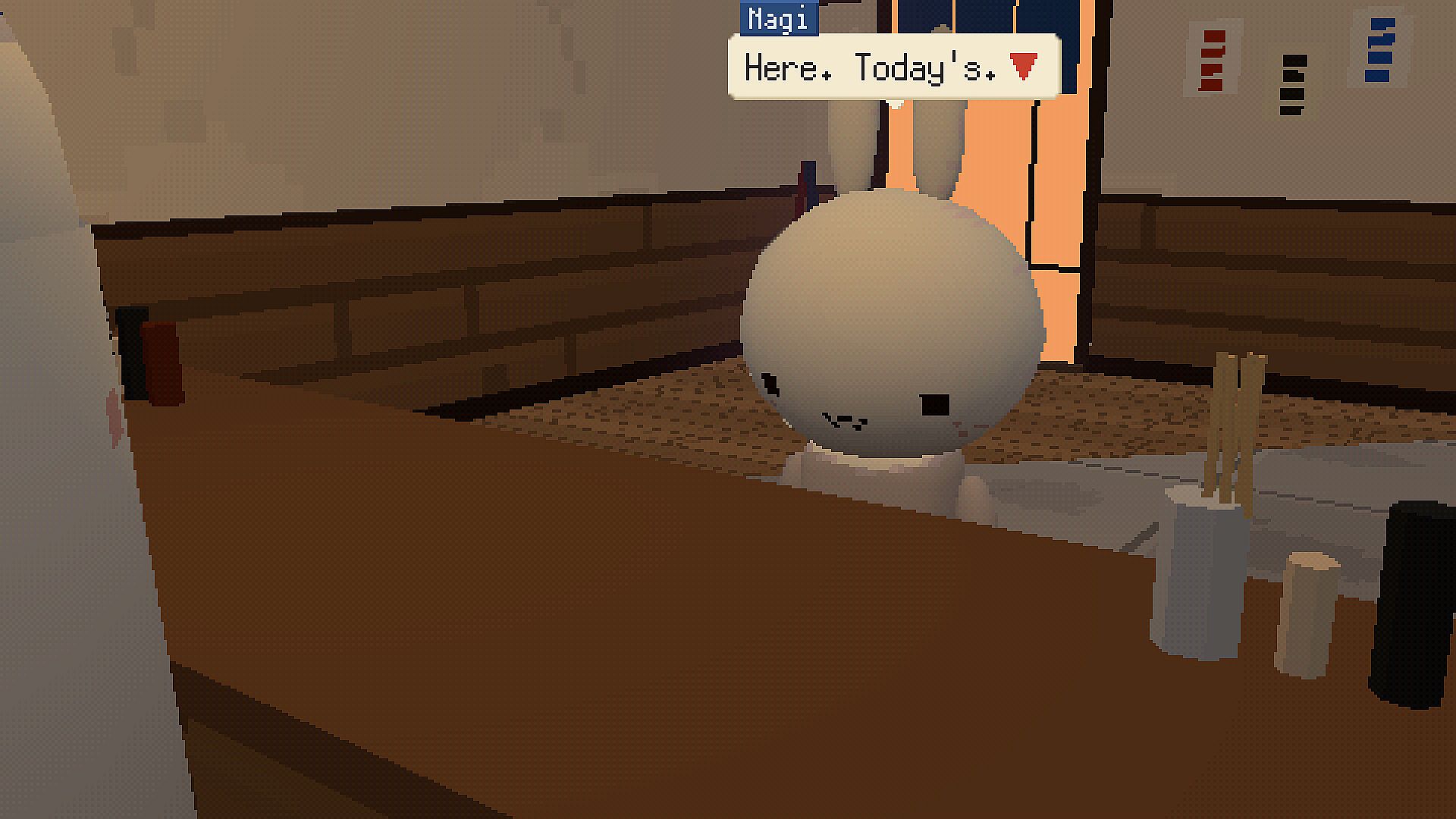
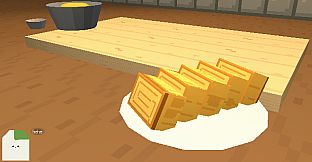
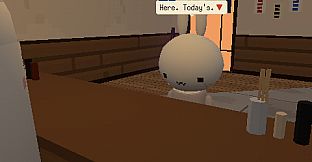
Orders arrive at the counter while multiple dishes run simultaneously. Regular customers return with specific preferences, such as a preferred browning level on dashimaki. Phone deliveries and larger groups add pressure during busy periods. Behind the diner, players tend pots of scallions, shiso, and mitsuba, watering them and harvesting when ready for use as garnishes that increase tips or for separate sale. Seedlings sometimes come from delivery recipients.
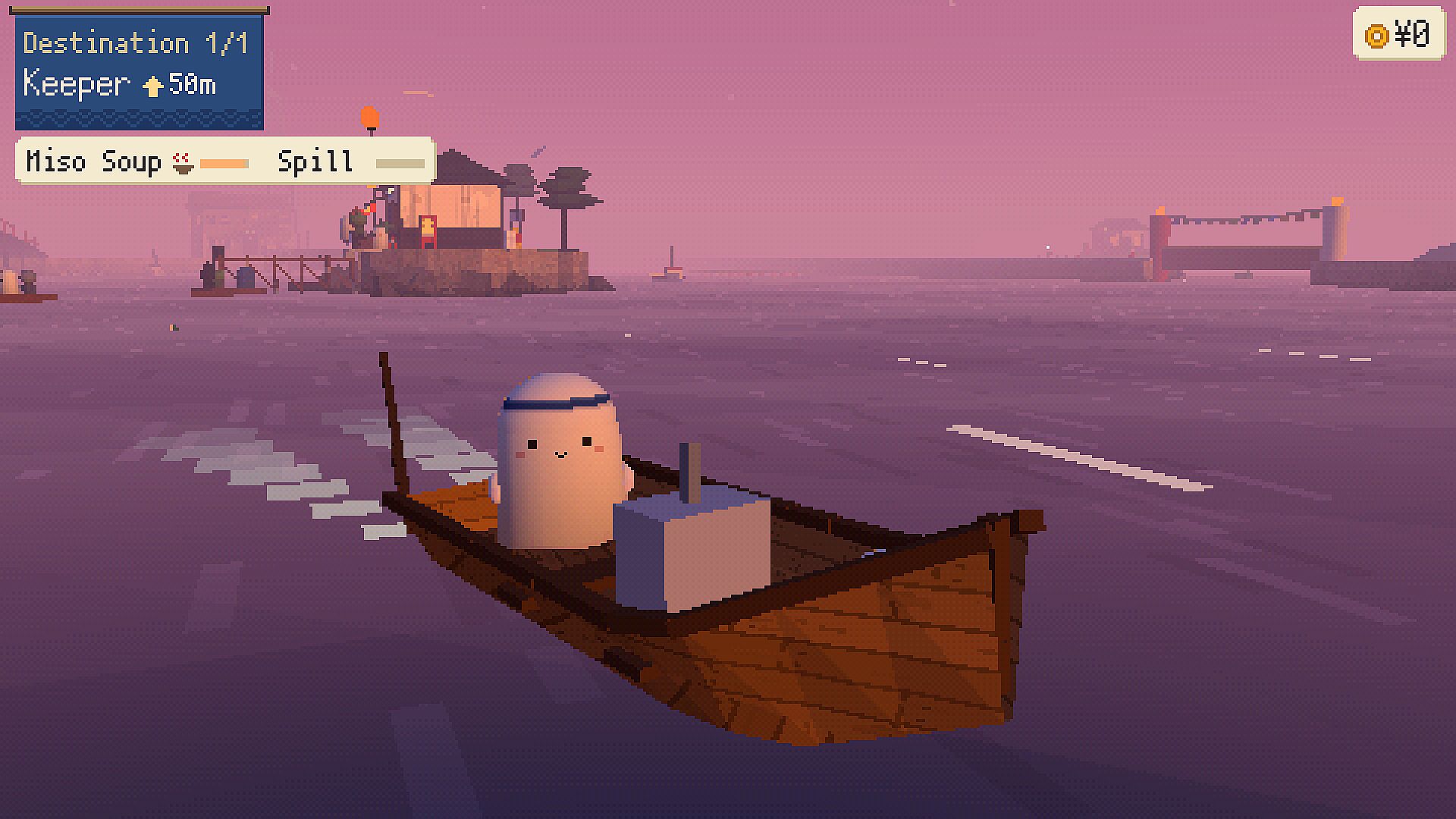
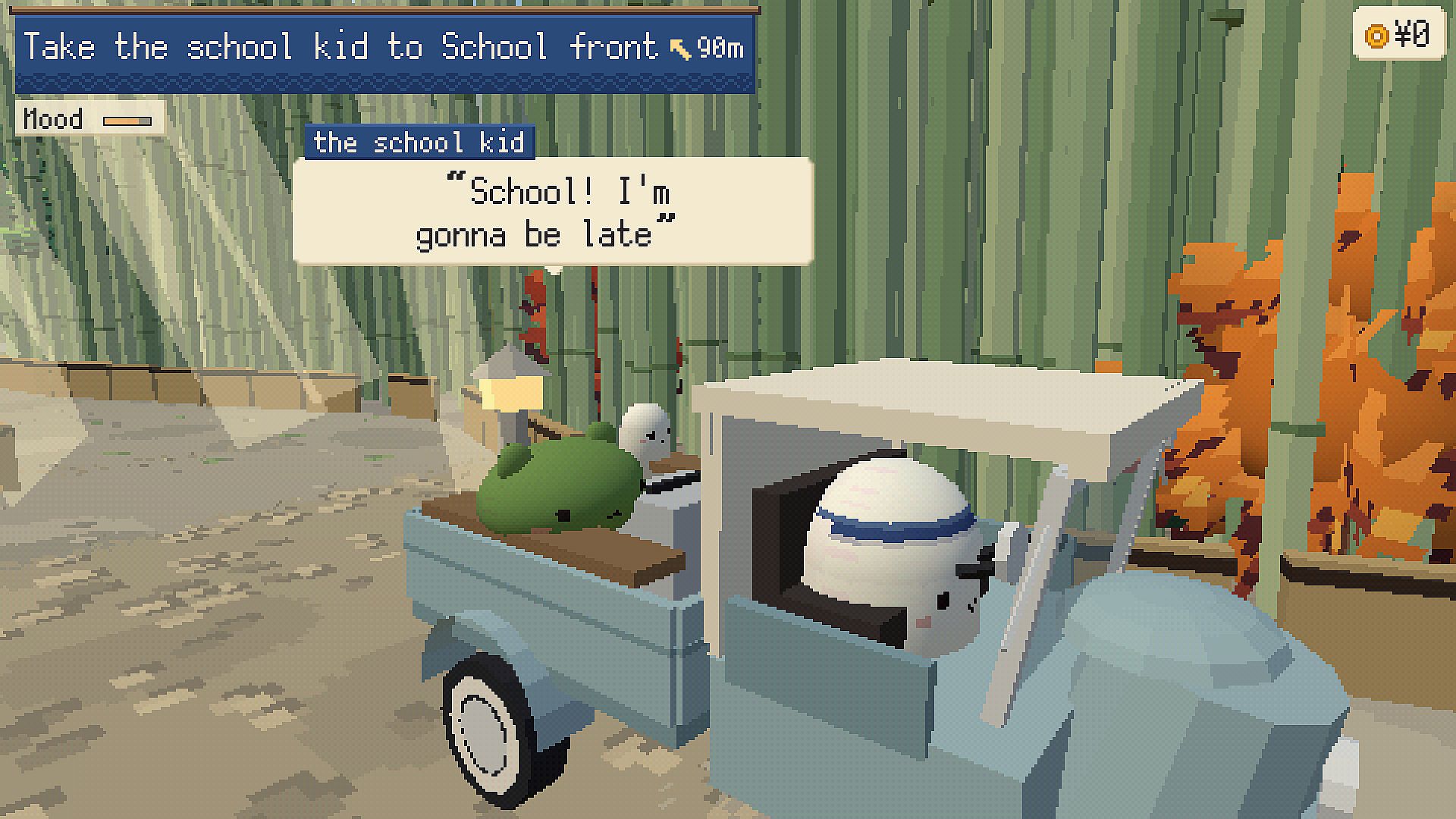
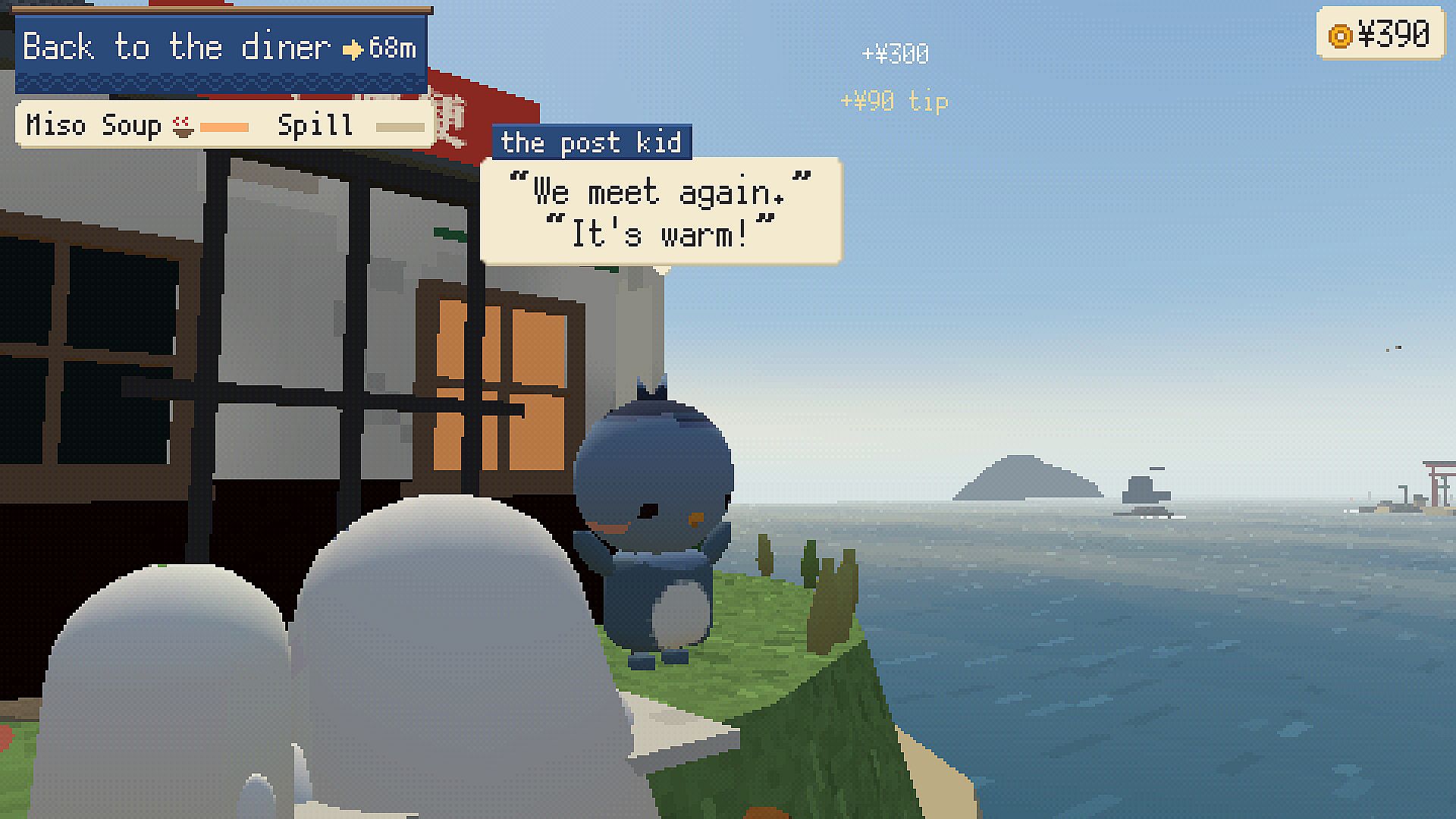
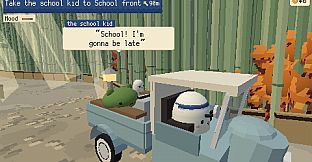
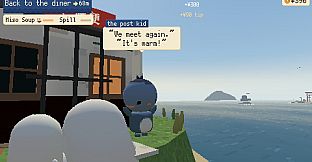
Deliveries require careful handling. Soup risks spilling if the boat rows too roughly, while fried items cool quickly in rain or if progress slows. A small boat carries meals across the water with Minato FM playing on the radio. Later, savings unlock a three-wheeled truck for driving the east side of town, including a bamboo path to a bay overlook once roadwork finishes. Upgrades at the workshop include headlights or a canopy, and passengers can be picked up along the way.
Game Modes
The game supports solo play throughout or local two-player co-op on a split screen. One player can handle filleting or chopping with a mouse while the other manages garnish or steadies the delivery box using a gamepad. All activities remain available in single-player mode without changes to pacing or requirements.
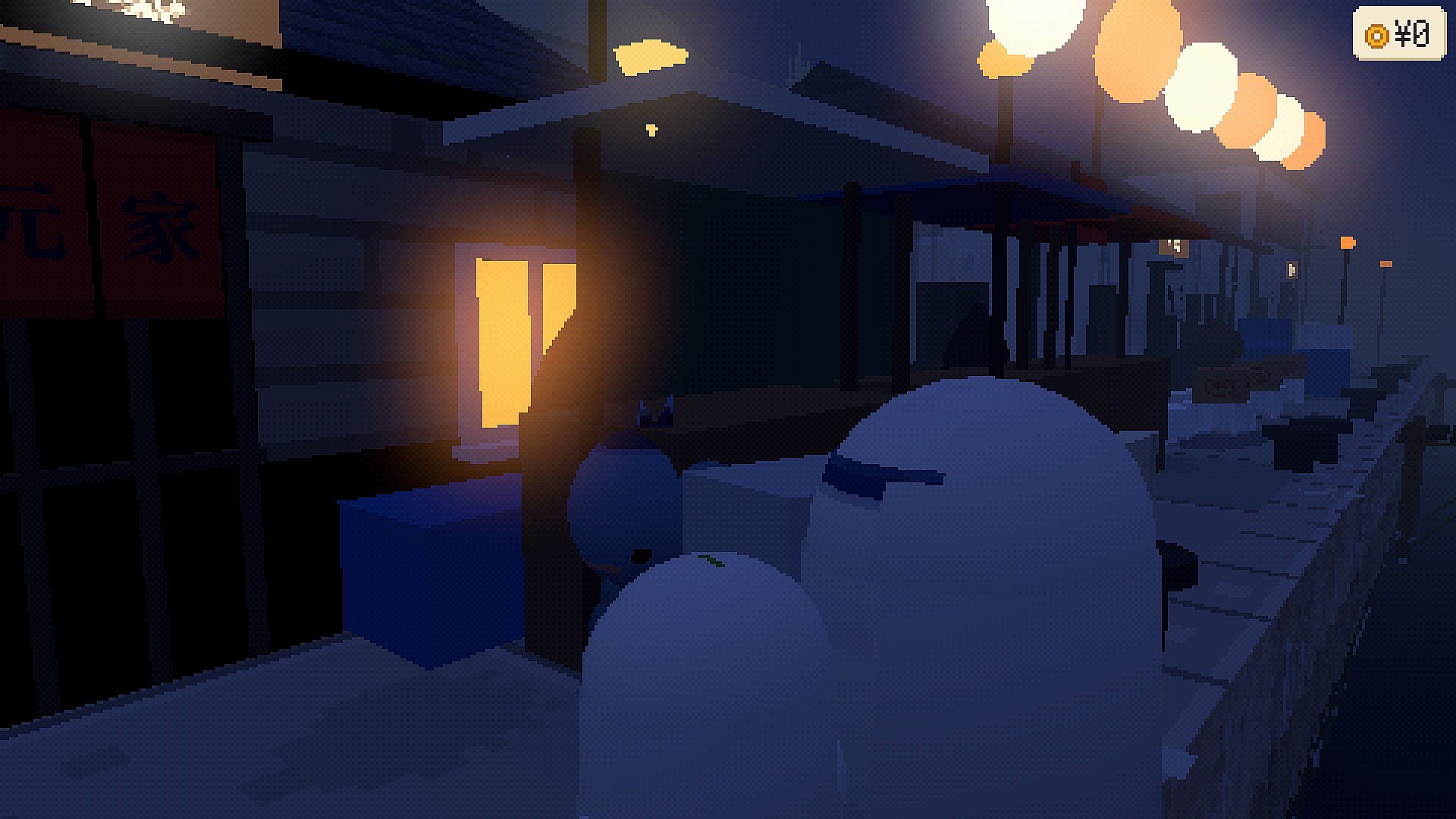
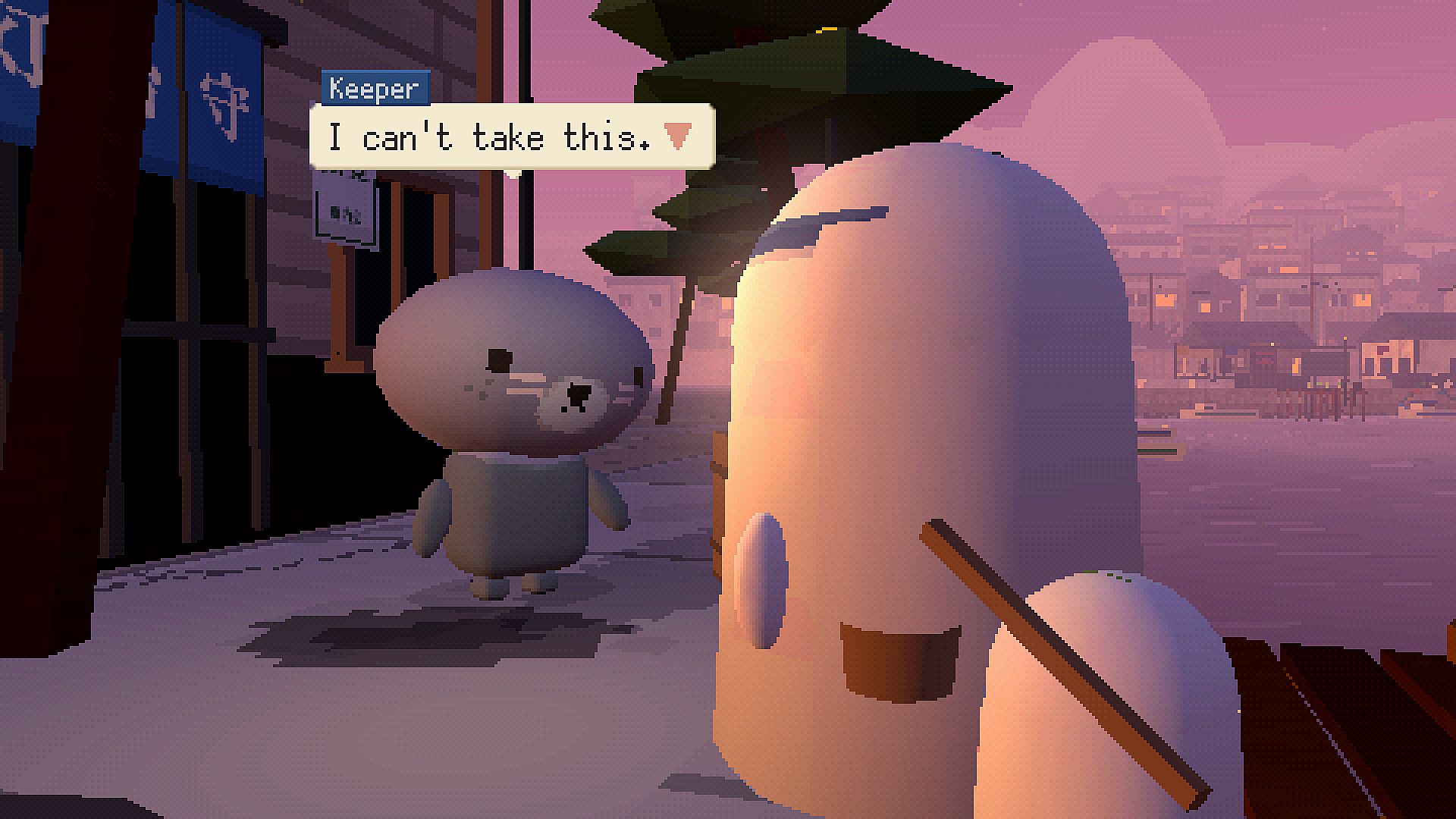
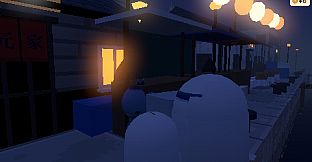
Progression builds through diner operations, deliveries, and town interactions. Regulars develop conversations over repeated visits once their usual orders are remembered. A narrative thread emerges on foggy nights when the lighthouse darkens and lanterns appear sequentially in the mist, accompanied by distant festival drums.
Progression and Daily Life
Early focus stays on learning recipes and handling basic counter service. As reputation grows, the mix of walk-in customers, phone orders, and group bookings increases. Herb growing provides both practical garnishes and extra income, while truck ownership expands delivery options and allows free movement around town for errands or sightseeing. Every recipe prepared unlocks a real-world page listing exact quantities, a shopping list, and step-by-step instructions for replication in a home kitchen.
Atmosphere builds through small details such as weather affecting food temperature during deliveries and the radio providing background during boat trips. The ghost owner follows traditional methods precisely despite lacking taste, emphasizing technique over personal preference.
Is It Worth Playing?
Minato Shokudo: Mirage of the Great Clam suits players who enjoy methodical cooking simulations and relaxed management tasks with light narrative elements. The emphasis on accurate preparation steps, combined with delivery timing challenges and co-op flexibility, creates a focused experience centered on routine and small-town life. Those interested in games that blend kitchen precision with gentle exploration and repeatable daily loops will find the systems rewarding. The upcoming release in December 2026 means the title remains in a pre-launch state with no player reviews available yet, so expectations should align with the detailed cooking and delivery mechanics described by the developer.