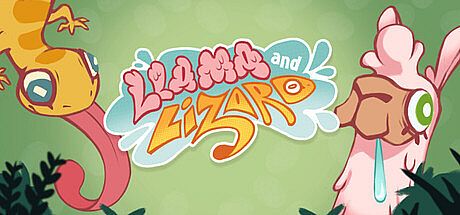


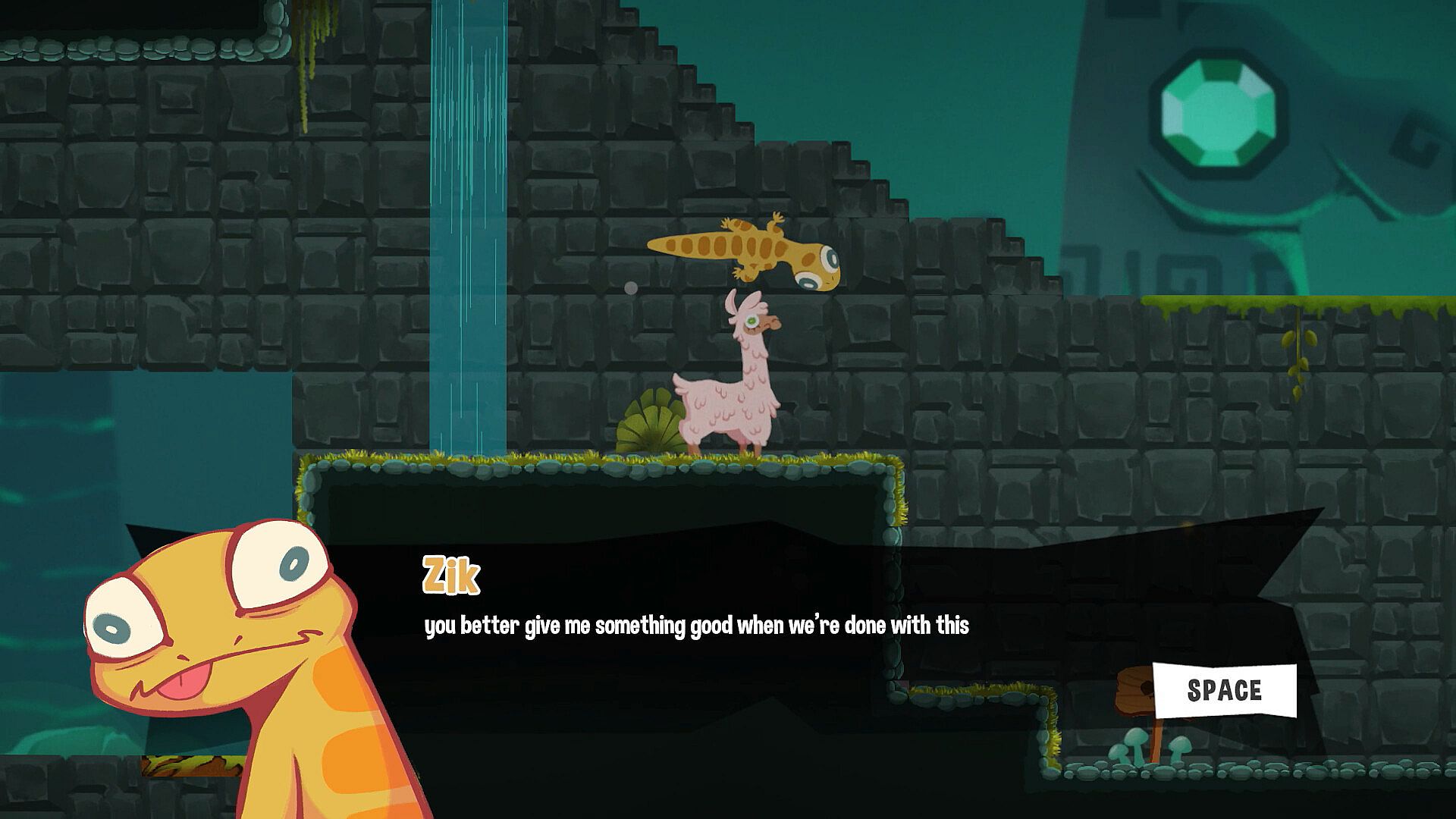
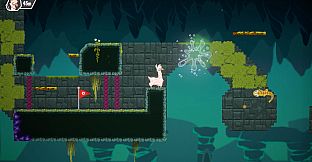
Llama and Lizard is a co-op adventure game built around asymmetric controls and physics-driven puzzle solving on PC. Players take on the roles of two distinct characters whose abilities mesh to overcome obstacles in a vertical climb toward a clear objective.
Gameplay
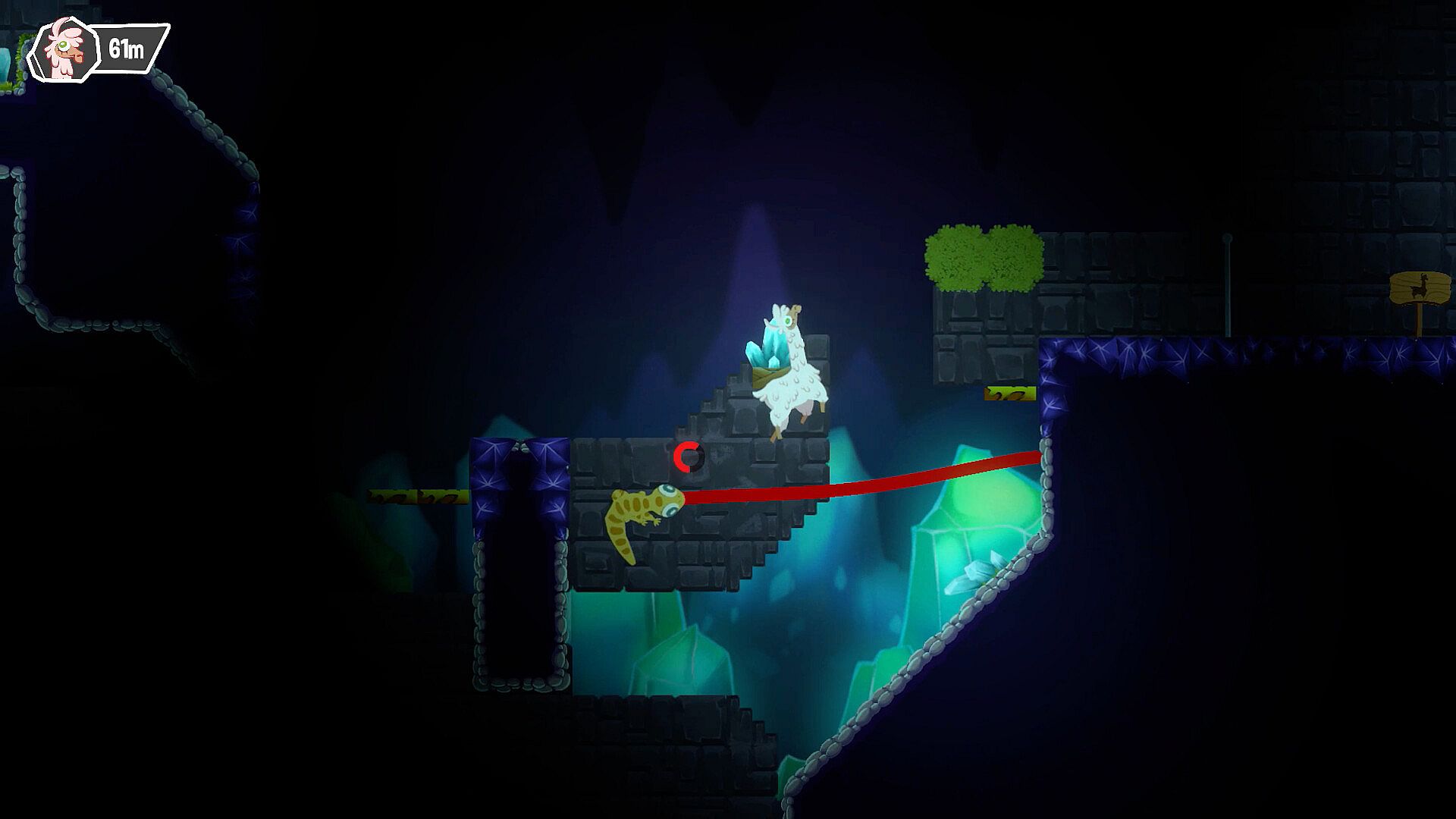
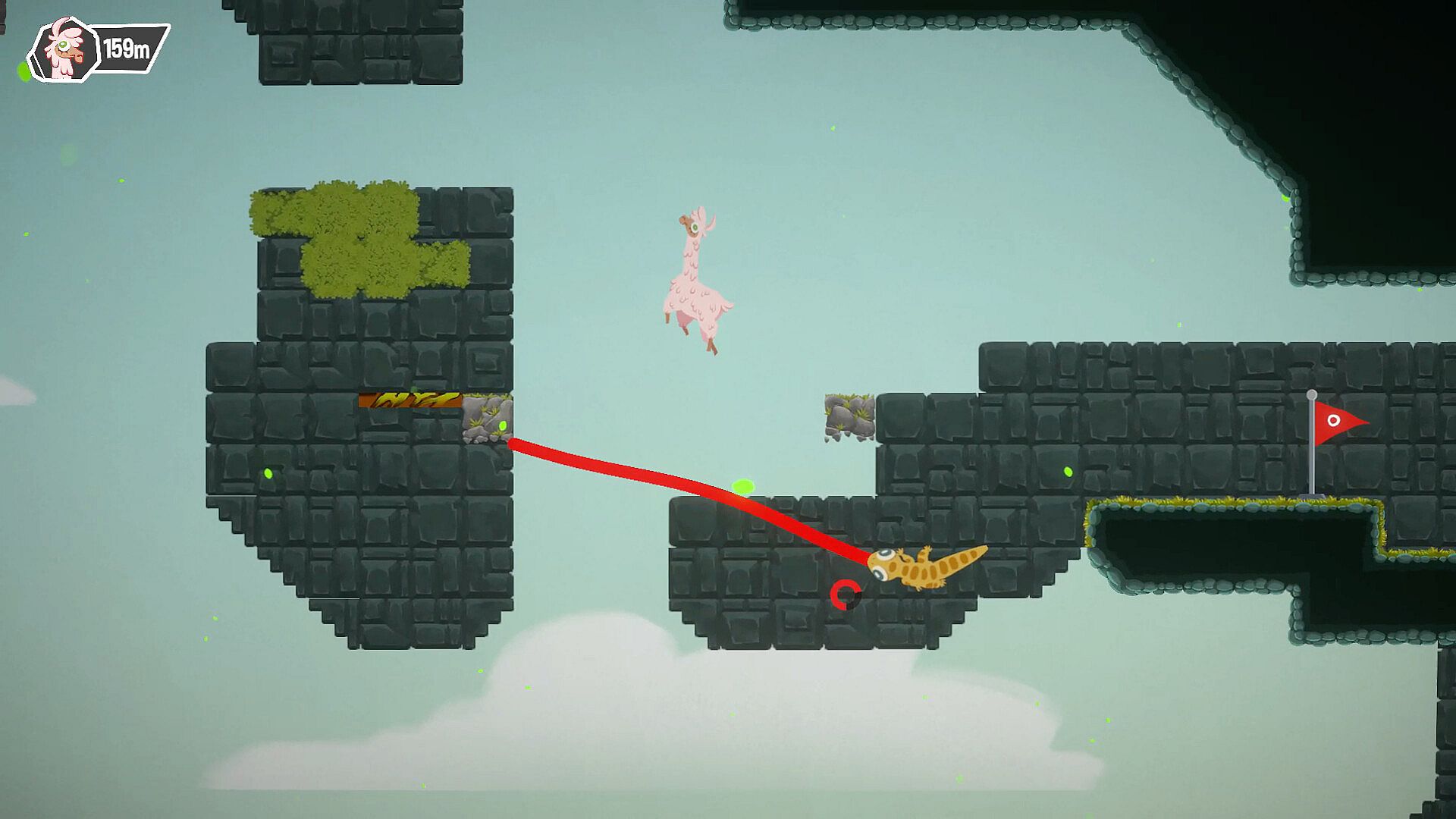
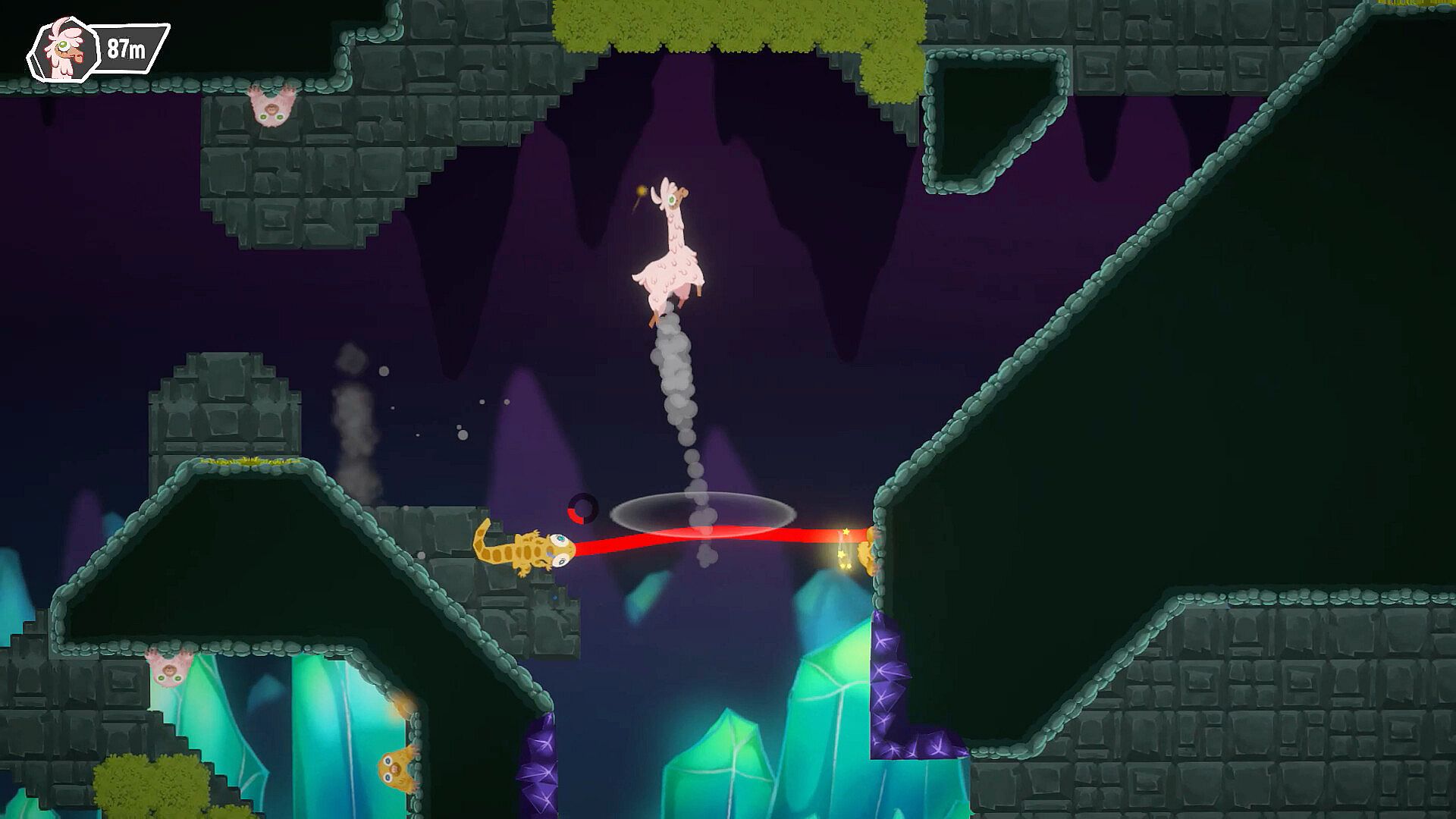
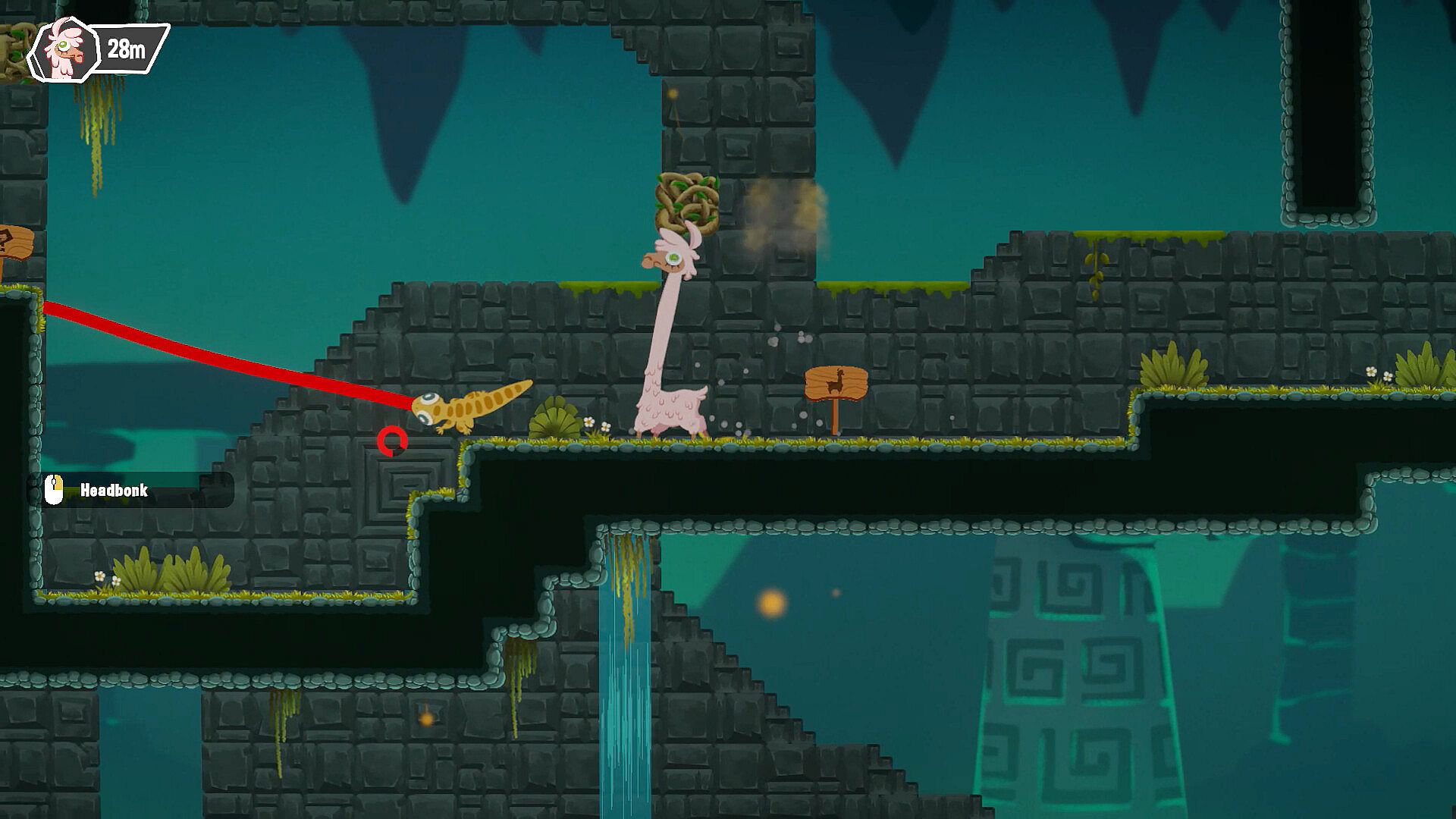
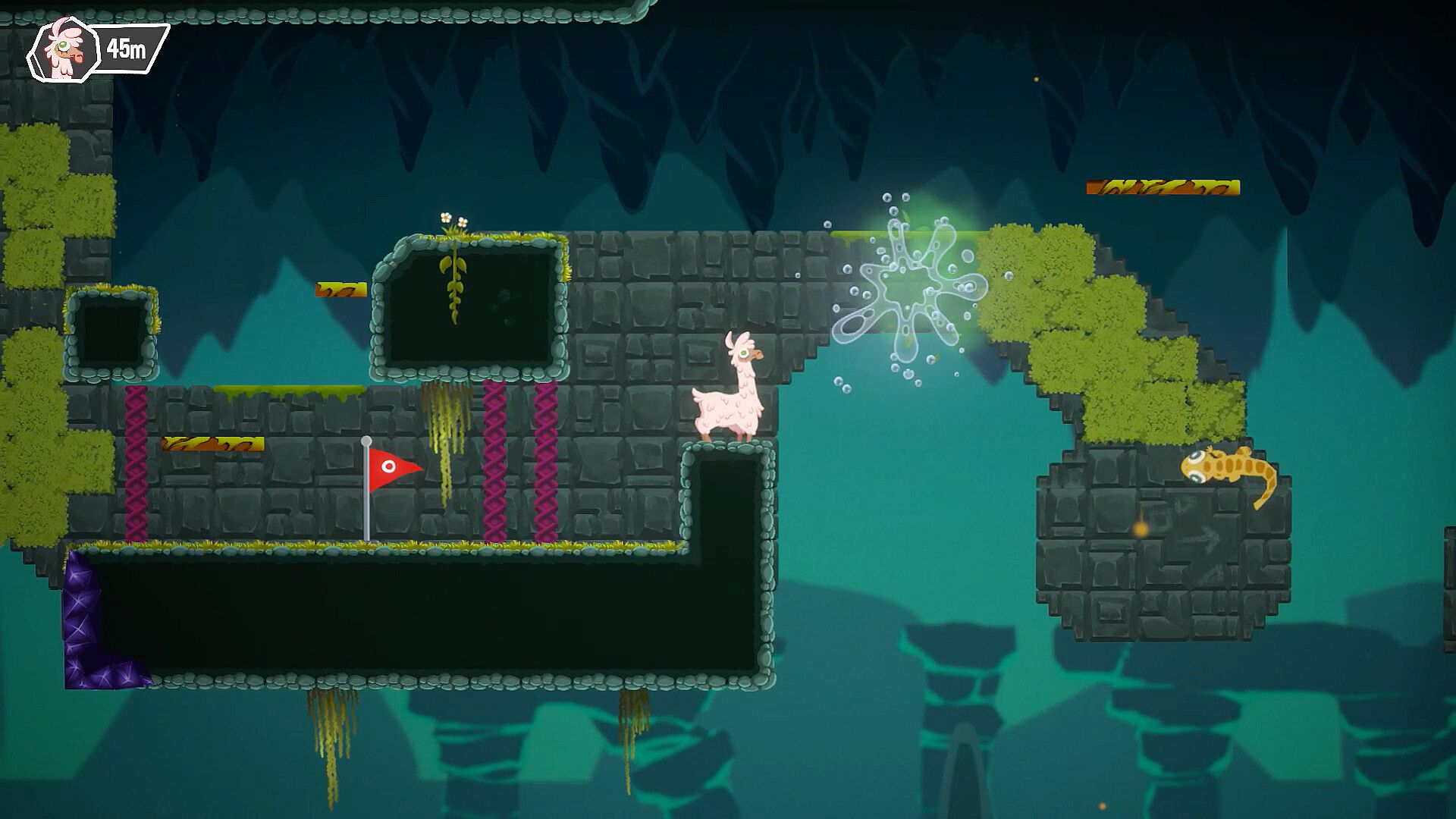
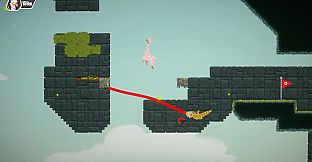
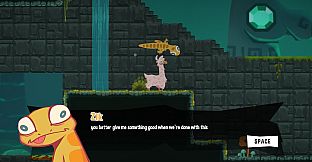
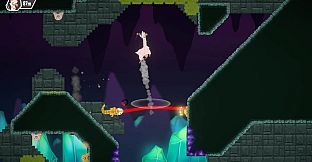
The core loop centers on coordinated movement and interaction between the two characters. The llama operates in a traditional 2D platformer view, relying on jumps, spitting projectiles, and headbonks to alter the environment or open routes. These actions create temporary platforms or clear paths that the second character needs to advance.
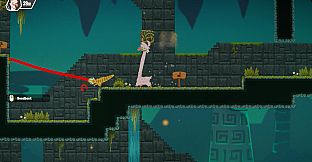
The lizard uses a top-down perspective and can scale walls in any direction. Its sticky tongue serves as a grappling or extension tool that reaches places the llama cannot access alone. Physics governs many interactions, so tongue bounces, stretches, and placements must align precisely with the llama's platforming to progress through each challenge.
Switching perspectives and timing actions between the pair forms the main skill requirement. Simple navigation quickly gives way to sequences that demand one player to set up an environmental change while the other exploits it, all within the same shared space.
Game Modes
The game supports online co-op and local co-op sessions. Shared or split-screen options allow two players to participate on the same device or across a network connection. No single-player mode exists, and the design assumes simultaneous control of both characters at all times.
Progression occurs through cooperative puzzle sequences rather than competitive or versus formats. Sessions focus on completing the shared journey without additional variants such as time trials or versus arenas.
Exploration and Progression
Four distinct zones structure the climb. Each zone introduces new puzzle elements that build on the established mechanics while increasing in complexity. Early areas emphasize basic coordination, such as using the tongue to bridge gaps or the spit to shift objects. Later zones layer multiple interactions, requiring repeated setup and execution across both perspectives.
The overall goal remains consistent: locate the missing egg and reach the highest point. Environmental variety across the zones keeps the physics challenges fresh without introducing unrelated systems or collectibles outside the main path.
Is It Worth Playing?
This title suits players who enjoy short-session co-op puzzle games that reward precise timing and communication. The asymmetric controls create a distinct experience compared with symmetric co-op adventures, where both participants use similar movement styles.
Because the game remains in a pre-release state with no published player reviews or completed updates available, any final judgment depends on personal tolerance for experimental mechanics and the appeal of vertical puzzle progression. Those drawn to physics-based co-op titles with clear character differentiation will find the core loop matches the described systems closely.