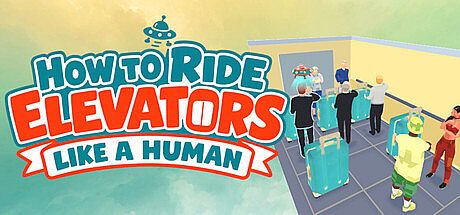


How To Ride Elevators Like A Human is a single-player strategy indie casual puzzle game set on PC. Players take the role of an alien observer learning human social customs through a series of elevator encounters. The experience centers on the odd human habit of avoiding eye contact inside these confined vertical spaces, turning everyday transit into a set of light strategic challenges.
Gameplay
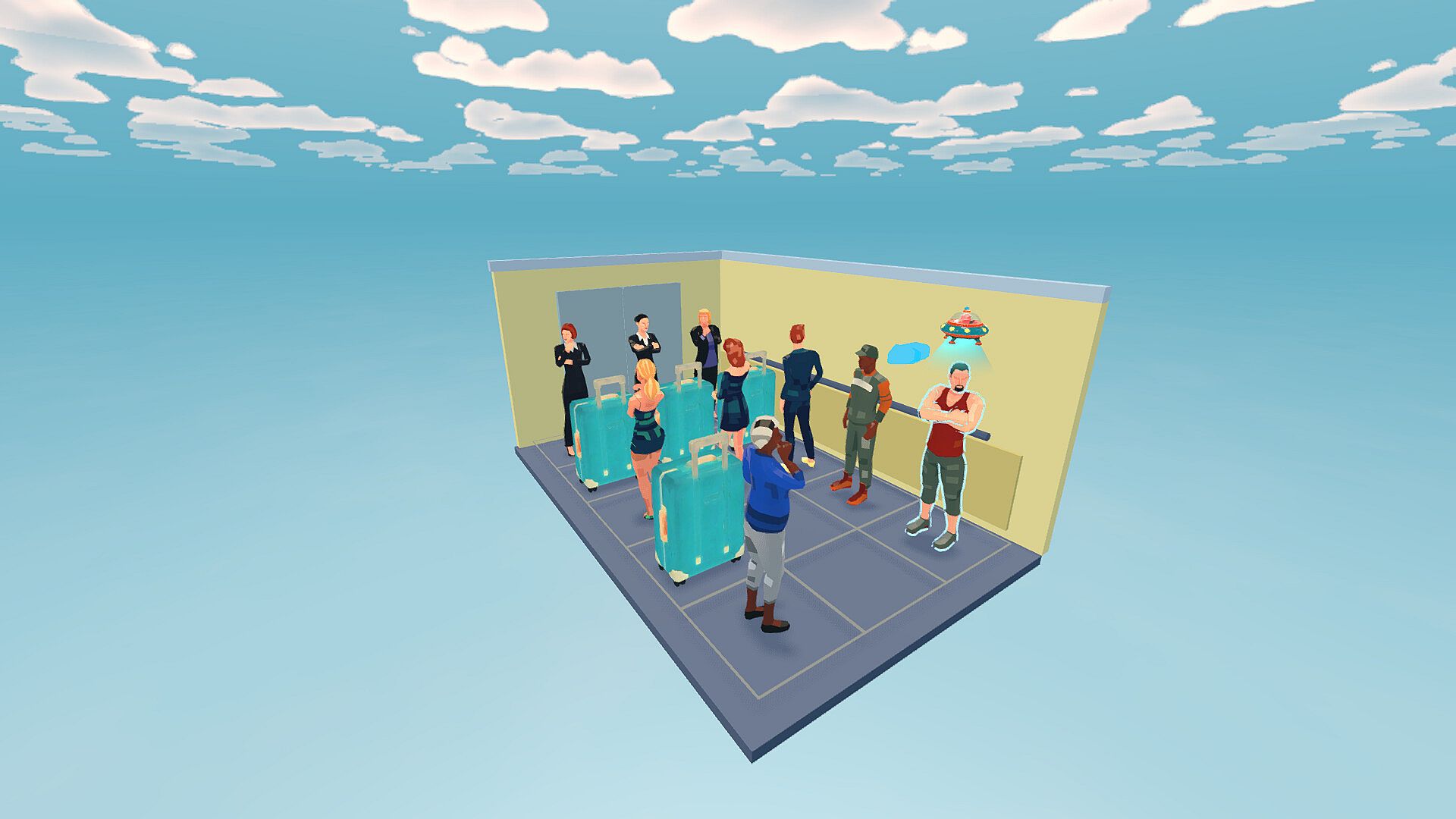
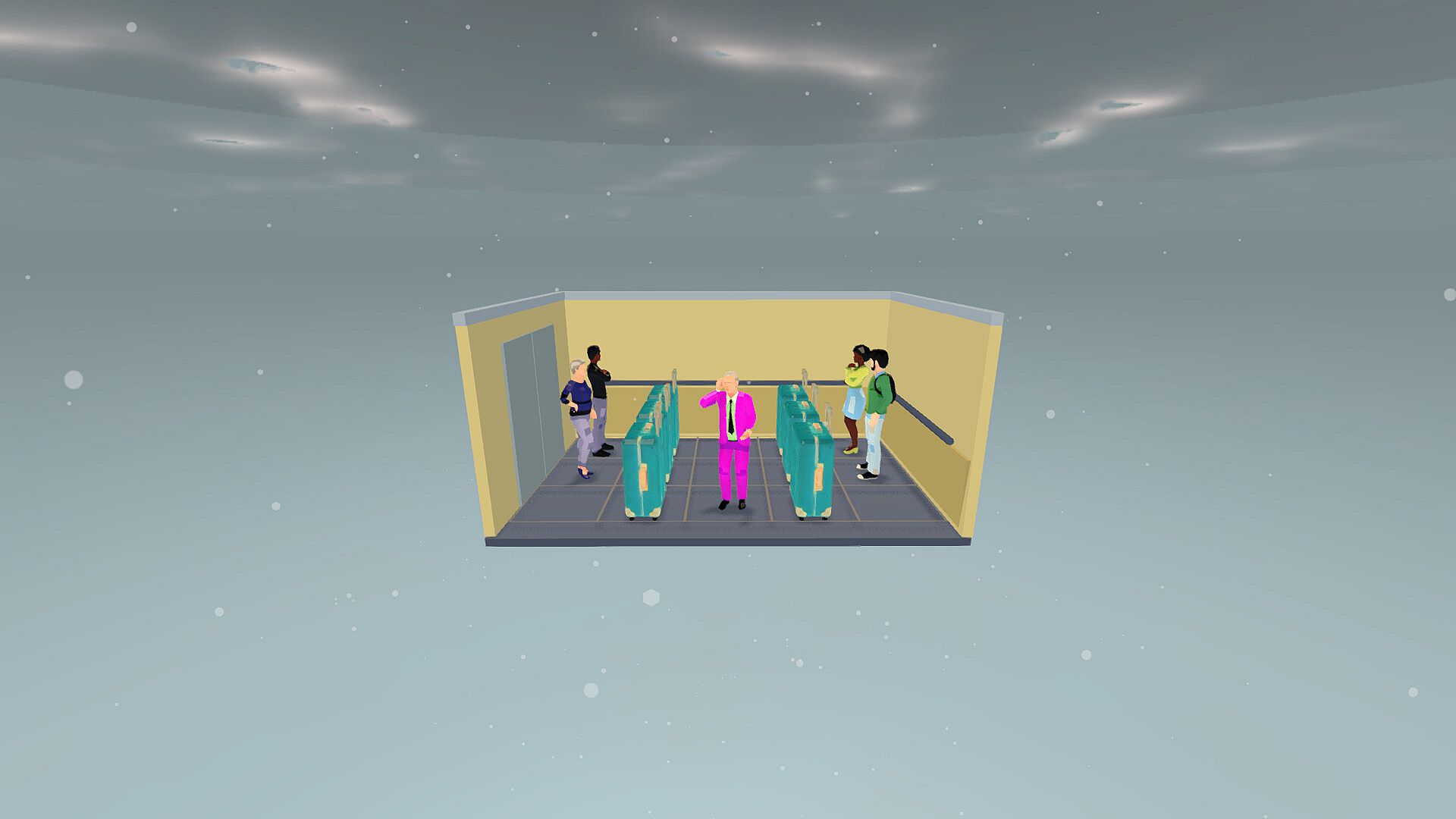
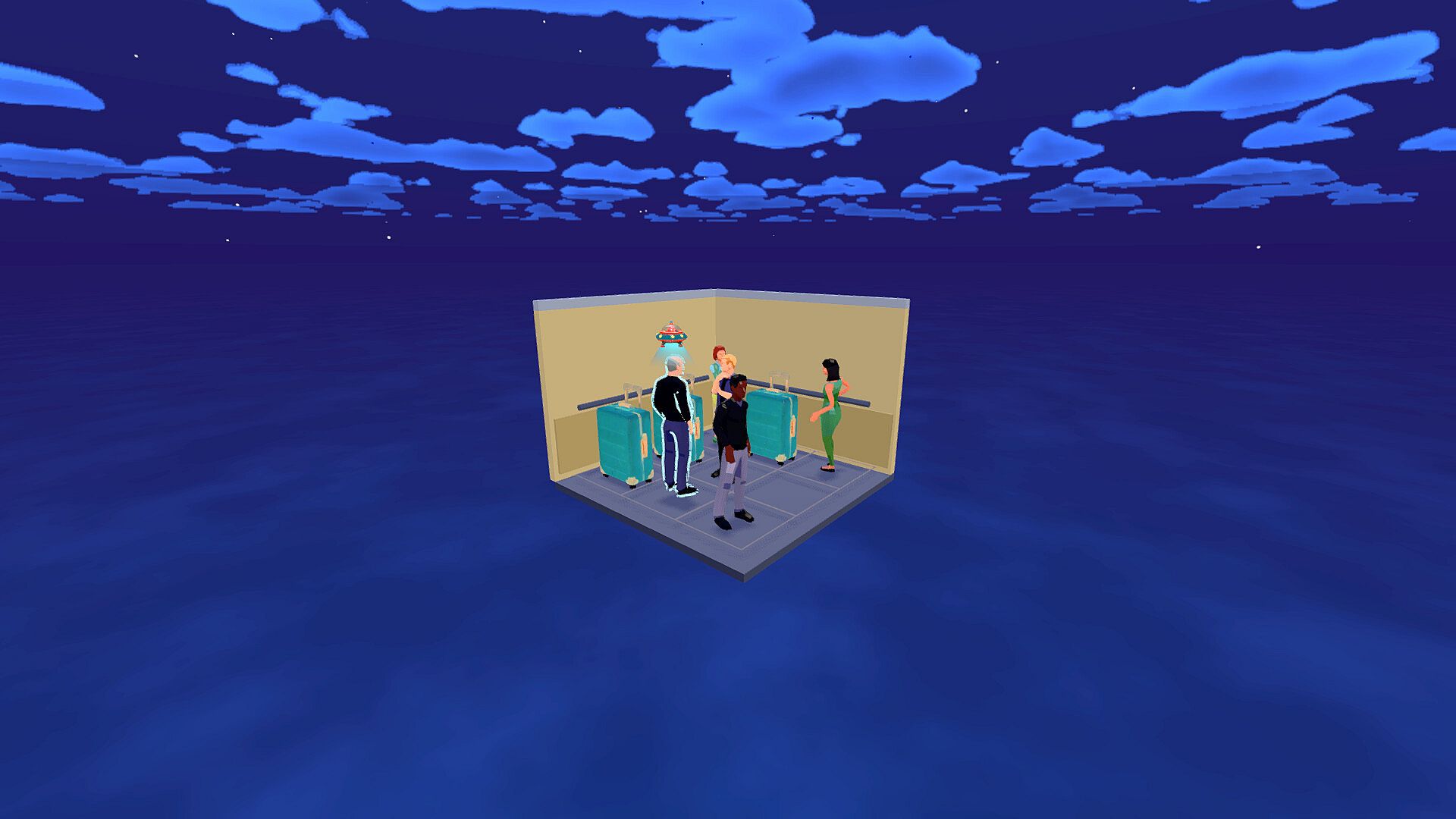
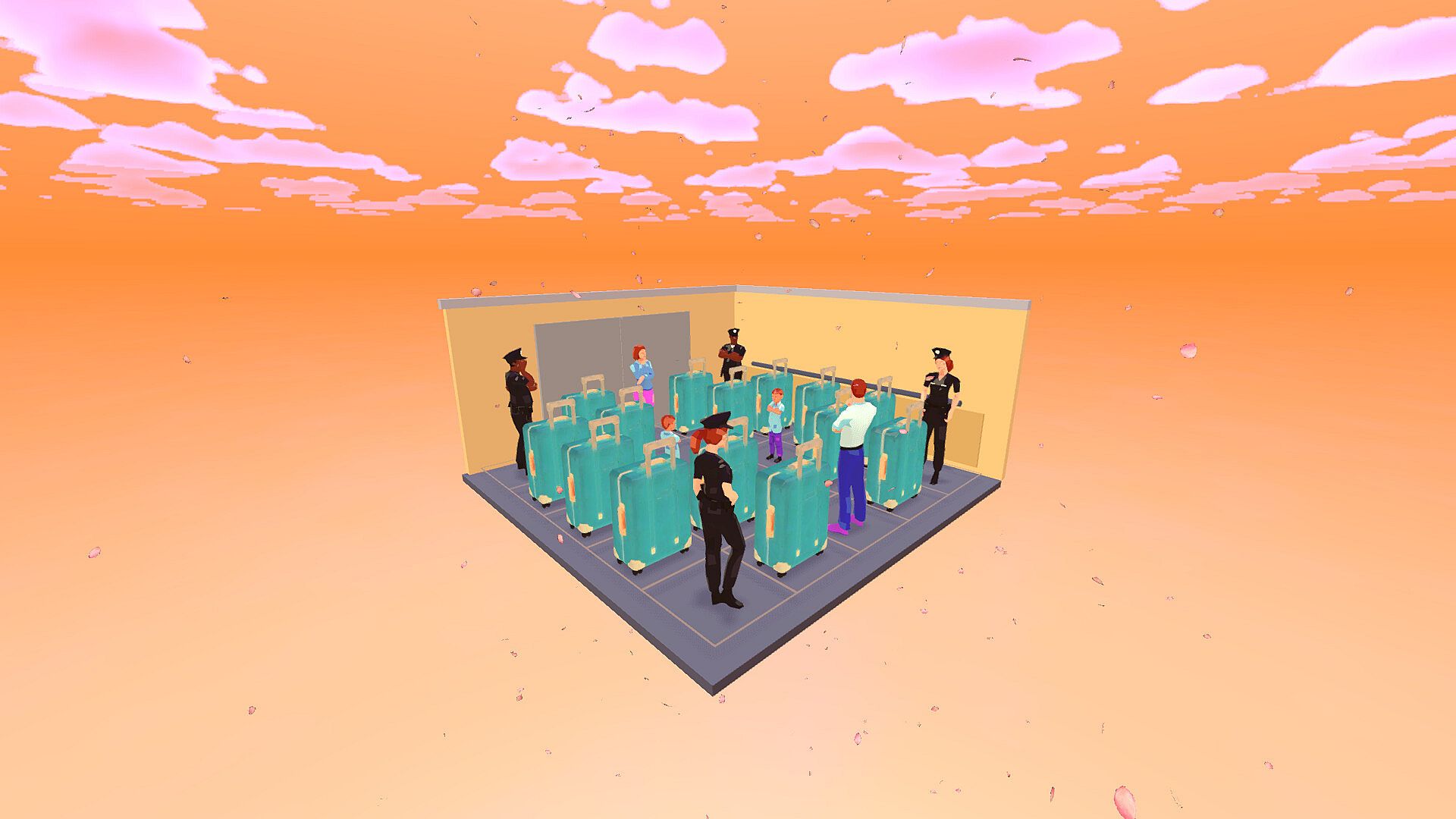
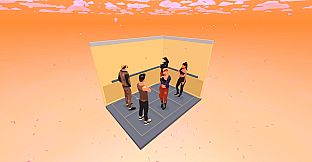
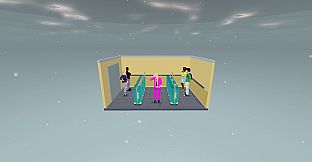
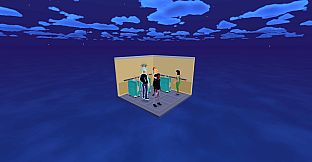
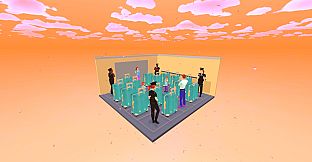
The core loop involves positioning different human types inside an elevator car while managing their behaviors to maintain the unspoken rule of minimal interaction. Adults stand tall and occupy standard space. Children appear as smaller versions that move differently and require separate handling. Luggage blocks pathways without any compression tricks, forcing careful placement. Couples function as paired units that resist separation and demand coordinated positioning.
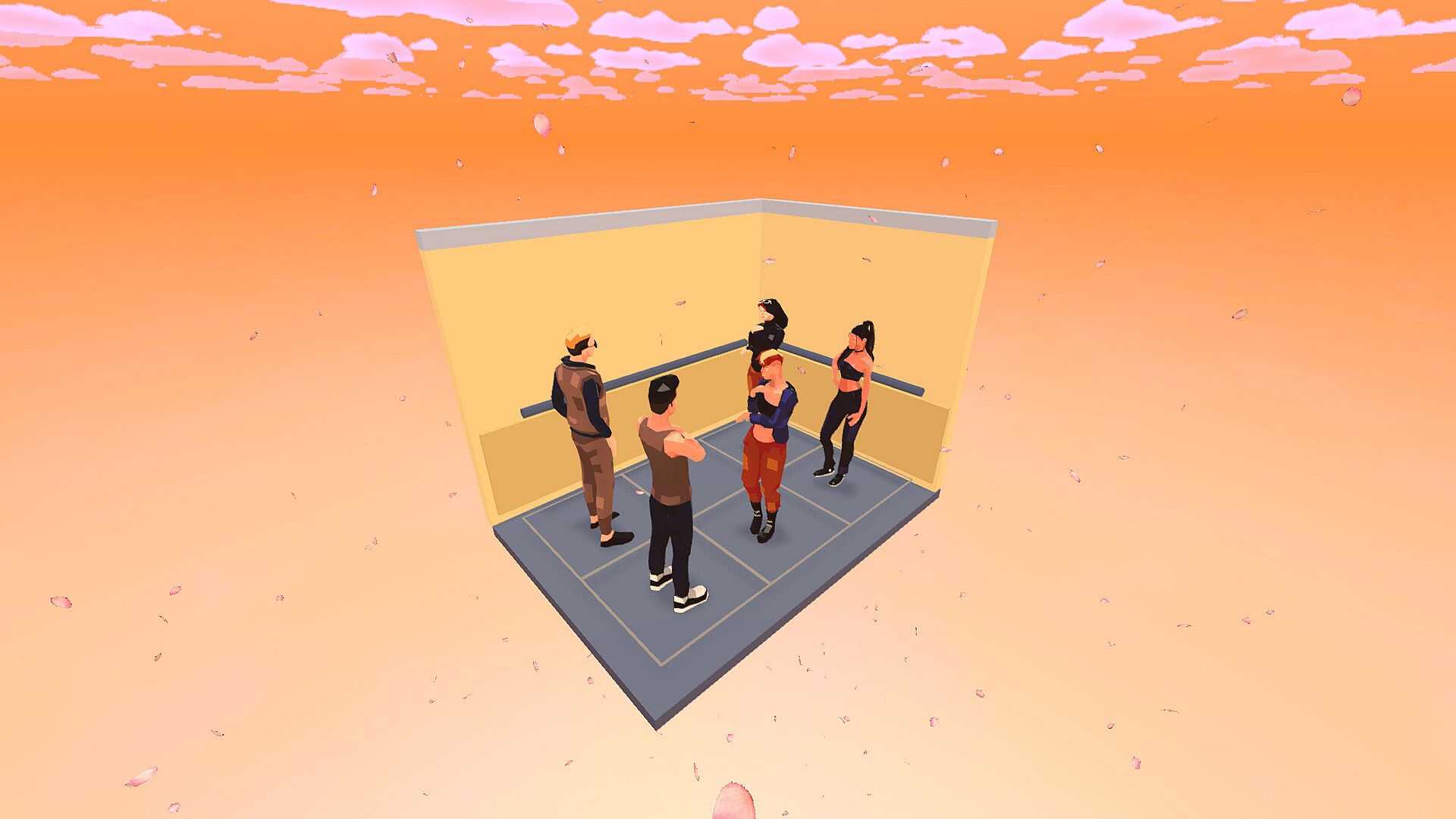
Each scenario presents a limited elevator interior where these elements interact according to simple rules. The alien perspective highlights the absurdity of the situation, with success measured by completing rides without triggering unwanted eye contact or disruptions. Progression builds through repeated attempts that refine placement strategies and timing. The pace stays relaxed, emphasizing observation and adjustment over rapid reflexes.
Game Modes
The game operates entirely in single-player format. Sessions focus on individual elevator rides that present fresh combinations of passengers and obstacles. No separate competitive or cooperative modes exist. Instead, the structure relies on sequential puzzles that increase in complexity through added elements and tighter spatial constraints.
Players revisit earlier setups with new variables to test improved approaches. The absence of multiplayer keeps attention on personal problem solving and the humorous alien narration that frames each attempt.
Visuals and Presentation
Simple 3D models represent the elevator interior and its occupants. The style remains clean and functional, directing focus toward the placement mechanics rather than elaborate environments. Limited AI assistance appears in asset creation, keeping the overall look consistent and understated.
Sound design supports the chill atmosphere with minimal audio cues that match the quiet, awkward nature of real elevator rides. Text descriptions provide the alien's observations, adding personality without overwhelming the puzzle focus.
Is It Worth Playing?
This title suits players who enjoy short, thoughtful puzzle sessions in the casual strategy genre. The single-player structure delivers a complete experience centered on spatial reasoning and pattern recognition. With a planned release in November 2026 and no reviews available yet, the game appeals most to those drawn to indie concepts that explore everyday oddities through light mechanics.
System requirements stay low, running on basic Windows hardware with modest storage needs. The family sharing feature allows broader access on the same account. Those seeking quick sessions without long commitments will find the format accessible, while fans of observational humor gain an extra layer from the framing narrative.