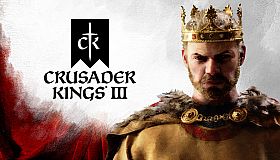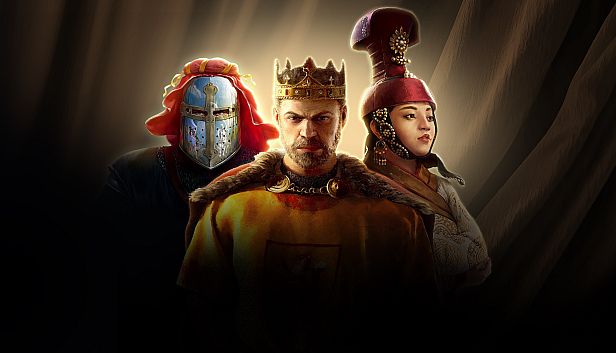












Crusader Kings III é um grand strategy com elementos de RPG ambientado na Idade Média, no qual o jogador administra uma dinastia ao longo de várias gerações. O foco está em governar como nobre, partindo de um simples conde até alcançar o título de imperador, tomando decisões pessoais que moldam o legado familiar e a estabilidade do reino ao longo dos séculos.
Jogabilidade
O ciclo principal gira em torno do desenvolvimento dos personagens e da continuidade dinástica. Cada governante possui habilidades em diplomacia, capacidade militar, administração, intriga, conhecimento e proeza, que influenciam tanto as ações cotidianas quanto os resultados a longo prazo. Um sistema de estresse acompanha a pressão mental causada por escolhas difíceis, podendo gerar mecanismos de enfrentamento ou problemas de saúde quando não é controlado.
Traços de personalidade surgem ainda na infância e determinam o comportamento do personagem, afetando as interações com vassalos, familiares e rivais. O sistema de estilos de vida permite desbloquear vantagens em caminhos especializados, como liderança militar ou influência na corte. Esquemas possibilitam operações secretas, como conspirações descobertas pelo mestre-espião, enquanto favores servem como moeda de troca em negociações.
O combate une tropas de recrutamento, unidades especializadas de homens-de-armas e cavaleiros, apoiados por avanços tecnológicos que fortalecem o reino tanto no aspecto econômico quanto militar. Eventos ligados a relacionamentos e ambições geram narrativas ramificadas, conduzidas por escolhas diretas do jogador em vez de caminhos predefinidos.
Conteúdos adicionais ampliam os aspectos sociais e de viagem. Torneios, banquetes e casamentos funcionam como oportunidades para ganhar prestígio ou firmar alianças. Peregrinações e visitas ao reino permitem inspecionar domínios, obter recursos e reforçar laços. O sistema de relacionamentos aprofunda desde amizades de infância até rivalidades intensas ou conexões românticas, influenciando lealdade e planejamento sucessório.
Modos de Jogo
O jogo oferece campanhas single-player em que cada jogador define seus próprios objetivos, sem condições de vitória impostas. As sessões giram em torno da construção de uma dinastia duradoura por meio de sucessivos governantes, lidando com eventos aleatórios e oposição controlada por IA em um mapa detalhado da Europa medieval e regiões vizinhas.
No multiplayer é possível jogar online com amigos ou outros jogadores, permitindo tanto a construção cooperativa de uma dinastia quanto partidas competitivas em busca de domínio em mundos compartilhados. O sistema de personagens permanece o mesmo, mas a presença de outros jogadores altera o ritmo da diplomacia, da guerra e das intrigas em relação às partidas solo.
Mecânicas e Sistemas Principais
A sucessão é o pilar do jogo a longo prazo: ao morrer, o governante é substituído pelo herdeiro, que herda títulos, alianças e desafios acumulados. Preferências culturais e religiosas entre os personagens adicionam complexidade à administração, exigindo cuidado no gerenciamento de populações diversas para manter a estabilidade.
A gestão do reino envolve equilibrar relações com vassalos, alterar leis e distribuir recursos. Ferramentas de intriga, como o recrutamento de agentes, ajudam a neutralizar ameaças, enquanto o recrutamento militar e a escolha de cavaleiros oferecem opções diretas de combate quando a diplomacia não é suficiente.
Vale a pena jogar?
Crusader Kings III combina estratégia e RPG de forma única, atraindo quem busca simulações políticas complexas e narrativas emergentes. A abordagem centrada nos personagens permite criar dinastias marcantes moldadas pelas decisões do jogador, em vez de campanhas fixas.
O desenvolvimento contínuo traz melhorias de desempenho e expansões que ampliam tanto o mapa quanto as mecânicas. Atualizações regulares mantêm o título com boa retenção de jogadores ao refinar sistemas já existentes.
Quem aprecia sistemas profundos de gerenciamento de personalidades, relacionamentos e progresso entre gerações encontrará bastante conteúdo. O jogo é indicado para quem prefere liberdade em estilo sandbox e interfaces complexas em vez de narrativas lineares ou ação acelerada. Iniciantes contam com um ponto de entrada estruturado que já inclui expansões principais, permitindo acesso imediato a mecânicas de relacionamentos e eventos.