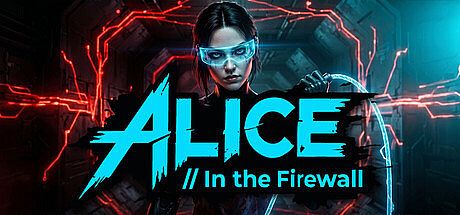


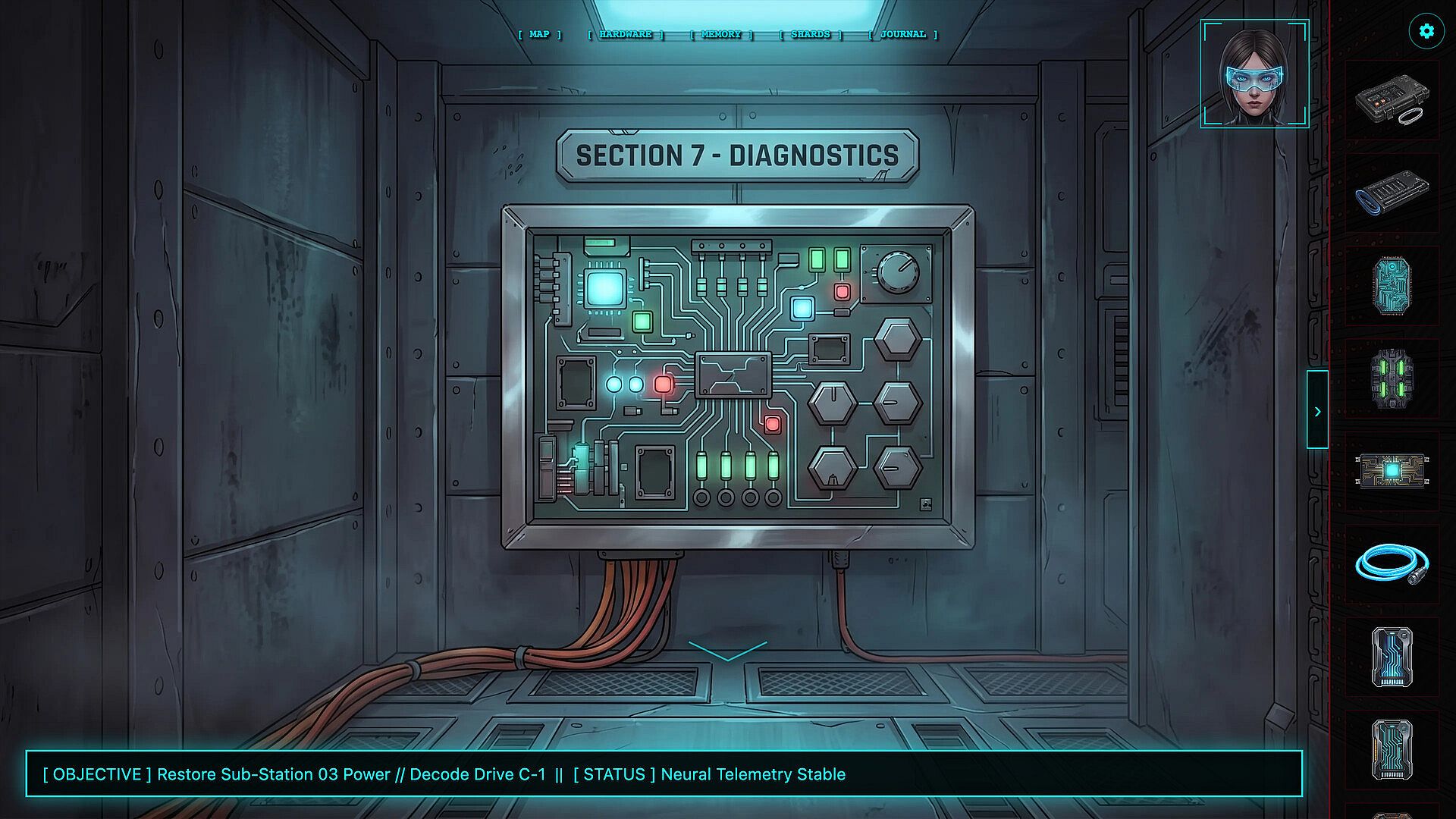


Alice in the Firewall is a single-player indie casual adventure game built around point-and-click investigation and tactical puzzle-solving on PC. Players take on the role of a freelance net-hacker who becomes trapped inside a high-security Aegis Corp facility and must navigate its digital core to escape.
Gameplay
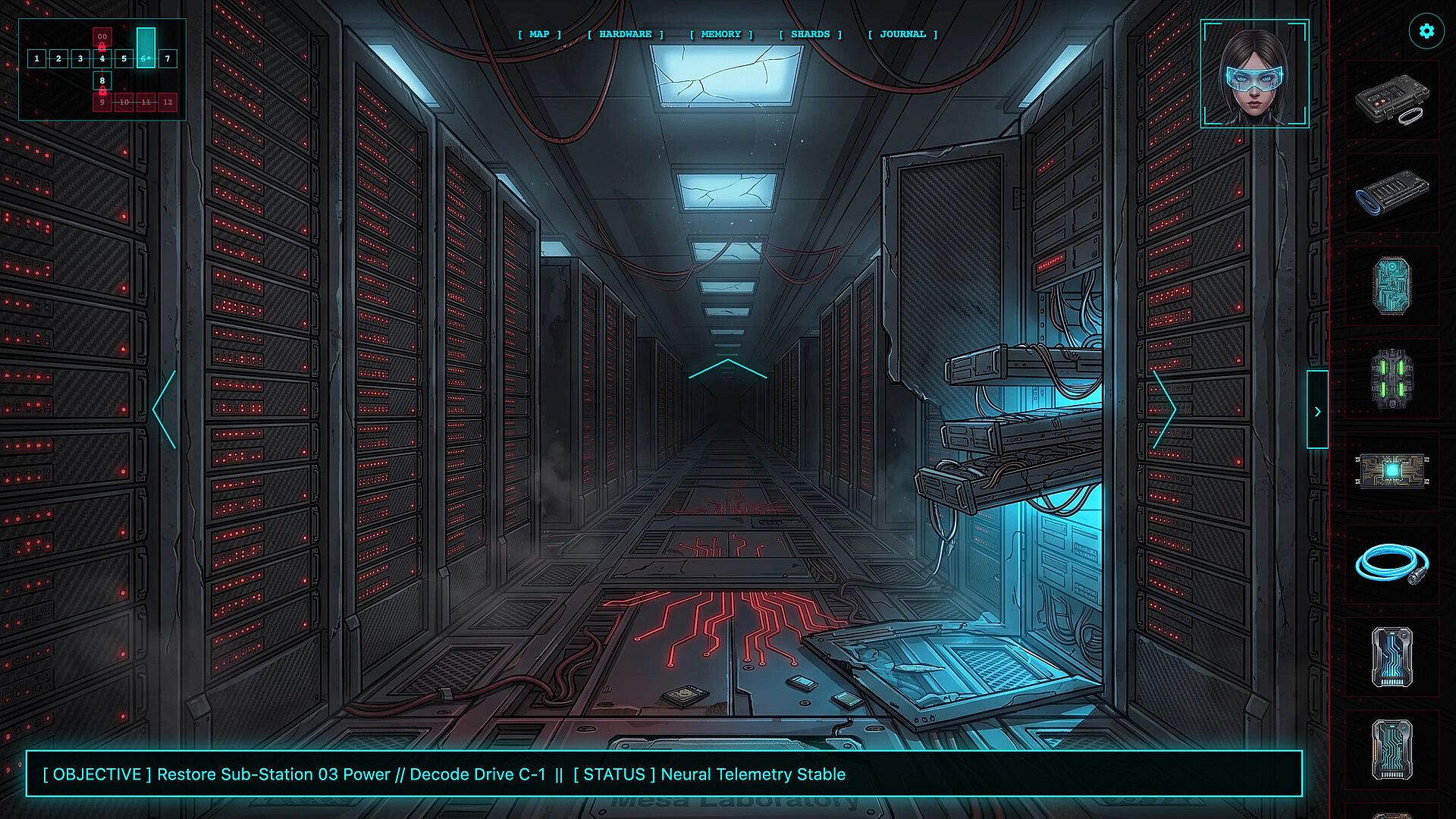
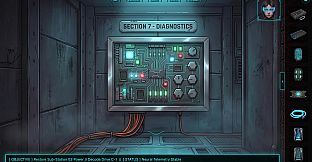
The core loop centers on exploring physical terminals in the facility while managing a digital avatar named Alice inside the mainframe. Investigation sequences involve searching corporate emails, reconstructing corrupted logs, and decrypting data to bypass lockdowns that block both physical doors and network sectors.
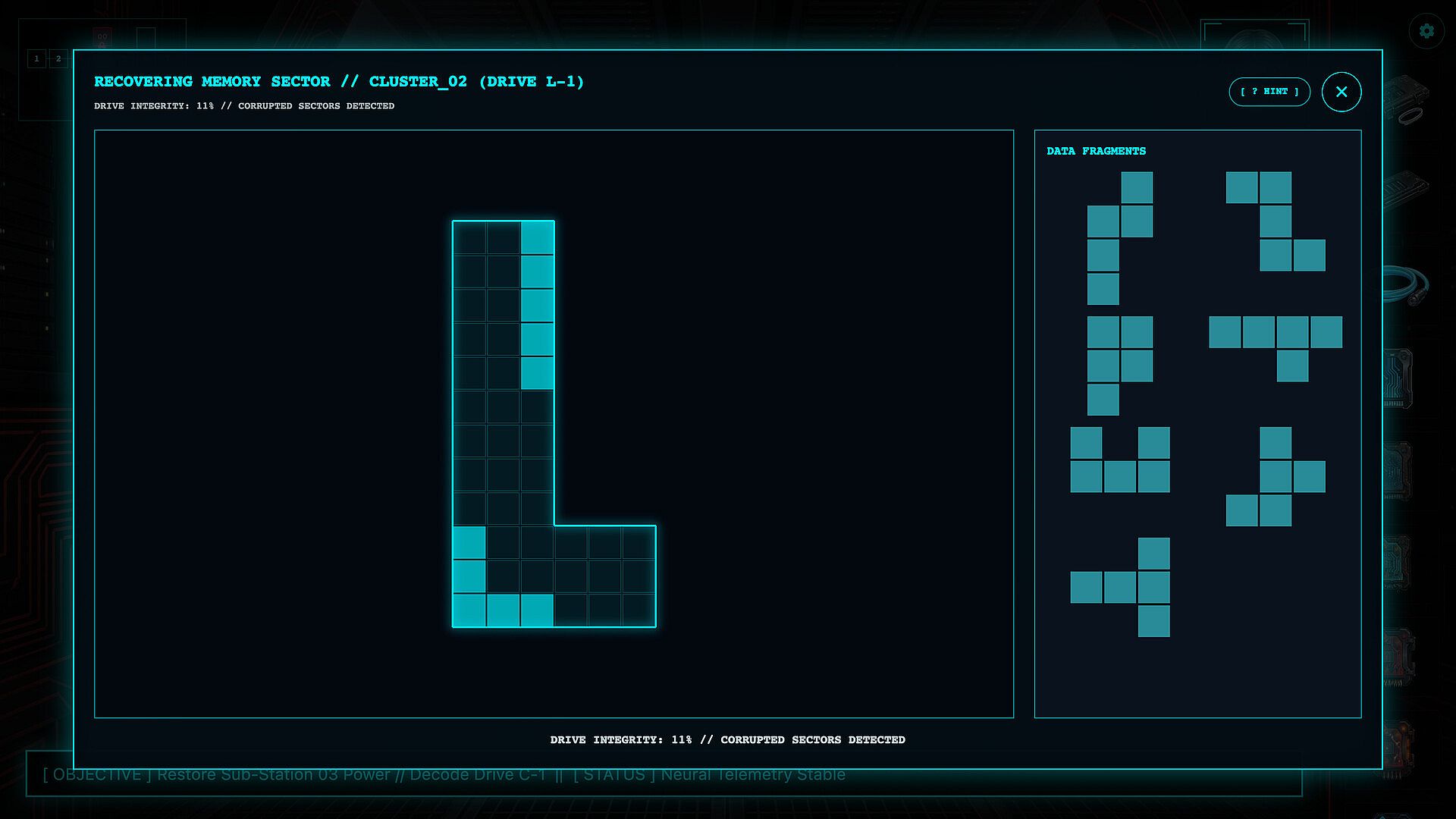
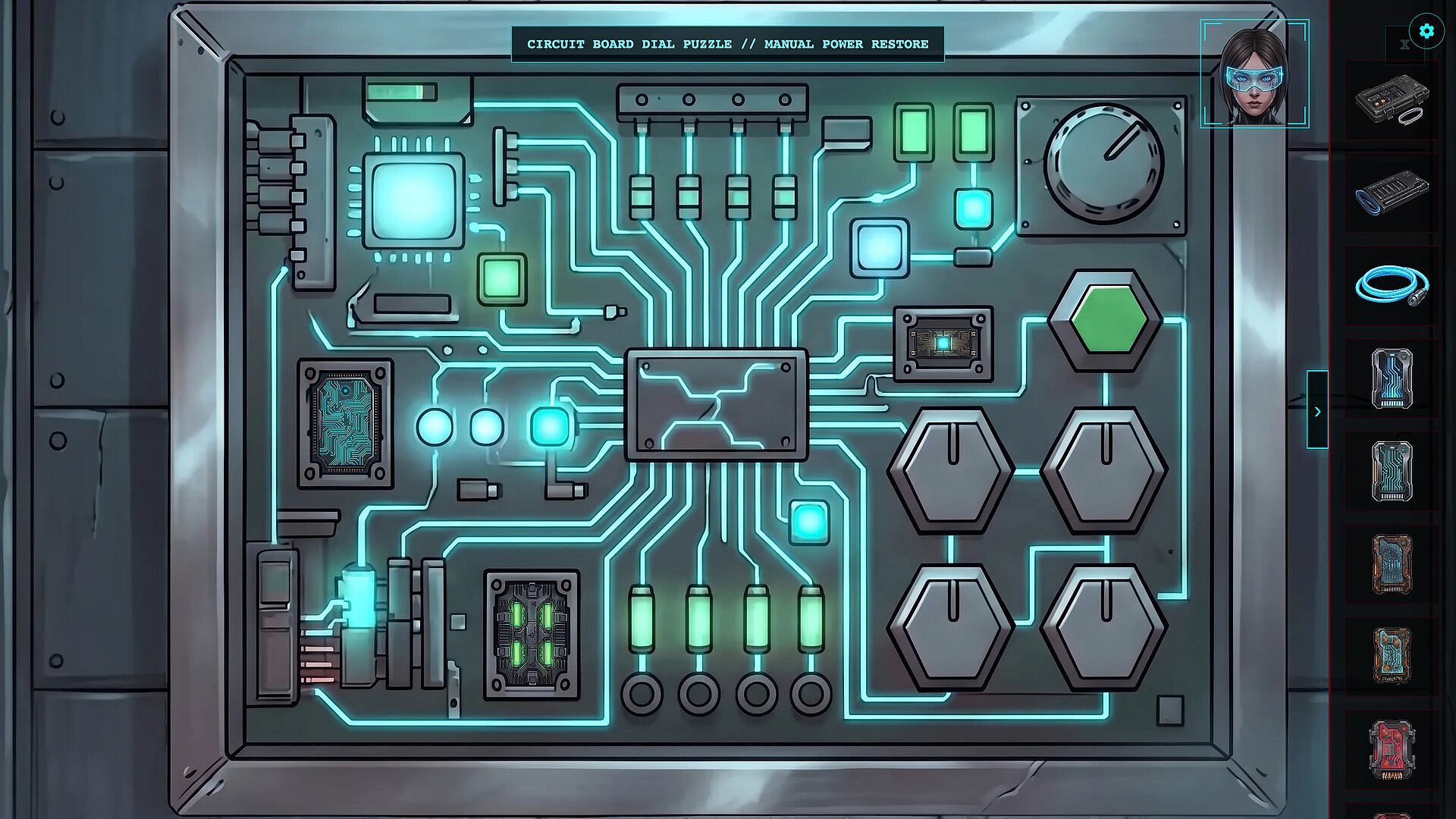
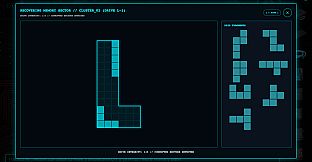
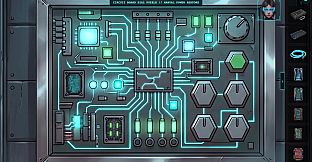
Puzzle elements require solving circuit routing diagrams, pentomino ciphers, and diagnostic system locks that appear as players advance through the firewall layers. These challenges tie directly into narrative progression, as successful overrides reveal new areas and hidden files.
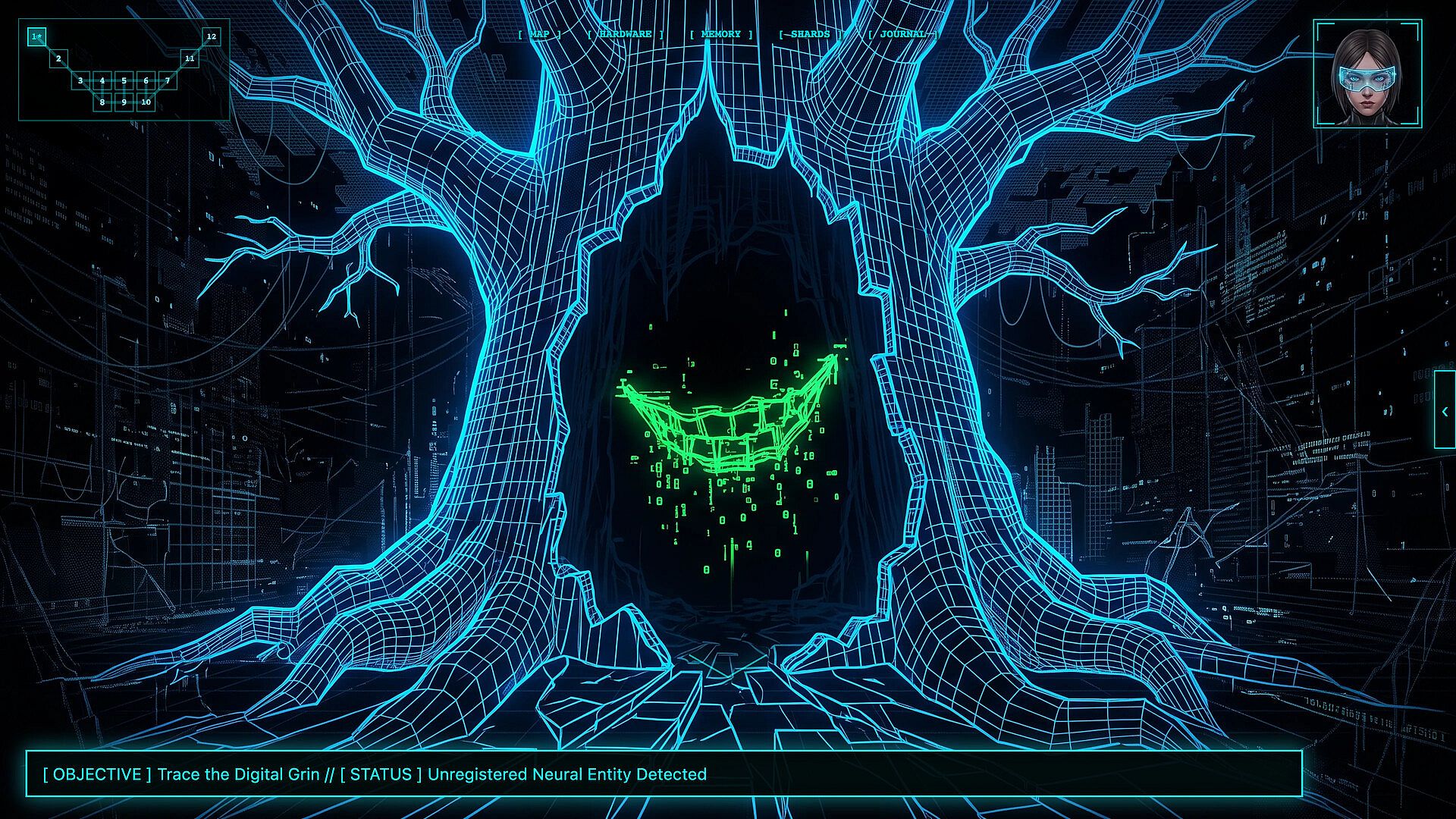
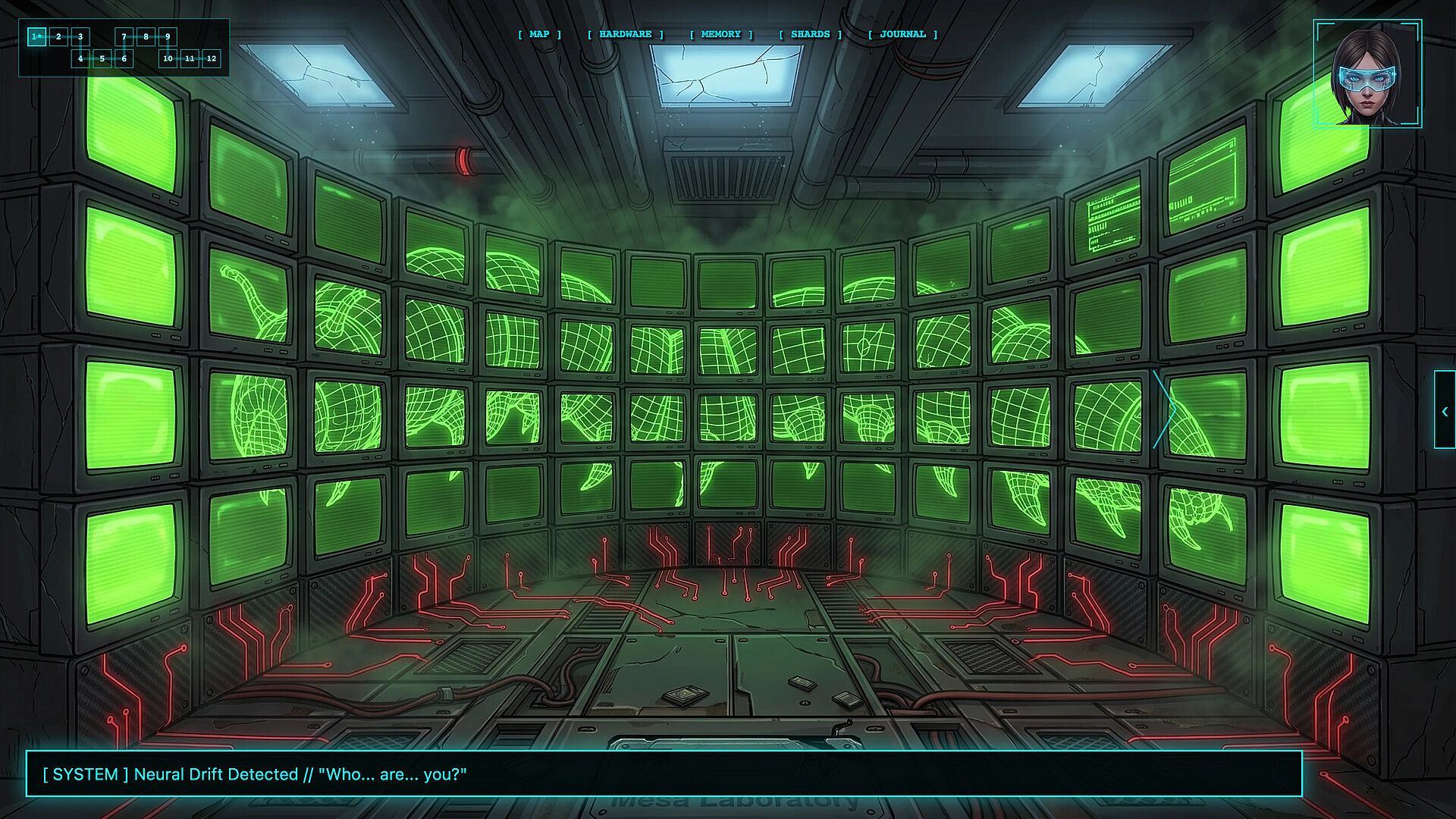
Alice's avatar responds in real time to player actions. Her visual state and emotional reactions change based on diagnostic inputs, failed attempts, and successful security breaches, creating a feedback loop between puzzle performance and character presence. The surreal cyber-Wonderland setting features glitched digital entities that guard network nodes, requiring players to interact with or circumvent them through logic-based solutions.
Terminal interfaces emphasize focus-driven clicks and careful examination of on-screen elements. Corrupted audio logs and system messages provide context that informs puzzle solutions and advances the investigation of the facility's systems.
Game Modes
The game operates entirely as a single-player experience with no separate multiplayer components or competitive modes. Progression follows a continuous narrative path through the locked facility and its digital layers, where each section builds on the previous investigation and puzzle results.
Players move between on-site terminal searches and direct avatar control inside the mainframe without branching campaign structures or alternate play styles. All mechanics remain integrated into the central story of escaping the lockdown while uncovering corporate data.
Narrative Investigation
The story begins with a routine contract that turns into a lockdown, forcing the hacker to jack into the core terminal. From there, the plot unfolds through decrypted files, emails, and memory fragments that expose details about Aegis Corp and the player's own background.
Exploration of the neon-lit firewall reveals a twisted digital landscape populated by rogue processes and security entities. Each discovery layer adds context to the conspiracy, linking physical facility events with events inside the grid.
Reconstructing missing memory fragments serves as both a gameplay objective and a story driver. These fragments surface during successful overrides and provide the information needed to resolve the lockdown and understand the larger events at play.
Is It Worth Playing?
Alice in the Firewall targets players who enjoy methodical point-and-click adventures combined with logic puzzles and a contained narrative. Its mechanics focus on terminal examination, cipher solving, and avatar interaction without requiring fast reflexes or resource management systems common in other genres.
The single-player structure delivers a self-contained story that rewards careful observation and sequential problem solving. Responsive avatar feedback adds a layer of personality to the puzzle process, making repeated attempts feel connected to the character's state.
As the title remains in development with a demo planned, those interested in narrative-driven puzzle adventures can follow its progress for a focused experience once it launches. The described systems align with classic investigation gameplay updated by the cyber-Wonderland theme and dynamic visual responses.