


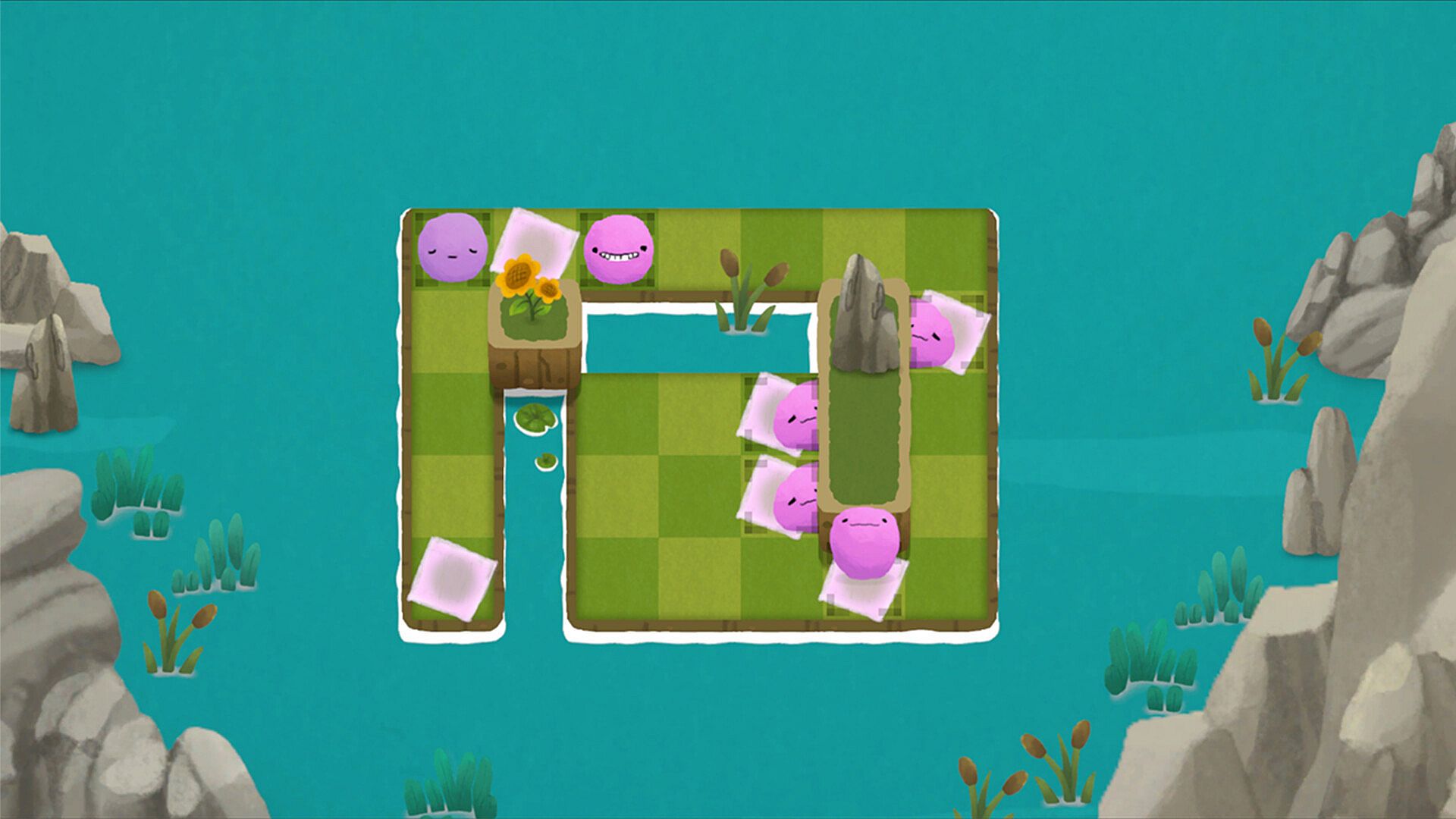
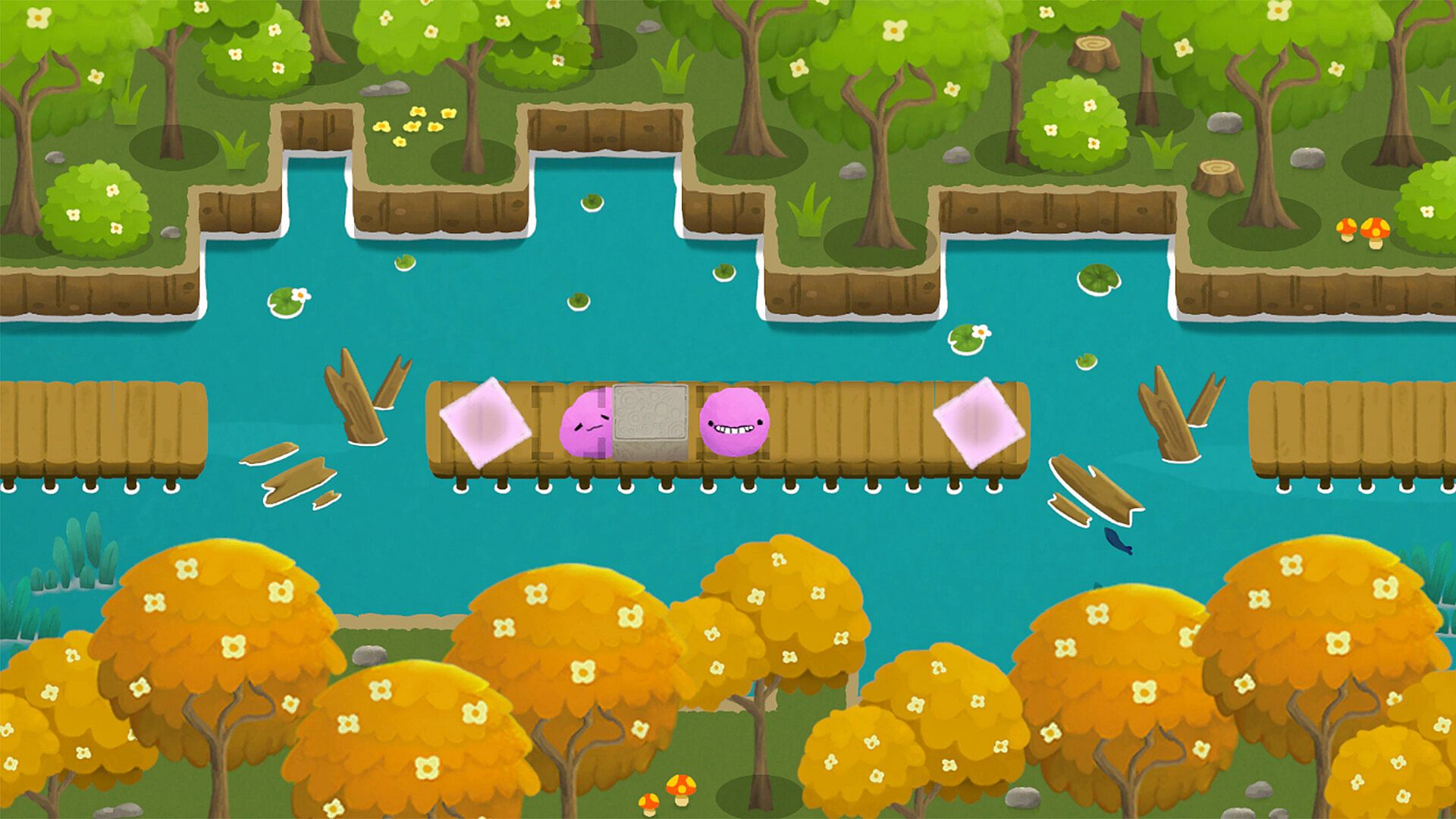
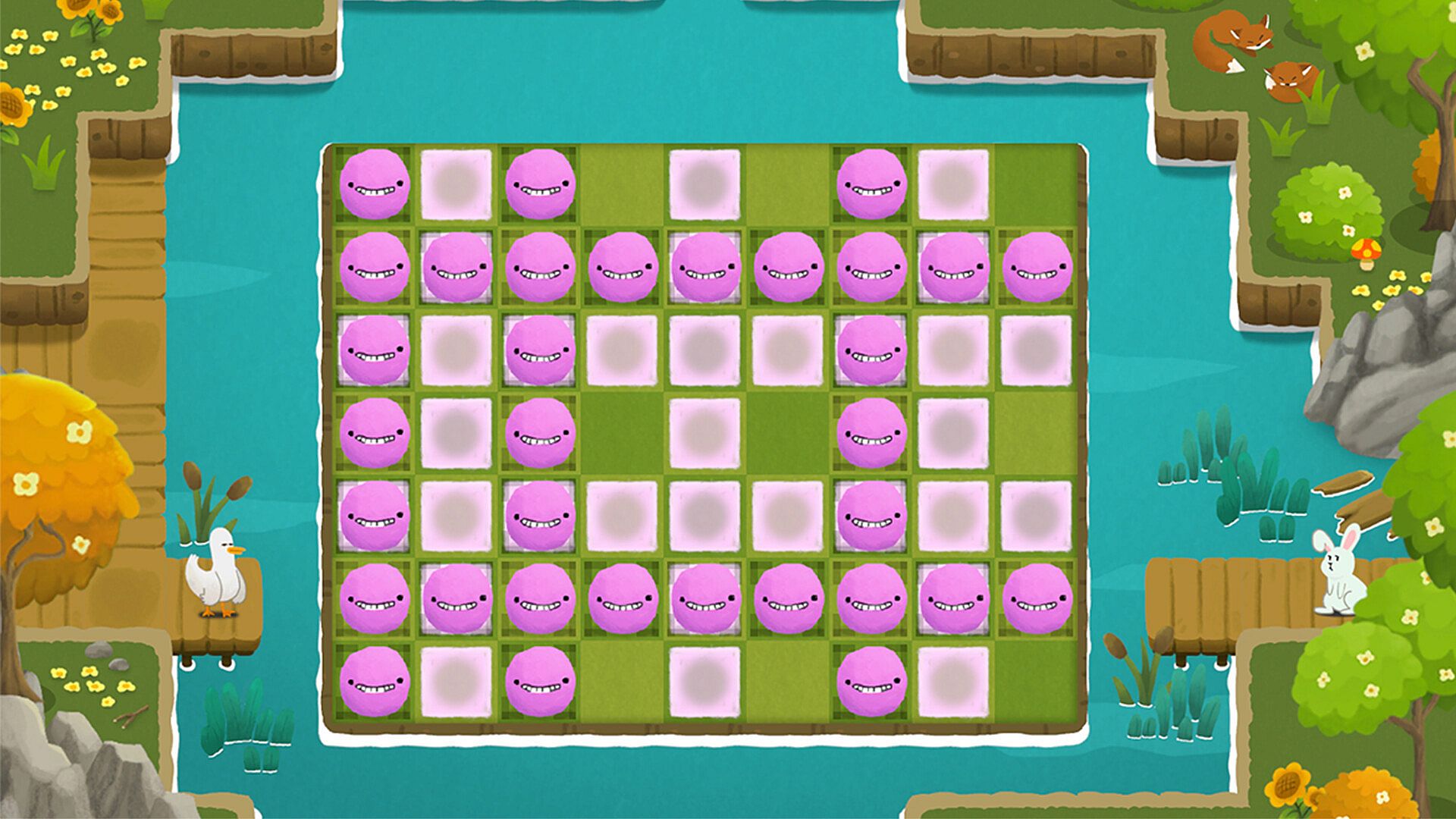
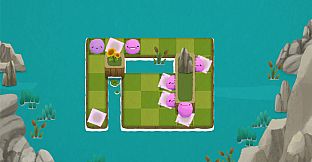
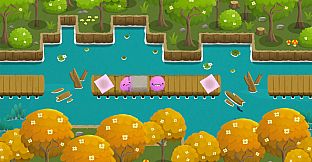
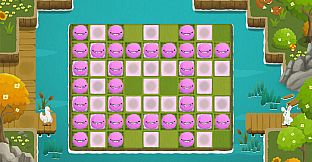
We Are Gum is a singleplayer puzzle game that blends strategy and casual adventure elements in a Sokoban-inspired format. Players guide groups of goofy alien bubble gums through hand-crafted levels as they attempt to return home. The game emphasizes simultaneous movement and sticky mechanics that turn straightforward navigation into layered logic challenges.
Gameplay
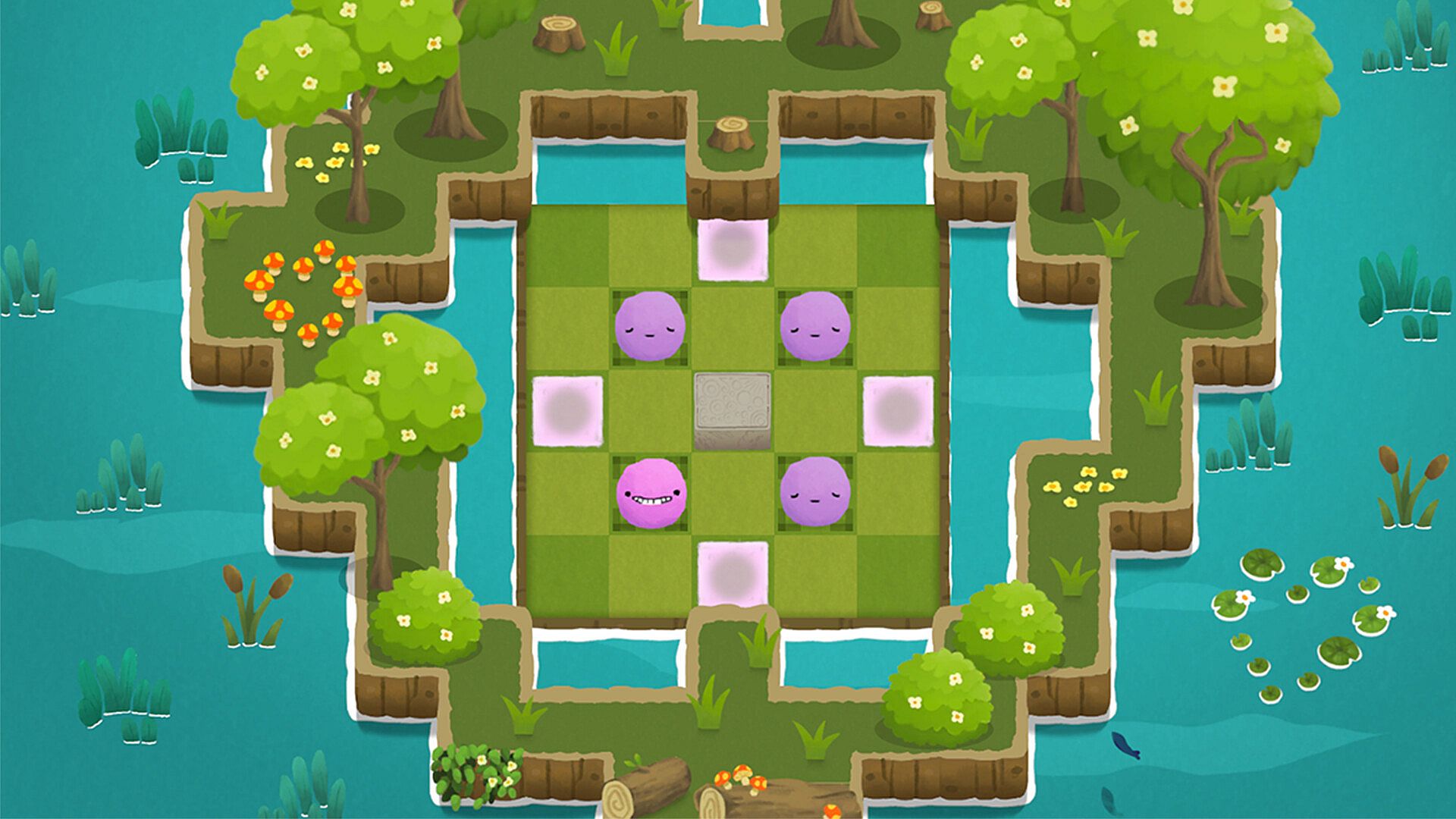
Core gameplay revolves around controlling multiple gum characters that all shift in the same direction with each input. This simultaneous action requires careful planning to avoid getting stuck or misaligned. Gums can attach to walls, blocks, and other surfaces, creating opportunities to climb or redirect paths while also introducing risks of unintended adhesion.
Pushing heavy stones adds another layer, as players must position these objects to clear routes or create new sticking points without trapping the group. The early showcase version highlights experimental mechanics that evolved during development, including varied interactions that test coordination and foresight across its levels.
Levels focus on spatial reasoning and incremental mastery of the sticky system. Simple steps quickly escalate into sequences where one wrong move cascades through the entire group. The design rewards repeated attempts and observation of how sticking alters movement options.
Game Modes
The experience centers on a singleplayer puzzle campaign. Players progress through a series of interconnected levels that introduce and combine mechanics gradually. There are no separate competitive or cooperative modes, keeping the focus on individual problem-solving sessions.
Progression follows a linear structure where each puzzle builds on prior concepts. The showcase edition presents a curated selection of around thirty levels drawn from the initial development phase, allowing direct comparison to later refinements in the full release.
Development Snapshot
This edition captures the game at an earlier stage from the 2025 Thailand Game Talent Showcase. It includes student-created elements such as occasional bugs, unfinished interactions, and ambitious features that were later streamlined. The result offers a direct view of the iterative process behind the final puzzle systems.
Visual and interface elements reflect the prototype phase with reduced polish compared to the released version. Access comes through a dedicated folder in the game files, providing files that document the journey from initial concepts to the polished Sokoban variant.
Is It Worth Playing?
Players interested in logic-based puzzles will find value in the unique simultaneous control and sticking mechanics. The short overall length suits those seeking a focused session without extended commitment. The showcase edition particularly appeals to those curious about indie development processes and early prototypes from award-winning student teams.
Reception on available platforms has been positive among early players, with praise for the charming premise and challenging yet accessible design. As an independent title from a small team, it supports continued work on similar puzzle experiences. Those who enjoy classic Sokoban twists with added chaos from group movement will likely appreciate the core loop.