






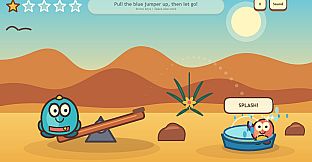
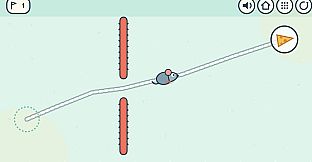
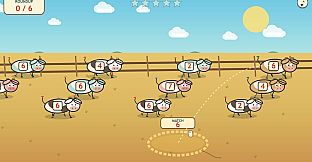


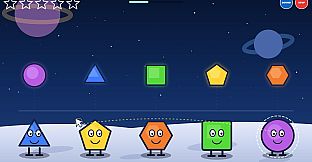

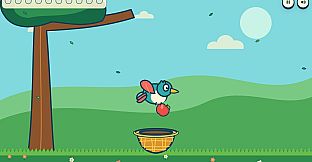

Teach Kids Games: Age 4 is a casual adventure and sports title designed as an educational collection of mini-games for young children on PC. It builds directly on the base game Teach Kids Games by adding more than fifty additional short activities aimed at age-four players who are taking their first steps with a computer.
Gameplay
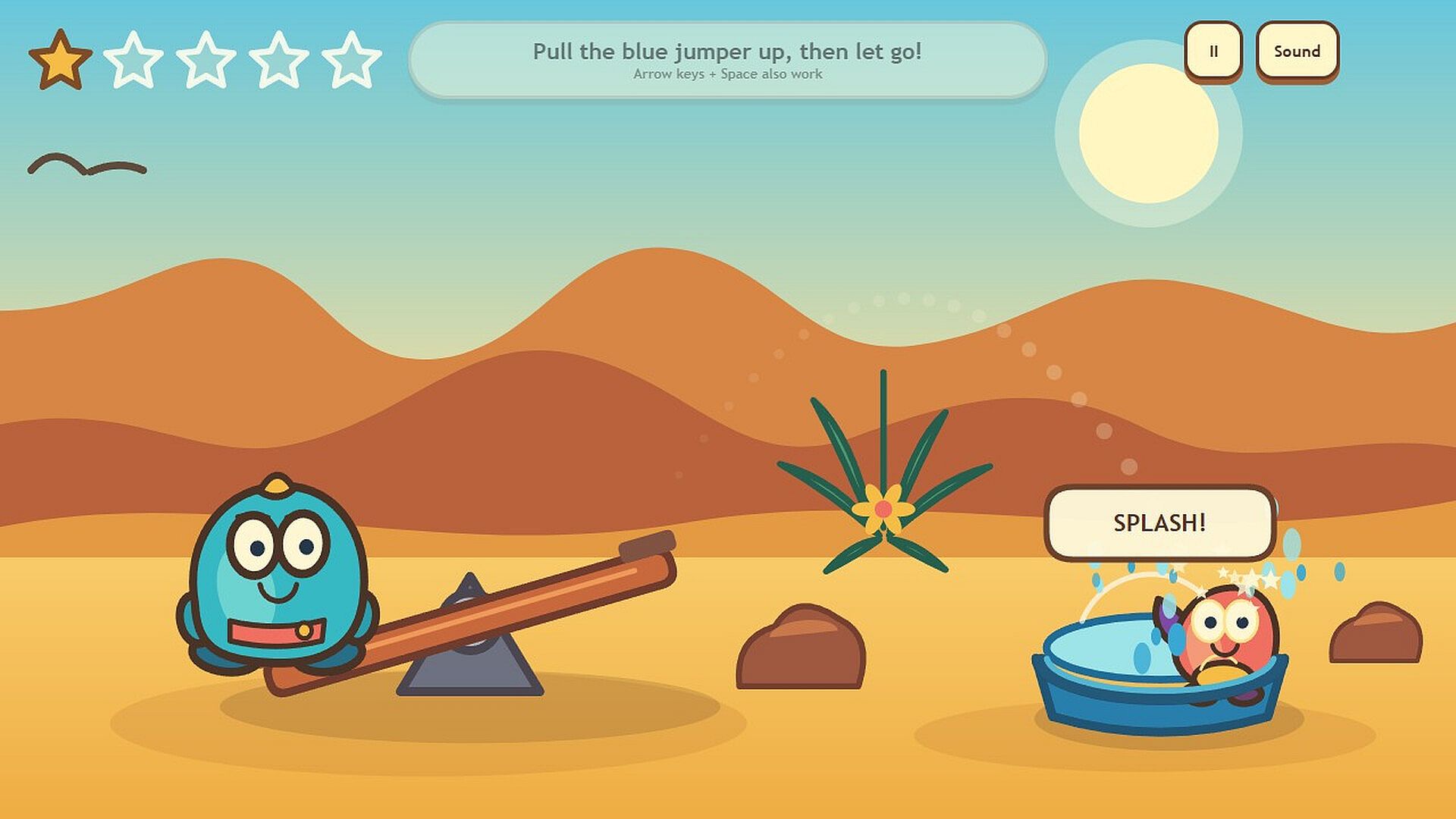
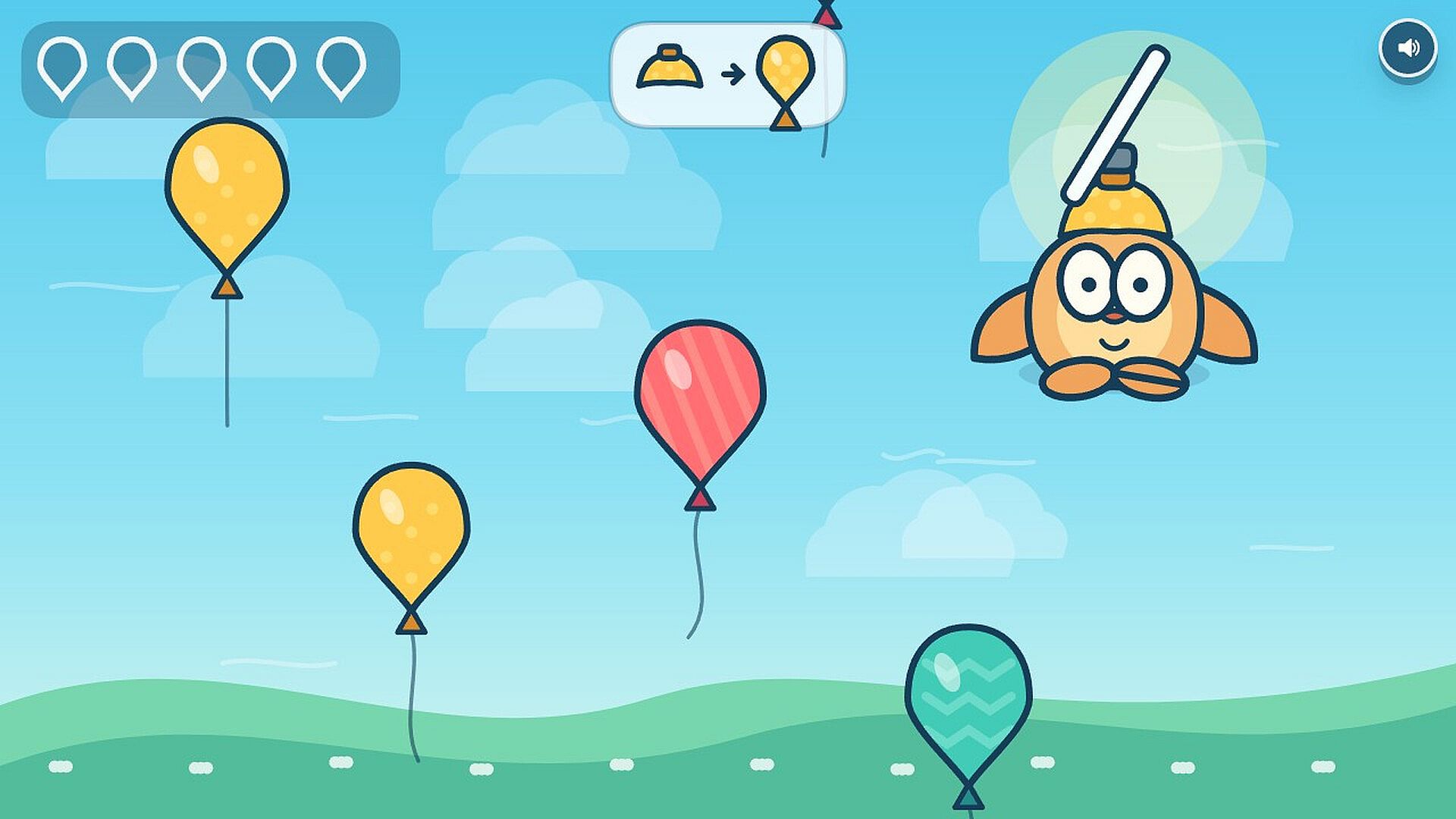
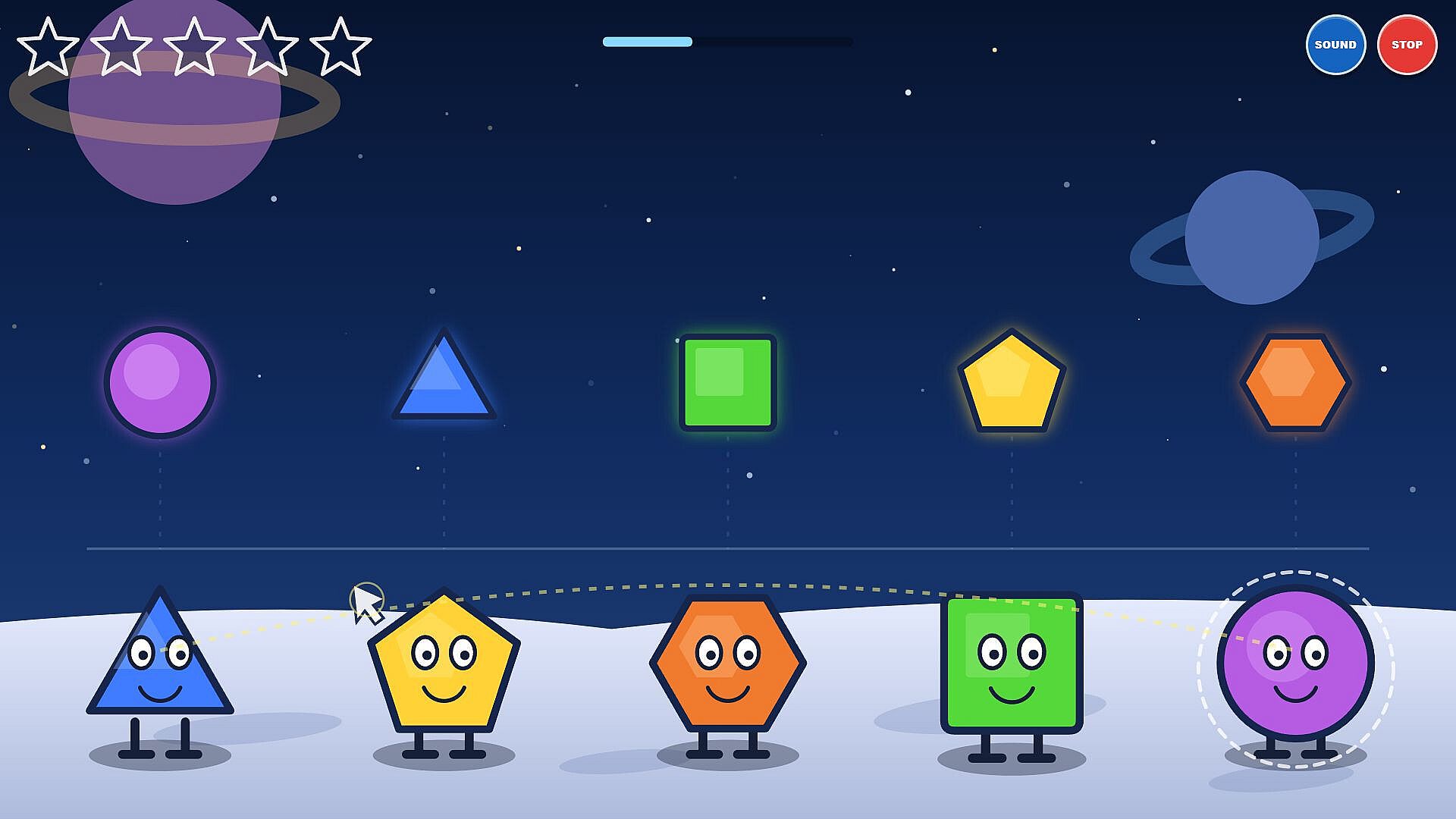
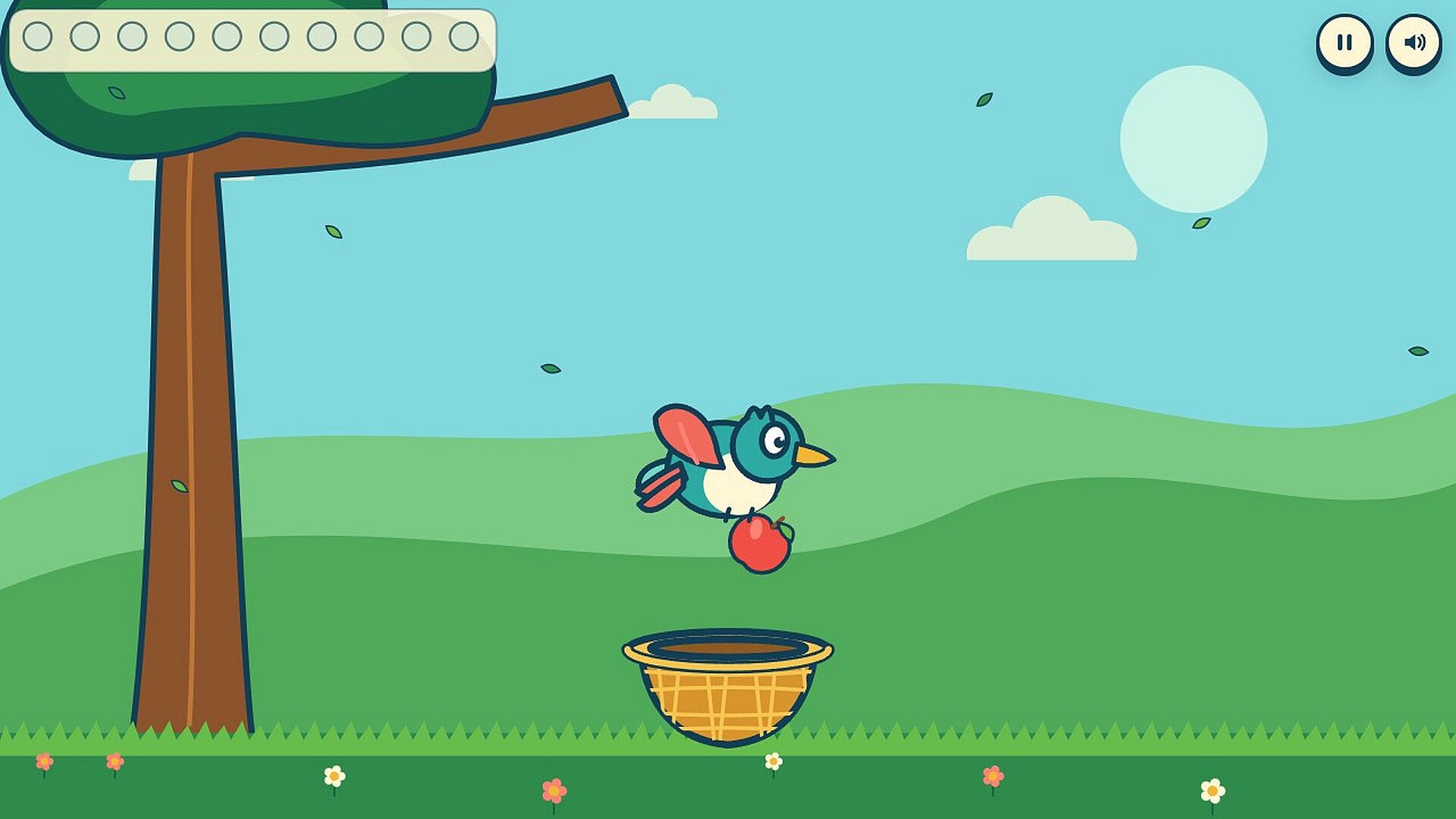
The core loop centers on simple, repeatable interactions that introduce mouse movement, clicking, dragging, and basic keyboard use. Children engage with large on-screen targets that respond immediately with clear visuals and sounds, helping them connect actions to outcomes without frustration. Activities draw from everyday themes such as friendly animals, toys, gardens, vehicles, and storybook scenes, keeping sessions short and focused on cause-and-effect learning.
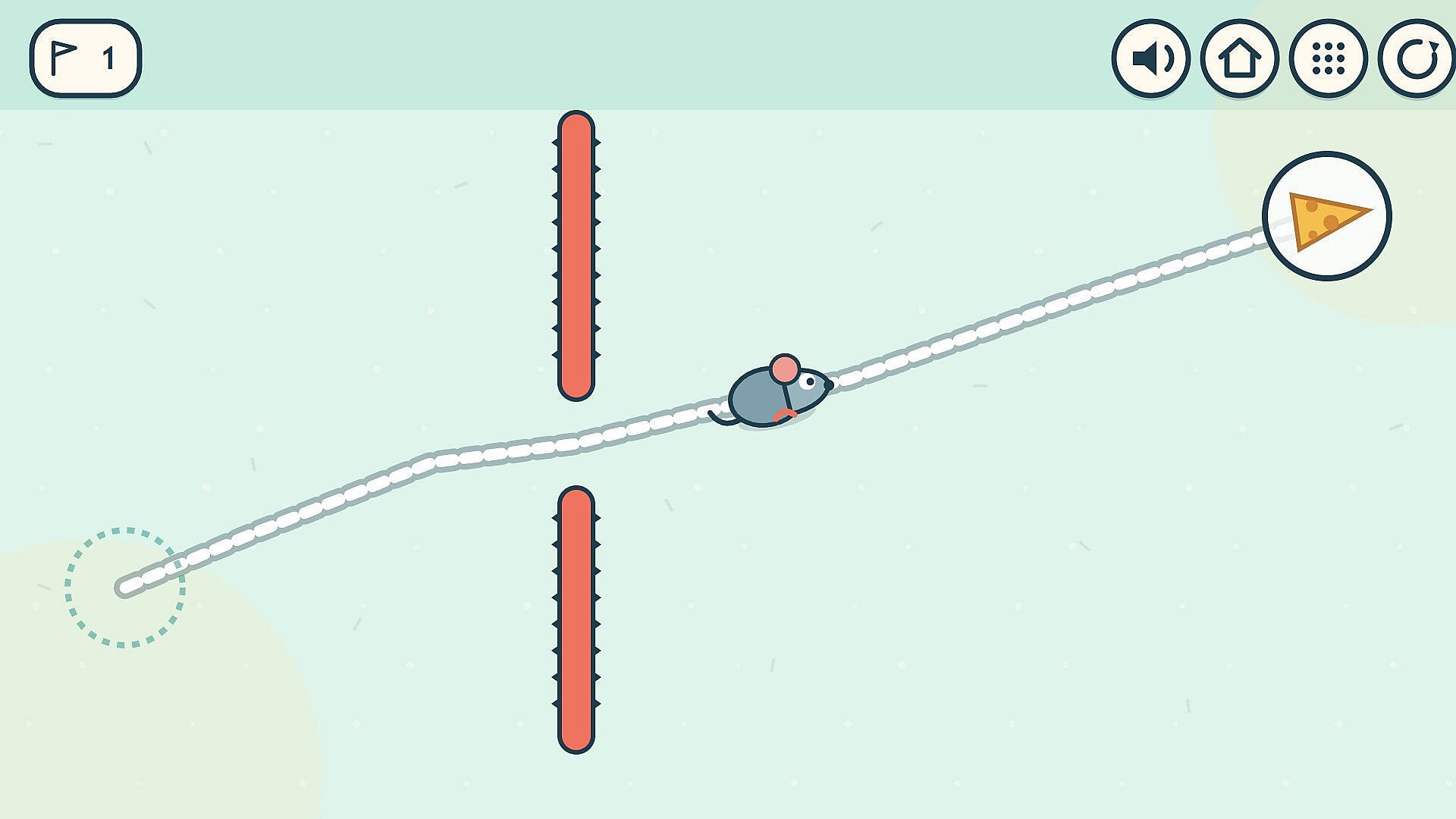
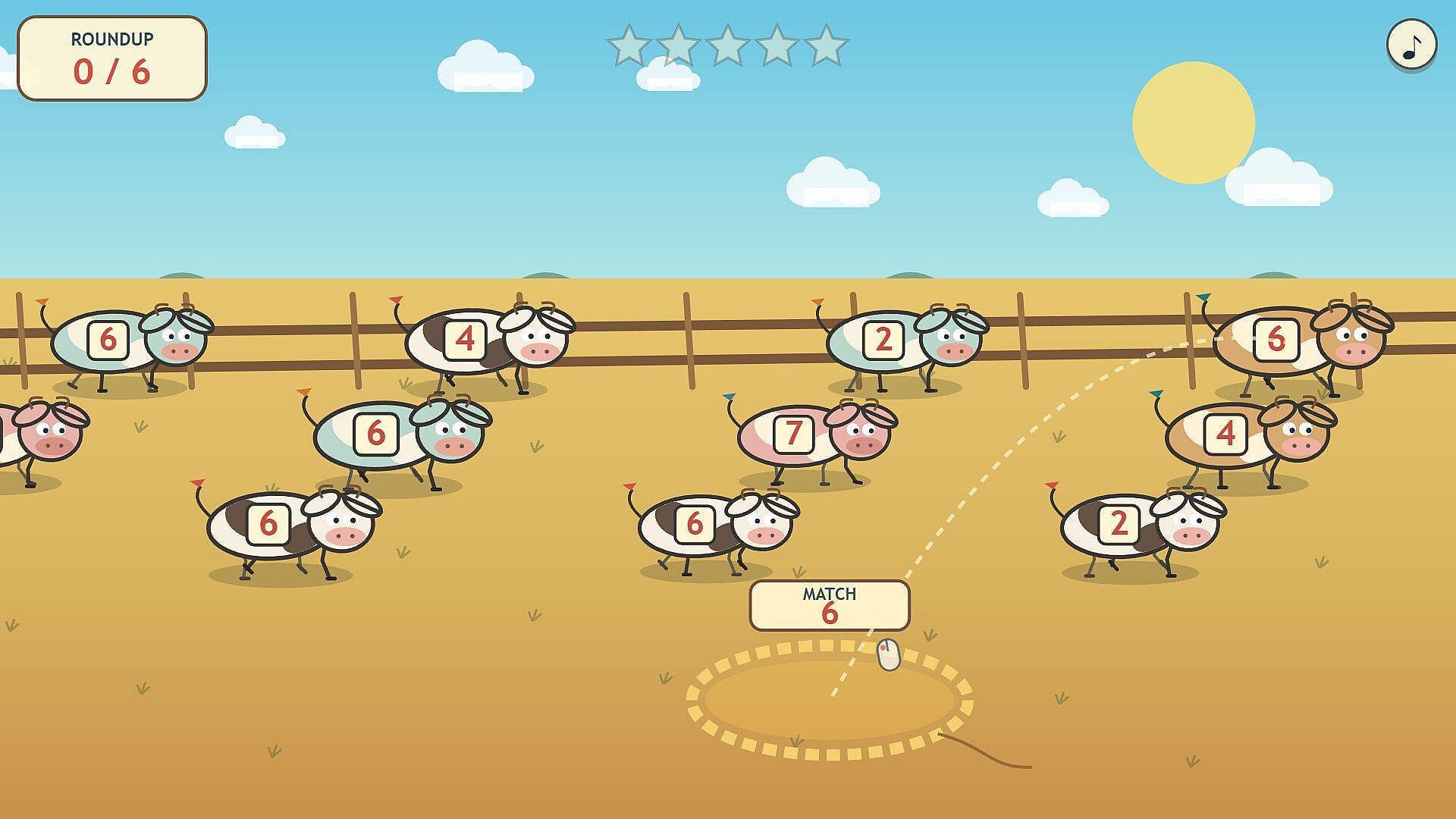
Each mini-game emphasizes safety and accessibility through oversized elements and calm pacing. Players practice following wide paths, pressing safe keys, matching pictures, creating simple music, and exploring open-ended discovery alongside more guided tasks. An adult can assist with initial setup and selection, after which the child works independently. The experience remains entirely single-player with no online features, chat, or advertisements.
Game Modes
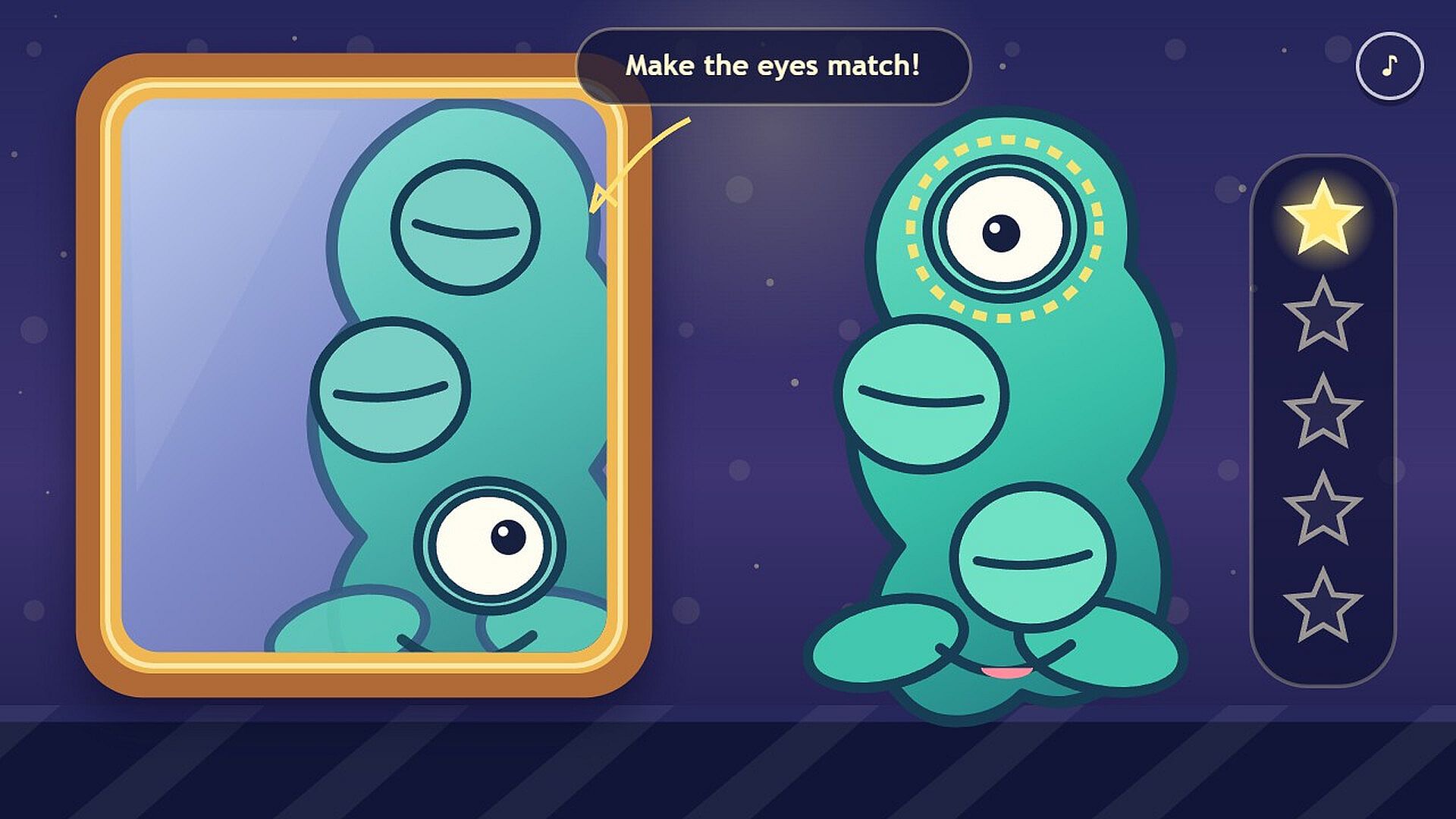
The title offers no traditional competitive or narrative modes. Instead, it presents a library of distinct mini-games that function as self-contained activities. These cover mouse-based actions like clicking and dragging objects, keyboard exercises with safe key presses, and creative tasks such as making music or matching images. Many activities blend structured guidance with free exploration, allowing children to repeat favorites or try new ones at their own pace.
Progression occurs naturally through repeated play rather than levels or scores. The additional content in Teach Kids Games: Age 4 expands the library with age-appropriate variations that maintain the same gentle approach while introducing slightly more variety in themes and interactions.
Design for Early Learners
Visual feedback stays bright and immediate, with audio cues that reinforce successful actions. Large targets reduce precision demands, making the games suitable for developing fine motor skills and hand-eye coordination. Themes stay familiar and non-threatening, drawing from playrooms, outdoor settings, and simple stories that hold attention without overwhelming young users.
Parents and caregivers benefit from the straightforward structure. The first launch may require brief help to choose an activity, but subsequent sessions allow children to navigate and experiment on their own. All content prioritizes calm presentation and immediate responses that build confidence in basic computer use.
Is It Worth Playing?
Teach Kids Games: Age 4 suits families seeking a focused way to introduce computer skills to four-year-olds. Its strength lies in the volume of short, low-pressure activities that align with early developmental needs. The single-player format and absence of external elements keep the experience contained and parent-approved.
Reception remains limited due to the niche focus and recent release, with few public reviews available. Those who have tried the base game and its expansions note the consistent emphasis on gentle skill-building. For households with young children ready to practice mouse and keyboard fundamentals in a structured yet playful setting, the title delivers targeted value without unnecessary complexity.